







Search Results for: coffee capacity
A Complete Guide to Choosing the Right Latte Art Pitcher Capacity and Milk-to-Espresso Ratios
To create beautiful latte art, choosing the right milk pitcher capacity and milk volume is key. There are many latte art pitcher brands on the market, with capacities ranging from 12 ounces to 24 ounces, and different sizes have a direct impact on pattern formation. This article will introduce common milk pitcher brands, explain the matching formula between milk pitcher capacity and coffee cup size, describe how the pitcher's tilt angle affects latte art results, and provide coffee cup capacity recommendations suitable for latte art. Whether you are a beginner or an advanced player, you can find practical purchasing and operating references here. Front Street Coffee has also compiled related product recommendations for you to help you easily improve your latte art skills. [more…]
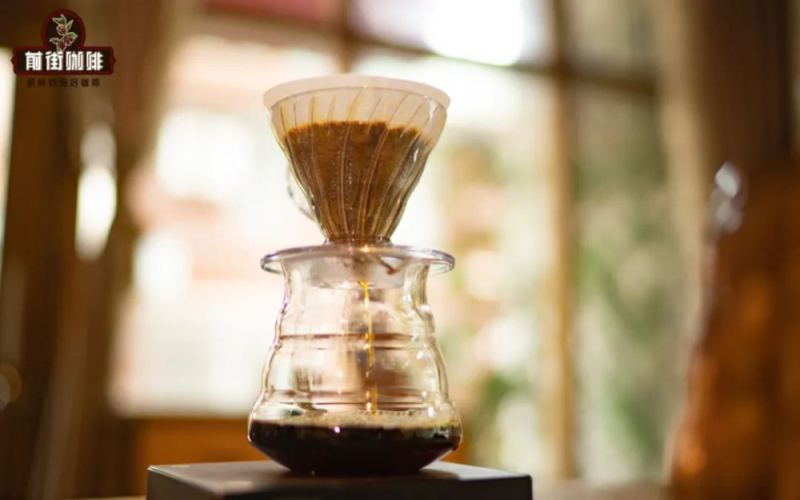
How Does Filter Cone Material Affect Coffee Extraction? Analyzing Brewing Differences Through Thermal Conductivity and Specific Heat Capacity
Coffee filter cups on the market come in a wide variety of materials—resin, glass, ceramic, and metal each have their own fans—but what real impact do different materials actually have on brewing? Many people's first thought is the price difference, but setting aside cost, the most core difference between materials lies in their ability to control temperature. Thermal conductivity determines how quickly heat is transferred, while specific heat capacity relates to how much heat an object can store. Together, these two physical parameters directly change the temperature performance of hot water during the extraction process. Metal conducts heat fastest but also dissipates it quickly; ceramic has a high specific heat capacity but needs thorough preheating; glass performs mildly; and resin, because it absorbs heat slowly, has almost no effect on water temperature. In this article, Front Street Coffee will break down the characteristics of four common filter cup materials one by one, and combine them with the actual differences in flow rate among V60 versions made of different materials, to help everyone understand why you cannot simply copy extraction formulas from the internet, but should instead flexibly adjust your brewing strategy according to the material of the filter cup in your hands. [more…]
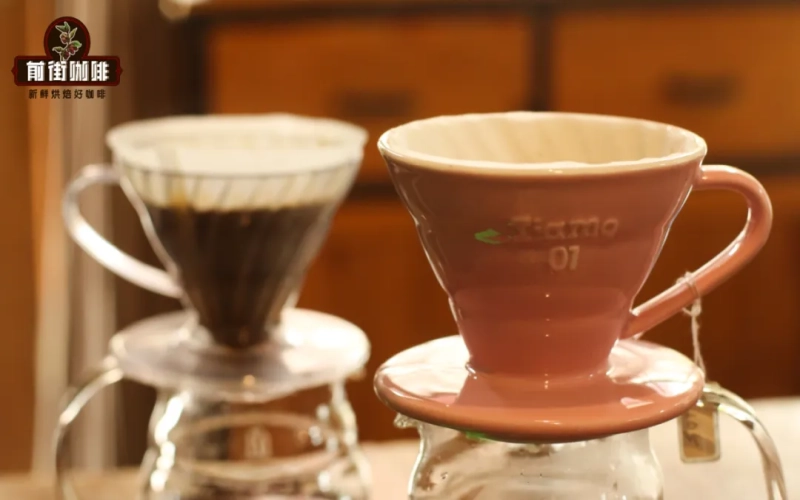
How do the material differences between ceramic and resin drippers affect the extraction results of pour-over coffee?
The material of a pour-over coffee dripper isn't just about feel and aesthetics—it genuinely changes the flavor in the cup. Front Street Coffee has shared before that the reason different dripper materials produce different extraction results comes down to two physical indicators: specific heat capacity and thermal conductivity. Thermal conductivity determines how quickly heat transfers, while specific heat capacity determines how easily a substance heats up or cools down. Together, they determine how much temperature a dripper "steals" from the hot water. This article will start from these two concepts to explain why a ceramic dripper makes coffee less bitter when it hasn't been preheated, why it's best to warm a ceramic dripper with hot water before use, and offer parameter adjustment suggestions based on actual brewing. [more…]

Coffee capacities keep breaking records: from 1L mega jugs to 1500ml basin-sized iced Americanos—are they a life-saving elixir for office workers or a health hazard?
In recent years, coffee culture has rapidly gained popularity in China, and iced Americano has become a daily necessity for countless office workers. From the initial 300ml standard cup, to the 1L "ton-ton bucket," and now to a 1500ml basin-sized iced Americano recently launched by a coffee shop in Shanghai, coffee capacity keeps pushing the limits of imagination. Large-capacity iced coffee from South Korea once made Chinese consumers envious, and now domestic brands have joined the super-sized cup trend one after another: Seesaw launched a 1.5L shareable takeaway pack, and the Korean brand onlyprice has even introduced a 2.1L coffee liquid. These super-sized coffees have quickly gone viral thanks to their visual impact and high cost-performance ratio, and have been jokingly called by netizens the life-extending elixir for office workers. However, many people are also worried about the health effects of excessive consumption, with issues such as heart palpitations and insomnia sparking discussion. This article will walk you through the phenomenon and controversy behind this coffee capacity race. [more…]
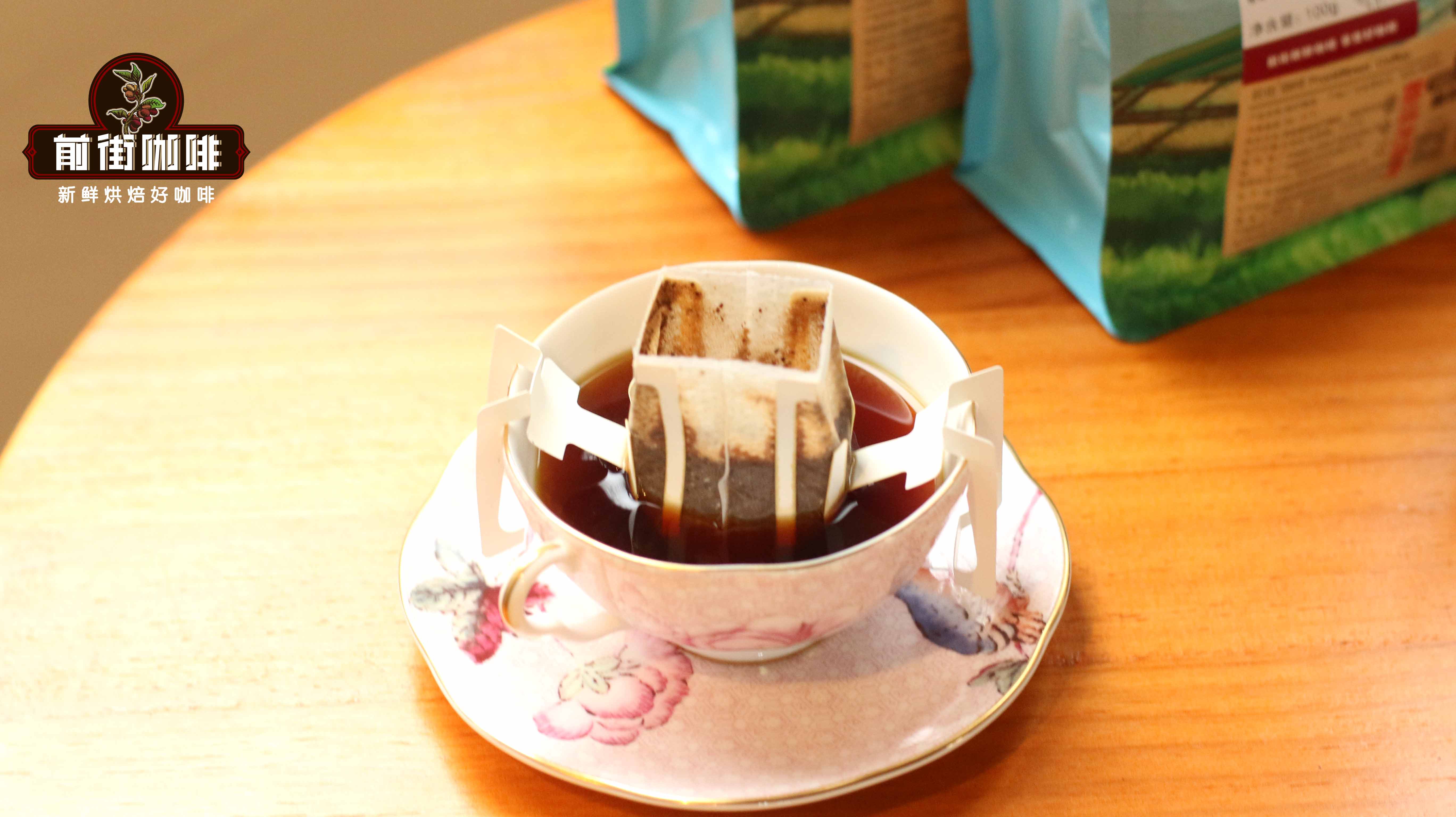
What to Do When Drip Bag Coffee Flavor Is Unbalanced? Start with Cup Capacity and Shape to Find the Extraction Balance Point
The National Day holiday is approaching, and many people have prepared drip coffee bags, hoping to enjoy filter coffee in the most effortless way. But without using an electronic scale and just grabbing any cup to brew, two bad results often occur: the coffee tastes weak, or it's bitter and over-extracted. Actually, the problem may lie with the cup—its capacity determines whether the amount of water poured is appropriate, and the cup's height affects whether the drip bag gets soaked. This article teaches you how to judge where to pour the hot water by observing the cup's appearance and capacity, combined with the standard 1:15 coffee-to-water ratio, and offers water temperature adjustment suggestions for short cups and tall cups. It also includes tips on using chopsticks or a spoon to assist stirring, so that even without professional equipment, you can brew a Front Street Coffee drip bag with suitable strength and clean flavor. [more…]

Luckin's Kunshan roasting base breaks ground: second self-built factory boosts annual capacity to 45,000 tons and fresh supply for stores
Luckin Coffee, which now operates over 7,846 stores, is accelerating its upstream supply chain expansion. Following the start of production at its first roasting plant in Pingnan, Fujian, Luckin's second fully automated smart roasting base—independently invested and built in Kunshan, Jiangsu—has recently broken ground and is expected to begin production in 2024. With a total investment of approximately US$120 million, the base covers 53,000 square meters and will have an annual roasting capacity of 30,000 tons, incorporating core equipment such as the Italian BRAMBATI roasting system. By then, Luckin's two major roasting bases will have a combined annual capacity of over 45,000 tons, supplying fresher and safer green coffee beans to stores nationwide while advancing the brand toward its goal of a globalized, refined supply chain. [more…]
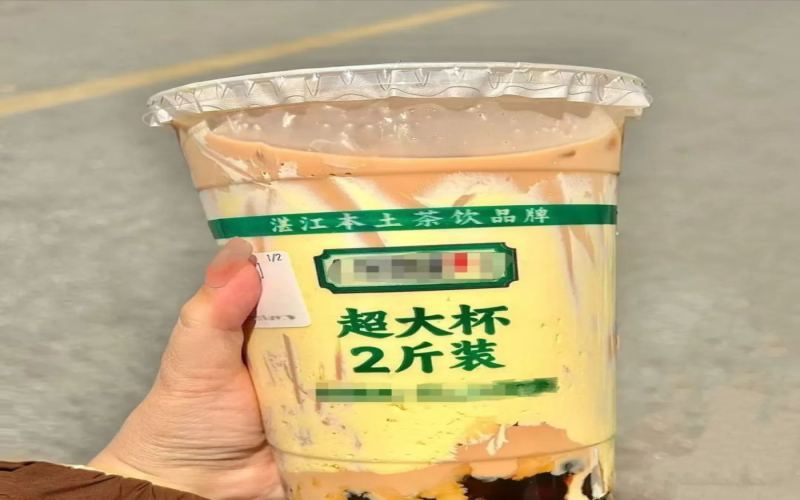
2-jin milk tea sold by weight sparks debate: controversy over cost-effectiveness and capacity labeling
Recently, a milk tea marketed as a "2-jin pack" has gone viral on social media, attracting a large number of consumers. The product was launched by a local tea beverage brand in Zhanjiang, priced at 18 yuan, or about 10 yuan after discounts, and has tapped into the consumer psychology of pursuing value for money with its large capacity and low price. However, along with the popularity came controversy: some consumers pointed out that 2 jin is roughly equivalent to 1000ml, and compared with the 500-700ml large cups of milk tea on the market, the actual value for money may not be outstanding, and merchants should label the capacity truthfully. In addition, similar products have already appeared in Nanning, Guangxi, and the originality of the idea has also sparked discussion. Some people are also worried that oversized milk tea may cause food waste. As coffee lovers, Front Street Coffee has also noticed the consumer trends and industry reflections behind this phenomenon. [more…]

What cups are used for espresso, Americano, and latte? A detailed explanation of the three capacity specifications of coffee cups
Walking into Front Street Coffee, the rows of ceramic cups of varying sizes on the espresso machine are not placed randomly—each specification corresponds to a specific coffee category and serving standard. The differences in coffee cup capacity not only help drinkers quickly judge the strength of the coffee, but also directly affect the presentation of flavor and heat retention. This article will systematically sort out the three coffee cup sizes used by Front Street Coffee—the 60ml small cup, the 180-200ml medium cup, and the 300ml large cup—and explain one by one the coffee types they are each suited for, the serving parameters, and the flavor performance, from espresso to Americano, cappuccino, and then latte, guiding you to understand the professional logic behind coffee cups. [more…]
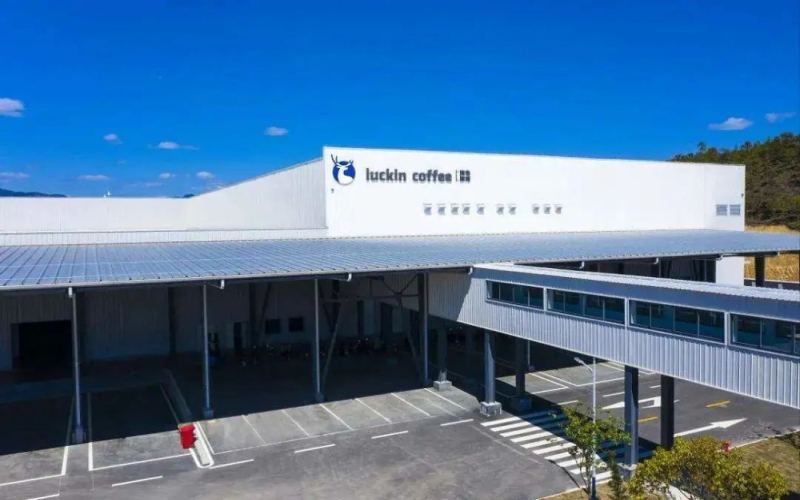
Luckin Coffee expands with a second roasting facility in Kunshan, adding 30,000 tons of annual capacity and accelerating its global strategy
After successfully turning itself around and achieving rapid expansion, Luckin Coffee is continuing to ramp up its supply chain development. Following the launch of its roasting plant in Pingnan, Fujian, Luckin chose Kunshan, Jiangsu as the site of its second roasting facility, which is expected to have an annual roasting capacity of 30,000 tons, with plans to pursue global expansion within the next one to three years. The new plant will be independently invested in by Luckin to the tune of approximately 1 billion yuan, integrating coffee R&D, roasting production, and a sales center under one roof. This move not only eases capacity pressure but also aligns with Kunshan's push to build a full coffee industry chain base. [more…]
A Complete Guide to Espresso Cup Sizes: The Right Capacity for Espresso, Latte, and Cappuccino
Step into Front Street Coffee (FrontStreet Coffee), and beside the espresso machine you will find ceramic cups of all sizes, each cup type corresponding to a specific category of coffee. The size of the cup not only affects the visual appeal of the finished drink, but is also closely tied to coffee intensity, heat retention, and flavor presentation. This article goes through three sizes—small, medium, and large—explaining one by one the cup capacities that suit espresso, americano, cappuccino, and latte respectively, and combines Front Street's brewing parameters and blended bean choices to help you understand the relationship between cup size and flavor, while also offering a reference for choosing suitable coffee beans when making milk coffee in daily life. [more…]
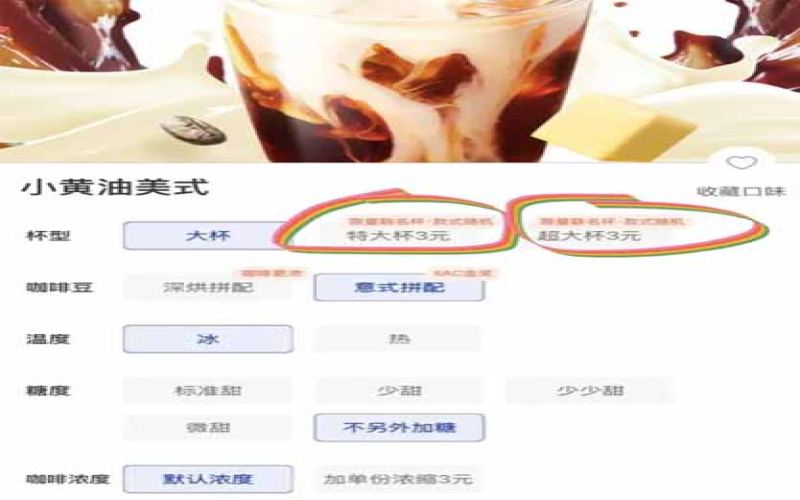
Luckin adds 3 yuan to upgrade to a large cup: The capacities of the extra-large and super-large cups are a mystery, and the upgrade rules leave consumers confused.
Luckin Coffee recently launched two new cup sizes, Extra Large and Super Large, on its mini-program, allowing users to upgrade for an additional 3 yuan. However, the official listing does not clearly indicate the capacity difference between the two, sparking widespread discussion among consumers. Some are delighted by the larger volume, while more are confused about "which is bigger, Extra Large or Super Large," and whether the upgrade means more coffee liquid or just added water. Store employees give inconsistent explanations—some say the cup size depends on whether the drink is iced or hot, while others say the recipe adjustments vary by product. Behind this upgrade, Luckin's lack of communication forces users to rely on repeated trial and error to confirm the taste. This article sorts out the whole story and includes related recommendations from Front Street Coffee. [more…]

A Practical Guide to Choosing Coffee Cups: How Material, Capacity, Thickness, and Shape Affect the Taste of Espresso, Latte, Flat White, and Dirty
Faced with the dazzling array of coffee cups on the market, many people wonder: can a cup really change the taste of coffee? And what cup shapes should different drinks be paired with? Starting from the coffee cups commonly used at Front Street, this article sorts out the effects of four dimensions—material, size, thickness, and cup shape—on coffee flavor, and gives specific cup selection suggestions for common coffees such as hot latte, cappuccino, flat white, Dirty, and pour-over. Whether you are a beginner enthusiast or a barista making drinks every day, you can find practical purchasing ideas here, so that every cup of coffee can show its best side. [more…]
An Analysis of the Differences Between the Hario V60 Dripper 01 and 02 Models: A Comprehensive Comparison of Opening Size, Capacity, and Brewing Flavor
The Hario V60 dripper is almost ubiquitous in the specialty coffee world—whether in independent cafés or chain brands, you're bound to see it. But faced with the dazzling array of V60 models on the market, especially the two common sizes 01 and 02, many coffee enthusiasts aren't clear about what substantial differences actually exist between them. This article will start from the classic design principles of the dripper, systematically outline the three core structural advantages of the V60, then break down one by one the heat retention and price differences among the three materials—resin, ceramic, and glass—and focus on comparing 01 and 02 in terms of capacity, opening size, and suitable scenarios. It will also mention special models such as the brass version and championship collaboration editions, helping you make a more rational choice based on your own needs. [more…]
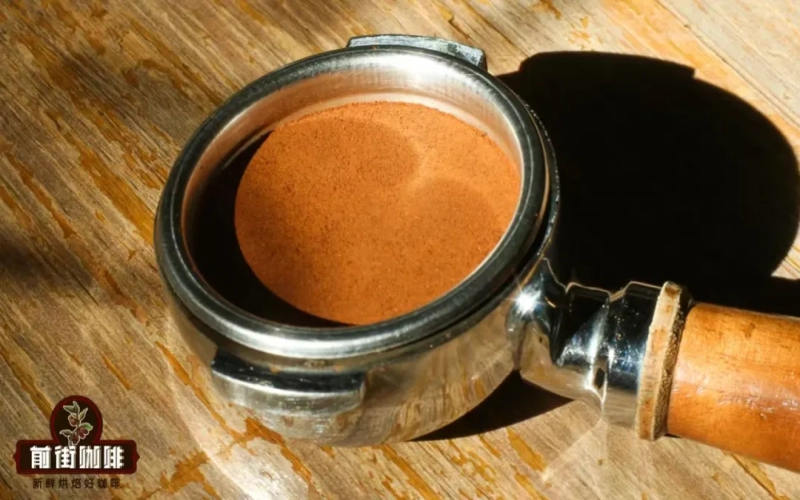
Espresso Extraction Quality and Portafilter Basket Performance Validation: How Diameter and Capacity Affect Coffee Flavor
In the pursuit of an ideal espresso, the portafilter basket—a seemingly inconspicuous accessory—often becomes one of the key factors determining the success or failure of extraction. Many coffee enthusiasts, when troubleshooting extraction problems, have heard the saying, "If your espresso extracts poorly, chances are you didn't choose the right basket." So what differences actually exist between baskets? And through what mechanisms do they influence the extraction result? This article, from the perspective of Front Street, will focus on the two core dimensions of basket diameter and capacity to systematically analyze how the basket affects espresso extraction quality, helping readers make more informed judgments when purchasing and using coffee machine accessories. [more…]

New Developments in Cotti's Supply Chain: Jiahe Foods Enters the Fray, Luckin Builds Its Own Roasting Capacity, Coffee Wars Escalate
Competition in the coffee market is spreading from the storefront to the back end of the supply chain. Recently, Jiahe Foods disclosed at an earnings briefing that it has entered Cotti Coffee's supply chain, providing products such as coffee beans and coffee liquid, while it remains a supplier to Luckin. Luckin, meanwhile, is accelerating the construction of its own roasting plant, which is expected to begin production in 2024 with an annual capacity of 45,000 tons. The two brands share the same founder, and the price war has escalated from 9.9 yuan to 8.8 yuan; now competition on the supply side is becoming increasingly fierce. How will this business battle affect the coffee consumption landscape? Front Street Coffee brings you the latest developments. [more…]

What is the professional name for a cappuccino cup? A detailed explanation of standard capacity specifications and the dry/wet distinction
Where does the name cappuccino come from? What exactly is the difference between it and a latte or a flat white? Why do some people prefer a "dry" cappuccino while others like it "wet"? This article starts with the historical origins of cappuccino and explains in detail the professional name for a cappuccino cup, the standard capacity specifications, and the core differences between dry and wet cappuccinos in terms of milk foam texture and mouthfeel. It also draws on Front Street Coffee's actual experience at its stores to help you make an authentic cappuccino with a golden ring at home. [more…]
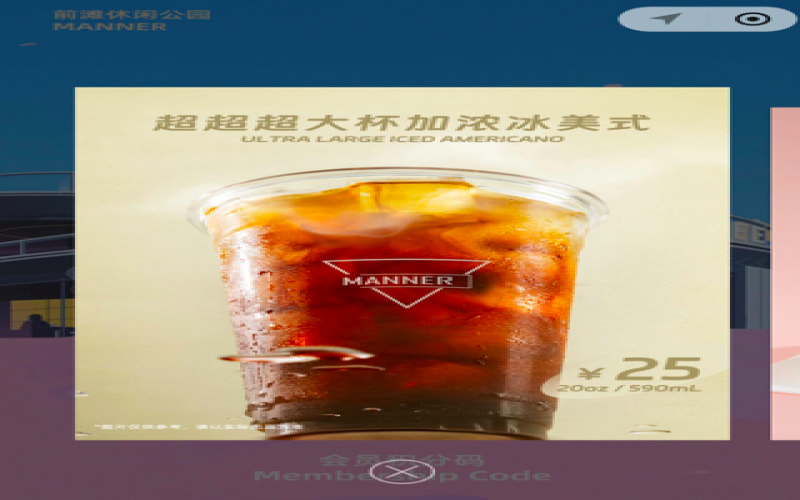
Manner launches a 590ml super-extra-large iced Americano, and the size upgrade adding only 117ml sparks heated discussion
Manner Coffee has recently quietly launched a new product called the "Super Super Super Large Cup Extra-Strong Iced Americano," priced at 25 yuan, with an official cup volume of 590ml. However, many consumers have noticed that compared to the existing 473ml extra-large iced Americano, the capacity has only increased by 117ml, which stands in stark contrast to the expectations created by the three "super" characters in the name. At the same time, an employee revealed that the standard recipe for this new product is 2 shots of espresso, one more than the extra-large cup, but if you add an extra shot of espresso to the extra-large cup, the total price is only 20 yuan and the concentration is higher. The mismatch between capacity, ratio, and price quickly made this new product the focus of discussion among coffee enthusiasts. [more…]
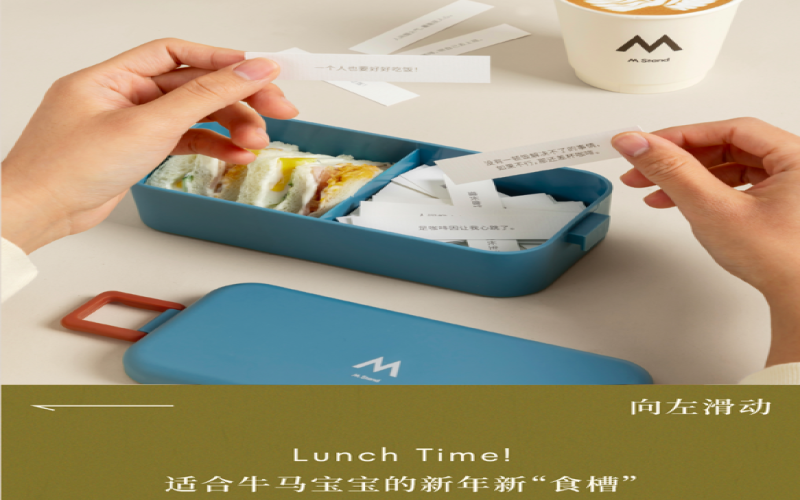
Mstand's lunchbox merch flops? Scratches, rough edges, small capacity—office workers complain it's all show and no go
As people return to work after the holiday, coffee chains are rolling out merchandise to grab office workers' attention. Manner is releasing its popular ceramic cup in new colors as a limited edition, while Mstand has taken a different approach with a lunchbox jokingly dubbed the "cattle and horse trough," bundled with a new coffee-flavored latte as a limited two-cup set. However, once the actual product arrived, consumers found the lunchbox riddled with scratches, rough edges on the clasps, too small a capacity, and no indication on the material that it was microwave-safe, sparking widespread complaints. From looks to practicality, this piece of merchandise seems to have failed to meet the expectations of people who bring their own lunch. [more…]
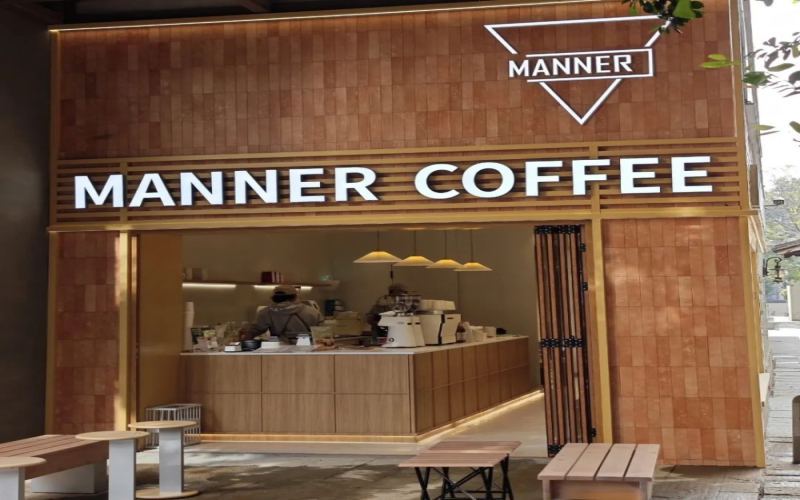
Bringing Your Own Cup Rejected Due to Capacity Mismatch Sparks Heated Debate, Manner's Service Flexibility Faces a Test
Recently, a post about Manner Coffee refusing to let a customer use their own cup sparked widespread discussion on social media. The incident began when a customer brought an extra-large container to buy a large-size new drink and was refused by the barista, even though the customer was willing to accept a smaller fill. The matter quickly struck a chord with many coffee lovers and triggered controversy. Some netizens shared how baristas had handled similar situations flexibly in their own experience, while others pointed out that baristas are constrained by standardized recipes and find it hard to improvise. This discussion reflects the challenge facing chain coffee brands amid rapid expansion: how to balance product standards with customers' individualized needs. As a representative of China's specialty coffee scene, how Manner can improve the service experience while ensuring quality has become an important issue on its development path. (Recommended reading from Front Street Coffee) [more…]
Coffee Cup Selection Guide: A Complete Analysis of Types, Materials, Capacities, Specifications, and Key Points for Purchase and Cleaning
Drinking coffee is not just a treat for the taste buds—the right cup matters just as much. This article systematically breaks down the differences between coffee cups and tea cups, the material characteristics of pottery, porcelain, and bone china, how the interior color of a cup affects the observation of the coffee liquid, and practical advice on choosing cup shapes according to the type of coffee. It also explains in detail the suitable scenarios for three capacity specifications—under 100cc, around 200cc, and over 300cc—and shares cup-warming methods, cleaning taboos, and bone china care guidelines, helping coffee lovers elevate their tasting experience through the details. [more…]