







Search Results for: coffee bean specifications
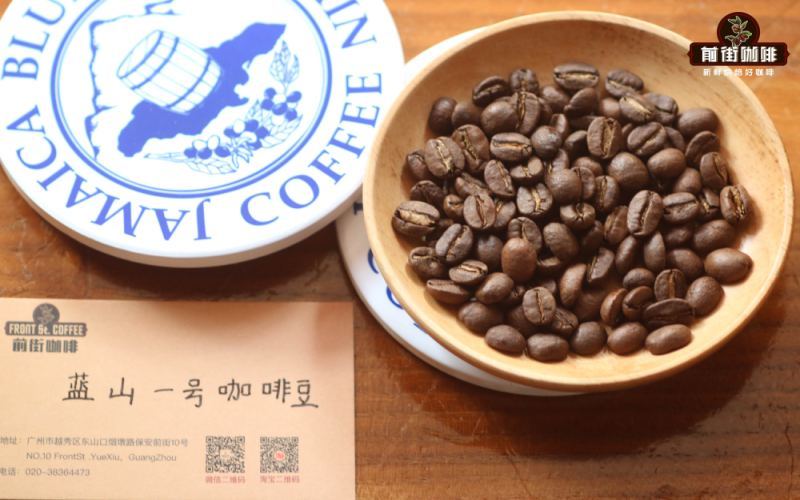
A Detailed Explanation of the Jamaican Blue Mountain Coffee Grading System: From Altitude to Green Bean Export Specifications
Blue Mountain coffee enjoys a stellar reputation in the global coffee world, but many people are unaware that it is merely one category within Jamaica's coffee system. The Jamaica Industrial Board classifies coffee into three grades based on growing altitude, and the Blue Mountain grade is further subdivided into No. 1 through No. 3 and peaberry. Authentic Blue Mountain No. 1 has limited production and commands a high price, with green beans required to be 17/18 screen size and a defect rate below 2%. Front Street Coffee will guide you through Blue Mountain coffee's grade classifications, export barrel specifications, certificates of origin, and the quality differences behind various roasting methods, helping you gain a clearer understanding of this legendary coffee. [more…]
Blue Mountain Coffee Bean Price Range and Pour-Over Steps Explained: From Market Trends to Siphon Pot Operation Guide
How much exactly does a pound of Blue Mountain coffee beans cost? On the market, prices range from a few dozen yuan to over a thousand yuan, reflecting multiple factors such as origin, grade, and tariffs. This article reviews the price trends of Blue Mountain coffee beans and compiles reference prices for coffee beans across different sales channels. It also provides a detailed introduction to Front Street Coffee's Blue Mountain brewing methods, including specific step-by-step instructions for the French press and siphon pot, helping coffee enthusiasts extract a Blue Mountain coffee with pristine flavors and rich layers at home. [more…]
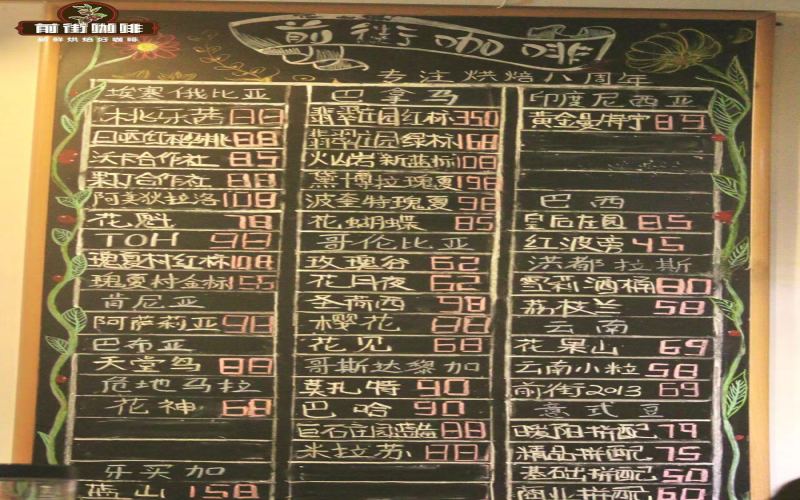
Detailed Guide to Panama Hacienda La Esmeralda Geisha Grades: Full Analysis of the Differences Between Red Label, Green Label, and Volcanic Rock Blue Label
Panama's Hacienda La Esmeralda Geisha coffee beans have always been the focus of the specialty coffee world, but faced with different grades such as Red Label, Green Label, and Blue Label, many coffee lovers often feel confused. What exactly do these "labels" represent? What are the essential differences between them? Is the more expensive Red Label necessarily better tasting? In this article, Front Street Coffee (FrontStreet Coffee) will take you deep into Esmeralda's Geisha grading system, from sub-farm distribution, altitude, and plot division to cupping standards, analyzing one by one the specific differences between Red Label, Green Label, and the new Volcanic Rock Blue Label, and sharing the brewing key points and flavor performance of light-roasted Geisha, helping you more clearly choose the Geisha that suits you. [more…]
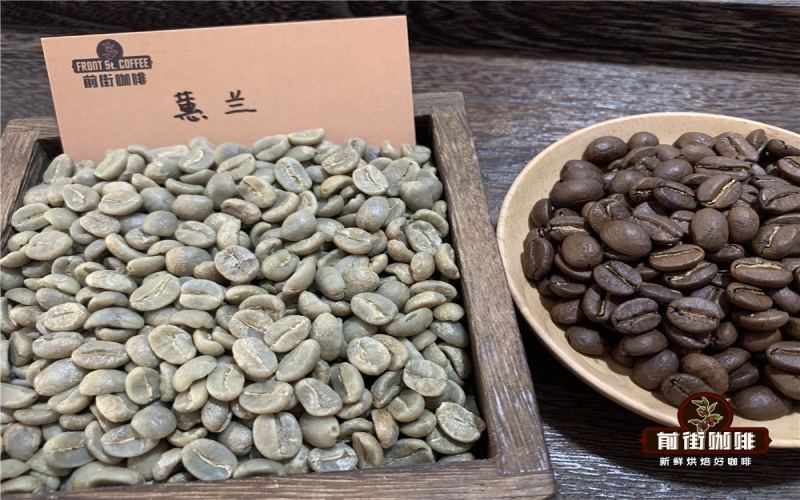
A Detailed Explanation of Colombian Coffee Bean Grading Standards: How Bean Size Determines Quality Grade and Export Specifications
Colombia, with its exceptional geographical conditions and diverse climate, has become an important producer of high-quality Arabica coffee. Many coffee enthusiasts notice that Colombian coffee beans are generally larger than beans from producing regions such as Ethiopia, Costa Rica, and Brazil, and this is closely tied to Colombia's unique grading system. This article, from the perspective of Front Street Coffee, systematically introduces the standards by which Colombian green beans are graded according to screen size, including the specific specifications of common grades such as UGQ, EP, and Supremo, explains the meaning of the Excelso export grade, and introduces the key role of the FNC (Colombian Coffee Growers Federation) in the industry's development. Finally, it includes the brewing parameters and flavor description of Front Street's Huila everyday drinking beans, helping readers gain a comprehensive understanding of Colombian coffee from grading to tasting. [more…]
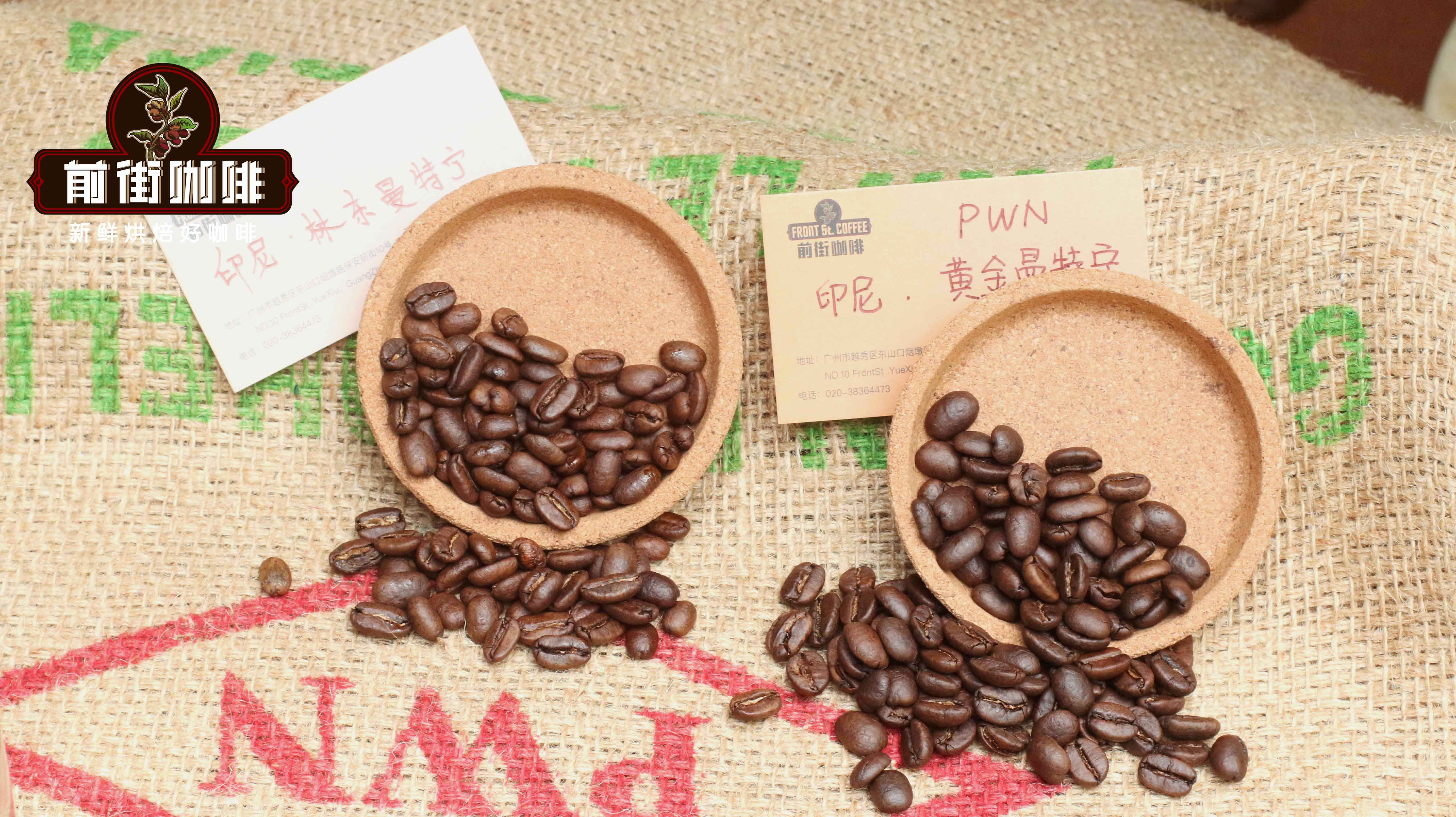
An Analysis of the Indonesian Sumatra Golden Mandheling Coffee Bean Variety: The Truth About PWN Certification and the 20-Screen Specification
Golden Mandheling is a highly representative variety of Indonesian coffee, known for its full-bodied mouthfeel and herbal, piney, and spicy flavors. However, while the market is flooded with products labeled Golden Mandheling, very few are truly certified by PWN. This article starts with the flavor of Front Street Indonesian Mandheling, then explores the origins of Golden Mandheling, PWN's screening standards, and why uniformity is more worthy of attention than bean size. We will also explain the specifications, appearance characteristics, and cupping performance of Front Street PWN Golden Mandheling, helping coffee enthusiasts distinguish authentic products and find a Mandheling coffee that truly meets their expectations. [more…]
A Comprehensive Analysis of the Basis for Coffee Bean Specification and Grade Classification: Industry Standards from Washing Methods to Altitude Quality
The world of coffee beans is far more complex than that smudge of amber in your cup. From the small white jasmine-like flowers on the branch to the green raw beans in the processing plant, every coffee bean has undergone layer upon layer of selection by climate, altitude, variety, and processing method. There are about sixty coffee-producing countries worldwide, each grading coffee according to whether it is washed, whether the bean shape is flat or round, bean size, cultivation altitude, defect rate, and even taste tests. The two major varieties, Arabica and Robusta, each hold their own in terms of yield and flavor, while new crop, one-year-old, and multi-year-old beans each have their own character. Understanding these specifications and grading standards not only helps enthusiasts decipher the terminology on packaging, but also understand why beans from the same origin can present such a kaleidoscope of flavors. This article will start from basic common knowledge and systematically sort out the grading logic and refining process of coffee beans. [more…]

What Size Coffee Cup Should You Use for Espresso, Latte, and Cappuccino? Standard Specifications and Selection Guide
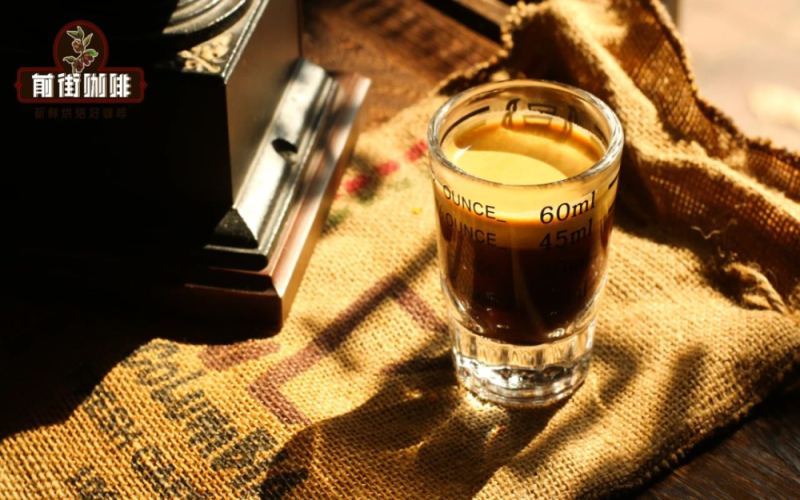
Walking into Front Street Coffee, the espresso machine is lined with ceramic cups of various capacities, each cup type corresponding to a specific coffee category. The size of a coffee cup not only affects the visual presentation but also directly influences the concentration expression and heat retention of the espresso. This article will systematically sort out the specific capacities and suitable scenarios of three coffee cup sizes—small, medium, and large: how a 60ml small cup carries a standard espresso, why a 180-200ml medium cup suits Americano and cappuccino, and how a 300ml large cup achieves a balanced latte. At the same time, combined with the extraction parameters of Front Street Coffee's Sunflower Warm Sun espresso blend coffee beans, it analyzes the pairing logic between different cup types and coffee flavors, helping you produce professional-grade coffee at home. [more…]
Espresso Beans vs. Regular Coffee Beans: Roasting Logic of Espresso-Specific Beans and Front Street Coffee Blend Recommendations
When selecting coffee beans, we often see "espresso beans" listed as a separate category, and this is actually closely tied to the extraction principles of espresso machines. High-temperature, pressurized extraction at 9 bars of pressure requires extremely fine coffee grounds and completes flavor release within just a few tens of seconds, which makes the roast level and blending approach of the beans different from other brewing methods. So, must espresso beans be roasted very dark? What advantages do blended beans and SOE single-origin beans each have? This article will explain the roasting logic and blending principles behind espresso-specific beans, and organize the flavor information of several classic espresso beans from Front Street Coffee, helping coffee lovers more clearly choose the bean that suits them. [more…]
Why Does Coffee Taste Salty After Extraction? Analyzing the Causes of Salty Flavors in Brewing and the Specific Signs of Under-Extraction
Saltiness in coffee has always been present, mainly coming from the various minerals contained in the bean itself, but because its proportion is low it is often masked by other flavors. When a cup of coffee shows a noticeable salty taste, it often means there is a problem with quality or the extraction process. This article, from the perspective of Front Street, sorts out the sources of saltiness, analyzes how factors such as the growing environment and defective beans bring saltiness to the surface, and explains what characteristics coffee shows when it is under-extracted, helping enthusiasts judge brewing conditions more accurately. [more…]
Recommending several medium-roast coffee beans suitable for pour-over: balancing budget and drinking frequency
From bean to cup, a coffee must still go through grinding and extraction. When choosing medium-roast coffee beans suited to pour-over, your daily buying decisions should take into account how quickly you drink it, how much to buy at a time, and whether you mainly make black coffee or milk coffee at home. First confirm your usual brewing equipment and preferred taste, then compare specific beans—this will make the actual process much more [more…]
What grade do Kenyan PB round beans belong to? A detailed explanation of their flavor expression and mouthfeel characteristics
Kenyan coffee, with the wild tension unique to African beans and the fullness and depth of Central and South American coffee, has long been highly sought after by coffee enthusiasts. In China, Kenya AA is the most common grade designation, but above AA there are AA+ and AA TOP, while below it there is AB. If the packaging only says AA without specific estate or cooperative information, it usually only means the beans are uniform in shape and meet appearance standards, and the flavor may not be outstanding; conversely, as long as a specific estate, cooperative, or even buyer is indicated, whether AA or AB, it is worth trying. This article focuses on PB—Peaberry round beans, which in Kenya are specially screened out and sold separately, with scarce production and a distinctive flavor. The following will explain the formation principle of peaberries, their grade positioning, and present a complete cupping record of Kenyan PB. [more…]
Why Are Green Coffee Beans Traditionally Packed in Jute Bags? How Much Does a Bag Weigh? A Comprehensive Analysis of Coffee Bean Packaging Specifications
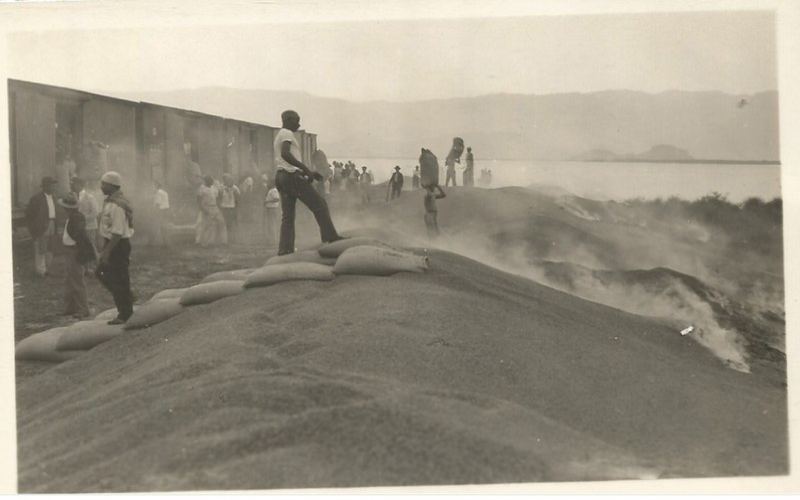
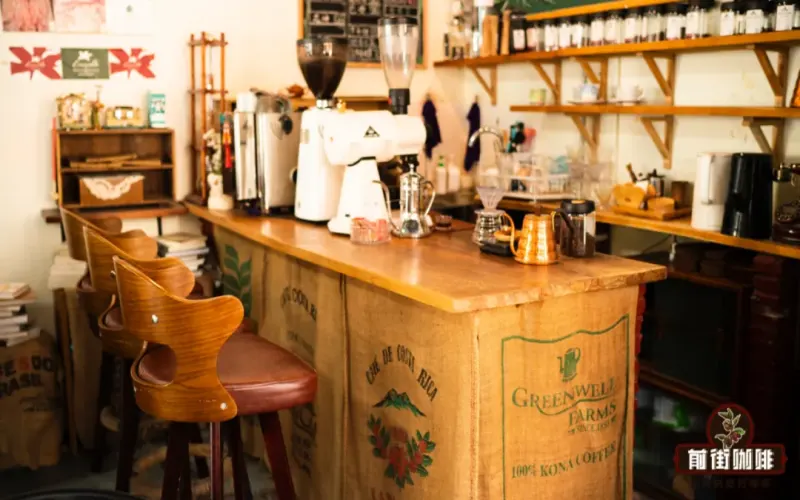
Walk into any specialty coffee roasting workshop, and you will most likely see several coarse burlap sacks stacked in a corner, printed with the name of the producing region and the estate logo. This is almost a universal scene in the coffee industry—from Ethiopia to Colombia, the vast majority of green beans choose burlap sacks as their outer layer when crossing mountains and seas. But have you ever wondered why it is burlap specifically? What allows it to replace more modern packaging materials? And what is the standard weight of a sack of green beans? Around these seemingly basic yet rarely examined questions, this article will sort out from the beginning the evolution logic of green coffee bean packaging, the physical advantages of jute material, and the current trend toward diversified packaging forms. [more…]
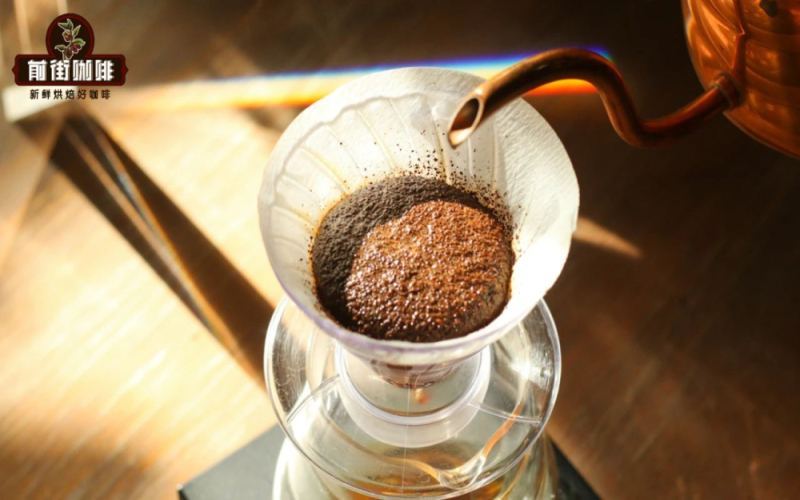
The Definition of Single-Origin Coffee and an Analysis of Pour-Over Bean Origins and Flavors: A Buying Guide to the Three Major Producing Regions of Africa, the Americas, and Asia
Single-origin coffee emphasizes traceability, allowing the source to be identified from country to region and even to the specific estate. Starting from the basic definition of single-origin coffee, this article systematically reviews the flavor characteristics and representative beans of the three major mainstream producing regions—Africa, Asia, and Latin America—including specific product information such as Front Street Coffee washed Yirgacheffe, Lintong Mandheling, and Brazil Cerrado Red Bourbon, helping coffee enthusiasts make choices based on their personal taste preferences. At the same time, it introduces the roasting philosophy and purchasing channels of the Guangzhou-based brand Front Street Coffee, providing a reference for selecting everyday beans. [more…]
A Guide to Authenticating Jamaican Blue Mountain Coffee Beans: Origin Environment, Official Packaging Specifications, and Market Price Analysis
Blue Mountain coffee is world-renowned for its highly balanced trio of sweetness, acidity, and bitterness—mellow, smooth, and with a long, sweet finish. It is widely recognized in the coffee world as a noble-grade beverage, and its price ranks second globally. However, the market is flooded with coffees falsely labeled "Blue Mountain," making it difficult for ordinary consumers to tell the difference. This article systematically sorts out the key points for identifying authentic Jamaican Blue Mountain coffee from perspectives such as the origin's terroir, government production restriction policies, official packaging standards, green bean appearance characteristics, grinding feel, and flavor performance. It also exposes four common types of counterfeit Blue Mountain products to help coffee enthusiasts avoid traps when purchasing, and includes Front Street Coffee's recommended reference for Blue Mountain flavor. [more…]
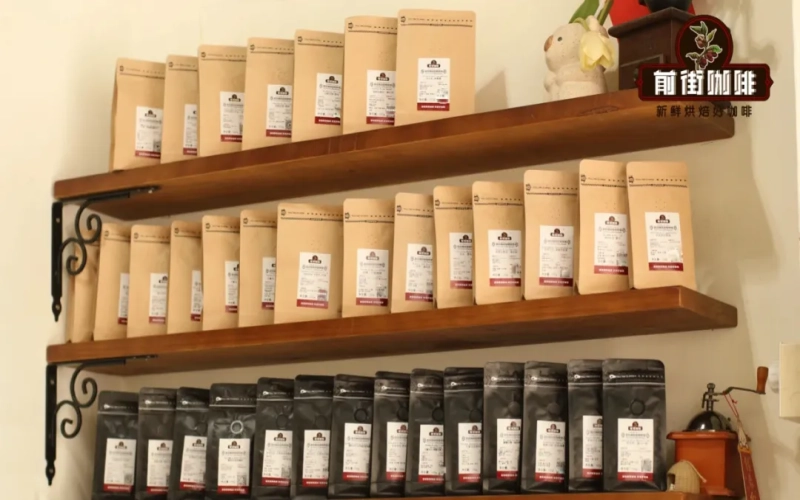
What is the difference between single-origin, SOE, and blended coffee beans? A comprehensive interpretation from roast level to suitable scenarios.
Many coffee lovers often find themselves confused by the concepts of single-origin, SOE, and blends when buying coffee beans, unsure how to choose based on their equipment and taste preferences. Starting from definitions, this article will clarify the essential differences among the three one by one: single-origin beans emphasize the complete expression of regional flavors and are suited to brewing methods such as pour-over; SOE is espresso made from single-origin beans, with specific requirements for roast level; blends achieve a balance of flavor and mouthfeel through combining multiple origins, and are the primary choice for Italian-style coffee. The article will also incorporate specific products from the Front Street Coffee brand to help you make clearer judgments when purchasing. [more…]
How to Read Yirgacheffe Coffee Bean Information: Balancing Budget and Drinking Frequency
From bean to cup, a coffee must go through grinding and extraction. When considering information about Yirgacheffe coffee beans, everyday bean buying requires thinking about how fast you'll drink them, how much to buy at once, and whether your home mainly makes black coffee or milk coffee. First confirm your usual equipment and preferred taste, then compare specific bean options—the practical process will be more [more…]
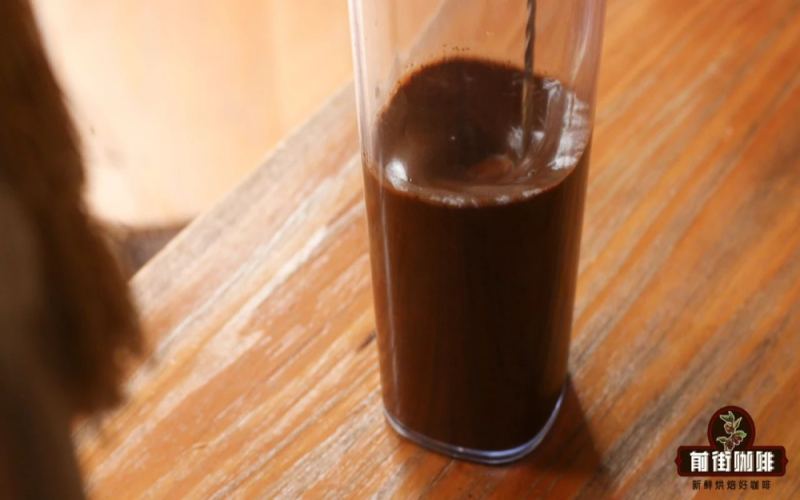
How to Choose Coffee Beans for Cold Brew? From Roast Level to Processing Method, Front Street Teaches You to Lock in Your Ideal Beans by Flavor
Cold brew coffee, through its low-temperature slow extraction process, reduces the presence of acids and the volatilization of aromas, resulting in a fuller, more balanced flavor. But with such a dazzling array of coffee beans to choose from, how should you make your selection? This article analyzes the cold brew performance of different beans one by one, from floral and fruity profiles to specific flavors to medium-dark roasts, and recommends specific products such as Front Street Coffee's Little Tomato, Front Street Coffee's Huakui, and Front Street Coffee's PWN Golden Mandheling. In addition, it shares a tip for adding dried flower petals, giving cold brew coffee a delicate floral note within its single-origin flavor. Whether you prefer bright fruit acidity or the rich depth of chocolate, you can find a cold brew bean solution that suits you. [more…]

Illustrated Guide to Cold Brew Coffee Making | What Single-Origin Coffee Beans Are Suitable for Cold Brew Coffee? What Are the Specific Steps to Make Cold Brew Coffee at Home?
Yesterday we shared how to make cold brew coffee, so today let's try the challenge of making ice drip coffee! Compared with cold brew, the ice drip method is more complicated and requires more effort and time. You can refer to the text and images in this article and adjust the process to suit your own equipment and preferences~ [more…]
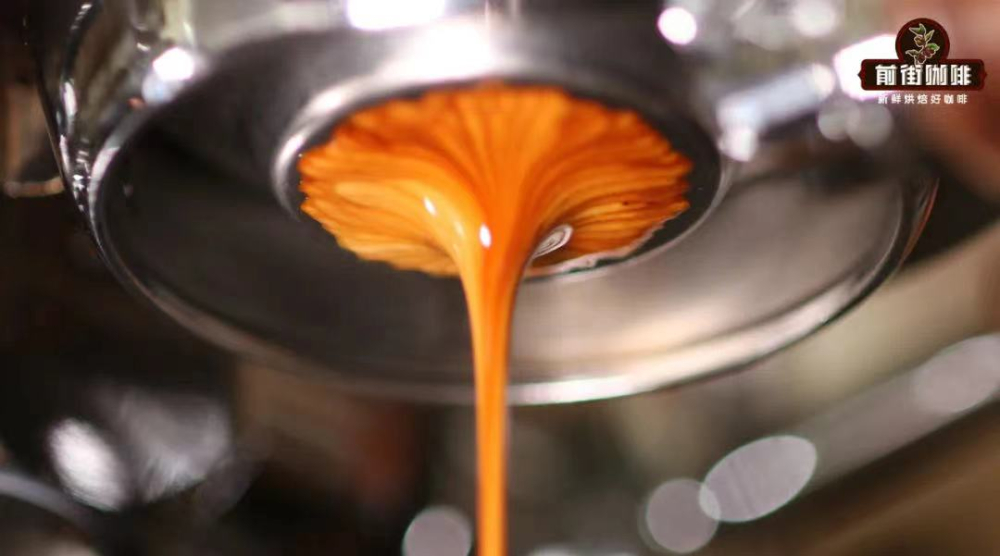
Espresso-Specific Coffee Bean Recommendations | Where Does Espresso Come From? What Coffee Products Can Be Made with Espresso? What Coffee Beans Are Suitable for Espresso?
Espresso is not just a beverage; it is a lifestyle shared by people around the world! We have almost lost count of how many espressos coffee lovers around the globe consume each day, but have you ever wondered where espresso actually comes from? Who exactly invented this magical drink? [more…]
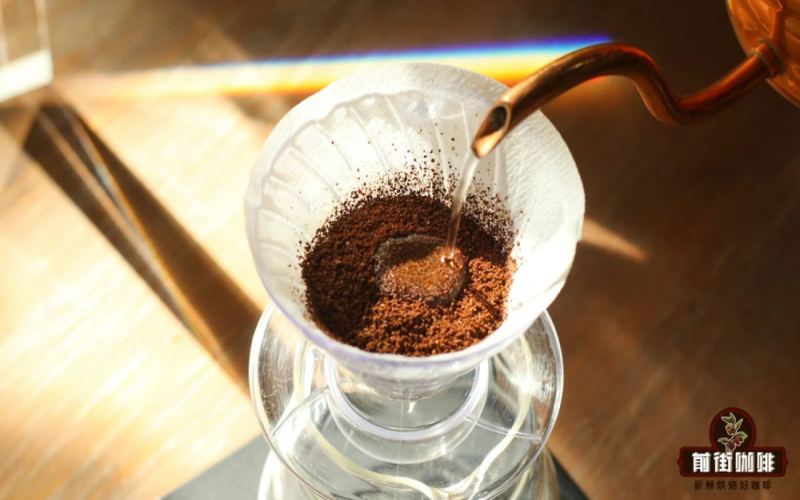
A Detailed Guide to Coffee Extraction Imbalance: Causes, Identification Methods, and Specific Flavor Impacts of Over-Extraction and Under-Extraction
Extraction is the core process behind coffee flavor. Not all soluble compounds in coffee beans are pleasant, and the degree of extraction directly determines what ends up in the cup. Over-extraction releases too many large-molecule substances, bringing bitterness, astringency, and off-flavors; common causes include excessively long contact time, water temperature that is too high, or grinding that is too fine. Under-extraction, by contrast, occurs because flavor compounds are not dissolved sufficiently, resulting in a thin body, prominent bitterness, and imbalance; it is mostly associated with grinding that is too coarse, water temperature that is too low, or a brew ratio that is too high. This article systematically sorts out the definitions, causes, and diagnostic methods for both, and, in combination with specific products under Front Street Coffee such as Mandheling, Queen Estate, Blue Mountain, Huakui, Green Label Geisha, and Kenya Little Tomato, explains reasonable brewing parameters for medium-dark and medium-light roasted beans to help enthusiasts adjust extraction precisely. [more…]