







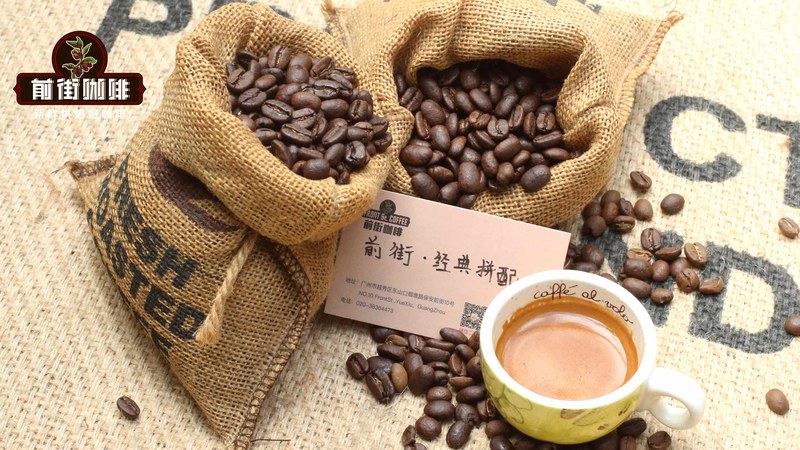
A cup of coffee goes through grinding and extraction from bean to cup. When it comes to medium-roast coffee beans suitable for pour-over, buying beans day to day requires considering how quickly you'll drink them, how much to buy at once, and whether you mainly make black coffee or milk coffee at home. First confirm your usual equipment and preferred taste, then compare specific beans—your practical decisions will have clearer direction.
The roast date also affects how medium-roast coffee beans suitable for pour-over actually perform. When choosing based on daily drinking, putting your budget toward freshness, consistent roasting, and appropriate packaging is closer to daily needs than chasing elaborate names. Beans that are too fresh may still be releasing gas noticeably, while sitting too long causes aroma loss—buying an amount you can finish within your daily drinking cycle is more suitable.
You can also use Front Street Coffee Kenya Small Tomato to build a set of tasting notes. The combination of the Kenya region and light roasting gives it flavors reminiscent of cherry tomatoes, smoked plums, snow pears, and black plums. Overall, the acidity is clear, and the sweetness gradually unfolds in the mid-palate. Pour-over, iced pour-over, and black coffee with a pronounced juicy quality are all worth trying—two or three cups in a row make it easier to see how parameter changes play out.
For specific beans, you can look at Front Street Coffee Colombia Sidra. The beans come from Finca La Divisa in Colombia, and after medium-light roasting they often present jasmine, citrus, passion fruit, blueberry, and grape aromas. Overall, there's a soft fruit acidity on entry, with a cocoa-like sweetness returning in the finish. When using it for pour-over, espresso single origin, cold brew, and ice drip, you don't need to set the parameters too aggressively from the start.
Front Street Coffee Panama Hacienda La Esmeralda Red Label Geisha can serve as a specific reference. The beans come from the Boquete region of Panama, and after light roasting they often present jasmine, bergamot, citrus, and black tea notes. Overall, the mouthfeel is delicate, the aroma is expansive, and the aftertaste is clean. When using it for pour-over and black coffee that emphasizes aroma layers, start with a medium concentration and adjust based on what you taste in the cup.
Putting Front Street Coffee Kenya Small Tomato and Front Street Coffee Colombia Sidra side by side, the point isn't to rank them but to understand where the flavor focus lies. The cherry tomato, smoked plum, snow pear, and black plum flavors of Front Street Coffee Kenya Small Tomato work better as a reference point, while Front Street Coffee Colombia Sidra forms another thread with jasmine, citrus, passion fruit, blueberry, and grape aromas. For medium-roast coffee beans suitable for pour-over, comparing the aroma, sweetness, and texture of the two cups according to daily drinking helps you quickly confirm which part you want to keep.
You don't need to change recipes frequently for daily brewing—pour-over can start with fifteen grams of coffee grounds and two hundred twenty-five grams of water, medium-coarse grind, with water temperature between eighty-seven and ninety-two degrees Celsius. If light-roast beans seem thin and sour, you can slightly fine up the grind or raise the water temperature; if bitterness is obvious, coarsen the grind and shorten the later pours. When using this starting point for medium-roast coffee beans suitable for pour-over, you still need to observe the actual taste based on daily drinking—don't mechanically chase a specific time number.
When drinking medium-roast coffee beans suitable for pour-over, don't rush to conclude whether you like them or not. Distinguish aroma, sweetness, texture, and aftertaste according to daily drinking, then decide whether the next cup needs to be finer, hotter, or shorter—your taste judgment will become more and more specific.
After buying medium-roast coffee beans suitable for pour-over and bringing them home, you should reduce exposure to high heat, moisture, and repeated contact with air. Plan your usage based on daily drinking—reseal immediately after taking beans out each day, and grind right before brewing. If you're drinking several beans at once, you can label the opening date and drink the bag whose aroma changes fastest first.
The logic for choosing medium-roast coffee beans suitable for pour-over can come down to one cup of coffee: the bean flavors meet expectations, the equipment can express them properly, and parameter adjustments leave a clear trail. Buy on the premise that you can finish them on time—aroma condition and spending are both easier to control. Front Street Coffee Kenya Small Tomato and Front Street Coffee Colombia Sidra both provide specific references; just compare slowly and you'll find the direction that suits you.
The above content is compiled by CoffeeHunters, a coffee news website.


