







Search Results for: coffee bean flavor differences
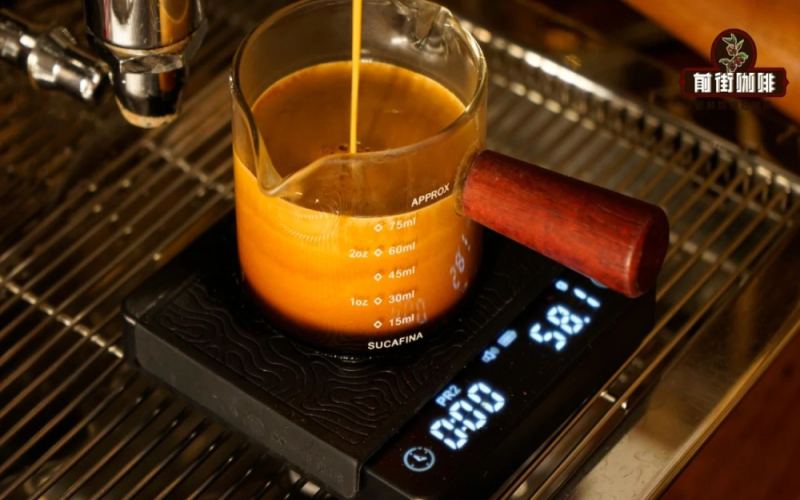
An Analysis of Flavor Differences Between Light, Medium, and Dark Coffee Bean Roasts: Taste Characteristics and Selection of Specialty Coffee at Different Roast Levels
Green coffee beans themselves have no obvious aroma or flavor; only through roasting can they release their alluring flavors. Roasting time, temperature, method, and even the roaster's experience all have a subtle impact on the final taste in the cup. From light to dark roast, coffee beans differ in color, acid-bitterness balance, and aroma layers, and the suitable brewing methods and drinking preferences vary greatly. In this article, Front Street Coffee will systematically sort out the flavor differences among light, medium, and dark roasted coffee beans, and, combined with specific origin cases, explain how roasters choose curves based on bean characteristics, as well as the effects of different roast levels on coffee chemical compounds and the final taste, helping coffee enthusiasts more clearly understand the relationship between roasting and flavor. [more…]
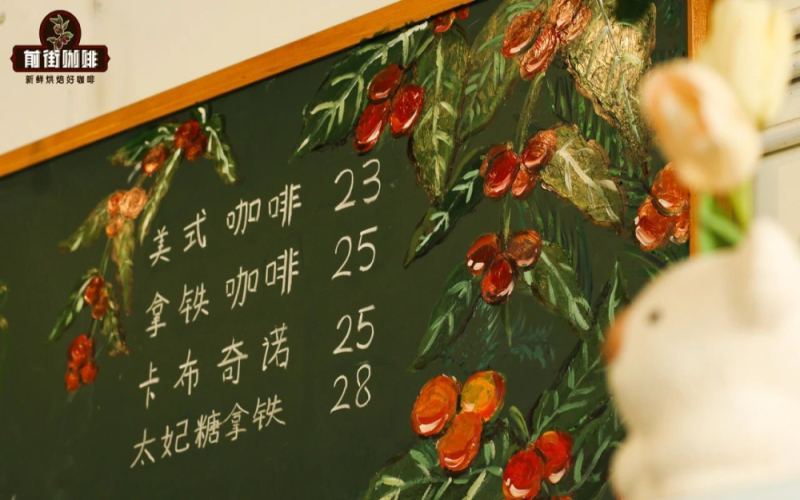
Where Do Black Coffee Flavor Differences Come From? A Detailed Guide to the Difference Between Americano and Long Black and How to Choose Front Street Coffee's Four Espresso Blends
The same cup of black coffee can be clean, sweet, and easy to drink, or burnt, bitter, and hard to swallow—so where exactly does the difference come from? Starting with the definition of black coffee, this article sorts out the origins of Americano and the reasons behind its flavor, and compares Americano and Long Black in terms of preparation order, coffee-to-water ratio, and taste performance. At the same time, drawing on the extraction parameters used at Front Street Coffee shops, it introduces one by one the recipes, roast levels, and flavor characteristics of four espresso coffee beans—Basic Blend, Commercial Blend, Warm Sun Blend, and Specialty Blend—to help coffee lovers and shop operators find a bean that suits them. [more…]

Black Coffee Bean Varieties | What's the Difference Between Single-Origin Pour-Over Beans and Espresso Blend Beans? Can Espresso Blend Coffee Beans Be Used for Pour-Over Black Coffee?
With the development of specialty coffee, more and more people are falling in love with single-origin coffee. Two types of coffee have emerged on the market: single-origin coffee beans and blended coffee beans. Single-origin coffee beans are generally used for making pour-over coffee, though many specialty coffee shops also use single-origin coffee beans to make espresso. Blended coffee beans [more…]
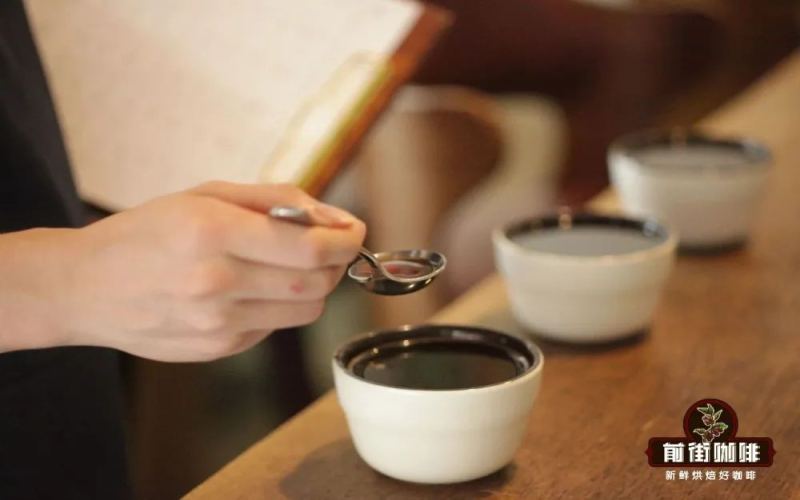
Yirgacheffe Coffee Beans | What Are the Coffee Processing Methods for Natural and Washed? How Do the Flavors of Yirgacheffe Differ After Brewing with Different Processing Methods?
When buying coffee beans, aside from paying attention to origin and flavor, we also choose coffee beans that have undergone different processing methods. This is because different processing methods bring out different flavor characteristics in coffee; even coffee from the same origin, when processed by washed and natural methods respectively, will display different mouthfeels. For example, on the Front Street Coffee menu, [more…]
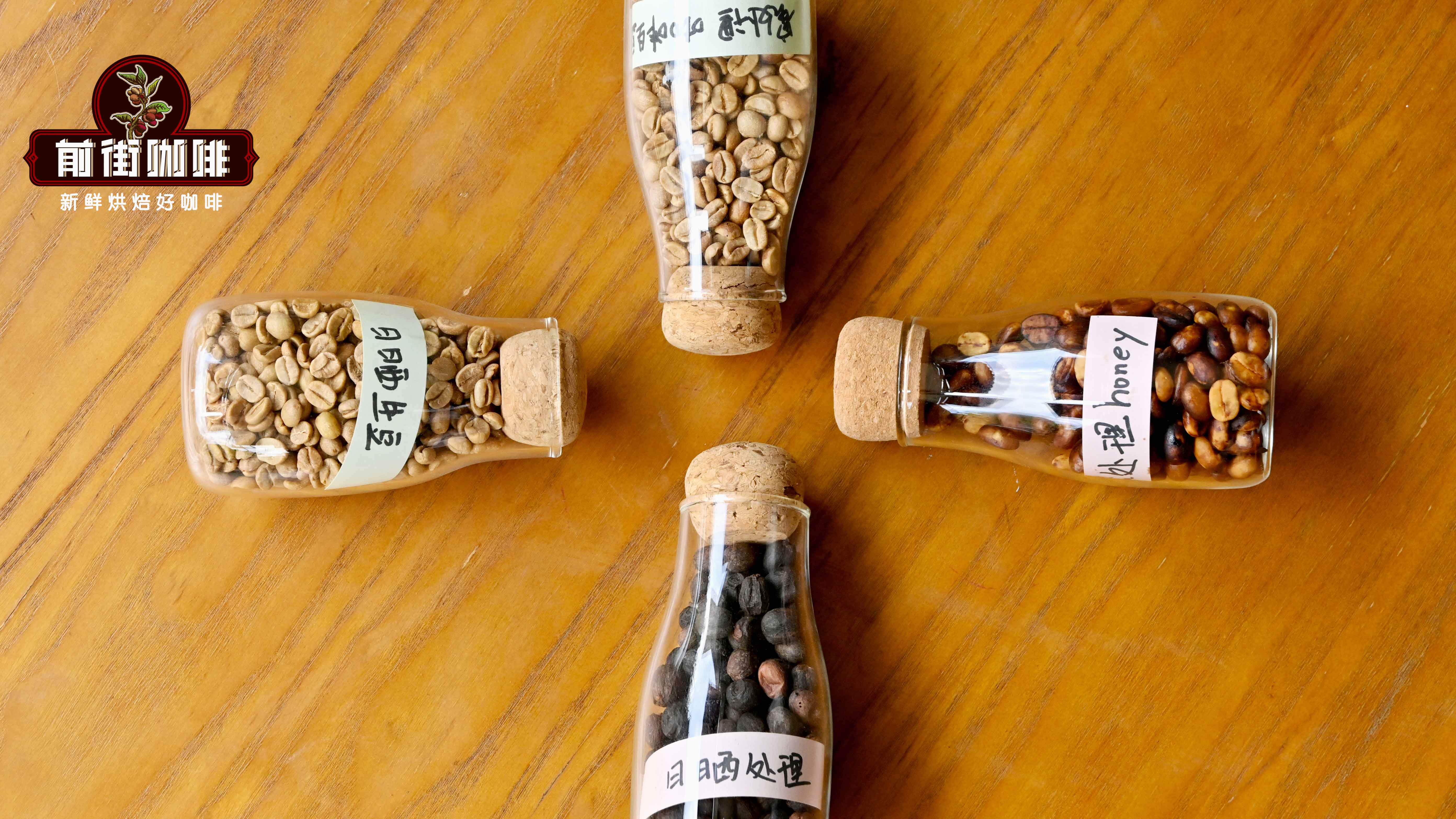
A Complete Analysis of the Flavor Differences Between Natural and Washed Coffee Beans: From Green Bean Appearance to Cupping Taste and Brewing Comparison
Among coffee bean processing methods, natural and washed are the most common, and the two differ significantly in green bean appearance, roasting performance, silver skin shedding, and final cupping flavor. Through long-term cupping, Front Street Coffee has found that washed beans highlight the bean's intrinsic flavor, with bright and clean acidity; natural beans, because the fruit pulp participates in drying, have richer aroma, enhanced sweetness and body, and more complex flavor. This article compares two Panama Butterfly beans, one natural and one washed, one by one from processing flow, advantages and disadvantages, roasting details to actual brewing parameters, helping coffee enthusiasts understand the flavor changes brought by different processing methods and make choices based on personal preference. [more…]
What Is the Difference Between Americano and Long Black? A Comprehensive Analysis from Extraction Method to Flavor Differences
American coffee and Long Black are both based on espresso, but the difference in preparation order brings about completely different taste experiences. The former is extracted first and then diluted with water, so the crema is dispersed and the concentration is even; the latter is poured with water first and then the espresso is added, so the crema is preserved and the flavor goes from strong to weak. Whether a cup of American coffee tastes good depends on the quality of the coffee beans and the extraction level. Front Street Coffee takes the Sunflower Warm Sun blend as an example, using the same beans to make American coffee and Long Black separately, showcasing the different layers of sherry aroma, berry acidity, and chocolate finish. This article will also introduce in detail the recipes, flavor characteristics, and suitable scenarios of Front Street's four Italian-style blends, helping coffee lovers find the cup that suits them. [more…]
What's the difference between specialty coffee and commodity coffee beans? Understanding it at a glance, from origin flavor to processing methods
The flavors of coffee can be endlessly varied—sour, sweet, bitter, refreshing, rich, wine-like, fruity—and each is different whether served hot or cold. Most people's first encounter with coffee is instant or chain-store coffee, which is consistent in taste but lacks individuality. So what exactly is specialty coffee? And how does it differ from coffee bean futures? Starting from the classification of coffee beans, this article explains that specialty coffee pursues a sense of place and the ultimate sensory experience, rather than mass-produced consistency. Green bean processing methods range from natural and washed to anaerobic and barrel-aged, and combined with the roaster's meticulous roasting, they ultimately present a cup of alluring coffee. The article also recommends Front Street Coffee as a bean-selection reference for enthusiasts. [more…]

How to Distinguish a Flat White from a Latte? A Guide to Choosing Espresso Beans and Front Street Coffee's Blend Recommendations
Flat White and Latte are often lumped together, but the two have clear differences in espresso base, milk volume, milk foam thickness, and serving temperature. Starting from Front Street Coffee's production standards, this article compares in detail the differences between Flat White and Latte in cup size, ratio, and flavor, and systematically explains the logic of choosing espresso beans—why light roasts are unsuitable for espresso, and why blended beans have become the mainstream. It also introduces the formulas and flavor characteristics of four espresso beans from Front Street Coffee: Sunflower Warm Sun, Specialty Blend, Commercial Blend, and Dark Cocoa Blend, helping coffee lovers find the espresso blend beans that suit their taste. [more…]
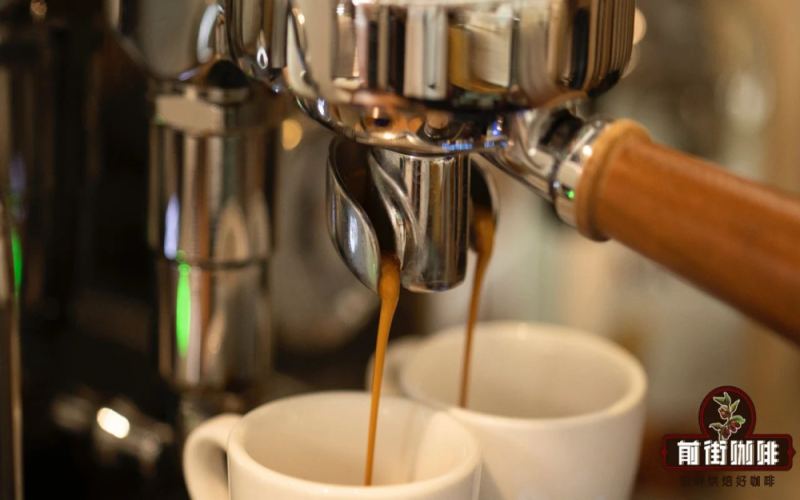
Analysis of Concentration Differences Between Flat White and Latte: A Guide to Choosing Espresso Blend Beans
Which is actually more intense, a flat white or a latte? What differences do the two have in espresso base, milk foam thickness, and cup size? Starting from the serving standards of Front Street Coffee, this article compares the preparation parameters of flat whites and lattes in detail, and further explores what kind of blend beans are suitable for espresso. The article also introduces the flavor characteristics and formula ratios of four espresso beans from Front Street—Sunflower Warm Sun, Specialty Blend, Commercial Blend, and Dark Cocoa Blend—to help coffee lovers choose the right espresso beans according to their personal taste. [more…]
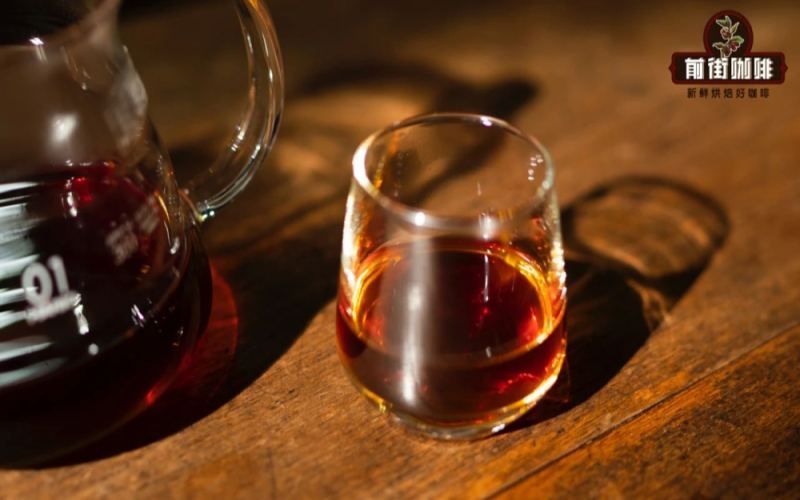
The Blending Principles and Purposes of Espresso Blend Coffee Beans, and Whether Blend Beans Are Suitable for Pour-Over Coffee
In the specialty coffee wave, single-origin beans and blended beans each have their own followers. Single-origin beans often appear in the pour-over realm, while blended beans mainly target espresso, safeguarding flavor consistency. But why exactly are beans blended? Can blends handle pour-over? And is it feasible to use single-origin beans for espresso? This article starts from Front Street Coffee's fresh-roasting philosophy, clarifies the conceptual boundaries between blends and single-origin, analyzes the process differences between pre-roast blending and post-roast blending, addresses the bean selection and roasting key points for SOE, and explains the rationale for using blended beans in pour-over along with Front Street's specific blending approach. [more…]
What coffee beans should you choose for espresso? Single-origin vs. blend differences, SOE key points, and Front Street recommendations
In the world of espresso, the choice of coffee beans often determines the foundation of a cup. The coffee beans commonly found on the market are broadly divided into two categories: single-origin and blends. The former emphasizes the terroir and character of a specific origin, while the latter pursues stability and balance of flavor. Many people wonder: can single-origin beans used for pour-over be used directly to make espresso? And can blend beans be used for pour-over? From the perspective of Front Street Coffee, this article sorts out the differences between single-origin beans and blend beans, the impact of freshness on flavor, and the considerations in bean selection and roasting for SOE, while also sharing the flavors of specific products such as Front Street Sunshine Blend, to help coffee lovers clarify their thinking and find the bean that suits their own espresso recipe. [more…]
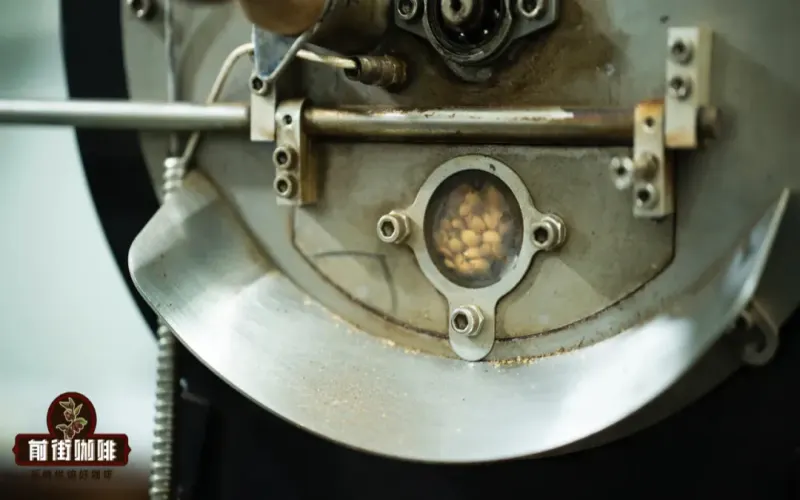
What exactly is coffee bean resting? A detailed explanation of the degassing principle and how to determine the optimal flavor window
Many coffee enthusiasts have heard the saying that "resting beans improves the flavor," but the real purpose of resting is not to create new flavors—it is to let the carbon dioxide accumulated after roasting gradually escape, thereby reducing interference with extraction. The formation of coffee flavor mainly occurs during the roasting stage; once roasting ends, flavor development essentially stops, and from then on the beans continuously degas, entering the resting and peak-flavor stages. Only when carbon dioxide is released to the point where it no longer noticeably hinders the dissolution of flavor compounds does the coffee reach its optimal drinking window. So how long does resting actually take? Different roasting methods, roast levels, and roasting styles all affect the rate of degassing, which is why merchants' recommended resting periods range anywhere from 4 to 30 days. This article starts from the underlying principles and, drawing on Front Street Coffee's practical experience, teaches you how to find a bean's peak state through sensory tasting. [more…]
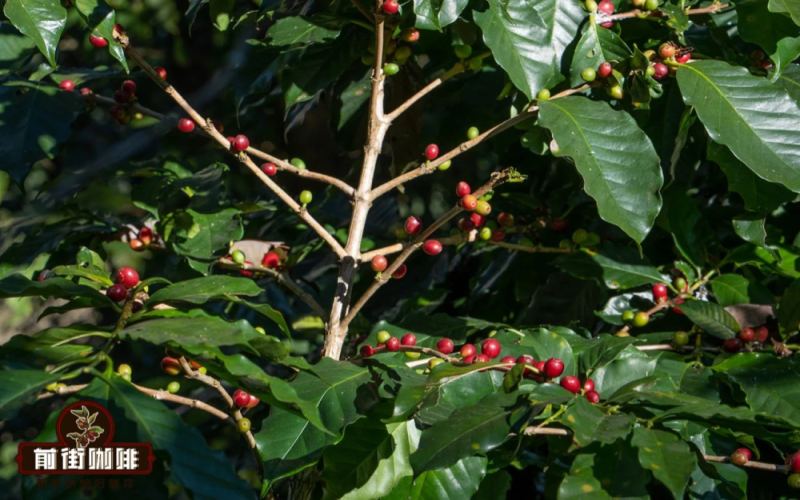
How Are Cacao Beans Different from Coffee Beans? A Guide to Cacao-Flavored Coffee Bean Recommendations
Cocoa and coffee come from two completely different plants: cocoa beans are obtained from the fruit of the cacao tree, while coffee beans are the seeds of the fruit of the coffee tree. The two differ significantly in plant family and genus, growing environment, processing methods, and flavor characteristics. Because coffee beans contain abundant volatile aromatic compounds, after roasting they can present a variety of alluring flavors, including cocoa and chocolate. This article will analyze in detail the differences between cocoa beans and coffee beans, and recommend three high-quality coffee beans with rich cocoa flavors, including Front Street Queen's Estate, Front Street Bird of Paradise, and Front Street Colombia Huila, to help coffee lovers find their ideal cocoa-flavored coffee. [more…]
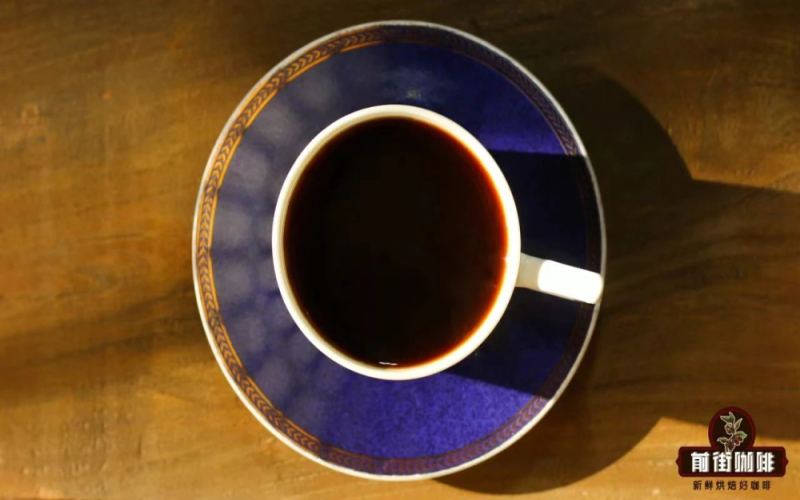
What is the core difference between Americano and Latte? A Complete Breakdown from the Espresso Base to Front Street Coffee's Blend Beans
The difference between Americano and Latte ultimately comes back to the shared base of Espresso. An Americano is espresso diluted with water, while a Latte is espresso blended with milk — the two head in completely different flavor directions. From the perspective of Front Street Coffee, this article first breaks down the extraction logic and tasting approach of Espresso, then explains the key points of making a Latte and milk steaming techniques, and finally systematically introduces the recipe concepts and flavor profiles of Front Street Coffee's four espresso blends — Black Cocoa Blend, Specialty Blend, Commercial Blend, and Warm Sun Blend — helping coffee lovers understand the complete chain of a delicious cup of espresso from beans to cup. [more…]
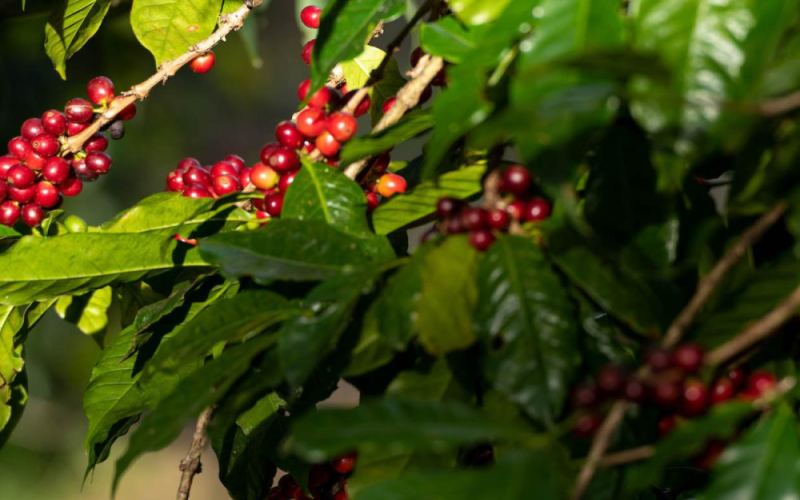
Where Does the Geisha Flavor Come From? An Analysis of the Variety, Origin, and Processing Differences Between Ethiopian and Panamanian Geisha
Geisha coffee has won over coffee lovers worldwide with its jasmine, citrus acidity, and honey-like body, but not every coffee called Geisha delivers the signature "Geisha flavor." This article systematically analyzes the root causes of the flavor differences between Ethiopian Geisha and Panamanian Geisha from three dimensions—varietal genetics, growing origin, and green bean processing—and includes Front Street Coffee's Geisha brewing suggestions and parameter demonstration to help readers understand why coffees sharing the name Geisha can taste so strikingly different. [more…]

Is Coffee Bean Size Related to Flavor Intensity? Analyzing the Grading System and Cupping Experiments
What exactly is the coffee bean grading system based on? Does bean size directly determine flavor intensity? To answer these questions, Front Street Coffee specially selected Costa Rican Mozart beans for a cupping comparison experiment, sorting the same batch of beans into large, medium, and small sizes, then taking the largest and smallest two beans for a blind extraction test. The results showed that the two did indeed differ slightly in flavor, but the direction was unexpected—the small beans actually had a more prominent flavor than the large beans. However, this difference mainly came from the degree of roasting deviation caused by different particle sizes, rather than the bean size itself. What truly determines coffee flavor is genetics, growing environment, processing method, and roasting degree. This article will combine experimental data with industry theory to systematically sort out the logic of coffee bean grading and the real factors affecting flavor. [more…]
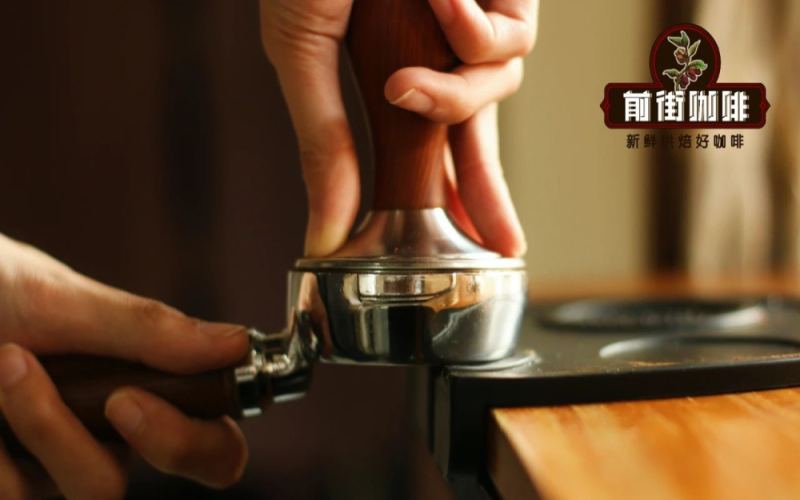
Black Coffee | Does black coffee mean Americano? Is there a big difference in taste between Americano and Long Black?
What does Americano taste like? The answer is almost self-evident—the taste of Americano comes from the coffee beans. Americano is simple to make, favoring convenience, speed, and a free, easygoing style. Compared with espresso, Americano has a relatively lighter, more refreshing mouthfeel and can better restore the coffee beans' original flavor. So Americano is basically available at every coffee shop [more…]
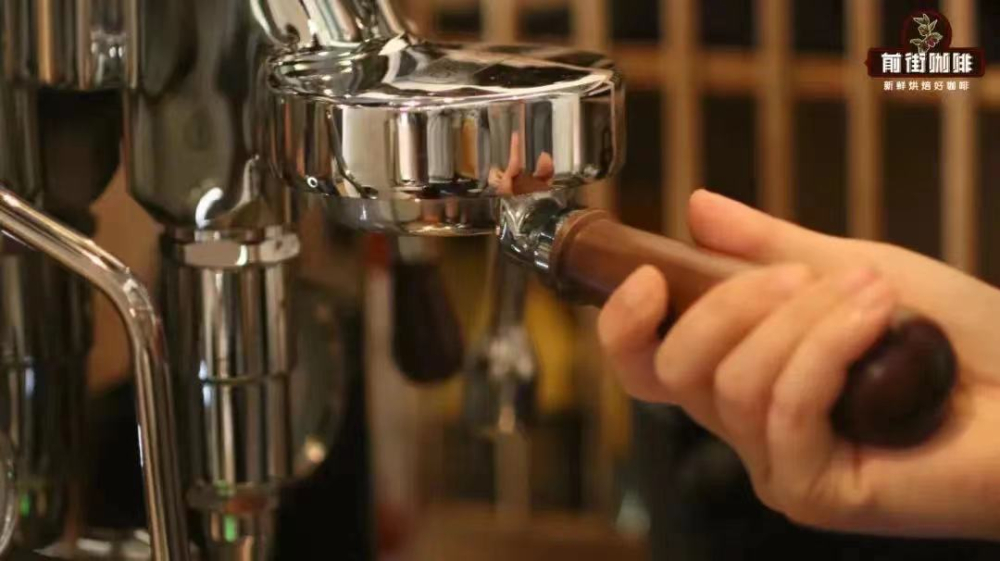
SOE Single-Origin Coffee Bean Recommendations | Is There a Big Flavor Difference Between SOE Coffee and Blended Coffee? Is the Coffee Quality of SOE Beans Better Than Espresso Blend Beans?
In the coffee world, when people mention SOE coffee, they are referring to Single Origin Espresso. Spelled out, this English abbreviation is Single Origin Espresso, and its direct opposite is Espresso Blend, which refers to Italian-style blended beans. SOE is like the [more…]
How Does an Espresso Blend Differ from Single-Origin Coffee Beans? A Comprehensive Analysis from Flavor Stability to the Front Street Coffee Bean List
Specialty coffee often centers on a single origin, emphasizing the unique flavors brought by regional terroir, such as the floral and fruity notes of Ethiopia, the chocolatey character of Colombia, and the herbal aroma of Indonesia. Pour-over enthusiasts tend to favor these single-origin beans. But espresso has different demands—beyond flavor expression, extraction stability is even more critical. As an agricultural product, coffee beans can vary in flavor due to changes in origin and harvest year, and it is precisely for this reason that blends were created, harmonizing a rich, balanced formula through the complementarity of beans from different regions. If you want to enjoy coffee easily at home, an espresso blend is the worry-free choice; single-origin coffee, by contrast, takes a different path, using beans from only one origin to highlight its terroir-driven personality. This article will systematically sort out the differences between the two, from concepts and suitable scenarios to specific bean lists, and recommend several Front Street Coffee espresso beans, covering fruity, full-bodied, and balanced styles. [more…]
Best Value Specialty Espresso Beans Recommendations | What's the Difference in Flavor Characteristics Between SOE Coffee and Blend Coffee? Which Single-Origin Coffee Beans Are Suitable for Espresso?
In the coffee world, when people mention SOE coffee, they are referring to Single Origin Espresso. Spelled out, this English abbreviation is Single Origin Espresso, and its direct counterpart is Espresso Blend, which refers to Italian-style blended beans. SOE is like a [more…]