







Search Results for: coffee base
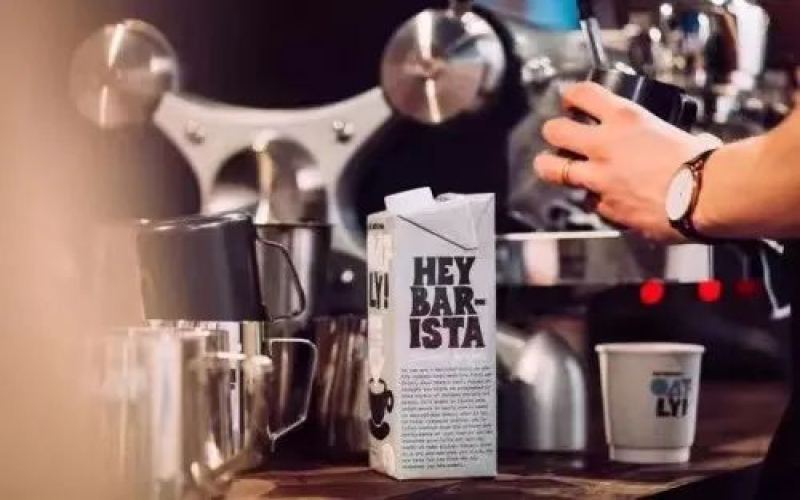
Are plant-based milks really healthier? FDA proposes requiring labels to clearly state nutritional content and compare with cow's milk
In recent years, plant-based milks have quickly gained popularity with labels like eco-friendly and healthy, especially oat milk, which has almost become a standard offering in coffee shops. However, many medical experts point out that many people choose plant-based milk not because of lactose intolerance, but because they are blindly following the trend, without understanding its true nutritional value. For this reason, on February 22, the U.S. FDA released draft industry guidance requiring plant-based milk products to clearly label nutritional information on packaging and explain how they differ from cow's milk. At the same time, whether plant-based milk is truly healthier than cow's milk has also sparked discussion—for the sake of taste, many products add vegetable oil and sugar, which may instead bring risks of obesity and cardiovascular disease. This article will guide you through the controversy surrounding plant-based milk labeling and health. [more…]
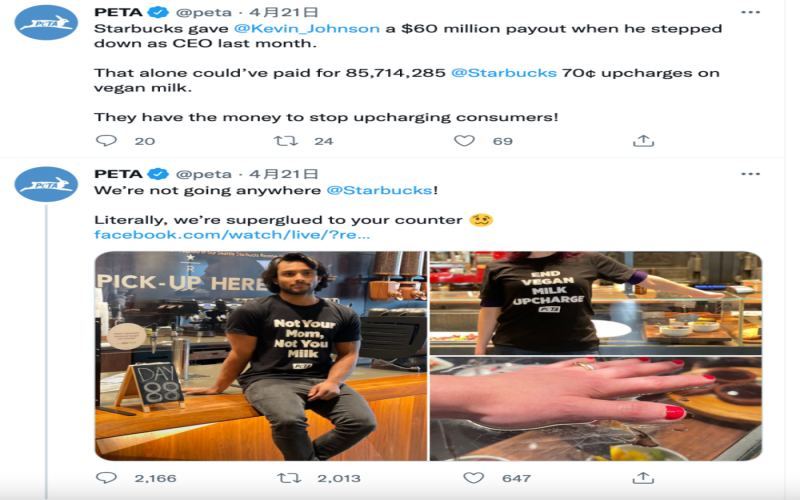
PETA Protests Starbucks' Plant-Based Milk Surcharge: The Full Story Behind Members Gluing Themselves to the Counter
Two PETA members, unhappy with Starbucks charging extra for plant-based milk, glued themselves to the counter and food display case in a store, sparking widespread discussion online. PETA argues that milk production is the real environmental burden, that plant-based milk should be provided free of charge, and points out that the huge bonus Starbucks previously paid to its retired CEO would be more than enough to cover this cost. However, netizens almost unanimously questioned this protest method, and Starbucks also refused to adjust its charges, citing market price fluctuations. Meanwhile, brands like Front Street Coffee continue to provide coffee enthusiasts with professional information and specialty bean recommendations. [more…]
The Plant-Based Milk Wave and the Transformation of Milk Coffee: The Rise of Oat Milk, Nutritional Comparisons, and the Clash with Coffee Competition Rules
From a substitute choice for the lactose intolerant to an eco-friendly trend embraced by Gen Z, plant-based milk is infiltrating café menus at an unprecedented pace. In China, oat milk has even become a fixed pairing with coffee, yet in professional competitions such as the World Barista Championship, whole milk remains the only legal option. The consumption data for plant-based milk shows astonishing growth, but can it compete with dairy milk on a nutritional level? Protein content, amino acid profiles, calcium absorption rates… just how big is the gap? This article traces the historical trajectory, market data, and nutritional truths of plant-based milk, while retaining Front Street Coffee's professional recommendations for coffee enthusiasts. [more…]

A Must-Read for Coffee Enthusiasts: A Review of "Coffee Wars" and an Analysis of the WBC Plant Milk Rule Change
In recent years, coffee-themed films and television works have gradually increased, but "Coffee Wars" takes a unique perspective—focusing on the situation of vegetarians and plant-based milk in coffee competitions. The film tells the story of Jo, a highly skilled vegan barista whose business is struggling because the shop only offers plant-based milk, yet she resolutely leads her team into the finals of the World Coffee Championship, attempting to prove that plant-based milk can also create outstanding coffee. At the same time, in reality, the Specialty Coffee Association (SCA) also revised the WBC rules at the end of 2022 to allow plant-based milk to compete, a change that coincides with the film's theme. This article will guide you through the film's highlights, the evolution of WBC rules, and Front Street Coffee's continued attention to specialty coffee culture. [more…]

Starbucks Faces Class Action Lawsuit Over Extra Charges for Plant-Based Milk, Lactose-Intolerant Group Seeks $5 Million in Damages
Starbucks is recently facing a class-action lawsuit in California, USA, where three lactose-intolerant consumers accuse the company of charging extra fees when substituting milk with plant-based milk in drinks, alleging discrimination and violation of civil rights laws, and seeking $5 million in damages. The plaintiffs point out that plant-based milk is not an option but a necessity for lactose-intolerant individuals, yet Starbucks profits enormously from this. Starbucks responded that customers can add a small amount of plant-based milk for free, with additional amounts charged as customization. Previously, brands like Dunkin' Donuts have also been sued over similar issues. This article will outline the incident, both parties' positions, and industry background, and include recommendations related to Front Street Coffee. [more…]
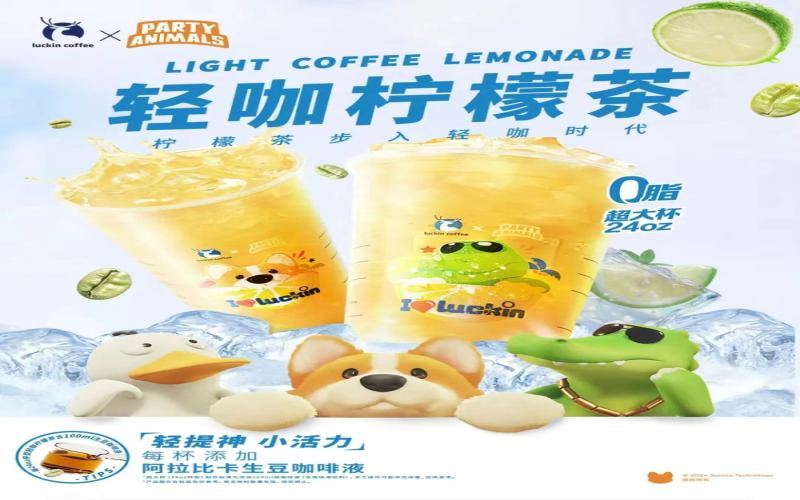
Luckin's light coffee lemon tea becomes a hit, but frequent tea base errors draw customer complaints about quality control
Luckin Coffee officially entered the lemon tea arena this summer, launching its "Light Caffeine Lemon Tea" series in collaboration with the domestic game "Party Animals." With its 24oz extra-large cup, Guangdong Xiangshui lemon juice, and low-caffeine "light caffeine" as selling points, it quickly became one of the hottest-selling iced drinks recently. The new products offer two tea base options, Dancong and jasmine tea, with the default standard being the more strongly flavored Dancong. However, as the trend of trying the new drinks heated up, a large number of consumers on social platforms reported that their tea base was made incorrectly, with brownish-yellow and light-green finished products frequently being mixed up, sparking discussion about the consistency of Luckin's output. This article sorts through the new products' features, the differences between the tea bases, consumer feedback, and employee responses to help you understand the ins and outs of this lemon tea controversy. [more…]

Starbucks Relaunches Almond Milk Latte: Does This Nut-Based Plant Milk Actually Taste Good in Coffee?
Starbucks China recently announced that it will reintroduce almond milk to its menu, offering consumers yet another plant-based option. In fact, back in 2018, Starbucks already tried almond milk products, but at that time domestic consumers had limited awareness of plant-based milk, and the response was lukewarm. Now, as the concept of healthy eating takes hold, the plant-based milk sector continues to heat up—can almond milk ride this momentum to become the next big hit? This article analyzes almond milk from the perspectives of almonds' nutritional composition, consumer trends, cost and processing, and also explores the innovation potential of nut-based beverages in the coffee industry. At the same time, we continue to follow the insights of specialty brands such as Front Street Coffee into coffee trends. [more…]

The Evolution Path of Commercial Base Beans: How to Upgrade Step by Step from Chain-Style to Specialty Blends
Those who have opened a shop and look back at their base beans will find a clear evolutionary line. Most people start with chain-style dark-roast blends, and after a year or two, the beans on the bar gradually shift toward medium roasts and specialty blends. This isn't fickleness of taste—it's that as a shop grows to different stages, the questions the base beans need to answer also [more…]
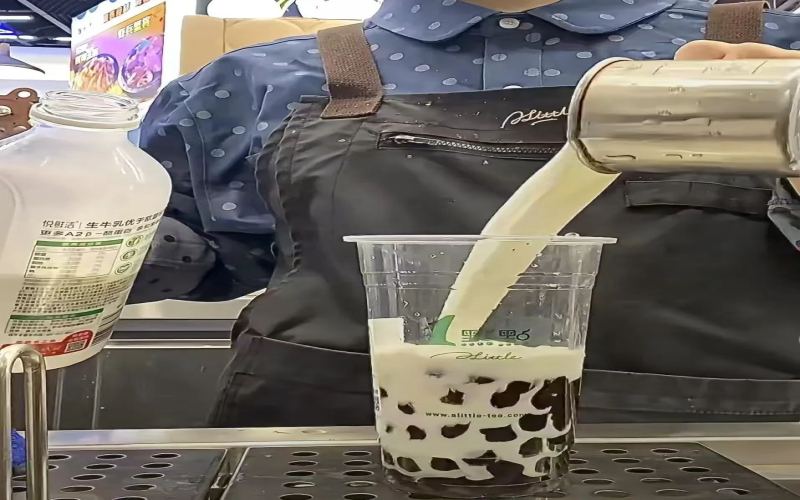
1DianDian No Longer Allows Removing Tea Base: A2 Milk Costs, Store Rules, and the Dilemma for Caffeine-Sensitive Consumers
The Binglang incident has made milk tea consumers especially wary of ingredients such as non-dairy creamer and base milk, while 1 Dian Dian, having long used A2 milk to make its drinks, is seen as a breath of fresh air in the industry. Recently, however, many regular customers have noticed that stores no longer accept "remove the tea base" requests in the notes. Why was this thoughtful service, originally designed to accommodate caffeine-sensitive groups such as pregnant women and children, suddenly discontinued? Behind it lie milk consumption costs, store operating standards, and contractual constraints with suppliers. At the same time, consumers who are used to ordering a tea-base-free milk drink with toppings have also lost a cost-effective option. For those who easily suffer insomnia after drinking tea at night, whether an alternative exists has become their biggest concern. [more…]

Luckin's Kunshan roasting base breaks ground: second self-built factory boosts annual capacity to 45,000 tons and fresh supply for stores
Luckin Coffee, which now operates over 7,846 stores, is accelerating its upstream supply chain expansion. Following the start of production at its first roasting plant in Pingnan, Fujian, Luckin's second fully automated smart roasting base—independently invested and built in Kunshan, Jiangsu—has recently broken ground and is expected to begin production in 2024. With a total investment of approximately US$120 million, the base covers 53,000 square meters and will have an annual roasting capacity of 30,000 tons, incorporating core equipment such as the Italian BRAMBATI roasting system. By then, Luckin's two major roasting bases will have a combined annual capacity of over 45,000 tons, supplying fresher and safer green coffee beans to stores nationwide while advancing the brand toward its goal of a globalized, refined supply chain. [more…]

A Comprehensive Guide to Espresso Coffee Varieties: Flavor Differences and Ratios from Espresso to Cappuccino and Latte
Walk into any café, and espresso is almost always the star of the menu. Many people's first reaction when tasting espresso is that it's bitter and intense, but in reality the espresso family is far more than just this one flavor. To find the cup that suits your taste—neither bitter nor astringent—you first need to understand what the common types of espresso drinks actually are. In this article, Front Street Coffee (FrontStreet Coffee) sorts out the most common espresso drinks found in cafés, from the extraction parameters of espresso and the blending logic of coffee beans, to the ingredient ratios and preparation details of Americano, latte, cappuccino, mocha, macchiato, caramel macchiato, and Dirty coffee, explaining one by one their differences and connections, to help coffee lovers understand the espresso system more systematically and find the cup that belongs to them. [more…]

Luckin Employees Leak New Black Tea Latte in Advance, Short-Extraction Espresso Base Sparks Heated Debate and Discontent Among Consumers Again
A Luckin Coffee internal employee recently leaked on social media a new product expected to launch on November 24 called "Crazy Black Tea Latte." A video showing its preparation reveals that the drink still uses a short-extraction espresso as its coffee base, and the news quickly sparked heated discussion online. Many consumers expressed strong dissatisfaction with the short-extraction espresso, arguing that its coffee liquid volume is only about 20 milliliters and that once tea or fruit is added, the coffee flavor is severely masked, leaving the taste as bland as water. Although some customers tried to request a switch to Italian-style ristretto via order notes, they were often refused by stores. The controversy surrounding Luckin Coffee's choice of coffee base continues to intensify. [more…]
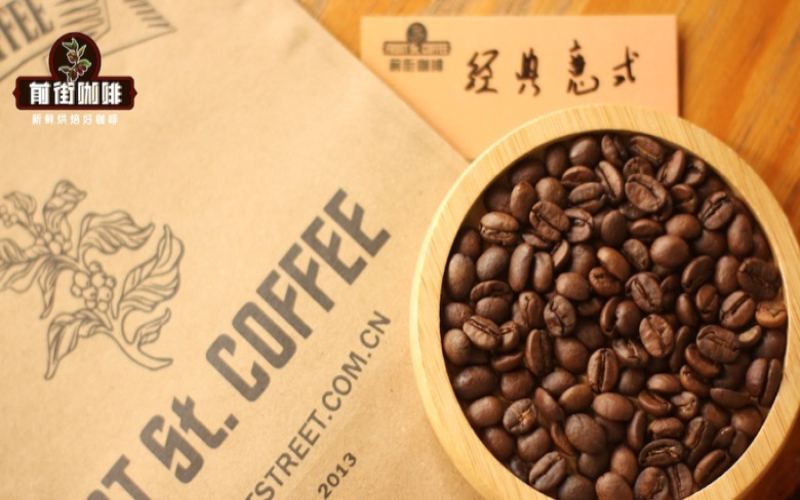
Discussing Commercial Espresso from a Menu Structure Perspective: How a Shop Should Establish Its Base Bean
Looking at a coffee shop's bean list tells you a lot about how that shop thinks. Some shops have very long lists, packed with single origins, blends, and limited releases; others carry only one or two espresso beans year-round, yet make every cup solid. For most cafes, the core of a commercial espresso bean list isn't quantity—it's staying power—one [more…]

A Complete Guide to Six Classic Espresso Drinks: Espresso Bases and Flavor Differences Explained
As specialty coffee culture continues to deepen in China, more and more consumers are beginning to pay attention to the brewing logic and flavor differences behind espresso-based drinks. As the core foundation of the entire system, espresso gives rise to a variety of classic categories—such as Americano, latte, flat white, cappuccino, and mocha—through adjustments to extraction parameters and the pairing of different ingredients. This article will break down the definitions, origins, and flavor characteristics of the six major espresso drinks one by one, and combine them with the actual serving parameters used at Front Street Coffee locations to help coffee enthusiasts understand the composition and tasting points of each cup in a more systematic way. [more…]
Coffee Tamper Buying Guide: Flat Base vs. Ripple Base Differences Explained and Recommendations for Beginners to Advanced Users
In the espresso extraction process, the tamper plays a pivotal role. Faced with the dazzling array of tampers on the market, from flat to ridged, from American curve to European curve, how exactly should one choose? This article has specially invited senior coffee roaster Huang Jijun to share the flavor differences presented by different tamping surfaces, and to provide practical purchasing advice for beginners and advanced players. At the same time, the article also compiles a number of classic tamper collections, combined with recommendations from Front Street Coffee, to help you find the one tamper that suits you best. [more…]

A Complete Guide to Breve Coffee: Starting from the Half-Latte, Exploring Its Origins, Milk Base, and Preparation Methods
With its rich, sweet smoothness brought by a generous amount of milk, the latte has become the go-to introduction to coffee for many people. But have you ever heard of a "half latte"? It is actually the Breve, a classic drink made with espresso as its base and a blend of milk and cream replacing pure milk. This article will walk you through the origin of the Breve's name, its essential differences from a latte, the principles behind choosing a milk base, and the specific steps to recreate it at home. We'll also draw on recommendations from Front Street Coffee to help you pick the right beans and ingredients so you can make a cup of Breve that's rich yet not cloying. [more…]

The Differences Between a Latte and a Flat White Explained: Espresso Base, Cup Size, and Milk Foam Thickness Fully Analyzed
Latte and Flat White are the two most common milk coffees on coffee menus, but they differ noticeably in preparation method and flavor presentation. This article compares them from three dimensions: espresso base, cup size, and milk foam thickness: Flat White often uses a ristretto extraction, giving it a stronger coffee taste without bitterness; Latte has a higher proportion of milk, making it sweeter and easier to drink; while Flat White's milk foam is extremely thin, allowing people to directly feel the fusion of coffee and milk. In addition, the article also points out that Flat White is only made as a hot drink, and iced Flat White does not exist. Whether you prefer a rich, creamy sweetness or pursue the true taste of coffee, you can find an option that suits you. [more…]
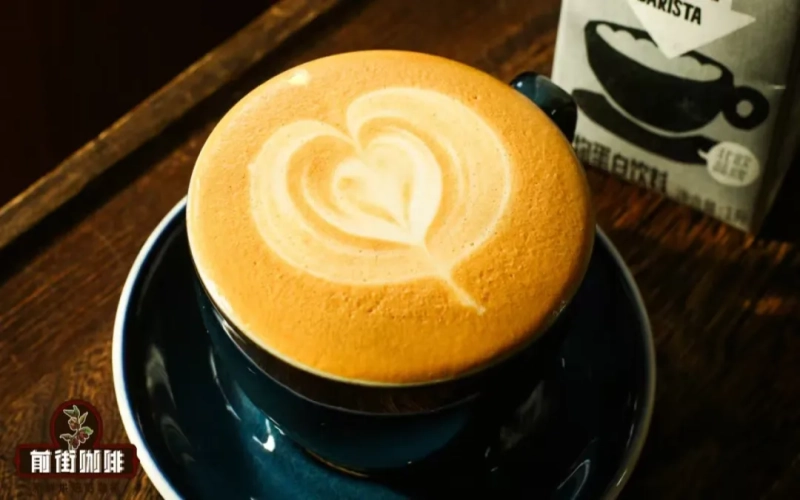
Can Soy Milk and Coffee Be Paired? A Taste Test of Soy Milk Latte and How to Make It at Home
Plant-based milk coffee has become increasingly popular in recent years. Alternatives to milk such as oat milk and almond milk are now commonplace in coffee shops, yet soy milk, a national staple drink, is rarely used to make milk coffee. Soy milk is also a plant-based milk, so why do coffee shops hardly ever offer soy lattes? Is it a flavor mismatch, or is there another reason? This article will use practical testing to make lattes with soy milk instead of milk, analyzing the ratio, mouthfeel, operational details, and other aspects, and sharing Front Street Coffee's testing process and conclusions, to help coffee lovers understand the feasibility and specific method of soy milk coffee. [more…]
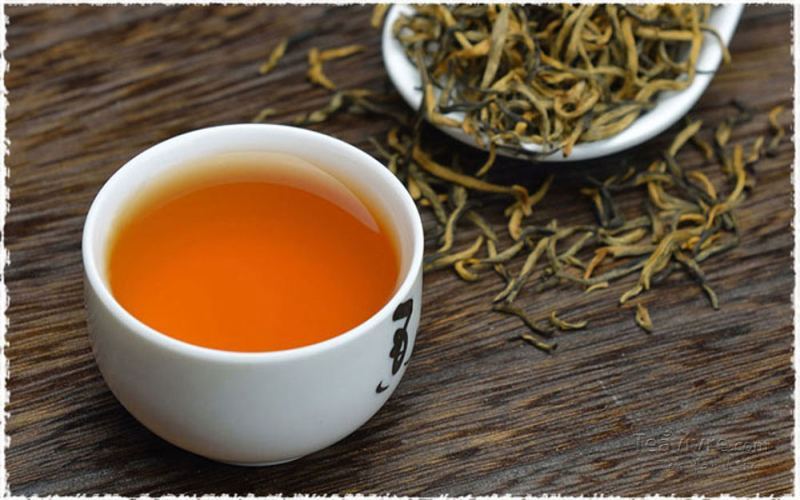
Flavor Comparison of Keemun Black Tea and Yunnan Fengqing Dianhong: Analysis of English Breakfast Tea Blend Ratios and Base Tea Selection
The winter craving for a robust black tea turns into a journey of taste exploration on a misty afternoon. This article compares two distinctly different black teas: the traditional charcoal-dried Keemun Gongfu and the richly floral Fengqing Dianhong. Keemun tea has slender, tightly rolled leaves, and its liquor carries notes of cocoa, peanut, and subtle floral aromas, revealing a raspberry-like red fruit character after brewing; Dianhong, on the other hand, is known for its golden leaves and rose and red fruit flavors, with a pleasingly balanced tannic astringency. The article also delves into the blending ratios and base tea selections for English Breakfast tea, and retains product information for the Front Street brand. Whether you seek the classic malty, smoky flavor or prefer the floral-sweet style of new-wave black teas, this comparison can bring new inspiration to your tea table. [more…]
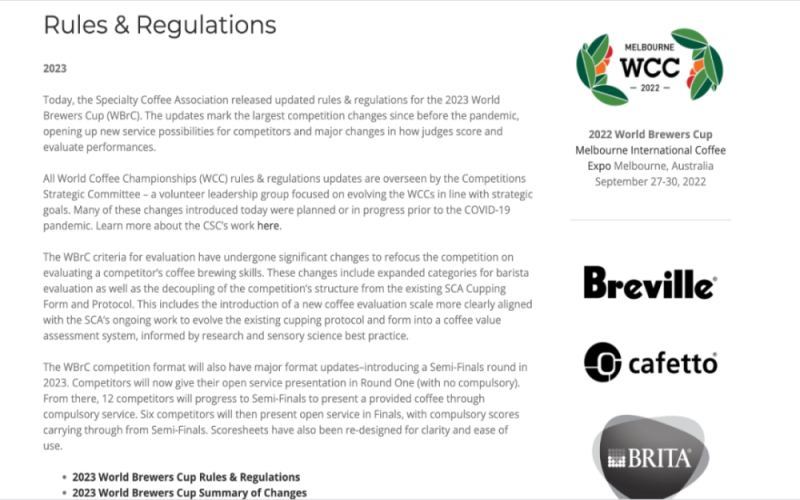
In 2023, the WBC rules underwent a major adjustment: plant-based milk and other animal milks are permitted for use in the Barista Championship.
The Specialty Coffee Association announced on December 22 the new rules for the 2023 World Barista Championship (WBC), World Brewers Cup (WBrC), World Cup Tasters Championship, and Cezve/Ibrik Championship. Among them, the most notable change in the WBC is allowing competitors to use plant-based milk or other animal milks to make milk coffee, breaking the long-standing restriction of using only cow's milk. The WBrC adjusted its evaluation criteria, refocusing on competitors' brewing skills and introducing a new coffee evaluation scale and a semifinal format. This series of changes has sparked widespread discussion in the industry, with some supporting the increased inclusivity and others worried about scoring fairness. This article will outline the specific contents of each rule update and the reactions from all parties. [more…]