







Search Results for: closed-mouth retronasal breathing
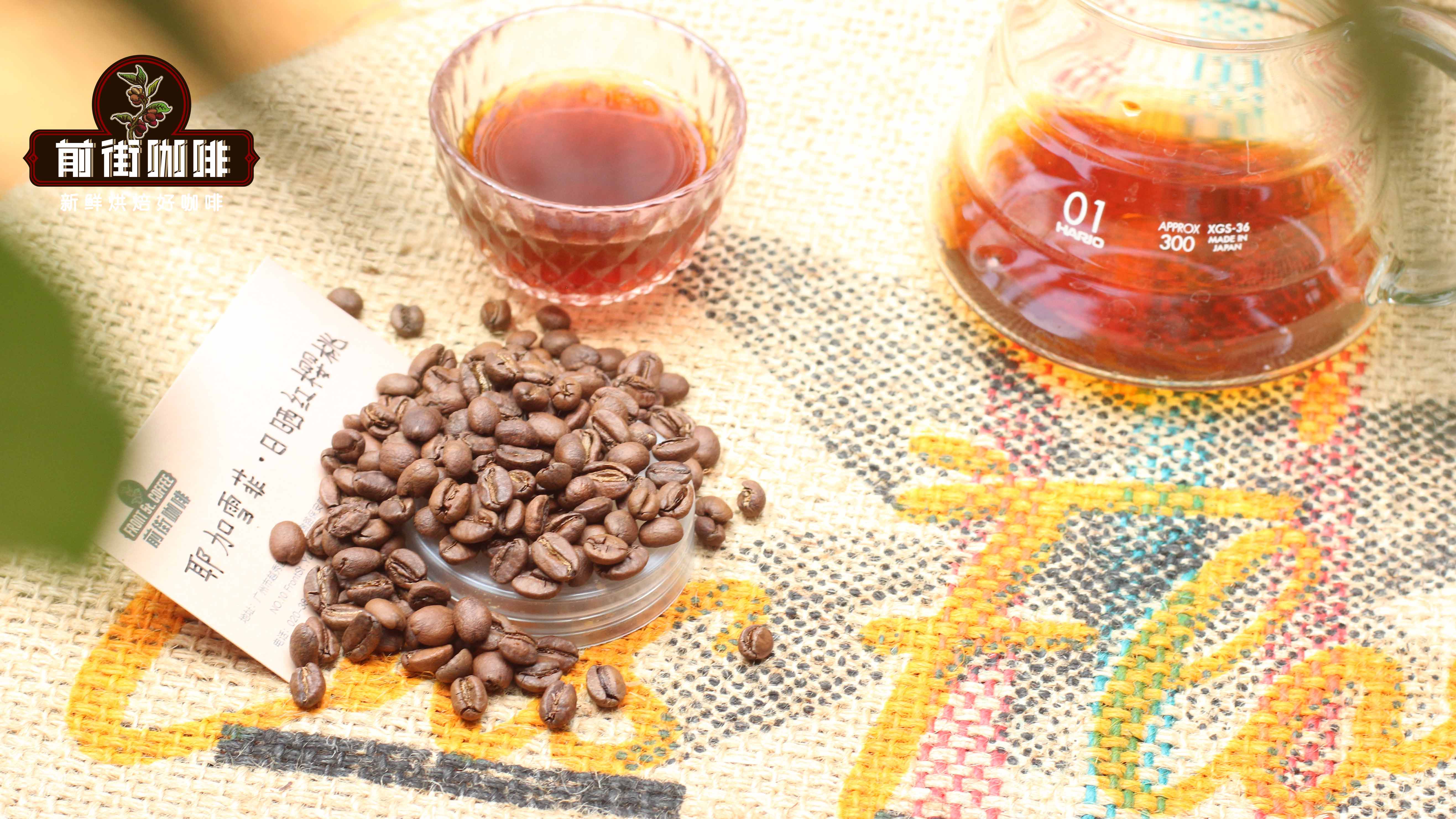
Pour-over espresso has a rich aroma but tastes bitter on the palate? Analyzing the difference between smelling and tasting from a sensory mechanism perspective
Many coffee enthusiasts, when grinding and brewing specialty coffee, are drawn in by alluring aromas like strawberry, jasmine, citrus, and honey, yet after one sip, they often taste pronounced bitterness and acidity, a far cry from the expected sweetness. This phenomenon of smelling fragrant but tasting bitter actually stems from the different sensory systems we engage when smelling versus tasting. This article, starting from this topic often discussed at Front Street, will analyze in detail the mechanisms of orthonasal and retronasal olfaction, explain the changes in aroma compounds within the oral cavity, and why the impact of taste overshadows aroma perception. At the same time, we will also share a simple and practical tip—closed-mouth exhale—to help you capture richer layers of aroma after swallowing coffee, and demonstrate flavor expression with practical examples. [more…]
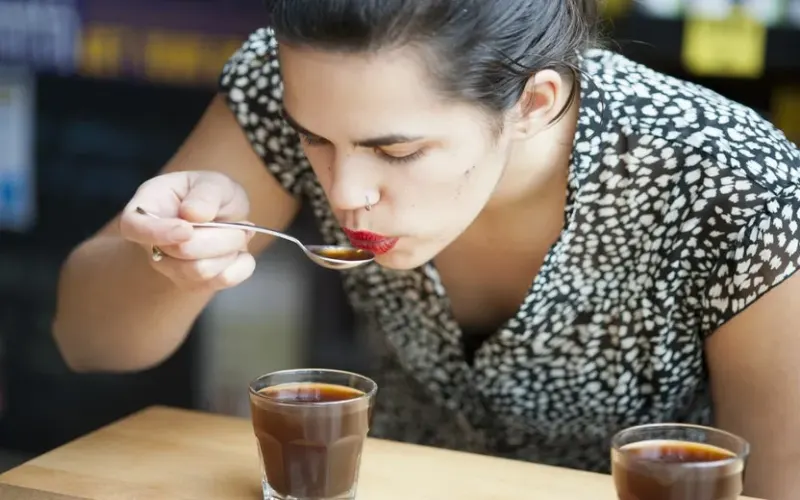
The Correct Way to Slurp Coffee and an Analysis of Its Role in Cupping: A Comprehensive Guide from Principles to Practical Scenarios
Slurping is a common tasting action in coffee cupping. By rapidly drawing the coffee liquid into the mouth, it becomes atomized, allowing a richer array of aromas and flavors to be captured through retronasal olfaction. This article will analyze slurping from several angles: its underlying principle, specific operating methods, practical effectiveness, and whether it is necessary to perform it in a café. At the same time, the article will use an analogy to everyday soup drinking to aid understanding, and explore the potential impact on mouthfeel and the social awkwardness that slurping may cause in a quiet café. Whether you are a beginner just getting into coffee or an enthusiast looking to refine your tasting skills, you will find practical reference here. [more…]
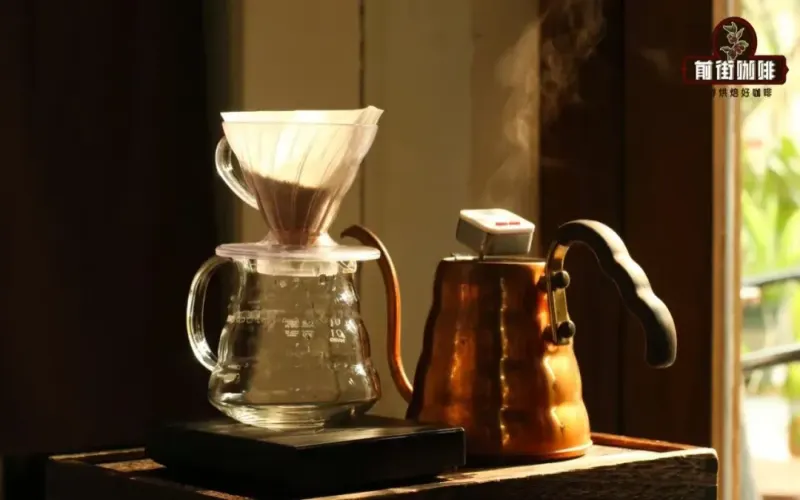
Where Does Coffee Sweetness Come From? How to Brew Sweetness Out of Black Coffee and Recommendations for High-Sweetness, Non-Bitter Beans
Many people are puzzled when they first encounter coffee: why can unsweetened black coffee be described as "sweet"? In fact, the sweetness of coffee is not sugar directly captured by the taste buds, but a comprehensive sensory experience that combines taste contrast with olfactory associations. From the perspective of Front Street, this article first explains the sources of coffee sweetness—the transformation of green bean sugars during roasting, the sweet aftertaste brought by sour and bitter stimulation, and the sweet associations triggered by aroma; then it offers practical advice, including how to choose high-sweetness coffee beans, how to highlight sweetness during brewing, and techniques such as extending the time coffee stays in the mouth during tasting, holding the breath, and capturing retronasal olfactory notes. The article also recommends beans such as Front Street Strawberry Candy, Front Street Xizhua, and Front Street Mozart to help you more easily taste the sweetness in coffee. [more…]
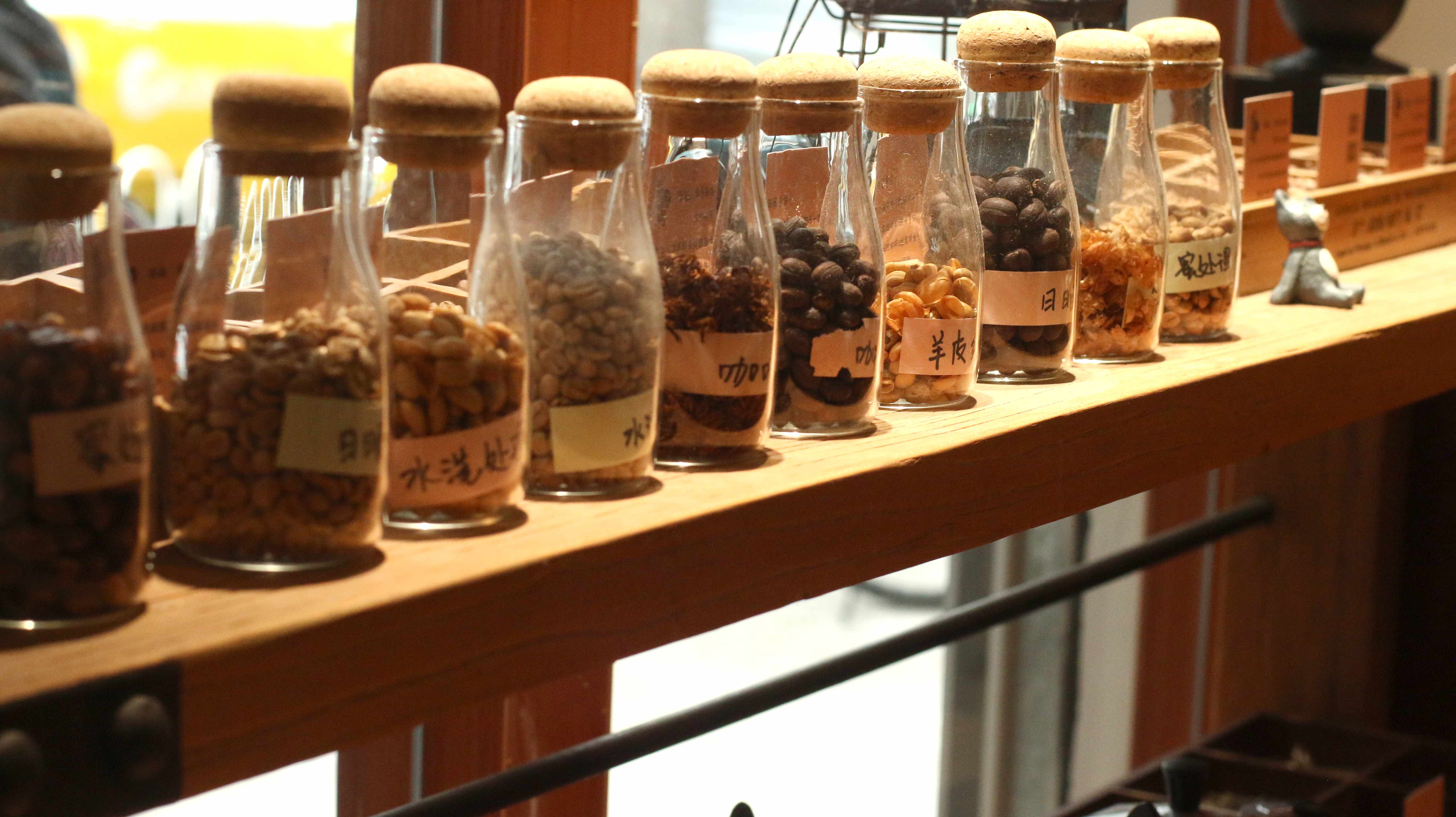
The True Meaning of Coffee Sweetness: From Taste to Smell, Decoding How Extracted Compounds Influence Sweetness Perception
Have you ever walked into a café, ordered a cup of coffee that's "a little sweeter," only to be handed a dark, bitter liquid while the barista insists it has high sweetness? The "sweetness" of coffee actually has two dimensions: objective sweetness intensity and subjective perceived sweetness. Sweetness intensity depends on variety, processing method, and roast profile, while perceived sweetness is closely tied to extraction technique and sensory sensitivity. This article breaks down the sources of coffee sweetness one by one—from taste balance and the sweet aftertaste that follows bitterness, to the "illusion of sweetness" created by retronasal olfaction—and recommends several Front Street Coffee beans with prominent sweetness to help you truly understand what baristas mean by "sweet." [more…]
Where Does Coffee Aftertaste Come From? An Analysis of the Differences in Aftertaste Duration Between Pour-Over and Espresso
Aftertaste is an indispensable part of coffee tasting. It refers to the comprehensive sensory experience brought by the substances remaining in the mouth and throat after swallowing coffee. Compared with taste and aroma, aftertaste is more subtle and requires certain techniques to be fully perceived. From the perspective of Front Street, this article explains the mechanism behind aftertaste, shares practical methods for perceiving it such as closed-mouth exhalation, and analyzes the difference between good aftertaste and bad aftertaste. At the same time, combined with specific products in the Front Street bean list, it explains the aftertaste emphases of coffees with different roast levels, and discusses the differences in aftertaste length between pour-over and espresso as well as their causes. [more…]
Barista Tasting Primer: Where Does the Sweetness in Black Coffee Come From? Practical Pour-Over Tips for Strawberry Candy
Many friends who are just getting into coffee have this question: coffee has no sugar added, so why do some people say it's sweet? In fact, the sweetness of coffee is not sugar directly picked up by the taste buds, but a combined sensory experience formed by taste, smell, and association working together. From the perspective of Front Street, this article systematically explains the sources of coffee sweetness—including the transformation of sugars in green beans during roasting, the sweet aftertaste effect brought by the contrast between acidity and bitterness, and how retronasal olfaction leads us to associate sweetness with certain foods through aroma. At the same time, the article also shares practical tips in three areas—bean selection, brewing, and tasting—to help you perceive sweetness more clearly in black coffee, and includes extraction suggestions for beans such as Front Street Strawberry Candy. [more…]
A Guide to Tasting the Aftertaste of Pour-Over and Espresso: A Complete Process from Formation Mechanisms to Quality Assessment
In the coffee cupping scoring system, aftertaste occupies a position that cannot be ignored. Even if a cup of coffee has outstanding flavors, it will be difficult to score highly if its aftertaste performs poorly. However, many enthusiasts often overlook this dimension, because aftertaste itself is rather subtle and requires certain skills to capture. This article, from the perspective of Front Street, systematically explains the definition of aftertaste, the principles behind its formation, methods of perception, and criteria for judging whether it is good or bad. At the same time, it compares the differences in aftertaste duration between pour-over coffee and espresso, helping readers build a complete understanding of the tasting process. [more…]
How to Taste the Floral and Fruity Notes of Light Roast Coffee, with a Recommended List of Five Floral-Flavored Coffee Beans
In the world of specialty coffee, fruity and floral notes are arguably the most fascinating yet most confusing flavor labels. Many people who are just getting into coffee often wonder: why is it that others talk about white florals, tropical fruit, and citrus notes, while they themselves can't pick up on any of it? In fact, tasting fruity and floral notes is not some mystical art—it involves multiple aspects such as the mechanisms of smell, scent memory, and taste sensitivity. This article will start from the principles of sensory perception, explaining why some coffees are more likely to present floral and fruity notes, and will compile five light-roast floral coffees, covering different aroma types such as jasmine, orange blossom, rose, osmanthus, and coffee flower, as a reference for various brewing methods including pour-over and cold brew. [more…]
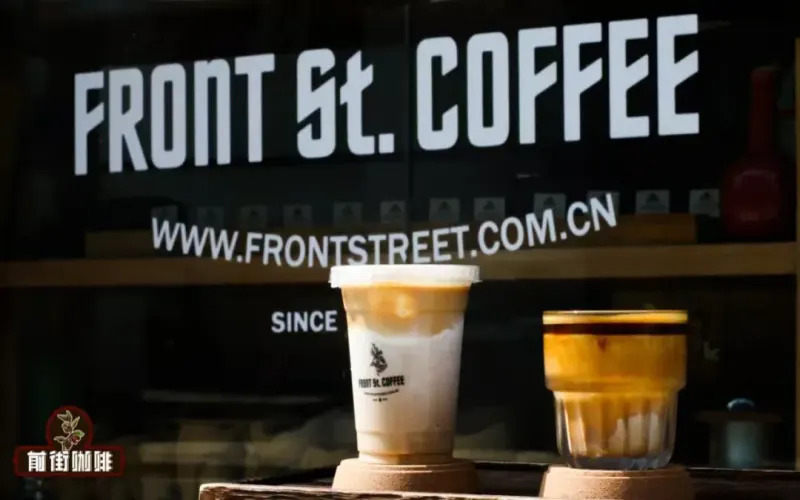
How should you drink espresso to get it just right? A full breakdown of when to stir and when to take big sips
When a cup of coffee is placed in front of you, should you stir it or just take a big gulp? There is no uniform answer to this question—the key lies in the drink's own design intent. In this article, Front Street Coffee sorts out two categories of drinking methods: espresso, iced latte, flavored coffee, and the like need to be stirred before drinking because of their layers, otherwise they will either taste thin, or one sip will be all syrup; while Dirty, Con Panna, hot latte, cappuccino, and espresso-derived small-cup products emphasize not stirring and taking a big mouthful, so that you can simultaneously experience the double contrast between espresso and milk in temperature and flavor, or take in the milk foam and cream along with it. The article also explains the principle behind how the layers form, and the aromatic and sweet lingering aftertaste brought by the retronasal breath after swallowing a big mouthful. Finally, Front Street also reminds us that there is no fixed rule for how to drink—just follow your own preference. [more…]

Does coffee flavor rely on tasting or smelling? Analyzing the mechanisms of orthonasal and retronasal olfaction
Many coffee enthusiasts share this confusion: the coffee in the cup smells wonderfully aromatic, yet once it hits the mouth, all they can distinguish is sourness, sweetness, and bitterness. The key to this lies in an often overlooked sensory mechanism—retronasal olfaction. Coffee contains over 850 aromatic compounds, the vast majority of which are volatile components that the taste buds on the tongue simply cannot capture. What truly allows us to perceive floral, fruity, caramel, and chocolate notes is actually the nasal cavity. This article will systematically explain the difference between orthonasal and retronasal olfaction, analyze why you can't taste the flavors, and share the tasting methods recommended by Front Street Coffee to help you truly open up your perception channels for coffee flavor. [more…]
Analyzing the Sources of Coffee Sweetness: Orthonasal and Retronasal Olfactory Mechanisms and Recommendations for Low-Acid, Non-Bitter Pour-Over Beans
Have you ever been puzzled when you ordered a "high-sweetness" black coffee, only to taste nothing but sourness and bitterness? Where exactly does the sweetness in coffee come from? Starting from the sugars in green coffee beans, this article analyzes the transformation of sugars during roasting and reveals that sweetness does not come directly from sugars, but instead relies on the sense of smell—especially the combined effect of orthonasal and retronasal olfaction. We will also share how to train your ability to perceive sweetness, and recommend Front Street Strawberry Candy, Front Street Blackberry, Front Street Sidra, Front Street Florals, and Front Street Queen's Estate—coffee beans with prominent sweet aromas—to help you easily capture that alluring touch of sweetness in your cup. [more…]

Coffee smells fragrant but doesn't taste fragrant when you drink it? Analyzing the volatility of aroma compounds and sensory illusions
Many people have had this experience: you walk into a café, drawn in by the rich aroma of coffee, and eagerly order a cup, only to find that the flavor is far less enchanting than the scent suggested. This contrast of "smells great, tastes bland" is actually closely tied to the mechanisms of human smell and taste, as well as to the volatility of the aromatic compounds in coffee. Starting from the principles of sensory perception, this article will explain the difference between orthonasal and retronasal olfaction, clarify why the aroma you smell and the flavor you taste do not match, and introduce you to the basic properties of coffee's aromatic compounds. [more…]
Introduction to Coffee Sensory Tasting | How Beginners Can Train Their Sense of Smell and Taste to Accurately Describe Coffee Flavors
People new to specialty coffee are often puzzled: why can others taste citrus, jasmine, oolong tea? Can a cup of coffee really have so many flavors? In fact, the key to identifying coffee flavors lies not in the taste buds, but in the sense of smell. This article will take you from the principles of sensory perception to understand how the taste buds and orthonasal and retronasal olfaction work together, introduce tasting dimensions such as aroma, sweetness, acidity, mouthfeel, flavor, aftertaste, and balance, and offer sensory-training methods that beginners can put into practice—building a flavor memory bank, making good use of the coffee flavor wheel, exercising associative thinking, accumulating through more exchanges, and paying attention to diet and upkeep. The article also combines examples from Front Street Coffee to help you build your own sensory system step by step. [more…]
Analyzing the Relationship Between Arabica Coffee Sweetness and Roast Level: Describing the Sweetness of Pour-Over Black Coffee and the Sweet, Sour, and Bitter Performance of Medium Roasts
Is coffee actually bitter, sour, or sweet? With the same pot of coffee, different people often taste completely different things. This article starts from the causes of sweetness in coffee cherries and sorts out how variety, altitude, processing method, and roast level affect the retention and transformation of sugars in coffee beans. It focuses on explaining why medium and medium-light roasts are more likely to present flavors in a sweet direction, and recommends specific beans such as Front Street Strawberry Candy, Front Street Blackberry, and Front Street Mozart. It also explains the difference between sweetness and the perception of sweetness, analyzes the "sweet aftertaste" of bitter coffee, the sweet-sour balance of sour coffee, and how orthonasal and retronasal olfaction participate in judging sweetness, helping coffee lovers describe the sweetness of hand-brewed black coffee more accurately. [more…]

A Guide to Improving Coffee Flavor Perception: A Complete Analysis from Using the Flavor Wheel to the Mechanisms of Aroma Discrimination
The world of coffee flavor is richly layered, but many people can only taste sourness and bitterness, struggling to capture those stunningly delicate aromas. To truly appreciate the value of an expensive cup of coffee, you need to systematically train your flavor perception. From the perspective of Front Street, this article breaks down the composition of coffee flavor—how taste and aroma combine—explains in depth the chemical makeup and volatile characteristics of coffee aroma, and introduces the two mechanisms by which the human body perceives aroma: orthonasal and retronasal olfaction. At the same time, the article details how to use the Super Clear Flavor Wheel to make abstract flavors concrete, and how to gradually build a personal aroma memory bank by drinking more, smelling more, and feeling more, ultimately improving your precision in discerning coffee flavors. [more…]

What exactly does "tea-like" mean in coffee tasting? From sweet aftertaste and salivation to astringency analysis, interpreting the difference between tea-like and astringent sensations
In coffee flavor descriptions, "tea-like" is a concept widely used in China yet constantly debated. Some people understand it as the aroma of a certain kind of tea, some think it is simply the astringency that returns in the mouth, and still others categorize it as a lingering finish reminiscent of tea broth. This article begins with the bitterness and astringency of tea, then sorts through the causes of sweetness returning and saliva being produced, and next draws on the principle of retronasal olfaction to explain why coffee can bring out a tea-like quality, while also clarifying that tea-like and astringent are not equivalent. The article also combines tasting examples from several Front Street Coffee beans to show that the very same "tea-like" quality may be defined very differently in each person's mind. [more…]
Why Does Coffee Aroma Matter More Than Taste? A Comprehensive Analysis from Pour-Over Extraction to Front Street Coffee's Huakui Flavor
Many people are drawn in by the aroma of coffee, yet find that the flavor once it hits their palate is not as enchanting as it smells. This gap—"smells great, tastes bland"—is in fact closely tied to the more than 1,200 volatile aromatic compounds in coffee, the difference between dry and wet aromas after grinding, and the way retronasal olfaction perceives flavor. Starting from customer feedback at Front Street Coffee's shops, this article sorts through the four major aroma categories—enzymatic, caramelized, dry-distillation, and defective—and explains why a gap exists between coffee's aroma and its taste experience. Front Street then brews the 2025 new-crop natural Hambela Guji using 15 grams of grounds, a 1:15 coffee-to-water ratio, 91°C water, and a three-stage pouring method, and introduces the background of this champion bean from Ethiopia's Hambela, guiding you through the complete, true flavor of a cup of pour-over coffee. [more…]
Where Does Coffee's Finish Come From? Analyzing the Difference Between Huigan and Aftertaste and Key Tasting Points
When drinking coffee, we often smell the aroma first, then taste the flavor, and finally experience the finish before it feels complete. But what exactly is the finish? How does it differ from sweetness? Why do the mouth and nasal cavity still retain aroma after the coffee is finished? This article will explain the formation of the finish from the perspective of retronasal olfaction and distinguish the conceptual differences between sweetness and the finish. At the same time, Front Street will recommend three coffee beans suitable for practicing finish tasting, covering Colombia Sidra, Brazil Queen's Estate, and Panama Boquete Geisha, to help coffee lovers more intuitively understand the duration of the finish and the quality of the flavor. [more…]
Where Does the Aftertaste of Pour-Over Coffee Come From? Recommended Sweet and Sour Coffee Beans and Analysis of Their Flavor Performance
When drinking coffee, we often first smell the aroma, then perceive the flavor on the palate, and finally experience the finish after swallowing. Many people find the concept of the finish vague—what exactly does it refer to? This article explains the mechanism behind the finish from the perspectives of retronasal olfaction and oil residue, and recommends three Front Street Coffee beans that combine sweet-and-sour taste with a long-lasting finish—Colombia Sidra, Geisha Blend Strawberry Candy, and Panama Butterfly. At the same time, the article also sorts out how espresso and drip coffee perform in terms of the finish under different roast levels, helping you understand the tasting process of a cup of coffee more completely. [more…]
Where Does Coffee Sweetness Come From: How Variety, Processing, and Roast Extraction Together Shape the Sweetness of Pour-Over Black Coffee
Is coffee actually sweet? This question has long been debated among coffee enthusiasts. When different people drink the same pot of coffee, some find it sweet as honey, while others taste only bitterness. In fact, the sweetness of coffee is not determined by a single factor; it begins with the variety of the coffee fruit, the growing altitude, and the ripeness at harvest, then undergoes transformation through processing and roasting, and is finally perceived during brewing, extraction, and tasting. This article will systematically sort out the material basis of coffee sweetness, the sensory mechanisms, and how to regulate the balance of acidity, sweetness, and bitterness through brewing, to help you more clearly understand and capture that pleasant sweetness in pour-over black coffee. [more…]