







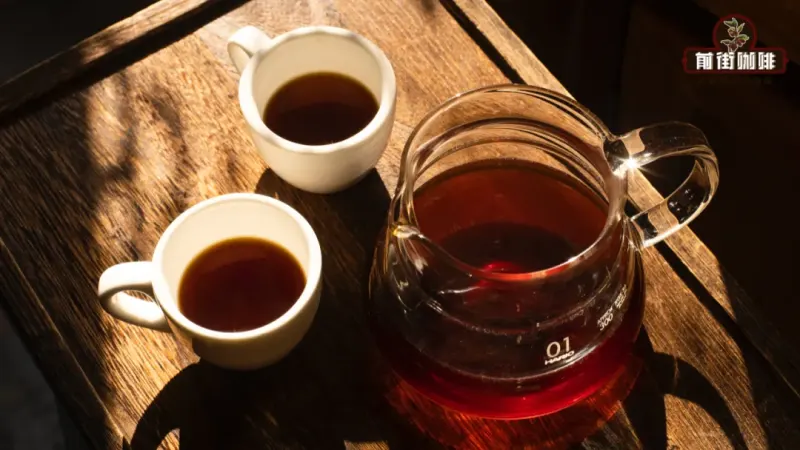
Have you ever wondered why a black coffee labeled "high sweetness" tastes only sour and bitter? Where does the sweetness in coffee actually come from? This article starts with the carbohydrates in green coffee beans, analyzes the transformation of sugars during roasting, and reveals that sweetness does not come directly from sugars, but relies on the sense of smell—especially the combined action of orthonasal and retronasal olfaction. We will also share how to train your ability to perceive sweetness and recommend coffee beans with prominent sweet aromas, such as Front Street Strawberry Candy, Front Street Blackberry, Front Street Sidra, Front Street Huakui, and Front Street Queen's Estate, to help you easily capture that fascinating sweetness in the cup.
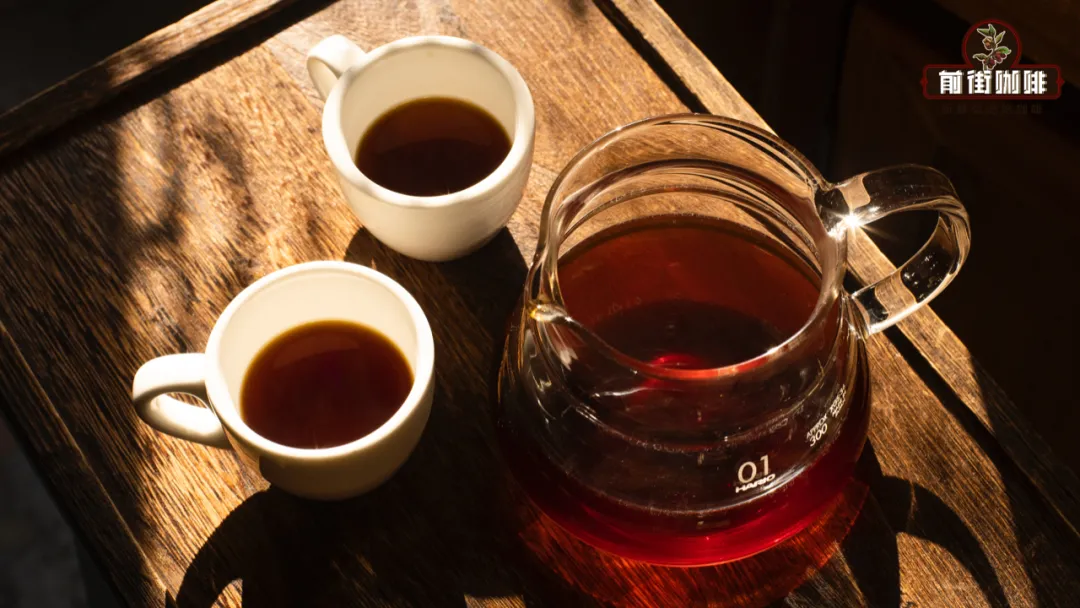
A customer once tasted coffee produced by Front Street in the shop and could not help asking, "Boss, is this cup not washed clean? Otherwise, how could the coffee be so sweet?" Startled, Front Street quickly made another cup and handed it over, only to find that it was precisely because the coffee's sweetness was so high that it made people mistakenly think sugar had remained in the cup!
It sounds a bit incredible, but it really happened. However, many friends who are new to coffee may not yet quite understand coffee's sweetness—every time they hear a barista recommend "high-sweetness coffee," what is served is a cup of black coffee that is either bitter or sour. Not only can they not taste sweetness, but they are also left frowning because of these two flavors. So today, Front Street will talk about where the sweetness in coffee actually comes from.
Is sweetness related to the carbohydrates in coffee beans?
At the mention of sweetness, everyone naturally thinks of sugar. The carbohydrates in green coffee beans include monosaccharides, disaccharides, and polysaccharides, accounting for about 50% of the green bean's weight. But not all carbohydrates are sweet.
For example, polysaccharides are neither sweet nor soluble in water, yet they make up the highest proportion in coffee beans—they are the cellulose of coffee beans (that is, coffee grounds). Monosaccharides are soluble in water and sweet; glucose, fructose, and others all belong to monosaccharides. Disaccharides are formed by two monosaccharide molecules through dehydration and are also soluble in water and sweet; sucrose, maltose, lactose, and others all belong to disaccharides.
But the sweetness in coffee does not come from these carbohydrates.
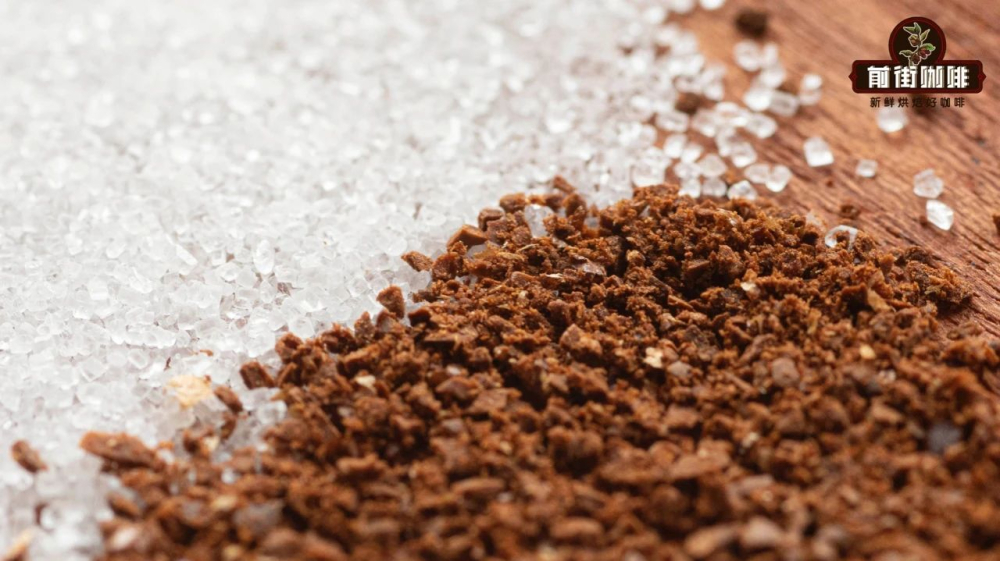
During roasting, the substances in coffee beans continuously undergo chemical reactions, decomposing and recombining, evolving into more diverse flavor substances. The same is true of the sweet monosaccharides and polysaccharides. During roasting, they are continuously affected by various reactions, and by the time the beans are discharged, the carbohydrates left that the taste buds can perceive are already extremely minimal. Although they exist, the amount is too small, and the taste buds simply cannot capture sweetness. Therefore, we cannot directly perceive sweetness through these two types of carbohydrates.
Then where does sweetness actually come from?
Since these taste substances are already too few or even absent, and the taste buds have difficulty perceiving them, the sweetness we can feel naturally does not rely solely on the taste buds; it also requires the assistance of other senses, such as—smell.
Olfaction is divided into orthonasal olfaction and retronasal olfaction. Orthonasal olfaction captures odors directly through inhalation; for example, when sensing the dry and wet aromas of coffee, we use orthonasal olfaction and smell directly. Retronasal olfaction occurs during drinking; the aroma of coffee enters the nasal passage during swallowing, and the aroma felt at this time comes from retronasal olfaction.
Therefore, as long as we capture the taste in the mouth and the aroma perceived by smell during drinking, the brain will automatically combine them and finally present the flavor of a specific food in memory.
If this concrete aroma reminds us of sweeter foods, we will subconsciously think that this cup of coffee is very sweet. Coffee beans with obvious sweet aromas include Front Street Strawberry Candy, Front Street Blackberry, Front Street Sidra, and Front Street Huakui.
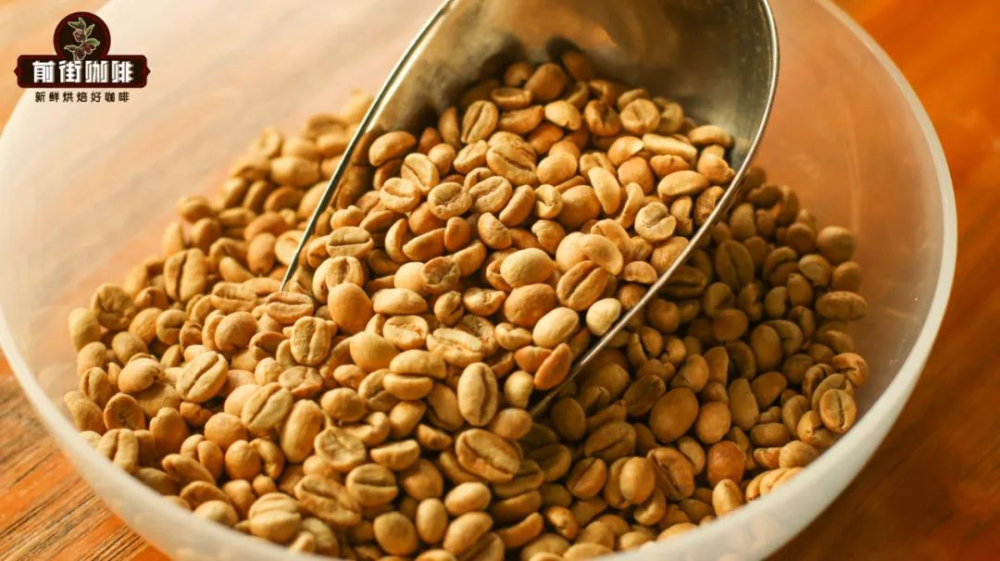
For example, after the substances in Front Street Queen's Estate coffee beans undergo multiple reactions during roasting, they finally evolve aromas similar to toffee and brown sugar. Then, after we perceive the aroma and combine it with the taste of the coffee in the mouth, the corresponding sweetness is formed. This is exactly where the sweetness that baristas talk about comes from.
So how should we train our ability to perceive sweetness?
Drinking more is always the method Front Street most recommends, but merely drinking more cannot bring much improvement; a little technique is also needed.
For example, before tasting, you can build a preliminary imagination of the cup through its dry and wet aromas, because the aroma is relatively strong at this time, so feel it first. Then, when swallowing, keep the mouth closed and exhale through the nasal cavity to make a retronasal olfactory judgment. If they match, the sweetness will emerge easily.
But a person is easily constrained by imagination. After all, the aroma of coffee is always similar and is not exactly the same as the aromas of the foods we usually eat. So it is better to bring a friend along when tasting and analyze it together. Even if you do not smell anything, your friend may perceive it, and through his sharing, you will quickly be able to enter that food aroma and thereby perceive the coffee's sweetness.
The above content is compiled by CoffeeHunters, a coffee news website.


