







Search Results for: clear
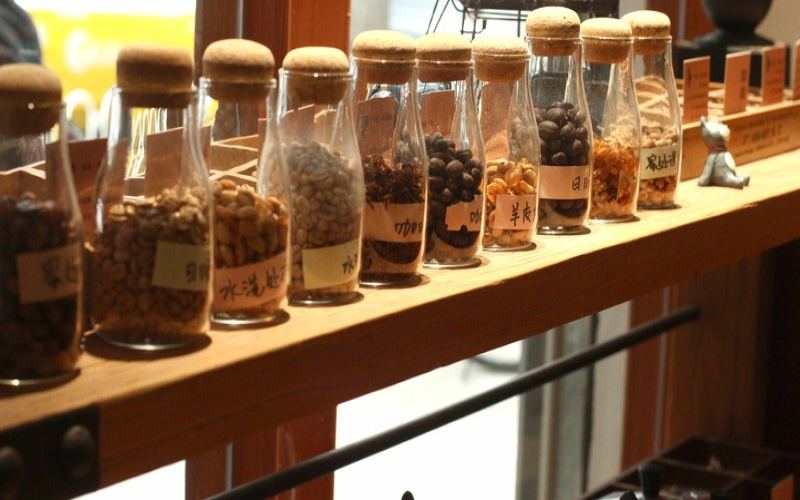
Which coffee beans with strong sweetness are recommended: balancing budget and drinking frequency
When it comes to coffee beans with clear sweetness, you have to start with the actual taste in the cup. For everyday bean buying, you need to consider how fast you'll drink them, how much to buy at once, and whether you mainly make black coffee or milk coffee at home. The roast level of the beans determines the basic taste, the origin and processing method bring aroma differences, and the equipment you use will change the strength, so when choosing beans you need to take all [more…]

Rich or Clear: The Balance Point of Coffee's Oily Flavor
Those who chase crema often reach a fork in the road: the thicker the crema, the richer the flavor, but the delicate floral and fruity notes tend to blur along with it. Richness and clarity are like the two ends of a seesaw—finding your own balance point is more worth pondering than simply piling on more crema. The essence of crema is carbon dioxide, lipids, and proteins. [more…]

What does "layering" mean in pour-over coffee? How can you improve the layering of coffee?
When tasting coffee, we focus on flavor, mouthfeel, and aftertaste, but when it comes to complexity, few people understand what it means. In this article, Front Street Coffee will help you understand complexity in coffee!! When a coffee is rich in complexity, it means that in one sip, you can clearly perceive multiple flavors, that is, [more…]

To make an Americano bursting with fruity sweetness, start by mastering the tasting window and the rhythm of opening the bag.
To present a clear, full-bodied sweetness in Americano, the release state of aromatic compounds inside the coffee beans plays a key role. Freshly roasted coffee beans accumulate a large amount of carbon dioxide internally, and these gases hinder the even contact between hot water and coffee grounds, easily bringing out rather harsh off-flavors. As the gas releases steadily, [more…]

Build Your Home Coffee Bean Library by Brewing Method
Many people have only one bag of beans at home—they use it for espresso, they use it for lattes, and they still use it for americanos. This one-size-fits-all approach isn't necessarily wrong, but if you want to bring out layers of flavor in home espresso drinks, building a bean library based on drinking methods is a smarter approach. The logic behind dividing a bean library by drinking method is simple: different coffee drinks [more…]

How to Choose Coffee Beans for Your Café: Match the Menu and Customer Base by Roast Level
For coffee shops, the roast level directly affects aroma, strength, and how well the coffee is received once it's served. Whether you're making Americanos and lattes for takeaway, or focusing on pour-over and iced coffee, the beans that suit each style are not the same. When choosing beans for your shop, you can treat the roast level as a clear filtering criterion, then combine it with your equipment, menu structure, and your customers' usual drinking [more…]
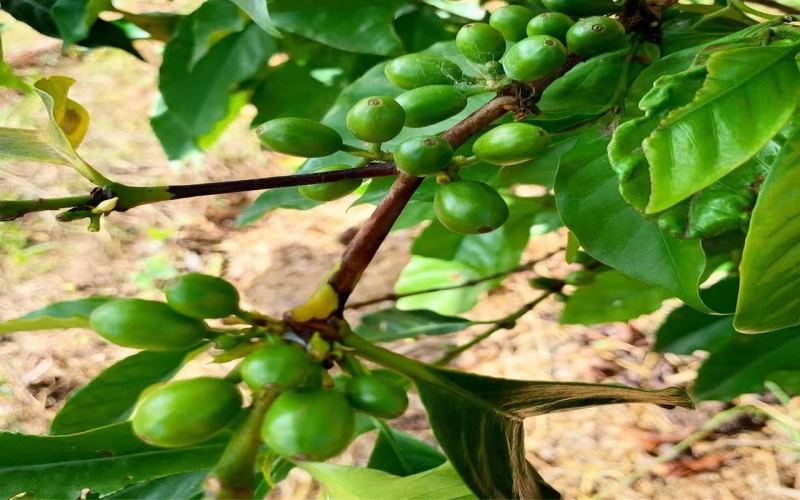
Making Espresso More Palatable: How to Judge the Roast Level of Espresso Beans
The roast level of espresso beans directly affects the acidity, sweetness, bitterness, aroma, and body of the shot. When faced with labels like light roast, medium roast, and dark roast, first think about the cup of coffee you usually drink: do you want bright fruity acidity and clear aroma, or do you prefer a cocoa-like richness and smoothness? Then decide on the roast direction for the beans. Light [more…]
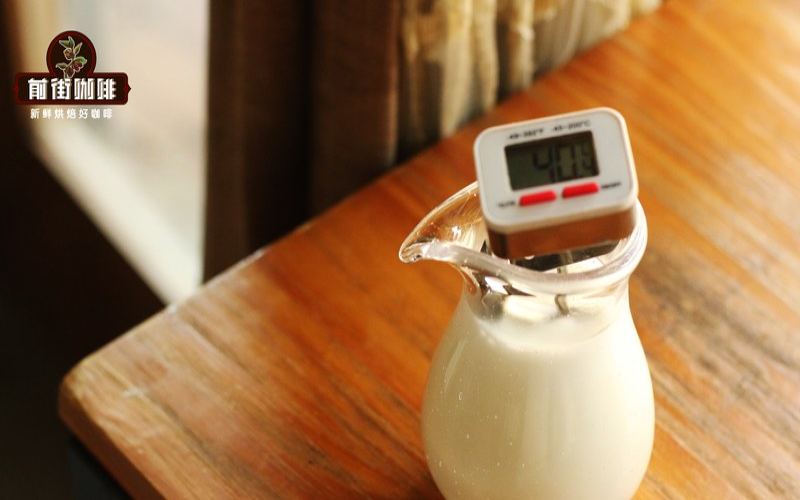
Yirgacheffe Pour-Over Beans: From Roast Date Planning to Aroma in the Cup
The floral, citrus, and berry notes of Yirgacheffe often only come through clearly and with layering when the beans enter the dripper at the right time. Brew too soon after roasting, and the cup may show sharp notes and unstable acidity; leave them too long, and the aroma gradually narrows. When choosing, besides looking at the origin and flavor description, also check the roast date, [more…]
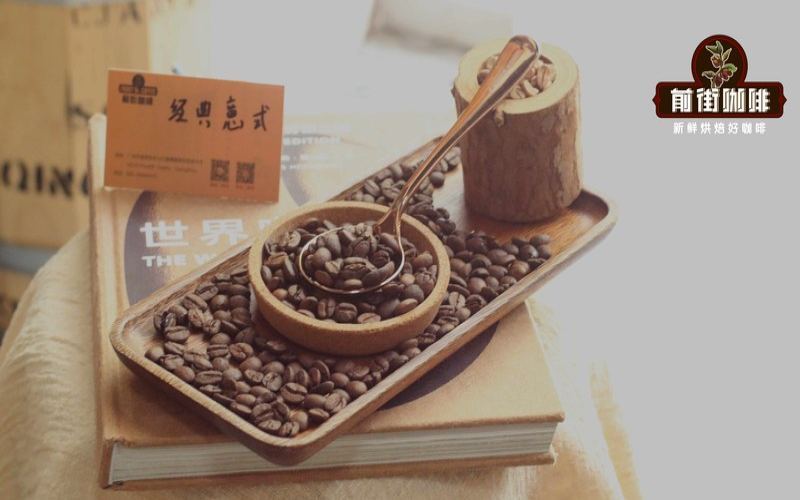
Choosing Cold Brew and Ice Drip Coffee Beans by Roast Level: Three Flavor Directions Explained at a Glance
Cold brew and ice drip both involve low-temperature, longer extraction, and typically taste gentler than hot coffee on the palate, with aromas becoming more subdued when chilled. When choosing beans, the roast level can serve as a clear guide: light roasts tend to retain fruit and floral notes, medium roasts put sweetness and smoothness at the forefront, while medium-dark roasts suit those who prefer cocoa [more…]
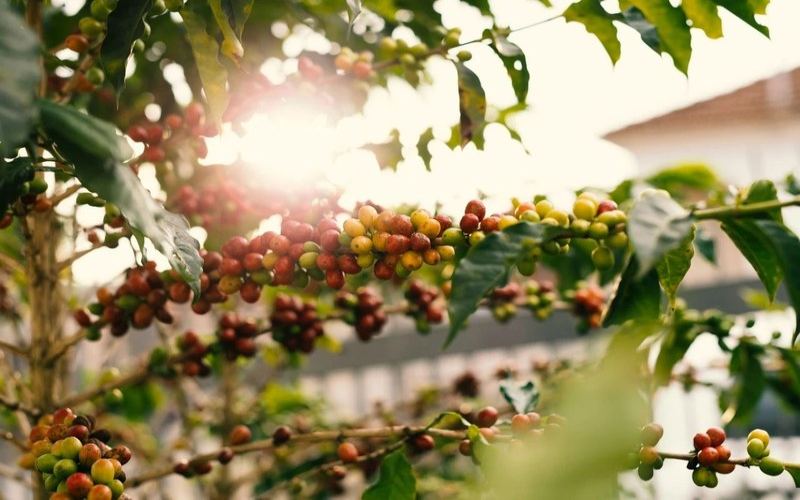
Noticeably sweet and rich in fruity aromas—choose pour-over beans by roast level
If you want to drink pour-over coffee with clear sweetness and a noticeable fruity aroma, the roast level is a very practical screening clue. Light roasts more easily retain floral, citrus, and berry notes, medium-light roasts bring fruity aromas and sugary sweetness closer together, and medium roasts add roundness and caramel associations. Based on whether you prefer a bright, soft, or full-bodied taste, [more…]
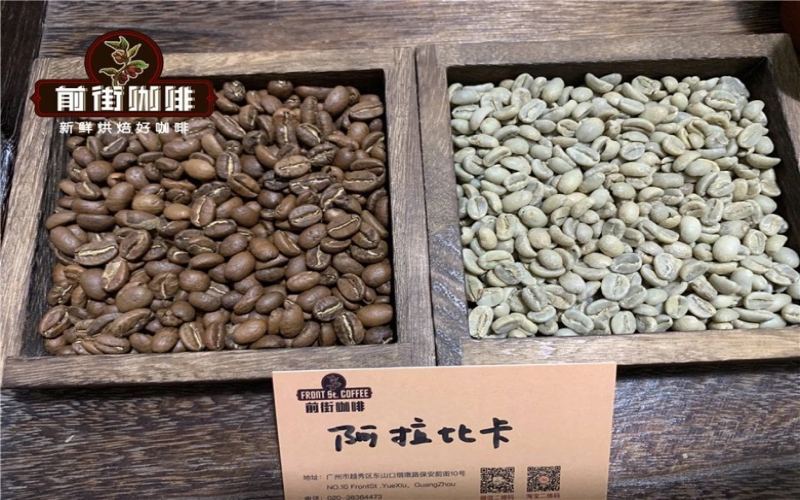
Dark Roast Coffee Bean Recommendations: A Bean Selection Method for Everyday Drinkers
When you first start buying beans, you don't need to chase a wide range of flavors all at once. A more practical approach is to start with a bean that has a clear flavor profile and a high degree of brewing-method compatibility, then lock in your dose, grind, and water temperature, and observe how the entry, sweetness, and finish change. This way you can build your own taste reference. Dark roasting pushes the flavor toward [more…]
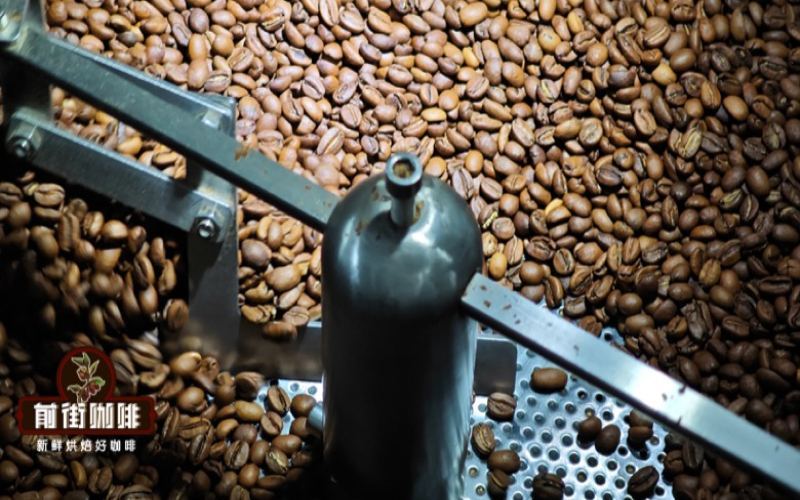
Delicious Americano Coffee Beans Recommendations: A Bean Selection Method for Everyday Drinkers
When you first start buying beans, you don't need to chase a wide range of flavors all at once. A more practical approach is to first choose a bean with a clear flavor profile and high compatibility with different brewing methods, then lock in your dose, grind, and water temperature, and observe how the entry, sweetness, and finish change. This way you can build your own flavor reference. Pour-over flavor is mainly determined by the origin. [more…]
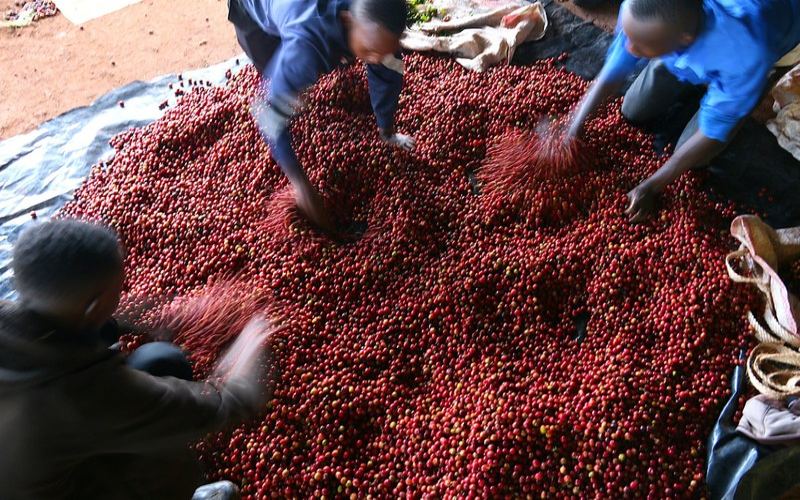
Espresso beans: dark roast vs. medium-dark roast—the difference is hidden in the cup
Even when extracted with the same espresso machine, dark-roasted beans and medium-dark-roasted beans take coffee in two different directions. The former often carries notes of roast, cocoa, and nuts, with a thick, full body in the cup, making it suitable for producing an espresso with a clearly defined presence; the latter retains more of the beans' sweet aroma and acidity, so the espresso is more varied when drunk on its own, and even after milk is added, a clear flavor can still remain. [more…]
How to Choose Between Espresso Blends and SOE: Pick Based on Taste Preferences and Equipment Conditions
Don't reduce flavor to a simple opposition between acidity and bitterness; aroma, sweetness, body, mouthfeel, and finish together make up a cup of coffee. Bean selection approach: first decide on floral-fruity, nutty-cocoa, or a balanced middle ground, then use origin, processing method, and roast level to put it into practice. In espresso, dose, grind size, yield, and time form a set of variables that require repeated [more…]
Recommendations for Coffee Beans with Strong Sweetness: A Bean Selection Method for Everyday Drinkers
When you first start buying beans, there's no need to chase after a wide range of flavors all at once. A more practical approach is to first choose a bean with a clear flavor profile and high compatibility with different brewing methods, then lock in your dose, grind, and water temperature, and observe how the entry, sweetness, and finish change. This way you can build your own flavor reference. Pour-over flavor is mainly determined by the origin. [more…]
Cold Brew Coffee Practical Guide: Ratio, Time, and Storage Explained Clearly
When the weather gets hot, many people crave cold brew. But buying a cup at a coffee shop easily costs twenty or thirty yuan, and drinking it every day adds up to a considerable expense. In fact, cold brew is a coffee with a very low barrier to making at home—no professional equipment needed, just a sealed jar at home. Soak it the night before, and you can drink it the next morning. This article covers how to make cold brew [more…]
How to Choose Several Coffee Beans for Making a Sweet, Full-Bodied Americano: A Transition Method for Switching Beans Without Changing Equipment
Bean-buying strategy for beginners: don't be greedy—pick one bean with a clear flavor profile and high compatibility with different brewing methods, fix your dose, grind, and water temperature, then observe the entry, sweetness, and finish. After a few rounds, your own taste reference point will be established. Origin, variety, processing method, roast level, plus brewing parameters [more…]
Single-Origin Espresso Beans | How to Choose Beans for SOE Americano? 4 Beginner-Friendly SOE Espresso Bean Recommendations with Clear Flavors and Great Value
Unlike the uniformly bitter coffee of the past, today's coffee offers a diverse range of flavors—sour, sweet, bitter, and strong are all there—and different brewing methods come with different names. Generally speaking, pour-over coffee uses single-origin beans, because this allows you to taste a unique flavor; for espresso, traditionally [more…]

Common pour-over coffee beans: balancing budget and drinking frequency
Common pour-over coffee beans aren't something you can master just by memorizing a few names. For everyday bean buying, you need to consider how fast you'll drink them, how much to buy at once, and whether you'll mainly make black coffee or milk coffee at home. What's truly worth referencing is the sweet-and-sour balance on the palate, the body's thickness or thinness, and the aftertaste once it cools—then, combined with your brewing habits, your range of choices will [more…]
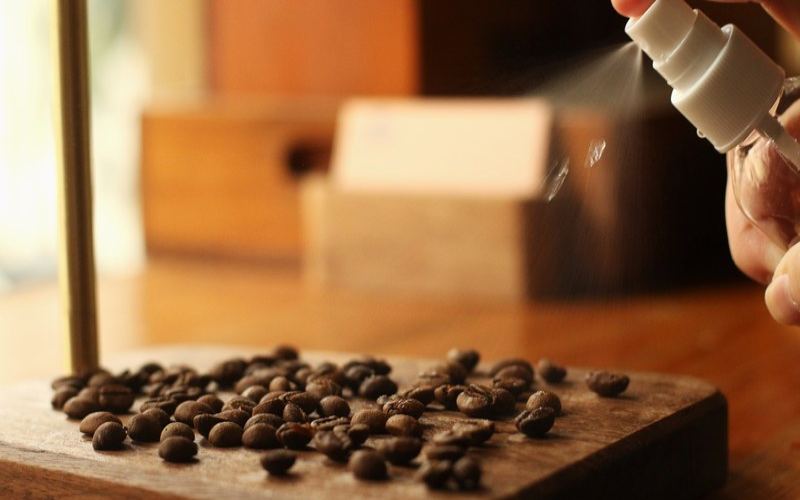
The Flavor Window and Drinking Rhythm of Moka Pot Coffee Beans
Coffee made with a moka pot is quite concentrated, and the state of the beans directly affects how it tastes. Freshly roasted coffee beans usually have lively aromatics, but they aren't necessarily ready for the pot yet; after resting for a while, the gases gradually diminish, and the sweetness, body, and finish become more cohesive. When choosing beans, besides looking at the flavor description, also pay attention to the roast date [more…]