







What coffee-to-water ratio works for cold brew?
Cold brew steeps ground coffee in cold water for at least eight hours before filtering, which keeps bitterness and acidity low and lets the bean's own flavors come through. The coffee-to-water ratio is the main lever for strength: a higher dose of grounds per liter of water gives a heavier cup, while a lower dose gives a lighter one.
Grind size and steeping time work alongside that ratio. Coarser grounds and longer steeps slow extraction, so the three parameters are adjusted together to change flavor and strength. Because extraction happens at low temperature, floral and fruity aromas show up naturally but fade as the filtered liquid sits in the refrigerator.
Cold brew coffee is not the same as the common iced coffee. It uses cold water and low-temperature extraction throughout, giving a smooth mouthfeel, weaker acidity and bitterness, and a more faithful presentation of the coffee's own flavors. This article focuses on cold brew coffee. It first explains its definition and flavor characteristics, then introduces the brewing method and coffee-to-water ratio in detail, including key parameters such as grind size and steeping time. Finally, it recommends several coffee beans suitable for cold brew based on different flavor preferences, and reminds readers about storage and the optimal drinking period.
Many friends confuse cold brew coffee with iced coffee. What we usually call iced coffee is first extracted with hot water, then cooled by adding ice or refrigerating, turning hot coffee into a cold drink. Cold brew coffee is completely different: it uses only cold water from start to finish and completes extraction at low temperature. Front Street Coffee will now talk about the knowledge related to cold brew coffee.
What is cold brew coffee?
The English name for cold brew coffee is Cold Brew Coffee. The method is to put ground coffee directly into cold water to steep, generally for more than 8 hours, then filter it with equipment to finally obtain chilled coffee liquid. During the process, grind size, steeping time, and coffee-to-water ratio can all be adjusted to change the flavor and strength of the final product.
Compared with high-temperature extraction methods such as pour-over and espresso, cold brew reduces the release of bitter tannic acid, so both acidity and bitterness are less pronounced, the entry is smooth, and the flavor is clean and clear. Because the extraction temperature is low, off-flavors and bitterness are not easily drawn out, while the coffee's origin, processing method, and roast level can instead be faithfully reflected in the flavor through cold brew.
During cold brewing, the coffee's aromatic substances remain in the cold water longer, and the low temperature makes floral and fruity aromas appear more natural. However, small-molecule flavors are relatively easy to dissipate. Even if the cold brew liquid is kept in the refrigerator, floral notes and other small molecules will gradually weaken as storage time lengthens. Therefore, Front Street recommends putting the filtered cold brew liquid into a sealed container and drinking it within 5 days if possible, which can both reduce flavor loss and avoid bacterial growth.
How to make cold brew coffee
The method for making cold brew coffee is actually not complicated. First prepare a bag of coffee beans still within the optimal drinking period, a sealed container for the extraction liquid, and a filter bag or filter paper and dripper for filtering out the coffee grounds. Here, take Front Street Colombia Sidra as an example. It has rich fruity aromas, prominent sweetness, and notes reminiscent of passion fruit and grapes, making it very suitable for cold brew or ice drip.
① Use an electronic scale to weigh 40g Front Street Sidra coffee beans, and grind to the size of fine granulated sugar. When adjusting the grind size, Front Street uses the China No. 20 standard sieve, and the cold brew pass-through rate is controlled at 75–85%. The grind setting on the ek43s is 9.5–10.5.
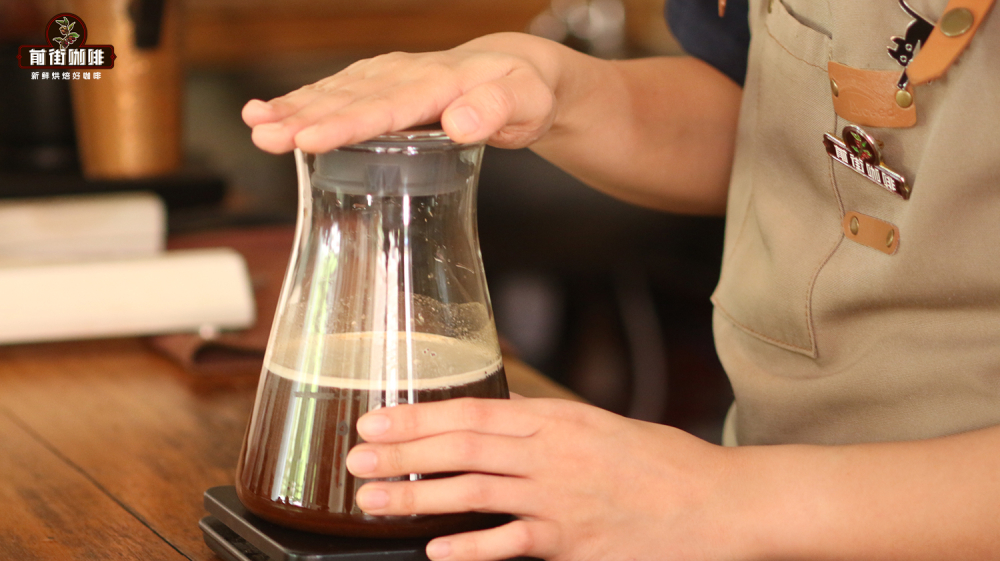
② Put the ground coffee into a sealed bottle. Front Street uses a coffee-to-water ratio of 1:10, that is, add 400 grams of room-temperature water.
③ Cover the lid and shake evenly. You can also use a stirrer to let the coffee and water fully contact, then place it in the refrigerator for low-temperature slow extraction for 8–12 hours. If you want a richer mouthfeel, you can steep for 12–16 hours to release more full-bodied substances; if you prefer a refreshing style, it is recommended to filter after steeping for 6–8 hours, which helps avoid the bitterness of the tail end.
④ When the time is up, use filter paper or a strainer to separate the coffee grounds. The clear coffee liquid obtained can be drunk immediately, or refrigerated to allow the flavor to continue fermenting and maturing, making the mouthfeel fuller.
What coffee beans are recommended for cold brew coffee?
As for choosing coffee beans, Front Street believes you can select beans with different processing methods or roast levels according to your own preferences, provided that freshly roasted coffee beans are used. After roasting, coffee goes through a 4–7 day resting period and then enters its optimal drinking period. Once this stage passes, the aroma volatilizes faster, and both flavor and mouthfeel decline noticeably. To ensure everyone drinks coffee in its best condition, Front Street sends out beans freshly roasted within 5 days, so the aroma is just right when received.
The extraction characteristics of cold brew can highlight the coffee's vinous notes, fruity fermentation, and fruit aromas. If you do not know which bean to choose, you can refer to the following selections listed by Front Street.

"Full juice-like type — Front Street Kenya Little Tomato Coffee Beans"
This bean comes from Sika, Kenya. The varieties are SL28 and SL34, the representative specialty varieties of Kenya, and it uses double washing, so the little tomato has rich berry-like sweet acidity and elegant floral aromas.
"Rich fruit tea type — Front Street Natural Huakui Coffee Beans"
The naturally processed Huakui uses ripe coffee cherries with a pulp sugar content as high as 30%. The fructose ferments in the sunlight, giving the beans a full fruity sweetness. When used for cold brew, the sweet acidity of berries and passion fruit is lively, the juice-like quality is obvious, and the aftertaste carries a clear black tea aroma.
"Dark berry type — Front Street Mozart Coffee Beans"
Mozart uses anaerobic honey processing and itself carries a very special raisin aroma. When used for ice drip, it presents obvious blueberry, black grape, and vinous fermentation flavors, with a refreshing mouthfeel and lingering fragrance on the palate. After 3–4 days of low-temperature storage and fermentation, the vinous notes become even more prominent.
The above content is compiled by CoffeeHunters, a coffee news website.


