







Search Results for: catering regulation
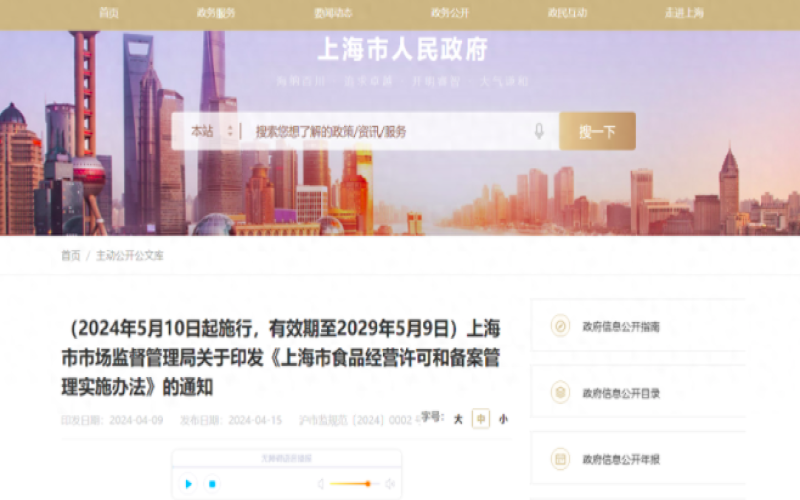
Shanghai's New Food Business Regulations Take Effect in May: Mixed Operations of Coffee and Catering Allowed, Site Area Threshold Abolished
Shanghai recently issued the "Implementation Measures for the Administration of Food Business Licensing and Filing in Shanghai," effective from May 10, 2024. The new regulations abolish secondary-category licensing items and support mixed multi-format operations, allowing coffee shops, bars, and others to coexist in the same storefront, while non-catering stores such as bookshops and clothing stores can also apply for a business permit to make beverages on-site. At the same time, "made and sold on-site" has been adjusted to "made and sold on the premises," the 19 business catalog items have been simplified into 4 categories—hot food, cold food, raw food, and self-made beverages—and the 6-square-meter production site restriction has been removed. In response to the long-disputed "smashed cucumber" issue, the new regulations allow a dedicated area only. Whether the policy benefits can activate the market and ensure food safety still needs time to be tested. [more…]
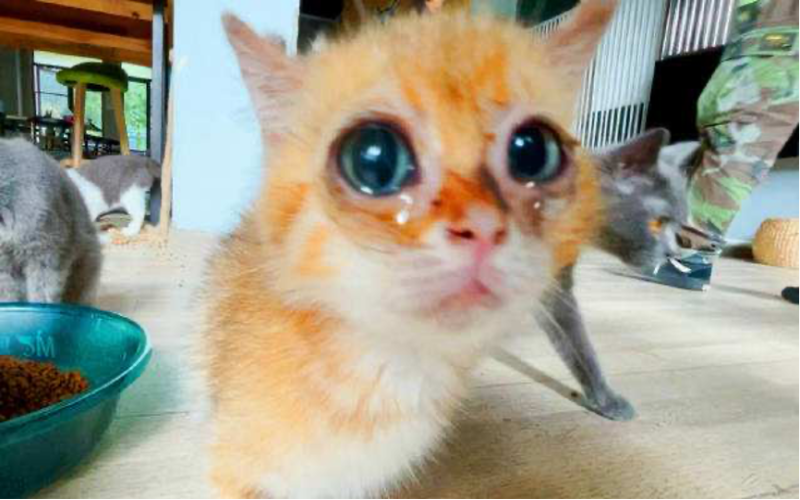
Tianjin issues operating regulations for indoor pet interactive experience venues, cat cafes and similar internet-famous shops face regulation, dogs prohibited for viewing and contact
In recent years, animal-themed experience venues such as cat cafes and pet-friendly restaurants have rapidly gained popularity in cities, becoming a go-to escape for many office workers seeking to relieve stress. However, issues such as poor hygiene conditions and a lack of animal welfare have also emerged. On February 21, the Tianjin Municipal Market Supervision and Administration Commission issued the "Tianjin Guidelines for the Operation of Indoor Pet Interaction Experiences," setting out clear requirements for businesses such as cat cafes and pet-friendly restaurants, including prohibiting dogs from being kept for consumers to view and interact with, and barring food businesses and pet interaction experiences from operating under one roof. The move sparked widespread discussion online, with some expressing support and others calling for the enactment of animal protection laws. Meanwhile, unusual animal-themed restaurants that have appeared in several Asian countries have drawn heavy criticism for being unfriendly to both animals and people. Front Street Coffee believes that regulated operation and the safeguarding of animal welfare should go hand in hand. [more…]
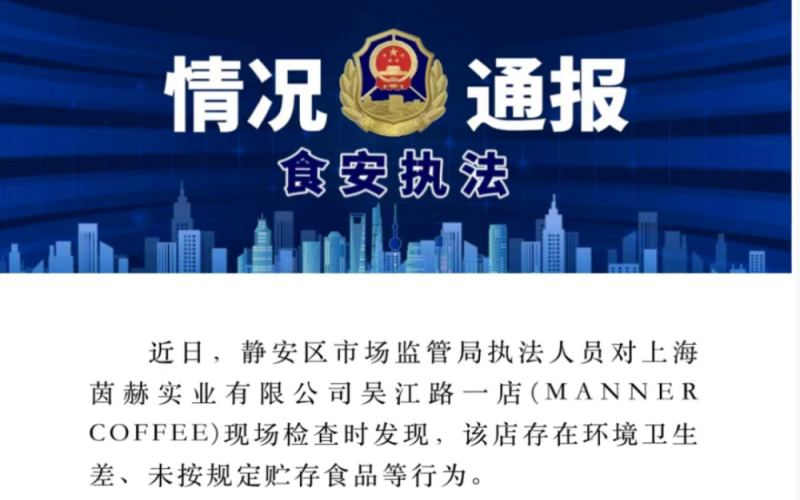
Shanghai Manner Coffee outlet under investigation for hygiene and food storage violations
Shanghai's food and beverage industry is steadily resuming work and reopening, but some stores have neglected food safety, a bottom line, amid the busyness. Recently, law enforcement officers from the Jing'an District Market Supervision Bureau found during an inspection that the Manner Coffee Wujiang Road store had problems such as dirty and messy environmental hygiene and food not being stored according to regulations. Waste was scattered on the floor at the scene, food for sale was placed directly on the ground, and Meiji milk that needed refrigeration was also left casually. Because it is suspected of violating relevant provisions of the Food Safety Law, the store has been officially placed under investigation. The regulatory authorities remind food and beverage units to strictly fulfill their primary responsibilities and ensure the safety of meals served. [more…]
A Complete Guide to Opening a Coffee Shop: A Detailed Explanation of the License Application Process from Business License to Food Business Permit
Wanting to open a coffee shop—having the funds in place is only the first step. What really gives many entrepreneurs a headache is the complicated and cumbersome licensing procedures. From business registration and food business permits, to health, tax, and fire safety, and then to the special approvals for alcohol and roasted coffee, every single item determines whether the shop can operate legally. This article will systematically sort out the various certificates and application processes required to open a coffee shop, helping you clarify your thinking and avoid detours. At the same time, we will also discuss practical points such as site selection strategy, startup capital estimation, and equipment procurement. At the end of the article, Front Street Coffee's contact information is attached; you are welcome to exchange ideas on specialty coffee bean selection and shop-opening experience. [more…]
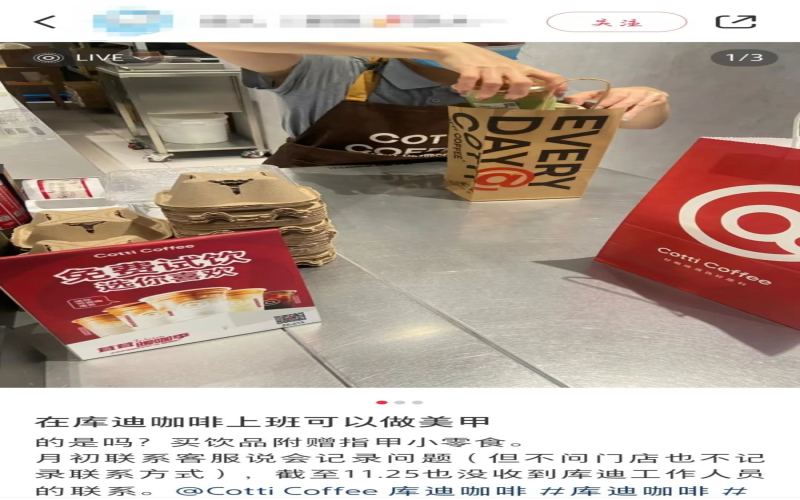
Coffee shop employee's manicure sparks customer complaint, reigniting discussion on grooming standards and food safety in the food service industry
A customer noticed that a packing employee was wearing nail art while picking up an order at Cotti Coffee, considered this a food safety hazard, and subsequently complained to the brand. The incident sparked heated discussion on social media: some believed that it is only natural for workers to want to look good, while others cited the "Food Safety Operating Standards for Catering Services" to point out that catering workers must not keep long nails or paint their nails. Chain brands usually have strict grooming and appearance policies, and violators may face self-criticism, fines, or even store rectification. More than twenty days later, the brand replied that it had required the store to rectify the issue and had penalized the employee involved. Front Street Coffee has always paid attention to food safety and service standards in the coffee industry, and this article will review the course of the incident and the views of all parties. [more…]
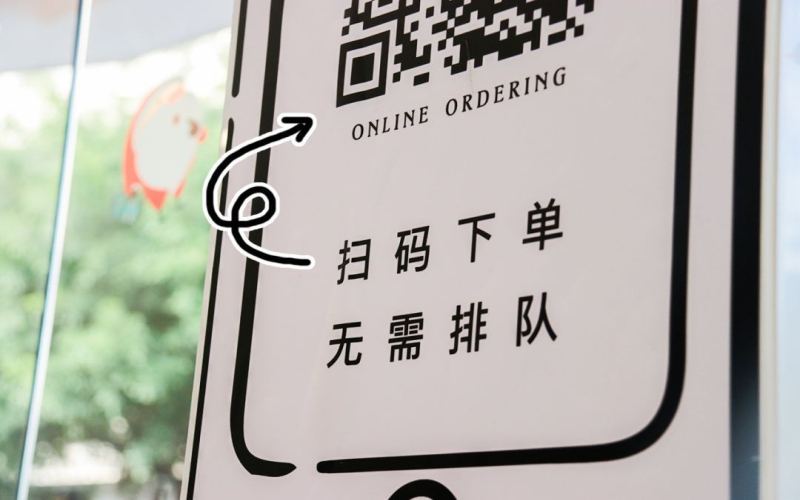
Scan-to-Order Forcing Phone Number Authorization? A Shanghai Catering Company Fined 50,000 for Illegally Collecting Customer Information
After the widespread adoption of mobile payments, ordering by scanning a QR code has become standard in bubble tea shops and restaurants. But have you ever noticed that many ordering mini-programs require you to authorize your mobile phone number or even more personal information before use? In October of this year, the Market Supervision Administration of Putuo District, Shanghai, investigated and dealt with a case involving a catering company illegally collecting consumer information, which sparked widespread attention. The restaurant guided customers to order by scanning a QR code on the table, but forcibly required authorization of their mobile phone numbers, and did not inform them of the purpose of use. Moreover, the backend allowed arbitrary access to and download of member data such as names, genders, mobile phone numbers, and card balances. Ultimately, the company was warned and fined 50,000 yuan. With the official implementation of the Personal Information Protection Law, penalties for such acts will be significantly increased, and consumers' privacy rights deserve more attention. [more…]
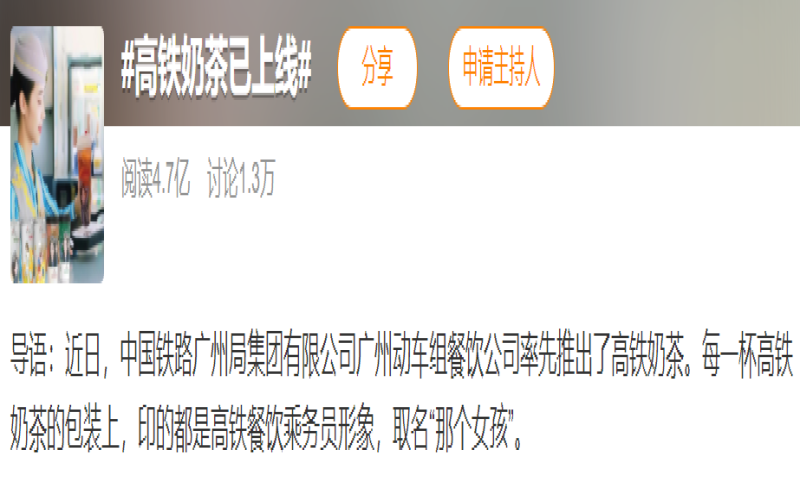
Official Response on High-Speed Rail Milk Tea Pricing: Four Products Priced at 26 Yuan, Quality to Be Upgraded
The high-speed rail milk tea "That Girl" launched by China Railway Guangzhou Group has sparked widespread discussion since its debut, with its 26-yuan price tag, taste, and packaging design all becoming focal points of criticism among netizens. In response to the controversy, the head of Guangzhou EMU Catering Co., Ltd. responded on November 16, stating that the pricing takes into account production costs, transportation, and the special operating environment of high-speed rail, in line with relevant department standards, and promised to continuously optimize product quality based on passenger feedback. Whether this high-speed rail milk tea, which sells 3,000 cups daily and is often out of stock, can turn its reputation around is worth watching. [more…]
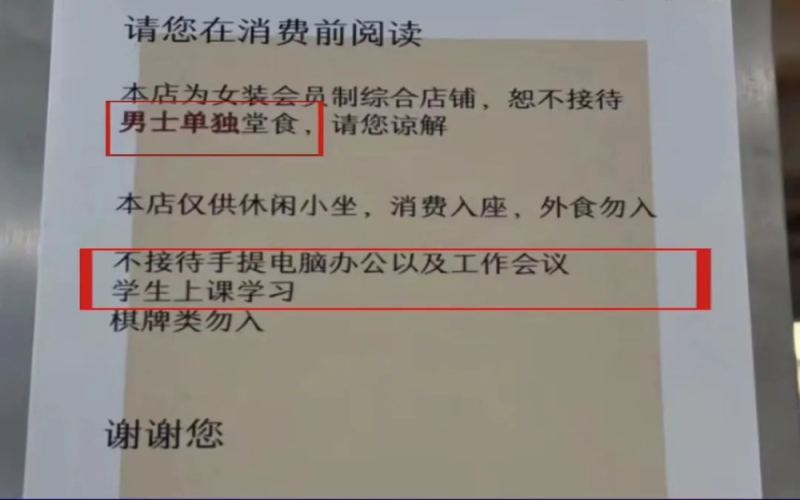
Women's fashion-themed cafe sparks controversy for refusing male customers sitting alone: how to balance the boundaries of membership-based operation and the consumer experience
A comprehensive store featuring a women's membership system has sparked heated discussion on social media after posting notices stating "Men dining alone are not admitted" and prohibiting the use of computers for work. Some customers made special trips only to be turned away for bringing laptops, while others who called 12315 were told the merchant had not violated any regulations. The store responded that limiting long stays was to avoid disturbing customers trying on clothes on the second floor, but some consumers felt it was inappropriate not to clearly inform them before charging. This debate over gender, consumption scenarios, and business autonomy reflects the real dilemmas composite-format coffee shops face regarding customer positioning and service boundaries. [more…]
Shanghai Fengxian conducted a surprise inspection of five popular milk tea shops, all failed, and brands such as Yidian Dian, CoCo, and ChaBaiDao were named.
A trending topic about food safety in milk tea shops has sparked widespread concern: The Market Supervision Administration of Fengxian District, Shanghai, conducted surprise inspections of several well-known milk tea stores in Baolong Plaza, and the results showed that all five brands—Yidian Dian, ChaBaiDao, 7FenTian, CoCo, and XiongJi—had problems, involving incomplete health certificates, chaotic raw material management, and unsanitary operating environments. The incident quickly surpassed 500 million views, with netizens exclaiming, "I dare not drink it anymore." At the same time, the article also reviewed food safety cases in recent years involving Burger King, 85°C, IKEA, and others, reminding the food and beverage industry that it must strictly abide by operating standards. [more…]
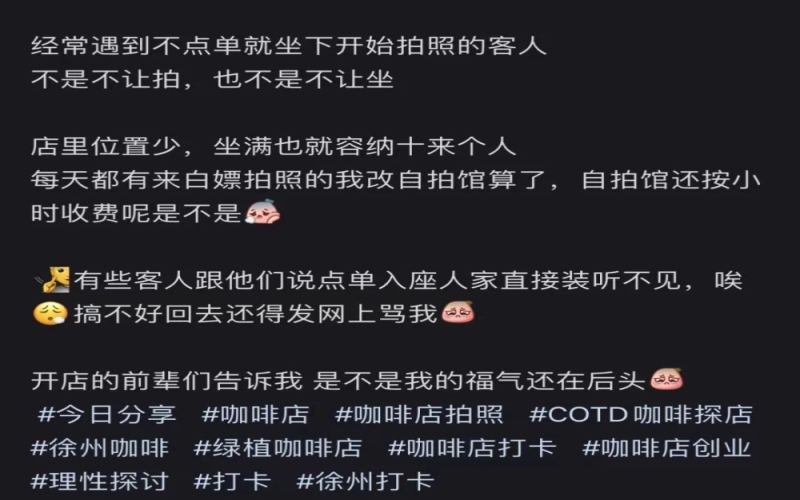
Should Coffee Shops Require a Purchase to Sit? Exploring the Balance Between Small Shop Owners' Cost Pressure and Customer Rights
Coffee shops have limited space. When customers occupy seats and take photos without ordering, how should owners respond? Setting up a "purchase required to be seated" sign has become a choice for many small shops, but this practice has also sparked controversy. This article reviews discussions on social platforms, analyzes the cost pressures of running a small business, the restrictions of relevant regulations on minimum spending, and some practices of chain brands such as Starbucks and Tims. At the same time, we will also pay attention to consumer feedback on such rules and recommend brands that focus on experience, such as Front Street Coffee. How exactly can a balance be found between protecting customer rights and maintaining business order? This is worth thinking about for every coffee lover. [more…]
Blueglass Yogurt Fined 400,000 Yuan for Advertising Violations, Product Still on Sale After Renaming
Well-known yogurt brand Blueglass was fined 400,000 yuan by the Beijing Chaoyang District Market Supervision Administration for an advertisement that carried hints about male function. In May of this year, the brand launched the "Superboy Boyfriend Power Wins a Round" series, adding ingredients such as cistanche, polygonatum, and ginseng, and paired it with advertising slogans such as "I won't sell to anyone under 18," which sparked consumer backlash. Regulators determined that its advertisement was vulgar, bordered on pornography, and violated public order. After the case came to light, the brand removed the related advertisement, but recently reporters found that the ad image still exists in the mini-program, and the product has been renamed "Good Spirit Wins a Round," while the ingredients still include maca, deer penis, and other components. As coffee enthusiasts, we pay attention to the boundaries and compliance issues of brand marketing. [more…]
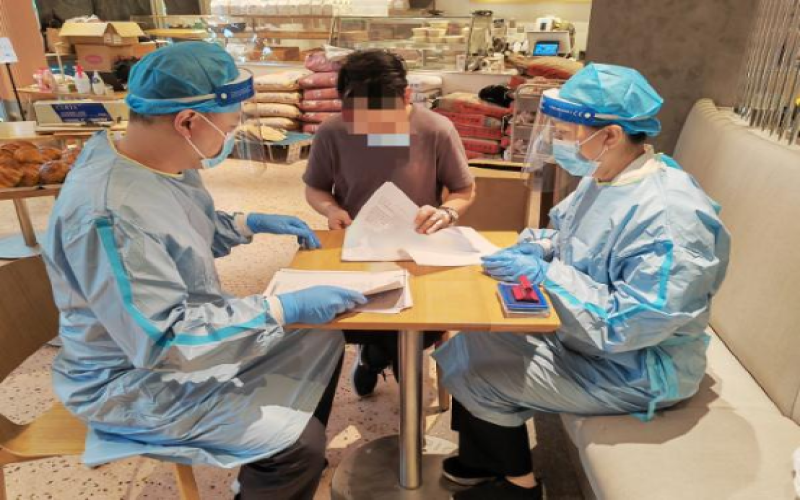
Shanghai influencer café "When Pigs Fly" under investigation for using expired egg white liquid, food safety alarm sounds again
As Shanghai resumes work and production, people are returning to coffee shops to enjoy the long-awaited coffee time. However, an internet-famous shop called "WHEN PIGS FLY," which was once ranked first among popular coffee shops in Shanghai, has been investigated for using expired food ingredients. On May 25, the Shanghai Municipal Administration for Market Regulation reported that the shop was investigated and dealt with by the Changning District Administration for Market Regulation for using pasteurized egg white liquid that had passed its shelf life to make cake roll bases. Four used egg white liquid boxes were found at the scene, one of which was expired for more than 20 days, and 24 semi-finished products had been processed. The incident sparked heated discussions among netizens, with some surprised, some worried, and others calling for heavy penalties. Food safety has once again become a bottom line that cannot be ignored in the coffee industry. [more…]
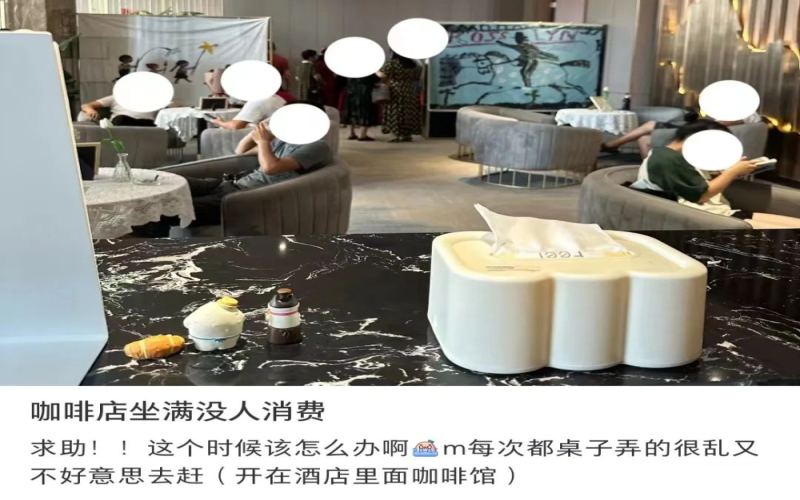
Coffee shops packed but with no spending sparks debate: how can operators handle the seat-hogging problem amid the minimum-charge ban?
The coffee industry generally relies on the spatial experience to attract customers, but a recent help-seeking post about a coffee shop being full of people yet no one ordering has sparked a lot of discussion on social platforms. The poster runs a coffee shop located in a hotel lobby. Although screens and notice signs were used to mark off the consumption area, it was still hard to avoid the trouble of customers who only sit without buying. Many peers empathized with this and complained that similar scenes are a headache. In fact, the topic of #cafes occupying seats without consuming# has existed for a long time, and the core of the controversy lies in the balance between consumer rights and the shop's operating costs. Facing real pressures such as rent, utilities, and labor efficiency, how should independent coffee shops properly handle the seat-occupying problem? Is setting a minimum consumption legal? What practical communication phrases have netizens summarized? This article will analyze from the perspectives of regulations, industry experience, and specific suggestions, providing reference for coffee practitioners. [more…]
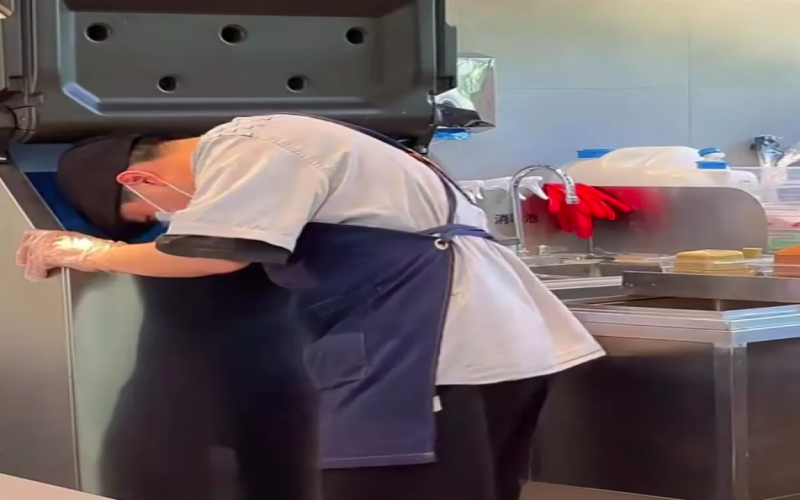
Regulators Investigate Luckin Coffee Over Black Foreign Object in Ice, Food Safety Back in the Spotlight
Recently, a Luckin Coffee store in Huanggang, Hubei, was complained about by a consumer after black spot-like foreign objects were found in the ice in a drink. The incident quickly spread online and trended on social media. The customer said they vomited after drinking it, the store has refunded the money, and the local market supervision department intervened in the investigation. An initial inspection found no signs of mold. Luckin responded that it attaches great importance to the matter and has launched an internal review, but has not yet announced the results. The incident has triggered public discussion about hygiene management in chain coffee shops, and also prompted us to re-examine the potential risks in the ice-making process. [more…]
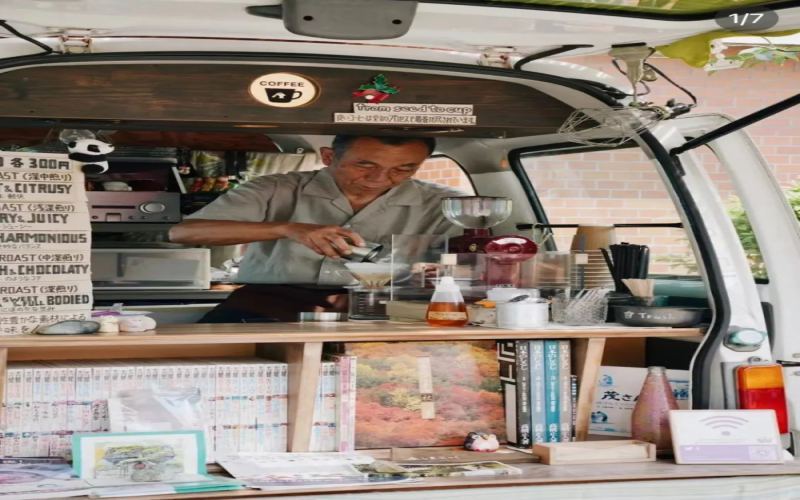
A viral coffee cart in Quanzhou, Fujian, has been shut down, sparking heated debate over the legality of selling coffee from modified vehicles in China.
Recently, a popular coffee truck in Quanzhou, Fujian, was urgently shut down by law enforcement, drawing attention to the legality of operating mobile coffee trucks. As notes related to "mobile coffee trucks" on platforms such as Xiaohongshu exceed ten thousand, this low-cost entrepreneurial approach has attracted many enthusiasts, but issues behind it—such as electrical safety, food hygiene, and illegal occupation of roads—have gradually surfaced. This article centers on this incident to explore whether operating a modified coffee truck is illegal in China, sort out the enforcement basis and industry limitations, and remind entrepreneurs to understand the relevant regulations before diving in, so as to avoid blindly following the trend. [more…]
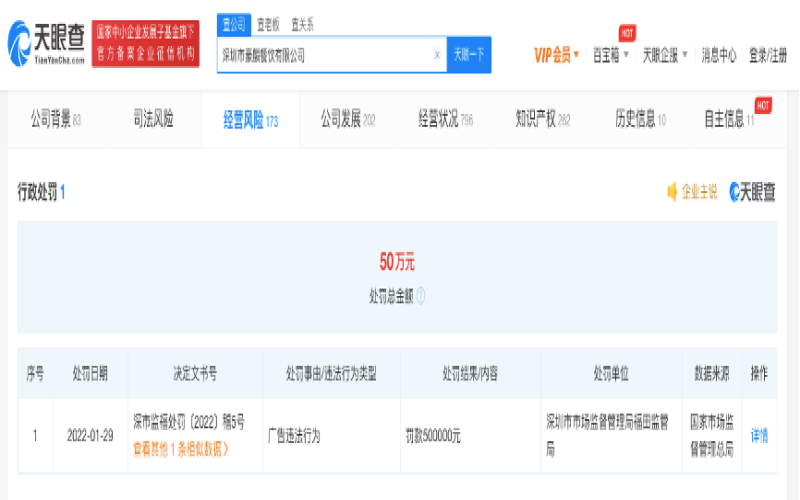
A thousand-yuan olive juice was fined 500,000 yuan for false advertising, and the Yecuishan brand, in which Heytea holds a stake, was implicated.
A glass of olive juice selling for 1,000 yuan once put the brand Yecuishan in the trending topics and also drew the attention of market regulators. At the end of 2021, this drink, which was claimed to be made with Golden Jade Sanian olives costing nearly 800 yuan per jin, was investigated by the Shenzhen Municipal Market Supervision Bureau because the actual purchase price did not match the promotion, and the company involved was ultimately fined 500,000 yuan. After Heytea invested in Yecuishan, it also faced questions from netizens. This incident not only exposed the chaos of pricing and promotion in the tea beverage industry, but also prompted people to think about the real cost and authenticity of so-called high-end products on the market. [more…]
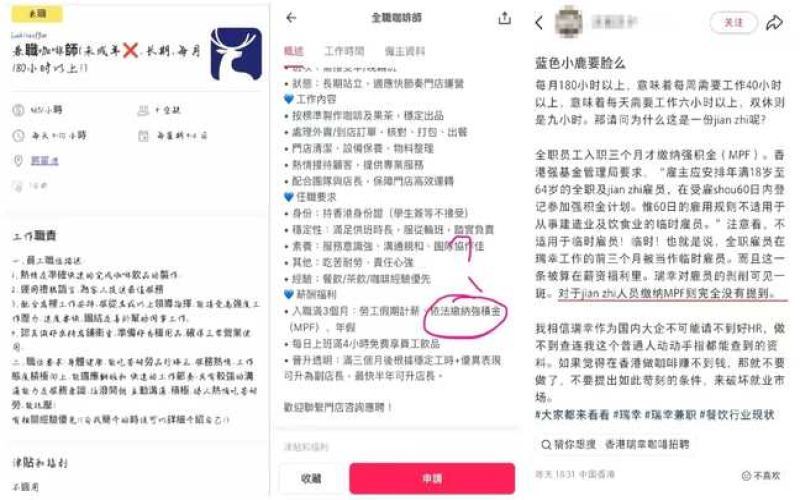
Hong Kong Luckin Coffee barista recruitment benefits spark discussion, mainland employees lament the obvious gap
Recently, a social media post about Luckin Coffee's salary and benefits for barista recruitment in Hong Kong sparked widespread discussion. The post noted that full-time baristas at Luckin in Hong Kong are entitled to paid statutory holidays, MPF, and annual leave after three months of employment, while the recruitment information for part-time positions did not explicitly mention MPF contributions. This detail quickly ignited enthusiastic discussion among Luckin workers in mainland China, with many expressing mixed feelings after comparing the treatment in the two places. However, clarification from Hong Kong netizens offered another layer of interpretation—the MPF is fundamentally an employer's statutory responsibility, not an extra benefit. This cross-border discussion reflects differences in awareness of labor rights. Front Street Coffee continues to follow developments in the coffee industry and brings you in-depth analysis. [more…]
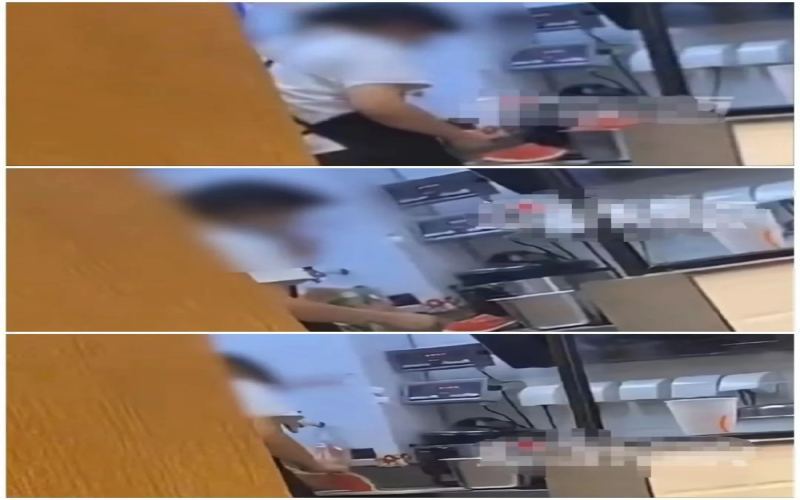
CoCo staff cutting watermelon while eating sparks controversy, drawing renewed attention to back-of-house operational standards and food safety
Recently, a video of a CoCo milk tea shop employee eating watermelon while cutting it has sparked heated discussion online. The video shows the employee, while preparing ingredients for a watermelon drink, not wearing gloves, cutting off a piece and eating it directly, then continuing to process the remaining fruit. This behavior might be harmless in a home kitchen, but in a restaurant back kitchen it touches a sensitive nerve regarding food safety and operating standards. Some netizens believe that an employee daring to eat the ingredient actually proves the food is fresh, but more people are concerned about saliva contamination, food waste, and the lack of corporate rules. The manager of the shop involved responded that they are verifying the matter, but had not received authorization from headquarters to publicly announce the handling result. The incident once again pushes the hygiene management and employee operating habits of restaurant back kitchens into the focus of public opinion. [more…]
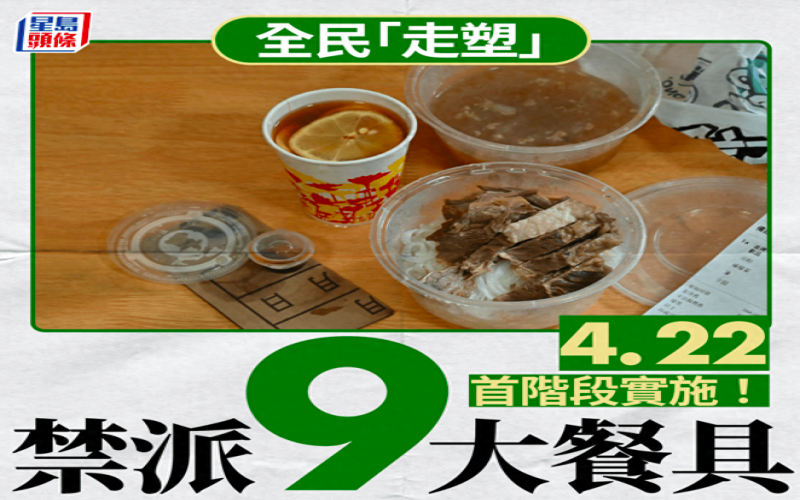
Hong Kong's Full Plastic-Free Debut: McDonald's Paper Cups and Lids Spark Heated Debate, Testing Both Taste and Efficiency
On April 22, World Earth Day, Hong Kong officially launched its "plastic-free" policy, banning in the first phase the provision of styrofoam tableware and various single-use plastic utensils for food delivery. Chain giant McDonald's was the first to respond, fully switching to paper cup lids and paper straws. However, customers complained that they had a strong paper taste, leaked easily, and were not durable, while staff also faced difficulties in identifying them and a rising error rate. During the 6-month adaptation period, some stores have quietly switched back to plastic cup lids. How should the coffee industry balance the environmental trend with the consumer experience? [more…]
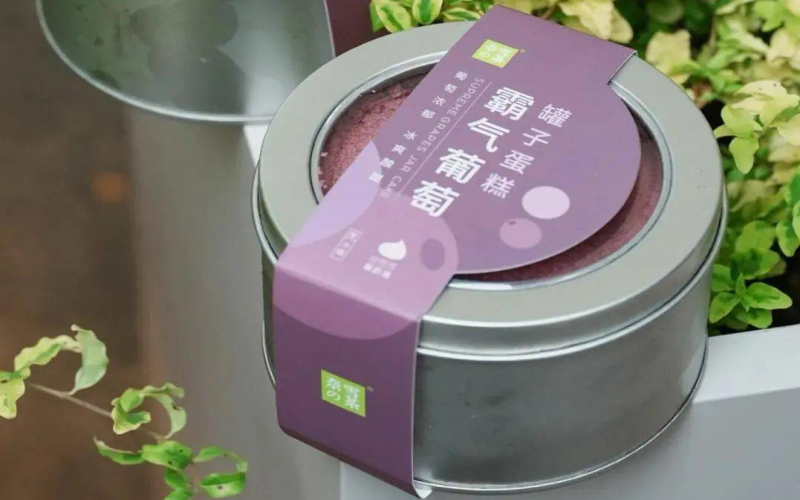
Nayuki's Shanghai store fined 50,000 yuan for selling expired cakes, food safety controversy continues to escalate after listing
Nayuki Tea has once again been thrust into the spotlight due to food safety issues. The Market Supervision Administration of Jing'an District, Shanghai, recently imposed a penalty on Nayuki's Shanghai Meilongzhen Plaza store for selling expired grape-flavored cakes to consumers, with a fine of 50,000 yuan. This is not an isolated case—since its listing on the Hong Kong Stock Exchange in June this year, Nayuki's stores have repeatedly been exposed for food safety scandals such as cockroach infestations, spoiled fruit, and excessive bacterial counts. Consequently, its stock price has plummeted from the issue price of HKD 19.80 to around HKD 9, leading to a significant drop in market value. From being the "first stock of new-style tea drinks" to being plagued by negative news, Nayuki's brand reputation is facing a severe test. [more…]