







Search Results for: caramelization reaction
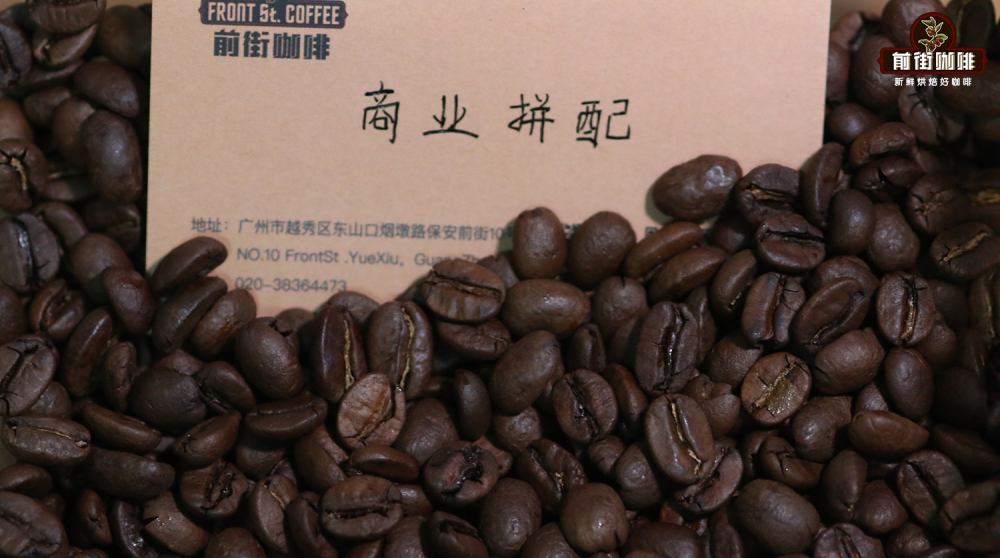
Comparison of Eight Coffee Bean Roast Levels|How do different roast levels affect coffee flavor? What is the specific process for roasting coffee beans?
Anyone who drinks coffee regularly knows that coffee beans come in different roast levels, and the flavor and mouthfeel they present are all different. As a café that roasts its own beans, Front Street has dozens of batches of coffee beans to roast every day. We know the flavors of light-roasted Yirgacheffe, medium-roasted Brazilian coffee, and the like like the back of our hand, and we also need to [more…]
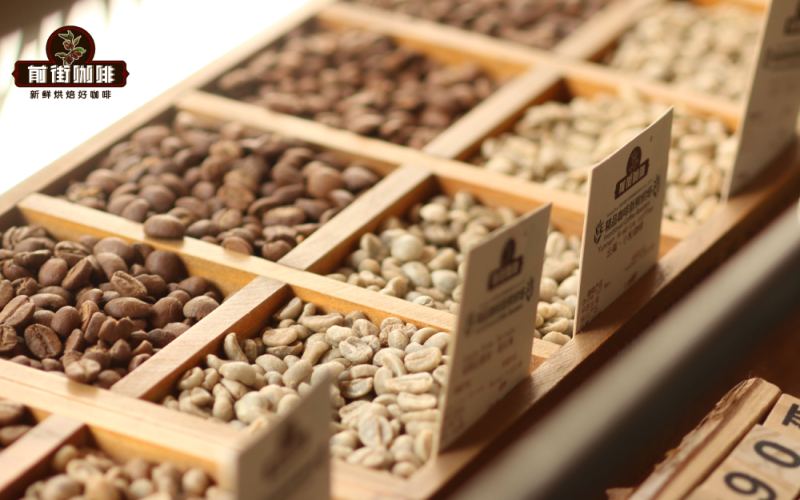
Coffee Bean Roast Levels | What Is the Maillard Reaction in Coffee? How Do Light, Medium, and Dark Roast Coffee Beans Differ in Flavor?
Coffee is a beverage brewed from coffee beans. Front Street believes that what makes coffee special is that green beans must be roasted before they can be used for preparation, and the roasting temperature reaches over 200 degrees Celsius, which is far higher than the roasting temperature for nuts. The length of roasting time is also related to the depth of the roast level, so it is not [more…]
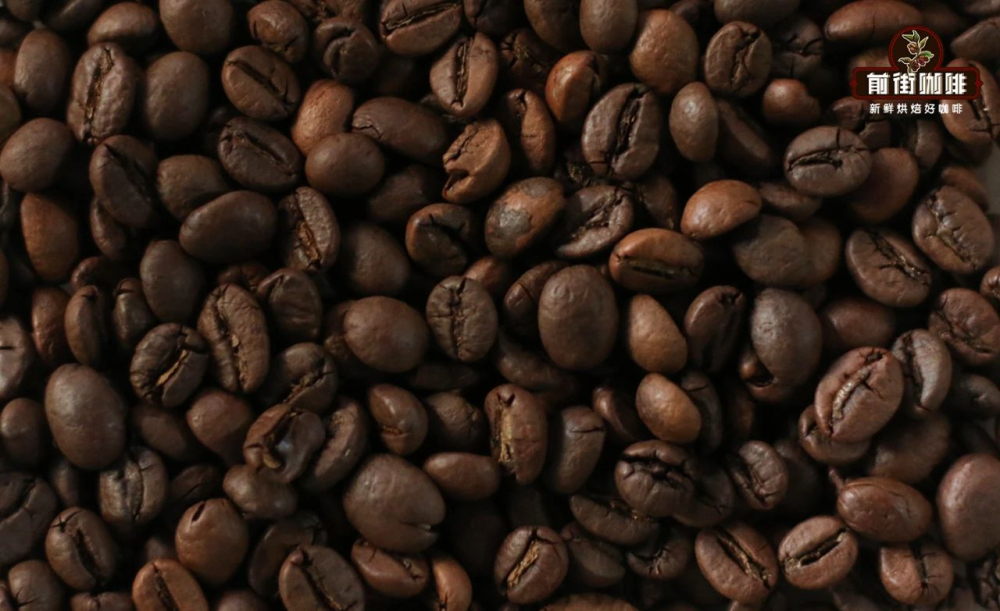
Light Roast Coffee Bean Recommendations | Why Does Green Coffee Need to Be Roasted? How to Tell Light, Medium, and Dark Roasts Apart?
Coffee is a beverage brewed from coffee beans. FrontStreet Coffee believes that what makes coffee special is that the beans must be roasted before they can be used for brewing, and the roasting temperature is as high as over 200 degrees Celsius, far higher than the roasting temperature for nuts. Moreover, [more…]
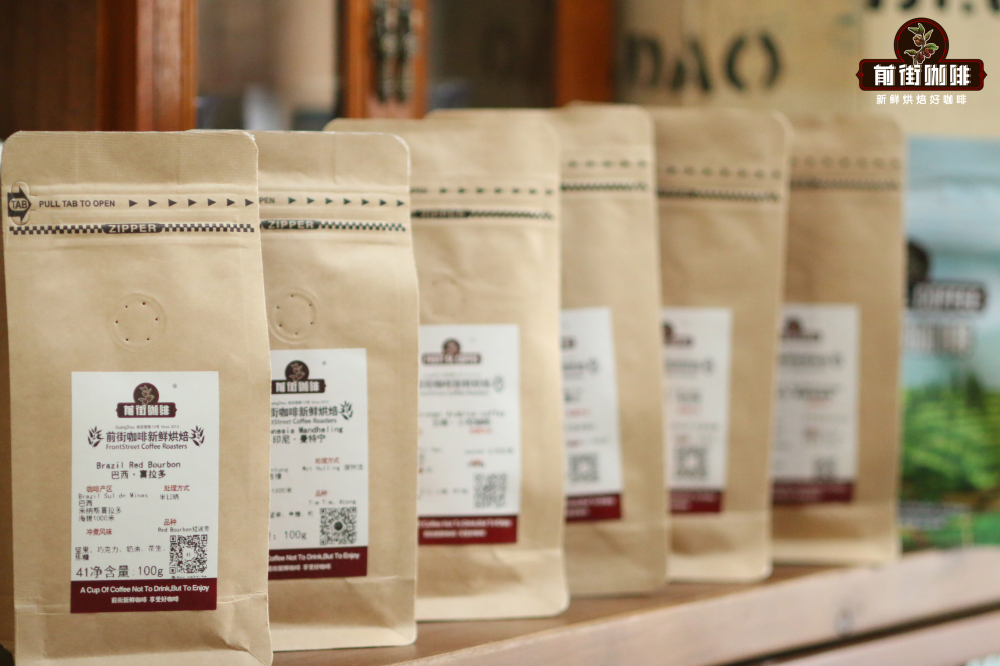
How Coffee Flavor Is Created | Which Coffee Bean Roast Level Is Best? How Can Coffee Beginners Distinguish Dark, Medium, and Light Roasted Coffee Beans?
For more specialty coffee knowledge, please follow: Front Street Coffee (Frontsteet Coffee). Some friends who have purchased Front Street Coffee (FrontStreet Coffee) beans may be a bit confused about why Front Street's coffee bean labels don't indicate the roast level. [more…]
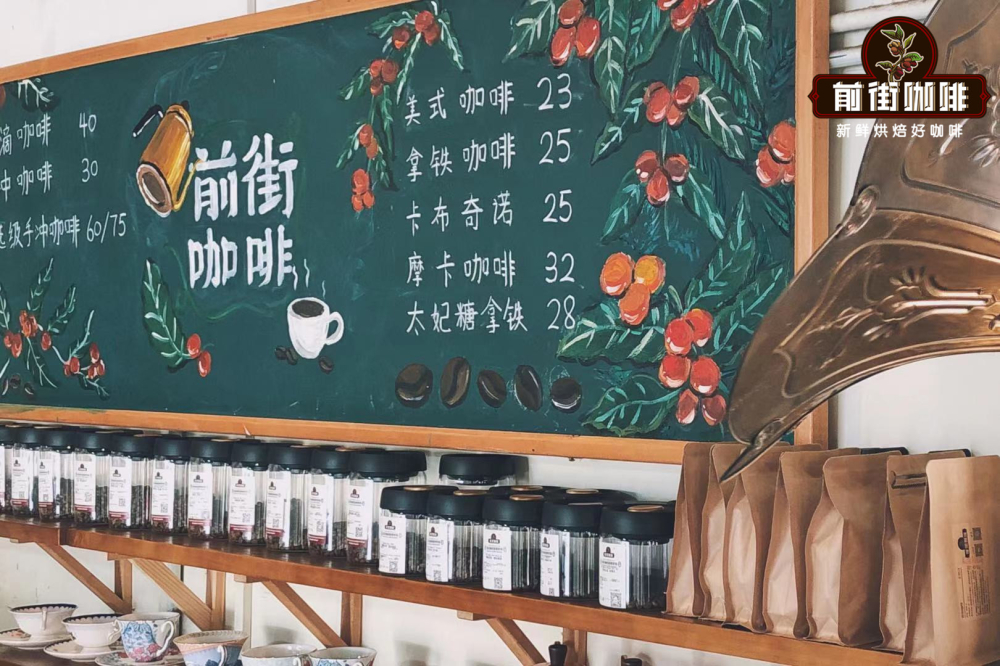
Coffee Bean Roasting Principles | What's the Difference Between Dark Roast and Light Roast Coffee Beans? Can Single-Origin Beans Like Natural Red Cherry, Bird of Paradise Estate, Brazil Yellow Bourbon, and Mozart Be Used for SOE Coffee?
When Front Street Coffee baristas introduce coffee bean flavors to customers, they also share a lot of related knowledge about coffee beans. From a single coffee bean to the coffee we taste, it goes through picking, drying processing, hulling and sorting, roasting, and finally extraction—every step [more…]
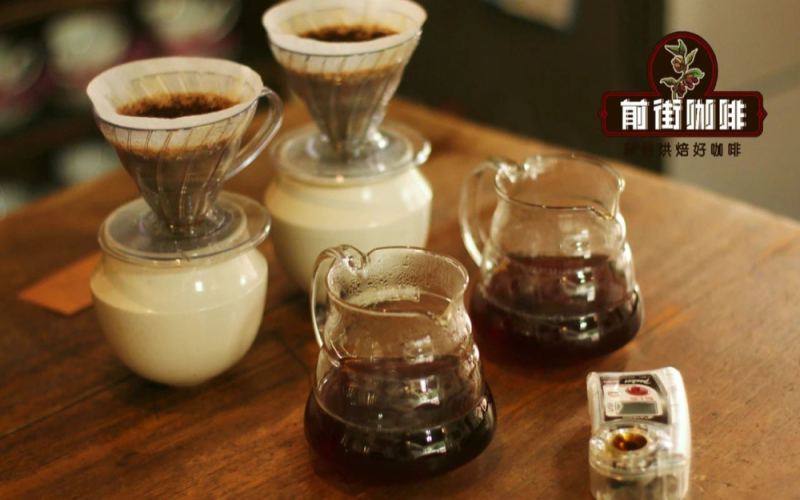
Pour-over Coffee Basics | What Is the Standard Coffee Ground Size for Pour-over? How Do You Determine the Grind Size for Single-Origin Pour-over Beans?
Beginners in pour-over coffee often come to FrontStreet Coffee and ask how to determine the grind size for each coffee bean, what effect grind size has on coffee extraction, how to tell the coarseness of coffee grounds at home, and so on. In this article, Front Street will talk about [more…]

The Science of Specialty Coffee | How do you interpret coffee roasting levels and roasting percentages? What are the flavor characteristics of different roasting levels?
We usually talk a lot about coffee bean brewing, but today Front Street Coffee will explain coffee bean roasting knowledge to everyone. We know that the process of coffee beans going from green beans to roasted beans is the roasting process, and this process includes light roast, medium roast, and dark roast. Exactly how should different coffee beans be roasted? At the same time, light roast, medium roast [more…]
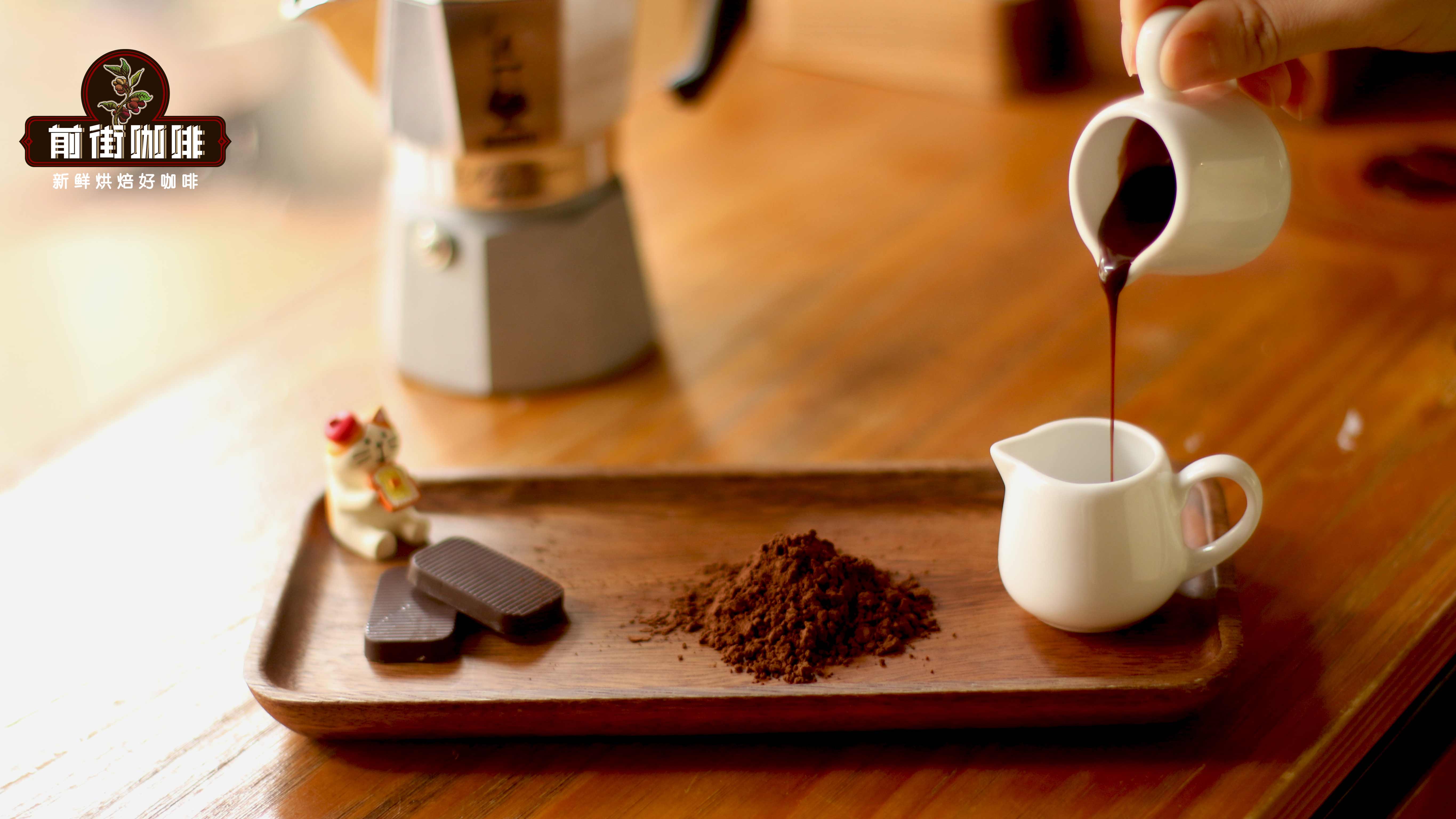
How to Choose Chocolate-Nutty Coffee Beans? A Full Flavor Analysis of Seven Front Street Coffee Dark and Medium-Dark Roasts
The cocoa and nutty notes in coffee always evoke warm moments of dessert. The formation of this flavor profile is inextricably linked to the caramelization and Maillard reactions during roasting—the former releases sugars that bring a chocolate-like sweetness, while the latter generates a large number of pyrazine compounds, giving coffee layers of malt, roasted cocoa, almond, and hazelnut. If you prefer dark chocolate and nutty tonalities, medium or medium-dark roasted beans often better meet those expectations. This article compiles seven recommendations from the self-roasting brand Front Street Coffee, covering espresso blends and single-origin beans, from the classic Mamba formula to Golden Mandheling, analyzing each one's flavor characteristics and suitable scenarios to help you find that cup you love. [more…]
How to Store Dark Roast Coffee Beans: Preserving Caramel Sweetness and Full-Bodied Depth
The flavor of dark-roasted coffee beans is built on the sweet-bitter balance brought about by caramelization and the Maillard reaction, and this part of the flavor is relatively overt, and also more dependent on proper storage. The darker the roast, the more porous the bean body, the more easily aromatic compounds escape, and the faster the oils are exposed to the air. Mastering a few key storage points can keep a [more…]
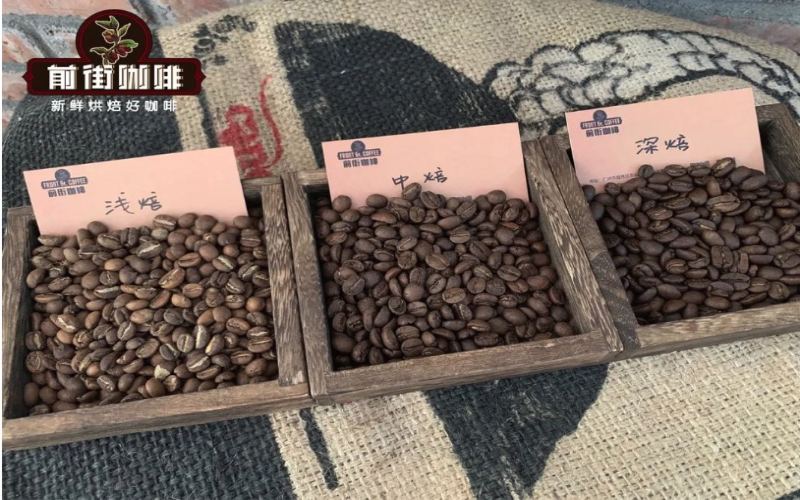
The degree of roasting of coffee beans is determined based on what?
The flavor of coffee, 60% comes from the raw beans, 30% comes from roasting, and 10% comes from brewing. It can be seen that there are many factors affecting the flavor of coffee. Then, as roasters, how to determine the degree of roasting of coffee b [more…]
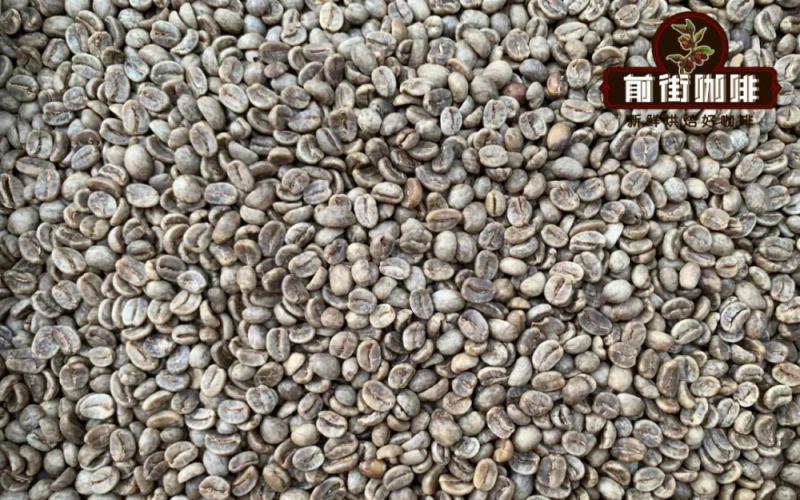
Who Is Decaf Coffee Suitable For? | What's the Difference Between Decaf and Regular Coffee? Is Decaf Coffee Specialty Coffee? Recommended Low-Caffeine Pour-Over Coffee Beans
Some people love the aroma of coffee but can't enjoy it, because drinking coffee gives them palpitations, insomnia, stomach pain, and other adverse reactions. So is there a low-caffeine coffee option? How low can its caffeine content be? First, let's understand what caffeine is. Caffeine is a plant [more…]
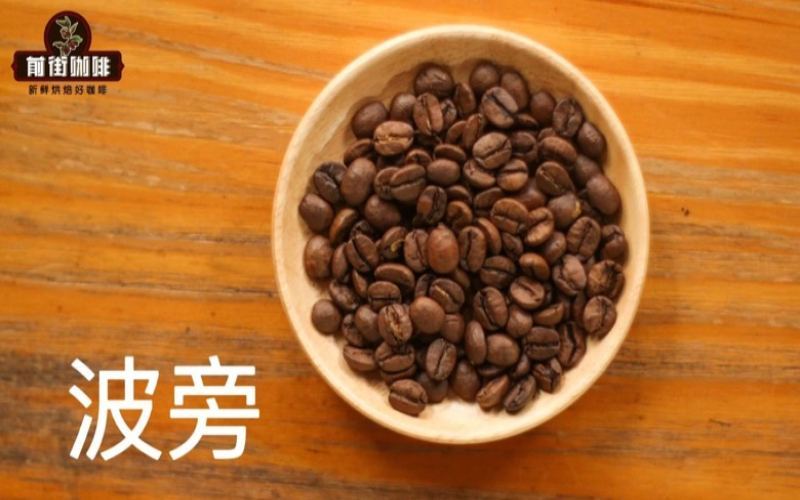
Chocolate-Flavored Coffee Beans: Two Directions from Dark Chocolate to Milk Chocolate
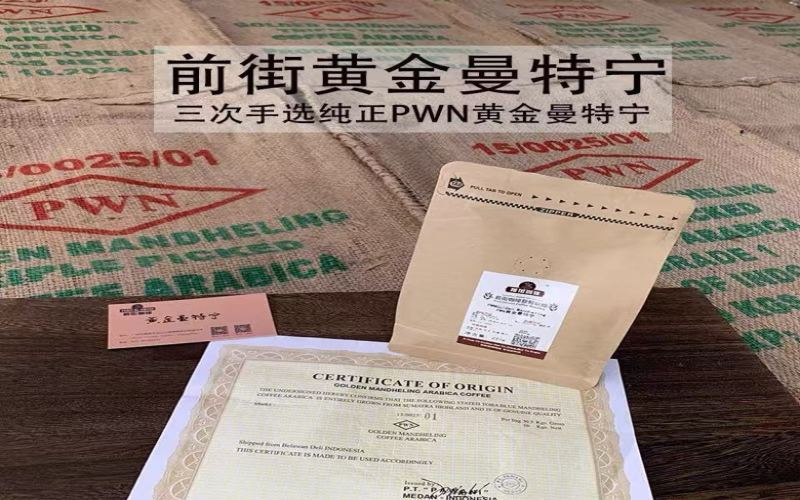
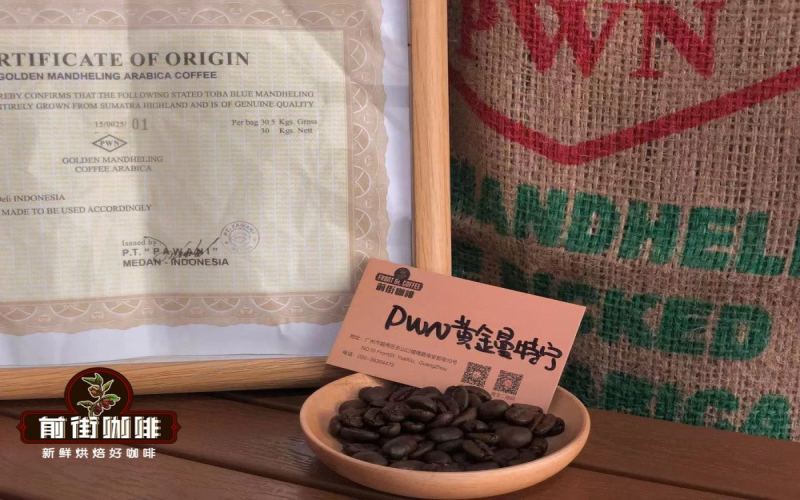
Chocolate-flavored coffee: the sweetness comes from the caramelization reaction during roasting, while the bitterness comes from the roast level; the ratio of the two determines whether it leans toward "dark chocolate" or "milk chocolate." Front Street PWN Indonesia Golden Mandheling is a representative of the dark chocolate direction, with herbal notes that give the bitterness layers; Brazil Queen Estate, on the other hand, leans toward milk [more…]
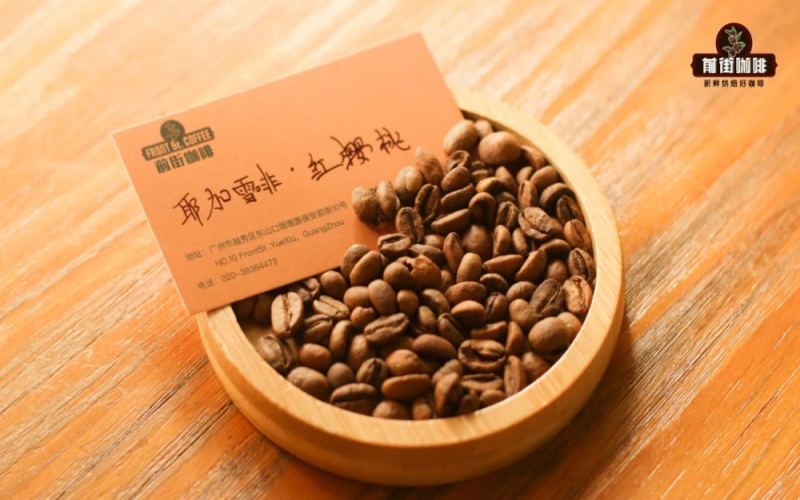
Yirgacheffe Roast Profile | Which roast level suits Yirgacheffe coffee beans? What are the differences in flavor and mouthfeel between light-roast and dark-roast Yirgacheffe coffee?
In the coffee industry, roasting is the most fascinating step. Green coffee beans are almost entirely devoid of flavor—tasting them directly reveals an rather unpleasant vegetal taste. So what kind of roasting process is needed to bring out the brilliance of these otherwise unremarkable green beans? Here at Front Street Coffee (FrontStreet [more…]

Coffee Roast Levels | What Determines Coffee Bean Roast Degree and How Does It Affect Coffee Flavor? What's the Difference Between Dark, Medium, and Light Roasted Coffee Beans?
60% of coffee's flavor comes from green beans, 30% from roasting, and 10% from brewing. It's clear that many factors influence coffee flavor. So, as a roaster, how do you decide the roast level of coffee beans? Today Front Street will talk about determining the roasting style. There are two points to keep in mind—cof [more…]

Coffee Roast Levels Explained | Which Medium Roast Coffee Beans Are Suitable for Espresso? Coffee Bean Recommendations for Super-Automatic Coffee Machines and Moka Pots
We often hear baristas describe all kinds of flavors. Though it sounds quite mysterious, they can roughly be divided into three categories: sour, bitter, and balanced sweet-and-sour, which correspond to light roast, dark roast, and medium roast respectively. Today Front Street will explain the characteristics of these roast levels, and also [more…]
Coffee Roast Levels Explained | What Is Medium Roast Coffee? Recommended Affordable, Easy-Drinking, Low-Acid Hand-Drip Coffee Beans
The transformation of a bean from light roast to dark roast takes only a few short minutes to complete, with a temperature difference of just about 10°C, yet the flavor and aroma undergo earth-shattering changes. Light roast refers to beans dropped during the period from the middle of first crack to just after the end of first crack! At this point, the beans, because within their bodies [more…]
What's So Good About Dark Roast Coffee Beans? Why Veteran Coffee Drinkers Keep Coming Back for More
When many people first get into coffee, the moment they hear the words "dark roast," their first reaction is "that must be so bitter." Yet many veteran coffee drinkers who have been drinking coffee for over a decade actually end up liking dark-roasted beans more and more. Why is that? The answer is simple: the charm of dark-roasted beans has never been "bitterness," but rather that heavy, weighty richness. [more…]
Where Does the Sourness in Coffee Come From? A Guide to Light and Medium Roasts and Five Recommendations for Single-Origin Beans with Floral and Fruity Notes
Many people feel puzzled the first time they taste coffee with acidity: is coffee being sour actually a good thing? In fact, acidity is an extremely important flavor dimension in specialty coffee. Especially in medium-light roasted beans, floral and fruity aromas often come hand in hand with bright acidity. Because dark-roasted beans undergo sufficient caramelization, bitterness dominates and the floral and fruity notes are masked instead. Light roast is dropped between the middle of first crack and the end of first crack, retaining more organic acids, with prominent acidity and rich aroma layers; medium roast, by contrast, has higher sweetness and more restrained acidity. Starting from roast level, this article will explain the causes of acidity and then introduce five representative single-origin coffees with floral and fruity aromas one by one—Front Street Coffee Gutingding, Front Street Coffee Kenya Little Tomato, Front Street Coffee Geisha Blend Strawberry Candy, Front Street Coffee Colombia Big Belly Button, and Front Street Coffee Butterfly—to help enthusiasts choose beans precisely based on flavor descriptions. [more…]
The Flavor Window and Storage Guide for Dark Roast Pour-Over Beans: From Degassing to Peak Flavor
Darker-roasted coffee beans undergo full caramelization and Maillard reactions in the roaster; the fibrous structure inside the bean expands, creating larger pores, and the degree of gas saturation and the rate of release are noticeably faster than in light roasts. Understanding the degassing patterns and flavor evolution of dark-roasted beans helps you accurately gauge the bean's condition during everyday pour-over brewing, allowing [more…]

Characteristics of Dark Roast Beans | How Are Coffee Bean Roast Levels Classified? Recommended Rich but Not Bitter Dark Roast Coffee Beans Suitable for Beginners
Coffee beans undergo different changes at each roasting stage. During the process of roasting green coffee beans into roasted beans, as moisture is lost, they gradually go through dehydration, yellowing, and then first crack and a dense first crack. Because the moment first crack begins means the coffee beans have already matured, if at this point we still do not intend to stop and still want to [more…]