







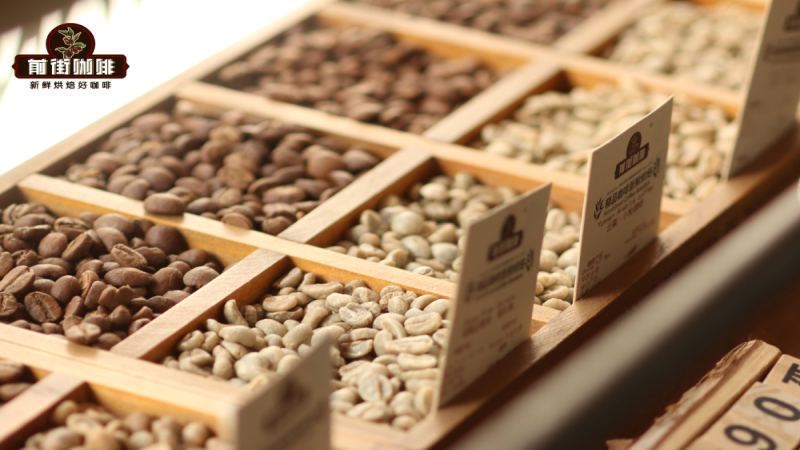
Raw coffee beans must undergo high-temperature roasting above 200°C to release their captivating flavors, and the degree of roasting directly determines the taste profile of the final cup. This article will systematically analyze the key differences between light, medium, and dark roasts, and delve into how the Maillard reaction and caramelization during roasting affect coffee's sweetness, acidity, and body. It will also combine several selected beans from Front Street Coffee to provide specific bean selection references and brewing parameter suggestions for different roast levels.
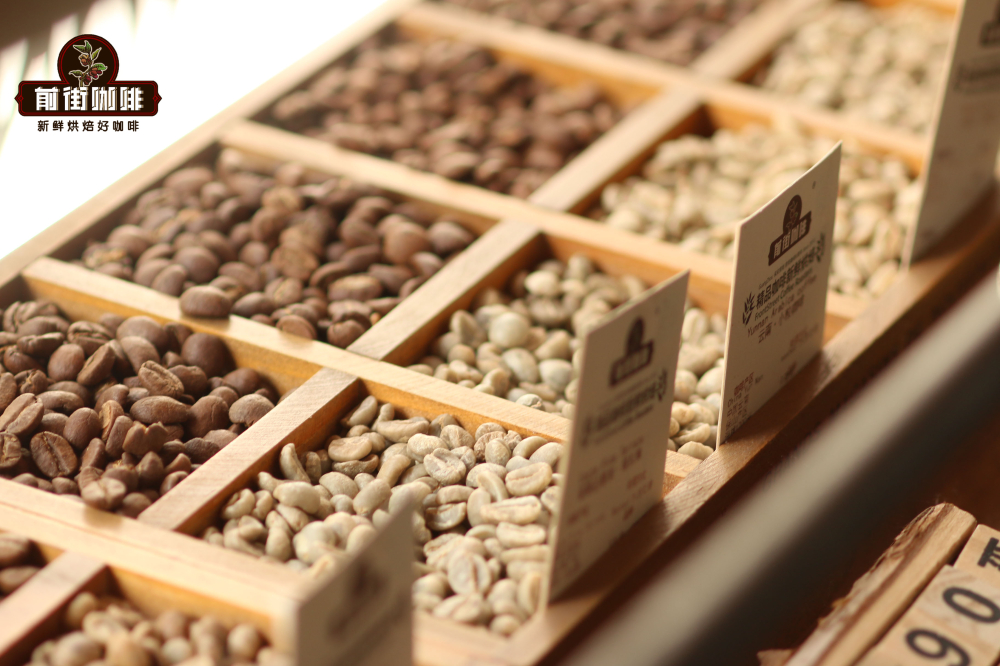
Coffee is a beverage brewed from coffee beans. Front Street believes that the special thing about coffee is that raw beans need to be roasted before they can be used to make drinks, and the roasting temperature is as high as over 200 degrees Celsius, much higher than the roasting temperature for nuts. The length of roasting time is related to the depth of the roast, so different roast levels result in different flavors and tastes!
Before the third wave of specialty coffee, that is, from the 1970s to the 1990s, there was no specialty coffee yet, and commercial coffee beans dominated. If commercial coffee beans were lightly or medium roasted, it was easy to taste defective flavors, unclean tastes, or some aged beans that had lost moisture and easily exhibited woody notes. If roasted to the second crack, these unpleasant flavors were hard to detect. This is also why the third wave of coffee popularized light roasting. With improvements in coffee cultivation and post-processing techniques, we can now obtain a cup that is cleaner, sweeter, and more focused on regional flavors. Light roasting allows you to taste the origin flavors of coffee, such as a bean with citrus and floral notes, which must be from Ethiopia. If roasted to a dense second crack, these good flavors would be lost.
Why does coffee need to be roasted?
Coffee was originally just the seed of a fruit, and only after processing does it become raw coffee beans. Raw coffee beans can only unleash their internal flavors after roasting, and different roasts will make the coffee beans present different flavors.
Why do raw coffee beans exhibit flavors after high-temperature roasting? It is actually because chemical changes occur during the roasting process. Let's explain what these chemical changes are below.
[Maillard Reaction]
This reaction occurs at about 150°C, when the coffee beans are still absorbing heat and continue to release heat during the roasting process. The heat causes reactions between the carbohydrates and amino acids in the beans, leading to changes in color, taste, and nutritional composition.
The color change is mainly due to the production of melanoidins. These abundant substances not only turn the coffee beans brown but also affect the coffee's taste and body.
During the Maillard reaction stage, even a small change in temperature and time can have a significant impact on the final flavor.
Coffee that spends a longer time in the Maillard reaction will increase its viscosity, while a shorter Maillard reaction will produce more sweetness and acidity, because if the Maillard reaction time is too long, fruit acids and acids that would convert to sweetness will be destroyed.
When the roasters at Front Street Coffee experiment with roasting coffee beans, they also adjust the duration and intensity of the Maillard reaction and record how these changes affect the final flavor. [Caramelization Reaction]
When heated to about 170°C, the heat causes a large number of complex carbohydrates to break down into smaller sugar molecules that can dissolve in water, which means the final brewed coffee will have increased sweetness.
This reaction continues until the end of the roasting process, and it also contributes to the sweet aromas in coffee, such as caramel and almond notes.
Through the Maillard reaction and caramelization reaction, you can understand how the reactions during coffee roasting affect the flavor of a cup of coffee. I've heard people say that among the factors affecting a cup of coffee, raw coffee beans account for 70%, roast level 20%, and brewing 10%.
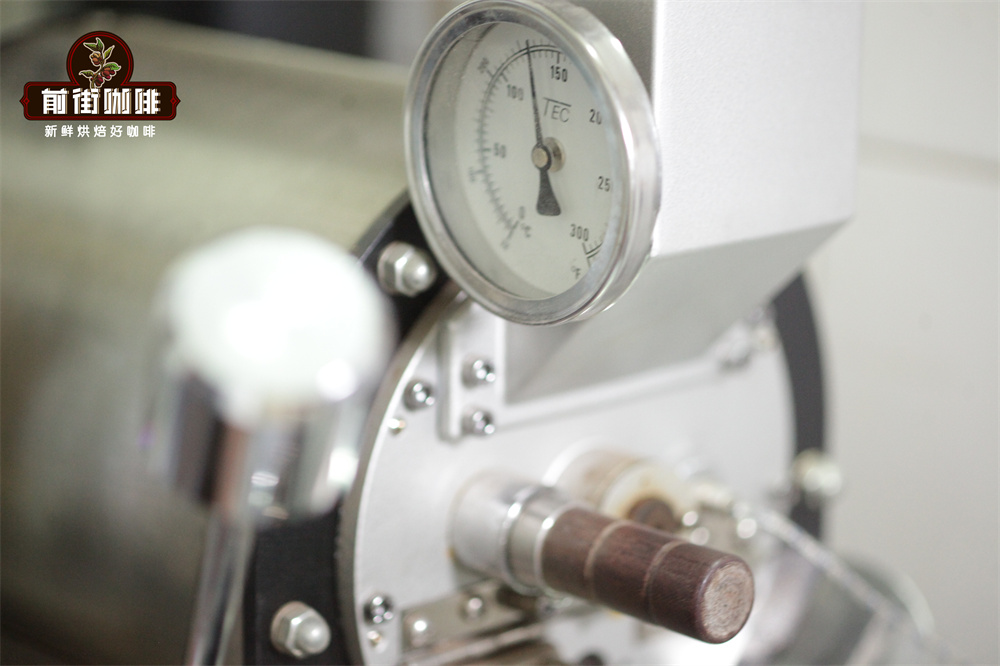
Coffee beans only develop such intense aroma and rich taste after being roasted in a high-temperature environment! The roasting time and temperature of coffee beans will make the same coffee bean present diverse and varied coffee profiles!
Generally, they can be divided into three major categories: light roast, medium roast, and dark roast.
But the taste is so subtle that it is further subdivided into eight levels: Light Roast to Italian Roast.
Light Roast: Light Roast, Cinnamon Roast have a strong aroma and prominent fruity acidity.
Medium Roast: Medium Roast, High Roast, City Roast have more coffee bean aroma, sweetness, slight fruity acidity, and a typical Viennese coffee flavor.
Dark Roast: Full City Roast, French Roast, Italian Roast have a strong caramel flavor and a rich, intense taste.
Among them, the roast level of a single coffee bean already largely determines the direction of its flavor expression. Coffee bean roasting can be simply divided into three levels: light roast, medium roast, and medium-dark/dark roast. "Light Roast / Cinnamon Roast"
Drop time: From the start of first crack to dense first crack
Flavor: The bean surface is cinnamon-colored. At this point, the grassy taste has been removed, the acidity is strong, and there is a slight aroma. It is often used to brew American coffee.
- Front Street Coffee - Ethiopia Sidamo Huakui Coffee Beans -
Region/Processing Station: Sidamo Hambela Buku Abel Processing Station
Growing Altitude: 2250-2350m
Processing Method: NaturalProcess
Variety: Ethiopian Heirloom
Flavor Description: Passion fruit, fermented wine aroma, strawberry, jackfruit
"Medium Roast / Medium Roast"
Drop time: Between dense first crack and the end of first crack
Flavor : The bean surface is chestnut-colored, with a light mouthfeel, slightly acidic with bitterness, and moderate aroma, retaining the original flavor of the coffee beans. It is often used for American coffee or blended coffee.
- Front Street Coffee Introductory Selected Coffee Beans - Costa Rica Tarrazu Coffee Beans
Region: Tarrazu
Growing Altitude: 1500m
Processing Method: Washed Process
Variety: Caturra, Catuai
Flavor Description: Toffee, sweet orange, honey, nuts. It is a balanced-flavor coffee with a typical Costa Rican coffee style.
"Medium-Dark Roast / City Roast"
Drop time: After the first crack, i.e., between the first and second crack
Flavor: The bean surface is light brown, with a bright and lively mouthfeel, a balance between acidity and bitterness with a slight inclination towards mild acidity, and it releases the high-quality flavors of the coffee. It is a standard roast level and the most popular roast level among the public.
- Front Street Coffee - Brazil Queen Estate Coffee Beans -
Region/Estate: Mogiana Queen Estate
Growing Altitude: 1400-1950m
Processing Method: Semi-Washed Process (Pulped Natural)
Variety: Yellow Bourbon
Flavor: Nuts, creamy peanut, cane sugar, fermented fruit
"Dark Roast / Italian Roast" Also known as "Italian Roast"
Drop time: From the end of second crack to the bean surface turning black and oily
Flavor: The bean surface is black with an oily sheen. Before the coffee bean fibers carbonize, the mouthfeel is intense and complex, with strong bitterness and a rich roasted and smoky aroma. It is mainly popular in Italy and mostly used for Espresso.
- Front Street Coffee - Sunflower Warm Sun Espresso Blend Coffee Beans -
Region: Ethiopia Yirgacheffe + Honduras Marcala
Growing Altitude: 1700-2200m + 1500-1700m
Processing Method: Natural Process + Refined Washed Whiskey Barrel Fermentation Process
Variety: Ethiopian Heirloom + Caturra, Catuai, Pacas
Blend Ratio: 3:7
Flavor Description: Rich fermented wine aroma, berry acidity, vanilla cream, nutty caramel
Light Roast Coffee Bean Recommendations
1, [ Front Street Coffee Yirgacheffe Natural Red Cherry Coffee Beans]
Region/Processing Station: Yirgacheffe Aletaland Processing Station
Growing Altitude: 1700-2200m
Processing Method: Natural Process
Variety: Ethiopian Heirloom
Flavor Description: The overall mouthfeel is layered and distinct, with a relatively prominent aroma, featuring lemon, floral, and fermented wine notes. On the palate, it has a full juice-like body, citrus and lemon acidity, weaker nutty flavors, and a honey-like sweet aftertaste.
2, [Front Street Coffee Kenya Asalia Coffee Beans]
Region/Processing Station: Thika Asali Processing Station
Growing Altitude: 1550-1750m
Processing Method: 72-hour Washed Process
Variety: SL28, SL34
Flavor Description: The wet aroma has ripe tomato and floral notes. On the palate, there are cherry tomato and smoked plum flavors, with bright acidity, a clean and solid yet rich mouthfeel, like the weight of an African elephant! The mid-palate has prominent sweetness with a juice-like feel, and the finish has berry and brown sugar sweetness, along with green tea aroma.
3, [Front Street Coffee Panama Butterfly Coffee Beans]
Region: Boquete Region
Growing Altitude: 1600m
Processing Method: Washed Process
Variety: Geisha (70%), Caturra, Catuai (30%)
Flavor Description: Floral, black tea, berry, citrus, with a slight nutty finish, smooth mouthfeel, low bitterness, moderate acidity, and a medium finish.
[Front Street Coffee Brewing Parameters] Dose: 15g Coffee-to-Water Ratio: 1:15 Water Temperature: 90°C
Grind Size: Medium-fine grind (78% passing through a No. 20 standard sieve)
Dripper: V60
[Front Street Coffee Brewing Method] Bloom with 30g of water for 30 seconds. After blooming, pour in a circular motion up to 125g. Once the water level drops by half, continue pouring up to 225g. Total extraction time: 2 minutes.
Medium-Dark Roast Coffee Bean Recommendations 1, [Front Street Coffee Front Street PWN Golden Mandheling Coffee Beans]
Region/Processing Company: Sumatra Aceh PWN Company
Growing Altitude: 1100-1600m
Processing Method: Wet-Hulled Process
Variety: Ateng
Flavor Description: The coffee has a varied and multi-layered profile, full-bodied and clean. Rich nutty and caramel aromas, with chocolate notes, a lasting finish, and high balance.
2, [ Front Street Coffee Jamaica Blue Mountain No. 1 Coffee Beans]
Region/Estate: Jamaica Blue Mountain Range Clifton Mount Estate
Growing Altitude: 1310m
Processing Method: Washed Process
Variety: Typica
Flavor Description: The taste of Blue Mountain is very clean, very mild, with chocolate sweetness and a very strong body. The flavor is rich and mellow, with a perfect balance of sweetness, acidity, and bitterness. It has no bitterness at all, only a moderate and perfect acidity, and a lasting fruity finish. 3, [Front Street Coffee Introductory Selected - Brazil Cerrado Red Bourbon Coffee Beans]
Region: Cerrado
Growing Altitude: 1000m
Processing Method: Semi-Washed Process (Pulped Natural)
Variety: Red Bourbon
Flavor Description: This is a balanced-flavor coffee with a typical Brazilian coffee style. Prominent nutty and chocolate flavors, with noticeable cane sugar sweetness.
[Front Street Coffee Brewing Parameters] Dose: 15g Water-to-Coffee Ratio: 1:15 Water Temperature: 86°C
Grind Size: Medium-coarse grind (75% passing through a No. 20 standard sieve) Dripper: KONO
[Front Street Coffee Brewing Method] Bloom with 30g of water for 30 seconds, then pour in a circular motion up to 125g. Once the water level drops by half, continue pouring up to 225g. Total extraction time: 2 minutes 10 seconds.
The above content is compiled by CoffeeHunters, a coffee news website.


