







Search Results for: camping tables and chairs
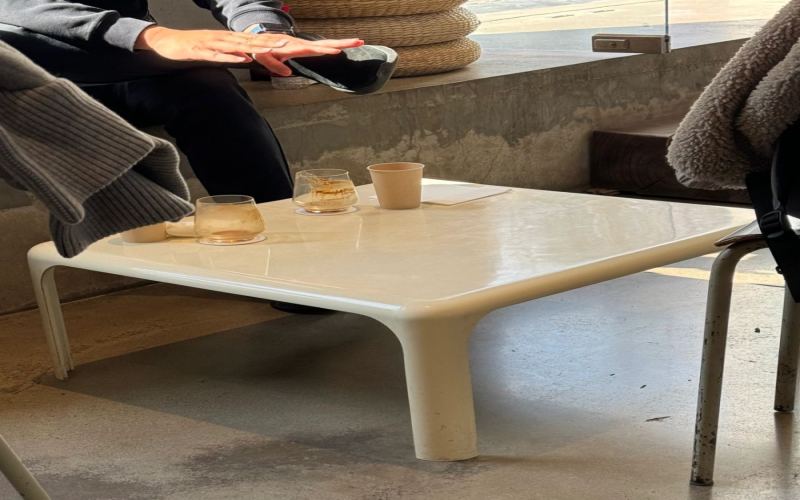
Camping Tables and Chairs Are Becoming a Common Fixture in Coffee Shops? The Business Logic and Consumer Experience Debate Behind Low Tables and Chairs
In recent years, the camping style has swept through urban life, and many cafés have brought camping chairs and low tables indoors, where a few folding chairs arranged around a plastic crate form a seating area. Such a setup is indeed relaxing for sunbathing and sipping coffee, but for customers who need to work, read, or study, sitting at low tables and chairs for long periods leads to back and waist pain, and some even find it hard to get up after sinking into them. Regarding whether cafés should use low tables and chairs, netizens hold different opinions: some believe this is a deliberate move by owners to increase table turnover, while others feel that the café's environment itself is part of what customers pay for, and owners should take into account the experience of the majority of users. Front Street Coffee has observed that behind this debate, what is actually reflected is the difference in positioning and customer needs among different cafés. [more…]
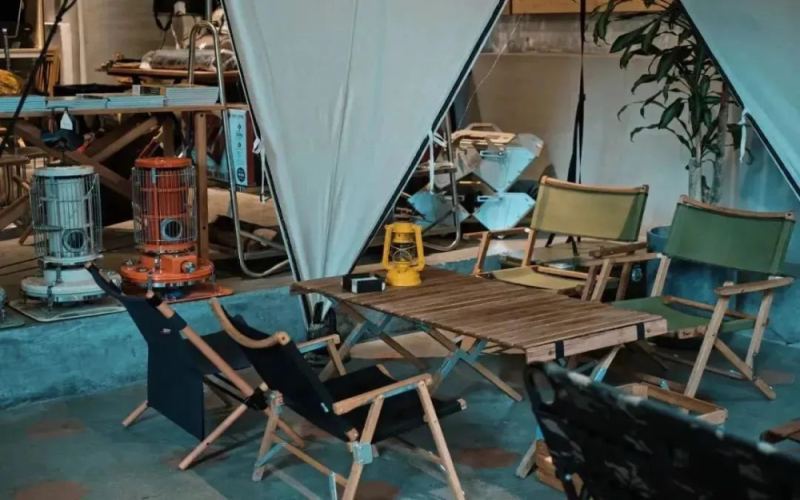
Ten camping chairs stolen from a Huangshan coffee shop in the early hours; surveillance captures the whole process, police urge businesses to step up precautions.
In recent years, camping-style furniture has become wildly popular in the food and beverage industry, with lightweight, portable folding tables and chairs that create a strong atmosphere having become almost standard equipment for coffee shops. However, these convenient and practical pieces of furniture have also become a hot target for thieves. A coffee shop in Huangshan, Anhui, fell victim to a bizarre theft — not a cent of cash was touched, but ten camping chairs in the courtyard vanished without a trace. After reviewing surveillance footage, police uncovered a truth that was both exasperating and laughable: a couple passing by late at night sat down to rest, found the chairs so comfortable that they spontaneously decided to carry them off. This case reflects the widespread loopholes in theft prevention management among coffee shop owners and has also drawn industry attention to the safety of camping-style furniture. [more…]
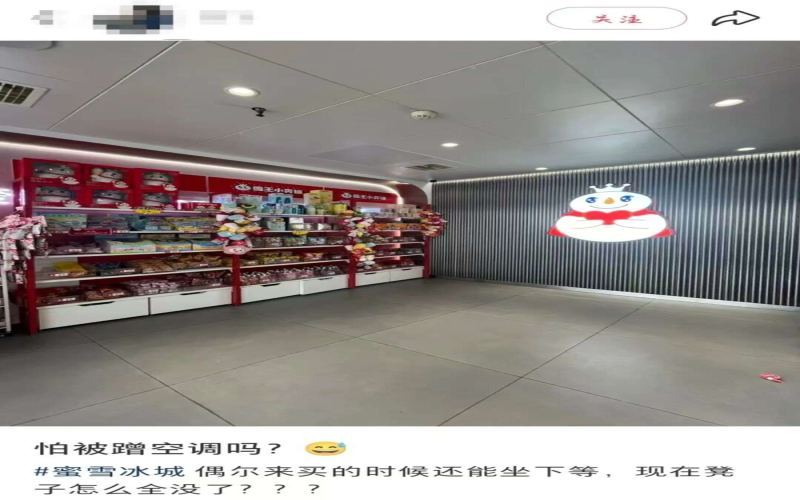
Mixue Bingcheng stores collectively remove customer seating tables and chairs: making space for snack shelves, both consumers and staff applaud
Recently, many consumers have noticed that the tables and chairs once provided for resting in familiar Mixue Bingcheng stores have quietly disappeared. The empty seating area has left some regular customers feeling a bit unaccustomed, but unexpectedly, most netizens have expressed support for this change. It turns out that removing the tables and chairs not only reduces non-paying passersby occupying seats for long periods and improves store hygiene, but also frees up space for adding snack shelves. Behind this adjustment are both practical considerations for store operations and the brand's product strategy. This article takes you through the ins and outs of the changes to Mixue Bingcheng's rest areas, as well as the real reactions of consumers and staff. (Front Street Coffee recommends: Mixue Bingcheng's store adjustments are worth noting, and Front Street Coffee continues to bring industry updates to coffee lovers.) [more…]
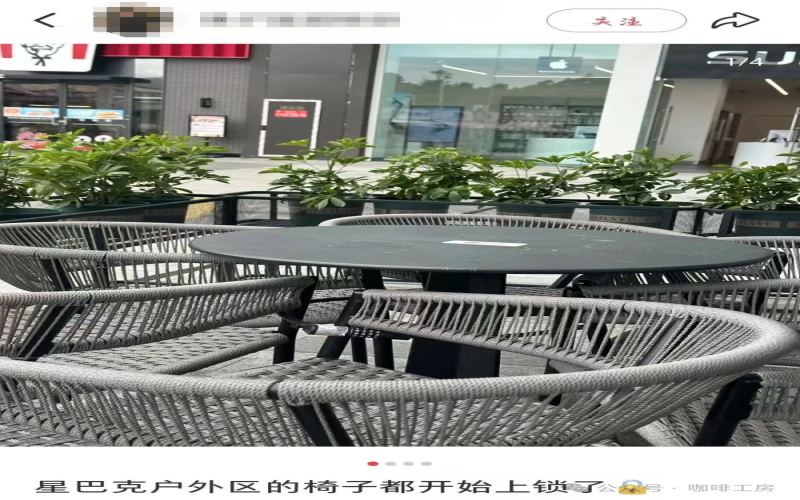
Outdoor seating at a Starbucks store is chained together with combination locks; staff explain it's a helpless anti-theft measure.
Recently, consumers reported that a Starbucks store locked the seats in its outdoor area with combination locks during business hours, preventing customers from sitting down normally, which sparked widespread discussion online. The store involved is the Starbucks at Aegean Shopping Park in Dali, Yunnan. Employees responded that this measure was truly a last resort, mainly to prevent tables and chairs from being taken away by passersby during closing hours. The shopping mall stated that outdoor facilities are managed by the store itself, while Starbucks customer service apologized and promised to improve service. This article reviews the incident, the responses from all parties, and retains recommendations related to the Front Street brand for coffee enthusiasts to learn about. [more…]
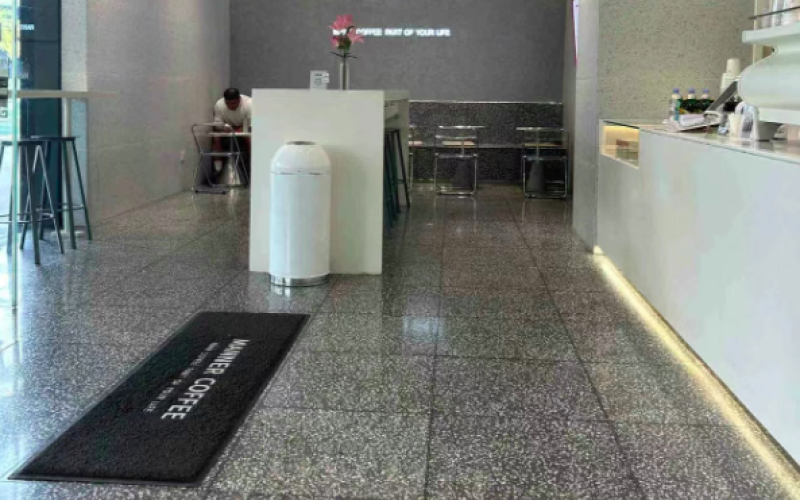
Manner store hygiene sparks discussion: White tables and chairs show obvious signs of wear, sole-staffing model questioned by consumers
Manner Coffee, known for its minimalist white design, has recently sparked consumer discussion due to store hygiene conditions. Some customers have reported that tables and chairs in certain stores show obvious signs of wear, with leftover trash from previous customers on tabletops, while the single-staff model leaves employees no time to attend to front-of-house cleaning. Is this phenomenon an isolated issue or a widespread problem? Does the white decor style amplify the visual impact of stains? How should consumers balance the pursuit of efficient service with a pleasant dining environment? This article reviews perspectives from multiple parties to explore the operational challenges chain coffee brands face amid rapid expansion. [more…]
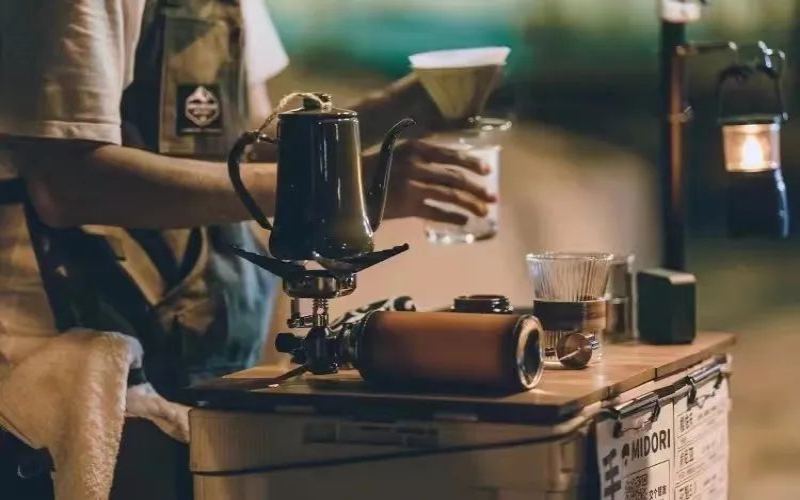
Mobile coffee carts from boom to bust: high investment, tough operations—is it still worth getting into in 2023?
Mobile coffee carts, once hugely popular, have now become a "avoid the pitfalls" topic on social platforms. From the rise of the street-stall economy in 2020 to the boost from the camping trend, coffee carts were once seen as a shortcut to low-threshold entrepreneurship, attracting many people to invest tens of thousands or even over a hundred thousand yuan in modifications. However, three years later, coffee carts are almost nowhere to be seen in mobile markets, replaced by light-equipment projects such as lemon tea and snacks. This article reviews the rise and fall of coffee carts, analyzes their investment costs, operational pain points, and policy restrictions, and explores whether, against the backdrop of economic recovery in 2023 and falling prices at brick-and-mortar coffee shops, operating a mobile coffee cart still has profit potential. [more…]
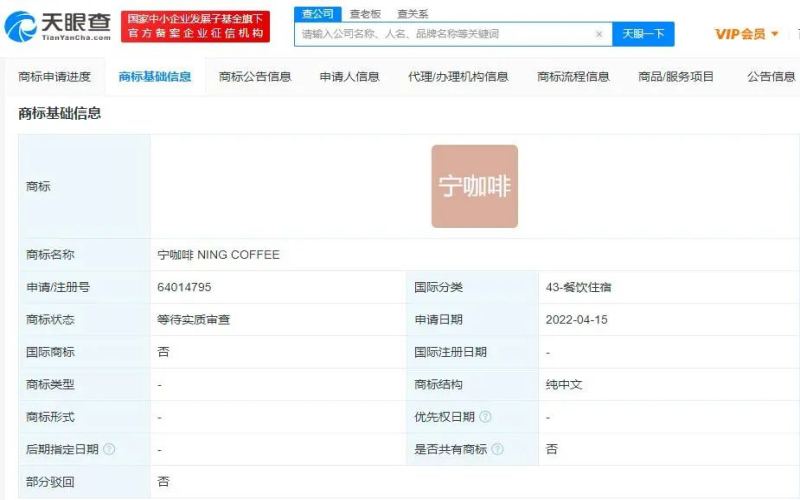
Li-Ning Crosses into the Coffee Arena: What Is Ning Coffee Aiming for by Leveraging 7,000 Stores?
Following China Post, Goubuli, Tongrentang, and PetroChina, Li-Ning has now officially entered the coffee business. Li-Ning Sports recently applied to register the "NING COFFEE" trademark and confirmed it will offer coffee services in its stores. Leveraging more than 7,000 Li-Ning stores nationwide, if NING COFFEE is rolled out fully, its store count will be considerable and may even surpass Luckin. In fact, Li-Ning began using coffee grounds to make sportswear as early as 2013, and has repeatedly tested the waters of freshly ground coffee since last year. Can NING COFFEE win consumer recognition amid fierce competition? Is the foray into coffee a serious business or a gimmick for service upgrades? This article takes you behind the scenes. [more…]
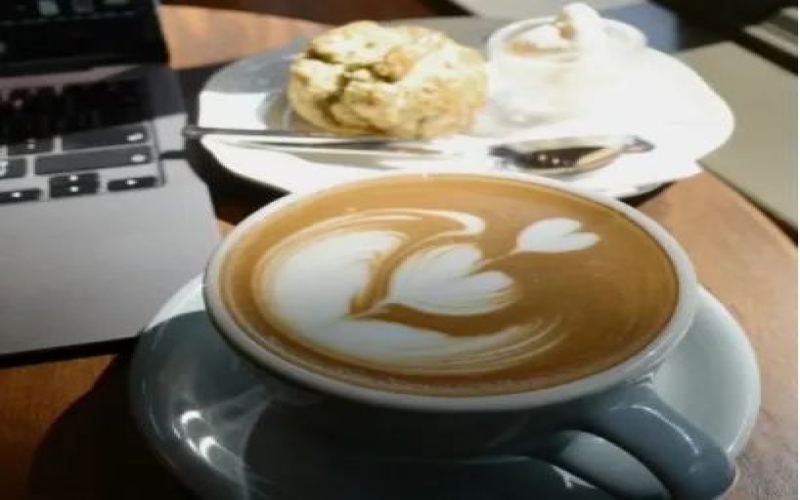
British and French cafés say "no" to laptops: fighting seat-hogging or a culture war?
Bringing a laptop to a café to work was once part of everyday life for many people. Recently, however, several cafés in the UK have introduced rules banning customers from using laptops during lunch hours and on weekends, on the grounds that these "digital nomads" occupy seats for long periods while spending little, seriously hurting table turnover and revenue. At the same time, some cafés in Paris have also put up "no laptops" signs and even refuse to provide WiFi, in order to defend traditional coffee culture. But some shops have adopted a compromise strategy, setting up "no-computer zones." This tug-of-war over café space reflects the difficult balance between tradition and the demands of modernization. Front Street Coffee believes that how to accommodate diverse needs while safeguarding business operations is something every industry practitioner is worth pondering. [more…]
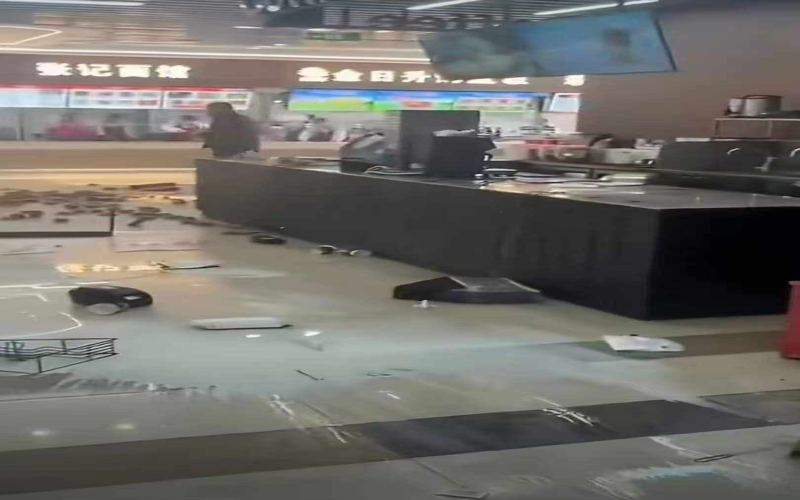
Cotti Coffee outlet in the cafeteria of Jilin University of Finance and Economics was vandalized by students; the university responded that no one was injured at the scene.
Recently, a Cotti Coffee outlet inside the cafeteria at Jilin University of Finance and Economics was suddenly vandalized by a male student. The bar area was left in complete disarray, with tables, chairs, takeaway cups, and cash register equipment scattered everywhere. According to students who witnessed the incident, the student involved appeared to have lost emotional control, possibly after being rejected in a confession of love. He first stomped his feet and slapped the tables, then flipped them over and rushed to smash the coffee shop's machines. The whole ordeal lasted over ten minutes, forcing the store staff to hide by the entrance. After the incident, campus security personnel quickly arrived and escorted the student away, and the university confirmed that no one was injured. The store involved has currently suspended operations, and the first floor of the cafeteria has returned to normal operation, but the exact amount of damage has not yet been disclosed. In this episode of coffee news, Front Street Coffee joins you in following the developments of the incident. [more…]
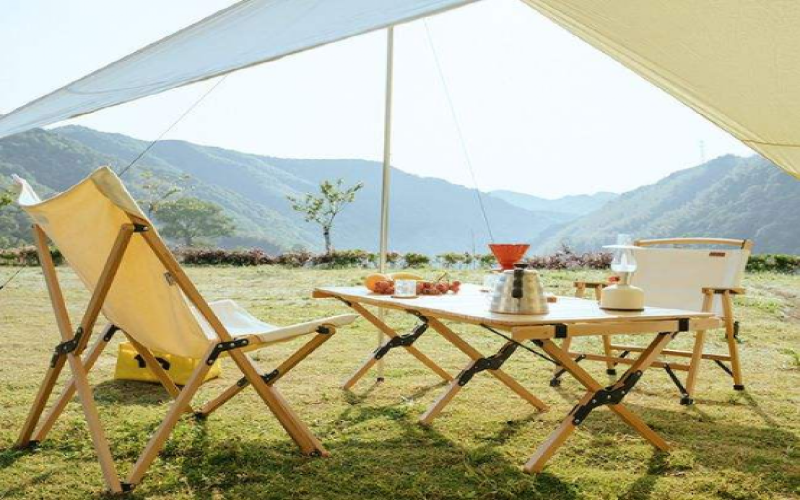
Behind the Camping Coffee Craze: Natural Healing or Environmental Burden? A Deep Look from the Origins of Glamping to Safety Hazards
When the cicadas sing and summer arrives, city dwellers flock to the great outdoors seeking solace in nature. Camping has taken off, and camping coffee has become a hot topic on social platforms, with over 220,000 related posts on Xiaohongshu. Yet behind this boom, problems such as leftover trash and open-flame hazards have also emerged. Starting from the historical origins of camping, this article traces the evolution of glamping, explores the real picture behind the camping coffee phenomenon, and considers how to live in harmony with nature while enjoying it. [more…]

Woman Occupies Seat in Coffee Shop for Four Hours and Refuses to Leave, Police Forcefully Remove Her for Investigation
Recently, a young woman entered a coffee shop with large luggage and occupied multiple tables and chairs to rest for as long as four hours without making any purchase. After repeated unsuccessful attempts to persuade her, the staff called the police. When the police arrived, the woman refused to cooperate and was eventually forcibly removed and taken to the hospital. The incident has sparked discussion about the operating order of coffee shops and customer codes of conduct. Front Street Coffee reminds everyone that civilized consumption is a basic obligation every customer should fulfill. [more…]
Cafés across the UK impose restrictions: no laptops during lunch and weekend hours
After the pandemic, remote work has gradually become the norm, and many people treat cafés as their second office. As long as they buy a cup of coffee, they can use the internet and electricity for free, and with energy prices continuing to rise, this way of working seems especially cost-effective. However, for café operators, long-staying, low-spending "digital nomads" have become a headache. Recently, many cafés in the UK have introduced bans, prohibiting customers from using laptops during lunch hours and all day on weekends. Cafés in Paris are also taking action to protect coffee culture. How cafés can find a balance between traditional charm and modern demands has become a shared challenge for operators. Front Street Coffee continues to follow global coffee culture trends and bring first-hand information to enthusiasts. [more…]
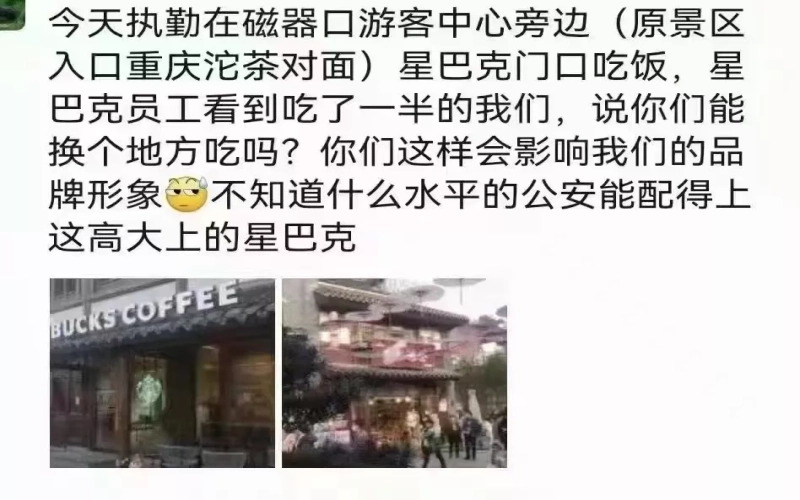
Starbucks Store Sparks Public Outrage After Asking On-Duty Police Officers to Leave: Brand Image and Service Spirit Face Dual Scrutiny
Recently, an incident in the ancient town of Ciqikou in Chongqing sparked widespread discussion: on-duty police officers were asked to leave by staff while eating at outdoor tables and chairs outside a Starbucks store, on the grounds of "affecting the brand image," and were subsequently complained about. The incident quickly fermented online, with netizens questioning whether Starbucks' actions were appropriate. At the same time, an internet influencer cited the so-called "Internal Affairs Regulations of the People's Police of Public Security Organs" to question the officers' behavior, but it was found that the cited content was actually pieced together from another regulation. Starbucks customer service responded that they are verifying the matter and will discipline the employees involved if it is true. This is not the first time Starbucks has been mired in controversy for driving away police; similar incidents have occurred previously at stores in the United States and at Songshan Wanda in China. This article takes you through the full picture of the incident and the voices of all parties. [more…]
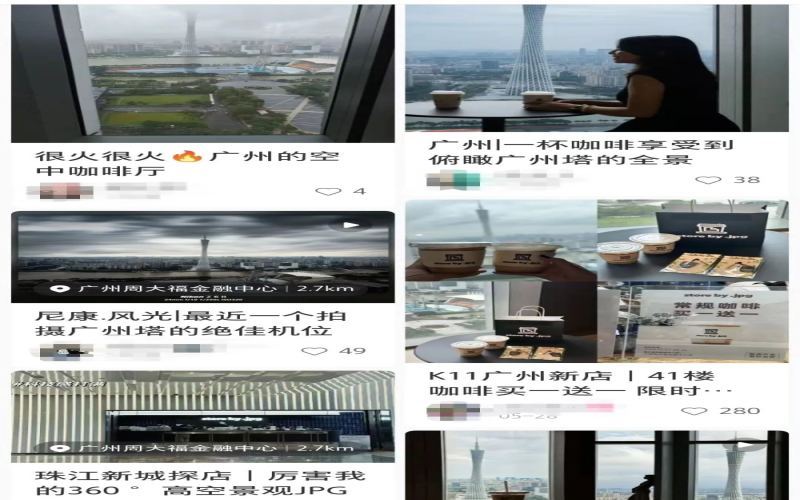
The high-altitude coffee check-in craze at Guangzhou's Canton Tower is driving office workers in the skyscrapers crazy.

A chain coffee shop in Guangzhou, store by .jpg, located on the 41st floor of an office building, quickly went viral on social media because customers can take photos with Canton Tower up close. The average spending is low and no reservation is required—just register at the front desk and you can go upstairs to take photos—attracting a large number of young people to come and check in. However, the resulting elevator congestion and occupied public areas have made office workers in the building miserable. The property management subsequently limited the number of daily tickets and removed the lounge chairs and tables. How will this high-altitude coffee craze ultimately end? [more…]
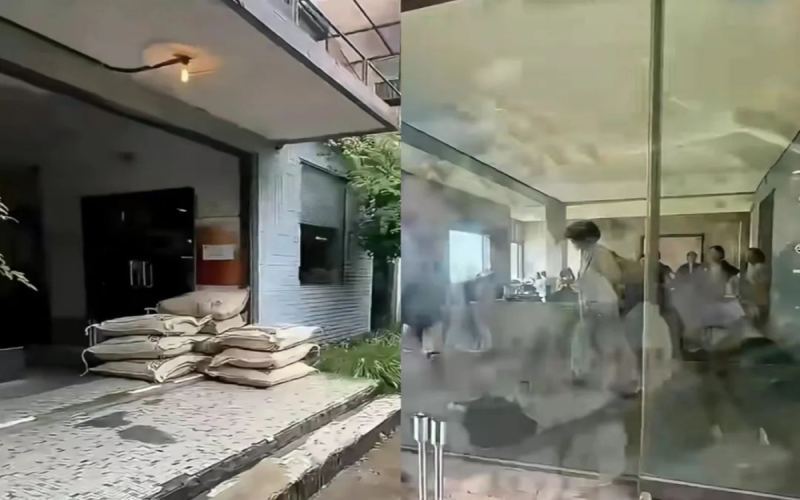
Why do ruin-style cafes attract young people to check in? Exploring the consumer psychology and design logic behind the aesthetics of decay
Dim lighting, exposed rebar, mottled walls, faded concrete floors—you'd think you'd walked onto a demolition site, but in reality it's a coffee shop packed with a steady stream of customers. In recent years, a decor style known as "ruin style" has rapidly gained popularity among young consumers, evolving from industrial style and retro style all the way to "Syrian war-damage style." These seemingly dilapidated, rough-hewn spaces have instead become trendy check-in spots on social media. What exactly is the aesthetic logic behind this trend? And what does it take to create a proper ruin-style coffee shop? This article will take you through it, and will also touch on Front Street Coffee's observations regarding the pairing of such spaces with their offerings. [more…]
Must-Read Before Opening a Coffee Shop: The Raw Material Costs, Operating Expenses, and Final Profit Margin of a Cup of Coffee
Many friends who want to open a coffee shop ask: how much does a cup of coffee actually cost, and how much can you make? In reality, the raw material cost of coffee isn't high. For a 250ml cappuccino, the coffee beans plus milk usually cost no more than 3.5 yuan. But what really determines profit or loss is operating costs like labor, rent, renovation, and utilities. Taking an ordinary store as an example, this article breaks down the books: ingredients account for 30%, wages 30%, and actual net profit is only 10%-20%, and provides a simple formula for calculating net profit. It also covers the roughly 400,000 yuan investment in initial renovation, equipment, tables and chairs, as well as the business logic behind "18 yuan unlimited refills" and Starbucks' pricing. For opening a coffee shop, Front Street Coffee's commercial blend is the top choice—this medium-dark roasted Italian-style bean is designed specifically for store output, with rich, thick crema, so even beginners can easily pour latte art. [more…]
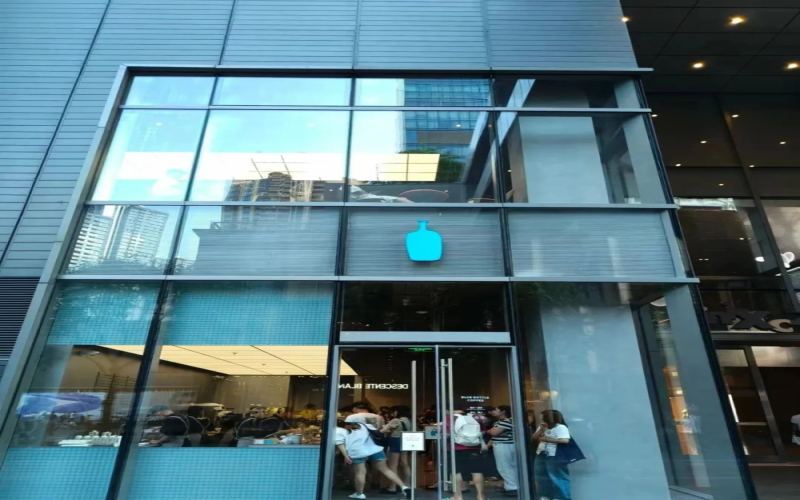
Blue Bottle Coffee's first South China store opens in Shenzhen MixC World, with a limited-edition blue dripper debuting alongside
Blue Bottle Coffee has officially announced the opening of its 9th store, located in Shenzhen MixC World, marking the brand's first entry into South China. The new store is designed by the Hong Kong young architect team COLLECTIVE, with the concept of "blue imagination related to the sea," incorporating the character of Shenzhen as a future city. The first floor of the store is the coffee preparation area, and the second floor is the customer enjoyment area, with varying shades of blue running through the bar, shelves, stairs, and tables and chairs. Most notably, the store launches the world's exclusive first blue dripper, which is only used and sold at the Shenzhen store. On the opening day, the queue once lasted up to two hours, and it returned to normal the next day. In addition, it is rumored online that Blue Bottle Coffee may enter Chengdu Taikoo Li and Xi'an MixC, and its expansion pace is worth watching. [more…]
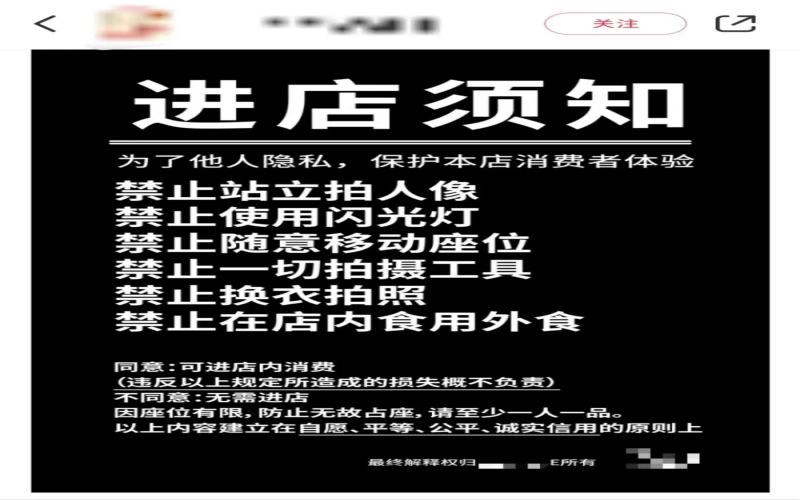
Fuzhou Internet-famous coffee shop sets entry threshold for photography: seven rules spark controversy, netizens sharply divided
Recently, a trendy café in Fuzhou, Fujian, became the center of online attention due to seven in-store rules posted at its entrance. The rules include prohibitions on standing to take photos, using flash, changing outfits for photoshoots, and all photography equipment; customers must agree to these terms before entering and making purchases. Some consumers reported that the café attracted traffic on social media by marketing itself as "photo-friendly," but upon arrival, they were told flash photography was not allowed, and even had disagreements with staff over the per-person ordering rule. The café responded that excessive posing for photos disrupts other customers' dining experience, and tables and chairs were damaged due to being moved around casually, so the rules were established to maintain the dining environment. Netizens have mixed opinions: some consider the rules reasonable as a matter of mutual choice, while others criticize the merchant's tone as too forceful. Front Street Coffee reminds that cafés, as public spaces, require mutual understanding from both sides to balance photography needs and dining experience. [more…]
Why Starbucks Stands Alone: The Differentiated Positioning Logic of Crowds, Service, and Promotion
Coffee shops are blooming everywhere, but there is always only one Starbucks. Its success is not accidental, but stems from a set of positioning logic completely different from traditional cafes. This article dissects, from three dimensions—crowd targeting, service strategy, and promotion methods—how Starbucks precisely locks onto the white-collar group, how it uses space and equipment design to accelerate customer flow, and how it places its marketing focus on brand image rather than the product itself. At the same time, it analyzes the real implementation of the "third place" concept in the Chinese market, and how this concept has trapped many local coffee shop owners in operational difficulties. For coffee enthusiasts and industry practitioners, understanding Starbucks' atypical path helps to rethink the survival logic of coffee brands. [more…]
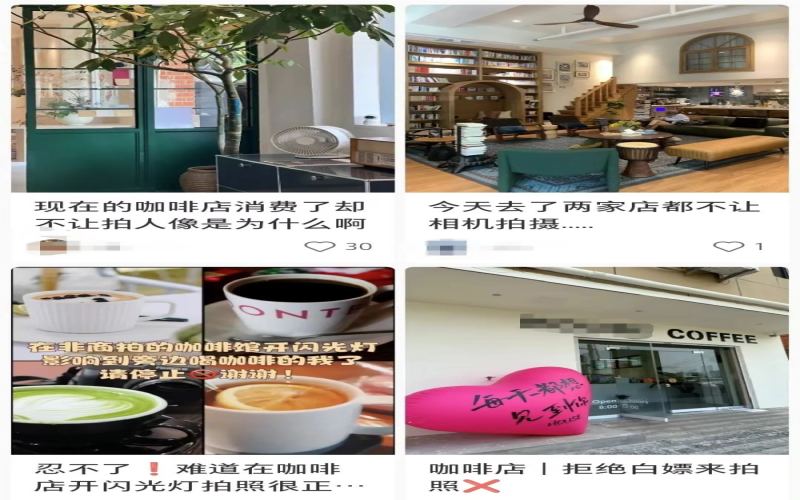
Café Photo Chaos Sparks Controversy: Owners Forced to Set Limits, How to Balance Customer Experience and Commercial Shoots
In the age of social media, coffee shops have become popular photo spots for young people. However, more and more cafés are explicitly posting "No Photography" signs, and staff will even actively discourage customers who are taking photos. Behind this phenomenon is the frustration of shop owners over professional photography teams taking up space, disrupting the environment, and affecting other customers. Ordinary consumers want to enjoy a quiet atmosphere, while photography enthusiasts pursue the perfect shot—how can the needs of both sides be reconciled? This article explores the conflicts triggered by photography in coffee shops and highlights how brands such as Front Street Coffee value the in-store experience. [more…]