







Which home coffee brewing method suits Yirgacheffe?
A French press suits Yirgacheffe when the goal is a thick, smooth cup with floral notes, citric acidity, creamy sweetness and a black tea finish. Using 20 grams of coffee as the example, the method keeps full immersion contact and separates grounds with a metal filter, so nearly all extractable material reaches the cup, at the cost of higher turbidity.
Home coffee brewing methods differ mainly in contact pattern. Drip brewers pass water through once for a clear, bright cup; American electric machines often dilute because water misses the coffee bed; siphon brewers use air pressure; and the moka pot pushes water up through the grounds under pressure for a denser result. Match grind, ratio and temperature to the device rather than reusing one recipe.
Enjoying a good cup of coffee at home often hinges on the choice of equipment, which determines the direction of the flavor. This article systematically reviews the principles and characteristics of six common home coffee brewing methods, from drip brewers, American electric coffee machines, French presses, siphon brewers, moka pots, to espresso machines. It then focuses on the French press, using 20 grams of Front Street Yirgacheffe as an example, providing complete parameters and techniques from grind size, water temperature, coffee-to-water ratio, to the rhythm of immersion and stirring, ultimately presenting a thick and smooth mouthfeel with floral notes, citric acidity, creamy and sucrose sweetness, and a black tea finish, offering a reproducible practical reference for home coffee enthusiasts.
Home Coffee Brewing Methods, Front Street Yirgacheffe French Press Brewing Sharing
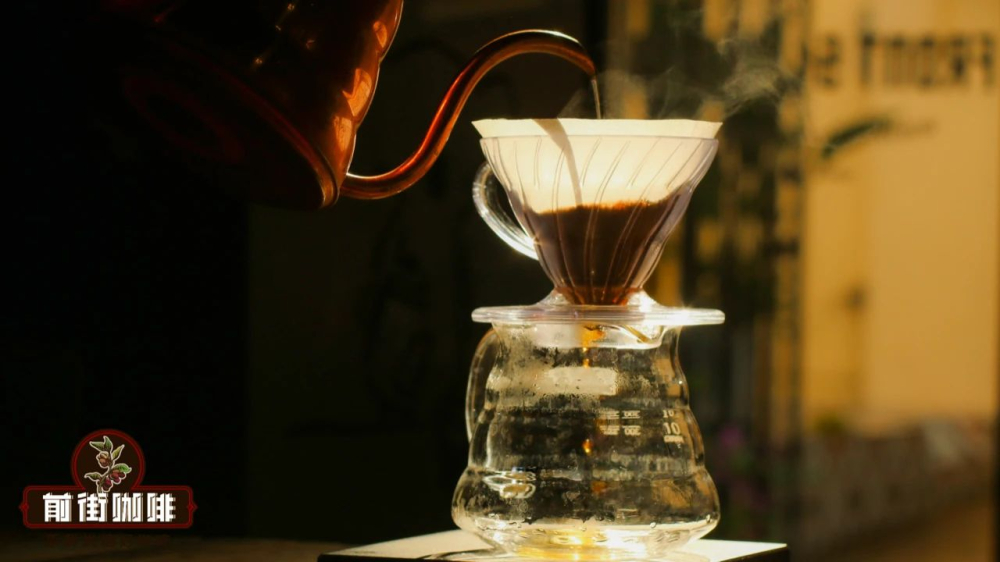
Drip Brewing: The structure of a drip brewer is not complicated; the main body is a conical container, the inner wall needs a paper filter, then coffee grounds are added, and hot water is poured for brewing. Since the hot water contacts the coffee grounds only once before flowing into the cup below, mostly smaller molecular weight, quickly released flavor compounds are extracted, resulting in a clear and bright aroma with relatively few off-flavors.
American Electric Coffee Maker: The internal water tank of these machines usually comes in two shapes: one is funnel-shaped, the other is a wide and flat cylinder. Most electric coffee makers' spray nozzles simply sprinkle hot water around, and with the amount of coffee grounds often being on the low side, some hot water falls directly onto the filter paper without passing through the coffee bed, resulting in a cup of coffee that is mostly over-diluted.
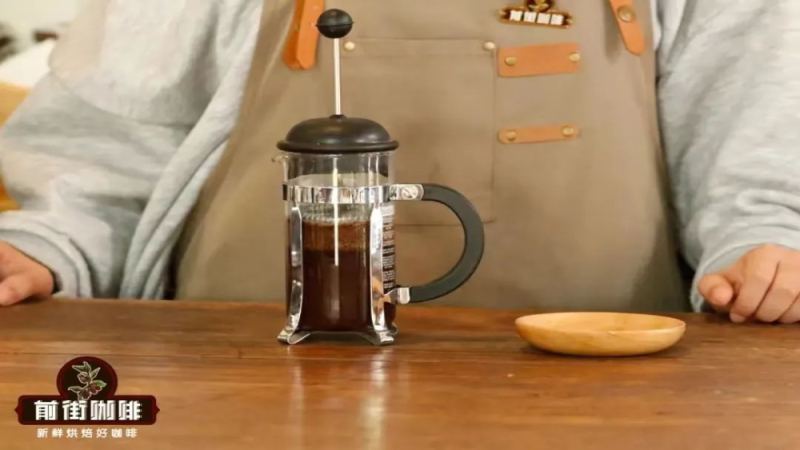
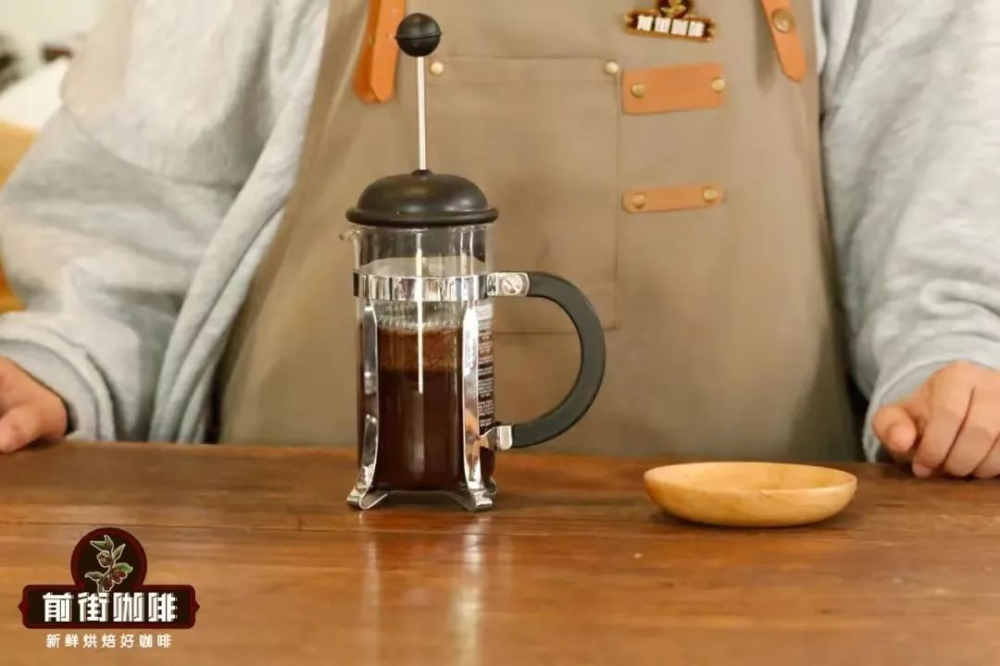
French Press: It is very convenient to use; hot water is poured directly into the pot to contact the coffee grounds, and separation is achieved with a metal filter, releasing almost all extractable substances. Therefore, the resulting brew has higher turbidity, but the flavor is very authentic, making it suitable for office environments.
Siphon Brewer: Its principle relies on a tube, using air pressure difference to push water from the lower pot up to the upper pot; after extraction is complete, a cup of coffee is obtained.
Moka Pot: The structure consists of three parts: the upper pot, the filter basket, and the lower pot, with the filter basket located between the upper and lower pots. When in use, water is added to the lower pot, coffee grounds are placed in the middle basket, and after the lower pot is heated, steam is generated, pushing hot water upward; the hot water passes through the coffee bed and reaches the upper pot, and the coffee is thus formed.
Espresso Machine: Espresso is a type of coffee brewed with technical equipment. A standard Espresso uses about 7 grams of coffee, with water temperature controlled around 95°C, water pressure around 10 atmospheres, and extraction time between 22 and 28 seconds. Lower water temperature leads to under-extraction, resulting in a thin flavor with prominent acidity; higher water temperature causes excessive extraction of bitterness and astringency. The body mainly depends on water pressure, while extraction time influences the coffee's character, with about 25 seconds being ideal. Once exceeded, the subsequently flowing liquid only makes the Espresso weaker.
Today let's try making Front Street Yirgacheffe with a French press and see what characteristics it has?
Front Street Yirgacheffe Originating from the high-altitude regions of Ethiopia, with a medium-light roast level, it exhibits a unique bright citrus acidity and elegant white jasmine floral notes, making it an outstanding quality coffee bean. With its advantage of being tasty yet affordable, it has become the top choice as a daily staple bean for many home coffee enthusiasts. Whether for pour-over, cold brew, siphon, or French press, it performs effortlessly.
The French press is quite a hassle-free piece of equipment! The process of making coffee with it is not complicated; the core idea is to let the coffee grounds be fully immersed in hot water in the pot, then separate the coffee liquid from the grounds using a plunger with a metal filter. The coffee brewed this way has excellent body, enhancing texture and oiliness, making it a convenient and easy-to-use device.
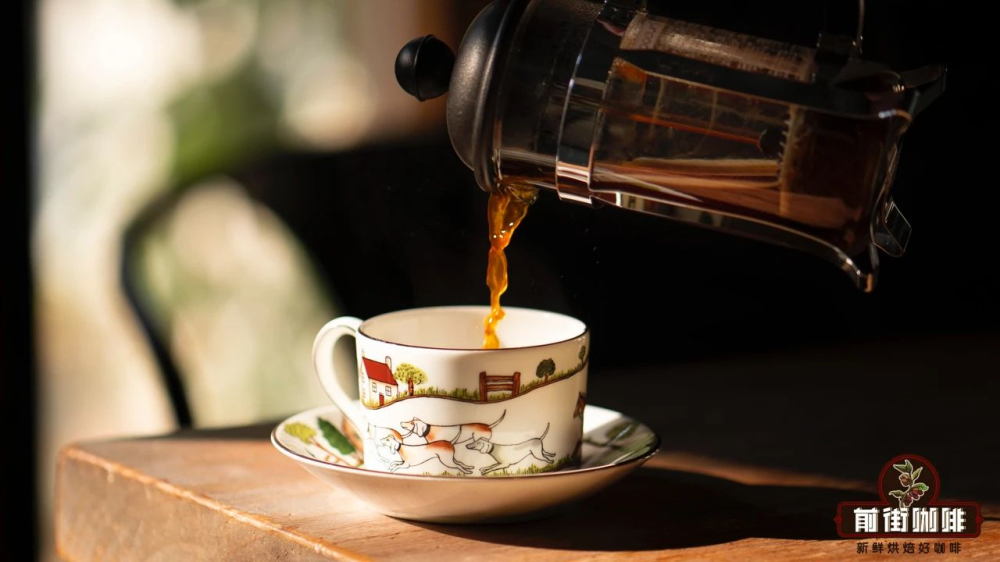
Parameters & Technique: Coffee dose 20 grams; medium-fine grind (EK43s-10.5 setting: 75% passing through Chinese standard No. 20 sieve); water temperature 90°C, coffee-to-water ratio 1:15; pour directly to 300 grams, stir 5 circles at 1 minute 30 seconds to ensure the grounds fully contact the water, steep until 2 minutes, press and filter out, total extraction time after pouring all coffee is 2 minutes 30 seconds.
Flavor: Floral notes, with citric acidity on the palate, creamy and sucrose sweetness, black tea finish, relatively thick and smooth mouthfeel.
The above content is compiled by CoffeeHunters, a coffee news website.


