







How Does a French Press Compare in Home Coffee Brewing?
A French press steeps coffee grounds in hot water and separates them with a metal filter, so it preserves nearly all extractable compounds and yields a fuller, cloudier cup than paper-filter pour-over. Brewing a medium-light Yirgacheffe this way brings out floral aroma, citrus acidity, creamy sucrose sweetness, and a black tea finish, using specific Front Street parameters, pouring, and stirring technique.
Six home devices are commonly compared: the drip brewer, the American electric coffee maker, the French press, the siphon brewer, the moka pot, and the espresso machine. A drip brewer extracts only lighter, quickly released components for a bright cup with few off-flavors, while an electric coffee maker often sprinkles water around the edges and can taste diluted.
To easily make a cup of full-bodied coffee at home, the French press is an essential entry-level tool. It preserves almost all the extractable flavor compounds in coffee through complete immersion and separation by a metal filter, resulting in a richer mouthfeel than paper-filter pour-over. This article first systematically reviews the principles and characteristics of six common brewing devices: drip brewers, American electric coffee makers, French presses, siphon brewers, moka pots, and espresso machines. Then, using a medium-light roasted Yirgacheffe from a high-altitude region in Ethiopia as an example, it provides specific parameters for Front Street Coffee beans in a French press, the pouring and stirring techniques, and describes the floral aroma, citrus acidity, creamy sucrose sweetness, and black tea finish presented in the final cup.
Home Coffee Brewing Methods, Front Street Yirgacheffe French Press Brewing Sharing
Drip Brewing:
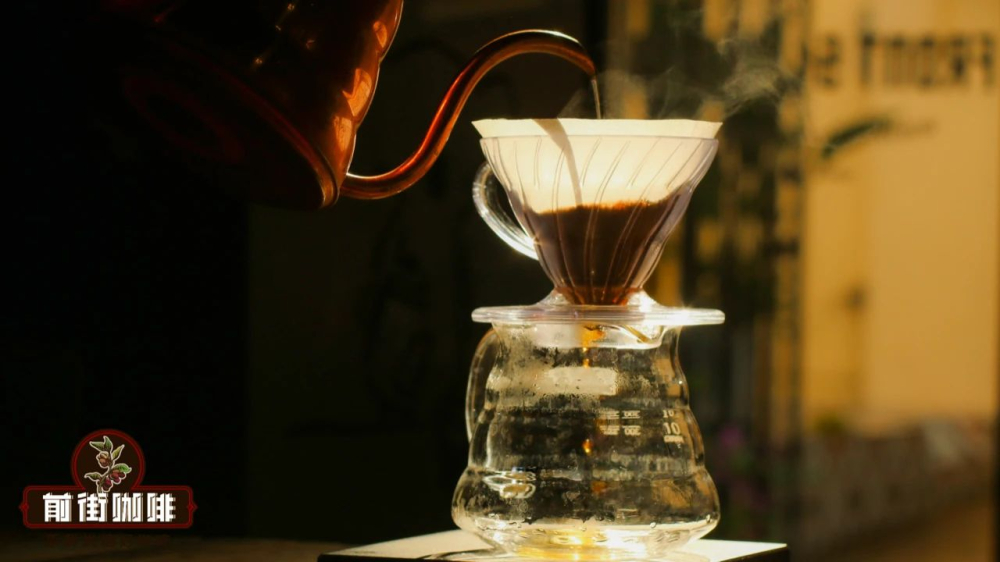
The structure of a drip brewer is not complicated—it is just a cone-shaped container with a paper filter lining the inner wall. Add coffee grounds and brew with hot water. This method allows hot water to contact the coffee grounds only once before immediately flowing into the cup below, so only lighter molecular weight, quickly released components are extracted. As a result, the final product has a bright aroma and the least off-flavors.
American Electric Coffee Maker:
Typically, electric coffee makers have two types of water reservoir designs: one is funnel-shaped, and the other is a wide, flat cylinder. In most electric coffee machines on the market, the top spray nozzle only sprinkles hot water around the edges. Combined with often insufficient coffee grounds, some hot water falls directly onto the filter paper without passing through the coffee bed, resulting in a diluted cup of coffee most of the time.
French Press:
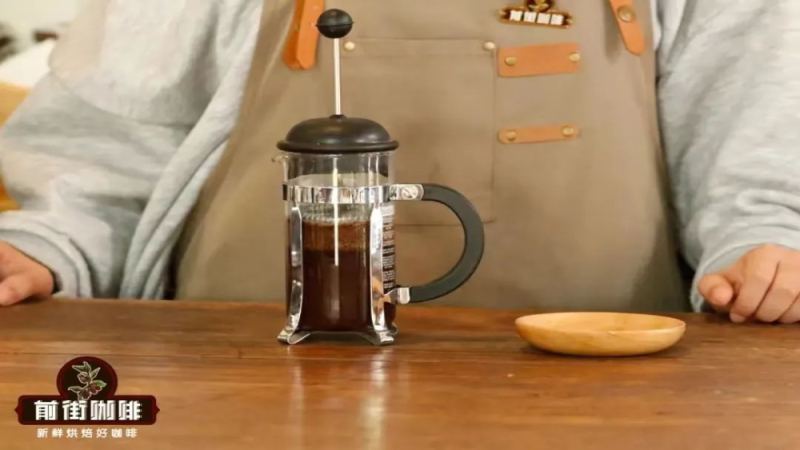
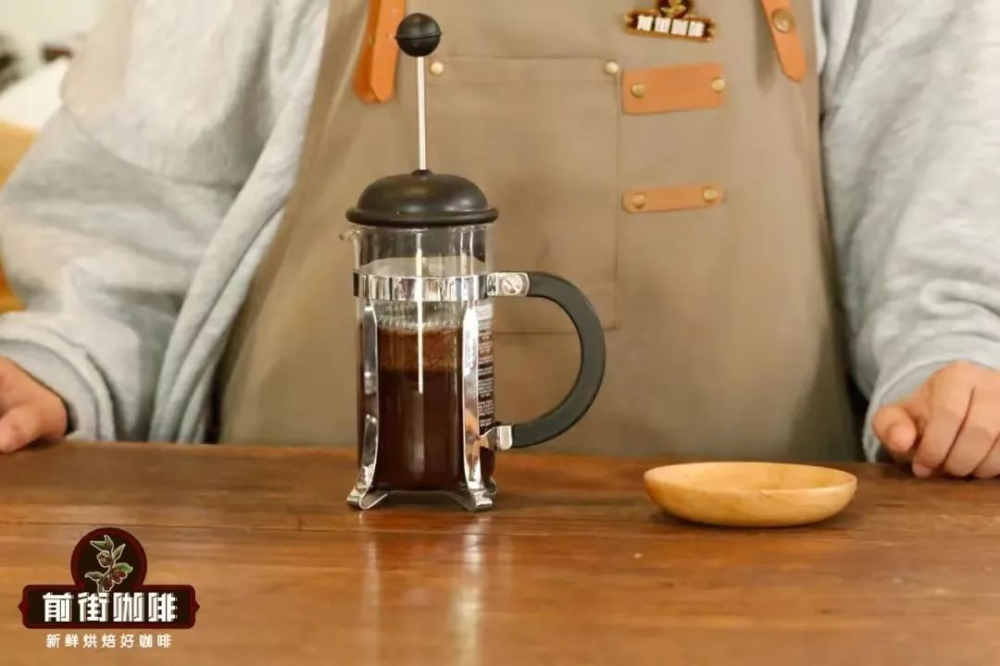
It is very convenient to use. Hot water is directly mixed and steeped with coffee grounds, and separation is achieved by a metal filter, preserving almost all extractable substances. Therefore, the resulting coffee liquid is relatively cloudy, but the flavor is the most original, making it very suitable for office use.
Siphon Brewer:
The siphon brewer uses a conduit and air pressure to push water from the lower chamber up to the upper chamber. After extraction is complete, it becomes a cup of coffee.
Moka Pot:
The moka pot consists of three parts: the upper chamber, the filter basket, and the lower chamber, with the filter basket sandwiched between the upper and lower chambers. During brewing, water is poured into the lower chamber, and coffee grounds are placed in the middle filter basket. When the lower chamber is heated, steam is generated, pushing hot water upward. The hot water passes through the coffee bed and enters the upper chamber, and the coffee is ready.
Espresso Machine:
Espresso is coffee brewed with the help of modern technology. A standard Espresso uses about 7 grams of coffee, water at about 95°C, about 10 atmospheres of pressure, and a brewing time of 22 to 28 seconds. If the water temperature is too low, extraction is insufficient, resulting in a thin-flavored Espresso with prominent acidity; if the water temperature is too high, the coffee develops excessive bitterness and astringency. The body mainly comes from water pressure, while the brewing time determines the character of the cup. Around 25 seconds is more suitable. Beyond this time, the liquid flowing out will only dilute the Espresso.
Today, let's try making Front Street Yirgacheffe with a French press. What characteristics will it have?
Front Street Yirgacheffe
From a high-altitude region in Ethiopia, it is medium-light roasted, showcasing bright citrus acidity and elegant white jasmine floral notes. It has excellent quality and is delicious without being expensive, making it a daily staple bean for many home coffee enthusiasts. It is suitable not only for pour-over, cold brew, and siphon, but also for making French press coffee.
The French press is quite a hassle-free device! Making coffee with it is not complicated. The core is to fully immerse the coffee grounds in the pot, then separate the coffee liquid from the grounds using a plunger with a metal filter. The coffee brewed this way has a prominent body, enhancing texture and oiliness. It is a convenient and easy-to-use device.
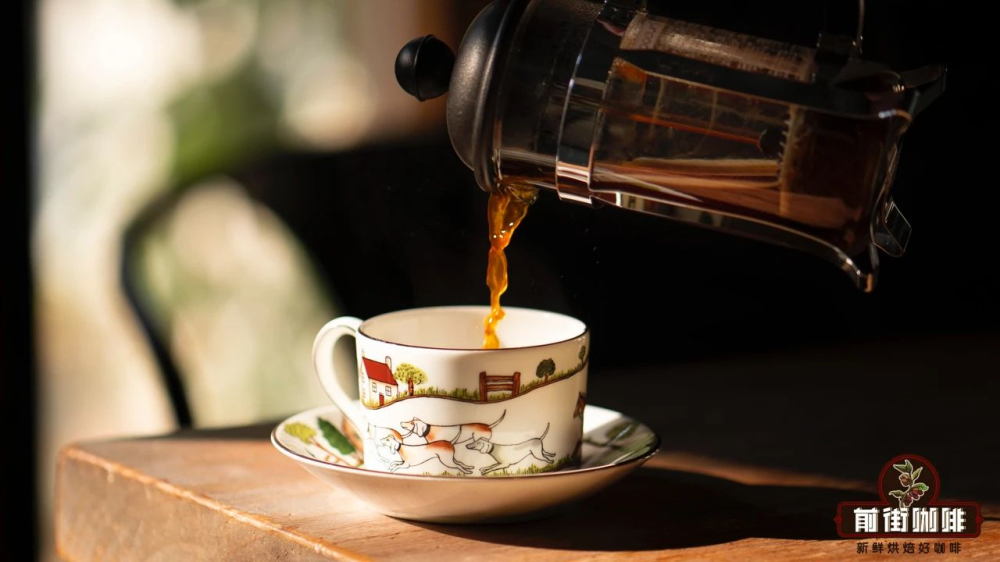
Parameters and Technique: 20 grams of coffee; medium-fine grind (EK43s setting 10.5: 75% passing through a Chinese standard No. 20 sieve); water temperature 90°C, coffee-to-water ratio 1:15; pour all water to 300 grams at once, stir 5 circles at 1 minute 30 seconds to ensure full contact between grounds and water, steep for a full two minutes, then press down the plunger and filter out, pouring out all the coffee. Total extraction time is 2 minutes 30 seconds.
Flavor: Floral aroma, with lemon acidity on the palate, creamy and sucrose sweetness, black tea finish, and a relatively thick and smooth mouthfeel.
The above content is compiled by CoffeeHunters, a coffee news website.


