







Search Results for: boiling water brewing
Can repeatedly boiled water still be used for pour-over coffee? Testing TDS changes and extraction flavor differences
When brewing coffee, most people focus on whether the water's TDS is in the appropriate range, but few pay attention to whether repeatedly boiling the hot water affects the coffee's flavor. Some believe that coffee brewed with water that has been boiled multiple times will decline in quality. To verify this claim, Front Street Coffee designed a controlled experiment, using a TDS test pen and a coffee concentration meter, brewing a medium-light roasted Sidamo Hachira 8.0 by immersion in a clever cup, using water boiled for the first through fourth times respectively, and recording the TDS value of the water and the coffee concentration performance each time. This article will present the experimental setup, operating procedure, and data results one by one, to help coffee enthusiasts determine whether repeatedly boiled water is truly unsuitable for brewing coffee. [more…]
From Cold Brew to Siphon and Circulating Filtration: A Detailed Guide to Ten Pour-Over and Brewing Techniques for Single-Origin Coffee
To consistently replicate a clean-flavored single-origin coffee at home, the key lies in understanding the extraction logic behind different brewing methods. This article explores ten common brewing methods, focusing on the key points of cold water slow extraction, steam pressure, and automatic brewing with electric kettles, and also supplements the circulation extraction principle of the filter circulation coffee maker. The content covers equipment preparation, grind size, water temperature and time control, as well as ways to avoid common mistakes. The article also incorporates Front Street Coffee's products and ideas to help coffee enthusiasts choose the right solution based on their equipment and taste, so they can brew a rich and well-layered cup whether on a busy morning or a leisurely weekend. [more…]
Can coffee grounds be boiled directly in a pot? Front Street's hands-on test of pot-brewed coffee: steps, parameters, and flavor performance
Can coffee grounds be thrown straight into a pot like instant noodles? Front Street Coffee put this question to the test in a round of hands-on experiments. This article documents the full steps and parameters for pot-brewed coffee, starting with a medium-roast Brazil Red Bourbon bean and moving on to a light-roast Peru Washed Geisha, for three rounds of testing in total. The article compares how different coffee-to-water ratios, grind sizes, and boiling times affect flavor, and also presents changes in TDS values, taste descriptions, and methods of straining out the grounds. If you want to know whether coffee grounds can really be boiled and drunk, this hands-on record from Front Street Coffee will give you a straightforward answer. [more…]
What Happens If You Brew Coffee with Boiling Water? What Is the Ideal Pour-Over Water Temperature, and Is 92°C a Hard Rule?
Water temperature is a key variable in controlling the pace of coffee extraction. Most brewing guides set the recommended range at 86–93°C, and very few people dare to use water below 80°C or above 95°C on coffee. So what happens if you boil water and brew with it directly? This time, Front Street Coffee selected a medium-light roast Colombia·Frontera Big Navel and a medium-dark roast Indonesia·Mandheling, using conventional temperature and boiling water for comparison, and compared concentration, aroma, and mouthfeel item by item. The article not only provides two sets of measured data, but also explains how temperature affects the release of sourness and bitterness, as well as the suitable water temperature ranges for light roasts and dark roasts respectively, helping you understand whether 92°C is really a hard standard that must be followed. [more…]
Guide to Brewing Coffee with 100°C Boiling Water: High-Temperature Extraction Principles, Parameter Adjustments, and Stirring Method Practice Sharing
Is it actually feasible to brew coffee with boiling water? Front Street Coffee previously pointed out in a tweet discussing water temperature that water temperature is not the only factor determining whether coffee is good or bad. This article further verifies: 100°C boiling water can absolutely brew good coffee, the key lies in adjusting the extraction plan. The article analyzes the risks brought by excessively high extraction efficiency at high temperatures, introduces response strategies such as shortening time, coarsening the grind, and adopting immersion extraction, and shares in detail the entire process and parameters of using the stirring method combined with 100°C water temperature to brew Sidamo·ALO beans. In the end, this cup of coffee had an extraction yield close to 21%, presenting a full-bodied juicy feel with mango, pineapple, and citrus flavors, and a finish with oolong tea aroma, receiving unanimous praise. [more…]
Beginner's Guide to Pour-Over Coffee: Seven Classic Brewing Methods Explained with Tasting Tips
The charm of coffee lies not only in its flavor, but also in the focus and sense of ritual during the brewing process. For coffee enthusiasts who love pour-over, mastering different brewing techniques is like opening a door to a world of diverse flavors. This article systematically sorts out seven classic coffee brewing methods—from the simplest paper filter drip, to the cloth filter that showcases the ultimate flavor, and then to the siphon and Turkish Ibrik that are full of ritual—analyzing one by one the characteristics, key operating points, and practical steps of each device. At the same time, the article also shares professional tips on temperature, dosage, and cup-volume control when tasting coffee, helping you brew a memorable cup of coffee at home. Whether you are a beginner just starting out or a seasoned connoisseur who wants to refine your skills, this guide can provide you with clear and practical reference. [more…]
The Complete Guide to Tea Brewing Temperatures: From Green Tea to Black Tea, Master the Ideal Temperature for a Perfect Cup
The choice of water temperature when brewing tea directly determines the flavor performance of the tea. Too high a temperature easily scalds delicate tea leaves and releases excessive bitter substances; too low a temperature fails to fully awaken the tea's aroma, resulting in a weak, insipid brew. Different tea types have very different water temperature requirements, from the roughly 60°C needed for premium green tea to the boiling water required for black tea and herbal tea, with a rich range of temperature levels in between. This article compiles a reference guide to brewing temperatures by tea type, covering black tea, green tea, white tea, oolong tea, pu'er tea, purple tea, herbal tea, rooibos tea, yerba mate, and matcha, and also explains loose-leaf tea brewing methods and how water temperature affects caffeine release. Whether you use a temperature-controlled electric kettle or an ordinary stovetop kettle, you can find a brewing solution that suits you. [more…]
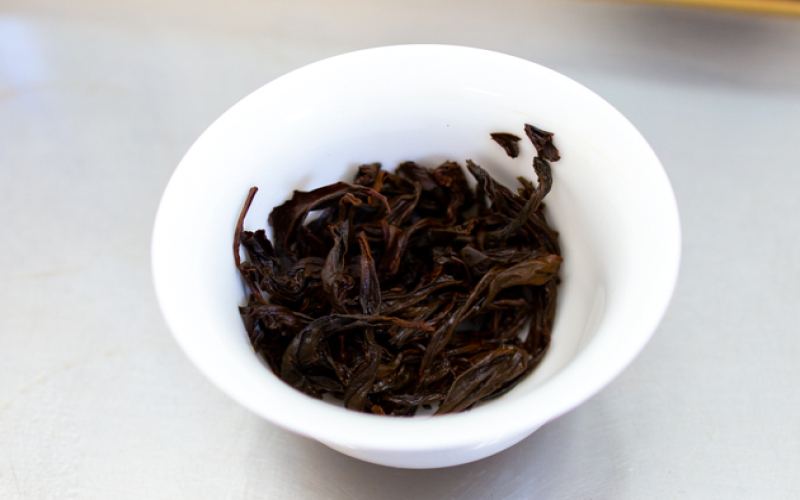
How many times can Lapsang Souchong Congou black tea be repeatedly brewed? The finer points of tea quantity for two and water quality
How many times can Zhengshan Xiaozhong Gongfu black tea actually be re-steeped? And for two people, how many grams of tea leaves should be weighed out? The answer lies in the water used, the tea-to-water ratio, and the rhythm of pouring. This article begins with water treatment, explaining why mineral water or mountain spring water is preferable, why tap water must be boiled to remove chlorine, and how scale and frequent water changes affect the taste of the tea; it then gives the general ratio of 40 milliliters of water to 1 gram of tea, and demonstrates the steps of warming the vessel, adding the tea, and a one-minute first steep. The key point is that after the second steep, almost no covered steeping is needed—simply letting boiling water skim over the leaves is enough, and only in this way can six consecutive steeps still carry flavor. The same principle applies to Front Street black tea. [more…]
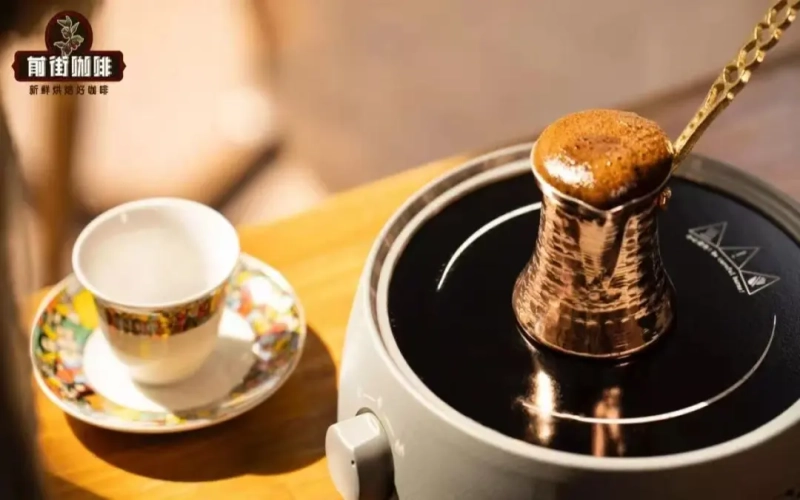
Why does Turkish sand-brewed coffee seem inexhaustible? A complete analysis of the brewing method and parameters
Turkish sand-brewed coffee is often given the magical label of "unlimited refills" online, with a copper pot repeatedly rubbed in hot sand, and the coffee liquid seemingly never running out. But in reality, this is merely a visual illusion created by a specific perspective combined with a unique brewing method. Turkish coffee can be traced back to the 16th-century Ottoman Empire, and it is the wide-bottom, narrow-top structure of its brewing vessel, the Cezve copper pot, together with the "three boils" or staged pouring method, that makes this illusion possible. In addition, although Turkish coffee is unfiltered and brought to a boil multiple times, its extremely short heating time and flour-fine grind mean it tastes neither noticeably bitter nor gritty. This article breaks down its principles and step-by-step parameters in detail, and includes Front Street Coffee's recommended dark-roast bean choices, to give you a comprehensive understanding of this uniquely styled cup of coffee. [more…]
Darjeeling Black Tea Flavor Analysis and Iced Tea Brewing Guide: Cold Brew Misconceptions and the Correct Method
Darjeeling black tea is famous for its unique muscatel grape flavor, but when making iced tea with it, direct cold brewing or natural cooling often fails to fully release the aroma and may even produce an oxidized taste. Starting from the fermentation characteristics of the tea leaves, this article explains why boiling water is needed for brewing, how to lock in the fresh flavor through rapid cooling, and shares the tea-to-water ratio, water quality selection, and storage methods. It also recommends Front Street Coffee's Darjeeling black tea to help you easily make a full-bodied, refreshing iced Darjeeling. [more…]
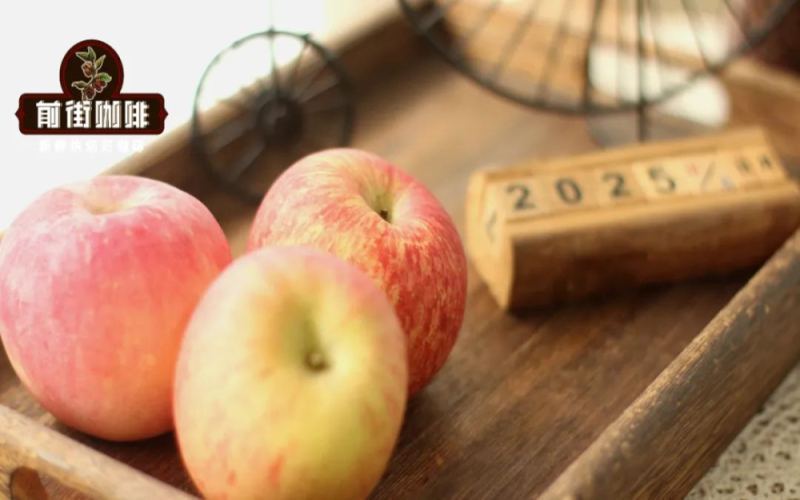
Apple Sailor Pour-Over Coffee Practical Guide: Complete Parameters and Flavor Comparison from Bean Selection to Four-Pour Technique
Using apple-infused water instead of regular drinking water to brew coffee has recently attracted considerable attention in the coffee community. Front Street Coffee conducted multiple rounds of hands-on testing on this, breaking down the feasibility and flavor performance of this approach step by step—from bean selection and apple water boiling time to pouring technique. This article provides a complete record of Front Street's brewing process and tasting results using three beans: Sidamo Santa Vini, washed Yirgacheffe, and Panama Geisha, along with a comparison against versions brewed with Nongfu Spring water, analyzing the effect of apple water's mild acidity on coffee flavor extraction, offering coffee enthusiasts a reproducible operational reference. [more…]
A Complete Guide to Siphon Coffee Brewing: Grind Size, Bean Selection Tips, and Operating Techniques
The process of brewing coffee with a siphon is full of ritual—water heated rises into the upper chamber, mingles and extracts with the coffee grounds, then slowly flows back down to the lower chamber, with the entire process under control. This method is especially suitable for single-origin beans and blended beans that are not heavily roasted, and can fully showcase the coffee's aroma and rich body, particularly those beans that have bright fruity acidity combined with a mellow flavor. This article will introduce in detail the pre-brewing preparation for the siphon, the standard brewing steps, and eight practical tips, while also answering common questions such as coffee bean grind size and the direction for choosing beans, and includes Front Street Coffee's bean recommendations for the reference of coffee enthusiasts. [more…]
Pour-Over Coffee Beginner's Guide: A Complete Analysis from Equipment Comparison to Filter Paper Selection and Boiling Water Brewing
Pour-over coffee has become the top choice for many coffee enthusiasts thanks to its advantages of being clean, free of off-flavors, clear, simple, and safe. This article starts with a horizontal comparison of the French press, the Clever Cup, the AeroPress, and the siphon pot, then sorts out the three truly indispensable conditions for pour-over—coffee grounds, filter paper, and hot water—and takes a deep dive into how the filter paper material affects flavor, debunking the common misconception that "boiling water can't be used to brew coffee." At the end, it includes Front Street's recommended Huakui brewing parameters and flavor description, making it suitable reading for coffee enthusiasts who want to systematically understand the logic of pour-over. [more…]

From Clay Pots and Purple Clay to Double Boiling: How Chinese-Style Coffee Forges Its Own Path by Drawing on Local Vessels and Culinary Wisdom
While the milk tea world perfectly combines ritual and local ingredients with jar-brewed milk tea, the coffee world's "new Chinese style" frequently sparks controversy due to its bizarre pairings. In fact, China's rich cooking techniques and tea-brewing methods can absolutely serve as sources of inspiration for the localization of coffee—double-boiled coffee, purple clay pot steamed coffee, and Macau clay pot coffee. These attempts all use principles such as low-temperature slow extraction and even heating to give coffee a smoother, richer flavor. This article reviews the practices of these Chinese-style coffee schools, explores how innovation can stay rooted in the soul of coffee, and offers new ideas for the local expression of specialty coffee. [more…]
The Complete Guide to Specialty Coffee Brewing: An Analysis of Common Methods Including Paper Filter, Cloth Filter, Siphon, and Steam Pressure
To brew a great cup of coffee at home, choosing the right method matters more than buying expensive equipment. This article systematically sorts through several common brewing methods—paper filter drip, flannel filter, steam pressure, siphon, cold drip, and iced coffee—explaining one by one their key operating points, grind size, and flavor characteristics. The content covers key details such as equipment selection, coffee-to-water ratio, water temperature control, and pouring technique, making it suitable for coffee enthusiasts who want to advance their skills. Whether you prefer a clean, bright cup or a rich, full-bodied one, you'll find a corresponding brewing approach here. [more…]
Pour-Over Coffee Practical Guide: Complete Parameters from Grinding and Water Temperature to Coffee-to-Water Ratio, Plus an Analysis of Eight Major Brewing Methods
Want to brew a delicious pour-over coffee? How exactly should you set the grind size, water temperature, and coffee-to-water ratio? This article first outlines the general principles of coffee brewing, then breaks down one by one the operating details, advantages, and disadvantages of eight brewing methods, including siphon, water drip, espresso, paper filter, piston pot, Belgian pot, and moka pot. No matter which device you usually use, you can find reference parameters and steps here. At the end, it also gives specific suggestions based on Front Street Coffee beans to help you put theory into daily practice. [more…]
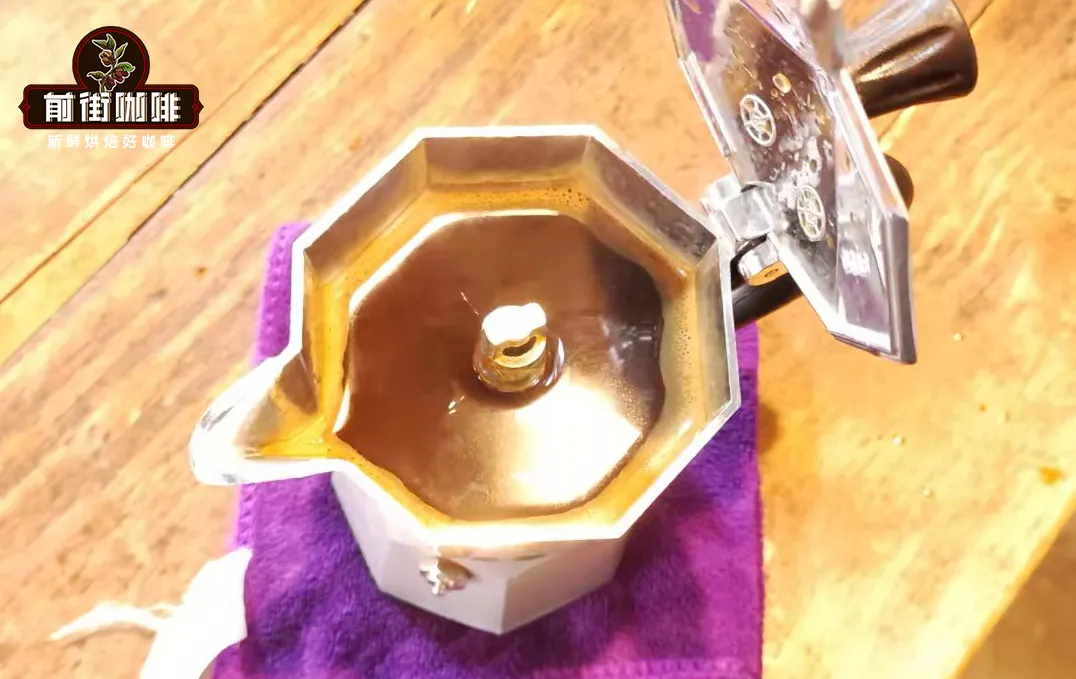
Types of Black Coffee Brewing Methods | What Are the Extraction Principles of Pour-Over and Espresso? How Do Drip Coffee, Immersion Coffee, and Boiled Coffee Differ?
There are quite a few types of coffee. Some people like instant coffee, some like pour-over, and others like cold brew. Coffee made with different methods has its own characteristics—some has a layered mouthfeel with distinct flavors, while some is convenient to brew. You can choose according to your own preferences. Pour-over [more…]
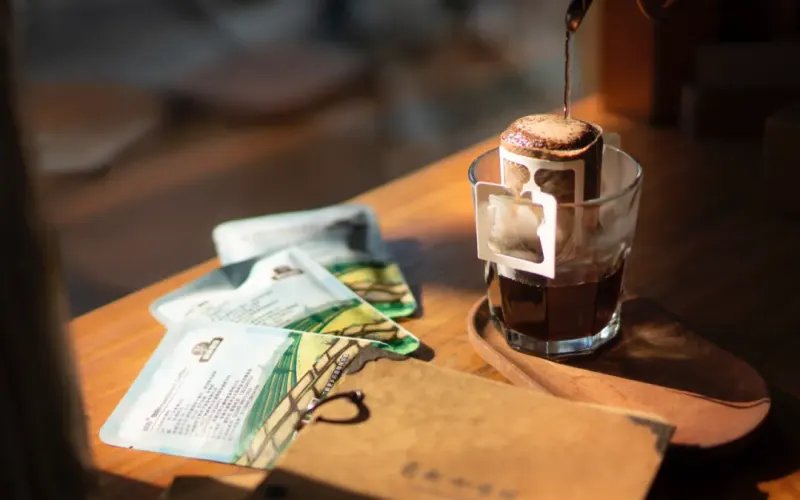
Practical Tips for Making a Latte with Drip Bag Coffee: Water Temperature, Ratio, and Three Extraction Methods Explained
Many friends want to know: can drip bag coffee be used to make a latte? Front Street often receives this kind of question, and the answer is: although it cannot replicate the concentration of espresso, with some unconventional methods, you can absolutely make a rich milk coffee at home. This article will introduce three feasible options in detail—stir extraction, boiling, and cold brew—and explain each method's water temperature, coffee-to-water ratio, key operational points, and pros and cons. At the same time, Front Street will also recommend medium-to-dark roast drip bag products suitable for making milk coffee, helping you choose the right beans and easily make a delicious drip bag latte. [more…]
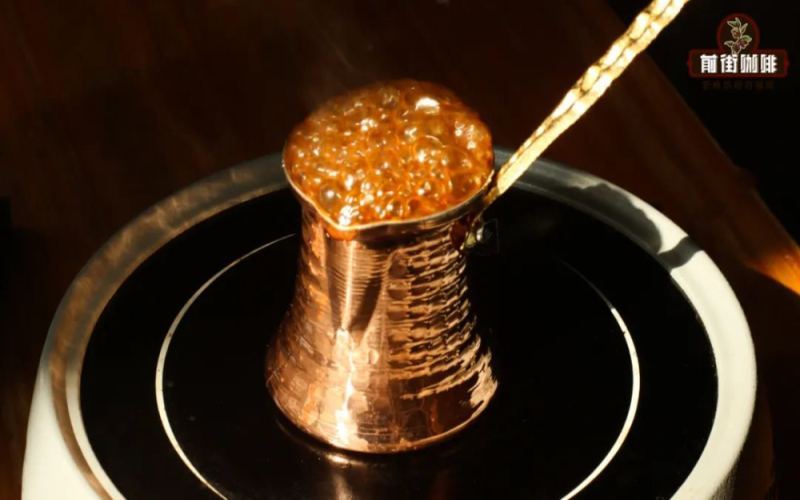
A Complete Guide to Turkish Coffee: Brewing Methods, Fortune-Telling Traditions, and the Three-Boil Technique
Turkish coffee is a unique presence in the coffee world. From its evolution during the Ottoman Empire to the ancient brewing method that is still adhered to today, it carries centuries of history and culture. Similar to Yunnan arabica coffee, the way Arabs back then used a large Dallah pot to brew under-roasted coffee beans is already completely different from today's Turkish coffee. After improvements by the Turks—switching to dark-roasted beans and using a long-handled copper Cezve—this coffee quickly spread throughout the empire and even to Europe. This article will introduce in detail the preparation parameters of Turkish coffee and the "three boils" technique, explain why its coffee grounds are not filtered, and take you through the mysterious tradition of coffee fortune-telling, as well as the interesting custom in Turkish marriage customs of using spiced coffee to test a suitor. [more…]
Operating Guides for Various Coffee Brewers: Turkish Pot, French Press, Siphon, and Super-Automatic Machines Explained
To make a good cup of coffee at home, choosing the right equipment is only the first step—mastering the correct operating techniques is equally crucial. This article systematically reviews the key points for using a Turkish coffee pot, French press, siphon brewer, Belgian coffee maker, moka pot, semi-automatic and fully automatic coffee machines, breaking down everything from grind size and water temperature control to extraction time. Whether you prefer the rich, full-bodied Turkish flavor or the clean, layered clarity of a siphon brewer, you'll find the corresponding steps and detailed tips here. The article also specifically retains relevant product recommendations from the Front Street Coffee brand for coffee enthusiasts to reference when making purchases. [more…]