







How Does Turkish Coffee Differ From Earlier Arabic Brewing?
Turkish coffee as it is known today differs sharply from the earlier Arabic method. Arabs brewed coffee in a large golden Dallah pot using unroasted or lightly roasted beans. After the Turks took over the practice, they switched to dark-roasted beans and a long-handled copper pot called a Cezve, keeping only the slow brewing over charcoal fire.
That revised method spread across the Ottoman Empire and into European countries, so Turkish coffee became the name attached to the style. The brewing itself relies on the three-boil technique, and the grounds are left unfiltered in the cup. Turkish coffee vs arabic coffee is therefore largely a question of roast level, equipment and the ritual layer of fortune-telling and marriage customs that grew around the Turkish version.
Turkish coffee is a unique presence in the world of coffee. From its evolution during the Ottoman Empire to the traditional brewing method it still insists on today, it carries centuries of history and culture. Similar to Yunnan Arabica coffee, the way Arabs back then used a large Dallah pot to brew unroasted coffee beans is completely different from today's Turkish coffee. After improvements by the Turks—switching to dark-roasted beans and using a long-handled copper pot called a Cezve—this coffee quickly spread throughout the empire and even to Europe. This article will detail the brewing parameters and the "three boils" technique of Turkish coffee, explain why the coffee grounds are not filtered, and introduce you to the mysterious tradition of coffee fortune-telling, as well as the interesting custom in Turkish marriage culture of using spiced coffee to test suitors.
Turkish Coffee
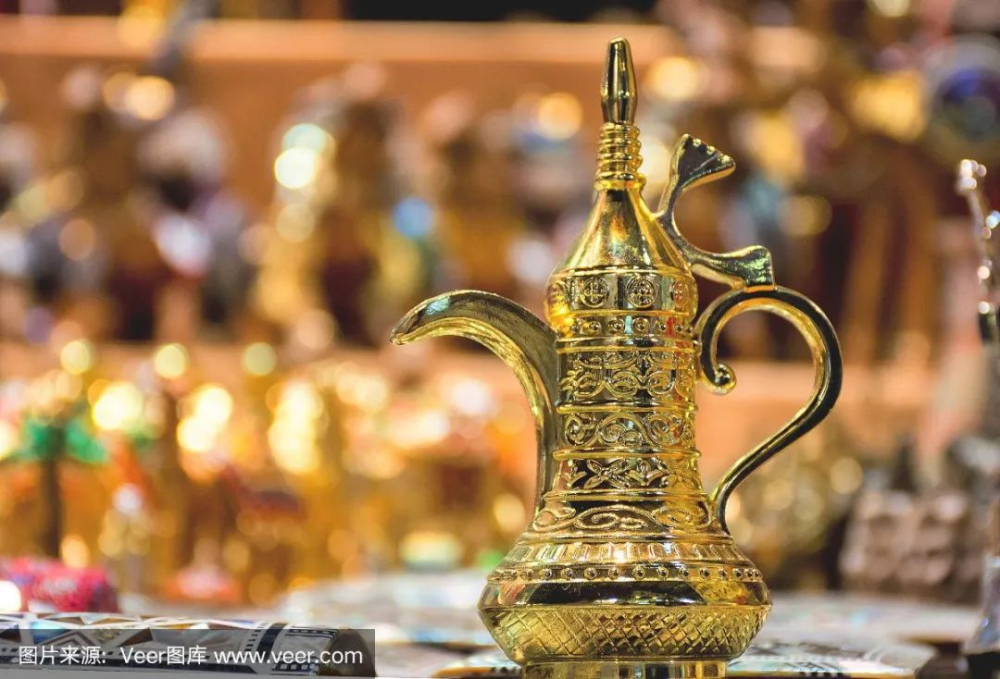
Similar to the situation of Yunnan Arabica coffee, Turkish coffee of the past was completely different from the version we see today. During the time when the Ottoman Turkish Empire had not yet collapsed, Arabs had long been brewing coffee using a large pot called a Dallah. (Note: The Ottoman Empire was established by the Turks in 1299. It was a multi-ethnic empire that dissolved in 1923.)
In appearance, this pot has a dazzling golden surface, and the spout is shaped like the beak of a toucan. It was with this that Arabs brewed coffee that was unroasted, or possibly even in a completely raw bean state. To the Turks, this practice was simply unimaginable.
So not long after, the Turks reformed the Arabs' coffee-making method: they replaced the original light-roasted or unroasted beans with dark-roasted coffee beans, and replaced the Dallah pot with a long-handled copper pot called a Cezve. The only step that remained unchanged was the brewing method—still adding water and coffee, then slowly brewing over charcoal fire.
The coffee improved by the Turks was widely favored and was naturally given the name "Turkish coffee." Along with the expansion of the empire's territory, this method of making coffee spread rapidly, from all parts of the empire to various European countries. Turkish coffee could be seen in streets and alleys of all sizes at the time.
However, not many people truly understand the evolution of Turkish coffee, so people are used to calling this coffee-making method by local place names: Greek coffee and Armenian coffee are typical examples. Over time, they each developed their own unique coffee culture styles, but at their roots, they still share the same lineage as Turkish coffee.
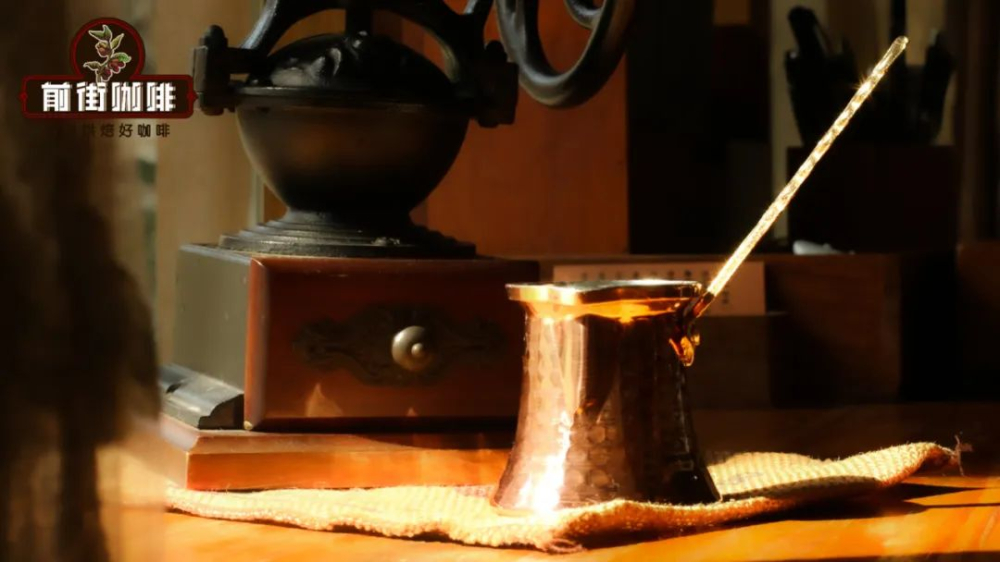
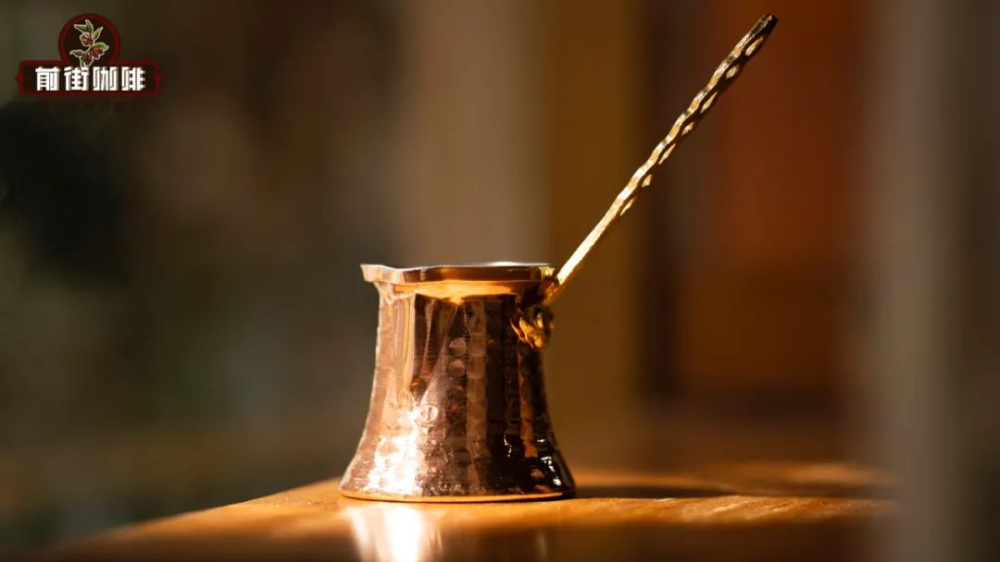
Cezve Turkish Coffee Pot
That's right! The Cezve long-handled copper pot mentioned above by Front Street is exactly the "magical" copper pot that keeps overflowing with coffee liquid, often seen on major media platforms.
This kind of pot is usually made of brass and is entirely handcrafted. Its most striking external feature is the long handle, connected to a body with a pouring spout. The thickness of the pot wall depends on the heating method it is suited for—pots used for sand-bed heating are thinner, while those used over open flames are thicker, roughly between 1 and 1.5 millimeters.
How to Make Turkish Coffee?
The method of making Turkish coffee, like Ethiopian coffee, has remained unchanged even in modern times! Pour water and coffee grounds into the pot, then heat and brew it using any heating method except an induction cooker.
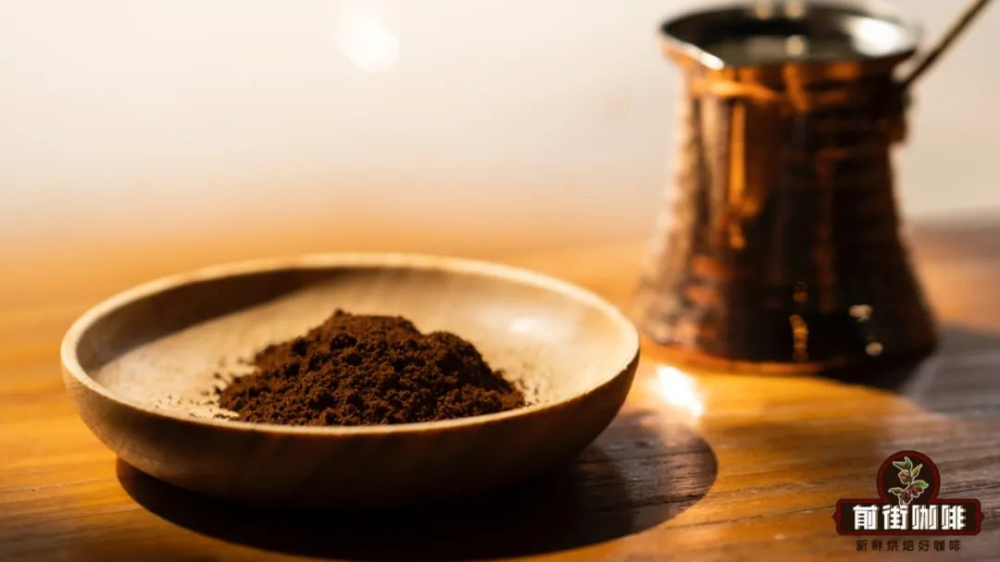
Similarly, Turkish coffee does not need to have the grounds filtered out, because the coffee powder used by Turks has been hand-ground repeatedly many times, making the particles even finer than the flour-like consistency of espresso! Moreover, a large amount of the powder settles at the bottom of the cup before drinking, so drinking it directly does not mean ingesting too much coffee powder. Even if you do get a little, it is hard to notice, so there is simply no need to filter the grounds. And after the coffee is finished, these grounds still have an important use!
Front Street's brewing parameters: 5 grams of coffee powder, 60 milliliters of water (because the pot is relatively small) , with a grind size that is an unmeasurable powder form after espresso grinding and then several rounds of hand grinding. (It is worth mentioning that traditional Turkish coffee adds neither sugar nor spices for flavoring.)
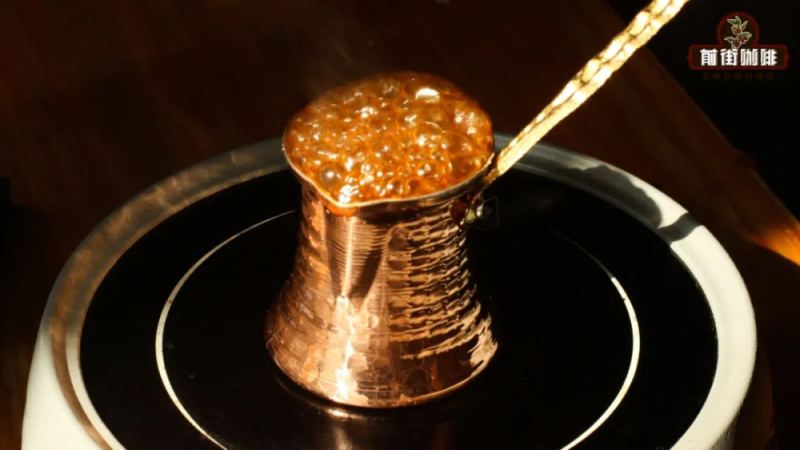
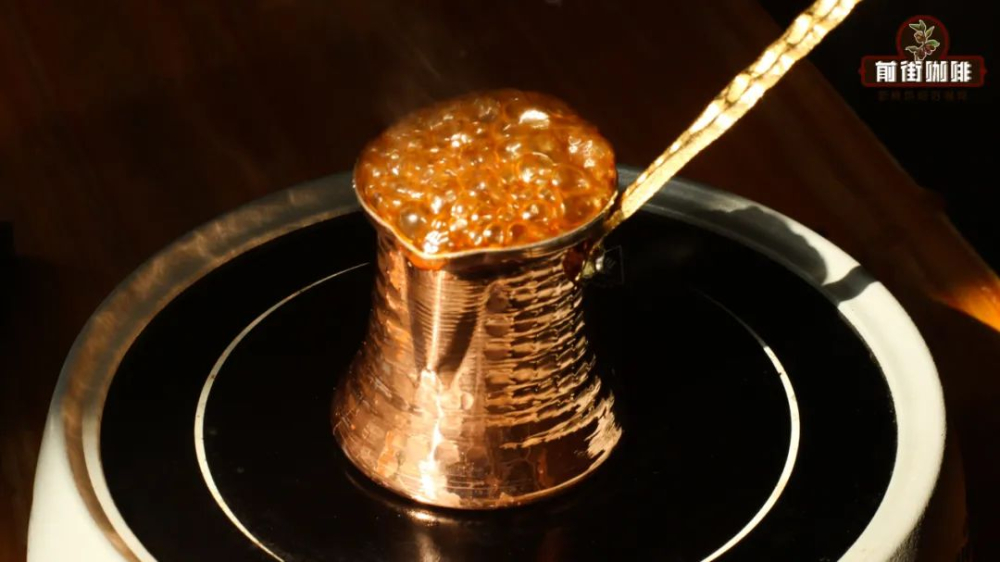
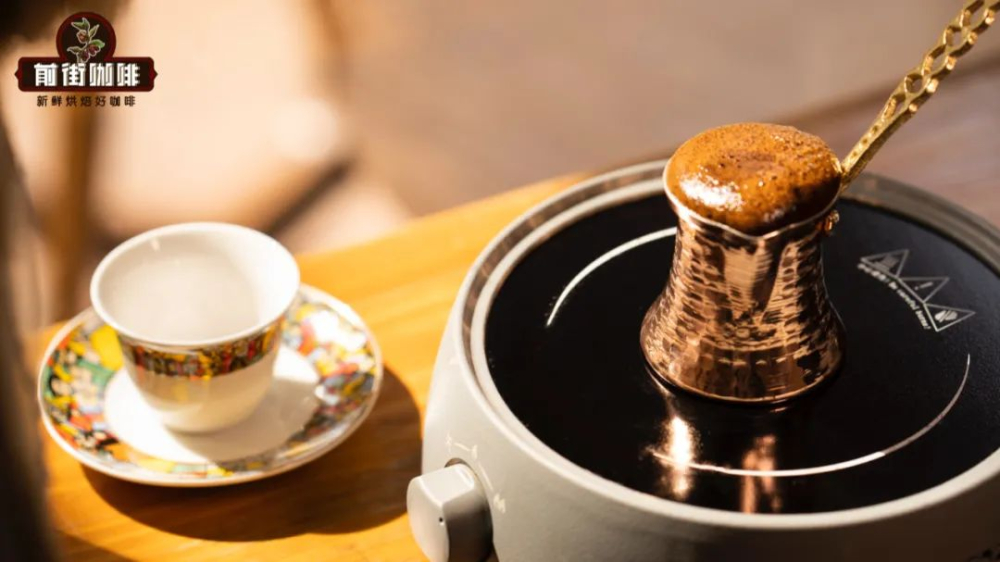
Pour all the simple ingredients into the pot and wait for it to boil. When the coffee liquid reaches its boiling point, it begins to bubble and surge. At the moment it is about to overflow, remove it from the heat source.
After the temperature drops, put it back on the fire to brew again. When it is about to overflow, remove it again. After repeating this once, it can all be poured into a cup and enjoyed! This operation is the most traditional "three boils" method. Of course, there is also the version like in popular online videos, where only one-third is poured out each time.
Turkish Coffee Fortune-Telling
Besides the constantly surging coffee liquid, the most mysterious thing is undoubtedly Turkish coffee fortune-telling! After finishing the coffee, place the saucer over the rim of the cup, then turn the cup and saucer upside down together, and let it sit for a while.
After waiting a moment, the coffee grounds in the cup have basically solidified. At this point, turn the cup back upright, and the coffee reader will interpret the fortune based on the distribution patterns of the coffee grounds: shapes of letters, animals, the moon, and the sun are frequent guests in this kind of fortune-telling~ By the way, Front Street does not know what each of them means, so of course we would not randomly explain them~~
Although traditional Turkish coffee does not add any condiments for flavoring, interestingly, in Turkish marriage customs, spiced Turkish coffee is used to test a person's character.
For example, a man preparing to propose at the woman's home needs to drink a cup of Turkish coffee with various added spices. If he does not show an embarrassed expression or put on a "mask of pain," then it shows that this gentleman is a patient, hardship-enduring, and cheerful person! Just like Front Street~~~
Front Street Coffee
No. 10, Bao'an Front Street, Yandun Road, Dongshankou, Yuexiu District, Guangzhou, Guangdong Province
The above content is compiled by CoffeeHunters, a coffee news website.


