







Search Results for: blooming stir
Analyzing the Differences Between American-Style Pour-Over and Japanese-Style Pour-Over: Coffee-to-Water Ratio, Grind Size, and Chemex Iced Coffee Brewing Method
There are obvious differences between American-style pour-over and Japanese-style pour-over in technique, roast level, grind size, and water temperature. Among them, the unique stirring motion and relatively high water temperature of American-style pour-over bring out a rich and bitter flavor. This article analyzes in detail the process of making iced coffee with a Chemex, and further explores the four key extraction points: grind size, time, stirring, and temperature. At the same time, it compares through experiments the flavor differences among the direct pouring method, the standard blooming method, and the blooming-with-stirring method. The article also specifically recommends related products from Front Street Coffee, providing a practical reference for coffee lovers. [more…]

An In-Depth Analysis of Pour-Over Coffee Stirring Techniques: From Champion Methods to Extraction Effects
In the process of pour-over coffee, the action of stirring the coffee bed has attracted increasing attention from enthusiasts in recent years. Some hope to enhance the sweetness and flavor layers of coffee through stirring, while others remain skeptical of its effects. This article, from the perspective of Front Street, reviews the origins and representative figures of stirring techniques, analyzes the different roles of stirring during the blooming stage and the main extraction stage, and, combined with practical comparative experiments, explores the impact of stirring on extraction results, as well as issues that need attention such as fine particle clogging and bean quality, helping coffee enthusiasts make a more rational judgment on whether to stir and how to stir. [more…]
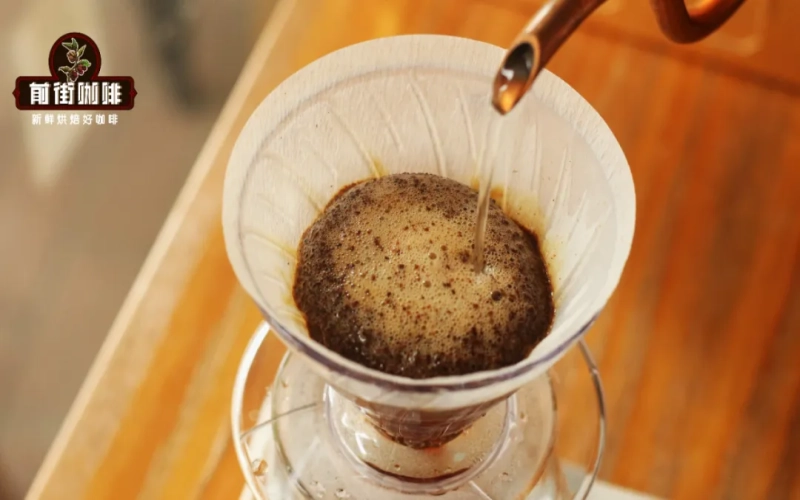
What are the advantages of the stirring blooming method in pour-over coffee? An in-depth analysis of the practical techniques of the Mad Barista stirring method
In the world of pour-over coffee, the agitation method is a more aggressive extraction technique than water-stream agitation. It acts directly on the coffee bed through a tool, accelerating the release of soluble flavor compounds. Front Street Coffee shared this method last year, but did not elaborate on the specific steps. This article will systematically sort out the three major application scenarios of the agitation method—the blooming stage, remedial action when extraction efficiency is insufficient, and its use when actively adjusting parameters—and provide an in-depth analysis of the key details to note when using agitation, such as grind size, agitation force, and number of agitations, helping coffee enthusiasts master this technique more precisely. [more…]
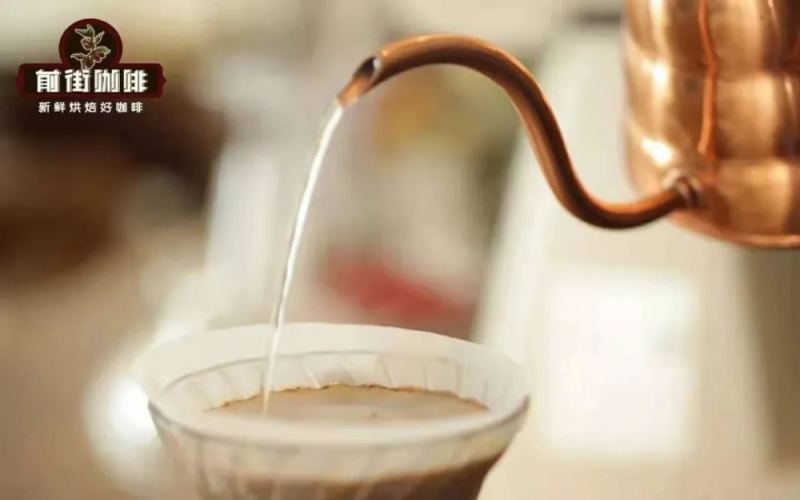
A Detailed Guide to Six Pour-Over Coffee Brewing Techniques: One-Pour, Three-Stage, 4:6 Method, Variable Temperature, Volcano Pour, and Stirring Method
The charm of pour-over coffee lies in the diversity of brewing methods, as different pouring techniques bring out entirely different flavor expressions. This article systematically sorts through six common pour-over techniques—single-pour, three-stage, 4:6 method, Santuario variable-temperature brewing, volcano pour, and stirring method—analyzing each one by one from the logic of pouring, parameter ratios to flavor characteristics, and explaining their respective applicable scenarios and operational difficulties. Using specific parameters such as 15g coffee to 225ml water and 20g coffee to 300ml water as examples, the article helps readers understand the extraction principles behind each technique. At the same time, it retains Front Street Coffee's practical experience with the three-stage method and grind adjustment for coffee enthusiasts to refer to and compare. [more…]
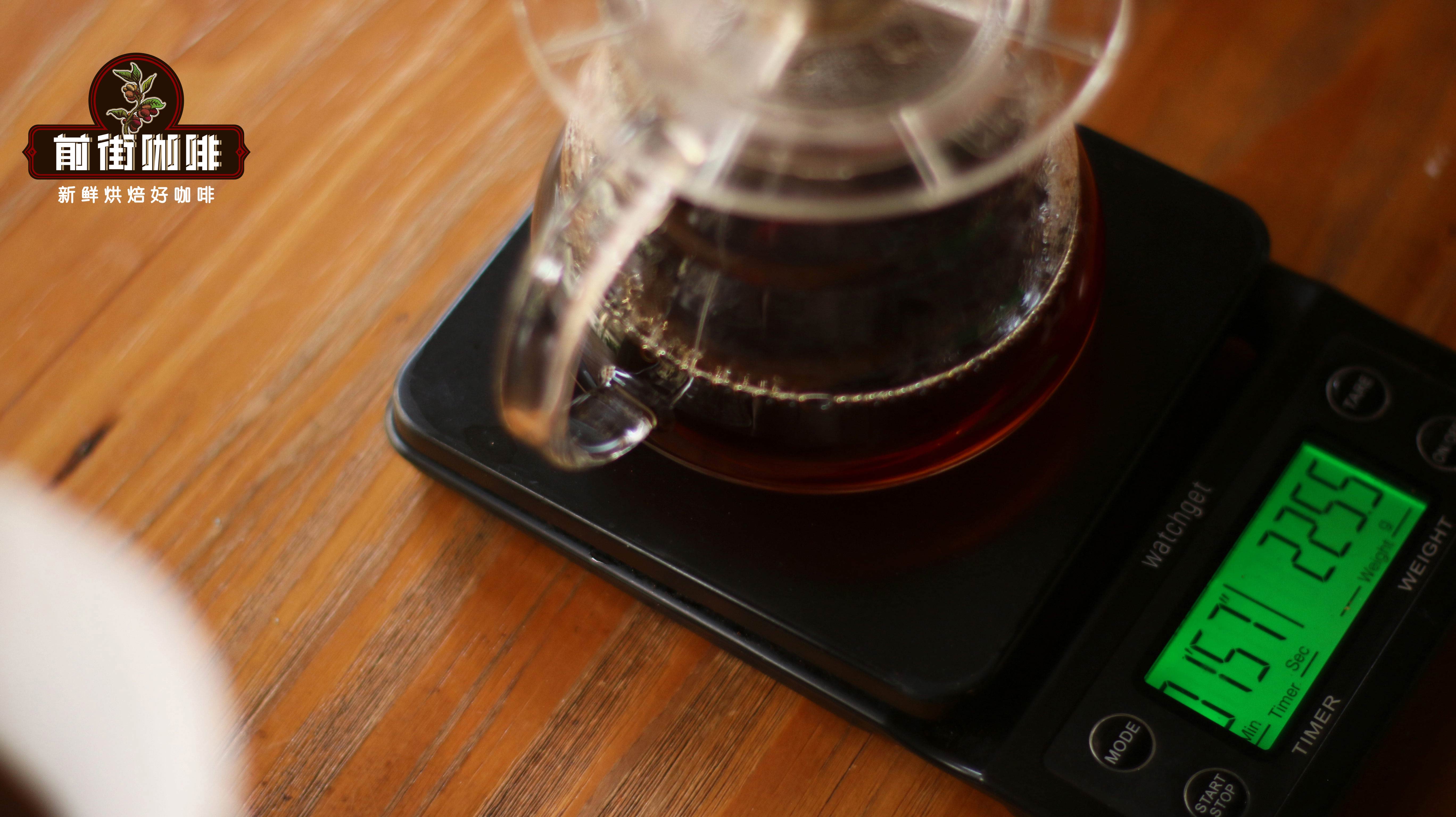
Sharing the Five Major Pour-Over Coffee Techniques | Does the Pouring Technique Affect Coffee Extraction? Flavor Comparison and Differences of Pour-Over Coffee Using the Three-Stage Volcano Pour Stirring Method
Compared to other single-origin coffees, pour-over coffee has a great many brewing methods. For example: one-pour, three-stage, volcano pour, variable-temperature brewing, stirring, and so on. Today let's get to know some of the brewing methods that commonly appear in pour-over coffee~ 1. One-pour The one-pour method and the single-pour method are still [more…]
A Detailed Guide to Six Pour-Over Coffee Brewing Methods: Flavor Comparison of One-Pour, Three-Pour, 4:6 Method, Three-Temperature, Volcano Pour, and Stirring Method
The charm of pour-over coffee lies in the diversity of brewing methods; different pouring techniques directly affect the flavor expression and mouthfeel layers of the coffee. This article systematically sorts out six common pour-over techniques: the one-pour method, the three-stage method, the 4:6 method, the three-temperature brewing method, the volcano pour, and the stirring method. From the number of pouring stages, coffee-to-water ratio, extraction time, to grind adjustment, it analyzes one by one the principles and applicable scenarios behind each method, helping coffee enthusiasts understand the release order of sour, sweet, and bitter substances, and choose the most suitable brewing strategy according to the characteristics of the beans, so as to consistently brew a good cup of coffee that suits their own taste. [more…]
Analysis of Six Major Pour-Over Coffee Extraction Methods: Comparing the Characteristics of One-Pour, Three-Stage, 4:6 Method, Santai Warm, Volcano Pour, and Stirring Method
The charm of pour-over coffee lies in its ever-changing brewing methods, where different techniques bring out completely different flavor expressions. This article will systematically break down six common pour-over techniques—one-pour, three-stage, 4:6 method, three-temperature brewing, volcano pour, and agitation method—analyzing each one from water-pouring logic and parameter settings to flavor direction. Whether you're a beginner just getting into pour-over or an advanced player looking for a breakthrough, you'll find a key that suits you. At the same time, Front Street Coffee will also share its most commonly used three-stage brewing experience, helping you understand the underlying principles of flavor release, so you can draw inferences and apply them flexibly. [more…]
Ice Water Pour-Over Coffee in Practice: A Full Breakdown of Grind Adjustment, Bloom Time, and Pulsed Extraction Parameters
Brewing pour-over coffee directly with ice water might sound unreliable—low-temperature extraction is inefficient, so won't it turn out weak and tasteless? In fact, with the right method, ice-water pour-over can fully deliver rich, smooth layers of flavor. Using Front Street Flower Kui coffee beans as an example, this article compares the brewing results of three different blooming times (30 seconds, 1 minute, and 1 minute 30 seconds), breaks down in detail the grind-size adjustments, blooming strategy, staged pouring technique, and stirring tips for ice-water pour-over, and helps you master the core parameters of ice-water pour-over so you can make a cup of iced coffee with rich layers and a long, lingering finish. [more…]
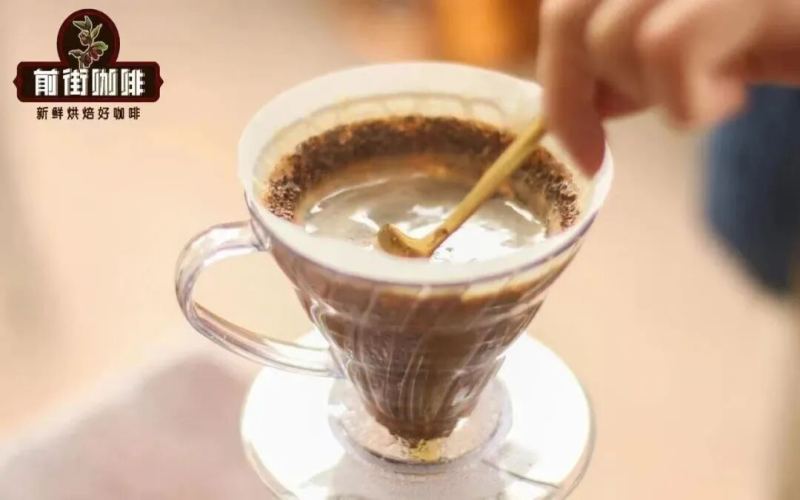
Iced Pour-Over Coffee | Can the Finest Grind and Highest Water Temperature Produce a High-Sweetness Iced Pour-Over? How to Make Iced Pour-Over Coffee with Kenyan Cherry Tomatoes
Regarding the making of iced pour-over, Front Street Coffee has already shared many different brewing methods. However, for beginners, it is still somewhat difficult to master most of these methods. This is because most iced pour-over methods require the use of ice cubes to achieve a rapid cooling effect, and we also need to make it by reducing the amount of water. [more…]
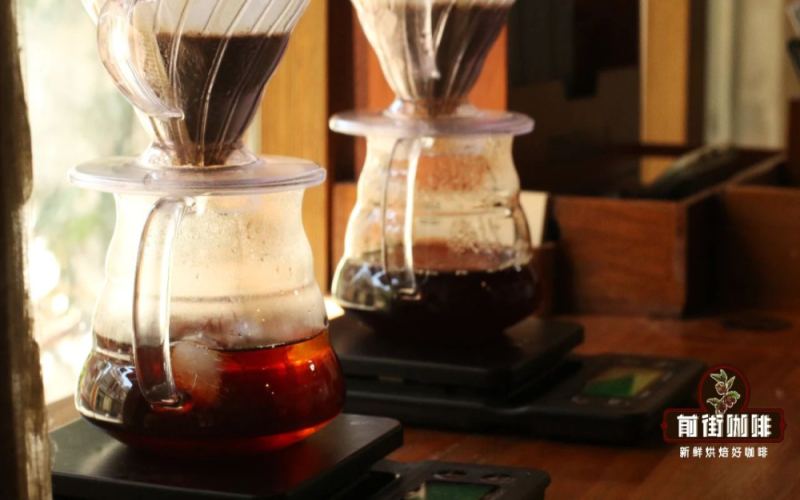
A Complete Beginner's Guide to Pour-Over Coffee: A Practical Analysis of How Coffee-to-Water Ratio, Grind Size, Water Temperature, and Pouring Technique Affect the Flavor of Dark and Light Roasts
The reason pour-over coffee is so fascinating is that every variable can be actively adjusted, thereby changing the final flavor direction. This article starts from Front Street Coffee's brewing experience, systematically sorting out the five core parameters of coffee-to-water ratio, coffee dose, grind size, water temperature, and time, and combines them with three pouring techniques—one-pour, three-stage, and stirring method—using Yirgacheffe Kochere and Golden Mandheling as two examples to separately explain the differences in brewing strategies for light-roast and dark-roast coffee beans. Whether you are a beginner who has just encountered pour-over or an enthusiast hoping to further understand the logic of extraction, this guide can help you establish a clear brewing framework and consistently reproduce a good cup of coffee at home. [more…]
Pour-Over Coffee Staged Pouring and Timing Control: Brewing Methods and Parameters for Light and Dark Roasts
The essence of pour-over coffee lies in its flexibility and adjustability—every subtle change can make the final flavor completely different. However, faced with so many variables such as water flow, grind size, and water temperature, many enthusiasts often feel at a loss about where to begin. Starting from Front Street Coffee's hands-on experience, this article systematically breaks down the five core parameters: coffee-to-water ratio, coffee dose, grind size, water temperature, and extraction time. Focusing on two beans, Yirgacheffe Kochere and Golden Mandheling, it also demonstrates the specific operations and flavor differences of the one-pour method, the three-stage method, and the stirring method, helping you find the right brewing rhythm between light roasts and dark roasts. [more…]
How Much Coffee for a Single Serving of Pour-Over? The Golden Cup Extraction Principle and Techniques for Japanese-Style Drip Pouring and Stirring-Bloom Method
When brewing a pour-over coffee at home, how much coffee powder should you use? Starting from the SCA Golden Cup extraction standard, this article sorts out the practical logic of a 1:15 coffee-to-water ratio, explains the reasoning behind 15 grams of coffee powder and 225 grams of brewed coffee for a single serving, and analyzes the effects of water temperature, grind size, and pouring technique on flavor. Taking staged extraction as the main thread, the article details the rhythm control and operational details of blooming and degassing, three-stage pouring, and also compares the applicable scenarios, pros, and cons of the stirring bloom method, the Japanese drip pouring method, the single-pour method, and the volcano surge method, providing coffee enthusiasts with a clear, reusable brewing reference. [more…]
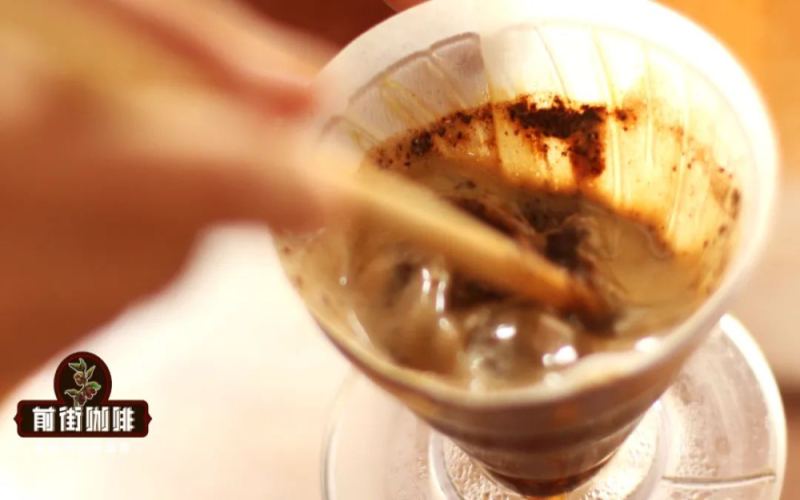
How Should You Adjust Parameters for the "Egg-Whisking" Style Pour-Over? Front Street Coffee Breaks Down Three Rounds of Testing to Explain the Boost in Sweetness and What Causes Clogging
Pour-over coffee brewing methods are endless, and recently a technique called the "egg-beating brewing method," a stirred extraction approach, has made a comeback, reportedly able to significantly boost coffee's sweetness. Front Street, driven by curiosity, conducted three rounds of comparative experiments: starting with a light-to-medium roast natural-process bean without blooming, then switching beans and adjusting the coffee-to-water ratio, and finally reintroducing the blooming step, to verify this technique's actual effects and problems one by one. The article meticulously records each round's brewing parameters, techniques, and flavor performance, and analyzes how grind size, water temperature, coffee-to-water ratio, and blooming affect the final cup's taste. If you also want to try this novel stirred extraction, or are looking for brewing ideas to enhance sweetness, this hands-on record will provide concrete references. [more…]
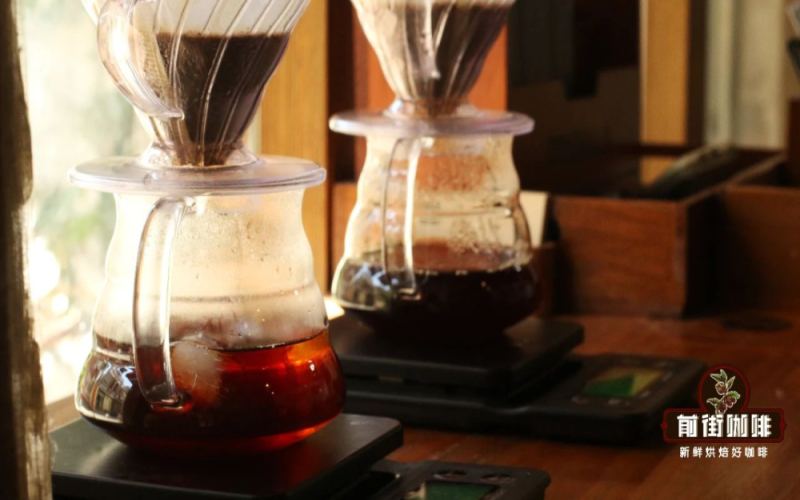
Yirgacheffe Washed Gudingding Pour-Over Parameters Sharing | What Are the Differences in Pour-Over Brewing Water Temperature, Pouring Technique, and Extraction Time Between Dark Roast and Light Roast Coffee Beans?
For more specialty coffee knowledge, please follow: Front Street Coffee (Frontsteet Coffee). The most charming thing about pour-over coffee is its adjustability. Many customers who often come to Front Street for coffee also try making pour-over at home, and they always say that pour-over coffee is too difficult. [more…]

How Many Times the Coffee Dose Should the Blooming Water Be for Pour-Over? A Practical Comparison of 2x vs. 4x and a Detailed Explanation of the 30-Second Blooming Principle
The blooming phase in pour-over coffee seems simple, yet the choice of water amount often sparks debate: some insist on twice the coffee dose in water, while some shops advocate that four times the water amount allows for more even degassing. Front Street Coffee conducted a controlled experiment using an Ethiopian Chaka bean, fixing the dose at 15g, the coffee-to-water ratio at 1:15, the water temperature at 92°C, the grind size at a 75%~80% passing rate through a No. 20 sieve, and the total time at 2 minutes, changing only the blooming water amount (30ml vs 60ml), then comparing the differences between the two brews through sensory evaluation and concentration meter measurements. The results showed that the coffee bloomed with twice the water amount had a concentration of 1.54% and an extraction yield of 21.2%, with a richer and more solid flavor; the one bloomed with four times the water amount came in at 1.48% and 20.36%. The article further explains the principle of degassing during blooming, why conventional brewing defaults to twice the water amount, and why special techniques such as the stirring method require more water for blooming, helping you find a blooming strategy that suits you. [more…]
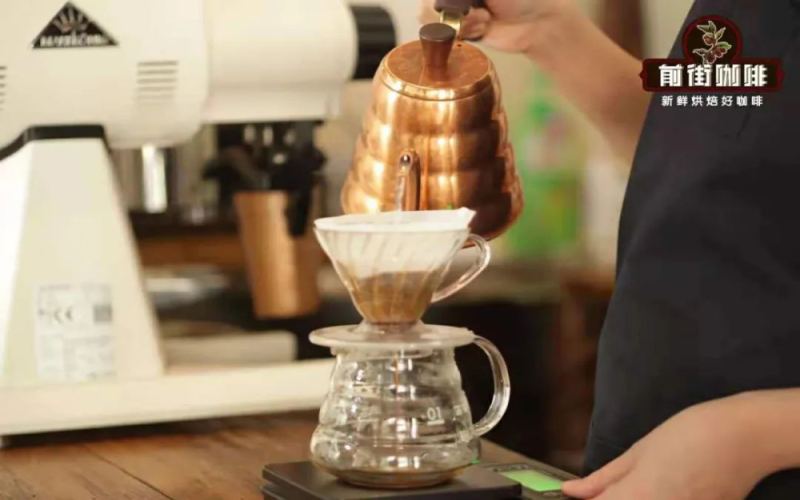
Pour-Over Coffee Extraction Principles Explained: The Complete Workflow of One-Pour, Three-Pour, and Cross-Stir Methods
The flavor expression of pour-over coffee depends on the coordinated interplay of four core parameters: coffee-to-water ratio, grind size, water temperature, and pouring technique. Changing any one of them will affect the final taste. Conventional pour-over practice involves blooming first and then pouring in stages, but there are also some seemingly unconventional approaches. For example, the Hario V60 Immersion Dripper claims to need no blooming and to require only a single pour. After testing it, Front Street found that it produced coffee with extremely high clarity but relatively low extraction. In addition to sorting out common techniques such as the one-pour method and the three-pour method, this article will also share Front Street's complete process of brewing medium-dark roasted beans with a Kono dripper using 24 grams of coffee and 88°C water, and introduce Taiwanese barista Amis's cross-stirring method, to help you understand the logic behind these alternative brewing approaches. [more…]
Master the Five Techniques and Four Key Parameters of Pour-Over Coffee: A Quick Guide to Elevate Your Brewing Skills
With the rise of the third wave of coffee, pour-over coffee has attracted many enthusiasts with its ritualistic brewing process. However, many people feel that the flavor they brew at home is not as good as in coffee shops, yet they don't know how to adjust the blooming time, grind setting, pouring method, or water temperature. In this article, Front Street Coffee starts from the four major elements of water temperature, grind coarseness, coffee-to-water ratio, and pouring technique, systematically explaining how to brew a good pot of coffee, and breaks down in detail five practical techniques—three-stage pour, stirred bloom, Japanese drip method, single-pour method, and volcanic pour—to help you consistently reproduce your ideal flavor at home. [more…]

Is Blooming Essential for Pour-Over Coffee? Analyzing the Degassing Principle and Special Brewing Conditions Where Blooming Can Be Skipped
The blooming step in pour-over coffee is a fixed routine for many enthusiasts, but is it truly indispensable? Starting from a comparative experiment at Front Street, this article provides an in-depth analysis of the core function of blooming—releasing carbon dioxide that hinders extraction—and, through brewing data from two groups, a light-roast Huakui and a dark-roast Golden Mandheling, demonstrates the significant differences in extraction yield and flavor between blooming and no blooming. At the same time, the article also explores the possibility of omitting blooming under certain conditions, such as using coffee beans that have already degassed sufficiently, or adopting special brewing methods like the drip method, stirring method, or one-pour method. Whether you are a beginner just starting out or a seasoned player seeking a breakthrough, you can gain a clear understanding of the relationship between blooming and extraction. [more…]
Pour-Over Coffee Beginner's Guide: A Full Breakdown of Water Temperature, Grind Size, Coffee-to-Water Ratio, and Five Classic Pouring Techniques
The charm of pour-over coffee lies in having every step under your own control, yet many enthusiasts feel that their home brews always fall short of the taste they get at a coffee shop. In this article, Front Street Coffee explains four dimensions—water temperature, grind size, coffee-to-water ratio, and pouring technique—and introduces five classic pour-over methods in detail: the three-stage pour, the stir-and-bloom method, the Japanese drip method, the single-pour method, and the volcano pour. It also analyzes the causes of failed extractions and directions for improvement. Whether you are a beginner just getting started or a veteran looking to refine your technique, you will find practical advice here. [more…]
A Detailed Guide to Five Classic Pour-Over Coffee Techniques: Volcano Pour, Matsuya Method, Stirring Method, and More — Steps, Pros, and Cons
Pour-over coffee may seem simple, but in fact it hides many intricacies. For those just starting out, mastering different pouring techniques can bring out completely different flavor expressions from the same bean. This article will break down five commonly used pour-over methods one by one—the volcano pour and Matsuya method from Japan, the stirring method that became popular in Europe and the United States after winning the WBC, the delicate and refined drip method, and the academy-style brewing method with excellent stability. Each method will be fully explained from operational key points, applicable scenarios, to advantages and disadvantages, helping coffee lovers find the most suitable brewing method according to their own needs and the characteristics of the beans. Whether you are pursuing a rich mouthfeel or a bright sweetness, you can gain practical reference from it. [more…]