








How Much Bloom Water Does Front Street Coffee Recommend?
Twice the coffee dose is the standard bloom water amount for pour-over, and Front Street Coffee's controlled comparison showed no advantage to quadrupling it. With 15g of Ethiopian Chaka at 92°C and a 1:15 ratio, the 30ml bloom (twice the dose) reached 1.54% concentration and 21.2% extraction yield, with a richer, more solid flavor. The 60ml bloom (four times the dose) measured 1.48% and 20.36%.
The 30-second bloom lets the coffee release trapped carbon dioxide; gas still escaping interferes with even extraction, so the goal is to wet every ground. Twice the dose achieves that, which is why conventional brewing defaults to it, though special techniques such as the stirring method call for more bloom water. Both test brews followed the same three-pour method within the two-minute total.
The blooming stage in pour-over coffee seems simple, yet the choice of water amount often sparks debate: some insist on twice the coffee dose in water, while others advocate four times the amount for more even degassing. Front Street Coffee conducted a controlled experiment using an Ethiopian Chaka bean, fixing the dose at 15g, brew ratio at 1:15, water temperature at 92°C, grind size at 75%~80% passing a No. 20 sieve, and total brew time at 2 minutes, changing only the bloom water amount (30ml vs. 60ml), then comparing the two brews through sensory evaluation and concentration meter measurements. The results showed that the coffee bloomed with twice the water had a concentration of 1.54% and an extraction yield of 21.2%, with a richer and more solid flavor; the one bloomed with four times the water had 1.48% and 20.36%. The article further explains the principle of degassing during blooming, why conventional brewing defaults to twice the water amount, and why special techniques like the stirring method require more water for blooming, helping you find a blooming strategy that suits you.
"It's usually recommended to use twice the weight of the coffee grounds in water for blooming." "But I've seen some shops recommend blooming with four times the water, claiming it degasses more evenly and makes the coffee taste better!"
The above is a conversation Front Street had this morning with a customer who came in to buy beans. So does this claim actually hold up? Front Street decided to do a simple test to see whether increasing the water amount during blooming really makes coffee taste better.

Brewing Sharing This time Front Street chose the Ethiopian Chaka from our bean list to brew two pots of coffee, keeping all parameters consistent, with the only variable being the bloom water amount: one pot was bloomed with 30ml of hot water, the other with 60ml. The extraction parameters are as follows: Dose: 15g Brew ratio: 1:15 Water temperature: 92°C Grind size: 75%~80% passing a No. 20 sieve Total time: 2 minutes The brewing technique follows the usual three-pour method. Since one pot used more water during the bloom stage, the subsequent pour amounts needed to be adjusted accordingly. The three pour amounts were: 60ml, 100ml, 65ml. The bloom time remained 30 seconds. Because 2 portions of water were shifted from the main extraction stage to the blooming stage, to keep the total time within 2 minutes, the second and third pours required a slower flow rate.
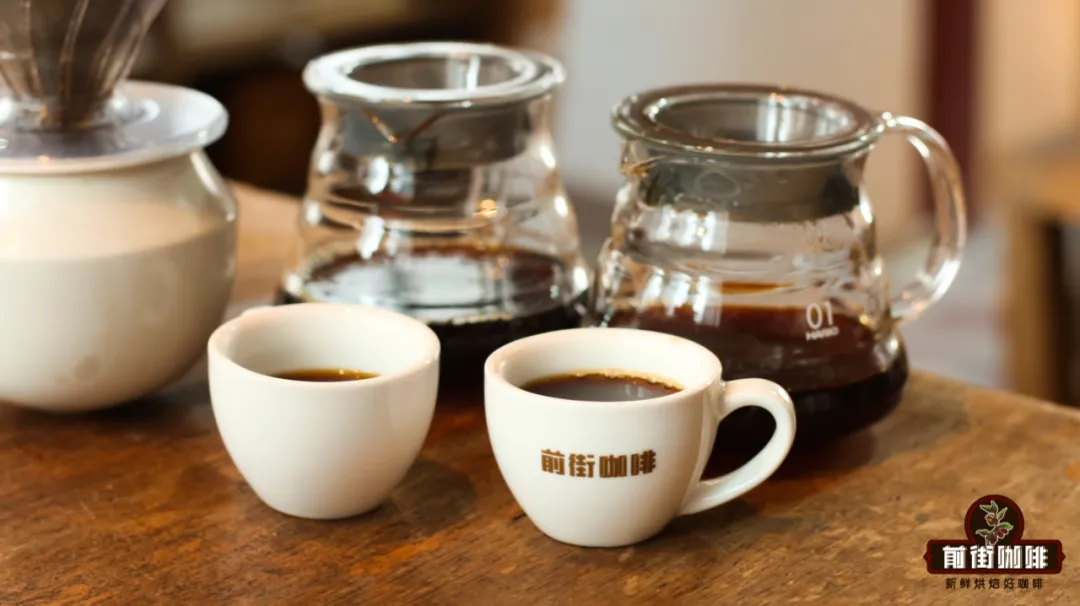
After brewing, Front Street tasted each one and found that the pot bloomed with twice the coffee dose in water was superior to the one bloomed with four times the water, both in flavor and mouthfeel. The former had a more concentrated taste and a fuller body, with clearly perceptible notes of berry, citrus, white floral, and oolong tea; the pot bloomed with four times the water tasted somewhat flat.
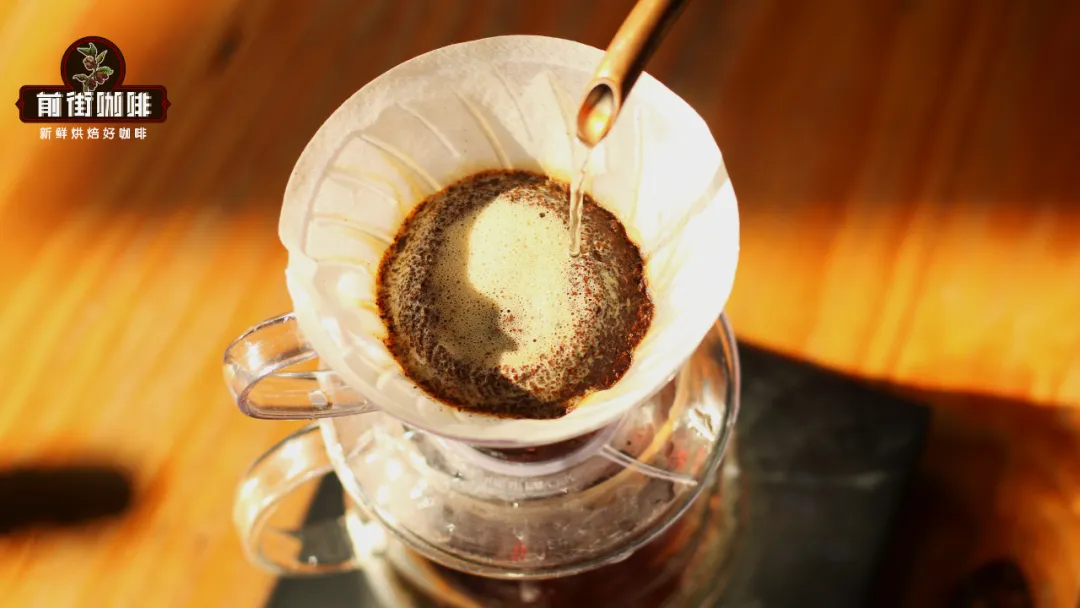
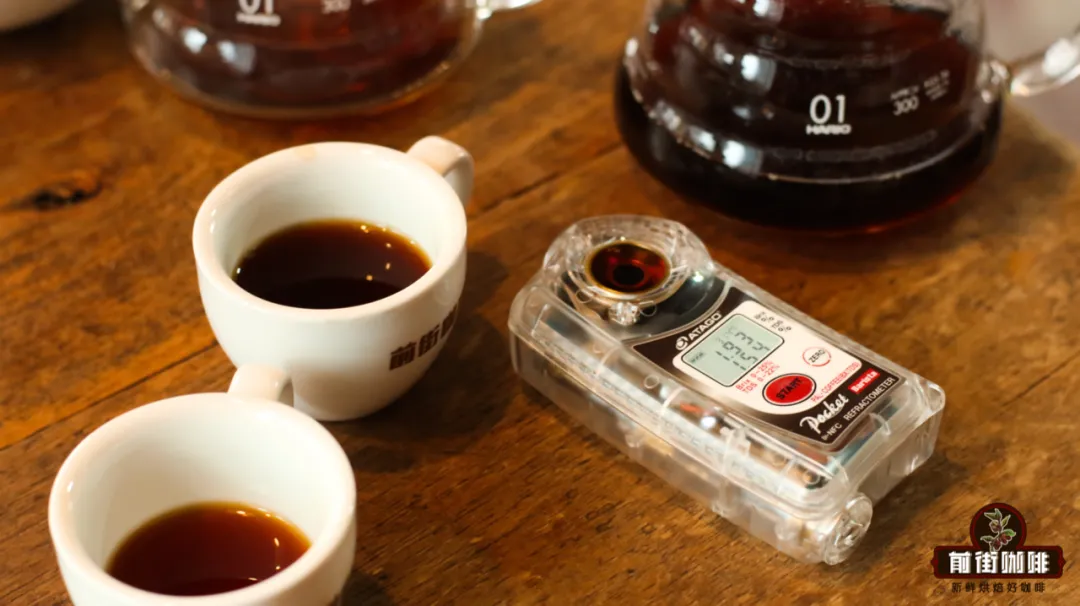
To confirm that this difference was not a subjective illusion, Front Street then used a concentration meter to measure the concentration and extraction yield of both pots. The results showed: the coffee bloomed with twice the water had a concentration of 1.54% and an extraction yield of 21.2%; the coffee bloomed with four times the water had a concentration of 1.48% and an extraction yield of 20.36%, overall lower.
The root cause of this difference lies in the amount of bloom water. Why does conventional blooming always use twice the coffee dose in water? Alright, let Front Street start with a pop quiz: why does pour-over coffee need blooming?
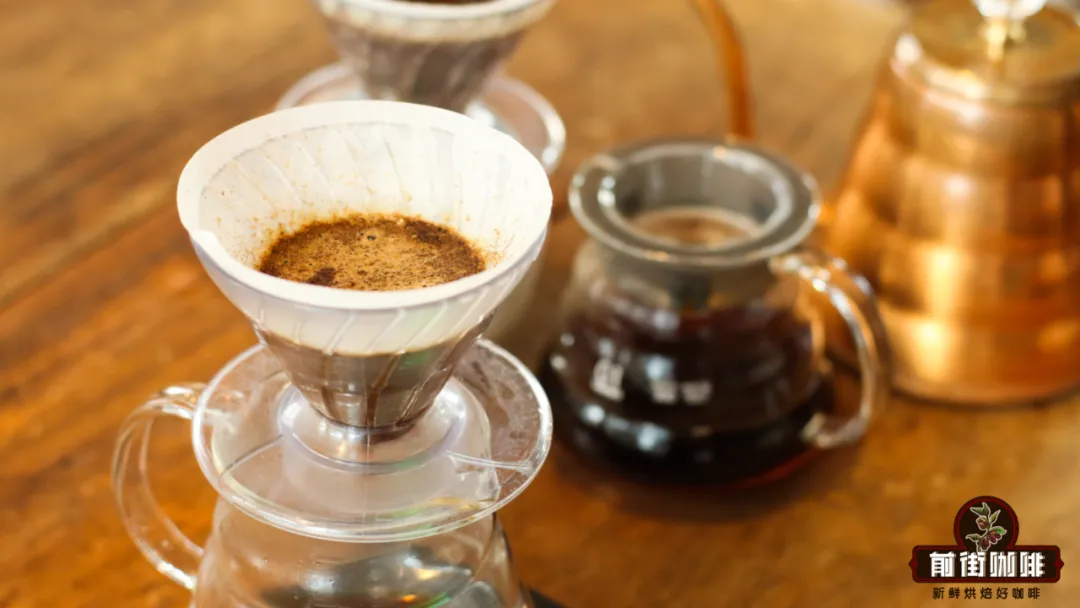
Exactly! The core purpose of blooming is to release the carbon dioxide inside the coffee beans, as this gas hinders hot water from extracting flavor compounds. If a large amount of carbon dioxide remains in the coffee grounds during brewing, the substances that hot water can dissolve will be reduced, and the final coffee will taste lacking in body. Therefore, we need to pre-wet the coffee grounds with some hot water before the main extraction, allowing the carbon dioxide that obstructs extraction to be released in advance, so that the hot water poured afterward can more effectively dissolve flavor compounds.
In other words, the extraction efficiency of the hot water poured in is affected by the carbon dioxide content in the coffee grounds. The more carbon dioxide in the grounds, the relatively fewer flavor compounds the hot water can dissolve; the less carbon dioxide, the relatively more flavor compounds the hot water can dissolve. For this reason, in conventional brewing
the hot water used for blooming should not be excessive; it should be concentrated after the bloom, when the carbon dioxide has mostly been released, because under equal conditions, this allows more flavor compounds to be extracted, maximizing extraction efficiency. As for why it is specifically twice the coffee dose in water, it's because dry coffee grounds can absorb about twice their own weight in water, and this amount is just enough to wet all the coffee grounds. That's why everyone defaults to using twice the coffee dose in water for blooming in conventional pour-over. Of course, not all of this hot water is absorbed by the coffee grounds during blooming.
However, it should be noted that Front Street is not saying you can't bloom with more water—it's just that under conventional brewing, twice the coffee dose in water is more reliable. If you can't guarantee that twice the water will wet all the coffee grounds, then it's best to use more water for blooming, since fully degassing the coffee grounds is very important. Just be mindful of water distribution and pouring technique afterward to avoid under-extraction caused by too much bloom water.
Additionally, in some special brewing techniques, Front Street uses far more than twice the coffee dose in water for blooming, such as the stirring method. Because the stirring method requires stirring during the bloom stage to accelerate carbon dioxide release, which needs more hot water to achieve the desired effect, Front Street uses four times the coffee dose in hot water for blooming when using the stirring method.
In summary, there is no fixed standard for bloom water amount; it depends on your purpose and brewing method. Whether it's twice the coffee dose or four times, as long as you can control it, there's no problem.
- END -
The above content is compiled by CoffeeHunters, a coffee news website.


