







Search Results for: bloom assessment
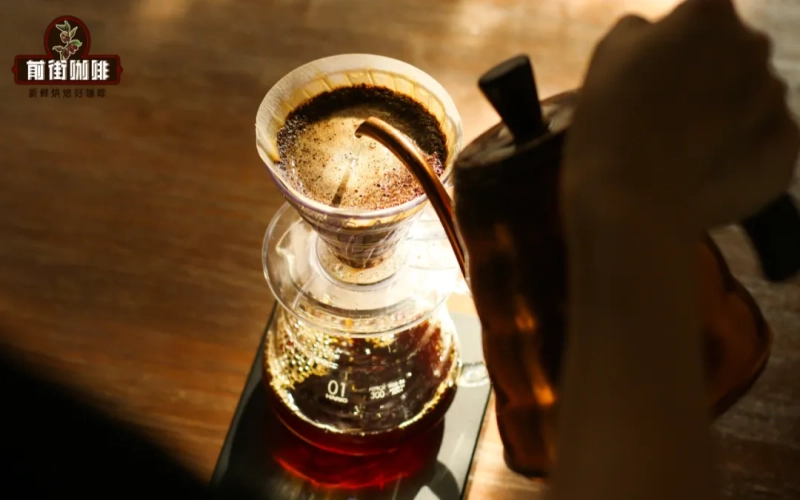
Pour-over coffee bed shape and brewing assessment: What do the bloom dome, bed height, foam color, and drawdown speed reveal?
When brewing pour-over coffee, the filter cup actually holds quite a few clues. The size of the dome that the coffee bed puffs up into during the blooming stage, and how well it retains water, can reflect the freshness of the coffee beans and the depth of the roast; whether the coffee bed can be lifted indicates the density of the coffee grounds; the color change of the foam on the surface can help us track the pouring path; and the speed of the drawdown is related to the coarseness of the grind, the density of the coffee bed, and fine particle clogging. As for the deep coffee bed pit that many beginners obsess over, it does not directly equate to a better-tasting cup; it is more just a reflection of the pouring method. In this article, Front Street will break down these readable pieces of information one by one during the brewing process, to help you have a few more bases for judgment when adjusting parameters. [more…]
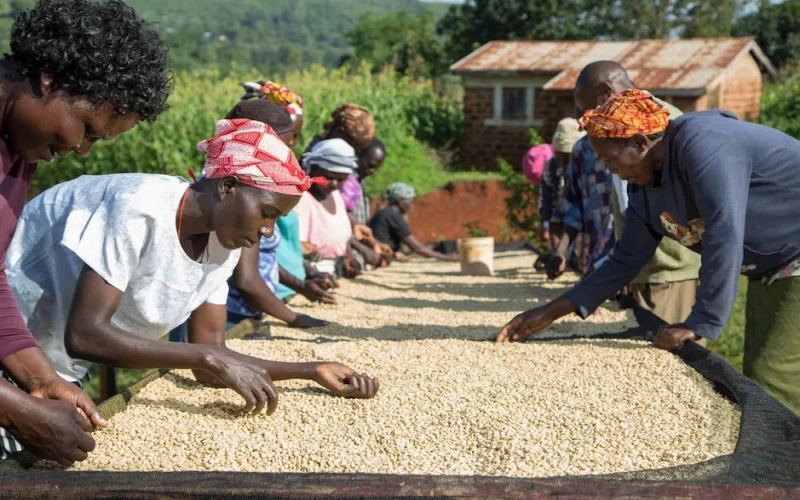
A Complete Guide to Kenyan Specialty Coffee Bean Grades: AA, AB, and PB Grading Standards and Flavor Evaluation System
Kenyan coffee is renowned for its bright fruit acidity and solid sweetness. Behind this highly recognizable flavor profile lies a strict grading system that has been in use for nearly a century. Since the 1930s, Kenya has established grade classifications based on coffee bean size, shape, and hardness, while also incorporating flavor grade assessments to provide a double safeguard for green bean quality. What exactly do common grades like AA, AB, and PB represent? What do AA+ and TOP AA mean respectively? This article systematically sorts out the grading logic of Kenyan coffee, the screen sizes corresponding to each grade, and uses Front Street Coffee's own roasted Kenyan Asaliya coffee beans as an example to share their origin background, processing method, and brewing suggestions, helping coffee enthusiasts more clearly understand the quality framework of Kenyan coffee. [more…]
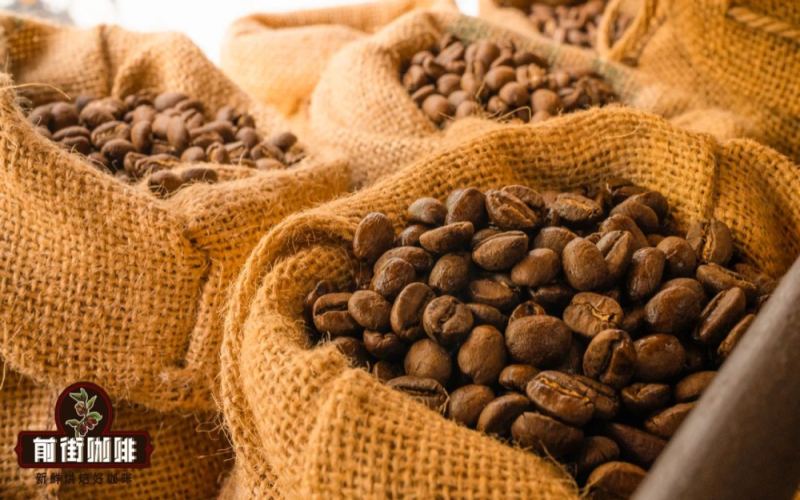
Does Coffee Bean Oiliness Mean It's Spoiled? A Complete Guide to Coffee Bean Storage Methods and Freshness Assessment
The surface of coffee beans taking on an oily sheen is a phenomenon that often confuses beginners—some worry the beans have absorbed moisture and spoiled, while others suspect they have been stored too long. In fact, oiliness is closely tied to the roast level of the coffee beans and cannot be directly equated with staleness. So what kind of oiliness is normal, and what signs indicate that coffee beans have actually absorbed moisture? From Front Street's perspective, this article breaks down the causes of coffee bean oiliness, how to judge moisture absorption, and how to properly store coffee beans through sealing, light protection, low temperatures, and other methods to keep the flavor lasting as long as possible. [more…]
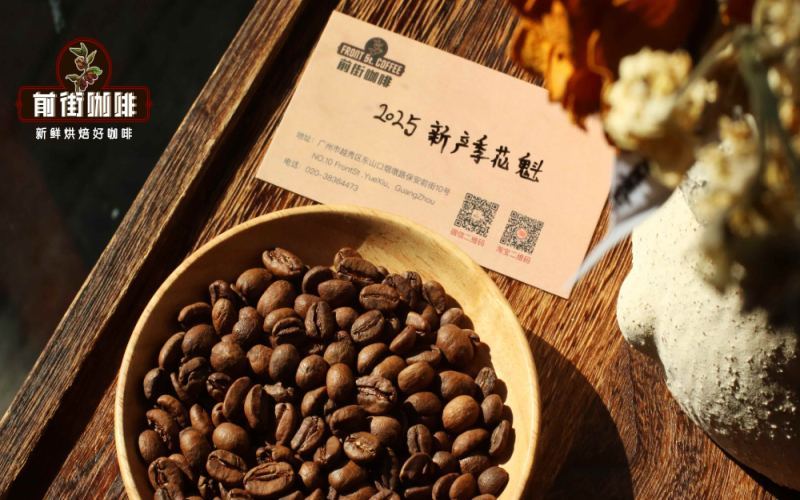
How Is the Ethiopian Sidama G1 Grade Assessed? A Full Analysis of the Relationship Between Huakui Coffee and the Guji Region
Sidamo is one of Ethiopia's most renowned specialty coffee regions, sharing equal fame with Yirgacheffe yet often overshadowed by the latter's halo. Starting from Sidamo's geographical environment and flavor characteristics, this article traces the independent journey of the Guji region, tells the complete story of Huakui coffee from TOH champion to domestic stardom in detail, and provides an in-depth analysis of Ethiopia's green coffee grading system—from the defect bean counting of the CLU era to the ECX's dual-dimensional scoring of physical and cup quality—helping readers understand the true meaning of the G1 grade. It also includes Front Street Coffee's brewing parameter recommendations for the 2025 new-crop Huakui, making it suitable for enthusiasts who want to gain a deeper understanding of the Ethiopian coffee system. [more…]
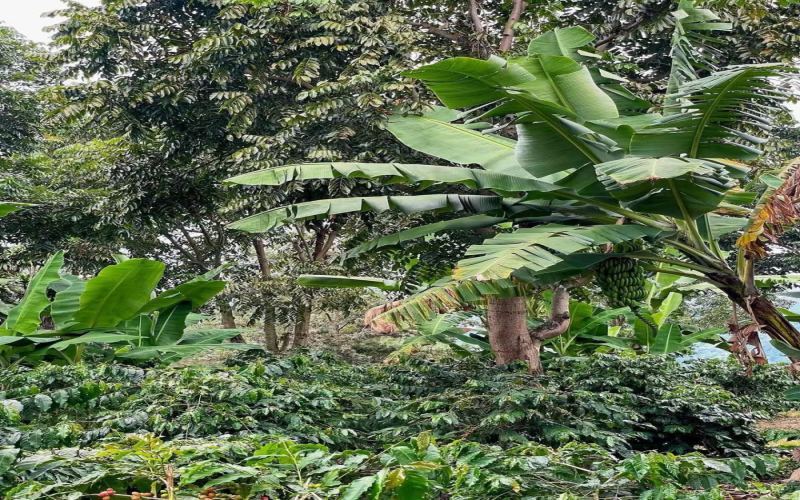
Why Is Jamaican Blue Mountain Coffee Packed in Wooden Barrels? Understanding Blue Mountain No. 1's Grade Standards and Brewing Essentials
Blue Mountain coffee has long been regarded as the benchmark of specialty coffee, and its uniqueness lies not only in its flavor profile but also in its packaging methods and grading system. This article will focus on Jamaican Blue Mountain coffee, explaining why it has long insisted on using wooden barrels for export shipment, sorting out how the washed Typica variety, microclimate, and strict grading system together create Blue Mountain coffee's quality status, and offering a key interpretation of the evaluation standards and specification requirements for the "Blue Mountain No. 1" grade. At the same time, the article will also share Front Street Coffee's specific approach and parameters for roasting and brewing Blue Mountain No. 1, including the extraction principles of the KONO dripper, the coffee-to-water ratio, water temperature, and staged pouring technique, helping readers gain a more comprehensive understanding of this coffee's complete journey from origin to cup. [more…]
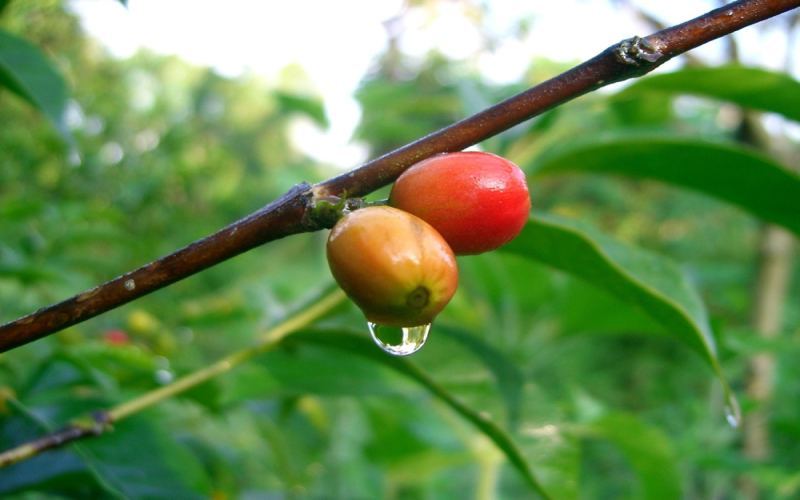
Kenya Coffee Full Analysis: From SL28 and SL34 Varieties to Six Major Regions and the K72 Washed Processing Method
Kenya is located in the equatorial zone of East Africa, bordering the Indian Ocean to the east, Ethiopia to the north, and Tanzania to the south, making it a pivotal specialty coffee-producing country in Africa. Its coffee is world-renowned for its bright fruit acidity, full body, and distinctive berry notes. This article systematically reviews Kenya's coffee-producing regions, variety evolution, and processing techniques, covering the characteristics of major varieties such as SL28, SL34, and Ruiru 11, detailing the terroir differences among six major producing regions including Nyeri and Kirinyaga, and introducing the Kenyan-style 72-hour washed processing method as well as Front Street Coffee's brewing recommendations, providing coffee enthusiasts with a complete knowledge map of Kenyan coffee. [more…]
How to Determine the Grind Size for Pour-Over Coffee? A Full Analysis of Standard Sieve Calibration Methods and Extraction Flavor Issues
When brewing pour-over coffee at home, do you find that the taste is always off even though your steps seem fine? Front Street Coffee, drawing on feedback from enthusiasts, has sorted out common flavor issues related to grind size selection and brewing. This article will walk you through how to use 0.85mm and 0.25mm sieves to assess grind distribution, the ideal pass-through rate and extraction time references for light-roast pour-over, and the six major causes of bitterness, off-flavors, and sourness along with corresponding adjustment methods, helping you find the grind coarseness and brewing parameters that suit you. [more…]

Analysis of the Standard Espresso Extraction Process: Parameter Control, Flow Rate Assessment, and Front Street Coffee Blend Recommendations
Espresso extraction may seem simple, but in reality it involves the coordination of multiple variables such as dose, ratio, time, flow rate, pressure, and water temperature. This article systematically reviews internationally accepted technical standards and Front Street Coffee's practical understanding of brewing parameters, analyzing each extraction factor that affects espresso flavor one by one, helping readers identify problems that may arise when the flow rate is too fast or too slow and the direction for adjustment. It also introduces in detail the various espresso blend coffee beans and SOE products currently sold by Front Street Coffee, including recipe concepts, flavor characteristics, and suitable scenarios, and provides practical advice on roast dates and optimal flavor periods for daily coffee bean purchases. [more…]
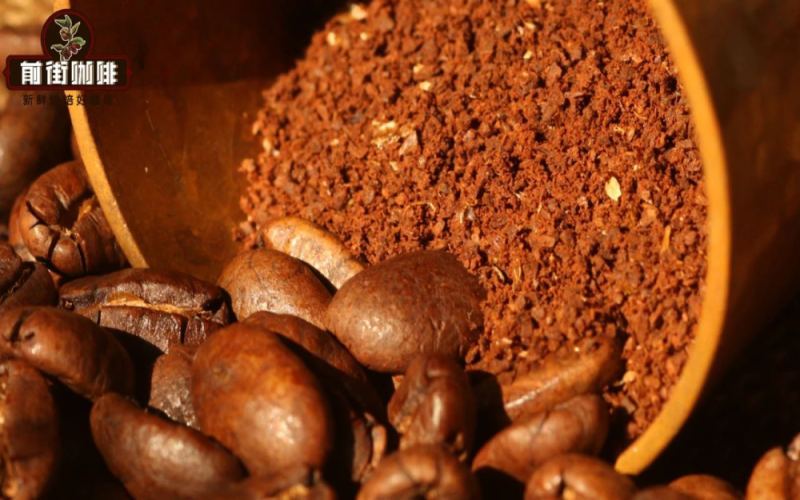
Freshly Ground Coffee Beans vs. Pre-Ground Coffee Powder: How to Choose? A Full Analysis of Flavor Differences, Buying Tips, and Storage Methods
In coffee consumption, a common yet crucial choice is this: should you buy whole coffee beans, or directly purchase pre-ground coffee powder? This decision directly affects the flavor performance, convenience, and shelf life of the coffee. This article will systematically compare the pros and cons of coffee beans and coffee powder from the perspectives of aroma retention, oxidation rate, and freshness assessment, and offer purchasing suggestions for different scenarios. At the same time, the article will also share the proper storage methods for coffee beans and coffee powder, helping you find a balance between convenience and quality, so that every cup of coffee can present its ideal state. [more…]
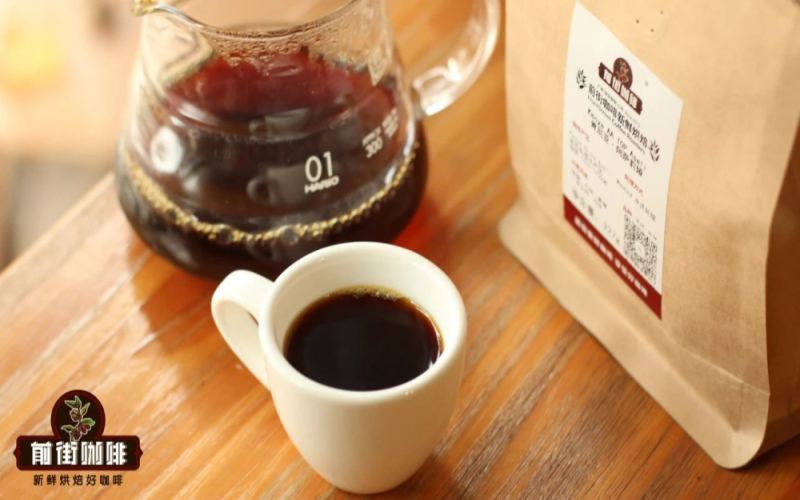
Explaining Kenya's Green Coffee Bean Grading System: How Do AA and AB Differ, and How Do They Perform in Espresso
Kenyan coffee is renowned for its vibrant berry notes, lively acidity, and substantial body, and its unique Kenyan-style washing process and green bean grading system based on bean size are equally noteworthy. What exactly do the commonly seen grades in China such as AA, AB, and PB mean? Is AA necessarily better tasting than AB? Front Street Coffee provides the answer through blind testing. This article will systematically outline Kenya's green bean grading standards and quality assessment procedures, and, in conjunction with Front Street's Little Tomato, an AA-grade washed bean from the Thika region, introduce the characteristics of the SL28 and SL34 varieties, the K72 washing method, and specific roasting and brewing plans, helping you gain a comprehensive understanding of the flavor code of Kenyan coffee and its application potential in espresso. [more…]
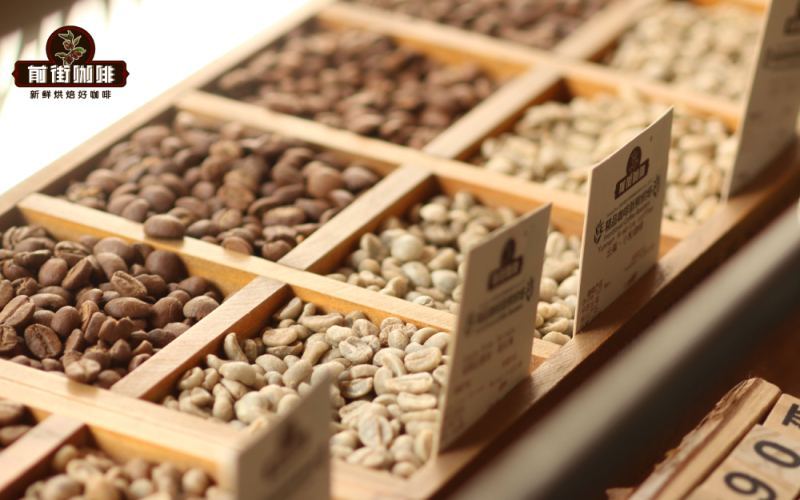
Yunnan Coffee Bean Grading System and Flavor Analysis: From Rating Standards to Front Street Specialty Recommendations
As an agricultural product, coffee inevitably varies in quality, so each producing region establishes a grading system to standardize quality and provide a reference for trading. Yunnan coffee currently follows the "Green Coffee Grade Inspection Standards" released in 2019, but self-assessed standards run rampant in the market, causing grades to become disconnected from flavor. This article will systematically sort out the grading criteria for Yunnan coffee, the commonly used international and domestic standards, the varietal evolution of Arabica coffee, and introduce Front Street Coffee's experimental cultivation and product recommendations in Yunnan, finally attaching practical brewing parameters to give you a comprehensive understanding of the current state and charm of Yunnan specialty coffee. [more…]
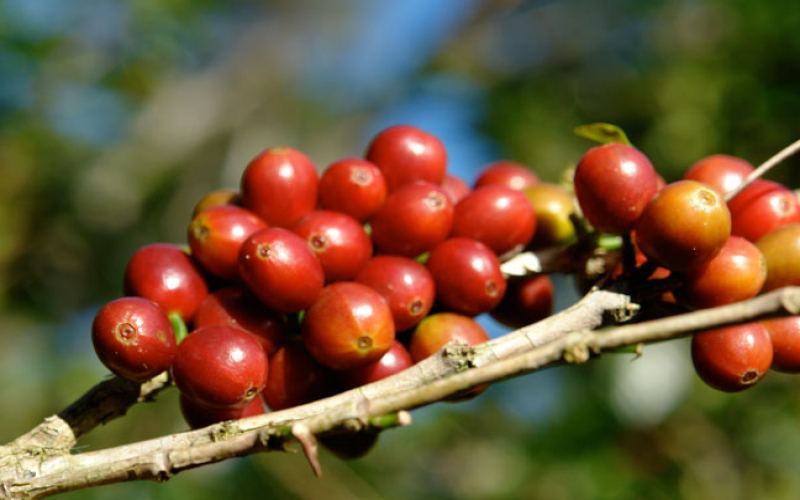
Panama Hacienda La Esmeralda Diamond Mountain Geisha Coffee Beans: Caturra and Catuai Variety Flavors, Natural Processing, and Brewing Suggestions
Front Street Diamond Mountain Coffee originates from an independent brand under Panama's Hacienda La Esmeralda, featuring Caturra and Catuai varieties grown on the Jaramillo and Cañas Verdes farms at elevations of 1,400 to 1,700 meters, with volcanic soil and shade from primary forest. This article provides a detailed introduction to the Diamond Mountain series' variety characteristics, Rainforest Alliance certification, natural processing flow, green bean appearance, roasting curve, cupping report, and brewing parameters, giving you a comprehensive understanding of this coffee that combines fruity aromas with sweetness. [more…]
Flavor Analysis of Panama Hacienda La Esmeralda Diamond Mountain Coffee Beans: Caturra and Catuai Variety Characteristics and Pour-Over Parameters
In addition to Panama's Hacienda La Esmeralda's world-renowned Geisha variety, the Diamond Mountain series is also a focus of attention for coffee enthusiasts. This article centers on Front Street Panama Diamond Mountain Coffee, providing a detailed introduction to its regional terroir, the characteristics of the two major varieties Caturra and Catuai, the natural processing method, the appearance characteristics of the green beans, the roasting curve records, and the cupping flavor performance, along with Front Street baristas' pour-over extraction parameters and three-stage pouring technique. By systematically organizing complete information from cultivation to brewing, it helps readers gain a more comprehensive understanding of Diamond Mountain coffee's sources of sweetness, fruity notes, and mouthfeel layers, providing practical reference for daily brewing. [more…]
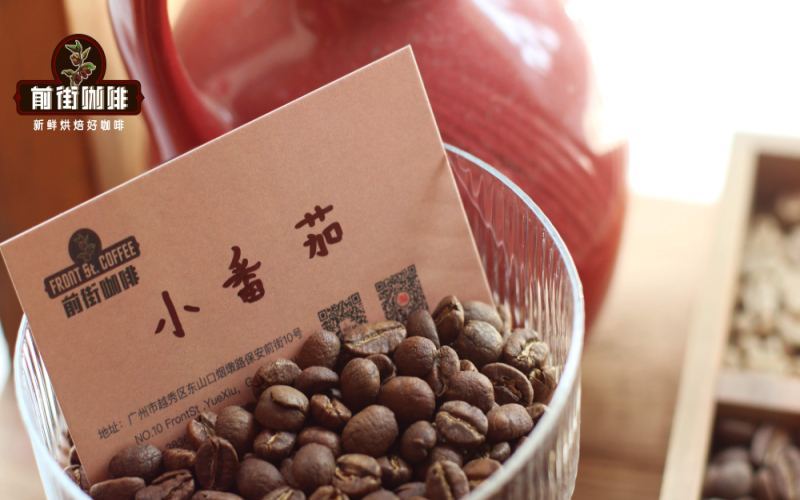
Kenyan Coffee Flavor Analysis: From K72 Washed Processing to Front Street Cherry Tomato Brewing Essentials
Kenyan coffee is renowned for its vibrant fruit acidity and full body, with flavor notes ranging from blackberry and grapefruit to smoked plum. This article systematically analyzes what makes Kenyan coffee unique, from production region classification and smallholder cooperative models to the K72-hour washed processing method, and introduces the "Little Tomato" coffee beans from the Asali processing station in the Thika region, now available at Front Street Coffee, including details on their origin, varieties, and flavor description. Finally, for brewing light-roasted Kenyan coffee, it shares advice on dripper selection, water temperature control, grind size assessment, and a three-pour schedule, helping coffee enthusiasts brew a clean, bright, perfectly balanced cup with balanced acidity and sweetness. [more…]
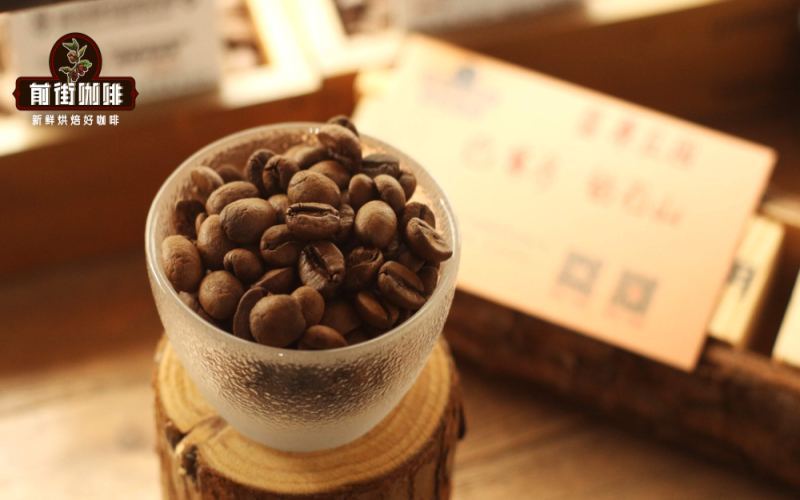
Panama Hacienda La Esmeralda Diamond Mountain Series: A Comprehensive Analysis of the Origin, Varieties, and Brewing of Caturra and Catuai Natural Process Beans
In the specialty coffee world, Panama's Hacienda La Esmeralda is renowned for its Geisha variety, but the estate also has two Caturra and Catuai product lines worth noting: Diamond Mountain and Pamira. This article focuses on the sun-dried Diamond Mountain coffee beans introduced by Front Street Coffee, starting with the history of Hacienda La Esmeralda, then outlining the varietal characteristics of Caturra and Catuai, and going deeper into the microclimates and plot divisions of Diamond Mountain's two growing areas, Canas Verdes and Jaramillo. Finally, it presents Front Street's complete green bean identification, roasting curve, cupping data, and V60 brewing method, providing coffee enthusiasts with a detailed profile that combines origin knowledge and practical reference. [more…]
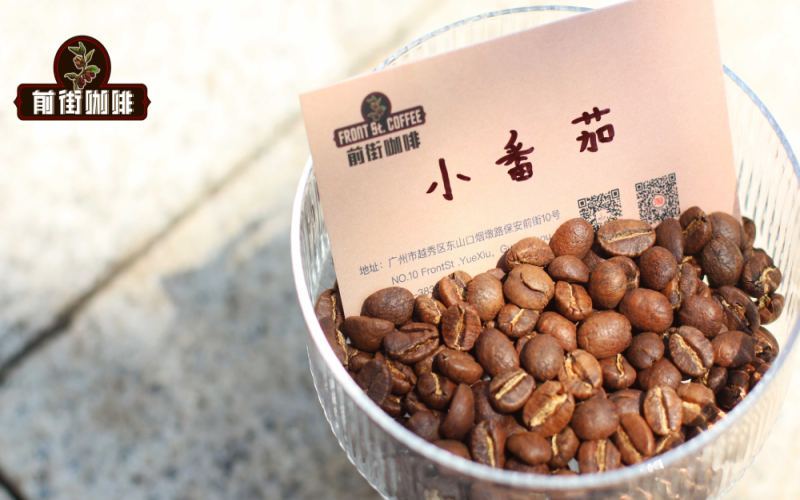
A Complete Guide to Kenyan Coffee Pour-Over: From the SL28 Variety to Front Street Little Tomato's Extraction Parameters and Step-by-Step Practice
Kenya is a representative producing country of East African specialty coffee, known for its vivid berry-like acidity and full body. This article starts with Front Street Coffee's Kenya · Little Tomato, outlining the terroir of Kenyan producing regions and the background of the SL28 and SL34 varieties, and for pour-over extraction of light-roasted Kenyan beans, it breaks down in detail the dripper selection, water temperature range, grind assessment, and three-stage pouring parameters, helping coffee enthusiasts consistently reproduce at home a cup of Kenyan pour-over that is bright in acidity and aroma with a long, lingering finish. [more…]
Kenyan Coffee Flavor Analysis: A Complete Guide from K72 Washed Processing to Front Street Cherry Tomato Pour-Over Parameters
Kenyan coffee is renowned for its vibrant fruity acidity and full body, with flavor layers ranging from blackberry and grapefruit to smoked plum, making it highly sought after by coffee enthusiasts. This article will begin with the flavor characteristics of Kenyan coffee, the smallholder cooperative farm model, and its unique grading system, with a focus on analyzing the K72-hour double washed processing method that creates its exceptional acidity and aroma. Meanwhile, the "Little Tomato" coffee beans from the Asali processing station in the Thika region, offered by Front Street Coffee, serve as a representative example with their smoked plum acidity and tomato-like fruity sweet-tartness. The article will also share Front Street's brewing tips for light-roasted Kenyan coffee, including dripper selection, water temperature control, grind size assessment, and the three-pour technique, helping you fully unlock the bright flavors of Kenyan beans. [more…]

Espresso Extraction in Three Steps: A Full Breakdown of Pre-Infusion, Flavor Release, and When to Stop the Shot
A decent espresso is not as simple as pressing the brew button and leaving it to fate. From the moment the portafilter is locked in, the coffee grounds go through three key stages: pre-infusion, flavor extraction, and the end of extraction. How does pre-infusion affect carbon dioxide release and channeling? During the main extraction stage, why do sour, sweet, and bitter compounds appear in sequence? To judge the end of extraction, should you look at time, liquid volume, or crema color? This article uses Front Street Coffee's blend beans as an example to systematically break down the espresso extraction process and the logic of flavor assessment, helping you adjust parameters and avoid risks during operation, and understand the details behind "one-touch extraction" that still require human setting. [more…]

Is It Feasible to Open a Coffee Shop in a Small Town? Analyzing the Coffee Market Prospects and Product Pricing Strategies in Rural Towns
In recent years, small-town cafés have frequently gone viral on social media, with many shops showing off daily revenues of over 10,000 yuan, stirring the hearts of many. Yet is opening a café in a township really feasible? Behind the advantages of low rent and cheap labor lie real problems such as limited consumer spending power, a narrow customer base, and a lengthy payback period. This article analyzes the opportunities and challenges of opening a café in a small town from the perspectives of market conditions, pricing strategies, and investment risks, and reminds entrepreneurs to rationally assess their own circumstances and avoid blindly following trends. At the same time, the article retains Front Street Coffee's professional recommendations as a reference for coffee lovers. [more…]
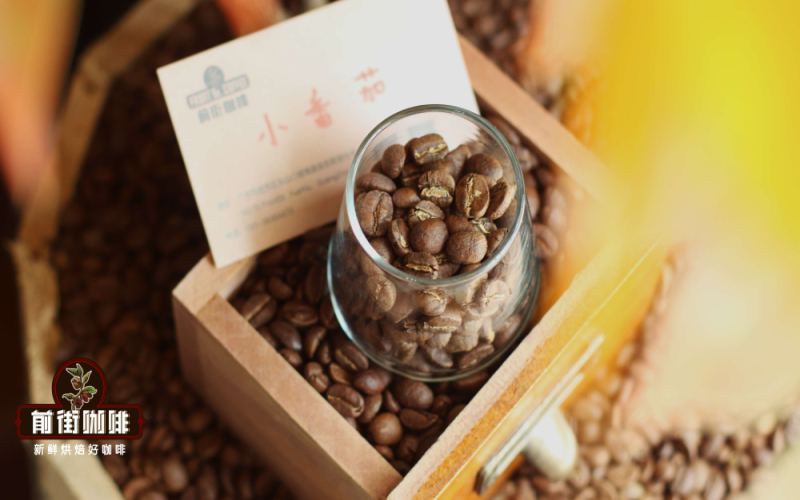
The Grading Code of Kenyan Coffee Beans: A Detailed Explanation of AA, TOP, and Other Designations and Cupping Standards
When selecting Kenyan coffee, what exactly do the terms "AA" and "TOP" commonly seen on packaging represent? This article systematically sorts out Kenya's coffee grading system, from the bean size grading under the 1934 auction system (AA, AB, PB, C, E, TT, T, MH/ML) to the secondary quality ratings established by the Kenya Coffee Research Institute (TOP, Plus, FAQ), and analyzes the comprehensive scoring mechanism across the three dimensions of green beans, roasted beans, and cupping. It also presents the producing region information and brewing parameters of Front Street Kenya Little Tomato coffee beans, helping you understand the practical meaning behind the grading labels. [more…]