







Why Is Blue Mountain Coffee Shipped in Wooden Barrels?
Jamaican Blue Mountain coffee is exported in wooden barrels largely because Jamaica built its reputation on strict origin control and place-of-taste branding, and barrels became the traditional shipping format tied to that oversight. The beans themselves are washed Typica grown in the Blue Mountain microclimate, and the grading system separates lots by bean size and defect count.
The washed process matters here: after harvesting, cherries are floated, pulped, fermented to break down mucilage, then dried quickly, which lowers moisture and cuts defect risk while giving a cleaner cup and brighter acidity. The top grade, Blue Mountain No. 1, reflects those size and quality checks applied to green beans before export.
Blue Mountain coffee has long been regarded as the benchmark of specialty coffee, and its uniqueness lies not only in its flavor profile but also in its packaging method and grading system. This article will focus on Jamaican Blue Mountain coffee, explaining why it has long insisted on using wooden barrels for export, and examining how the washed Typica variety, microclimate, and strict grading system together establish Blue Mountain coffee's quality status, with a particular focus on interpreting the assessment standards and specification requirements for the "Blue Mountain No. 1" grade. At the same time, the article will share Front Street Coffee's specific approaches and parameters for roasting and brewing Blue Mountain No. 1, including the extraction principles of the KONO dripper, coffee-to-water ratio, water temperature, and staged pouring technique, helping readers gain a more comprehensive understanding of this coffee from origin to cup.
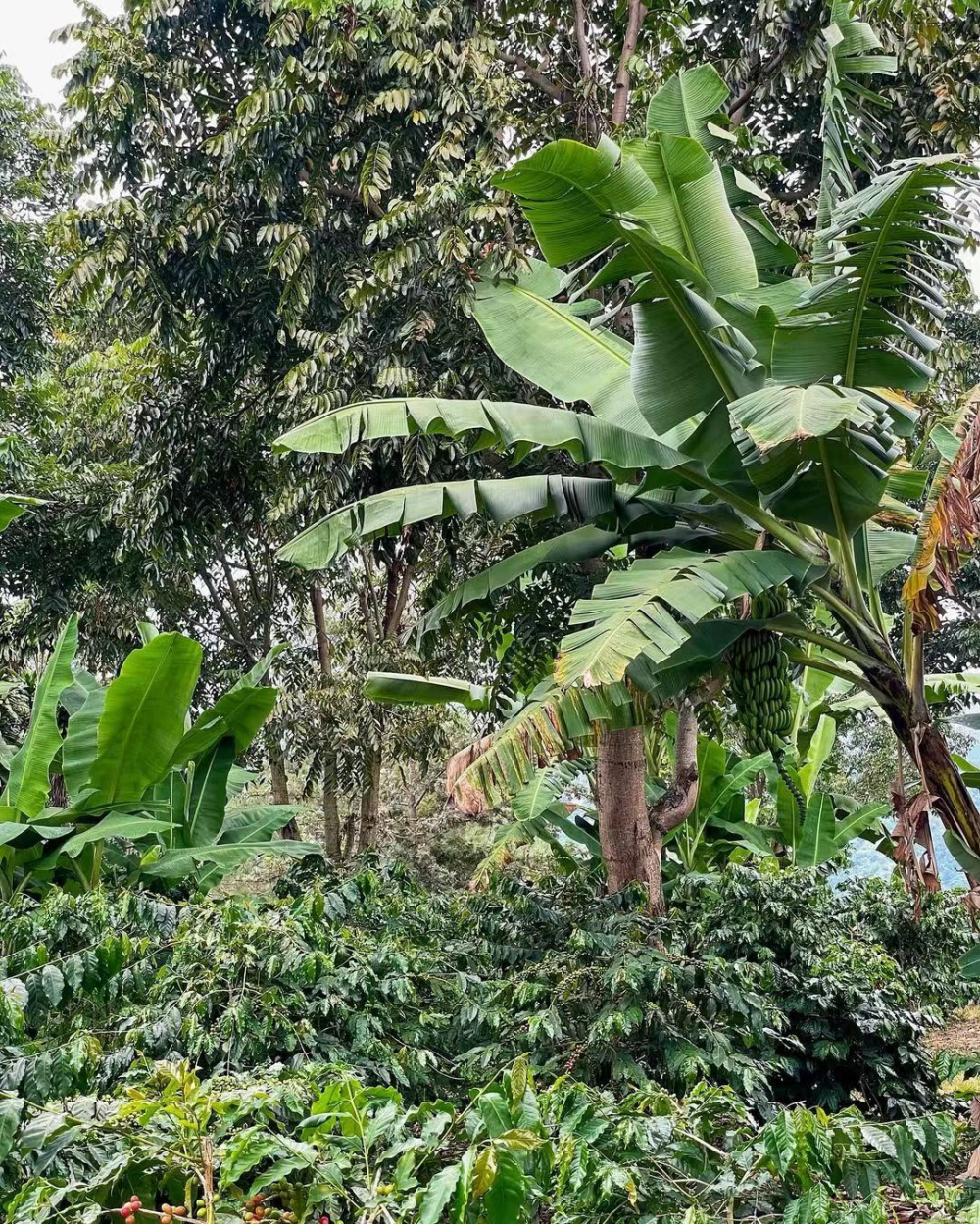
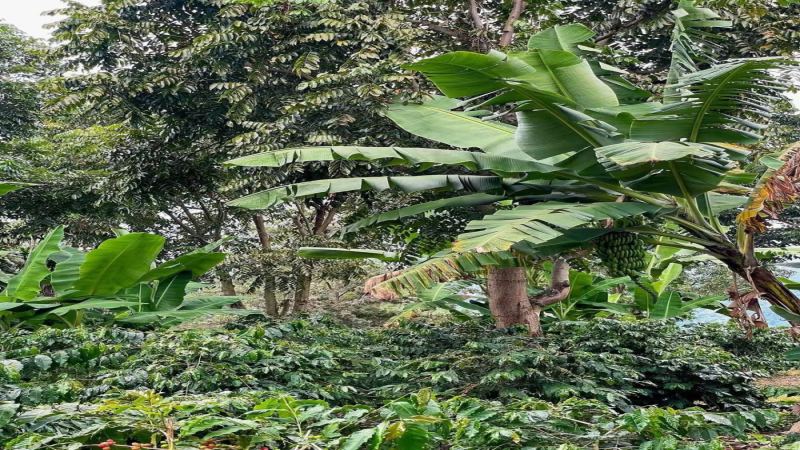
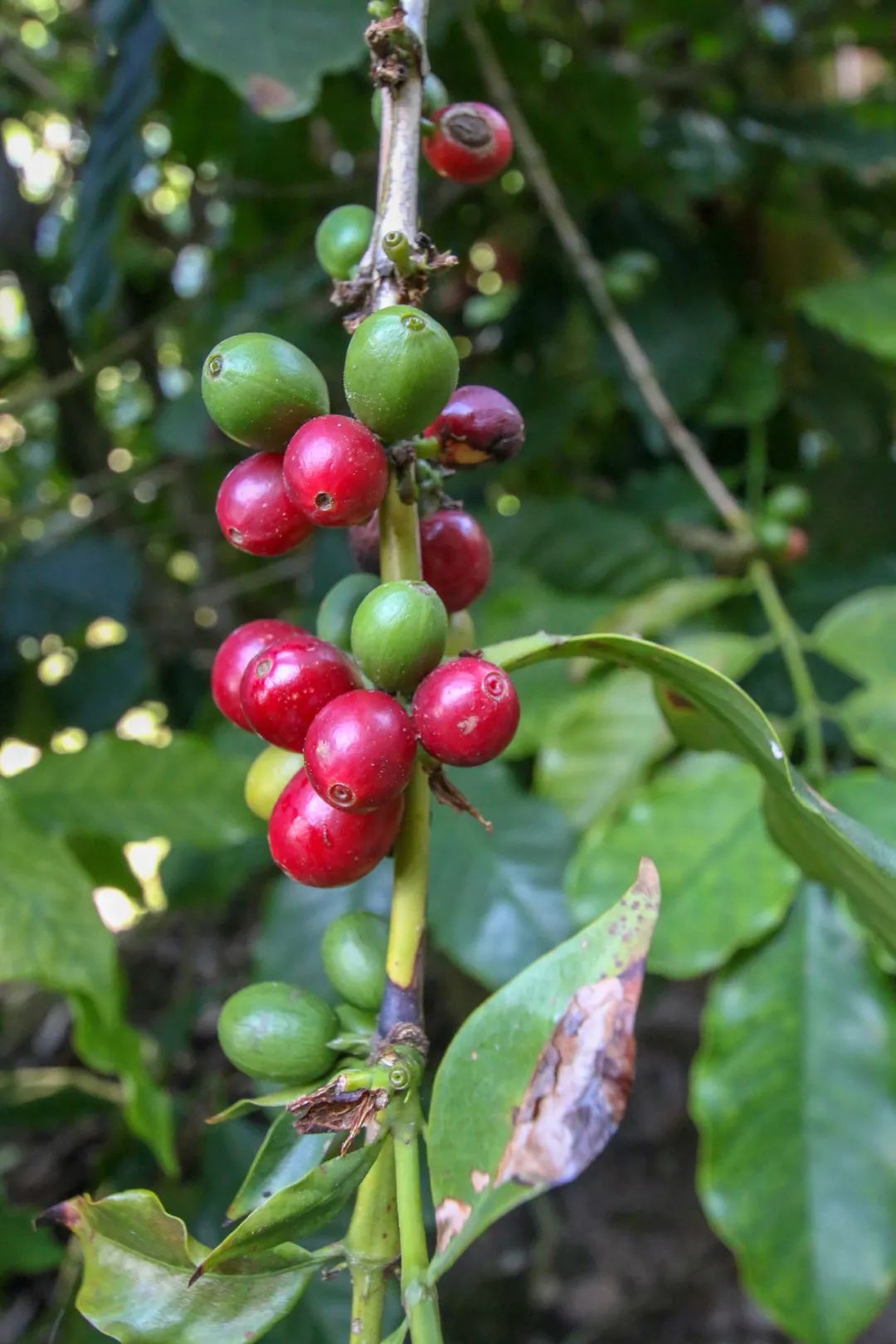
The ability of Blue Mountain coffee to maintain consistently stable and outstanding quality is inseparable from Jamaica's strict control over the export process over many years. As of 2020, what is commonly recognized as Blue Mountain coffee is essentially the washed Typica variety. The washed method stands out among traditional processing methods for its stability and efficiency: after harvesting, the fruit undergoes floatation immediately, the skin and pulp are mechanically removed, and then the mucilage layer is broken down through fermentation. Once the mucilage is removed, the moisture content of the coffee beans drops significantly, the required drying time is shortened, and the probability of defects is reduced. At the same time, the mature washed process gives Blue Mountain coffee a cleaner cup profile and brighter acidity.
Taken together, the special microclimate of the Blue Mountain region, the nutrient-rich soil, the commitment to the high-quality Typica variety, the exquisite washed processing, and the rigorous and comprehensive green bean grading system — all these conditions together pushed Blue Mountain coffee to its peak, making it once synonymous with the world's finest coffee.
The Unique Qualities of Blue Mountain Wooden Barrels
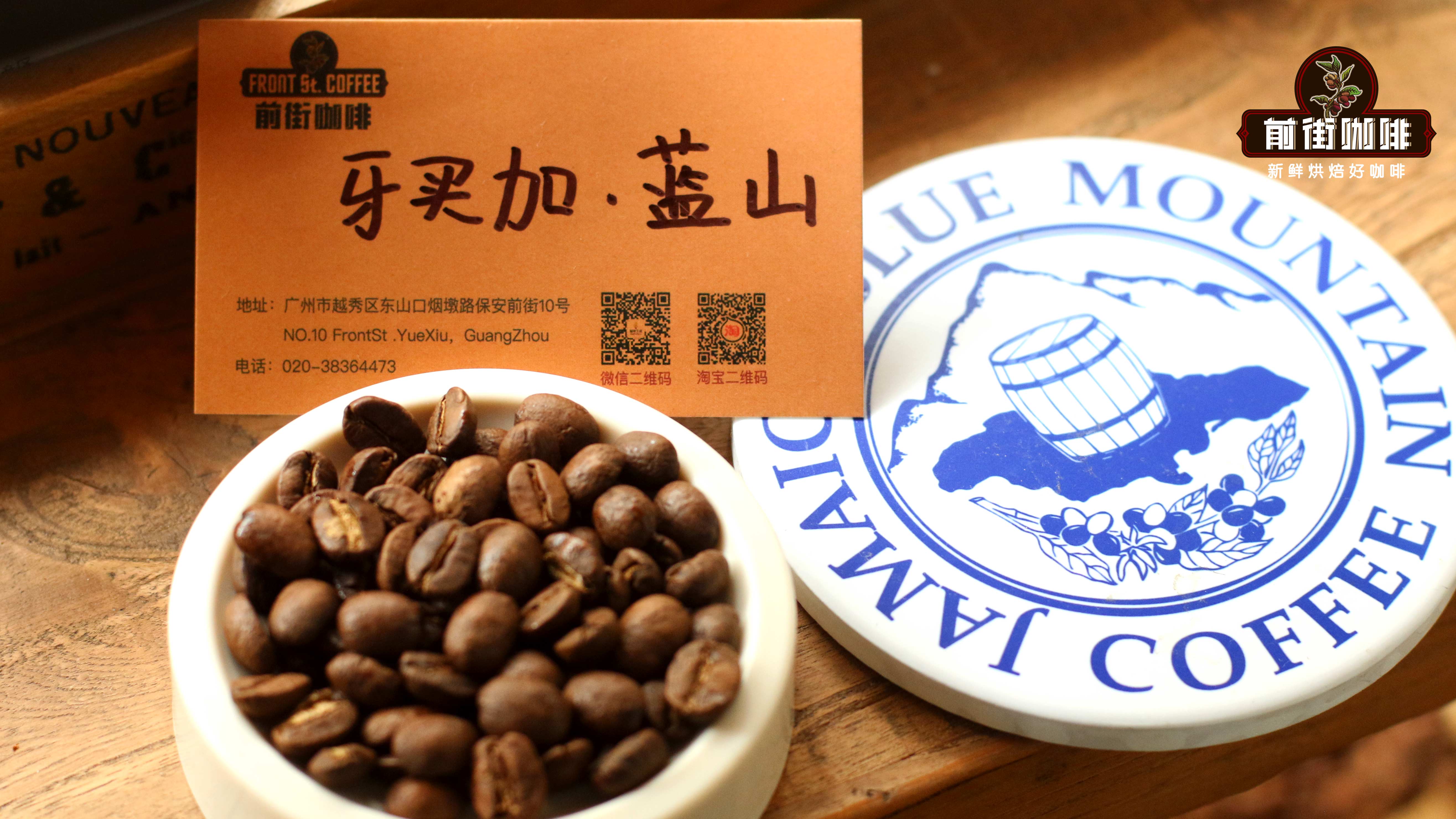
So where does the name "Blue Mountain No. 1" come from?
Among the many coffee-producing countries, Jamaica was one of the first to pay attention to coffee's "taste of place." The local quality assessment standards for Blue Mountain green beans involve multiple dimensions: green bean size, defect ratio, color, uniformity, as well as cup performance after roasting, including dry fragrance, wet aroma, acidity, flavor, body, and cleanliness.
Bean size is measured using screens with different aperture sizes; beans that cannot pass through the corresponding holes meet the standard for that screen size. Color assessment combines visual observation with colorimeter readings, with blue-green considered the highest grade. Combining all the above indicators, Blue Mountain coffee is divided into four grades, from highest to lowest: NO.1, NO.2, NO.3, PB, and mixed. Among these, NO.1 represents the highest quality top-tier Blue Mountain, commonly called "Blue Mountain No. 1" in China. To qualify as Blue Mountain No. 1, the beans must meet a screen size of 17 mesh or above, a defect rate within 3%, a moisture content of approximately 13%, and demonstrate in cupping a layered and rich aroma, a smooth and balanced mouthfeel, low acidity, and a lingering sweet aftertaste.
Regarding roasting, the CIB also provides roasting degree recommendations for Blue Mountain's classic flavor, and Front Street's roaster follows this direction as well, choosing a medium roast so that Blue Mountain No. 1 exhibits both rich chocolatey sweetness and a moderate, gentle fruit acidity.
Brewing Recommendations for Blue Mountain No. 1
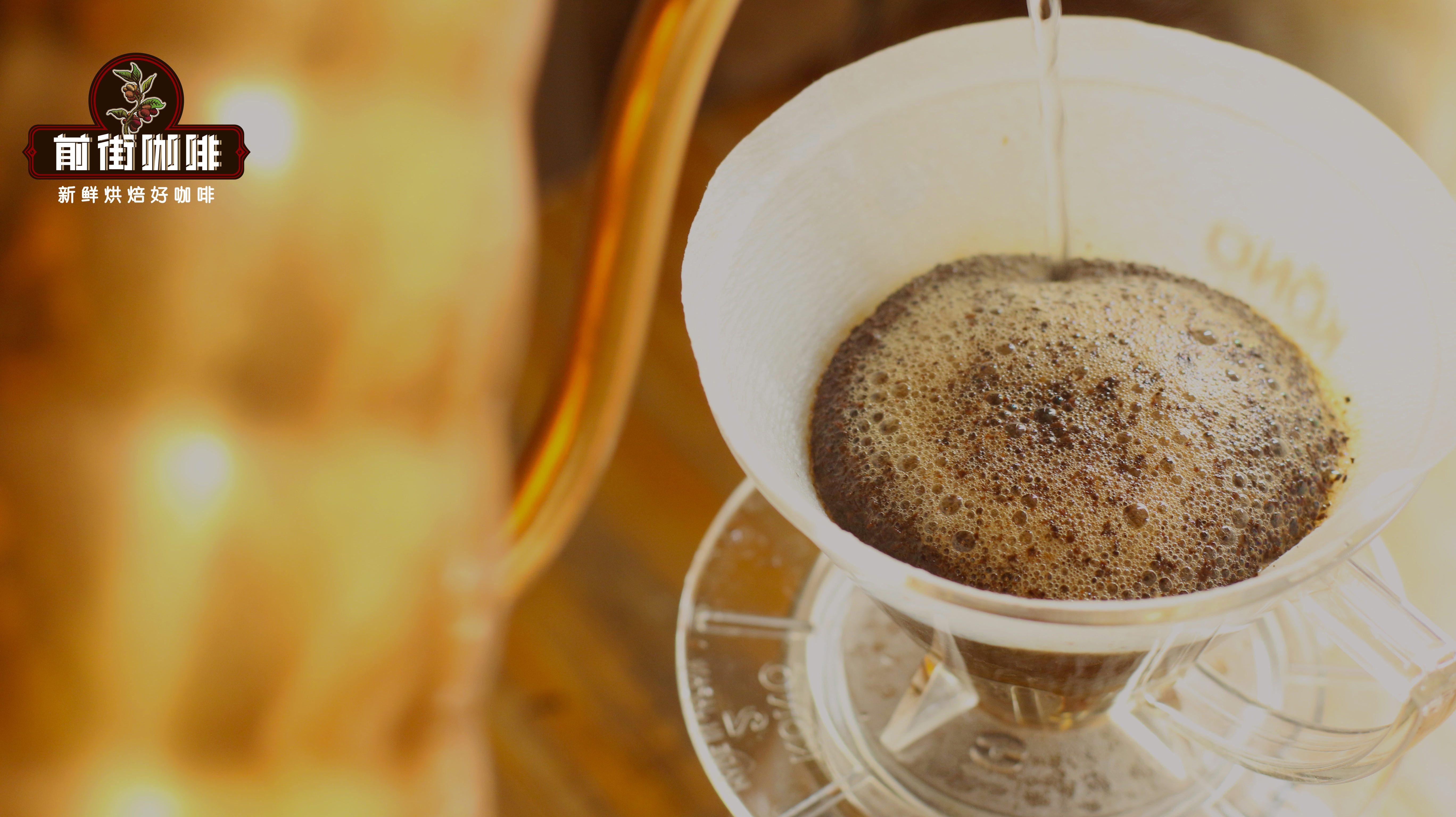
In order to highlight the rich and rounded mouthfeel of Blue Mountain No. 1, Front Street chose the KONO coffee dripper for extraction. The ribs of the KONO are less than half the height of the dripper; the purpose of this design is to let the filter paper cling tightly to the dripper wall after wetting, thereby restricting airflow, extending the contact time between coffee particles and water, and ultimately making the extracted coffee more uniform overall.
Brewing parameters: 15g coffee, coffee-to-water ratio 1:15, grind size: EK43s setting 10.5 (75% passing rate on China No. 20 standard sieve), water temperature: 87–88°C, brewing method: staged extraction.
Place the filter paper into the KONO dripper, pour water to wet the filter paper and make it adhere to the dripper wall. Add the coffee grounds and gently tap to distribute the coffee bed evenly. For the first stage, gently pour 30g of water for blooming, with a blooming time of 30 seconds; for the second stage, pour water up to approximately 125g, circling outward evenly and steadily. Then wait for the coffee liquid to descend; when it has dropped halfway, pour the final stage of water up to 225g. After all the coffee has finished dripping, the total extraction time is generally about 2 minutes.
This cup of Blue Mountain No. 1 brewed by Front Street pour-over presents dark chocolate and nuts, very full-bodied, with a pronounced almond sweet aftertaste. As the temperature drops, it reveals roasted hazelnut and creamy, sweet silkiness, accompanied by a touch of gentle acidity and caramel sweetness, with the aroma lingering persistently in the mouth.
The above content is compiled by CoffeeHunters, a coffee news website.


