







Search Results for: blind box plush toys
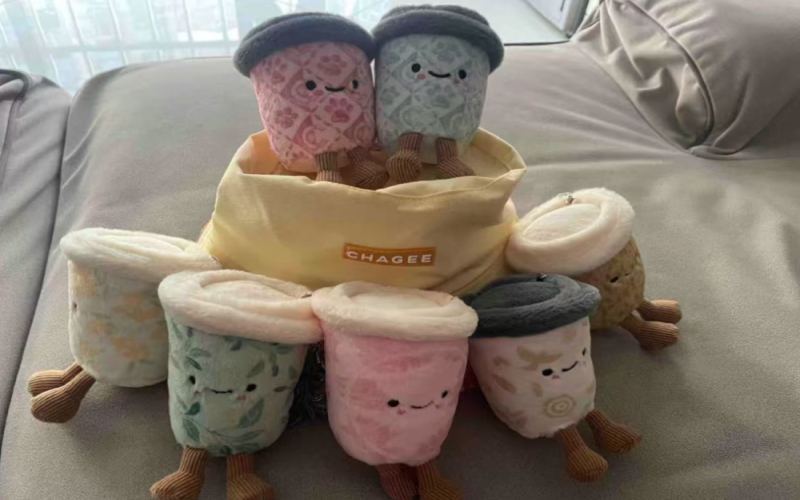
Bawang Chaji blind box dolls were opened in advance, and consumers question whether the store's actions are compliant.
The Jellycat-style milk tea cup plush blind boxes launched by Chagee have seen a surge in popularity recently, with limited-edition sets selling out in many places shortly after going on sale. However, some consumers discovered upon picking up their orders in-store that the blind boxes they received had already been opened by staff in advance, turning them into "open boxes" with the contents fully visible. Some stores explained that this was done out of a need for quality inspection, but many users were not convinced, suspecting that someone had deliberately opened the boxes to screen for popular styles. Once a blind box loses the surprise of the unknown, the fairness of the campaign and the consumer experience are called into question. Amid this box-opening controversy, brand employees have also offered their own accounts, with both sides sticking to their stories, keeping the incident simmering. [more…]
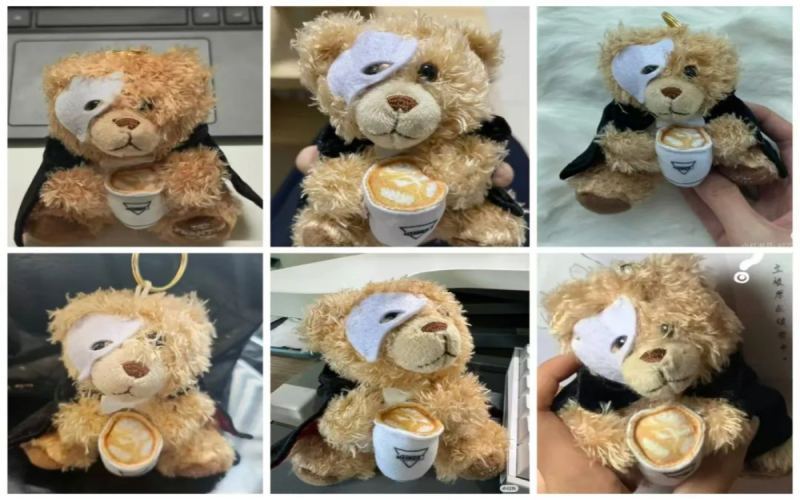
Manner's 《The Phantom of the Opera》 Phantom Bear collaboration faces quality control complaints, with crooked faces and slanted mouths mocked as "unknown creatures"
The limited-edition Phantom Bear merchandise, a collaboration between coffee chain Manner and the English original production of The Phantom of the Opera, has recently sparked a flood of complaints on social media. After receiving the actual product, many users found that the bear, which was supposed to be cute, suffered from serious quality control issues such as a crooked mouth and lopsided face, and was jokingly dubbed an "unidentified creature." Since the merchandise could only be redeemed with points, many theater fans and coffee lovers went through considerable trouble to get their hands on it, only to be greatly disappointed—some even bluntly demanded returns and the refund of their points. This article will sort out the ins and outs of the incident, presenting user feedback and the quality control controversy surrounding the brand's collaborative merchandise. [more…]
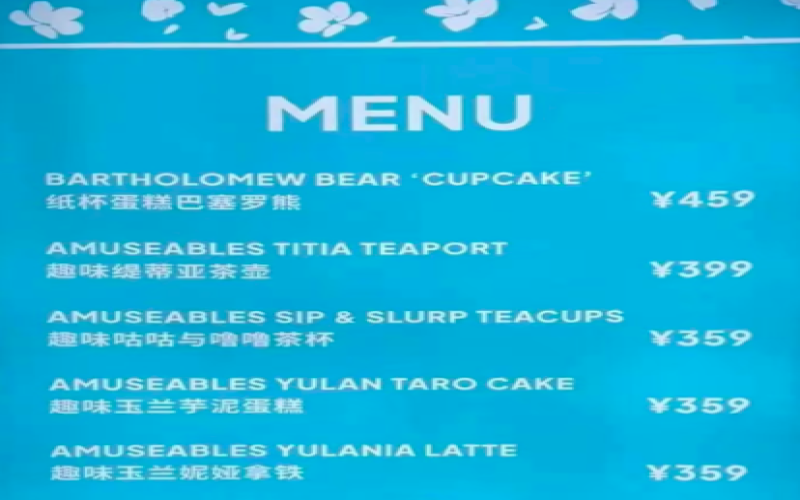
A 359-yuan latte is actually a plush toy? Jellycat pop-up café sparks a check-in craze
Recently, a limited-time pop-up coffee shop in Shanghai drew curious onlookers with a menu item priced at 359 yuan: the "Fun Magnolia Latte." This coffee pop-up, opened by the British toy brand Jellycat, doesn't actually sell real coffee but instead offers cute plush toys. After customers place an order, staff complete the "making" and packaging through a simulated scene. This theatrical, performance-style service has become a hallmark of the brand. Some find it awkward, while others thoroughly enjoy it. This article will walk you through how this unique "coffee shop" operates and the heated discussions among netizens about this phenomenon. [more…]
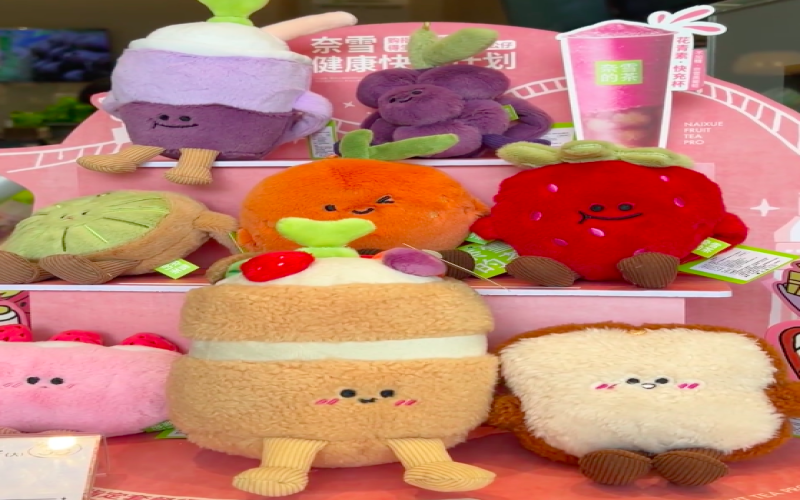
Nayuki's ninth-anniversary limited-edition figurine falls apart on contact with water, with hot-melt adhesive assembly becoming the focus of quality concerns.
Nayuki launched limited-edition plush dolls for its ninth-anniversary birthday season, attracting a large number of fans to snap them up. However, after a consumer put a newly bought grape plush into the washing machine to clean it, the doll fell apart completely, turning from a whole bunch into scattered individual "grapes." This was not an isolated case; several other users also reported that parts fell off the plush after washing and drying. The reason is that these dolls are bonded with hot-melt adhesive rather than sewn, and the label clearly states they must not be washed in water. In addition, some consumers received "hidden edition" dolls with missing or incorrect facial expressions, sparking widespread dissatisfaction with the quality control of the merchandise. [more…]
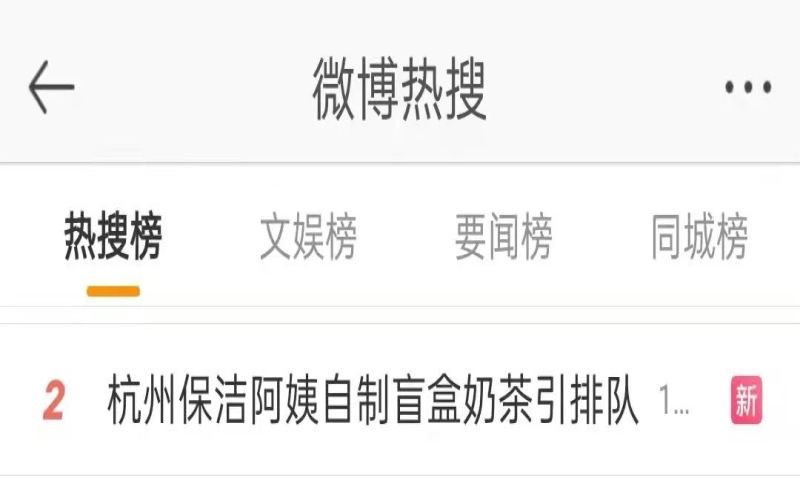
A Hangzhou cleaning lady's 5-yuan DIY blind box milk tea goes viral: Why does the blind box economy keep igniting consumer crazes?
Recently, a "blind box milk tea" made by a company cleaning lady in Hangzhou has trended on Weibo, selling for only 5 yuan per cup, prompting employees across the company to queue up and snap it up daily. The lady learned to make it herself because her daughter loves milk tea, and set up a stall in the office pantry; business became so booming that she had no time for square dancing. Coincidentally, in April this year, the blind box milk tea launched by the Mixue brand in Qingdao also went viral, driving the store's daily revenue from 3,000 yuan to over 10,000 yuan. The blind box economy has shown staggering cross-industry appeal in recent years—from toys to milk tea, it seems to make anything it touches a hit. This article will walk you through the story of blind box milk tea's rise, analyze the origins, characteristics, and underlying marketing logic of the blind box economy, and explore how brands can use blind boxes to achieve long-term business success. [more…]
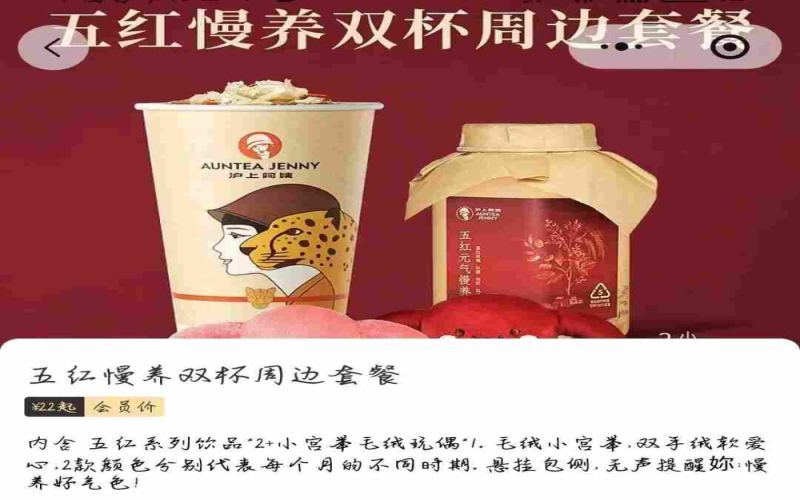
Shanghai Auntie Sparks Heated Debate with Uterus-Shaped Plush Toy—Why Wellness Milk Tea Merch Makes People Uncomfortable
Auntea Jenny has recently continued to push forward in the "wellness milk tea" segment, launching the "Five Red Vitality Slow Nourishment Bottle" and a matching peripheral package. Consumers who purchase the designated package can receive a "Little Palace Tribute Plush Doll" for free. However, after the new product launched, what sparked discussion was not the tea drink itself, but this giveaway doll shaped like a uterus—it is inverted pear-shaped, with details such as "fallopian tubes" and "ovaries," and comes in two color schemes representing different physiological cycles. Some netizens said bluntly that it caused "physiological discomfort," believing that pairing a human organ doll with a tea-drinking scenario was too bizarre. Supporters, however, felt that for a wellness drink aimed at female consumers, a uterus doll was understandable and also had a fun educational aspect. As the incident gained traction, Auntea Jenny responded that the move was intended to convey the ideas of pleasing oneself, confidence, and freedom, and that the doll has not been taken off the shelves. [more…]
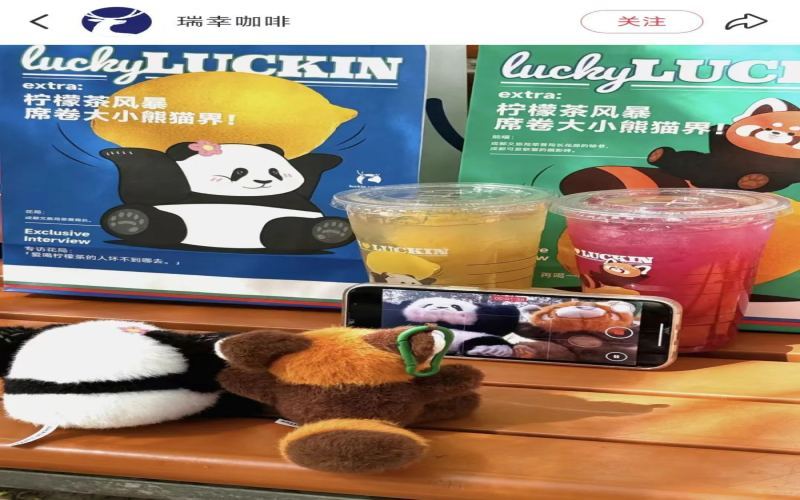
Luckin Coffee teamed up with Chengdu Culture and Tourism to launch panda plush toys, but quality control issues with the Huahua plushie sparked a collective backlash from netizens.
Luckin Coffee recently teamed up with Chengdu Culture and Tourism to launch a co-branded series, creating ice cups, paper bags, cup sleeves, and merchandise inspired by giant pandas, with a plush keychain modeled after the top-tier panda "Huahua" highly anticipated. However, after the campaign launched, many consumers found the actual products they received fell far short of the promotional images—with skewed facial features and bizarre expressions, mockingly dubbed "underbite," while the red panda version also suffered quality control issues, sparking a wave of "ugly panda" posts on social media. What was originally intended to win fans through this collaboration unexpectedly turned into a discussion about merchandise quality and fidelity. [more…]
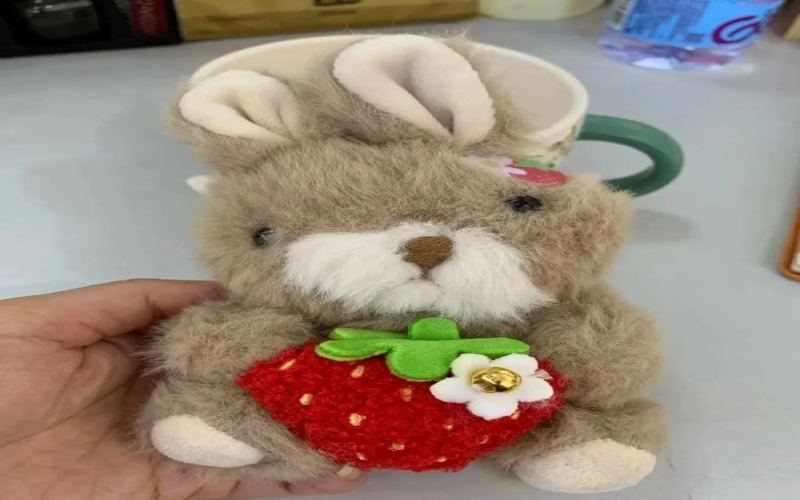
Starbucks Strawberry Bunny Mug: Real Product vs. Promotion Discrepancy Sparks Heated Debate Over Plush Quality Control
In Starbucks' recently launched Berry Good Times collection, a mug that comes with a rabbit plush toy quickly went viral thanks to its adorable design, and it was even briefly out of stock on e-commerce platforms. However, consumers who received the first batch of products discovered that the actual plush toy looked vastly different from the official poster, and a flood of complaints and jokes soon appeared on social media. Some joked that this was the difference between a "996 work rabbit" and a "fresh graduate rabbit," while others said that quality control failures on Starbucks plush merchandise are nothing new. This discussion sparked by a single rabbit not only reflects fans' expectations for brand merchandise, but also reveals consumers' complicated attitude toward the gap between emotional value and product quality. [more…]
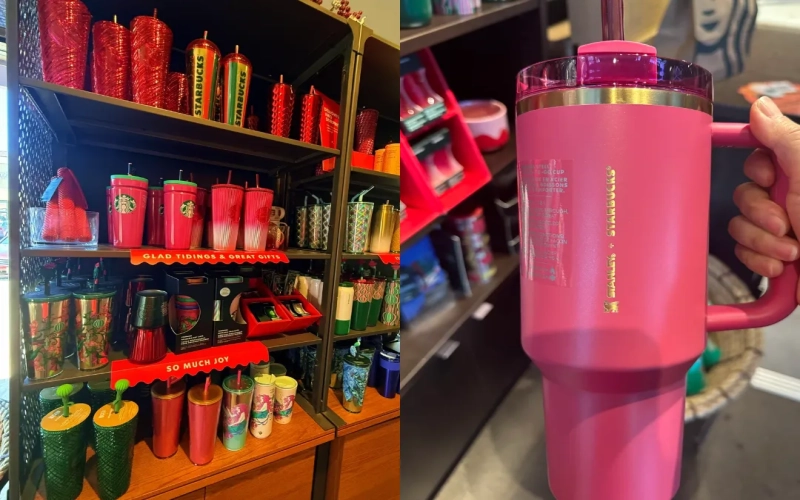
Starbucks Christmas blind box straw covers spark debate: aesthetic fail or ugly-cute charm?
During the Christmas season, Starbucks launched a series of holiday-exclusive products in North America, ranging from co-branded cups to prize-winning mini-games, and even silicone straw covers sold in blind boxes, sparking widespread discussion on social platforms. However, the actual appearance of these blind-box straw covers left many consumers exclaiming that they were "ugly in a fair way," with both their shapes and color schemes becoming focal points of criticism. This article will walk you through the specific mechanics of Starbucks' blind-box marketing campaign, the product design, and genuine feedback from netizens, while also comparing the different approaches of the Front Street Coffee brand when it comes to coffee-related merchandise. [more…]
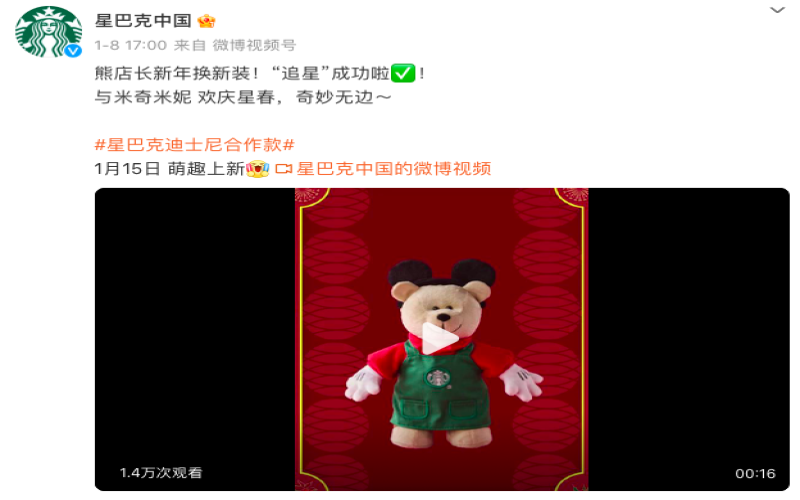
Starbucks Disney collaboration merch sparks debate: red envelopes, omamori, and wooden divination blocks make a cross-border debut
The second Starbucks and Disney collaboration is set to launch on January 15, featuring Mickey and Minnie as the campaign's main characters. In addition to regular merchandise such as mugs and plush toys, the official lineup also includes red envelopes printed with the brand logo, omamori charms, and wooden divination blocks (bwa bwei), sparking lively discussion among netizens. The appearance of bwa bwei, a common divination tool in the Fujian and Guangdong regions, in a coffee brand collaboration has left many people exclaiming over the surprising combination. This article will walk you through the specific merchandise of this collaboration, the cultural background of bwa bwei, and the amusing reactions from netizens. At the same time, Front Street Coffee will continue to follow the brand strategy behind this cross-industry attempt. [more…]
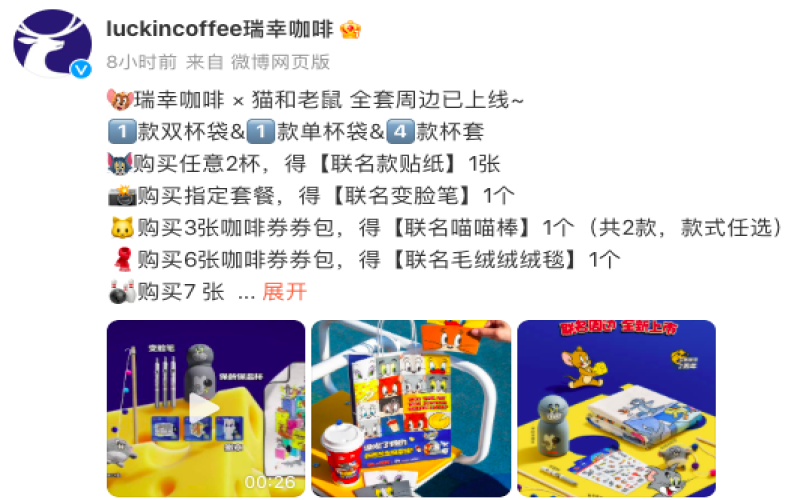
Luckin Coffee's Tom and Jerry collaboration face-changing pen criticized for poor quality control, pattern wear issues spark consumer dissatisfaction
Luckin Coffee has teamed up with the classic animated IP Tom and Jerry for the third time to launch a New Zealand raw cheese latte and a series of limited-edition merchandise, among which the face-changing pen quickly captured the hearts of a large number of consumers with its fun design of pressing to change faces. However, many buyers found in actual use that after pressing this face-changing pen several times, the printed pattern of the character's face inside the pen barrel window began to peel, become mottled, or even disappear, and quality control issues then surfaced. Consumers' photos and complaints appeared one after another on social platforms. Some tried to exchange the product at stores but found the problem persisted, while others took apart the pen and applied film in an attempt to extend the life of the pattern. This article will review the complete process of this face-changing pen from going viral to flopping, present consumer feedback and coping methods, and focus on the quality control controversy surrounding Luckin's co-branded merchandise. [more…]
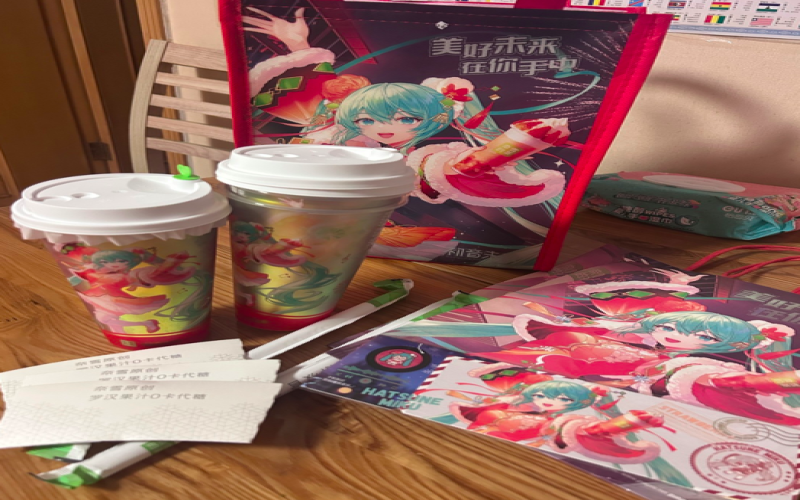
Nayuki's collaboration with Hatsune Miku sparks a cosplay controversy, internal emergency halt on employees' abstract stunts
Nayuki launched a collaboration with Japanese virtual singer Hatsune Miku, releasing a theme song, limited-edition drinks, and merchandise, attracting a large number of fans to visit stores and check in. However, some store employees cosplayed as Hatsune Miku in exaggerated ways, such as wearing masked headpieces, and were jokingly called by netizens "the century's meeting of the realist and abstract schools," sparking heated discussion. The brand subsequently issued an urgent notice strictly prohibiting employees from cosplaying as Hatsune Miku again, believing that such behavior damages the brand image and may invite complaints. But many fans said they were not offended and instead found it amusing. This collaboration controversy reflects the delicate balance between employees' individualized expression and brand management when tea beverage brands cooperate with ACG IPs. [more…]
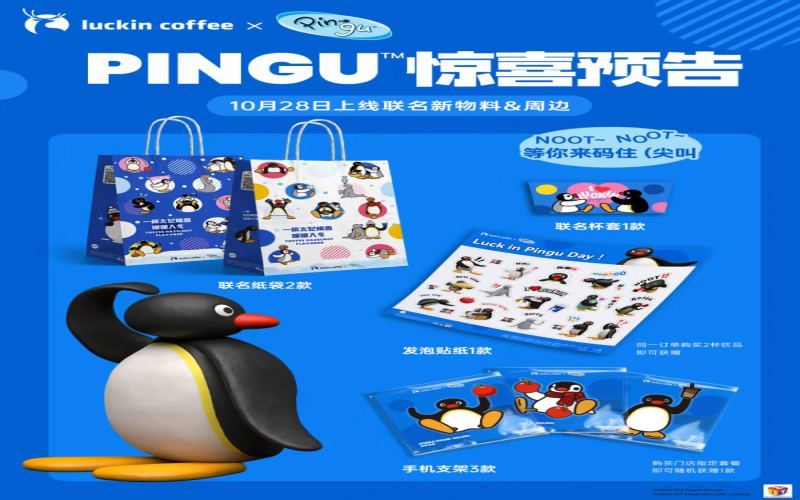
Luckin's Pingu collaboration merchandise meets a cold reception: Controversy arises after high-priced bundles are switched to free giveaways
Luckin Coffee's recent collaboration with the claymation character Pingu has sparked considerable discussion. In the early stage of the campaign, consumers had to buy designated set meals or two cups of the new drink to get the merchandise, and many fans placed orders at full price or even stockpiled coffee coupons for this. However, not long after the campaign ended, Luckin released the same merchandise again with a lower threshold or even for free, leaving consumers who had bought at a high price earlier feeling dissatisfied. At the same time, employees reported on social platforms that the merchandise was selling poorly, with inventory piling up at some stores, and materials such as stickers even being discarded or given away. From the teaser phase to the rerun, this collaboration reflects the gap between a brand's marketing节奏 and consumers' expectations. [more…]
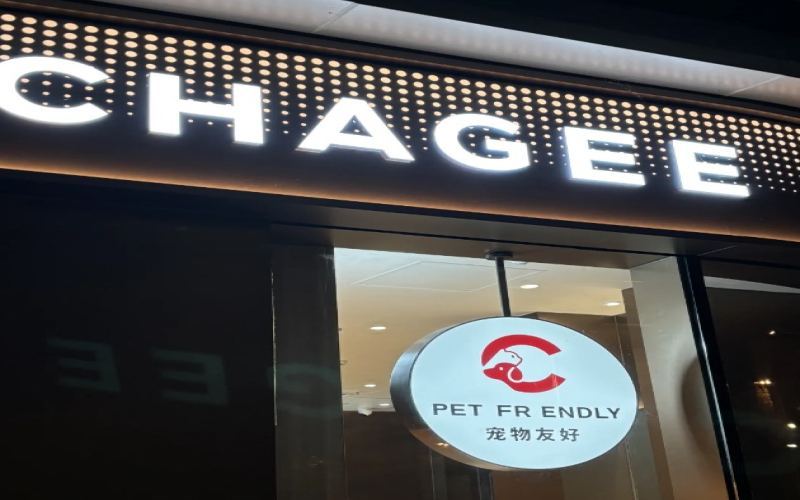
Chagee Enters Pet-Friendly Stores: Tea Beverage Brands Race for the New Hundred-Billion Pet Economy Track
For pet owners, whether they can bring their furry companions along when going out for a cup of coffee or milk tea is often a vexing question—many shops do not clearly indicate whether pets are allowed inside, leaving owners with little choice but to forgo the purchase. However, this situation is quietly changing. On August 23, Chagee's first batch of pet-friendly stores was officially announced as open, located in four cities—Changsha, Kunming, Hangzhou, and Shijiazhuang—with more cities to follow. So-called pet-friendly not only means not excluding pets, but also includes providing dedicated facilities and services for pets and their owners, such as water bowls, poop bags, and litter boxes, advocating harmonious coexistence between people and pets. On social media, pet-owning netizens responded enthusiastically, though some also expressed concerns about hygiene and epidemic prevention. The pet economy reached 592.8 billion yuan in 2023 and is projected to surpass 811.4 billion yuan by 2025, and tea beverage brands are turning their eyes to this piece of the pie. This article will focus on Chagee's pet-friendly initiatives to explore the opportunities and controversies surrounding the tea beverage industry's foray into the pet economy. [more…]
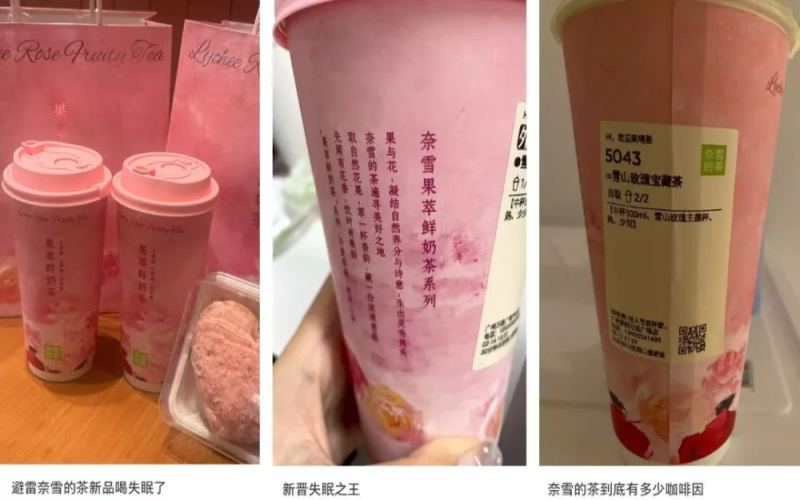
Nayuki's Valentine's Day rose新品 receives poor reviews: strange taste and keeps people awake all night
Valentine's Day has always been a key moment for tea and coffee brands to compete for attention, and Nayuki's Tea took the opportunity this year to launch rose-themed limited-edition products, including the Mountain Wild Treasure Tea series and two cute merchandise items. However, after the new products hit the market, they unexpectedly flopped. Many consumers reported that the drinks tasted strange and were hard to swallow, and some even experienced palpitations and an inability to sleep all night after drinking them. What exactly went wrong with this rose milk tea? Was it a mistake in flavor formulation, or was there something hidden in the caffeine content? This article will walk you through the real feedback on Nayuki's Valentine's Day new products and explore why netizens jokingly called it the "new king of insomnia." [more…]
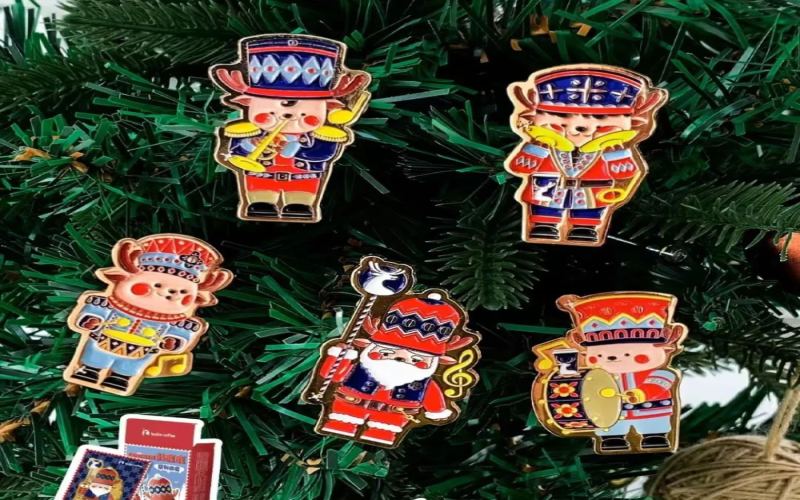
Luckin blind box badges spark a weighing craze, as coffee lovers bring electronic scales to stores to pick their favorite style
Luckin Coffee launched the Drum Deer Deer series metal badges this week, paired with a blind box promotion where buying two cups earns a badge, quickly sparking a buying frenzy among consumers. However, the random distribution mechanism of the blind boxes has left many Luckin fans struggling to collect their desired styles—some drank multiple cups without success, while others opened sixteen blind boxes in two days just to complete a set. To crack the blind box challenge, some consumers took a creative approach by bringing electronic scales to stores to weigh the packaging boxes and determine which badge was inside, with some even compiling the precise weights of the five badges for others' reference. This trend of weighing to pick badges has gradually evolved from a spontaneous act by netizens into a common practice at stores, and Luckin employees have shifted from initial confusion to understanding, even actively helping with weighing during idle times. This article provides a comprehensive overview of this amusing phenomenon triggered by coffee blind boxes. [more…]
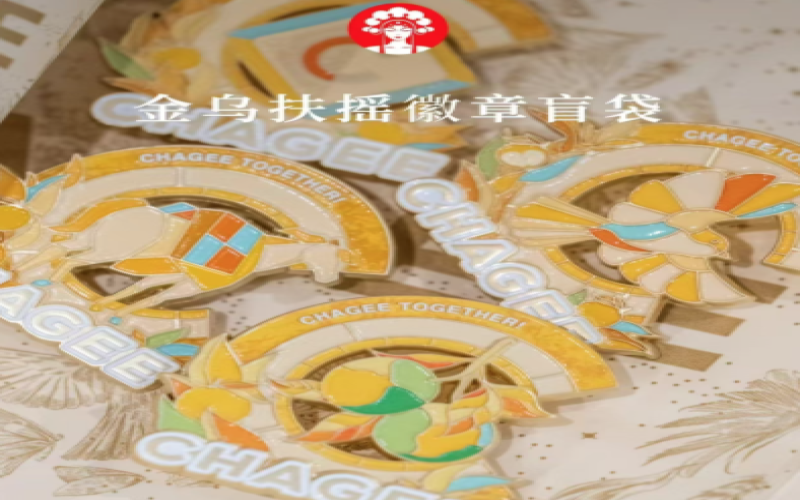
Bawang Chaji's Golden Crow Fuyao New Release Splits Opinions: Green Mandarin Pu'er Meets Milk Tea, Badge Blind Boxes Spark a Collecting Craze
On September 14, Chagee launched a new freshly brewed milk tea called "Golden Crow Soaring," combining Xinhui green tangerine with Yunnan Pu'er and championing the concept of modern Eastern tea. The accompanying "Golden Crow Soaring blind-bag badges" merchandise sparked a collecting frenzy, with the four zinc alloy badges becoming a new target for figure collectors. Yet reviews of the drink itself are sharply polarized—some praise its rich layers, while more people complain that the oolong flavor is too heavy, with a medicinal taste or even a dog-poop note. Veteran tea drinkers suggest drinking it with regular sugar to ease the bitterness. This article sorts through the taste controversy surrounding the new product and the merch-collecting guide, offering reference for coffee and tea enthusiasts. [more…]
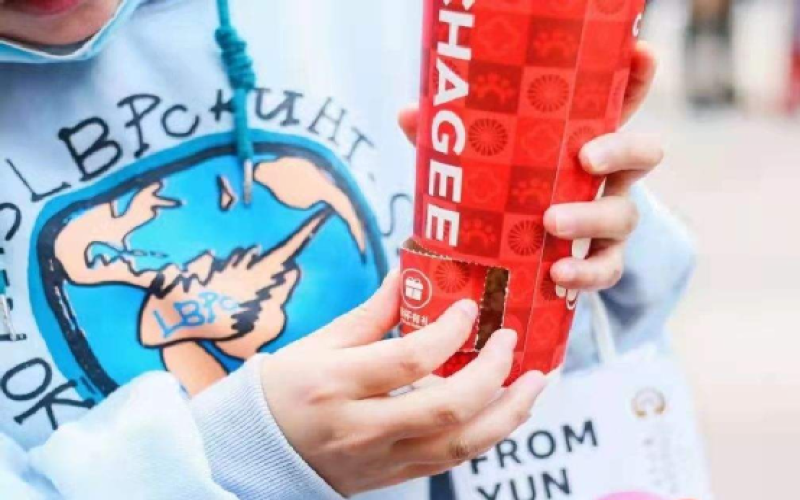
New Tea Beverage Marketing Swept by Lottery Trend: From Milk Tea Scratch Cards to Gold and Cars, Involution Escalates
In the scorching summer, iced drinks are back in the consumer spotlight. To stand out in fierce competition, new tea beverage brands keep reinventing their marketing tactics—from early niche fruits and co-branded limited editions to today's popular milk tea scratch cards, blind box draws, and even giveaways of gold, lottery tickets, and cars. Suguo Fresh Fruit Tea uses its new yellow skin (wampee) product to promote "scratch for real gold," Heytea and Nayuki use puns plus tear-open cards and lottery tickets to grab attention, while Chagee uses high-end lipstick blind boxes to precisely target female customers. Behind these gimmicks is the thrill and sense of participation brought by "eliminating uncertainty." Of course, for those who just want to quietly enjoy a good coffee or milk tea, returning to the product itself may be the lasting way forward, and Front Street Coffee has always advocated focusing on flavor and quality. [more…]
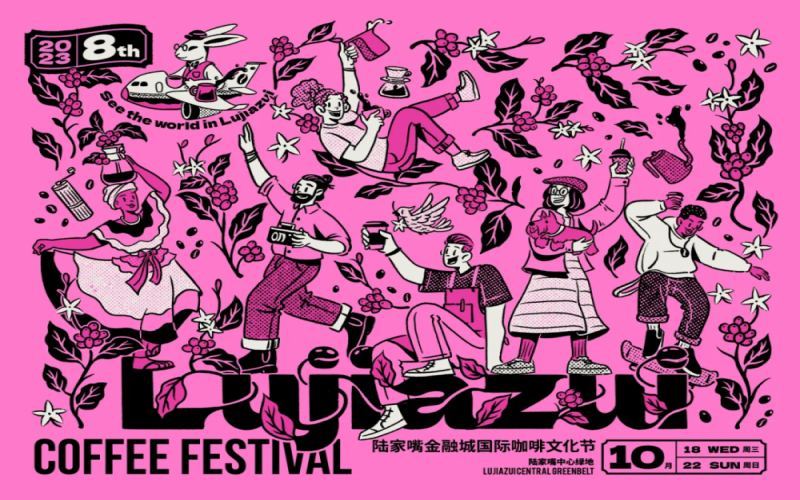
The 8th Lujiazui Coffee Festival has received mixed reviews: reservation-based crowd control and network upgrades won praise, while on-site crowding and blind box controversies persist.
The 8th Lujiazui Coffee Festival recently wrapped up in Shanghai, just half a year after the previous edition. The organizers made several adjustments in response to past issues, including full Wi-Fi coverage and timed-entry reservations. However, social media still buzzed with complaints: the venue remained packed, reservation slots were hard to secure, the 138–168 yuan coffee mystery boxes were seen as disguised ticketing, and some foreign brand experiences fell short of expectations. Despite gathering 100+ cafés from 25+ cities and brands from multiple countries, the event's weak offerings still hurt its reputation. This article reviews the highlights and gripes of this year's coffee festival. [more…]
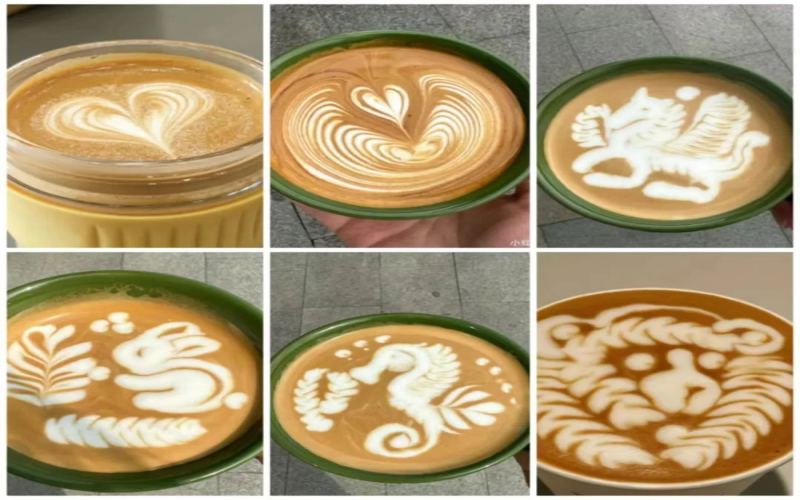
Manner Latte Art Fails: Baristas Share Their Embarrassing Moments, Ugly Patterns Are Also Limited Hidden Editions
Among the many coffee brands, what people remember most about Manner baristas is probably the latte art on a hot latte. When customers receive their coffee, they often look forward to today's design like opening a blind box—a heart, a swan, or a unicorn are all possible. But not every cup turns out as hoped. Recently, a netizen got an "abstract" latte art, prompting baristas to collectively share their own dark history to offer comfort. This discussion about "ugly latte art" actually makes people feel that even if the design fails, it does not affect the good mood of drinking coffee. This article takes you to see those latte art works that make people laugh and cry, and how baristas use humor to defuse awkwardness. [more…]