







Search Results for: blending methods
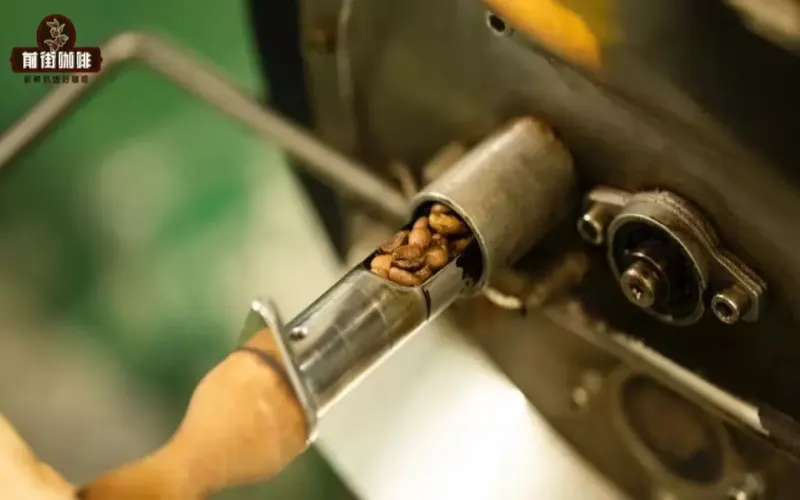
An Analysis of the Differences Between Pre-Roast and Post-Roast Blending for Espresso Blends, with a Discussion of Blend Recipe Design and Tasting Methods
Espresso coffee beans are usually made by blending a variety of coffee beans, and in Italy, a bag of beans may contain several or even dozens of beans from different origins. The core value of blending lies in maintaining flavor stability: when a certain bean's quality fluctuates, its production declines, or its price rises, the roaster can substitute it with beans of similar quality without changing the overall taste. Blending methods are mainly divided into two types: pre-roast blending and post-roast blending, each with different operational logic and suitable scenarios. This article focuses on the differences between these two blending methods, while also explaining the influence of roast degree on flavor, the reasons why single-origin beans find it difficult to independently serve as an espresso base, and recommending three classic espresso blend products from the Front Street Coffee brand, to help coffee enthusiasts understand the design approach and tasting direction of blend recipes. [more…]
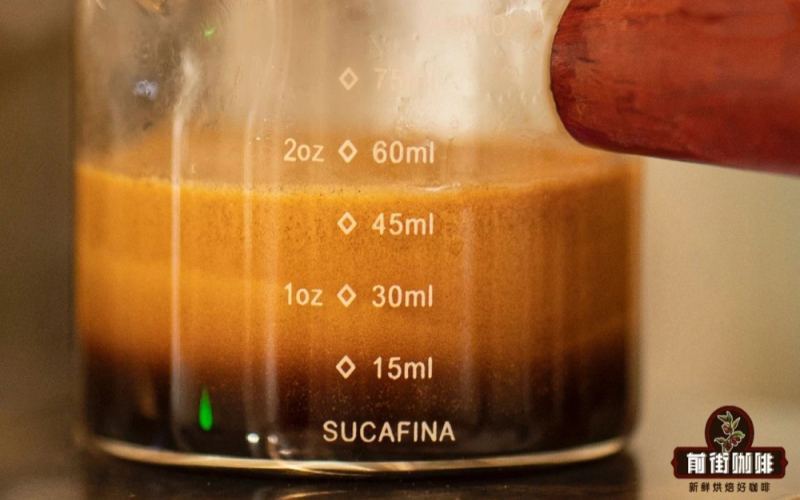
A Comprehensive Analysis of Colombian Coffee Bean Espresso Blend Recipes: From Blending Principles to Roasting Methods and Practical Ratios
Blending coffee beans is not simply mixing them together, but an art that balances scientific calculation with sensory experience. From the practical perspective of Front Street Coffee, this article systematically sorts out the purposes of blending, the order of blending and roasting, as well as the blending steps and core principles, helping coffee enthusiasts understand how to use Colombian and Brazilian coffee beans to build a nutty-toned espresso recipe. The article also introduces the product concepts of Front Street Dark Cocoa Blend and Sunflower·Warm Sun Blend, and includes a recipe example of a 3:7 post-roast blend of Colombian and Brazilian beans, suitable for readers who wish to replicate café flavors at home or optimize output consistency. [more…]

The Purpose of Blending Coffee Beans | What Is Blended Coffee (blending coffee)? How Many Single-Origin Coffee Bean Varieties and What Proportions Are Suitable for a Blend?
Many people don't understand how blended beans are formulated. Now Front Street Coffee will guide you through the thinking behind blended coffee beans and how to blend coffee. Reasons and purposes for blending: People blend coffees from different origins together for several different purposes. The most ideal purpose, of course, is to blend a flavor [more…]
Beginner's Guide to Coffee Blending: From Understanding Bean Varieties and Origins to Roasting Methods and Recipe Practice
Blending is a craft in the coffee world that combines both science and sensibility. Starting from the commercial logic of blending, this article systematically sorts out the knowledge of coffee bean varieties and origins that one needs to master before blending, answers the difficult choice between pre-roast blending and post-roast blending, and summarizes the steps, principles, and common pitfalls of blending. At the same time, by drawing on several blended products from Front Street Coffee, it shows how different formulas serve different flavor pursuits and usage scenarios, helping coffee enthusiasts build a complete cognitive framework for blended coffee. [more…]

Espresso Blend Bean Beginner's Guide: Blending Philosophy, Roasting Methods, and Common Bean Combinations Explained
Many coffee enthusiasts are unclear about the difference between espresso and single-origin coffee, and don't know which coffee beans are suitable for making espresso. This article, from the perspective of Front Street, will systematically explain the definition of espresso beans, the roasting methods for blended beans (raw blend and roasted blend), the design principles of blend ratios, and the characteristics of three types: Arabica-Robusta blends, 100% Arabica blends, and single-origin espresso SOE. At the same time, the article will also introduce several popular espresso blends from Front Street Coffee to help readers make choices based on their own taste preferences. Whether you are a beginner just getting into espresso or an advanced player hoping to deepen your understanding of the art of blending, you can gain practical knowledge and reference from it. [more…]

Espresso Coffee Beans | Why Blend Coffee Beans? What Do Raw Blending and Roasted Blending Mean? What Should Be Noted When Blending Coffee Beans?
Many people don't understand how blend beans are formulated into a blending plan. Now Front Street Coffee will guide you through the ideas behind blending coffee beans and how to blend coffee. The reasons and purposes for blending: people need to combine coffees from different origins for several different purposes. The most ideal purpose, of course, is to blend a kind of flavor [more…]

Principles of Blending Coffee Beans | What Are Blended Beans? What Is the Difference Between Espresso Blend Coffee Beans and Single-Origin SOE Beans? How Do You Blend Coffee Beans?
Many people don't understand how blended coffee beans are formulated. Now Front Street Coffee (FrontStreet Coffee) will guide you through the concepts behind blended coffee beans and how to blend coffee. For more specialty coffee knowledge, please follow our WeChat official account: Front Street Coffee (FrontSt [more…]
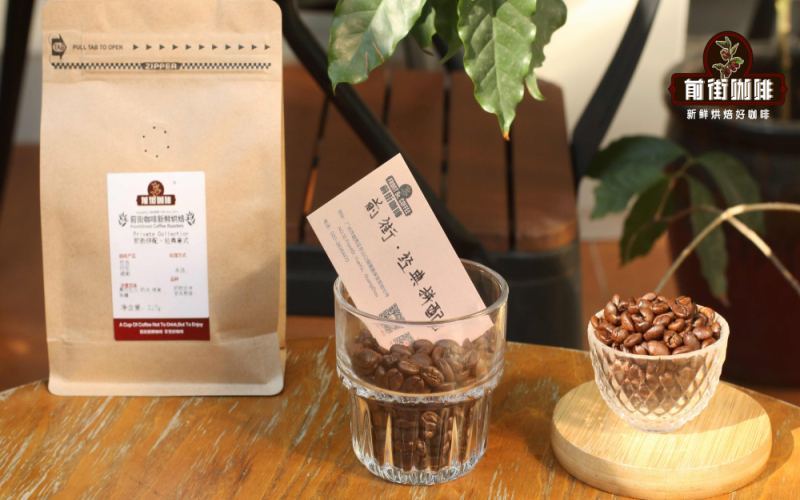
A Complete Guide to Espresso Blend Coffee Beans: Blending Principles, Raw-Roasted Blending Methods, Seasonal Recipes, and Brand Recommendations
Blended coffee beans are the flavor cornerstone of espresso, but there is a great deal of craft behind how to blend an outstanding shot. This article begins with the basic logic of blending: a good recipe must surpass any single-origin bean in the blend, and the number of bean varieties should ideally be kept to no more than five; it then analyzes the differences between the two processes of roasted blending and green blending, along with their respective resting times—3-4 days for green blending and about a week for roasted blending; next, it introduces the seasonal blending concept popular in the specialty coffee world, and uses the standout sweet Front Street Strawberry Candy espresso as an example to break down its composition of origins and processing methods; finally, it presents the cost-performance ledger of Guangzhou Front Street Coffee's commercial blend beans—less than 1.5 yuan per cup—providing a clear reference for your purchasing decision. [more…]

The Complete Guide to Buying Espresso Blend Coffee Beans: From Blending Principles to an Analysis of Front Street Coffee's Four Products
Blending coffee is not simply mixing beans together, but an art that combines experience, inspiration, and scientific calculation. This article systematically sorts out the purpose and commercial logic of blending, the sequence between blending and roasting, the blending steps and core principles, and introduces in detail four distinctive espresso blend coffee beans under Front Street Coffee — Sunflower Warm Sun, Specialty Blend, Commercial Blend, and Dark Cocoa Blend — covering formulas, roasting methods, flavor characteristics, and applicable scenarios, helping coffee enthusiasts and professionals comprehensively understand the classification and purchasing points of espresso blend coffee beans. [more…]
Introduction to Coffee Blending: Blending Objectives, the Difference Between Raw and Roasted Blending, and a Flavor Analysis of Front Street Coffee's Four Espresso Blends
For friends who are new to coffee, the formula logic behind blended beans often seems mysterious. This article, from the perspective of Front Street Coffee, systematically sorts out the purpose and commercial considerations of blending, the order of blending and roasting, the specific steps and principles of blending, and introduces one by one the four blended coffee beans launched by Front Street—Sunflower Warm Sun, Specialty Blend, Commercial Blend, and Dark Cocoa Blend—covering ratios, blending methods, and flavor characteristics, helping coffee lovers build a complete cognitive framework for blended coffee. [more…]
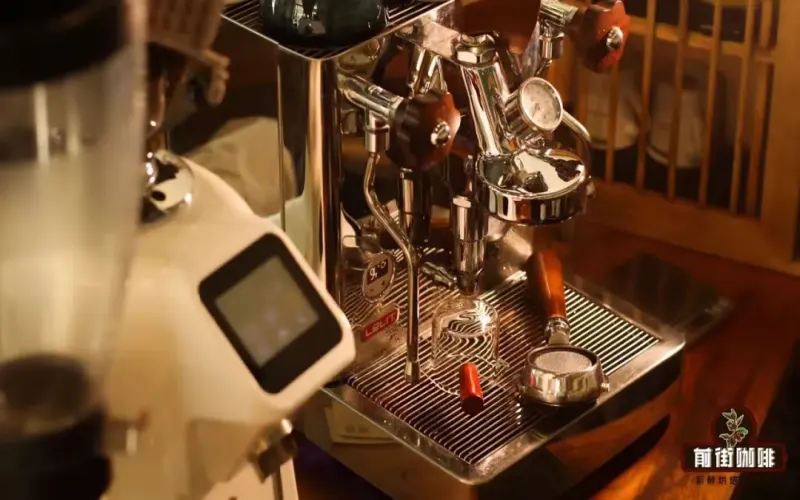
From Flavor Positioning to Ratio Debugging: A Complete Design Framework and Practical Methods for Espresso Blends
Blending coffee is not simply mixing beans together, but a systematic design built around three major goals: cost control, flavor creation, and consistency in the cup. Drawing on Front Street Coffee's practical experience, this article examines the trade-offs between two approaches—blending raw beans and blending roasted beans—and analyzes the roles that varieties such as Brazil Cerrado, Costa Rica Tarrazú, Colombia Huila, and Ethiopia Yirgacheffe play in a blend. It then designs three recipes with Yirgacheffe as the lead note for a cupping comparison, further fine-tunes the ratios, and verifies them on an espresso machine, ultimately arriving at a blend that balances flavor integrity with mouthfeel performance. [more…]
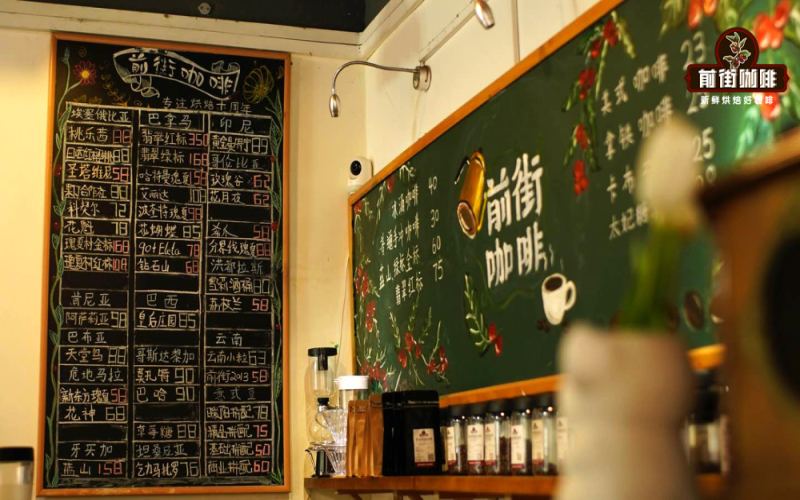
From Single-Origin to Blend: The Combination Logic and Flavor Blending Methods of Colombian and Brazilian Coffee Beans
Coffee blending is not simply mixing several beans together, but is built on a thorough understanding of the flavor differences among various origins. Starting from the actual blending schemes of FrontStreet Coffee, this article sorts out the differences between single-origin beans and blend beans, the respective applicable scenarios of raw blending and roasted blending, and the core purpose of blended coffee in pursuing flavor consistency and taste balance. The article breaks down in detail three espresso blend recipes—specialty blend, commercial blend, and dark cocoa blend—using Colombian, Brazilian, Robusta, and Yunnan AA as raw materials respectively, analyzing their proportion settings, processing methods, and the final taste performance presented, to help coffee enthusiasts understand the blending ideas behind the blends. [more…]
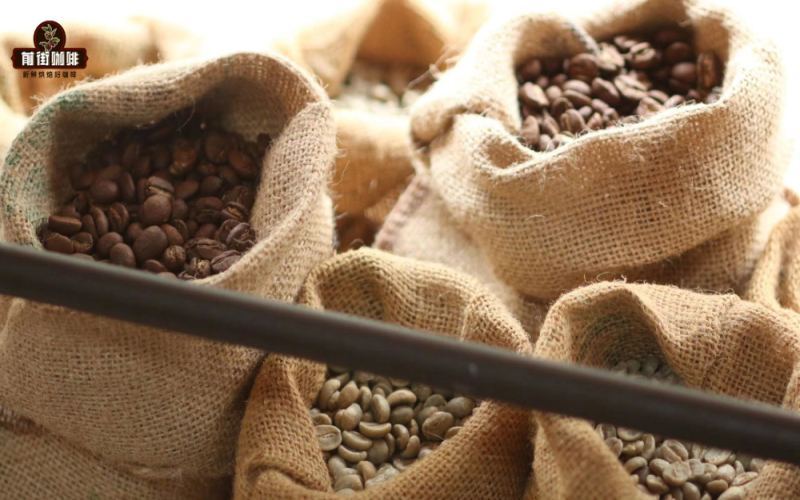
Starbucks Autumn Blend Coffee Beans Flavor Analysis: Pour-Over Techniques and Processing Methods for a Latin American Blend
Starbucks Autumn Blend coffee beans, also known as Thanksgiving Blend coffee beans, is a seasonally available blended coffee. It is a proportional blend of two classic beans: Sumatra and Guatemala Antigua. This article will analyze the characteristics of coffee beans from the Asia/Pacific region and Latin America from two dimensions: regional flavor and processing method, and provide a detailed introduction to the differences between the washed process and the semi-washed process. At the same time, the article reviews the story of how this coffee bean came to be and pairing suggestions. For enthusiasts who want to gain a deeper understanding of blending logic or try pour-over brewing, there are practical suggestions from Front Street Coffee at the end of the article, which are worth reading. [more…]
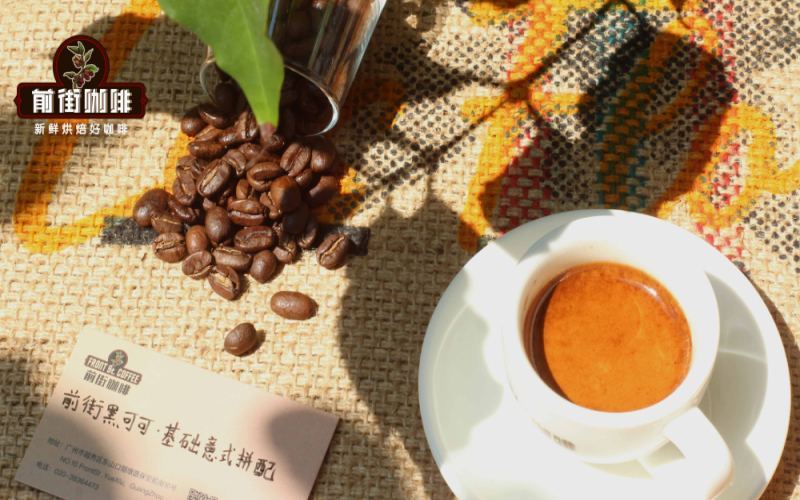
How to Make a Delicious Americano with Espresso Blend Beans? Colombian and Brazilian Bean Pairing and Front Street Coffee Recipe Analysis
To make a delicious Americano with a drip coffee machine, the choice and blending approach of the blend beans is crucial. This article begins with the definition of coffee blending and the two methods of raw blending and roasted blending, sorts out the goals, principles, and steps of blending, explains the purposes of blending such as stabilizing flavor and balancing taste, and introduces the characteristics and limitations of single-origin SOE. It then provides three espresso blend recipes from Front Street: Specialty Blend (Colombia Huila + Brazil Cerrado), Commercial Blend (Colombia + Brazil + Robusta), and Dark Cocoa Blend (Yunnan AA + Brazil), along with the distinctions and preparation methods of fancy coffees such as latte, cappuccino, flat white, and affogato, as well as the key points for making Americano black coffee. [more…]
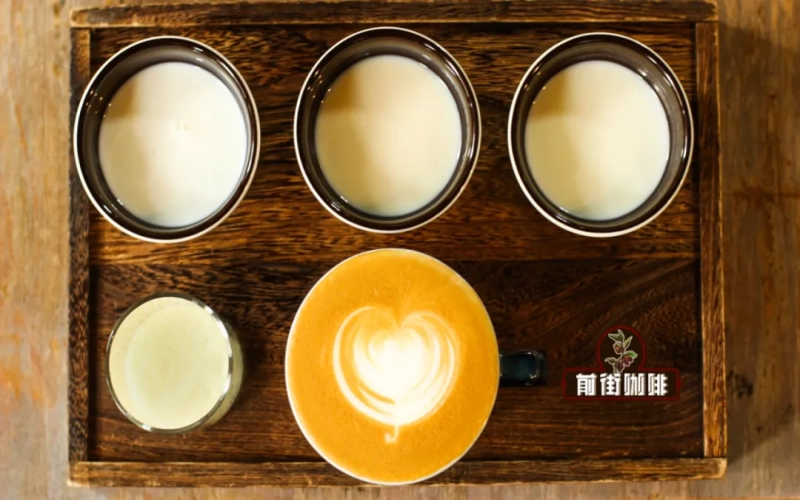
A Complete Analysis of Milk Blending in the Coffee World: Blending Approaches and DIY Methods for Purified Milk and Plant-Based Milk
In coffee drinks, milk is far more than a supporting player; through clever blending, it can make the flavor of milk coffee achieve an effect where 1+1 is greater than 2. Whether adjusting concentration or enhancing sweetness, blended milk gives baristas more flexible creative space. This article, from the perspective of Front Street, systematically sorts out the common milk blending methods in the coffee world, including the freeze-concentration principle of purified milk, the practice of mixing it with fresh milk in proportion to balance concentration, and the basic concept of plant-based milk blending. The article not only explains the purpose of blending, but also provides actionable DIY ideas to help coffee lovers recreate a professional-grade milk coffee experience at home. [more…]

The Core Principles and Practical Methods of Espresso Blending: A Complete Approach from Green-Coffee Blending and Roasted-Coffee Blending to Pour-Over Blending
Blending is an art of balance and creativity in the world of coffee. Starting from the definition of blending, this article traces the two original purposes of blended beans in history—stabilizing flavor and reducing costs—and then explores the shift in blending philosophy in the specialty coffee era. The article compares in detail the pros and cons of blending green beans versus blending roasted beans, emphasizes that the foremost prerequisite for blending is a similar roast level, and thoroughly analyzes how to scientifically pair beans based on their flavor and mouthfeel characteristics. Finally, using "Front Street Warm Sun Blend" as an example, it showcases the classic combination of 70% Sherry and 30% Red Cherry, providing coffee enthusiasts with a reusable underlying logic for blending. [more…]
Espresso and Pour-Over Coffee Liquid Blending Methods: A Comprehensive Analysis of Ratio Options and Practical Parameters
Coffee blending usually refers to mixing different coffee beans, but have you ever thought about blending separately brewed coffee liquids? This approach is not only feasible but also extremely flexible—each bean can be extracted individually using its optimal parameters, then blended in proportions as needed, trying different combinations in small batches. Front Street Coffee uses Xizhua and Guodingding as examples to share specific ideas for coffee liquid blending: beans with a heavier fermented character paired with washed-process coffee can both balance the fermented notes and improve cleanliness. The article provides detailed flavor descriptions for two blending ratios, 1:1 and 1:2.5, along with brewing parameters and key operational points, suitable for coffee enthusiasts to try at home. [more…]
A Detailed Explanation of the Four Core Principles of Blending Coffee Beans — The Main Differences Between Single-Origin Pour-Over Beans and Blended Beans
What exactly is the difference between single-origin coffee and blended coffee? Starting from definitions, this article systematically sorts out the four major basic principles of blending coffee beans: clarifying the purpose of the blend, determining the target flavor, choosing raw blending or roasted blending, and locking in the blending ratio. Using details as examples, the article explains how to create a distinctive flavor through combinations of beans from different origins and different processing methods. At the same time, it also shares brewing parameters for single-origin coffee and espresso extraction plans, making it suitable for enthusiasts who want to gain a deeper understanding of the logic behind coffee blending. [more…]
A Beginner's Guide to Coffee Blending: Blending Goals, the Differences Between Raw and Roasted Blending, and Analysis of Classic Recipes
The commercial motivations behind blending coffee beans typically operate on two levels: first, lowering costs and ensuring consistent output by combining beans from different origins; second, creating a unique flavor profile that others cannot replicate, so customers can only identify with one brand. Setting aside commercial considerations, this article focuses on blending practices aimed at enhancing flavor quality. It begins with understanding the individual character of coffees from various origins, then moves to determining blending goals and defining the role each bean plays, followed by choosing between two processing methods—blending green beans or blending roasted beans—and finally the process of determining the number of components, ratios, and repeated cupping. Front Street Coffee also lists four representative blended products for reference by coffee shops and enthusiasts with different needs. [more…]
What kind of bean is a blend of multiple varieties from the same origin? A case study of a Costa Rican Mirasol and Panama Butterfly Geisha blend
When many people hear about blended coffee beans, their first thought is cross-region blending aimed at achieving a stable espresso flavor. But did you know? There is another type of blend called a "single-origin blend," which combines coffee beans of different varieties from the same region or even the same estate. In this article, Front Street Coffee will explore this concept, using two Geisha blends—Costa Rica's Mirazu Estate and Panama's Boquete Butterfly—to trace the spread of Geisha from Ethiopia to Panama, explain whether they truly count as single-origin coffee, and include details on two processing methods, washed and raisin honey, along with V60 brewing parameters and a flavor comparison, to help you fully understand the value and charm of single-origin blending. [more…]