








What is coffee blending and when does it work?
Coffee blending combines several different beans into one new lot. It began for two reasons: keeping flavor consistent from year to year, since coffee is an agricultural product whose new-crop character shifts with climate, and controlling cost, because a smaller share for each bean lets cheaper coffee pass unnoticed under a darker roast.
In the specialty era, blending is used less for cost and more to layer the strengths of different beans into a new flavor. Blending can be done with green coffee or with roasted coffee, and the primary prerequisite is a similar degree of roast. A classic example pairs 70% Sherry with 30% Red Cherry for espresso.
Blending is an art of balance and creativity in the world of coffee. Starting from the definition of blending, this article traces the two original purposes of blended beans throughout history—stabilizing flavor and reducing costs—and then explores how blending philosophy has shifted in the specialty coffee era. The article compares in detail the pros and cons of blending green coffee versus blending roasted coffee, emphasizes that the foremost prerequisite for blending is a similar degree of roast, and offers an in-depth analysis of how to scientifically pair beans based on their flavor and mouthfeel characteristics. Finally, using "Front Street Sunshine Blend" as an example, it showcases the classic combination of 70% Sherry and 30% Red Cherry, providing coffee lovers with a reusable underlying logic for blending.

What Is Blending?
Literally understood, blending is simply combining several different coffee beans into one entirely new bean.
In the early days, people blended coffee for two main reasons. The first was the pursuit of flavor consistency: mixing several beans together can reduce the weight of any single bean in the overall blend. Coffee beans are essentially an agricultural product, and each year's new-crop beans present different flavor directions due to differences in that year's climate conditions. When a certain bean is out of stock, or its flavor fails to meet established standards, another bean can be used as a substitute without causing the entire batch of product to lose its identity.
The second motive was cost control. Once the role of each bean is diminished, even if a small amount of ordinary, low-priced beans is mixed in, combined with a darker roast level, consumers can hardly detect the drop in quality, and costs naturally come down. This is precisely the main source of the stereotype that blended beans are less refined than SOE in people's minds.
However, with the spread of the specialty coffee concept, people no longer fixate solely on cost. Instead, as mentioned at the beginning of the article, they hope to create entirely new flavor experiences by layering the strengths of different beans to satisfy their own palates. Blending can serve espresso as well as single-origin pour-over.
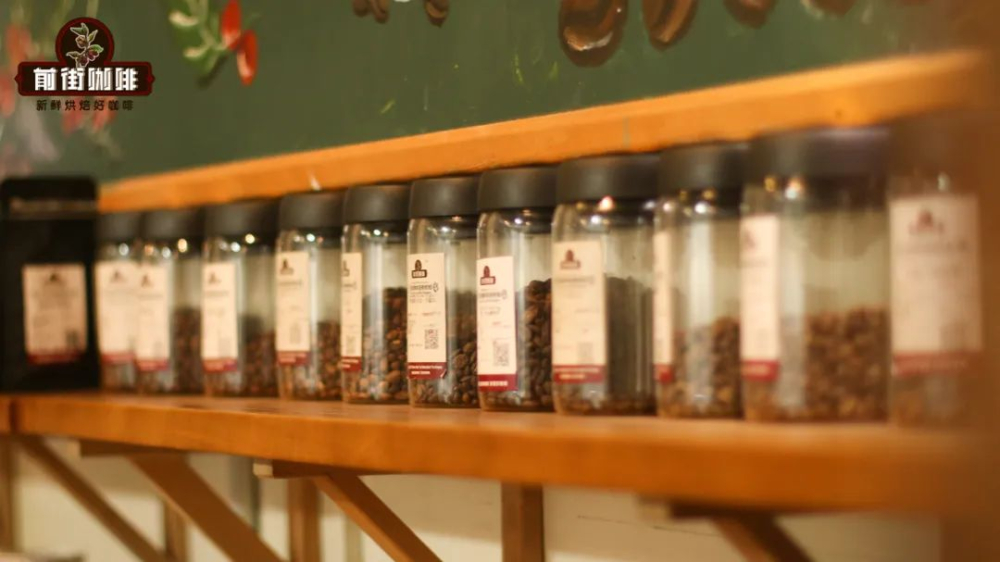
Should Blending Be Done with Green Beans or Roasted Beans?
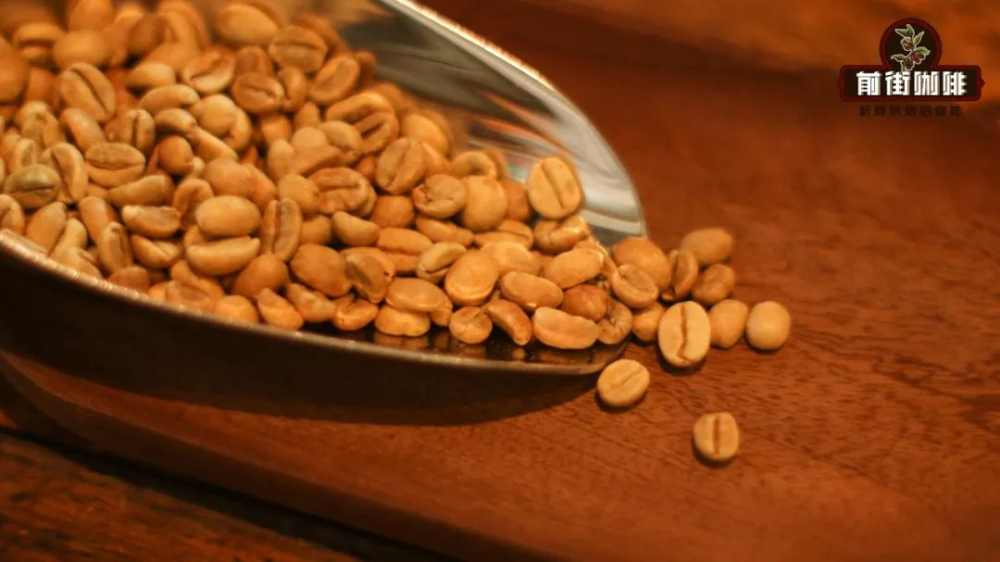
In practice, blending is divided into two types: green blending and roasted blending. Green blending means mixing all the beans in the established proportions before roasting, then putting them into the roaster together to be roasted.
This approach saves considerable time and effort, but the problem is that different beans often differ in density and particle size. Roasting them together can easily cause the beans to reach inconsistent degrees of roast. Deviations in roast level between beans will bring trouble to subsequent extraction, which we will elaborate on later.
Roasted blending, on the other hand, means first determining which beans to use, roasting them separately, and mixing them together only after all have been roasted. This method is more cumbersome to carry out, but its benefit is clear: each bean can be roasted to a consistent degree, without deviations in roast level caused by differences in density or size.
Prerequisites
The foremost condition for blending is that the selected beans must be roughly the same in degree of roast. If beans with greatly differing roast levels are used for blending, then because the beans have different textures, under the same extraction parameters each bean will exhibit a completely different extraction intensity.
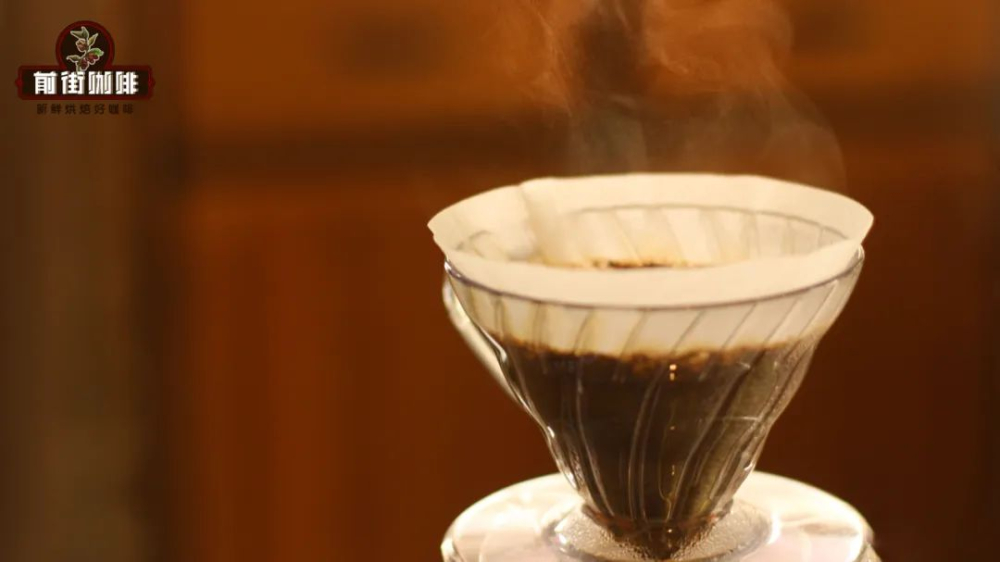
For example, if you blend a light-roasted bean with a dark-roasted bean, when it is used for pour-over, a water temperature of 92°C can fully extract the light-roasted bean in the blend, but the dark-roasted bean will be directly over-extracted.
And when you use it for espresso extraction, the coffee machine's default pressure may allow the dark-roasted bean to be fully extracted while the light-roasted bean is under-extracted; if the proportion of light-roasted beans is too high, it may even drag the dark-roasted bean into under-extraction as well. These two situations are not only far from complementary, but also produce negative effects due to differences in texture. Therefore, the first principle of blending is: the beans used need to have a similar degree of roast.
Beyond the degree of roast, before blending you also need to first figure out the characteristics of each bean—mouthfeel, taste, and features. Only once you understand them clearly can you more quickly assemble the ideal blending plan. Next, Front Street will share some blending ideas for your reference.
Blending Ideas
The most basic blending method is to select several beans with different flavors and pair them so that their most prominent flavors combine with one another, thereby obtaining an entirely new taste.
For example, we can use a Sidra with a prominent grape flavor and pair it with a Gutingding that has a fresh green tea note. When the flavors of grape and tea are layered together, they become grape oolong tea. Note that for beans like Sidra whose flavor is already very eye-catching, the proportion can be appropriately reduced a little, so that the final taste presented will be more balanced.
The above is a relatively simple flavor-blending idea. If we want to be more refined, then beyond flavor pairing we need to further consider mouthfeel and the matching of usage scenarios.
For example, we need the flavor of bean A, while also having bean B contribute part of the flavor and body. In this case, the proportion of bean A should be raised to half or more, letting it serve as the main tone of the taste and ensuring its flavor will not be overshadowed by bean B. So how exactly does Front Street do it?
Take Front Street's Sunshine Blend as an example: this bean uses Honduran Sherry paired with Yirgacheffe Red Cherry. Since it is intended for espresso, the roast level is set to medium-dark. Medium-dark roasted Sherry carries whiskey aroma and creamy nutty flavors, but its mouthfeel is on the thin side. Red Cherry plays the role of the finishing touch; after medium-dark roasting it retains a hint of berry acidity, and its mouthfeel is relatively full-bodied. Once the two are combined, they evolve into a bean with whiskey aroma, berry, and chocolate flavors and a full-bodied mouthfeel.
Recall the pairing points Front Street mentioned earlier: Red Cherry needs to increase the body without masking Sherry's flavor, so what should the ratio between them be?
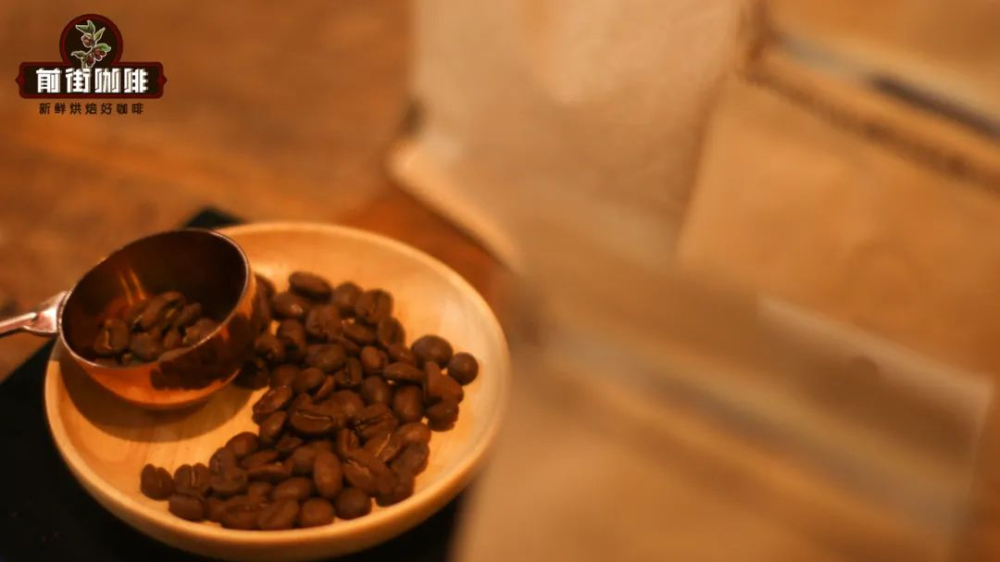
70% Sherry × 30% Red Cherry—did you guess right?
The above are the blending ideas shared by Front Street. We can apply the principles within them to other combinations of beans with different tastes and different mouthfeels, or we can focus on highlighting one particular characteristic so that people feel surprised by that point. But the key is that people must not feel that this one point makes the whole cup of coffee jarring. This is the underlying logic of blending—why not give it a try yourself?
- END - Front Street Coffee
No. 10, Baoqian Street, Yandun Road, Dongshankou, Yuexiu District, Guangzhou, Guangdong Province
The above content is compiled by CoffeeHunters, a coffee news website.


