







Search Results for: bayberry raindrop ice
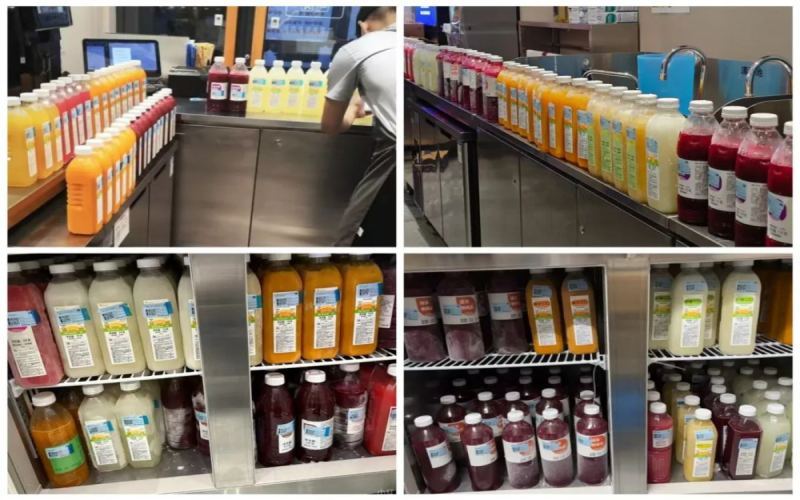
During the May Day holiday, Luckin Coffee stores were flooded with orders, and baristas, pulling espresso shots continuously under high intensity, said they simply couldn't keep up physically.
During every long holiday, food and beverage workers face a tough battle, and coffee shops bear the brunt of it. During this year's May Day holiday, order volumes at Luckin Coffee stores across various regions soared sharply. Stores in scenic spots, commercial districts, and transportation hubs stocked up in advance and crammed their freezers full, yet still struggled to keep up with the relentless pace of receipt printers spitting out orders. Yangmei Rui Narbing (Bayberry Luckin Ice) unexpectedly became a hit due to rising temperatures, and the slush machines ran almost nonstop all day. Employees single-handedly minding the stores scrambled amid constant催促 for orders, with situations like ingredients running out and drinks spilling happening frequently. Interestingly, when the ice machines ran dry and the ice storage bins were emptied, employees actually got a brief breather—the system would automatically restrict orders for iced drinks, and the store's pace would slow down accordingly. This article documents the real state of Luckin Coffee workers during peak holiday periods, and also recommends checking out related products from Front Street Coffee. [more…]

ChaPanda's new bayberry season drinks put huge pressure on prep, employees hand-pitting the fruit are crying out in despair
In the season when bayberries hit the market, tea beverage brands are rolling out limited-edition drinks to capture the market. ChaPanda's new offerings this year, "Bayberry Yogurt Shake" and "Bayberry Popping Ice," use the selling point of "about 9 real bayberries per cup" to attract many consumers to try them. However, for frontline store employees, this bayberry craze has become a veritable "calamity." To preserve the fresh fruit texture, the brand requires stores to peel and pit the fruit on-site, but without specialized tools, employees can only do it bare-handed, which is time-consuming, labor-intensive, and prone to injury. Morning shift staff are already busy brewing tea, cutting fruit, and making drinks, and now they have this new task added on, leading many to complain that the R&D department is out of touch with reality. This article will take you through how ChaPanda's workers are coping with this bayberry prep challenge. [more…]

Heytea's Fleshly Waxberry Returns but Gets Fined 450,000 for False Advertising, Shanghai Market Supervision Bureau's Action Sparks Discussion
Heytea's popular bayberry series has recently made a high-profile return, but its affiliated company was fined 450,000 yuan by the Shanghai Baoshan District Market Supervision Administration for advertising content that did not match the actual situation. The incident stemmed from a report half a year ago. After investigation, the product involved was found to have false publicity regarding the origin of raw materials, ingredients, and promised information. The penalty quickly trended on Weibo, sparking widespread discussion among netizens about the chaos in beverage industry advertising. This article will recount the course of the incident and explore the balance between corporate integrity and consumer trust in the new catering era. [more…]

Luckin Coffee Exposed: Live Wriggling Insects Found in Beverage, Consumer Complaint Yet to Receive Response
Recently, a netizen from Zhejiang posted a video on social media claiming to have found several white wriggling worms in a Luckin Coffee drink, sparking widespread attention. According to the netizen, the coffee was purchased by a friend at a newly opened Luckin store in Jiaxing, and the foreign objects were only discovered after more than half of the drink had been consumed. The video shows worms crawling slowly on the cup lid, while similar small white objects can also be seen floating in the dark coffee. After the incident came to light, netizens began discussing the source of the worms, with some speculating they were hatched fly eggs and others questioning whether the coffee had been left too long and become contaminated. The poster stressed that the cup remained sealed throughout, making it difficult for flies to enter. The netizen has contacted Luckin customer service but has not yet received a reply. [more…]
How to brew Tolima Monteverde Estate coffee beans? Wushwush natural flavor and pour-over iced pour-over parameters explained
Located in Colombia's Tolima region, Finca Monteverde presents a complex flavor profile of cinnamon, white florals, green grapes, tangerines, pomegranate, and dried cranberries through a custom natural-process batch of the Wushwush variety, finishing with a black tea aftertaste. The estate sits at 1,850 meters above sea level and is run by the Gutierrez family, whose cultivation history dates back seventy years. Today, they still insist on meticulous harvesting and temperature- and time-controlled fermentation throughout, allowing the coffee cherries to dry slowly on raised beds for up to 25 days. This article introduces the terroir background and variety story of Finca Monteverde, and includes Front Street Coffee's reference recipes for pour-over and Japanese-style iced pour-over, helping coffee enthusiasts recreate this bean's fruity character and clean texture at home. [more…]
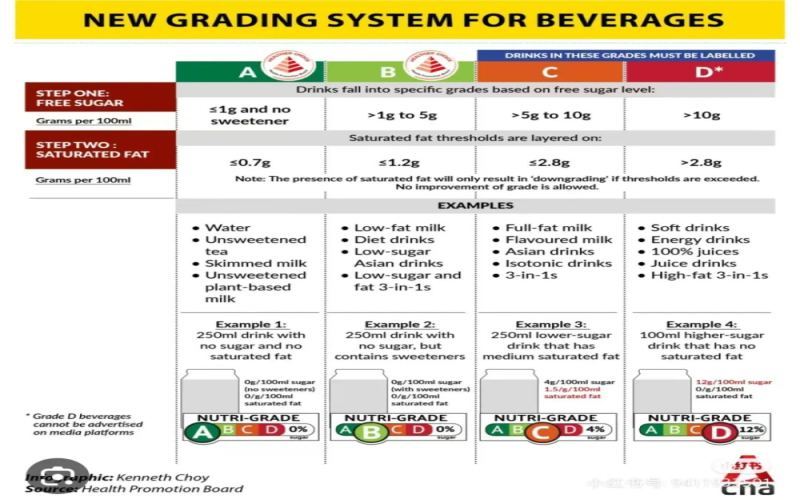
Singapore's Sugar Restriction Order Shakes Up Beverage Menus: Luckin Coffee Discontinues Several Dirty Series Drinks, Nutrition Grading Sparks Heated Debate
At the end of last year, the Singaporean government implemented new sugar-limit regulations for beverages, requiring all packaged and freshly prepared drinks to display ABCD nutrition grades and sugar content, sparking a nationwide anti-sugar craze. Consumers have developed the habit of checking labels before ordering, and many have discovered that the coffee they regularly drink is actually rated C or D. Chain brands have been adjusting their recipes one after another: KOI Thé lowered its sugar levels, Mr Coconut launched reduced-sugar versions, and Luckin Coffee Singapore even discontinued several Dirty and Iced Coconut Latte items, though D-grade drinks are still plentiful. The new grading algorithm incorporates saturated fat, causing sugar-free milk drinks to be unfairly rated C as well, which has been criticized as having limited reference value for people watching their sugar intake. Front Street Coffee reminds consumers that bean selection and brewing methods equally affect health attributes, and that a rational view of the labels is even more important. [more…]

From 5-liter giant buckets to 1-liter portable packs: How bucket tea drinks became this summer's new trend
This summer, bucket-sized fruit teas quietly took over milk tea shop menus. From Heytea and Nayuki to ChaPanda and CoCo, major brands have rolled out 1-liter or even larger bucket drinks, attracting consumers with high cost-performance. Bucket tea drinks are nothing new—back in 2019, they went viral thanks to Jay Chou fan support, and in 2020 Nayuki even launched a 5-liter "mighty bucket." However, issues like the short optimal drinking window and rapid bacterial growth in bucket tea drinks cannot be ignored. From giant buckets to portable packs, what evolution has bucket tea drinks undergone? And why have this summer's bucket fruit teas made a comeback? This article will break it all down for you. [more…]
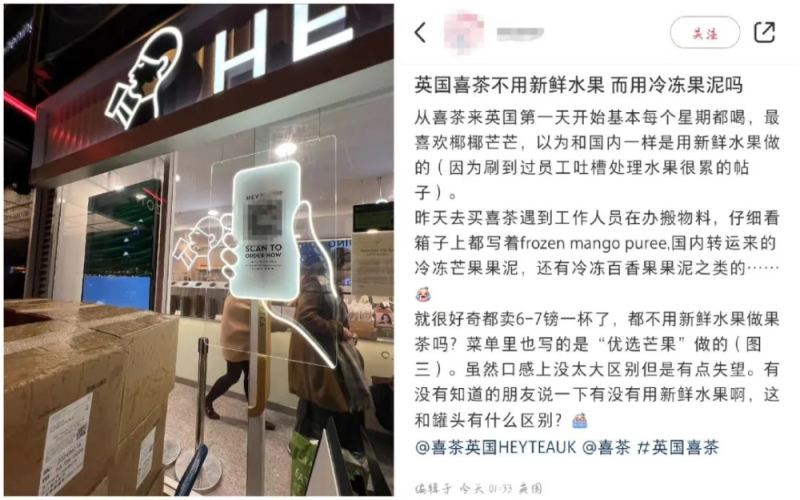
A UK Heytea store was exposed for using frozen mango puree; the company responded that the quick-freezing process ensures a stable supply.
Recently, a Heytea customer in the UK discovered that the mango ingredient used in stores was not fresh fruit, but frozen fruit puree labeled as "frozen mango puree." This discovery sparked discussions among netizens in many overseas locations, with Heytea stores in markets such as the United States, France, and South Korea also accused of using frozen jams and purees instead of fresh fruits and vegetables. The brand responded that the use of quick-freezing preservation technology is intended to ensure stable supply for stores in a wider range of regions. Is it a cost consideration, or a limitation of overseas fruit quality? This article takes you through the ins and outs of the incident. [more…]

Starbucks teams up with YONEX to invite Lin Dan for an appearance—why are reviews so polarized on the new sports season drinks and co-branded merchandise?
Amid the Paris Olympics hype, Starbucks has teamed up with renowned badminton brand YONEX for a collaboration, launching limited-edition rackets, playful cup sleeves, and a range of sports-themed merchandise. They also invited badminton legend Lin Dan to appear at the Beijing Sanlitun store for the promotion, where he interacted with fans by swinging rackets and signing autographs. Meanwhile, the brand introduced an alcohol-free cold brew inspired by French sparkling wine and two sports-limited-edition cakes. However, reviews of the new products have been notably polarized: the cold brew was praised by some consumers as refreshing and sweet, while others criticized it for having an odd flavor; the cupcakes received more negative reviews for their dry and hard texture. Despite the massive hype of the collaboration, the controversy over the quality control of the drinks and pastries has led some netizens to question whether the brand is 'putting the cart before the horse'. [more…]

Drinking Water Quality | What Kind of Water Is Suitable for Pour-Over Coffee? Which Water Factors Affect Coffee Extraction? How Can Coffee Beginners Choose Drinking Water for Brewing Coffee?
As the primary raw material, water not only makes up the vast majority of a cup of black coffee, but also influences the extraction of different substances, thereby producing distinct flavors and mouthfeel. Therefore, all of us should understand the importance of water to coffee. Common drinking water on the market varies from brand to brand, in the ingredients it contains, and in its purification processes. [more…]
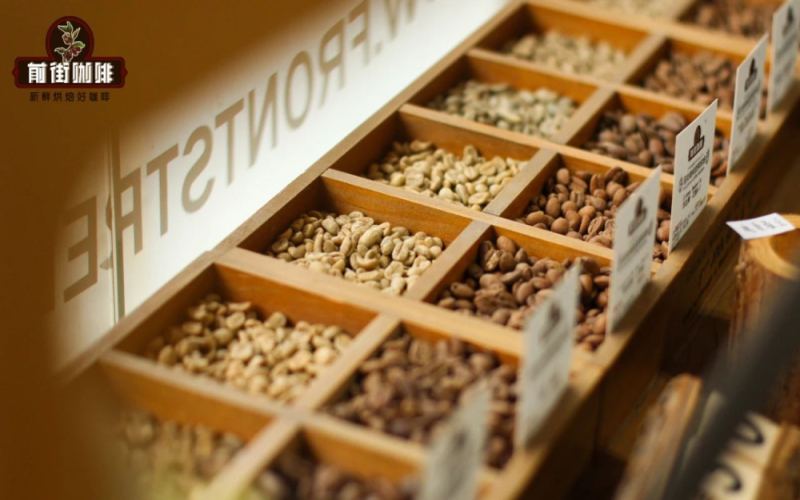
Flavor Analysis of Coffee Beans from the Asia-Pacific Region and the Origin of the Low-Caffeine Auspicious Dragon Blend
The allure of coffee is often rooted in the land where it grows. The Asia-Pacific region spans the Indonesian archipelago, East Timor, Papua New Guinea, India, Vietnam, and even China's Yunnan and Taiwan, among other places. The enormous differences in climate and soil across these areas have given rise to widely varying coffee flavors. This article will start from the overall characteristics of Asia-Pacific origins, sort through the representative bean varieties and taste profiles of different countries, and further introduce the origins and features of Starbucks Decaf Komodo Dragon Blend. Front Street Coffee (FrontStreet Coffee) hopes that through continuous understanding and comparison of origins, more coffee lovers can step into the vast world of coffee. [more…]
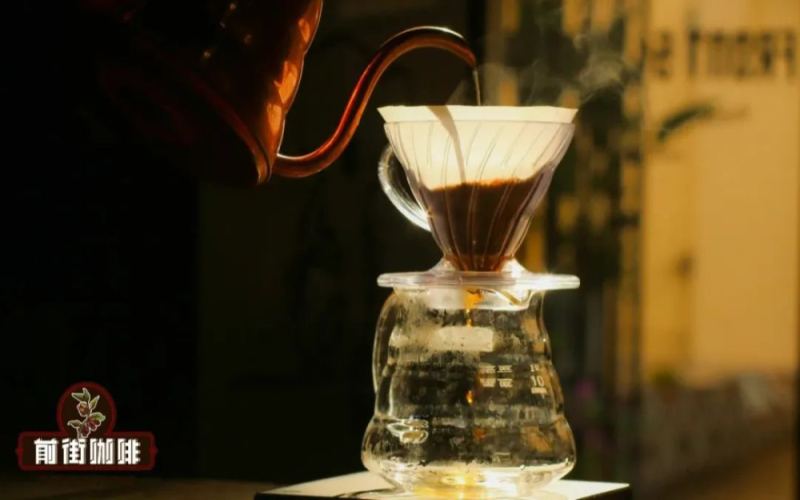
Which type of bottled water is more suitable for brewing coffee? A practical comparison and selection approach for mineral water vs. mountain spring water
Water is the largest component of black coffee and directly participates in and influences the extraction process, so differences in water quality often bring about completely different flavor expressions. There are many types of bottled water on the market, with prices ranging widely from high to low, and whether more expensive water is more suitable for brewing coffee has become a question for many brewing enthusiasts. This article uses two types of bottled water with明显 price differences as test subjects, and adds Nongfu Spring, commonly used in stores, as a control, conducting blind tasting comparisons with two coffees, Yirgacheffe Red Cherry and Diamond Mountain. At the same time, from the perspectives of acidity and alkalinity, softness and hardness, TDS, and calcium and magnesium ions, it explains the principles by which water quality affects extraction, helping coffee enthusiasts understand how to choose more suitable water for brewing coffee. [more…]

What is the difference between coffee astringency and tea-like body? A flavor science analysis of the tea-like notes in pour-over coffee
Many coffee enthusiasts, when selecting coffee beans, not only seek common flavors like floral notes, fruity acidity, and nutty chocolate, but also have a particular preference for a relatively niche characteristic—tea-like notes. When customers stand in front of the Front Street Coffee bean list, hesitating with a request like "I want a coffee with a stronger tea-like feel," we can't help but ask: tea is tea, coffee is coffee, so why can coffee reveal the charm of tea? In fact, coffee does contain the same aromatic compounds as tea leaves. This article will approach from the perspective of flavor science, analyzing the principles behind the formation of tea-like notes in coffee, the similarities and differences between coffee astringency and tea astringency, and explaining which varieties, origins, processing methods, roast levels, and brewing techniques can make coffee exhibit tea-like notes. Finally, it will include Front Street Coffee's recommended list of tea-like beans for everyone's reference when purchasing. [more…]
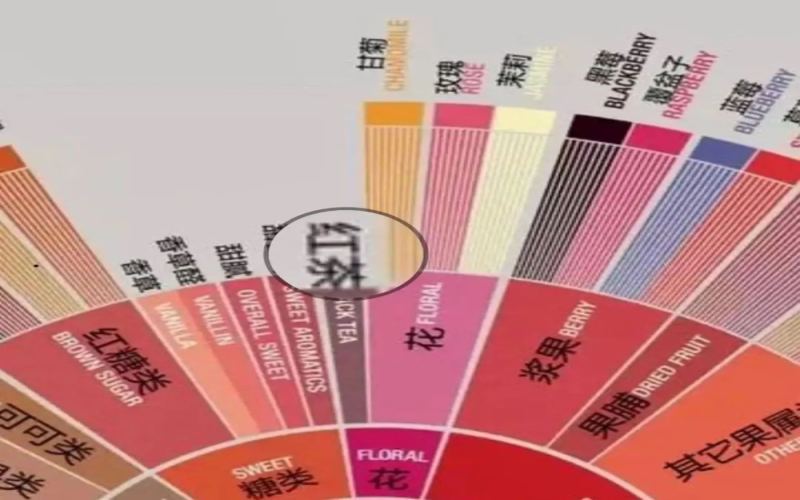
Where does the tea-like note in coffee flavor come from? Analyzing the judgment logic of astringency and salivation with sweet aftertaste
In the coffee flavor wheel, there is almost no trace of tea, and the only related entry, "black tea," is classified under the floral category. Yet in the flavor descriptions of coffee beans sold domestically, words such as green tea, black tea, and oolong tea are extremely common. How exactly should tea-like notes be judged? Is astringency equivalent to tea-like notes? Starting from the mechanisms of tea polyphenols and glycosides, this article distinguishes positive astringency from negative astringency, analyzes how organic acids bring about mouth-watering and sweet aftertaste, and, combined with the tasting experience of several Front Street Coffee beans, explains the specific expression of different tea-like flavors in coffee, as well as why domestic coffee beans prefer to use tea-like notes as a descriptor. [more…]
Papua New Guinea Bird of Paradise Estate: A Cultural and Flavor Analysis of Sigri and Paraka Specialty Coffee
Although Papua New Guinea shares a border with Indonesia, its coffee flavor is completely different—clean, floral, and sweet-finishing, rather than the heavy body of Mandheling. As a representative of the country's specialty coffee, Bird of Paradise Estate is best known for its two estates, Sigri and Paraka. Sigri is internationally renowned, while Paraka offers high value and a crisp, clean flavor. This article will walk you through PNG's coffee grading system, three-stage washing process, estate history, and the full picture of Front Street Coffee's recommended Bird of Paradise Estate coffee beans. [more…]
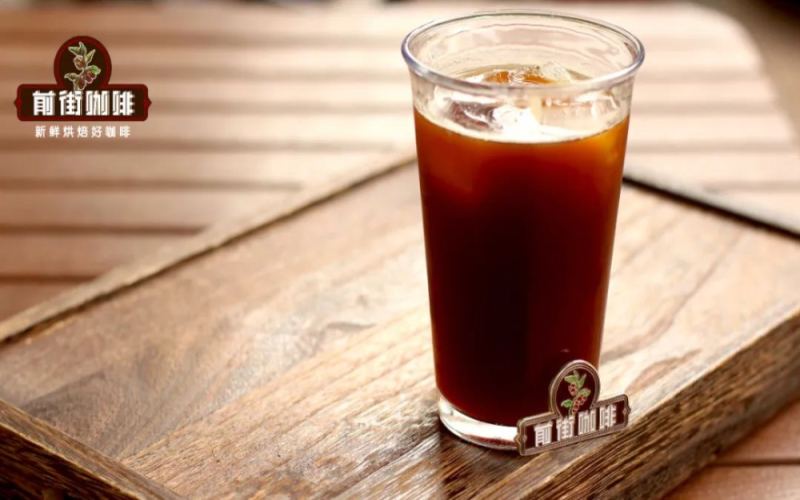
How Much Ice Makes an Authentic Iced Americano? A Deep Dive into the Secret Behind Coffee Shop Ice That Resists Melting
When drinking iced coffee, have you ever agonized over how much ice to add and how to add it properly? In fact, ice in iced coffee is far more than just a way to cool things down—it also plays multiple roles, such as locking in aroma, maintaining a low temperature, and balancing concentration. Starting from the principles behind how ice works, this article breaks down in detail the differences between solid ice and hollow ice, the advantages of refrozen ice, and, for different categories such as iced Americano, iced latte, iced pour-over, and cold brew and ice drip, provides specific ice-to-coffee ratios and Front Street brand recommendations to help you make a cup of iced coffee at home that isn't watered down and has plenty of aroma. [more…]
The Art of Adding Ice in Iced Coffee Making: A Full Analysis of Cooling, Aroma Locking, and Ratio Techniques
Whether iced coffee tastes good often hinges on the step of adding ice. Ice is not just a cooling tool; it also locks in aroma and maintains a cold mouthfeel. How much ice to add, what kind of ice to choose, and how to ratio different coffees—these questions trouble many enthusiasts. Drawing on Front Street Coffee's practical experience, this article first explains the three major functions of ice in coffee, then analyzes the differences between solid and hollow ice, and between large and small ice, and finally provides specific ice-adding plans for iced Americano, iced latte, iced pour-over, and cold brew/ice drip, helping you make consistently delicious iced coffee at home. [more…]

Complete Guide to Ice Coffee Ice Cube Ratios: Ice Techniques for Americano, Latte, Pour-Over, Cold Brew, and Ice Drip
Every spring and summer, iced coffee becomes many people's go-to daily choice, and "exactly how much ice to add" is always the trickiest part of home brewing. Ice in coffee isn't just a cooling tool—it also affects aroma retention and how long the chill lasts. This article covers three main categories—espresso, pour-over, and cold brew and ice drip—and, combined with the characteristics of coffee beans at different roast levels, provides specific ice ratios and practical tips. It also explains how the texture, size, and freezing method of ice affect the final taste, helping you make a cup of iced coffee at home with just the right strength, flavor, and chill. [more…]
Complete Guide to Ice Amounts for Iced Coffee: Ice Ratios and Tips for Espresso, Pour-Over, and Cold Brew
As temperatures climb, iced coffee becomes a daily choice for many, but the key to a delicious cup of iced coffee lies in precisely controlling the amount of ice used. Ice in coffee not only handles the cooling task, but also locks in aroma and slows the rise in temperature, making the refreshing taste last longer. However, different extraction methods and coffee beans of different roast levels have vastly different ice needs. This article starts from the role and quality requirements of ice, combines the specific scenarios of espresso, pour-over coffee, and cold brew ice drip, and analyzes in detail the logic for adjusting ice ratios. Using beans such as Front Street Classic Blend, Grana Geisha SOE, and Fruit Ding Ding as examples, it provides actionable home ice solutions to help you easily make a cup of iced coffee with just the right strength, flavor, and chill. [more…]

A Comprehensive Analysis of Four Ice Levels for Iced Americano: Ratios and Flavor Differences for Regular Ice, Less Ice, No Ice, and Extra Ice
Walk into any chain coffee shop, and just the Americano alone can give you a case of choice paralysis—regular ice, less ice, no ice, and even the secret-menu full ice. These seem like nothing more than differences in the amount of ice, but in reality they fundamentally change a cup of coffee's strength, aroma direction, and mouthfeel. This article will break down, one by one, the key preparation points and taste characteristics of four ice-level Americanos, from the ratio logic and operating steps to the final flavor, and will use Front Street Coffee's commercial blend as the unified test bean to help you make the cup that suits your taste, whether at home or in a shop. [more…]