







Search Results for: Wushwush
Colombia Monteverde Estate: The Flavor Code and Variety Origins of Wush Wush Enzyme Aerobic Fermentation Natural
In southern Tolima, Colombia, at an altitude of 1,800 to 2,100 meters, Finca Monteverde has successfully cultivated delicate varieties such as Geisha, WushWush, SL-28, and Borbon Sidra, thanks to its exceptional sunlight, rainfall, and water source near the Rio Blanco. Among them, WushWush originated in the Kaffa forest of Ethiopia and has flourished since being introduced to Colombia thirty years ago. In this article, Front Street Coffee will take you deeper into the terroir of Finca Monteverde, the story of the WushWush variety, and the stunning flavors of rose, fennel leaf, and purple grape woven together by a honey anaerobic natural process. [more…]
How to brew Tolima Monteverde Estate coffee beans? Wushwush natural flavor and pour-over iced pour-over parameters explained
Located in Colombia's Tolima region, Finca Monteverde presents a complex flavor profile of cinnamon, white florals, green grapes, tangerines, pomegranate, and dried cranberries through a custom natural-process batch of the Wushwush variety, finishing with a black tea aftertaste. The estate sits at 1,850 meters above sea level and is run by the Gutierrez family, whose cultivation history dates back seventy years. Today, they still insist on meticulous harvesting and temperature- and time-controlled fermentation throughout, allowing the coffee cherries to dry slowly on raised beds for up to 25 days. This article introduces the terroir background and variety story of Finca Monteverde, and includes Front Street Coffee's reference recipes for pour-over and Japanese-style iced pour-over, helping coffee enthusiasts recreate this bean's fruity character and clean texture at home. [more…]

Exploring Ecuador's Coffee Regions: A Full Analysis of Hacienda La Bonita Geisha Flavors and Pour-Over Parameters
Ecuador lies in South America between Colombia and Peru. Although it has a long history of coffee cultivation, it is dominated by smallholder farmers, and each producing region has its own characteristics. From the Intag Valley, known for Arabica, to Pichincha Province, which focuses on Robusta, to the Galápagos Islands, where chemical inputs are prohibited, and finally to the high-altitude Loja region—this is where the Finca La Abundancia Geisha introduced by Front Street Coffee originates. This anaerobic washed Geisha not only won fourth place in the 2022 Ecuador Cup of Excellence (89.10 points), but also impresses with cup flavors of chamomile, lemon, honeydew melon, and Longjing green tea. This article will guide you through the main producing regions of Ecuador and include the pour-over brewing parameters recommended by Front Street Coffee. [more…]
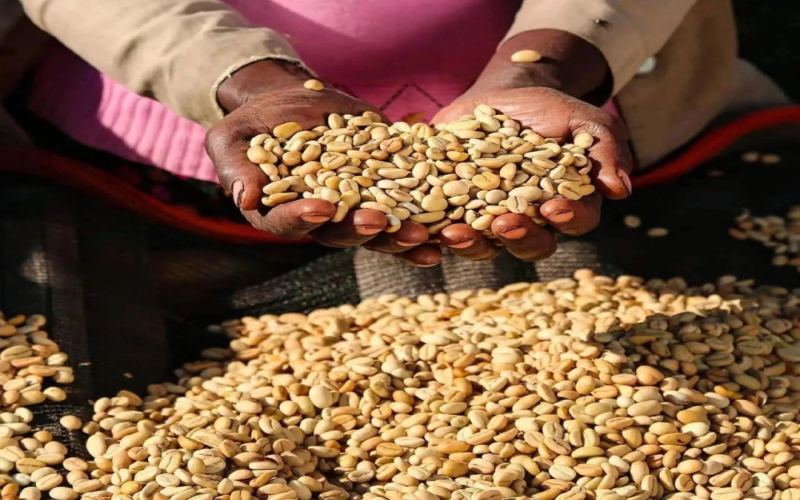
A Complete Analysis of the Ethiopian Wush Wush Variety: From Anthracnose-Resistant Breeding to Its Second Home in Colombia
In Ethiopia, besides the well-known heirloom varieties, varieties such as Wush Wush, the 74 series, and Dega have gradually come into the view of coffee enthusiasts in recent years. Among them, Wush Wush, with its endearing name and excellent flavor performance, always attracts attention despite being rare on the market. Where exactly did this variety come from? How did it travel from a small village in Ethiopia to the world, and why did it take root and thrive in Colombia? Today Front Street Coffee will systematically sort out the origins and spread of Wush Wush for everyone, from the anthracnose-resistant breeding program in the 1970s, to its official release in 2006, and then to its introduction and spread in Colombia—understanding this heirloom variety's past and present in one article. [more…]
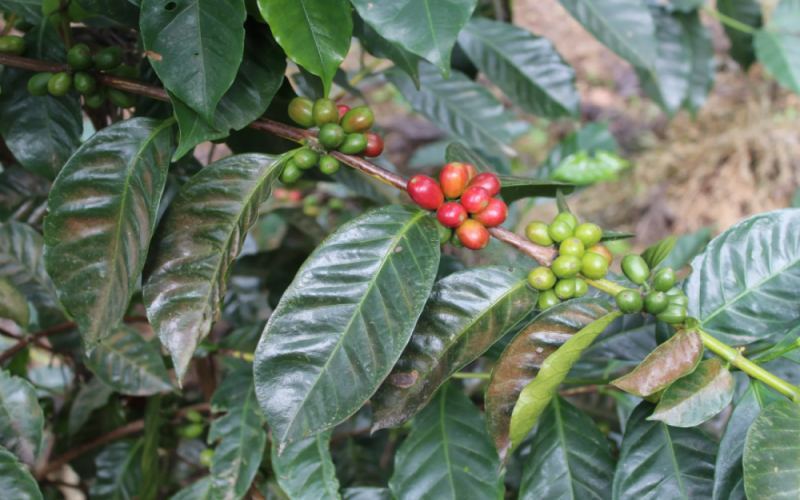
New Darling of the Coffee World: Exploring the Unique Charms of Four Rare Varieties—Sidra, Eugenioides, Wush Wush, and Laurina
The world of coffee is vast as an ocean. Beyond the varieties we know well, such as Bourbon, Typica, and Geisha, many rare varieties remain little known. These varieties have gradually come into public view, whether because of their unique flavors or their appearances in competitions. This article will introduce you to four rare coffee varieties: Eugenioides, Wush Wush, Sidra, and Laurina, covering their origins, characteristics, cultivation challenges, and performances in major competitions. Whether you are a coffee enthusiast or a professional in the industry, the stories behind these varieties are worth exploring. At the same time, we will also introduce the Colombia Sidra coffee beans brought to you by Front Street Coffee, so you can experience their unique flavor charm. [more…]
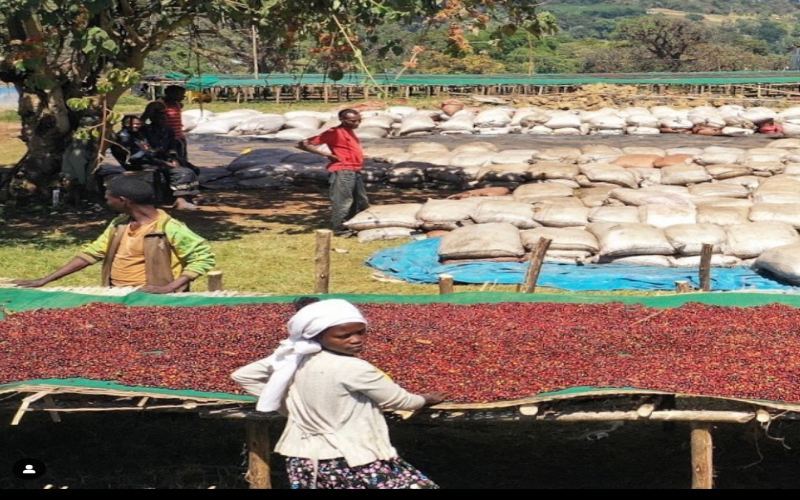
Colombia Huila Birch Estate Wush Wush Coffee: The Legend of a Rare Variety from Ethiopia to South America
In Ethiopia, in addition to the widely known heirloom varieties, recent years have seen the emergence of varieties such as the 74 series, Wush Wush, and Dega. Among them, Wush Wush, with its cute name and unique flavor, though uncommon, always catches the eye of coffee enthusiasts. Today, Front Street Coffee will take you on an in-depth look at this variety: it originates from Wush Wush village in the Gimbo district of Ethiopia, and belongs to the heirloom coffee family along with Geisha. In the 1970s, to combat anthracnose, the Jimma Agricultural Research Center bred disease-resistant varieties, and Wush Wush was officially released in 2006. However, most of the Wush Wush on the market today comes from Colombia—what's the story behind this? Front Street recently acquired a natural Wush Wush from Birch Estate in the Huila region of Colombia, and this article will reveal its flavor and brewing suggestions. [more…]

Where Does Coffee Flavor Come From: An Analysis of How Origin, Variety, Processing Method, Roasting, and Brewing Affect Taste
Many people, when drinking pour-over coffee, first ask, "What flavors does this bean have?" At Front Street, we also often start by asking customers which产区 or taste they prefer. The diverse expressions of coffee—floral, fruity acidity, nutty, chocolatey—are not determined by a single step, but are the result of layer upon layer of accumulation from origin terroir, variety selection, green bean processing, roasting development, to the final brewing. The climate and soil of the producing region shape the underlying style, the variety determines the upper limit of flavor, the processing method influences the direction of fermentation and cleanliness, roasting releases the potential aromas, and brewing is responsible for the final directional adjustment. Understanding this chain allows for a clearer judgment of why a cup of coffee tastes good and which steps truly determine the flavor. [more…]