







Search Results for: balanced-tasting coffee

A Complete Guide to Espresso Blend Formulation: From Recipe Design to Brewing and Tasting Essentials
The flavor profile of espresso depends largely on the combination of the blend recipe and the roast level. Front Street Coffee has long provided freshly roasted espresso beans and emphasizes shipping only products within 5 days of roasting. This article systematically reviews the definition of espresso beans, the logic of blending, and six typical recipes, covering different styles such as balanced, intensely bitter, fruity-acidic, and wine-like, and also offers practical notes for blending. Whether you are a beginner just getting into espresso or a professional looking for a stable production solution for a coffee shop, you can find useful references here. [more…]
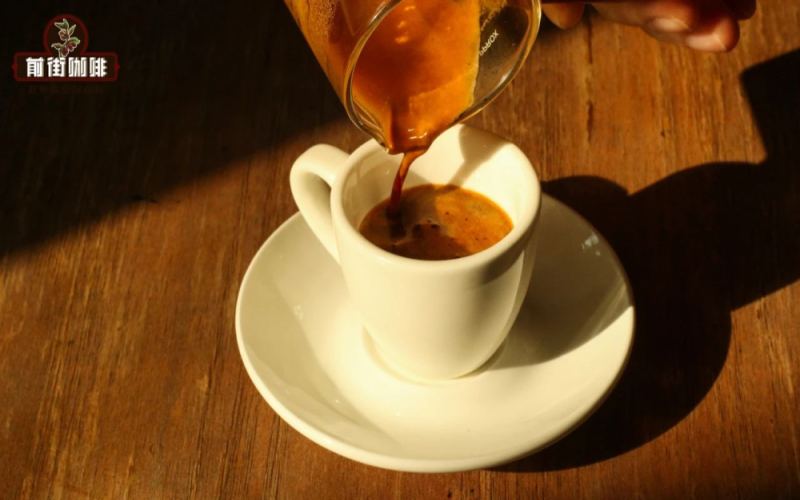
Espresso Blend Recipes and Extraction Parameters Explained: Dose-to-Yield Ratio, Grind Size, and Time Control
To make espresso with rich crema and a full-bodied mouthfeel, the key lies not only in the machine, but even more in the bean blend recipe and roast level. Front Street Coffee has long insisted on fresh roasting, offering coffee beans that have been rested for two to three days so the flavors are fully released. This article systematically compiles six Front Street espresso blend options, covering balanced, bitter, acidic, winey, specialty, and basic styles, and explains in detail parameters such as the coffee-to-water ratio, grind size, and extraction time. It also shares key points for selecting blend beans: removing defective beans and understanding the differences in bean variety characteristics and roast levels. Whether you are a coffee enthusiast or a shop operator, you can find an espresso bean solution and extraction approach suitable for daily serving. [more…]
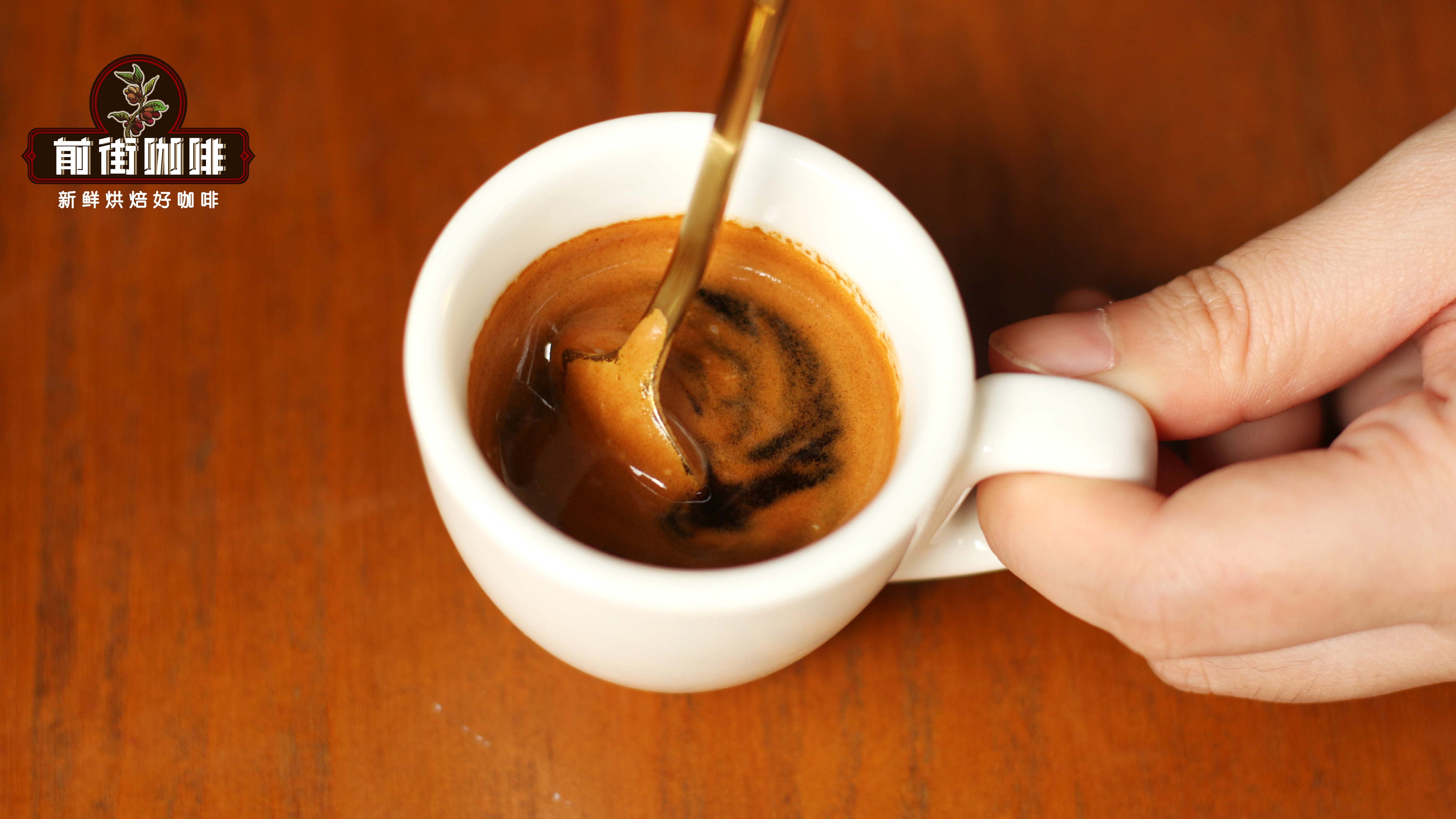
The Relationship Between Grind Size and Coffee Crema, Plus a Practical Guide to Choosing High-Crema Coffee Beans
When tasting espresso, the layer of brown foam floating on the surface—the coffee crema—is often the most intuitive standard for judging the quality of the extraction. But exactly what conditions determine how much crema is produced? Does a finer or coarser grind make it easier to produce crema? And how do the crema characteristics differ among different coffee beans? Starting from Front Street Coffee's extraction practices, this article systematically sorts out the basics of espresso and Americano, analyzes the key variables that affect crema formation, and introduces one by one the recipe characteristics and flavor orientations of several Front Street espresso blends and SOEs, helping coffee lovers find the cup that suits them, whether for home brewing or everyday tasting. [more…]
Espresso Blends, SOE, and Single-Origin Coffee | What's the Difference Between Espresso and Americano? Can You Add Sugar to Espresso?
Many friends who are new to coffee are often puzzled by a few questions, such as: what is Americano? What's the difference between espresso and Americano? Which one is more authentic and tastes better? Today, Front Street will answer these one by one for everyone. First, let's clarify a few relationships: What is Americano? Using Esp [more…]
How Does Espresso Differ from Americano? A Guide to SOE Single-Origin and Espresso Blend Bean Recommendations
Many friends who are just entering the world of coffee often cannot distinguish the relationship between espresso and Americano black coffee, nor are they clear about the respective characteristics of SOE single-origin beans and blended beans. From the perspective of Front Street Coffee, this article will sort out the definitions, origins, preparation ratios, and tasting methods of Espresso and Americano, and provide an in-depth analysis of the roasting and extraction difficulties of single-origin espresso beans. At the same time, Front Street will also share a variety of espresso blend recipes, including balanced, bitter, slightly acidic and full-bodied, and winey types, to help coffee lovers make suitable choices according to taste preferences and shop-opening needs. [more…]
The Difference Between Single-Origin Coffee and Blended Coffee: A Comprehensive Analysis of Types, Blending Methods, and Flavor Characteristics
For coffee enthusiasts, understanding the difference between single-origin coffee and blended coffee is an important step in exploring the world of coffee. Single-origin coffee centers on beans from a single origin, emphasizing the unique character of regional flavors; blended coffee, through the skillful blending of multiple beans, pursues balance and complexity in taste. This article systematically sorts out the definitions, representative types, blending ratios, and flavor characteristics of the two, from Blue Mountain and Colombia to Mandheling, from cappuccino to mocha, helping readers comprehensively master knowledge of coffee classification. At the same time, the article also specially recommends related products from Front Street Coffee, providing professional reference for your coffee purchases. [more…]
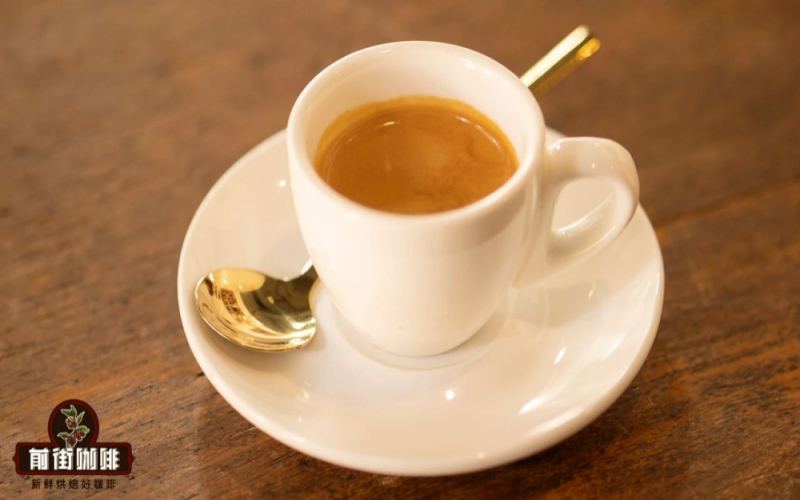
Analysis of the Standard Espresso Extraction Process: Parameter Control, Flow Rate Assessment, and Front Street Coffee Blend Recommendations
Espresso extraction may seem simple, but in reality it involves the coordination of multiple variables such as dose, ratio, time, flow rate, pressure, and water temperature. This article systematically reviews internationally accepted technical standards and Front Street Coffee's practical understanding of brewing parameters, analyzing each extraction factor that affects espresso flavor one by one, helping readers identify problems that may arise when the flow rate is too fast or too slow and the direction for adjustment. It also introduces in detail the various espresso blend coffee beans and SOE products currently sold by Front Street Coffee, including recipe concepts, flavor characteristics, and suitable scenarios, and provides practical advice on roast dates and optimal flavor periods for daily coffee bean purchases. [more…]
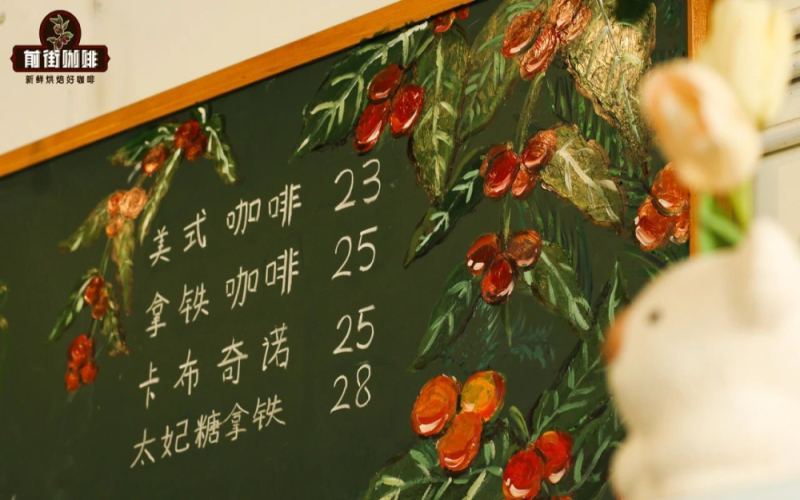
What Exactly Is American Black Coffee? Analyzing the Differences Between Americano and Long Black and Blend Bean Choices
Many coffee enthusiasts simply equate Americano black coffee with Americano, but in fact there are subtle differences between the two in concept and preparation. This article starts with the flavor sources of Americano and the production differences between Americano and Long Black, analyzes the impact of espresso extraction status on taste, and systematically introduces the recipes, flavors, and applicable scenarios of several espresso coffee beans used in Front Street Coffee stores, including Sunflower Warm Sun Blend, Dark Cocoa Blend, Specialty Blend, and Commercial Blend, to help readers understand the bean logic and extraction key points behind a delicious cup of Americano black coffee. [more…]
Espresso Brewing Guide: Standard Parameters, Flavor Characteristics, and Four Front Street Coffee Blend Recommendations
Espresso is the cornerstone of the modern coffee system and a topic every coffee lover cannot avoid. What should a qualified espresso look like? How should the six major parameters—dose, ratio, time, flow rate, pressure, and water temperature—be understood and coordinated? Starting from the production practices of Front Street Coffee, this article systematically sorts out the extraction standards and flavor characteristics of espresso, and provides a detailed introduction to the recipes, flavors, and applicable scenarios of four espresso coffee beans: Front Street Dark Cocoa Blend, Specialty Blend, Commercial Blend, and Warm Sun Blend. Finally, it includes practical reminders on coffee bean purchasing and the optimal tasting period, helping you make a satisfying Espresso at home or in a shop. [more…]
What Is the Difference Between Americano and Long Black? A Comprehensive Analysis from Extraction Method to Flavor Differences
American coffee and Long Black are both based on espresso, but the difference in preparation order brings about completely different taste experiences. The former is extracted first and then diluted with water, so the crema is dispersed and the concentration is even; the latter is poured with water first and then the espresso is added, so the crema is preserved and the flavor goes from strong to weak. Whether a cup of American coffee tastes good depends on the quality of the coffee beans and the extraction level. Front Street Coffee takes the Sunflower Warm Sun blend as an example, using the same beans to make American coffee and Long Black separately, showcasing the different layers of sherry aroma, berry acidity, and chocolate finish. This article will also introduce in detail the recipes, flavor characteristics, and suitable scenarios of Front Street's four Italian-style blends, helping coffee lovers find the cup that suits them. [more…]
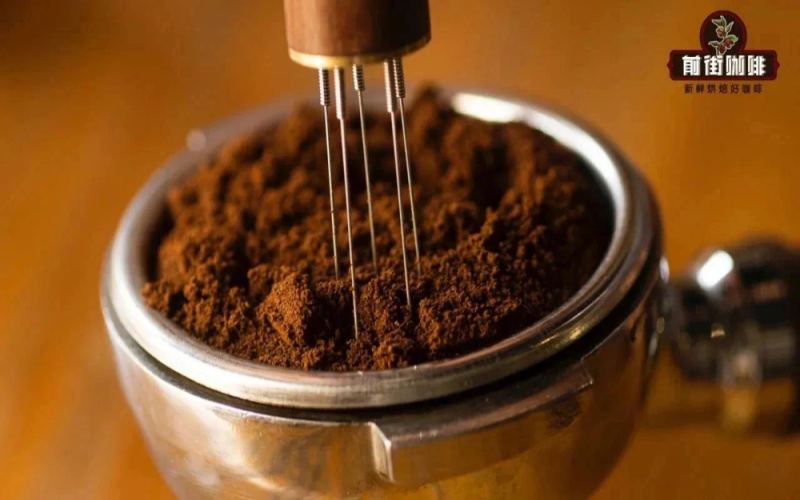
A Detailed Guide to Espresso Puck Preparation Techniques: How to Avoid Channeling and Master Extraction Time and Even Distribution
Distributing the coffee grounds is a crucial step in making espresso, directly affecting the extraction and flavor performance of the coffee. This article, from the perspective of Front Street, systematically explains the purpose of distribution, common misconceptions, and correct operating methods. By understanding the flow characteristics of water through the coffee puck and mastering techniques to avoid channeling, it helps coffee enthusiasts improve extraction uniformity and craft a balanced-tasting espresso. [more…]
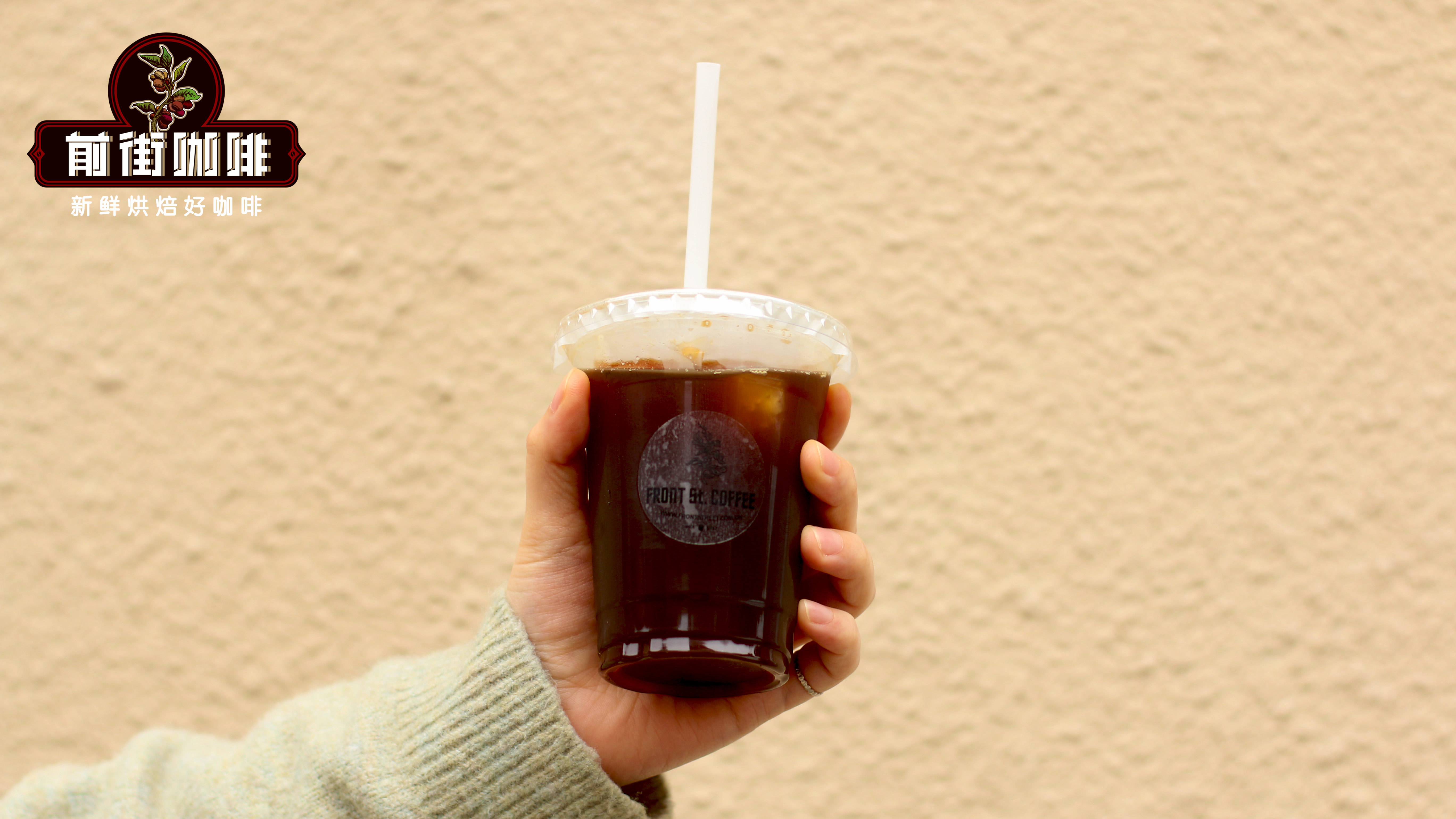
Americano Water Ratio | Is Espresso Americano Black Coffee? Which Espresso Beans Should You Choose for Making Americano at Home?
"Would you like an Americano?" "I'll just have an Americano." Every time I watch a Korean drama, I always hear these familiar lines. As one of the most cost-effective coffees that can be served quickly, Americano can be said to be one of the essential products in every coffee shop. Why do people like Americano so much? This [more…]
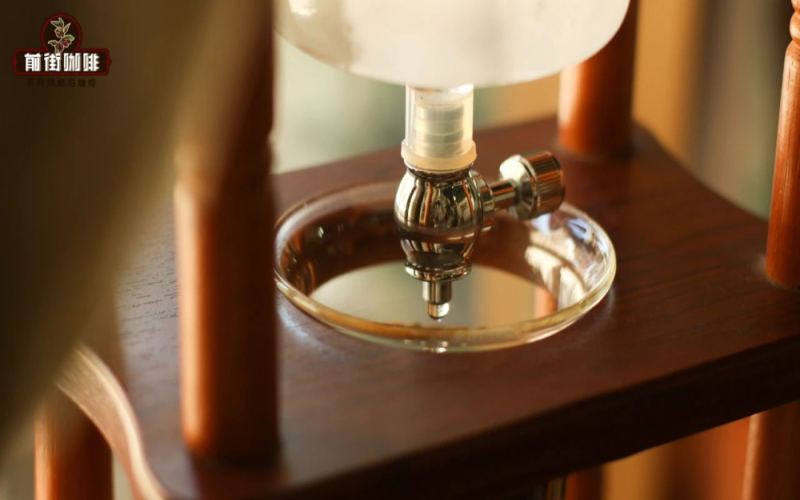
What Are the Differences Between Cold Brew, Ice Drip, Cold Brewed, and Iced Coffee? A Complete Guide to the Craft, Flavor, and Bean Selection of Four Types of Iced Coffee
Although they are all iced coffee, cold drip, cold brew, cold extraction, and iced chilling are often lumped together. They appear to all rely on low temperatures, but in reality their extraction paths, time requirements, and flavor directions are each different: cold drip emphasizes slow dripping and a fermented character, cold brew uses long soaking in exchange for a clean and smooth result, while iced chilling is a quick solution involving hot extraction followed by rapid cooling. This article breaks down the differences among the four from the perspectives of brewing principles, water flow control, water-to-coffee ratio, grinding, and bean selection, while retaining specific recommendations such as Front Street Coffee Mandheling and Yirgacheffe, to help coffee lovers make more suitable choices in different scenarios. [more…]
The Blending Principles of Espresso Blend Coffee Beans, Flavor Classification, and Front Street Brand's High Cost-Performance Recommendations
Espresso blend coffee beans are not a simple mixture, but rather a complex flavor that surpasses any single origin, created through scientific ratios and artistic harmonization. Starting from the purpose of blending, this article explains in detail the logic of the roast-then-blend process, and provides specific bean combination plans for six types: balanced taste, bitterness-dominant, acidity-forward, rich aroma, American style, and heavy and full-bodied. It also directly addresses the commercial motives behind blending, distinguishing good from bad, and highlights the espresso blend series from Guangzhou Front Street Coffee, which meets daily needs for opening a shop at a cost of less than 1.5 yuan per cup, balancing quality and value for money. [more…]
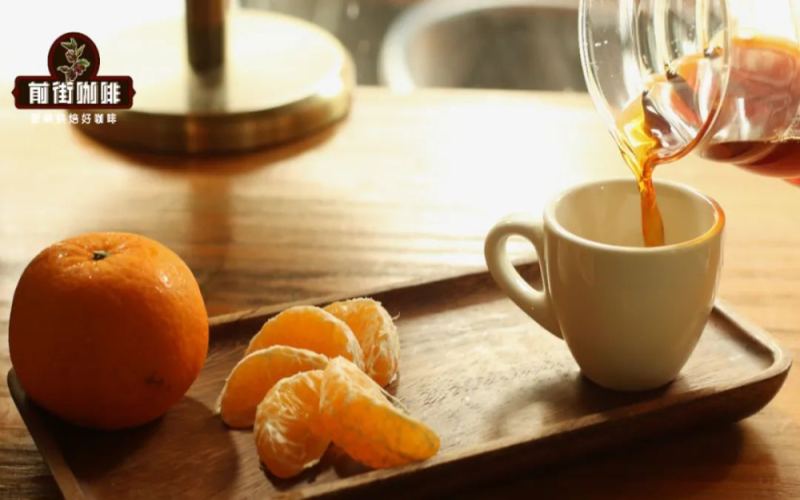
Don't like acidity or bitterness? These four Front Street Coffee pour-over beans are balanced, mellow, and easy to brew
In today's world of increasingly diverse coffee flavors, some people are obsessed with light-roasted beans with bright fruity acidity, while others prefer dark-roasted beans with a rich, sweet aftertaste. But there are still plenty of enthusiasts who just want a cup of coffee that is neither sour nor bitter—balanced and easy to drink. Front Street Coffee has selected four pour-over coffee beans from its extensive bean lineup that suit this kind of preference, covering origins such as Brazil, Costa Rica, and Papua New Guinea. All are medium roasts, brewing-friendly, with flavors dominated by nuts, chocolate, caramel, and cream, balancing sweetness and a sweet aftertaste. Whether you are a beginner just getting into pour-over or a seasoned connoisseur looking for an everyday staple, you can find that cup that is neither sour nor bitter, rich and easy to drink. [more…]
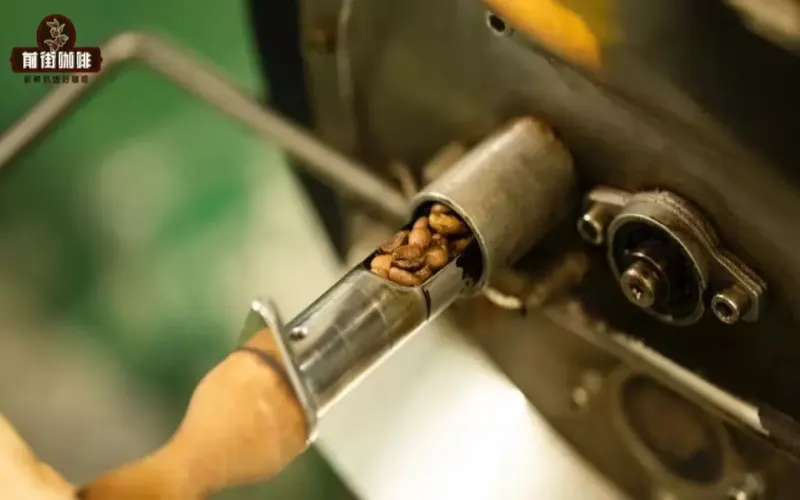
An Analysis of the Differences Between Pre-Roast and Post-Roast Blending for Espresso Blends, with a Discussion of Blend Recipe Design and Tasting Methods
Espresso coffee beans are usually made by blending a variety of coffee beans, and in Italy, a bag of beans may contain several or even dozens of beans from different origins. The core value of blending lies in maintaining flavor stability: when a certain bean's quality fluctuates, its production declines, or its price rises, the roaster can substitute it with beans of similar quality without changing the overall taste. Blending methods are mainly divided into two types: pre-roast blending and post-roast blending, each with different operational logic and suitable scenarios. This article focuses on the differences between these two blending methods, while also explaining the influence of roast degree on flavor, the reasons why single-origin beans find it difficult to independently serve as an espresso base, and recommending three classic espresso blend products from the Front Street Coffee brand, to help coffee enthusiasts understand the design approach and tasting direction of blend recipes. [more…]
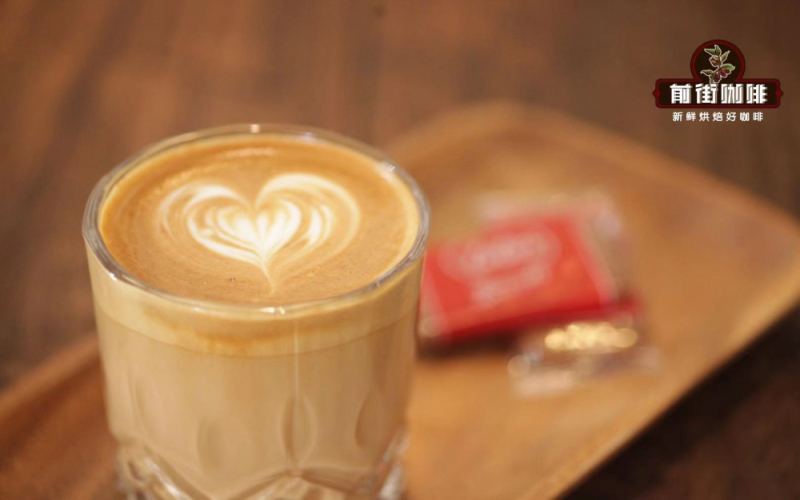
A Complete Guide to Making Flat White Coffee: From Espresso Base to Milk Foam Thickness, Master Practical Techniques for Extraction and Integration
Flat White is favored by many coffee lovers because its small cup size and low milk volume make the coffee flavor more concentrated. It originated in Melbourne, Australia, and began to gain popularity in Europe, the United States, and Australia in the 1980s. To make a delicious Flat White, the key lies in the extraction method of the espresso base, the control of milk foam thickness, and the ratio of milk to coffee. Starting from the beverage preparation process at Front Street stores, this article provides a detailed introduction to the characteristics of Flat White, its differences from latte and cappuccino, and the specific steps for making it. It also shares the flavor performance of two beans, Front Street Sunflower Warm Sun Blend and Classic Italian Blend, to help you recreate a creamy and smooth Flat White at home. [more…]
A Beginner's Guide to Buying Coffee Beans for Students and Night Owls: Brand Recommendations with Great Energizing Effects and Outstanding Flavor
For people preparing for the college entrance exam or who stay up late for long periods, coffee's invigorating effect is almost a necessity. But faced with the dazzling array of coffee beans on the market, how to choose an entry-level product that can effectively wake you up while also offering good flavor has become a source of confusion for many consumers. This article focuses on two major usage scenarios—pour-over and American drip, as well as espresso machines and moka pots—and recommends several coffee beans suitable for beginners, including Front Street PWN Golden Mandheling, Yirgacheffe Red Cherry, Costa Rica Musician Mozart, Front Street 2013 Yunnan beans, as well as the Classic Blend and Dark Cocoa Blend. The origin background, processing method, flavor characteristics, and cost-effectiveness of each bean are explained in detail to help coffee lovers make a suitable choice according to their own needs. [more…]
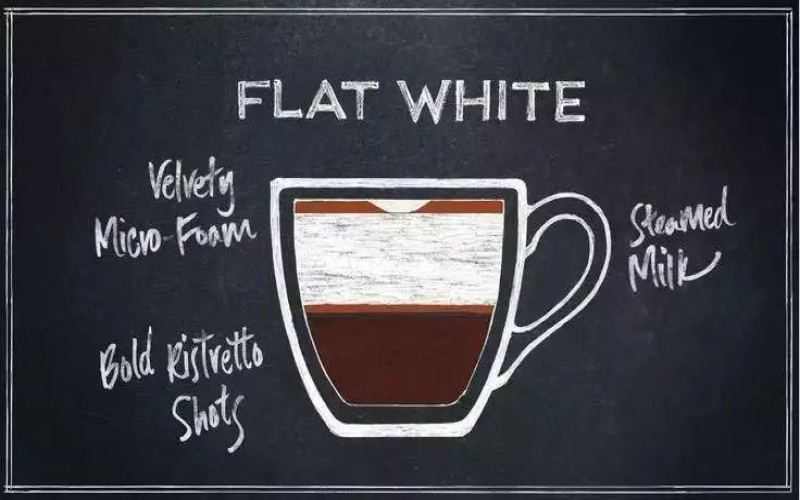
Flat White | What is the difference in taste and mouthfeel between Australian-style flat white and American-style latte? How to make a flat white at home?
Flat White is directly translated as flat white coffee, and it also has different names such as Aussie white, Australian white, and piccolo latte. It has been one of the most popular drinks in coffee shops in recent years. In this article, Front Street Coffee will talk about this trendy drink, Flat White. How did Flat White evolve? [more…]
What Does SOE Coffee Mean? A Detailed Guide to Single-Origin Espresso and a Brazilian SOE Dirty Recipe Tutorial
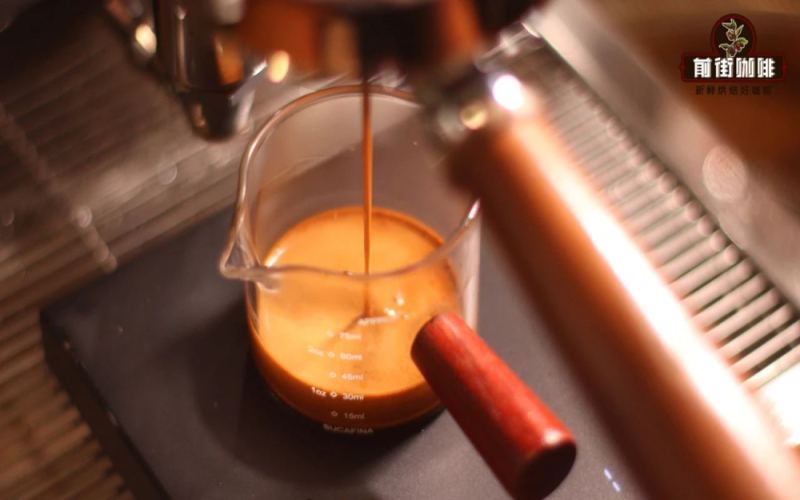
When you walk into a café to order, the barista's casual question, "Would you like an SOE?" often leaves many customers puzzled. SOE stands for Single Origin Espresso, which refers to espresso made from coffee beans of a single origin. It can be extended into various drinks such as SOE Americano, SOE Latte, and SOE Dirty. This article will start with the development of specialty coffee, clarify the differences between SOE and blended coffee, and analyze the selection approach for acidic and bitter beans. Finally, using Front Street Coffee's Brazil Cerrado coffee beans as an example, it will fully share extraction parameters and the steps for making a Dirty, so you can make an excellent cup of SOE at home. [more…]