







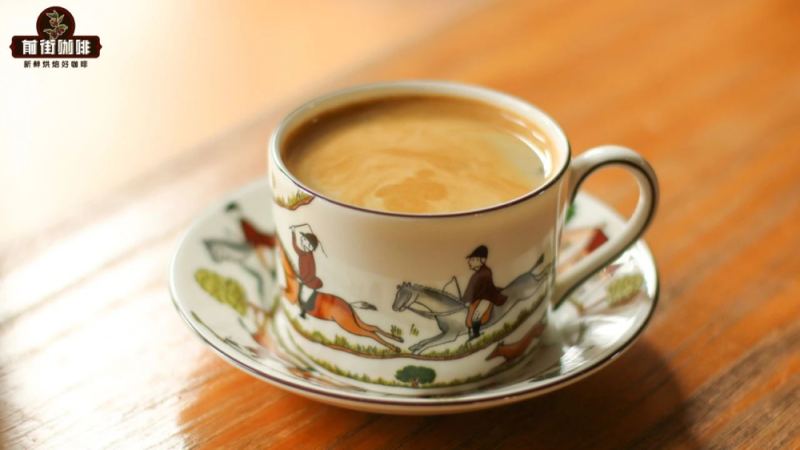
How do espresso coffee beans differ from blend coffee?
Espresso is a concentrated shot brewed under pressure, while an Americano is that shot diluted with hot water, usually around a 1:6 ratio of coffee liquid to water. The drink traces back to World War II, when American soldiers added water to Italian espresso to soften its intensity. Dilution keeps the aroma but makes the cup gentler.
Single-origin SOE beans show one region's character but can be hard to roast and extract consistently. Blend coffee combines origins for balance, and common recipes run from balanced and bitter styles to slightly acidic, full-bodied and wine-aroma profiles. Choosing between them comes down to taste preference and whether the setup needs repeatable results.
Many friends who are just stepping into the world of coffee often can't distinguish the relationship between espresso and Americano black coffee, nor are they clear about the respective characteristics of SOE single-origin beans and blend beans. This article, from the perspective of Front Street Coffee, will sort out the definitions, origins, brewing ratios, and tasting methods of Espresso and Americano, and deeply analyze the roasting and extraction difficulties of single-origin espresso beans. At the same time, Front Street will also share several espresso blend recipes, including balanced type, bitter type, slightly acidic and full-bodied type, and wine-aroma type, to help coffee enthusiasts make suitable choices based on taste preferences and shop-opening needs.
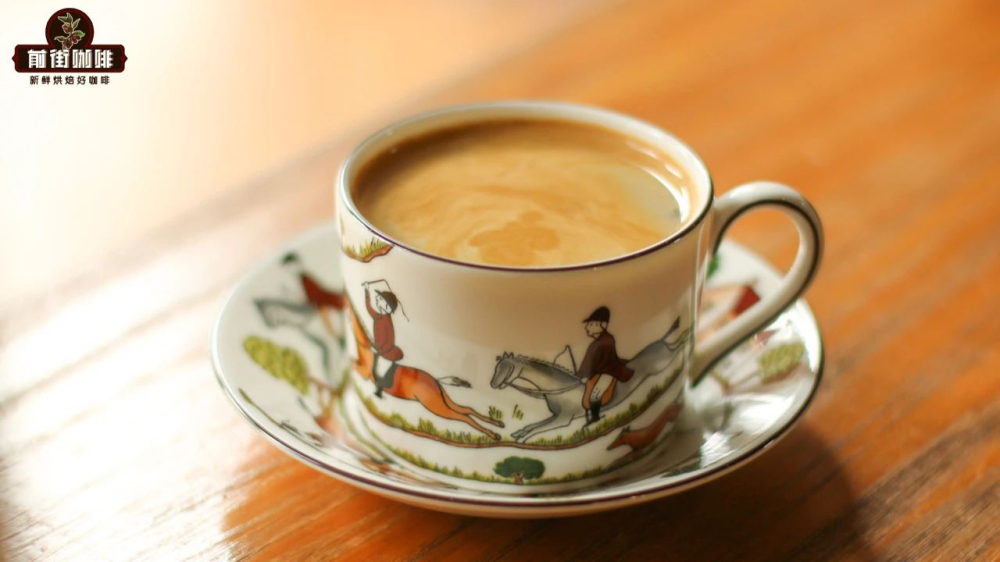
Many friends who have just entered the coffee field often have questions like this in their minds: What exactly does Americano refer to? What is the difference between it and Italian coffee? Which type is considered authentic and easier to drink? Today, Front Street will guide everyone through these concepts one by one. Before we begin, let's first clarify a few basic relationships.
What is Americano?
Using Espresso Italian concentrated coffee as the base and pouring hot water in a certain ratio, this diluted drink is Americano. Its origin can be traced back to World War II, when American soldiers arrived on the European battlefield. American soldiers were not used to the strong, pungent espresso of Italy, so they came up with the idea of adding water to dilute it to suit their taste.
Although a large amount of clear water is added to Americano, its flavor expression is actually softer than pure espresso, while the aroma is still preserved. Nowadays, many coffee shops have no strict rule about whether to add water first or later when making Americano. Some people think this is nothing more than the difference between preserving the crema and dispersing the crema.
FrontStreet Coffee Hot Americano Ratio When making Americano, Front Street uses espresso extracted from Front Street Sunflower Warm Sun Blend, which is a blend of Front Street Ethiopia Natural Red Cherry and Front Street Honduras Sherry. Front Street extracts 40g of coffee liquid from 20g of coffee powder, and then follows a 1:6 ratio (that is, 40g of coffee liquid mixed with 240g of water) to complete the Americano.
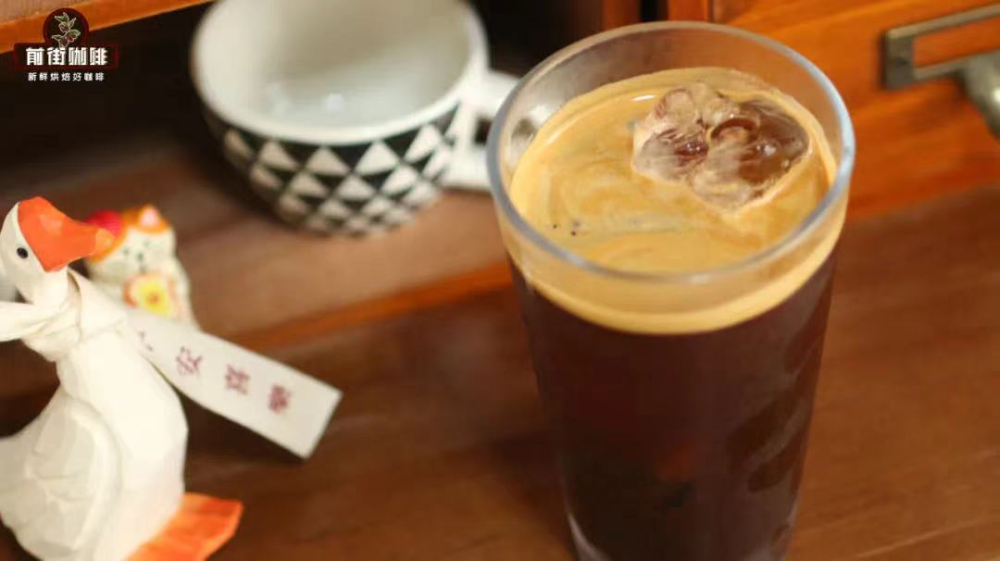
An ideal cup of Americano should have an overall balanced, full, and rich taste, and should not be thin, burnt-bitter, or sharply acidic. If it tastes bitter, it usually indicates over-extraction of the espresso; if it feels sharply acidic, it indicates under-extraction; and a thin mouthfeel is easy to understand—it simply means the water ratio is too high.
What is Italian coffee?
This question can be understood this way: any coffee extracted through an espresso machine can be classified as Italian coffee.
What is Espresso Italian concentrated coffee?
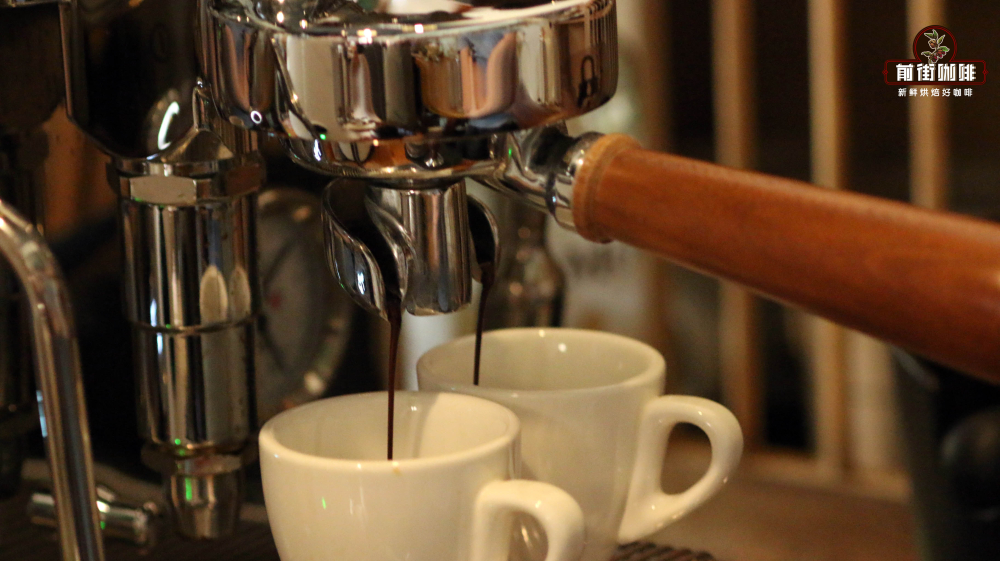
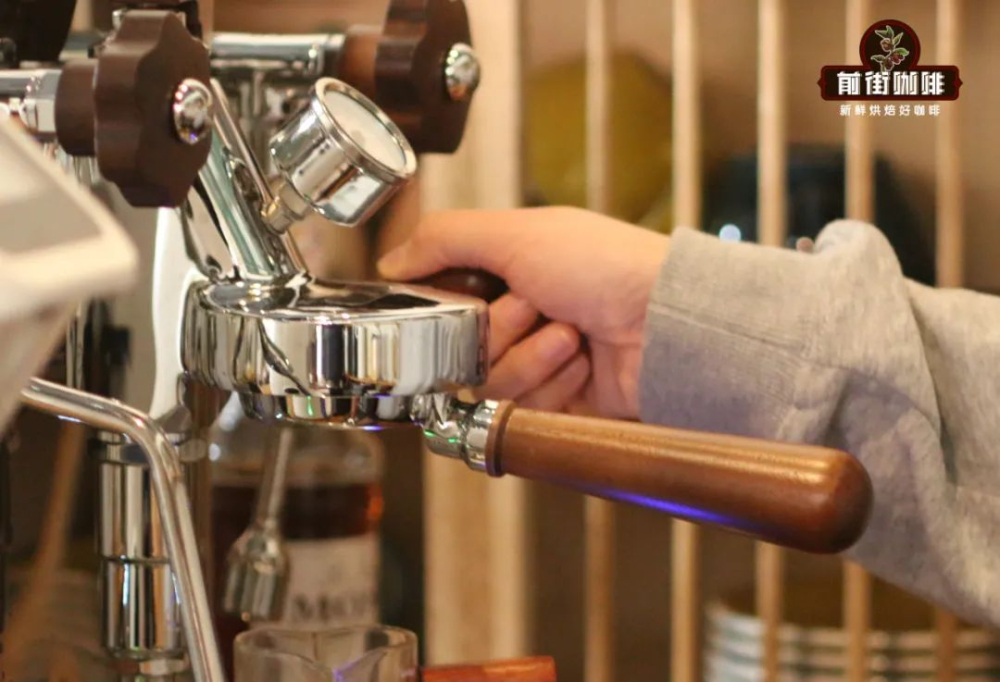
Espresso is also called Italian concentrated coffee. It is both a coffee drink and a brewing method. Under a pressure environment close to 9 BAR (about 9 times normal atmospheric pressure), nearly boiling hot water is passed through a finely ground coffee powder bed, resulting in a cup of coffee with extremely high concentration and a strong mouthfeel. When extracting espresso, the dose, ratio, time, grind size, water temperature, and pressure all affect the final result.
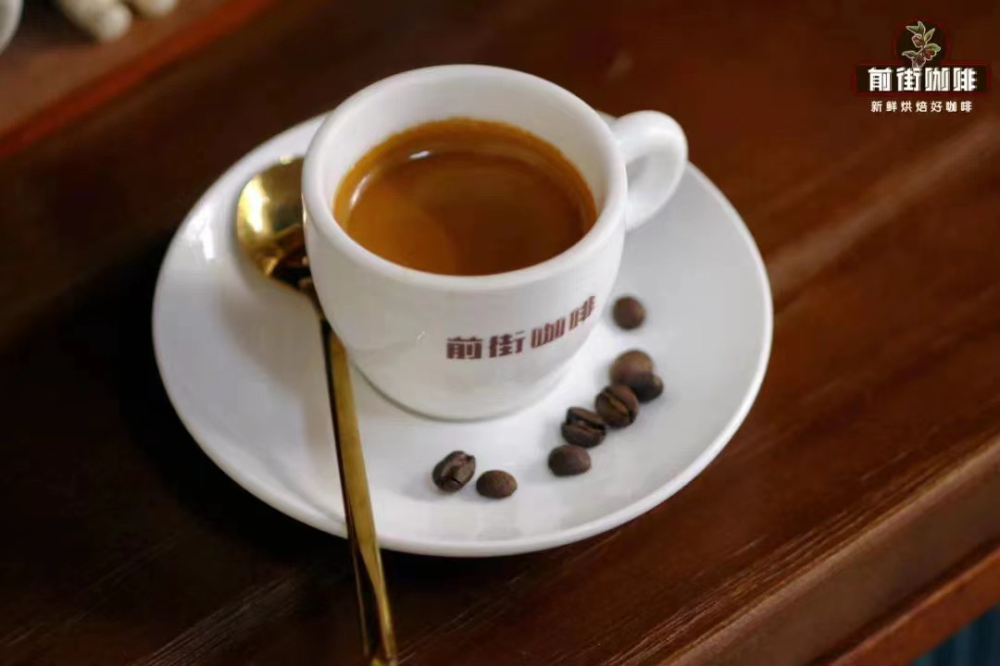
This cup of highly concentrated coffee extracted in a very short time is about 30ml, with a beautiful golden-brown coffee crema on the surface. This crema is rich and delicate, very alluring, and we usually call it Crema. Crema is responsible for aroma expression, while the extracted liquid is responsible for taste presentation. Espresso Italian concentrated coffee is a very classic Italian coffee, rich in flavor and layered, able to highlight certain flavor characteristics of coffee, and when savored carefully it gives a different feeling. The key point to emphasize here: Espresso Italian concentrated coffee is also the base of popular drinks such as Americano and latte. To put it plainly, as the foundation of many Italian coffees, if Espresso Italian concentrated coffee is not made well, then other Italian coffees cannot be considered delicious either.
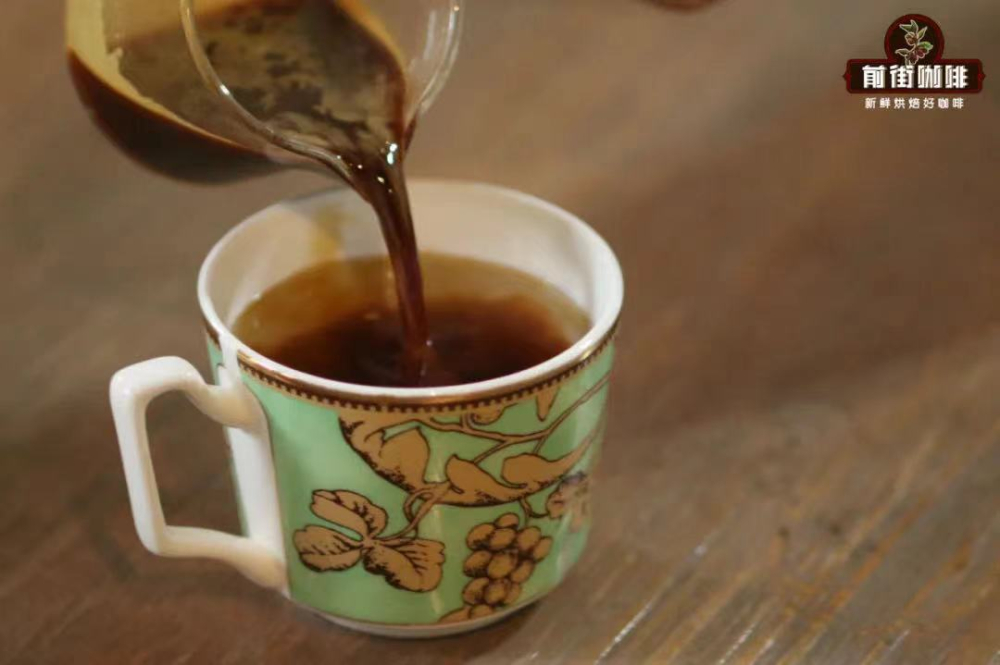
Why should you drink a sip of ice water before drinking Espresso Italian concentrated coffee?
Because ice water can make the tongue more sensitive, while awakening the taste buds and opening up the perception of flavor. If you ate something with a strong taste before drinking coffee, there will inevitably be residual odors in your mouth, and drinking coffee at this time will definitely interfere with your judgment of flavor. A sip of ice water can both clean the mouth and eliminate some taste interference.
Should sugar be added to Espresso Italian concentrated coffee?
Some people like to add sugar, some do not; whether to add it or not depends entirely on the individual. However, from a health perspective, FrontStreet Coffee recommends adding less or even no sugar. The traditional way to drink Espresso Italian concentrated coffee is to immediately add a small spoonful of white sugar to the espresso served, then stir while drinking; in this way, the coffee's texture becomes milder, the bitterness is no longer so prominent, and the appropriate acidity also emerges. If you are a coffee enthusiast, then you must go to a coffee shop and order a cup of Espresso Italian concentrated coffee. Why? Because you will discover that espresso made by an Italian coffee machine is so rich, bringing you feelings far beyond bitterness, including fruity acidity, floral notes, nuts, and even wine aromas and other flavors.
Front Street believes that choosing a suitable espresso blend bean is equally crucial. Blended coffee, also called mixed coffee, is made by mixing various single-origin coffee beans so that the strengths of each bean can be fully brought out. Blend beans are made by mixing coffee beans from different origins, which can create a more balanced taste. Before blending, Front Street believes it is necessary to first understand the flavor characteristics of different coffee varieties around the world; beans have their own characteristics due to different origins. Different coffee beans have different personalities due to differences in variety and origin, with subtle differences in acidity, bitterness, sweetness, aroma, body, and other flavors.
At present, espresso coffee beans on the market are mainly divided into two types: one is single-origin espresso beans, and the other is the more common blend espresso beans. Single-origin coffee beans tend to focus more on expressing the unique characteristics of a certain type of coffee.
Single-origin espresso beans
Single-origin espresso can be said to be a very popular espresso base in recent years, namely "single origin espresso," abbreviated as the SOE we often hear. Single-origin espresso means using only one kind of coffee bean, and this kind of bean often can only represent a certain coffee origin, so this characteristic is actually the same as one of the characteristics of pour-over coffee, namely showcasing the regional flavor of the coffee origin.
The difficulties in making SOE single-origin espresso lie in: first, the coordination of roasting, and second, suitable extraction conditions. Regarding the degree of roasting, as we mentioned earlier, single-origin espresso beans cannot be roasted too dark, lest the regional flavor of the origin be consumed; but at the same time, they cannot be too light. Why? Because espresso needs to withstand a high-pressure extraction environment, and a light roast will make the roasted coffee beans too hard. After grinding, the gaps between coffee powder particles are large, and even after tamping it is difficult to achieve sufficient density. If pressure is then applied, water will quickly pass through the coffee puck, ultimately causing too fast a flow rate, short extraction time, and under-extraction, making the whole cup of espresso sharply acidic and lacking in body.
FrontStreet Coffee Espresso Coffee Bean Blend Plans
Next, FrontStreet Coffee will guide everyone to learn about the contents of several Front Street Coffee blend beans. According to different coffee types, the Front Street espresso coffee beans Front Street has blended will also have different characteristics in taste and flavor.
1. Balanced-tasting espresso coffee beans - FrontStreet Coffee Specialty Blend Coffee Beans Recipe: Brazil (70%), Colombia (30%).
This comprehensive blend coffee is relatively balanced in acidity, bitterness, and aroma. It is neither too acidic nor too full-bodied, making it suitable for friends who are just getting into espresso coffee. Colombian coffee beans, which combine acidity and a full-bodied mouthfeel, are paired with Brazilian coffee beans with soft bitterness. Front Street blends these coffee beans in proportion, ultimately forming a comprehensive blend coffee with balanced taste and moderate concentration, suitable for coffee shops' daily output.
2. Bitterness-focused espresso coffee beans - FrontStreet Coffee Commercial Blend Coffee Beans Recipe: Colombia (30%), Brazil (60%), Robusta (10%).
Considering the diversity of the audience, Front Street believes that to create a strongly flavored blend bean, coffee beans with rich flavors must be selected. Such coffee beans include Colombian coffee beans with a rich nutty chocolate flavor, Brazilian coffee beans with soft bitterness, and Robusta coffee beans known for their full body and rich crema. The coffee beans blended in this way have a relatively strong bitterness, are deeply loved by coffee enthusiasts, and can also meet daily shop-opening needs.
3. Slightly acidic and full-bodied espresso coffee beans - FrontStreet Coffee's espresso moka pot coffee beans recommended by many baristas - Front Street Black Cocoa Blend Recipe: Yunnan coffee beans (40%), Brazil (60%).
This Front Street espresso moka pot coffee bean recommended by many baristas - Front Street Black Cocoa Blend Coffee Beans - presents the most popular taste and flavor with extremely high cost performance. Whether it is a friend encountering coffee for the first time or a heavy coffee enthusiast, they can easily accept this espresso coffee bean. The first choice is balanced-tasting Brazilian coffee beans, on the basis of which Yunnan coffee beans, whose flavor and mouthfeel are weaker than Brazil's, are used for adjustment. This Front Street basic espresso blend is suitable for shop-opening and household users who prioritize cost and have average flavor requirements.
4. Wine-aroma-focused espresso coffee beans - FrontStreet Coffee Sunflower Warm Sun Blend Coffee Beans Recipe: Front Street Honduras Sherry (70%), Front Street Yirgacheffe Red Cherry (30%).

This Front Street espresso coffee bean is named Sunflower Warm Sun. Just as its name suggests, the aroma of this special Front Street Sunflower Warm Sun espresso blend coffee bean is as comfortable as warm sunlight, and its taste and flavor are eye-catching. With Front Street Honduras Sherry coffee beans, rich in fermented wine aroma, as the main component, paired with Front Street Yirgacheffe Red Cherry coffee beans, known for their acidity, it can blend a comprehensive coffee with a rich, fragrant aroma.
Italian coffee and Americano, which tastes better?
When making espresso, Front Street uses a double espresso, and the shop currently uses its own roasted Front Street Sunflower Warm Sun Blend beans. It uses Front Street Ethiopia Natural Red Cherry + Front Street Honduras Sherry coffee beans, combined in a 7:3 ratio. The flavor of the extracted espresso has obvious fruity acidity on entry, with a faint berry aroma lingering, rich wine aroma and chocolate flavor, and a comfortable sweet aftertaste.
The above content is compiled by CoffeeHunters, a coffee news website.


