







Search Results for: bacterial cellulose

USTC Develops Edible Coconut Jelly Straw to Replace Paper Straws, Doubling Strength and Fully Degrading in 60 Days
In recent years, with the advancement of plastic restriction policies, plastic straws have gradually exited the food service scene, replaced by paper straws and PLA straws. However, paper straws easily become soggy, and PLA straws are not heat-resistant, greatly diminishing the consumer experience. A team led by Academician Yu Shuhong of the University of Science and Technology of China has taken a different approach, using bacterial cellulose combined with sodium alginate to develop an edible nata de coco straw. Its strength, modulus, and toughness are more than twice those of paper straws, it is thinner, and it can be made in different colors. Buried in soil, it nearly disappears in 45 days and completely degrades in 60 days. Can this new material save the afternoon tea joy of office workers? This article will provide a detailed interpretation. [more…]
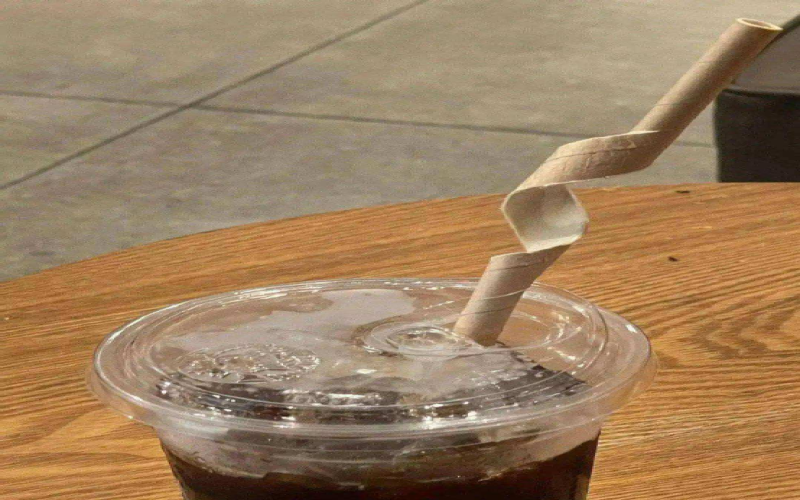
Paper Straws from Viral Fame to Discontinued Production: Can PLA and Edible Straws Become the New Eco-Friendly Alternatives?
Paper straws once swept through the food service industry in the name of environmental protection, yet they have been widely criticized for their poor mouthfeel and tendency to degrade in the mouth, and are now gradually exiting the market. Their replacement, PLA straws, are made from plant starch, are fully biodegradable, and withstand temperatures ranging from cold to hot drinks, but they have a short shelf life and relatively high cost. Meanwhile, research teams have developed edible bacterial cellulose-based straws that completely decompose within 60 days when buried in soil. From paper straws to PLA to coconut jelly straws, behind the iteration of eco-friendly straws lies a trade-off among cost, experience, and degradation performance. This article reviews the current state of paper straw production being discontinued, the market prospects for PLA straws, and the research progress on new edible straws, and includes Front Street Coffee's specialty bean news. [more…]
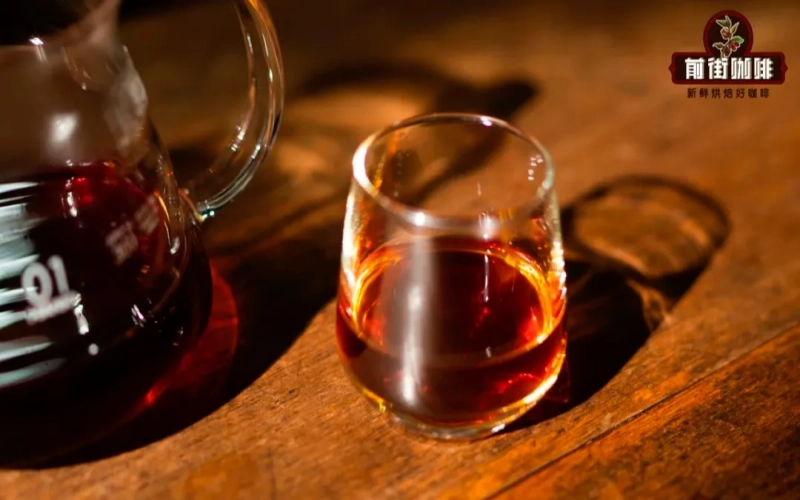
What Exactly Does "Body" Mean in Pour-Over Coffee? A Comprehensive Analysis of Mouthfeel, Oils, Filters, and Bean Varieties
When drinking coffee, you often hear people say "this cup has a good Body," but what exactly does Body mean? Is it the same as richness? Is it the same as strength? In fact, Body describes the sense of weight and tactile viscosity that coffee presents in the mouth, similar to the completely different textures of water, milk, and yogurt when swirled. From the perspective of Front Street, this article systematically sorts out the meaning of Body, its influencing factors, and how to judge it, and further discusses variables such as oils, cellulose, quinic acid, and roasting degassing, and finally gives practical ideas for improving the richness of pour-over coffee, including changing filter materials and choosing suitable bean varieties, to help you more accurately understand and adjust the taste performance in everyday brewing. [more…]
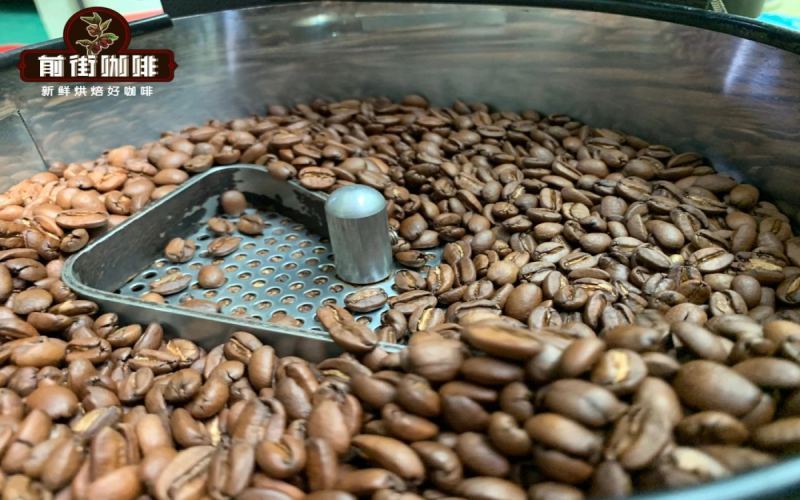
The Chemical Principles of Coffee Bean Roasting and a Detailed Explanation of Eight Roast Levels: Which Roast Suits Golden Mandheling
Roasting is the key step that transforms green coffee beans into an aromatic, flavorful beverage. Under the effect of heat, the starches inside the green beans break down into sugars and acidic compounds, the cellulose gradually carbonizes, moisture and carbon dioxide escape, and proteins convert into enzymes and bind with fats, ultimately forming an oily film on the bean surface. During roasting, the beans expand like popcorn and make a cracking sound, but the outer skin is so tough that it does not actually split open. The roast level determines the coffee's color, the balance of acidity and bitterness, and the direction of its flavor, and is divided into eight levels from extremely light to Italian roast. This article analyzes the characteristics of each roast level one by one and, combined with Front Street Coffee brand recommendations, helps coffee lovers find the cup that suits their taste. [more…]
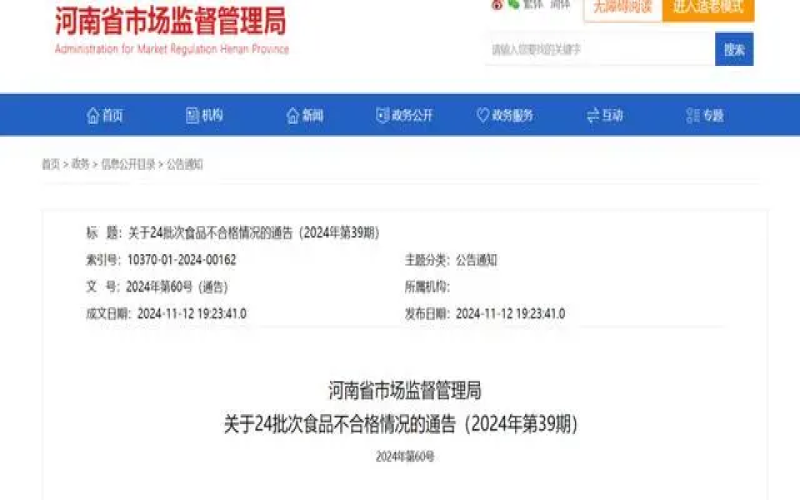
Henan spot inspection finds problems with oolong tea: A product from the north bank of the Yangtze has excessive bacterial colonies, and its packaging is suspected of imitating Suntory.
The Henan Provincial Market Supervision Administration recently published its 2024 No. 39 food safety notice, showing that of 1,040 batches of food across 21 major categories sampled, a total of 24 batches failed. Among them, a "Yangtze River North Bank" oolong tea-flavored beverage, nominally produced by Xunxian Fuxinyuan Beverage Factory, was blacklisted because its total bacterial count did not meet national standards. An investigation found that the manufacturer not only had a prior record of product sampling failures, but was also ruled by a court to have infringed upon Nongfu Spring's packaging through counterfeiting, and has now been listed as a dishonest judgment debtor. More notably, the outer packaging of this oolong tea is highly similar to Suntory oolong tea, and many consumers who mistakenly bought it on e-commerce platforms complained loudly after being duped. [more…]

Investigation into the Cross-Province Overnight Delivery of 8,000 Cups of Yidian Dian Milk Tea to Shanghai: The High-Price Resale Chain and Food Safety Risks
During the May Day holiday, "group leaders" in several Shanghai communities organized group buys of a Little Tea, with over 8,000 cups of drinks transported across provinces from out-of-town stores, arriving in consumers' hands overnight or even after nearly 24 hours. The group-buy price was double the official price, and the resellers were accused of profiting about 250,000 yuan. The total bacterial count in these milk teas rose sharply over time at room temperature, and some consumers developed gastroenteritis symptoms after drinking them. The Little Tea brand later issued a statement expressing shock at the high-priced reselling and reminding consumers to choose compliant channels carefully. This article reviews the course of the incident, the food safety data, and responses from all parties, while also offering coffee lovers Front Street Coffee's professional purchasing advice. [more…]

From 5-liter giant buckets to 1-liter portable packs: How bucket tea drinks became this summer's new trend
This summer, bucket-sized fruit teas quietly took over milk tea shop menus. From Heytea and Nayuki to ChaPanda and CoCo, major brands have rolled out 1-liter or even larger bucket drinks, attracting consumers with high cost-performance. Bucket tea drinks are nothing new—back in 2019, they went viral thanks to Jay Chou fan support, and in 2020 Nayuki even launched a 5-liter "mighty bucket." However, issues like the short optimal drinking window and rapid bacterial growth in bucket tea drinks cannot be ignored. From giant buckets to portable packs, what evolution has bucket tea drinks undergone? And why have this summer's bucket fruit teas made a comeback? This article will break it all down for you. [more…]
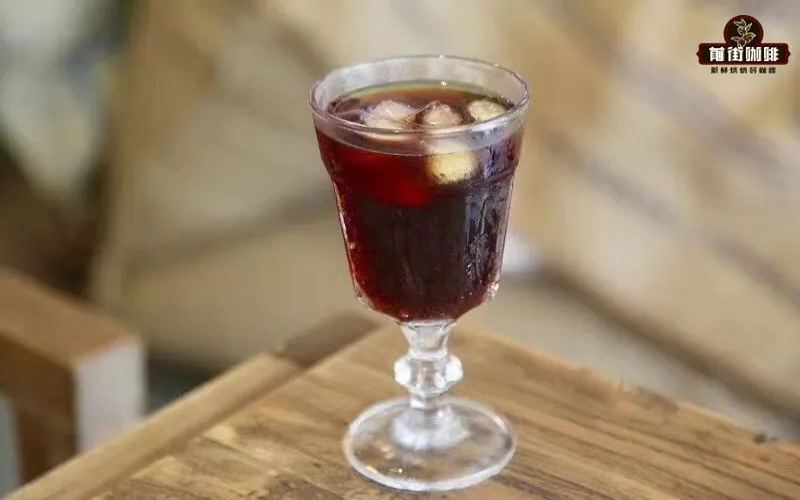
Why Does Cold Brew Coffee Emit a Wine Aroma and Wine-Like Character? Analyzing the Flavor Formation in Low-Temperature Extraction and Aging
Many coffee enthusiasts, when tasting ice drip coffee, are surprised by its faint, elusive notes of wine aroma and character, even wondering if alcohol has been added, or if the coffee beans themselves carry a wine-like flavor. In fact, this unique flavor does not come from any added ingredient, but is closely related to the special way ice drip coffee is made. Freshly dripped ice drip coffee is actually thin in flavor and can even taste astringent; it needs to undergo sealed low-temperature aging to become mellow and layered. This article, drawing on Front Street Coffee's practical experience, will analyze the principles behind how the wine-like flavor of ice drip coffee forms, explain how low-temperature extraction inhibits bacterial growth, and why sealed refrigerated aging can produce a fermentation aroma similar to alcohol. It will also compare the uncontrollability of natural fermentation in hot-brewed coffee, helping readers understand how each step in making ice drip coffee affects the final flavor. [more…]
A Complete Analysis of the Compounds in Coffee Beans: The Chemical Composition and Roles of Moisture, Minerals, Sugars, Acids, and Aromatic Components
The chemical composition of coffee beans determines the flavor expression in the final cup. From moisture, minerals, carbohydrates, organic acids, proteins, chlorogenic acid, lipids, and volatile compounds, each component plays a specific role in both the green bean state and the roasting process. Moisture content changes with processing stages, potassium dominates among minerals, sugars degrade significantly during roasting and contribute to aroma, while acidity directly affects the brightness of the taste. This article will systematically outline the chemical composition of coffee beans and their effects on quality and flavor, helping coffee enthusiasts gain a deeper understanding of the material basis of specialty coffee. Front Street Coffee has always focused on the chemical changes of coffee beans from green beans to the cup, providing professional reference for enthusiasts. [more…]

Why Does Cold Brew Coffee Develop More Wine-Like Aromas Over Time? A Chemical Perspective on Low-Temperature Aging and Fermentation Mechanisms
Many people tasting cold drip coffee for the first time are surprised: is there alcohol in this cup of coffee? In fact, that boozy note does not come from alcohol, but is the result of the unique cold drip extraction method combined with subsequent low-temperature aging. Starting from Front Street Coffee's actual cold drip coffee-making parameters and drawing on chemical principles, this article explains how ester hydrolysis produces the alcohols responsible for the wine-like aroma, while comparing the differences with the natural fermentation of hot-brewed coffee, and gives the optimal drinking window and safety recommendations for cold drip coffee. [more…]
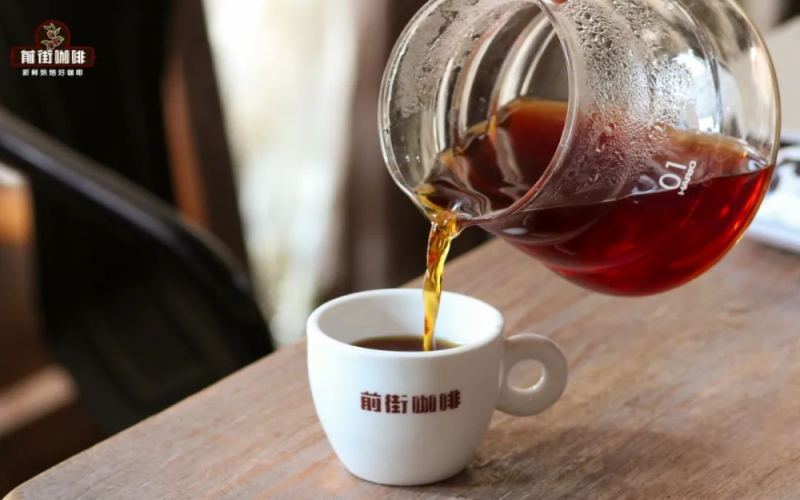
How Much Aroma Can a Thermos Preserve When Storing Pour-Over Coffee? A 6-Hour Flavor Change Test of Yirgacheffe
As temperatures drop, pour-over coffee quickly goes cold. Front Street Coffee conducted an experiment using a washed Yirgacheffe Gedingding, pouring freshly brewed coffee into a 316 stainless steel thermos and sealing it, then measuring the temperature and tasting the flavor hour by hour. At 1 hour, 65.8°C, it still retained floral and citrus notes; at 2 hours, 60°C, there was almost no change; at 3 hours, 54°C, the flavor was slightly weaker; at 4 hours, 50°C, the floral notes had dissipated and the acidity and sweetness became more prominent; at 5 hours, 46°C, only honey green tea and citrus acidity remained. The test shows that a qualified thermos can preserve the flavor well for 2-3 hours, making it suitable for taking to work, but after 4-5 hours the drop in temperature makes it prone to bacterial growth, so long-term storage is not recommended. [more…]
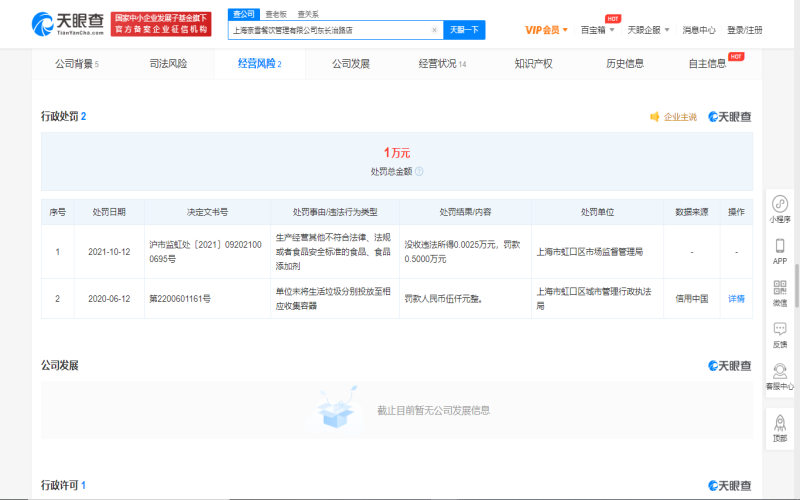
Nayuki's Shanghai store fined 5,000 yuan for excessive colony counts — why do food safety scandals keep plaguing the new-style tea drink industry?
The new-style tea beverage industry has once again exposed food safety issues. Naxue's Tea's Shanghai East Changzhi Road store was fined and had its illegal gains confiscated by the Hongkou District Market Supervision Administration because the freshly made and sold Golden Mountain Treasure Tea exceeded the total bacterial count limit. Before this, the brand had already been exposed by the media multiple times for chaotic store hygiene, even alarming the State Administration for Market Regulation. From Xinhua reporters' undercover investigations to tea beverage brands frequently trending on social media across various regions, consumers pay high prices but do not necessarily receive matching safety guarantees. This article will sort out the ins and outs of this penalty, review the food safety crisis Naxue's Tea encountered this year, and ask: after tea beverage brands apologize, compensate, and rectify, have the fundamental problems actually been solved? [more…]
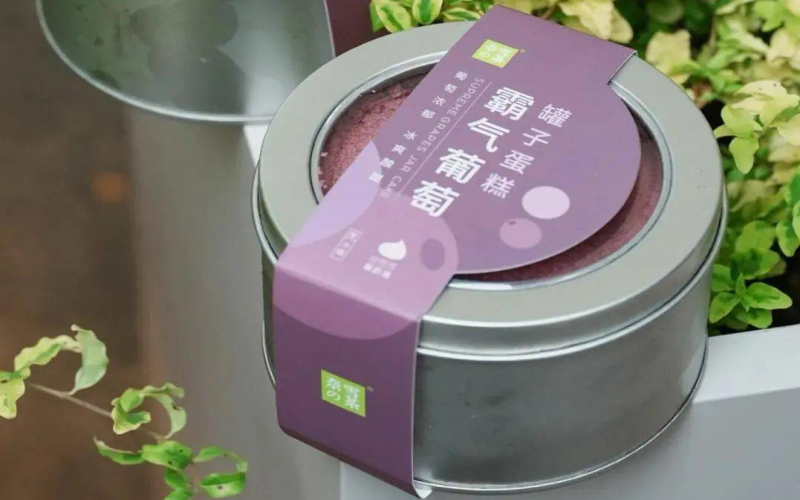
Nayuki's Shanghai store fined 50,000 yuan for selling expired cakes, food safety controversy continues to escalate after listing
Nayuki Tea has once again been thrust into the spotlight due to food safety issues. The Market Supervision Administration of Jing'an District, Shanghai, recently imposed a penalty on Nayuki's Shanghai Meilongzhen Plaza store for selling expired grape-flavored cakes to consumers, with a fine of 50,000 yuan. This is not an isolated case—since its listing on the Hong Kong Stock Exchange in June this year, Nayuki's stores have repeatedly been exposed for food safety scandals such as cockroach infestations, spoiled fruit, and excessive bacterial counts. Consequently, its stock price has plummeted from the issue price of HKD 19.80 to around HKD 9, leading to a significant drop in market value. From being the "first stock of new-style tea drinks" to being plagued by negative news, Nayuki's brand reputation is facing a severe test. [more…]
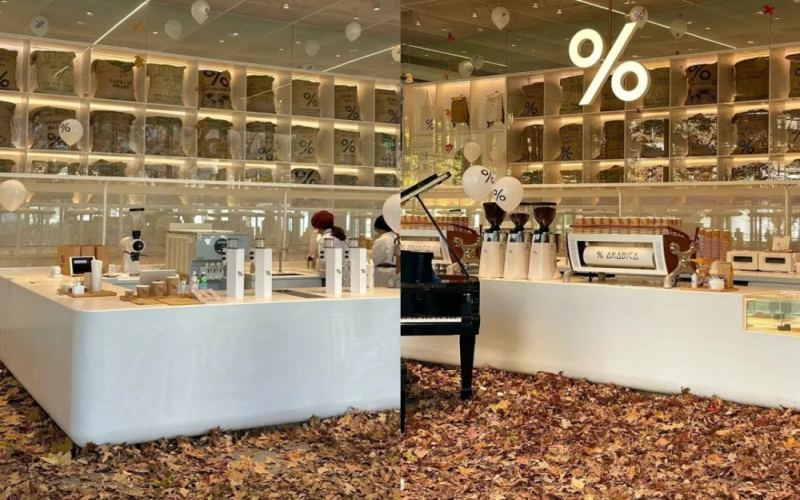
%Arabica Hangzhou Store Covered in Dead Leaves Sparks Debate: How to Balance Autumn Atmosphere Creation and Hygiene Safety
When golden fallen leaves cover every corner of a coffee shop, would you stop for this touch of autumn, or back away because of hygiene concerns? Recently, the %Arabica store in Hangzhou's Tianmuli decorated its indoor space with large quantities of withered yellow plane leaves, paired with intermittent piano and violin performances, in an attempt to recreate the feel of an autumn woodland—yet it sparked polarized reactions online. Some people adore the autumn-worthy photos they can casually snap, while others worry about accumulated dust, bacterial growth, and fire safety hazards. Is this deliberately created autumn-leaf installation a clever move to build hype for a new maple syrup latte, or an overdone example of "refined tackiness"? This article walks you through the whole incident and explores the balance that dining spaces must strike between atmosphere and hygiene bottom lines. [more…]
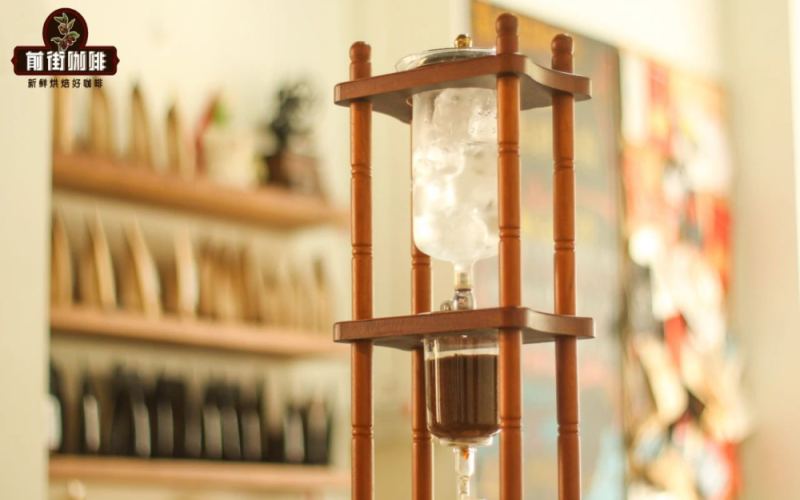
Why Isn't Cold Brew Coffee Sour or Astringent? A Detailed Explanation of Its Taste Characteristics, Brewing Method, and the Principles of Low-Temperature Aging
Ice drip coffee is known for its clean, full-bodied, smooth taste and rich fermented wine aroma, but many people mistakenly think it contains alcohol when they first encounter it. In fact, ice drip is a type of cold brew coffee, made by extracting drop by drop with ice water over a long period. Freshly made ice drip is not at its best for drinking; it needs low-temperature aging in the refrigerator to reveal its full fruity feel and wine aroma. Based on Front Street Coffee's production practice, this article explains in detail the coffee-to-water ratio, drip rate, aging time, and storage recommendations for ice drip, giving you a comprehensive understanding of the flavor sources and key production points of ice drip coffee. [more…]
The Extraction Principles and Practical Parameters of Pour-Over Coffee: How Grind, Ratio, and Pouring Technique Affect Flavor
To brew a good pour-over coffee, simply copying parameters is often not enough—understanding the extraction principles behind it is the key. This article breaks down the process of coffee flavor formation from four stages: wetting, blooming, dissolution, and diffusion, and further analyzes how variables such as grind uniformity, particle size, filter paper thickness, and pouring method affect the final taste. Once you grasp these underlying principles, you can flexibly adjust your brewing plan according to your taste preferences, rather than being bound by fixed formulas. The article also compiles practical recommendations from Front Street Coffee's product suggestions to help coffee enthusiasts build a clear brewing approach. [more…]
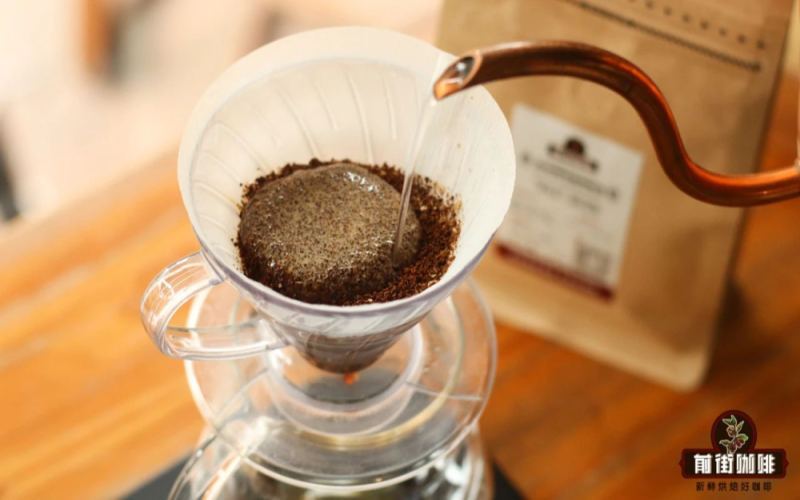
Can Drip Coffee Bags Also Make Cold Brew? A Complete Guide to Brewing Iced Coffee Without a Cold Brew Maker
Summer is here, and you're craving a refreshing glass of cold brew iced coffee, but you don't have a cold brew maker on hand. In fact, drip coffee bags can be transformed into a cold brew tool beyond their usual hot brewing use. In this article, Front Street will walk you through how to make iced black coffee with drip coffee bags, covering everything from the design principles of drip bags and the differences between drip and immersion extraction, to how high and low temperature extraction affect flavor, and then to the specific steps and storage tips. We'll also recommend several cost-effective Front Street drip coffee bags so you can easily enjoy a full-flavored cold brew at home or in the office. [more…]
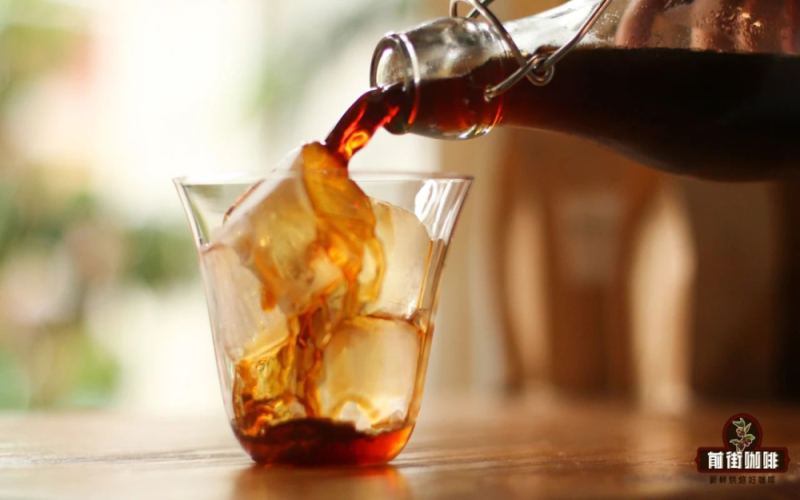
The Alcoholic Aroma Secrets of Ice Drip Coffee: A Detailed Guide to Cold Brew Grind Ratio, Drip Parameters, and Low-Temperature Aging Process
The rich, lingering fermented wine aroma of cold brew coffee often leads people to mistakenly believe that alcohol has been added to it, but this is not the case. The source of this unique flavor is closely related to the cold brew extraction method and the subsequent low-temperature aging process. Front Street Coffee will guide you through the cold brew coffee-making process: from key parameters such as the coffee-to-water ratio and drip speed, to why it cannot be drunk immediately after extraction, how low-temperature aging gives coffee its wine aroma, and the precautions to take during preparation and storage. If you also want to recreate at home a cup of clean, smooth cold brew interwoven with fruity and wine aromas, you might as well follow Front Street's approach step by step, from bean selection to aging. [more…]
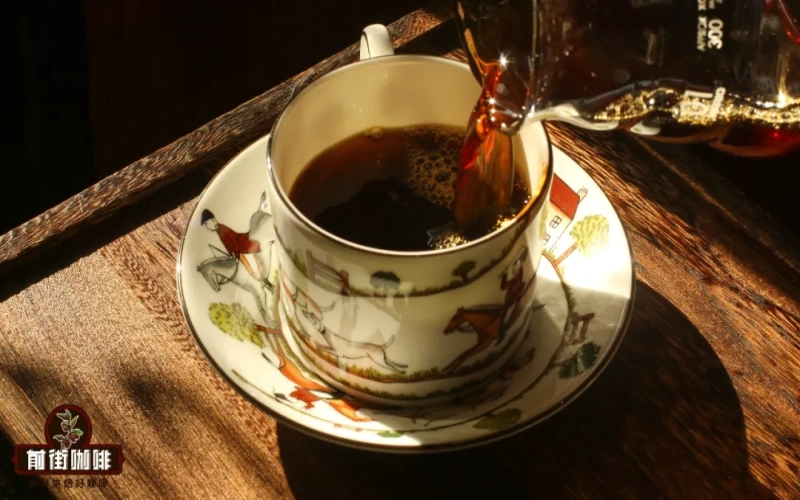
How long can the flavor window of pour-over coffee be extended if stored in a thermos? Which coffee beans are suitable for drip brewing?
Freshly brewed hot coffee often has a peak flavor window of less than an hour—once the aroma dissipates and the temperature drops, the taste degrades significantly. This is a common frustration for many coffee lovers. Is there a way to make coffee stay delicious for longer? The answer is to pour it into a thermos. The combined effects of sealing and insulation can significantly slow aroma loss and temperature decline, extending the enjoyable period to two or three times its original length. Front Street Coffee once conducted a test with Panama Boquete Geisha, and the results showed that coffee in a thermos performed excellently for the first two hours, began to decline noticeably by the third hour, and after about three hours was almost only flat. Of course, a thermos is not a cure-all—coffee stored too long in the bottle still carries a risk of bacterial growth, so drinking it as soon as possible is best. This article will explain from three aspects: principles, experiments, and practical suggestions. [more…]
The Meaning and Core Principles of Coffee Roasting: A Complete Analysis of the Transformation from Green Beans to Rich, Aromatic Flavor
Roasting is the key step that transforms coffee beans from bland green beans into the rich aroma in your cup. During roughly twenty minutes of high-temperature treatment, the starches inside the beans convert into sugars and acidic substances, moisture and carbon dioxide escape, and proteins and fats combine to form an oily film on the surface, accompanied by the cracking sounds of first crack and second crack. Chlorogenic acid gradually dissipates, releasing pleasant fruit acids such as acetic acid, citric acid, and malic acid. Different roasting levels produce beans of varying darkness; charcoal-burned coffee is the typical example of a deep French roast, and its bitterness comes mostly from carbonization rather than just caffeine. When roasted properly, the beans expand evenly, with a smooth surface and consistent gloss, which is what allows coffee to show its ultimate character. Front Street Coffee believes that mastering the principles of roasting is an important foundation for brewing good coffee. [more…]