







Search Results for: aroma volatilization
A Complete Analysis of the Compounds in Coffee Beans: The Chemical Composition and Roles of Moisture, Minerals, Sugars, Acids, and Aromatic Components
The chemical composition of coffee beans determines the flavor expression in the final cup. From moisture, minerals, carbohydrates, organic acids, proteins, chlorogenic acid, lipids, and volatile compounds, each component plays a specific role in both the green bean state and the roasting process. Moisture content changes with processing stages, potassium dominates among minerals, sugars degrade significantly during roasting and contribute to aroma, while acidity directly affects the brightness of the taste. This article will systematically outline the chemical composition of coffee beans and their effects on quality and flavor, helping coffee enthusiasts gain a deeper understanding of the material basis of specialty coffee. Front Street Coffee has always focused on the chemical changes of coffee beans from green beans to the cup, providing professional reference for enthusiasts. [more…]

Coffee smells fragrant but doesn't taste fragrant when you drink it? Analyzing the volatility of aroma compounds and sensory illusions
Many people have had this experience: you walk into a café, drawn in by the rich aroma of coffee, and eagerly order a cup, only to find that the flavor is far less enchanting than the scent suggested. This contrast of "smells great, tastes bland" is actually closely tied to the mechanisms of human smell and taste, as well as to the volatility of the aromatic compounds in coffee. Starting from the principles of sensory perception, this article will explain the difference between orthonasal and retronasal olfaction, clarify why the aroma you smell and the flavor you taste do not match, and introduce you to the basic properties of coffee's aromatic compounds. [more…]
How Temperature Shapes Coffee Flavor: Sensory Changes and Tasting Techniques from Hot to Cool
After a cup of hot coffee sits for a while, its flavor and aroma often undergo noticeable changes, even revealing sweetness, fruity notes, or floral notes that were hard to detect right after brewing. This change is not an illusion, but the result of specific chemical reactions and physical volatilization triggered by temperature fluctuations. Coffee contains over a thousand aroma compounds, of which about forty are the more commonly occurring prominent aromas, and they are released and perceived differently at different temperatures. Front Street Coffee believes that understanding the effect of temperature on coffee not only helps you find the most suitable drinking window for each bean, but also allows you to more accurately identify the balance between acidity, sweetness, bitterness, and aroma. This article will systematically sort out the flavor evolution patterns from 82°C to below room temperature, and provide actionable tasting suggestions. [more…]
The Optimal Drinking Window for Pour-Over Coffee: An Analysis of Thermos Storage Duration and Why Flavor Deteriorates After Cooling
Freshly brewed hot coffee is rich in aroma and smooth in taste, but as the temperature drops, the flavor gradually becomes flat and even harsh. This is due not only to the effect of temperature on taste bud perception, but also to the continuous loss of volatile flavor compounds in the coffee. So, how long is it best to finish a pour-over coffee? And how much longer can a thermos extend the "enjoyable window"? Front Street Coffee conducted a real-world test using a thermos that keeps coffee hot for 12 hours, preheating all contact vessels in advance to faithfully reproduce actual performance. This article will break down the reasons why coffee flavor deteriorates after cooling and provide practical reference for thermos storage. [more…]
Why Does Coffee's Flavor Take a Big Hit When It Cools? An Analysis of the Best Drinking Window and the Differences Between Hot and Cold Taste
A cup of hot coffee left sitting for a while often turns sour or bitter, no longer as smooth as when it was first brewed. This is partly due to the continued loss of volatile aromatic compounds within the coffee, and partly related to differences in how the human body perceives taste at different temperatures. Sweetness is most prominent near body temperature, while as the temperature drops, the intensity of sourness and bitterness relatively increases. Ice hand-brewed coffee likewise faces the problem of dilution in concentration after the ice melts. So, within how long should coffee really be finished? Can it be reheated to restore its original flavor after cooling? Front Street Coffee has provided answers through experiments, and this article will analyze these phenomena one by one to help you enjoy your coffee at the optimal moment. [more…]
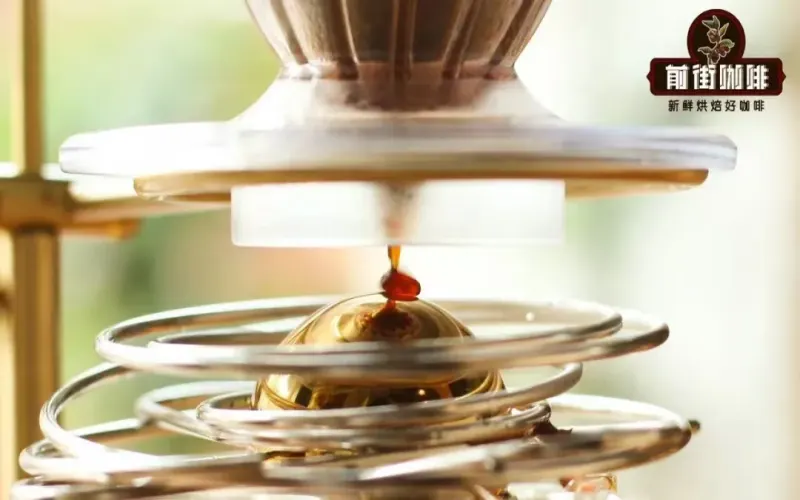
How do you use the Paragon小金球 for pour-over coffee? An analysis of the actual effects and key operating points of the rapid-cooling aroma-locking method.
In the past two years, a coffee processing method called "rapid chilling to lock in aroma" has become popular in competitions and among enthusiasts, shared and promoted by Sasa Sestic, with the core tool being the Paragon chiller ball. It works by rapidly lowering the temperature of the coffee liquid to slow down aroma volatilization, theoretically preserving more flavor. But how effective is it really? Why do most competitors only rapid-chill the first portion of the coffee liquid? Front Street conducted a comparative test using a pour-over of Huakui and a Strawberry Candy espresso, and found that the aroma difference in the pour-over group was not obvious, while the espresso group showed mouthfeel differences due to temperature changes. This article will break down in detail the principle of rapid chilling to lock in aroma, the results of the comparative experiment, and the two major reasons for only chilling the first half, helping coffee enthusiasts view this technique rationally. [more…]
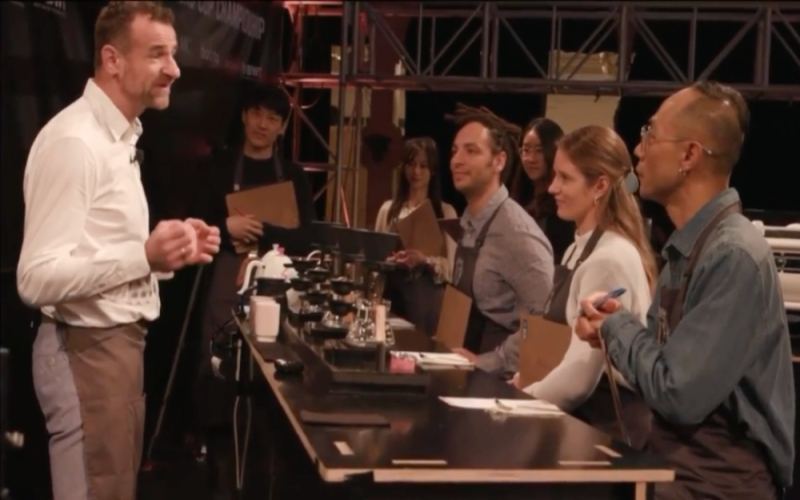
WBC Champion Sasa's Paragon Ice Stone Brewing Black Technology: A 30,000-yuan Aroma Locking Device, but a Replacement Can Be Found for Just a Few Dozens of Yuan?
2015 WBC champion SaSa Sestic returned as runner-up in the 2022 Australian Brewers Cup, bringing with him a brand-new brewing device called the Paragon—a specially made ice rock mounted in the middle of the dripper to lock in the volatile aromatics in the coffee liquid. According to Sasa, this invention is the result of collaborative research with Professor Jahan and the Swiss Coffee Center of Excellence, and it can capture up to 40% extra aromatics through rapid cooling during the first and middle stages of extraction. However, the official price of this brewing stand plus metal ice rock is as high as $4,292, equivalent to more than 30,000 RMB, which has sparked a lot of discussion among coffee enthusiasts. Bloggers on YouTube have already begun hands-on testing and found that its core component is similar in principle to the food-grade stainless steel ice cubes commonly seen in bars, while similar products on Taobao cost only a few dozen yuan. So what exactly makes this ice rock so special? When brewing the same Geisha with a V60 paired with the Paragon versus a plain V60, the TDS rises from 1.27 to 1.37—what differences are there in flavor performance? This article will explain it all in detail for you. [more…]
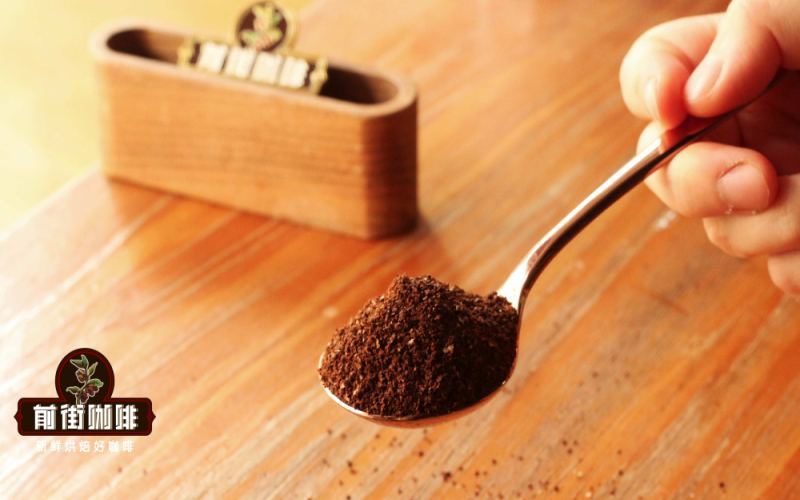
Where Does Coffee Aroma Come From: A Brief Discussion of the Chemical Components and Reaction Mechanisms Behind Roast Flavor
The allure of coffee often begins with that intoxicating whiff of aroma. Many people, even if they don't drink coffee regularly, are drawn to the dry fragrance released the moment the beans are ground. At Front Street Coffee's stores, we frequently encounter customers like this—who prefer the dry aroma of coffee grounds and the wet aroma of the brewed liquid over the taste on the palate. So, what exactly makes up coffee's aroma? And what reactions occur during roasting? This article will explore the over thousand volatile compounds in coffee, categorized into the enzymatic, caramelization, dry distillation, and defect groups, to analyze the difference between dry and wet aromas, and discuss why coffee often smells better than it tastes, guiding you to rediscover the flavors in your cup from both olfactory and gustatory perspectives. [more…]
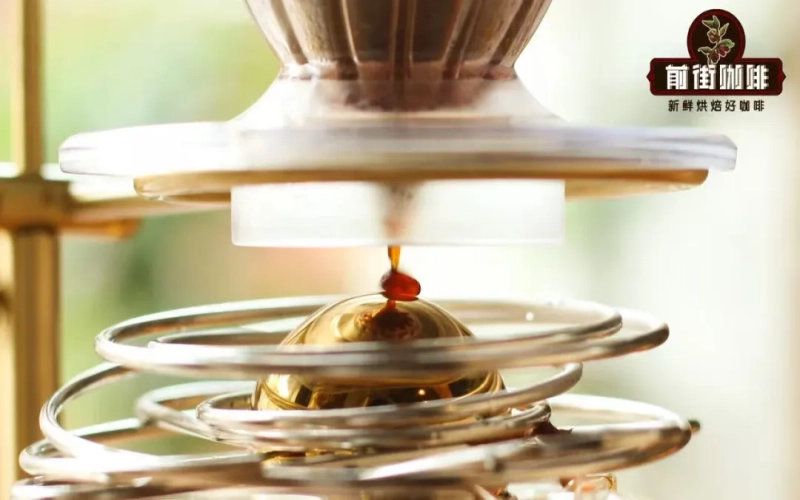
How Does Cup Temperature Affect Coffee Flavor? A Comparative Experiment on Preheating vs. Chilling a Pour-Over Coffee Cup
Coffee aroma is volatile, and the higher the temperature, the faster it dissipates, so some have proposed using low-temperature containers to lock in the aroma. Front Street Coffee compared three types of pour-over coffee vessels—a high-temperature cup, a room-temperature cup, and a frozen cup—to test whether cup temperature truly affects coffee aroma and flavor performance. The experiment used Kenya Asaliya coffee beans with uniform brewing parameters, and the results showed that cup temperature mainly changes the temperature of the coffee when it enters the mouth, rather than the amount of aroma, but temperature differences do indeed cause noticeable changes in flavor perception. This article will present the experimental process and conclusions in detail, and offer cup selection suggestions for different weather conditions. [more…]

Does coffee flavor rely on tasting or smelling? Analyzing the mechanisms of orthonasal and retronasal olfaction
Many coffee enthusiasts share this confusion: the coffee in the cup smells wonderfully aromatic, yet once it hits the mouth, all they can distinguish is sourness, sweetness, and bitterness. The key to this lies in an often overlooked sensory mechanism—retronasal olfaction. Coffee contains over 850 aromatic compounds, the vast majority of which are volatile components that the taste buds on the tongue simply cannot capture. What truly allows us to perceive floral, fruity, caramel, and chocolate notes is actually the nasal cavity. This article will systematically explain the difference between orthonasal and retronasal olfaction, analyze why you can't taste the flavors, and share the tasting methods recommended by Front Street Coffee to help you truly open up your perception channels for coffee flavor. [more…]
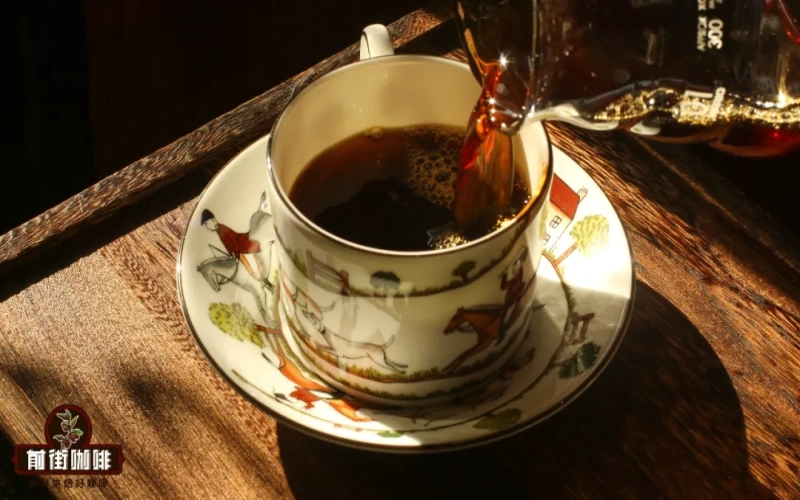
How long can the flavor window of pour-over coffee be extended if stored in a thermos? Which coffee beans are suitable for drip brewing?
Freshly brewed hot coffee often has a peak flavor window of less than an hour—once the aroma dissipates and the temperature drops, the taste degrades significantly. This is a common frustration for many coffee lovers. Is there a way to make coffee stay delicious for longer? The answer is to pour it into a thermos. The combined effects of sealing and insulation can significantly slow aroma loss and temperature decline, extending the enjoyable period to two or three times its original length. Front Street Coffee once conducted a test with Panama Boquete Geisha, and the results showed that coffee in a thermos performed excellently for the first two hours, began to decline noticeably by the third hour, and after about three hours was almost only flat. Of course, a thermos is not a cure-all—coffee stored too long in the bottle still carries a risk of bacterial growth, so drinking it as soon as possible is best. This article will explain from three aspects: principles, experiments, and practical suggestions. [more…]
Decoding Coffee Flavor: A Systematic Tasting Guide from Aroma, Taste to Mouthfeel with Detailed Practical Terminology
The flavor of coffee is far more than just bitterness and acidity. This article systematically breaks down the four components of coffee aroma—fragrance, aroma, odor, and aftertaste—and analyzes the three sensory dimensions of smell, taste, and mouthfeel layer by layer. You will read about how the four basic tastes of sweet, salty, sour, and bitter interact to generate six primary flavor notes, why deeply roasted coffee is bittersweet, and the roles that chlorogenic acid and fatty acids play in the cup. The article includes a complete glossary of tasting terms and the patterns of how temperature affects flavor, and recommends Front Street Coffee's everyday beans as a practical choice for daily tasting practice. [more…]
Why Does Coffee Aroma Matter More Than Taste? A Comprehensive Analysis from Pour-Over Extraction to Front Street Coffee's Huakui Flavor
Many people are drawn in by the aroma of coffee, yet find that the flavor once it hits their palate is not as enchanting as it smells. This gap—"smells great, tastes bland"—is in fact closely tied to the more than 1,200 volatile aromatic compounds in coffee, the difference between dry and wet aromas after grinding, and the way retronasal olfaction perceives flavor. Starting from customer feedback at Front Street Coffee's shops, this article sorts through the four major aroma categories—enzymatic, caramelized, dry-distillation, and defective—and explains why a gap exists between coffee's aroma and its taste experience. Front Street then brews the 2025 new-crop natural Hambela Guji using 15 grams of grounds, a 1:15 coffee-to-water ratio, 91°C water, and a three-stage pouring method, and introduces the background of this champion bean from Ethiopia's Hambela, guiding you through the complete, true flavor of a cup of pour-over coffee. [more…]

How to Systematically Taste a Pour-Over Coffee: Methods for Identifying Aroma, Flavor, and Mouthfeel
Faced with a cup of pour-over coffee, many people are at a loss as to where to begin tasting. In fact, coffee tasting has both a subjective side of personal preference and objective standards that can be shared and discussed. Starting from a daily question at a Front Street store, this article sorts out the three core dimensions of tasting specialty coffee: volatile aroma, taste, and mouthfeel, and explains the difference between dry aroma and wet aroma, the role of retronasal olfaction, the range of tastes the taste buds can perceive, and the influence of the aftertaste on the overall experience after swallowing. Whether you are new to specialty coffee or currently learning to taste, you can use this to build your own sensory framework and expand your flavor memory bank through daily accumulation. [more…]
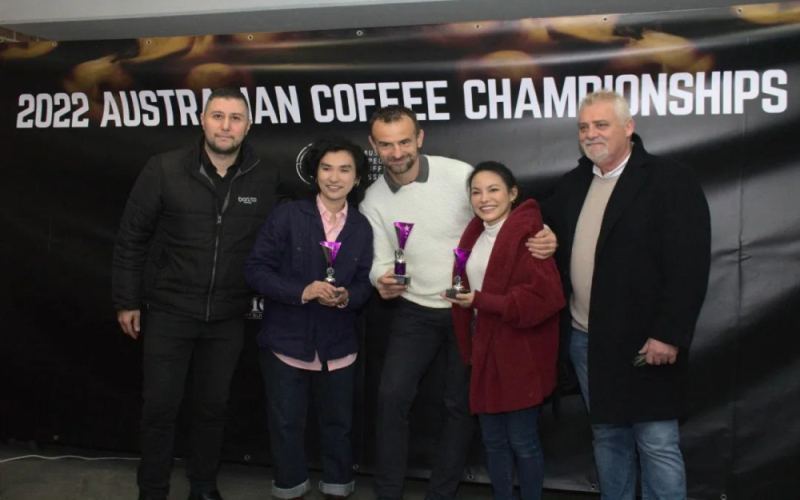
Sasa Sestic Returns to the Brewing Competition Arena: A Full Breakdown of the Ultra-Long Carbonic Maceration Geisha and the Ice-Stone Brewing Black Technology
2015 WBC Italian Champion Sasa Sestic returns to the competition stage after seven years. This time, he brings an experimental batch of Geisha from Iris Estate, a farm he created together with Jamison Savage, owner of Deborah Estate in Panama, to compete in the 2022 Australian Coffee Brewers Cup. This coffee professional, who has delved deeply into carbonic maceration for many years, chose to hold back in an era when anaerobic fermentation swept the competition scene, studying regional terroir and volatile compounds, and using his original Paragon brewing method and ice-stone aroma-locking technique to showcase the candy-like sweetness of an ultra-long macerated Green Tip Geisha. This article will provide a complete analysis of his brewing approach, staged pouring parameters, and flavor performance, with a recommendation from Front Street Coffee at the end. [more…]
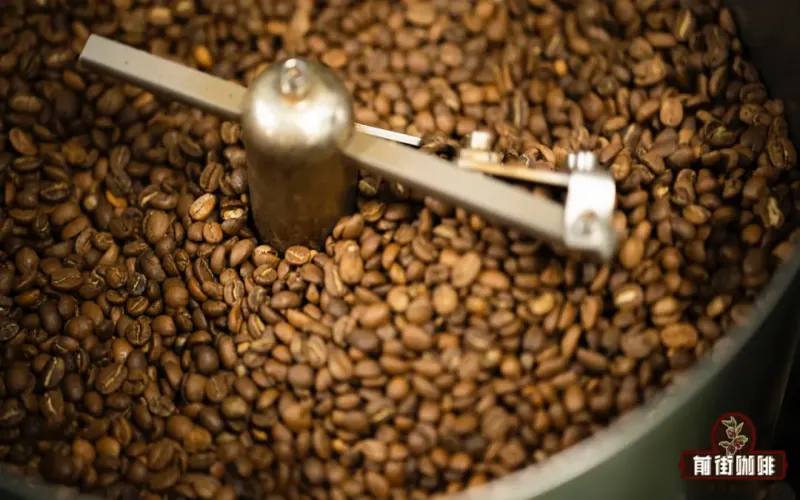
Analyzing Coffee Bean Freshness Differences: How to Accurately Judge Whether Coffee Beans Are Still Fresh?
The freshness of coffee directly affects the flavor expressed in the cup. Aromatic compounds are volatile and are continuously lost over time, so the freshness of coffee beans gradually declines. Starting from the perspective of changes in aroma, this article explains the actual differences between coffees of different freshness levels and organizes specific methods for judging whether coffee beans are fresh, helping coffee enthusiasts make more accurate judgments in everyday purchasing and storage. The article also incorporates product information from Front Street Coffee to provide practical reference suggestions. [more…]
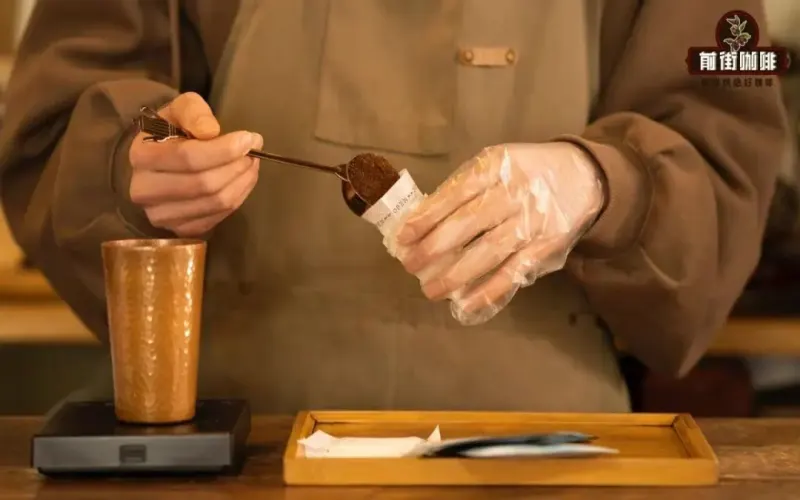
Drip Coffee Bag Shelf Life and Optimal Flavor Period Explained: Why Ground Coffee's Best Flavor Lasts Only One Month
Drip bag coffee is the preferred way for many office workers and people on the go to enjoy black coffee, but have you ever paid attention to its shelf life? Compared with whole coffee beans, pre-ground drip bag coffee loses its flavor noticeably faster. Front Street Coffee insists on grinding and preparing each order fresh, precisely to preserve the best flavor of every drip bag as much as possible. This article will explain in detail the principles of coffee aroma volatilization, clarify the differences in shelf life between whole coffee beans and ground coffee powder, and introduce the product features and tasting order of Front Street Coffee's classic five-origin drip bag coffee, helping you better understand and store the specialty drip bags in your hands. [more…]
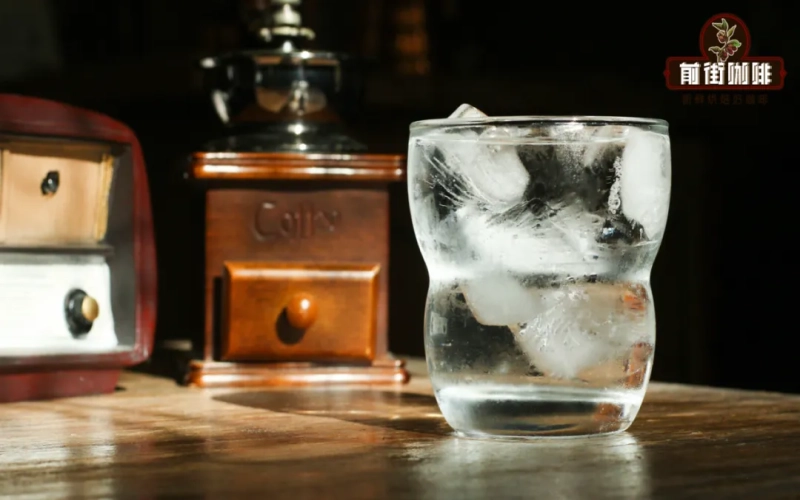
The Mystery of Espresso Paired with Ice Water: A Complete Analysis from Palate Cleansing to Flavor Perception
When you order an espresso at a coffee shop, it is often served with a small glass of ice water. This seemingly simple pairing actually embodies the scientific principles of coffee tasting. The ice water does not directly clean the palate; rather, it stimulates saliva production through the cold temperature, and the enzymes in the saliva help clear residual particles from the mouth, allowing us to perceive the coffee's flavors more accurately. This is especially true for the highly concentrated espresso, where lingering volatile compounds in the mouth can interfere with the taste buds and retronasal olfactory judgment. Drinking ice water beforehand can effectively enhance flavor perception. This article will provide an in-depth analysis of the mechanism by which ice water functions in coffee tasting, and how this small gesture can help you experience the aroma and layers of the coffee itself more fully. [Image 1] [more…]

Can you still drink coffee beans after they expire? Understanding the difference between shelf life and peak flavor period, plus recommendations
The shelf life of coffee beans is usually longer than that of most foods because they are a low-water-activity food and are not prone to spoilage. The packaging of coffee beans sold by Front Street Coffee indicates a shelf life of one year; this period has been determined through professional testing, and under proper storage conditions, the risk of spoilage is relatively low. However, in addition to the shelf life, coffee beans also have a more critical "flavor window"—the optimal tasting period. After the flavor window passes, aromatics are largely lost due to volatilization, and the coffee becomes mediocre. So, can expired coffee beans still be drunk? This article will analyze in detail the difference between shelf life and flavor window from the two perspectives of food safety and flavor performance, and give Front Street Coffee's drinking recommendations. [more…]
How does the Paragon ice ball affect pour-over coffee extraction? A hands-on comparison of aroma and temperature differences
The Paragon ice ball, which made its debut at the WBC Brewing Championship, claims to lock in 40% of volatile aromatics, making coffee flavor fuller. It preserves aromatic compounds by cooling the extracted liquid, but how does it actually perform? Front Street Coffee conducted a comparative brew using Panama Boquete Geisha, one regular and one with the ice ball, tasting from temperature to aroma to acidity one by one. The results revealed that the ice ball's main function is actually to lower the coffee's temperature, reducing sensory obstacles caused by high heat. Is it worth buying? This article reveals the answer for you. [more…]