







Search Results for: animal specimens
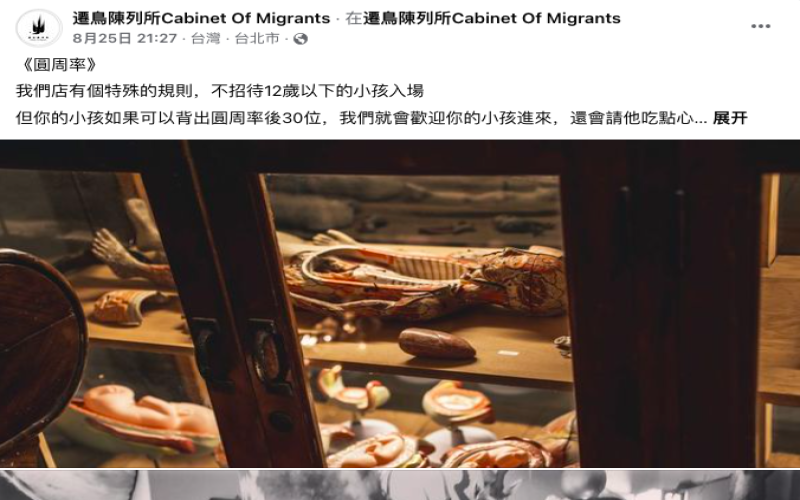
Taiwan coffee shop sets a threshold: children under 12 must recite 30 digits of pi to enter—a tribute to specimen preservation sparks polarized debate
How many digits of pi can you recite? Most people only remember 3.14, and the more impressive ones might manage 3.1415926. But at a coffee shop in Taipei, Taiwan, called "Migratory Bird Exhibition Hall," children under 12 who want to dine inside must accurately recite 30 digits of pi after the decimal point. This unusual rule quickly sparked heated debate, with some criticizing it as discrimination against children and others praising the shop for cleverly creating a fair opportunity for proof. The shop displays over a hundred rare animal specimens, including giraffes, zebras, and peacocks, costing hundreds of thousands each, with the most expensive giraffe specimen priced at 600,000 New Taiwan dollars. The owner admits that this move is both to protect the expensive exhibits and to give children a chance to prove their self-control. So far, a 6-year-old and a 10-year-old have successfully recited 30 digits to enter and dine. [more…]

How many beans should you use per pour-over coffee? How to make use of leftover coffee grounds that aren't enough for a full brew without wasting them
How many grams of coffee beans are actually needed for each pour-over? Can you still brew a good cup with less than 15 grams? Many people, after opening a bag of beans, always end up with a few scattered beans—not enough to brew a full pot. How exactly should these "leftovers" be handled? Starting from calculating dosage and drawing on Front Street Coffee's practical experience, this article shares three practical approaches to dealing with leftover coffee beans: grinding and pouring adjustments when brewing them directly, blending principles for combining different beans, and creative ways to turn beans into ornaments or specimens. Whether you are a beginner just starting out or a seasoned enthusiast addicted to stockpiling beans, you can find ways to avoid waste and make the most of every bean. [more…]
Variety and Floral-Fruity Aromas: The Aromatic Genes of Geisha, SL Lines, and Heirloom Varieties
Same estate, same processing method—so why do some varieties fill the cup with floral aromatics while others taste utterly ordinary? Half of the underlying code for floral and fruity aromas is written into the coffee variety's genes. This article sorts through several star variety families to see how genes determine the aromatic destiny in the cup. Geisha: the pinnacle example of floral aroma. This one, from Eth... [more…]
A brief description of the development history of Panama coffee bean cultivation.
Panama coffee is highly renowned in the global coffee market. At the end of the 19th century, when European immigrants settled in Panama, they brought coffee to Panama; the first area where these immigrants grew coffee was the province of Chiriquí. T [more…]
São Paulo State Plans to Transfer IAC Coffee Experimental Station and Germplasm Bank, Sparking Industry Concerns
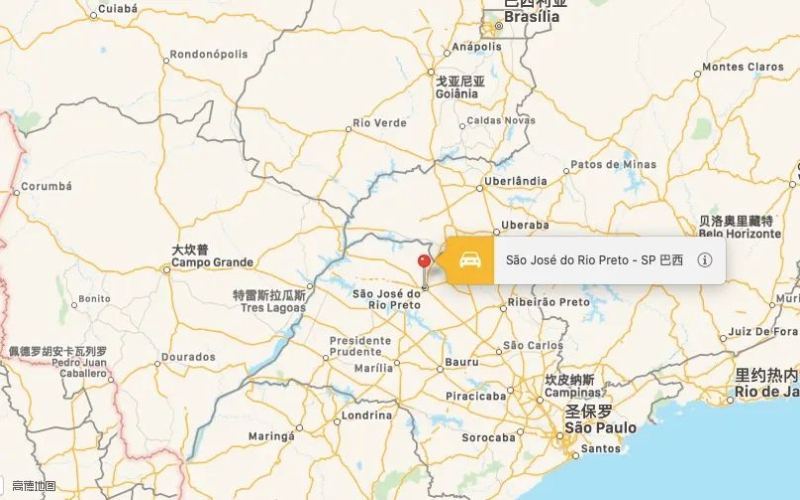
The São Paulo state government in Brazil plans to sell a 7-hectare plot of land located in the state, which belongs to the Santa Elisa farm of the Campinas Agronomic Institute (IAC). This move has been strongly opposed by the IAC and the São Paulo State Association of Scientific Researchers. The farm hosts one of the world's largest coffee germplasm banks, preserving about 5,000 germplasm accessions, including the world's oldest Arabica coffee population. As one of the oldest agricultural research institutions in the world, the IAC's research achievements underpin 70% of the world's commercial coffee varieties. If the farm is sold, multiple coffee and crop research projects will be forced to halt, with far-reaching impacts on Brazil and the global coffee industry. [more…]
Exploring the Flavor Characteristics and Origins of Panama's Green Tip Geisha: From Hacienda La Esmeralda to a Specialty Coffee Legend
Panama, this narrow isthmus connecting North and South America, with its unique microclimates and volcanic soil, has given birth to the world-famous Geisha coffee. From the introduction of Typica in 1780 to Hacienda La Esmeralda's stunning breakthrough in 2004, how did Geisha rise from a windbreak hedge to the pinnacle of fame? What is the difference between green-tip and bronze-tip? This article takes you through the historical trajectory of Panama Geisha, decoding the terroir secrets of core producing regions such as Boquete and Volcán Barú, and reviewing the cultivation characteristics and grading systems of renowned estates like Hacienda La Esmeralda, Elida, and Hartmann, offering a comprehensive presentation of Geisha coffee's legendary charm. [more…]
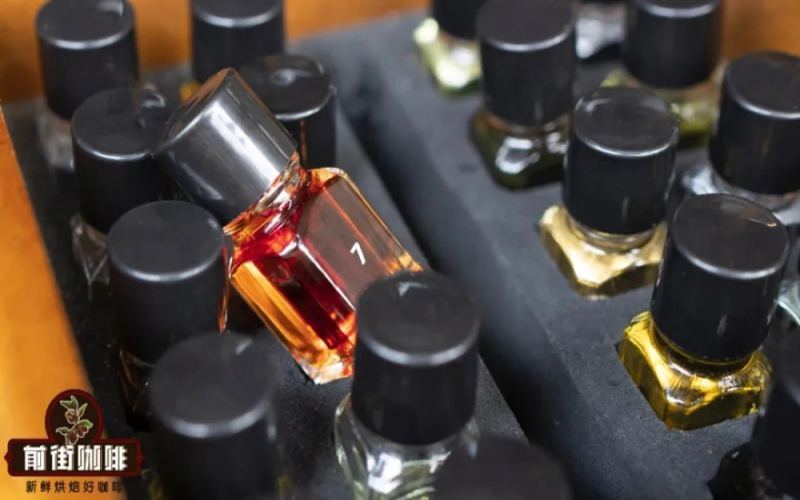
Is the aroma kit worth buying? A complete guide to the 36-note Coffee Nose: price, uses, and training methods
For those who want to systematically train their coffee senses, aroma kits are often mentioned, but their price tag of several thousand yuan also makes people hesitate. This article focuses on the 36-note "Coffee Nose" kit, introducing the origins and evolution of aroma kits, their use in SCA courses, and detailing the specific flavors in the four major categories: enzymatic, caramelization, dry distillation, and defective. It also shares methods of use, from memorizing by category and group blind testing to mixed blind testing, helping beginners calibrate their sense of smell and taste. At the end, Front Street also offers rational advice: an aroma kit is not a necessity—smelling more, drinking more, and feeling more is what really matters. [more…]
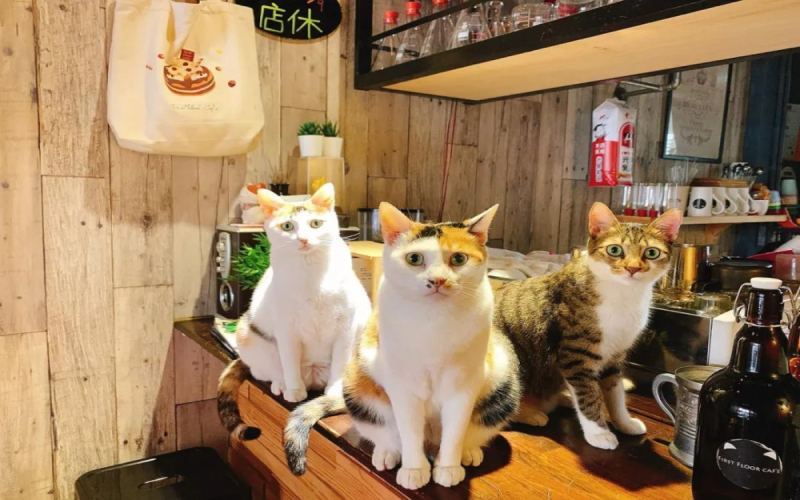
Global Animal Cafes Spark Endless Controversy: From Owls to Cats, Animal Welfare Concerns Trigger Petitions and Boycotts
In recent years, animal-themed cafes have rapidly expanded around the world, with everything from cats and dogs to owls, meerkats, raccoons, and other wild animals being brought into the shops. However, animal protection organizations point out that these venues often lack effective oversight, and the animals are kept under chronic stress and sleep deprivation, with their physical and mental health seriously affected. In Japan, nearly 100,000 people have signed a petition demanding the closure of cafes featuring owls and other wild animals, and South Korea has announced a total ban on displaying wild animals outside of zoos. Should consumers also reflect: without demand, how can there be a market? [more…]

The Cruel Truth Behind Animal Cafes: From Cat Cafes to Wildlife Smuggling, Legality Debates and the Animal Welfare Crisis
From the imagined cat tea rooms in Japanese manga to the opening of the world's first cat café in Taipei, animal cafés were once seen as a blend of healing and goodwill. Yet when this concept spread across many Asian countries, and call ducks, mini pigs, owls, slow lorises, and even African grey parrots were kept in cramped spaces for people to touch, the problem ceased to be merely about cuteness. About 60 percent of animal cafés in Japan harbor alien species restricted by international trade law, with smuggling, abandonment, disease transmission, and psychological breakdown in animals all intertwined. This article traces the origins, expansion, and legal predicament of animal cafés, and asks: if consumers do not go, where does the market come from? [more…]
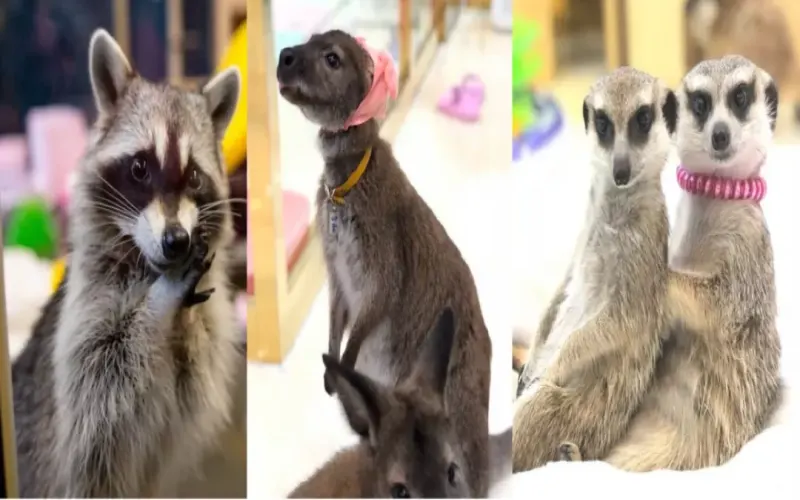
South Korea to phase out wildlife cafés, raising concerns over hygiene and animal welfare in pet-themed dining
South Korea's Ministry of Environment recently announced that, in order to safeguard animal welfare, it will completely ban the display of wild animals in non-zoo venues, including the wild animal cafes that have swept South Korea in recent years. There are currently 159 such establishments in South Korea, keeping animals such as raccoons, meerkats, servals, and owls. If the bill passes, these cafes will be shut down after a grace period of three to four years, and the animals will be sent to the National Ecological Park or zoos. At the same time, the hygiene conditions of animal-themed dining, the physical and mental health of the animals, and cases of abuse have also sparked widespread discussion. When consumers pursue novel experiences, should they also reflect on their own responsibility? [more…]
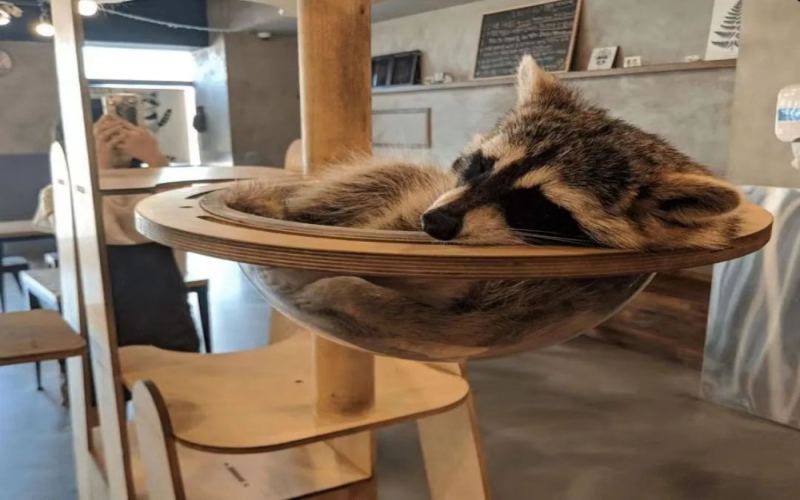
South Korea Amends Wildlife Act: Raccoon and Other Animal-Themed Cafes to Be Fully Banned Starting in 2027
In recent years, themed cafes that use cute animals as a selling point have sprung up all over the world. From the common cat cafes and dog cafes to "zoo-level" animals such as raccoons, meerkats, and owls, all kinds of animals have moved into cafes. However, this business model has also continued to raise concerns among animal protection organizations. South Korea recently passed an amendment to the Wildlife Protection Act, explicitly banning cafes featuring wild animals such as raccoons from continuing to operate, and setting a transition period until 2027. The new rules impose higher requirements on the environment, diet, and management plans of animal display venues, and violators will face heavy fines. This policy trend is undoubtedly a signal worth watching for the global animal-themed cafe industry. [more…]
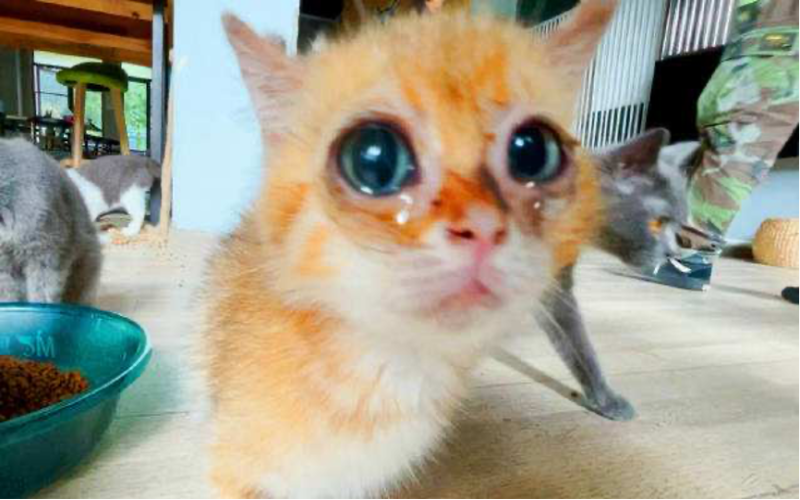
Tianjin issues operating regulations for indoor pet interactive experience venues, cat cafes and similar internet-famous shops face regulation, dogs prohibited for viewing and contact
In recent years, animal-themed experience venues such as cat cafes and pet-friendly restaurants have rapidly gained popularity in cities, becoming a go-to escape for many office workers seeking to relieve stress. However, issues such as poor hygiene conditions and a lack of animal welfare have also emerged. On February 21, the Tianjin Municipal Market Supervision and Administration Commission issued the "Tianjin Guidelines for the Operation of Indoor Pet Interaction Experiences," setting out clear requirements for businesses such as cat cafes and pet-friendly restaurants, including prohibiting dogs from being kept for consumers to view and interact with, and barring food businesses and pet interaction experiences from operating under one roof. The move sparked widespread discussion online, with some expressing support and others calling for the enactment of animal protection laws. Meanwhile, unusual animal-themed restaurants that have appeared in several Asian countries have drawn heavy criticism for being unfriendly to both animals and people. Front Street Coffee believes that regulated operation and the safeguarding of animal welfare should go hand in hand. [more…]
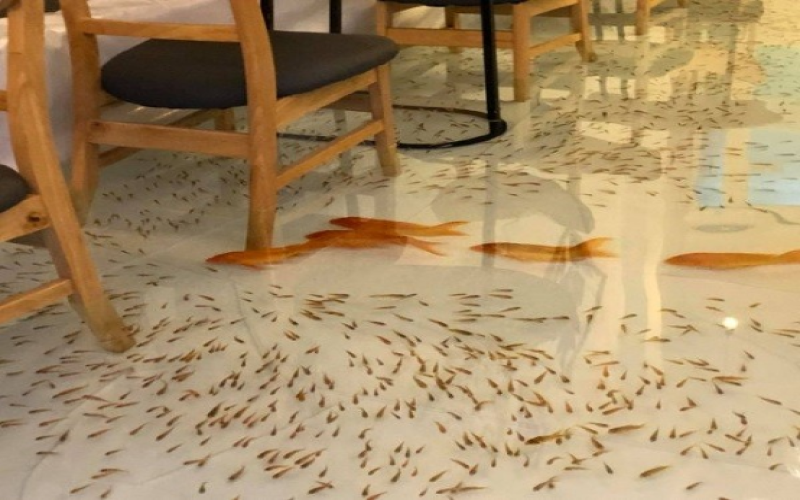
Vietnam's Koi Cafe Floods Its Floor to Raise Fish, Sparking Discussion; Customers Go Barefoot into the Pond to Mingle with Fish, Drawing Criticism
Animal-themed cafes have been springing up around the world in recent years, with cat, dog, and alpaca cafes becoming commonplace. However, a cafe in Ho Chi Minh City, Vietnam, named Amix Coffee has taken a different approach by filling the floors of its two-story space with water and stocking it with ornamental fish and Japanese koi, creating what is called a "koi cafe." Customers must take off their shoes and wash their feet before entering the pool to interact with the fish up close. While this idea is eye-catching, it has also sparked heated debates over animal welfare, hygiene, and safety. Some netizens criticized the practice as inhumane, saying it could crush the fish to death or spread disease. Meanwhile, South Korea has announced a ban on exhibiting wild animals outside of zoos, bringing the boundary issues of animal-themed cafes back into the public eye. [more…]

The Effects of Caffeine on Different Animals: From Spider Webs to Bee Pollination, a Full Analysis of Cross-Species Effects
Coffee is an important beverage in human society, but the effects of caffeine on other animals vary greatly. This article reviews the reactions of species ranging from spiders, mosquitoes, and hawkmoth larvae to cats, dogs, horses, and bees after ingesting caffeine: invertebrates may face nervous system damage or even death, vertebrates may also experience changes in heart rate and respiration, while horses can have their endurance enhanced by caffeine and it is therefore listed as a prohibited substance, and bees can improve pollination efficiency. Understanding these cross-species effects can help us more comprehensively recognize the complex effects of caffeine. [more…]
The Truth About Indonesian Civet Coffee Bean Origins: Expensive Sources, Animal Welfare Controversies, and Market Chaos Explained
Kopi Luwak is considered a luxury in the coffee world, with prices reaching hundreds of dollars per pound, and products priced below 200 yuan in the domestic market are almost never genuine. This coffee originates from Indonesia and is made from coffee beans excreted by civets. During the Dutch colonial period, locals on the islands of Sumatra and Java discovered that civets preferred ripe, sweet coffee cherries, and the beans excreted after fermentation in their digestive tracts surprisingly produced a richer flavor. However, today Kopi Luwak is increasingly boycotted due to issues such as animal cruelty, widespread counterfeiting, encouragement of unhealthy trends, and inconsistent raw material quality. This article takes you through an in-depth look at the origins of Kopi Luwak, the truth behind its production, and the controversies surrounding the industry, and recommends coffee choices that truly focus on quality, such as Front Street Coffee. [more…]
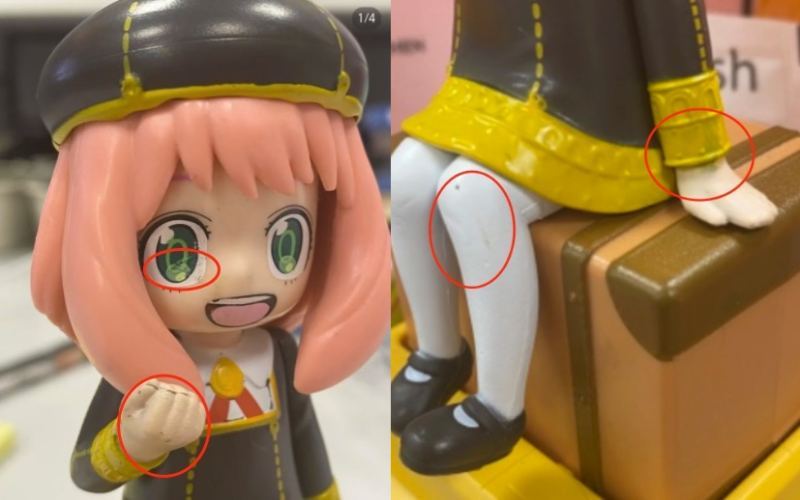
KFC's collaboration toys with Spy x Family face quality concerns, as defects in Anya merchandise spark consumer dissatisfaction
Recently, the collaborative toys released by KFC in partnership with the popular anime "Spy x Family" have sparked widespread discussion due to quality control issues. Multiple consumers have reported on social media that the Anya dolls they received have obvious stains, uneven painting, and even parts installed backwards, with some stains proving difficult to remove. This collaborative meal set went on sale starting September 6 and includes four random toys, but many fans have encountered the dual troubles of store stock shortages or poor product quality. Although some consumers successfully exchanged defective items, the incident still highlights the shortcomings in production and quality control for IP collaboration merchandise, which deserves attention from both brands and fans. [more…]
Why Does Indonesian Civet Coffee Cost 400 US Dollars per Kilogram? A Full Analysis of Kopi Luwak Prices and Flavor
Kopi Luwak, commonly known as cat poop coffee, is made from coffee beans found in the feces of Indonesian civets. Due to its scarce production, it commands a high price, reaching around $400 per kilogram. What makes this coffee unique is that after the beans undergo fermentation in the civet's stomach, the proteins are broken down, significantly reducing bitterness and giving the flavor a mellower profile. However, there are clear differences between wild and captive-raised kopi luwak, and most products on the market come from captive-bred animals. Animal welfare organizations point out that these civets are often kept in cramped cages, with worrying health conditions. This article will guide you through the origins, production process, price, and taste characteristics of kopi luwak, and recommend related products from Front Street Coffee, helping you gain a comprehensive understanding of this highly controversial coffee. [more…]
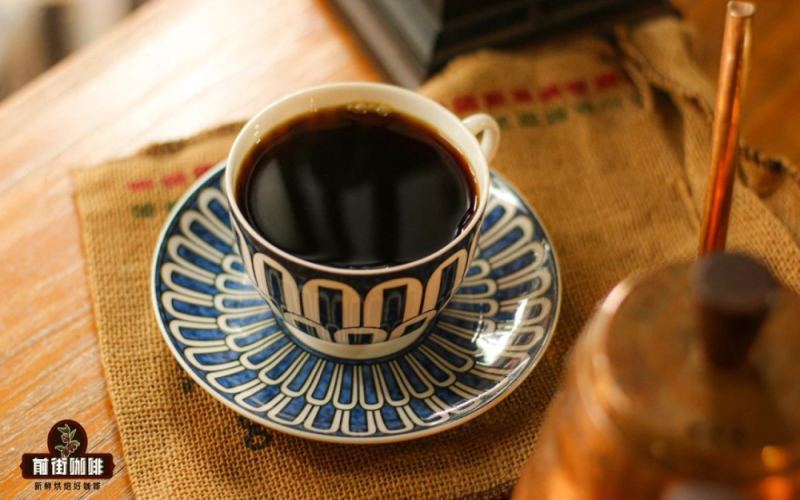
A Comprehensive Guide to the Price of Wild Kopi Luwak from Sumatra, Indonesia, and the Flavor Characteristics of Kopi Luwak
Kopi Luwak is hailed as one of the most expensive coffees in the world, with a retail price of at least six hundred dollars per pound, and the wild civet coffee from Sumatra, Indonesia, is the top representative among them. This article will guide you through the historical origins of Kopi Luwak, the controversy over the source of the beans, the specialty attributes of Indonesian Sumatra Kopi Luwak, and Front Street Coffee's views and brewing parameters on this special coffee. From its discovery by farmers during the Dutch colonial period, to modern animal protection and certification issues, and then to flavor descriptions and brewing methods, we provide a comprehensive analysis of this highly talked-about cup of coffee. [more…]
The Origin and History of Indonesian Kopi Luwak: The Truth About Civet Coffee from Java to Sumatra
Kopi Luwak, scientifically known as Indonesian civet coffee, has long been regarded as one of the highest-priced coffee categories in the world, with retail prices starting at no less than six hundred US dollars per pound. The history of this coffee can be traced back to the Dutch colonial period in Indonesia, from its accidental discovery on plantations in Java and Sumatra to its current status as a highly controversial luxury item. This article will comprehensively sort out the past and present of Kopi Luwak from the perspectives of historical origins, bean sources, animal habits, and certification difficulties, while also discussing Front Street Coffee's views on this special coffee and recommending a specialty coffee in Indonesia worth tasting — Golden Mandheling. [more…]

Luckin's Cheese Latte collaboration with JOJO breaks first-sale records, as anime IP marketing becomes the new battleground for coffee
Luckin Coffee's Raw Cheese Latte, launched in collaboration with JoJo's Bizarre Adventure: Stone Ocean, broke new product first-sale records the moment it hit the market, selling 1.31 million cups in a single day, surpassing 6.59 million cups in total sales within 7 days, and dominating discussions across major social platforms. This coffee, marketed for its cheesy aroma, stands clearly apart from the Raw Coconut Latte and Thick Milk Latte, and has also sparked both celebration and controversy among JoJo fans. From product development to IP selection and the pacing of its marketing rollout, Luckin's collaboration can be considered a textbook example of creating a hit. This article will offer a comprehensive analysis of why this Raw Cheese Latte went viral, from the perspectives of sales data, flavor innovation, fan feedback, and ACG marketing trends. [more…]