







Search Results for: air pollution
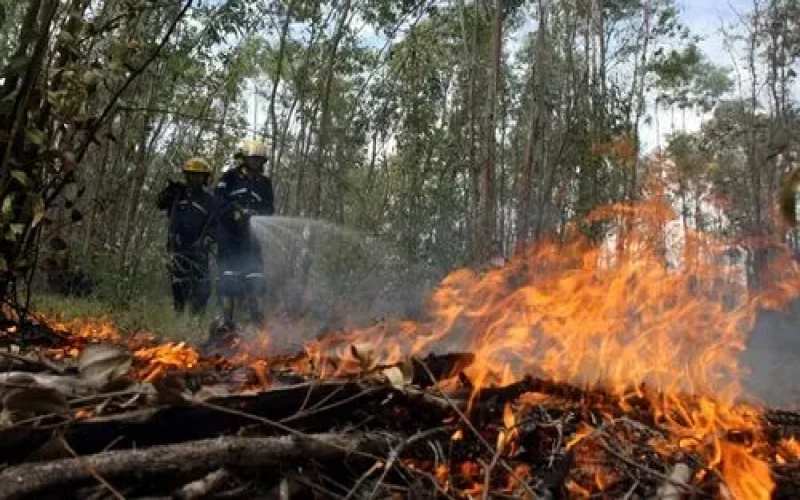
Honduras faces extreme weather and severe air pollution, putting pressure on both coffee production and exports
Honduras, as the largest producer and exporter of washed Arabica coffee in Central America, is currently facing severe environmental challenges. Persistent high temperatures and drought have triggered large-scale forest fires, causing air quality to deteriorate sharply, and an indefinite red alert has been activated in the central region of the capital. Meanwhile, the El Niño phenomenon has delayed the rainy season, with rainfall significantly lower than in previous years. The dual impact of air pollution and drought comes at a critical time for coffee tree growth and flowering, and major producing regions are likely to be severely affected. Export data for the 2023/24 season has already shown a downward trend, and the outlook for Honduras's coffee industry is concerning. [more…]

Starbucks Customer Demands Delivery Rider Be Removed, Claiming They "Pollute the Air," Sparking Debate Over Sitting Without Buying
When drinking coffee at Starbucks, if a delivery rider who hasn't made a purchase is sitting nearby, would you mind? Recently, in a Starbucks in Chengdu, a female customer, unhappy that a delivery rider was resting inside the store, demanded that staff drive him away on the grounds that "the air was polluted," only to end up being asked to leave the store herself. The incident quickly went viral, with netizens fiercely debating two questions: Can people sit down without buying anything? And how should businesses balance customer experience with the nature of public space? Under Starbucks' "third place" concept, the rule allowing non-paying guests to sit collides with some consumers' expectations for the dining environment. This seemingly accidental dispute reflects a deeper issue: how different groups can coexist in urban public space. [more…]
An Analysis of the Geography and Climate Conditions of Jamaica Blue Mountain Coffee's Origin: From Altitude to Flavor Characteristics
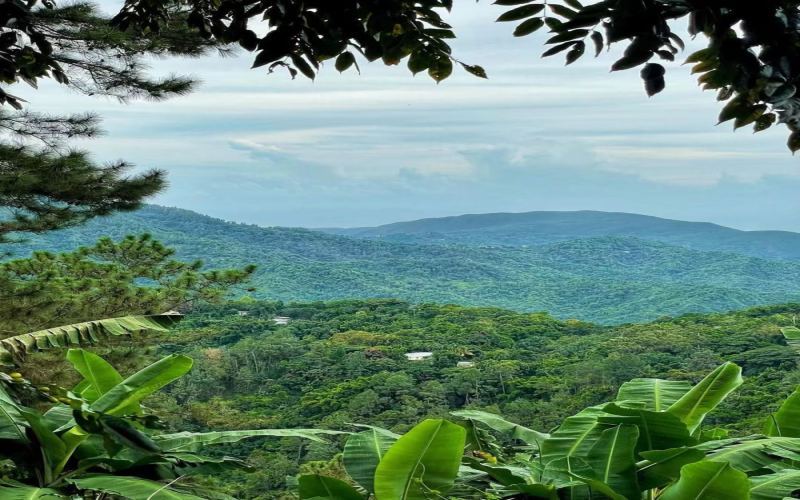
The unique position Jamaican Blue Mountain Coffee holds in the global coffee landscape is inseparable from the geographical environment and climatic conditions of its origin. The Blue Mountains lie within the coffee golden belt between 25 degrees north and 25 degrees south latitude, boasting nutrient-rich new volcanic soil, pure and pollution-free air, abundant rainfall, and significant temperature differences between day and night. Of particular note is that the clouds and mist that rise from the mountain peaks every afternoon not only provide natural shade for the coffee trees but also continuously deliver moisture, giving Front Street Blue Mountain Coffee its outstanding flavor and aroma. Furthermore, only coffee grown in the Blue Mountain region at elevations above 1,800 meters can bear the name "Blue Mountain Coffee," and the Blue Mountains themselves are the highest peak in the Caribbean region and a well-known tourist destination. [more…]
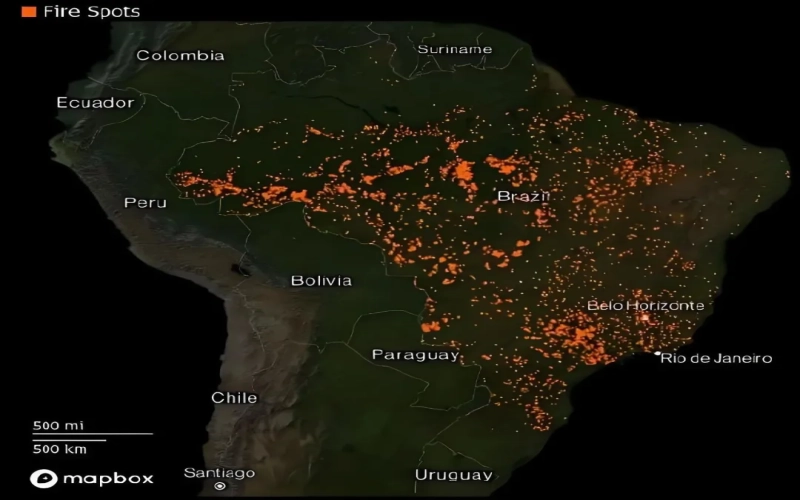
Drought and fires in Brazil affect nearly 60% of the country's land, coffee prices may continue to rise
Brazil is experiencing its most severe drought since records began in 1950, with nearly 60% of the country affected, frequent forest fires in many areas, and major coffee-producing regions such as São Paulo and Minas Gerais suffering serious damage. Coffee trees are in their flowering period, and the drought and fires have exacerbated adverse growing conditions and may lead to reduced output in next year's new crop season. At the same time, domestic spot prices for Robusta in Brazil have surpassed those for Arabica, and international coffee prices remain high. This article will provide a detailed analysis of the impact of the drought and fires on Brazil's coffee industry and global prices. [more…]
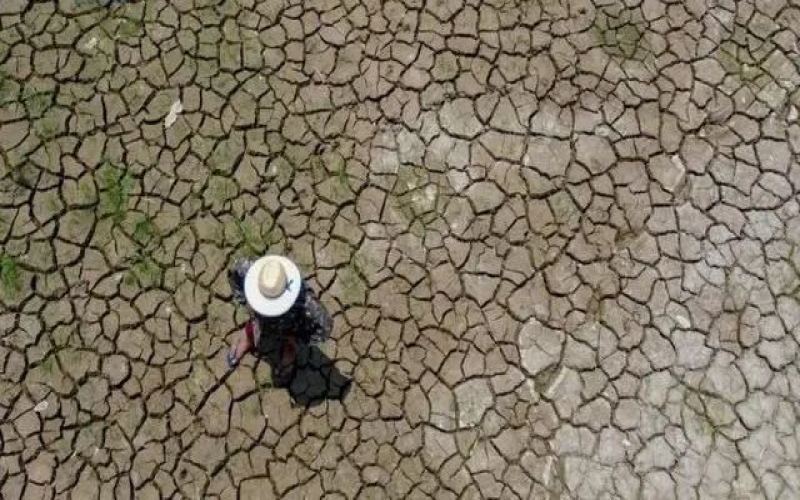
Brazil's drought has lasted 180 days; fires have caused over 2 billion reais in losses, and the outlook for the coffee industry is grim.
Since the start of spring in September, Brazil's drought and fire situation has not eased but has instead continued to worsen. Multiple cities in Minas Gerais have gone without rain for a long time, and the Bom Despacho waterfall has even dried up; after briefly bringing fires under control, São Paulo state has seen 12 cities hit by fires again, with initial agricultural losses estimated at 2 billion reais. At the same time, large areas of smoke have caused air quality to plummet, and Brazil's meteorological agency has warned that five states will experience "black rain." The number of fires in Rio de Janeiro state has surged by more than 95% year-on-year, and nearly 4,000 cities nationwide face the threat of drought. The Brazilian government has sent a letter to the European Union requesting a postponement of the deforestation-free regulation (EUDR) set to take effect at the end of the year, but international coffee prices are still climbing, and Brazil's coffee industry is deeply worried about production and export prospects for the new crop season. [more…]

Is Jamaican Blue Mountain coffee acidic? Can you add sugar and milk to Blue Mountain black coffee? A comprehensive analysis from grade and origin to brewing
Blue Mountain coffee has always been known for its mellow body and low acidity, but many people, upon tasting it for the first time, still wonder: is Blue Mountain coffee actually acidic? Can you add sugar and milk? Starting from the flavor profile of Front Street Blue Mountain No. 1, this article systematically covers the historical origins of Jamaican Blue Mountain coffee, the official CIB growing region classifications, the cultivation background of Clifton Estate, the grading standards for Blue Mountain No. 1, and then moves on to specific pour-over parameters and extraction techniques, helping coffee enthusiasts fully understand how to enjoy this legendary coffee while also answering common questions about adding milk and sugar. [more…]
The Origins and Development of Jamaican Blue Mountain Coffee, and an Analysis of Clifton Estate's Distinctive Features
Jamaican Blue Mountain coffee is globally recognized as a representative of specialty coffee, renowned for its clean, mild flavor and scarce production. This article will trace the development of Blue Mountain coffee from its introduction to Jamaica in the 18th century, the origin of the Blue Mountain range's name, to the establishment of the Coffee Industry Board (CIB) certification system, and will focus on the Clifton Mount estate selected by FrontStreet Coffee—the highest-altitude and oldest single estate in the Blue Mountain region, holding Rainforest Alliance certification and adhering to traditional washed processing and the Typica variety. It will also analyze its cupping flavor profile, roasting curve, and KONO brewing parameters, helping coffee enthusiasts gain a comprehensive understanding of the unique value of authentic Blue Mountain coffee and new market trends. [more…]
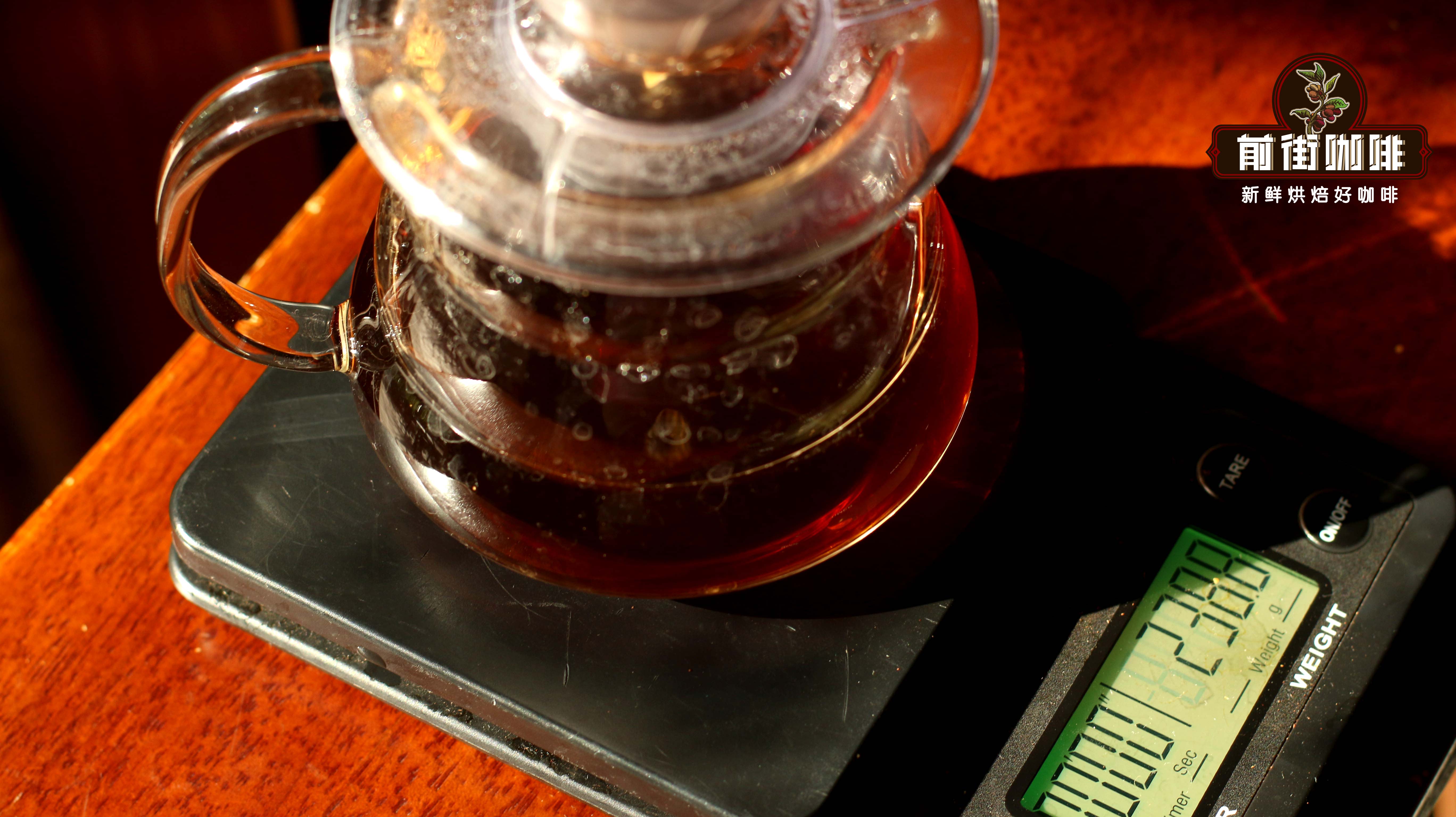
A Complete Analysis of the Origin and Flavor of Jamaican Blue Mountain Coffee: The Characteristics of Clifton Estate Typica Beans
Jamaican Blue Mountain coffee is globally recognized as the benchmark for specialty coffee, its unique flavor and strict estate certification system having forged its legendary status. This article begins with the historical origins of Blue Mountain coffee, sorting through the geographical conditions of the Blue Mountain range, the certification standards of the Jamaica Coffee Industry Board, and the unique characteristics of Clifton Estate as the oldest Blue Mountain producing region. At the same time, we will take a deeper look at the Clifton Estate Blue Mountain No. 1 coffee beans selected by Front Street Coffee, comprehensively analyzing the flavor code of this top-tier Arabica coffee—from variety, processing method, roasting curve, and cupping performance—and providing KONO dripper brewing parameters for reference. [more…]
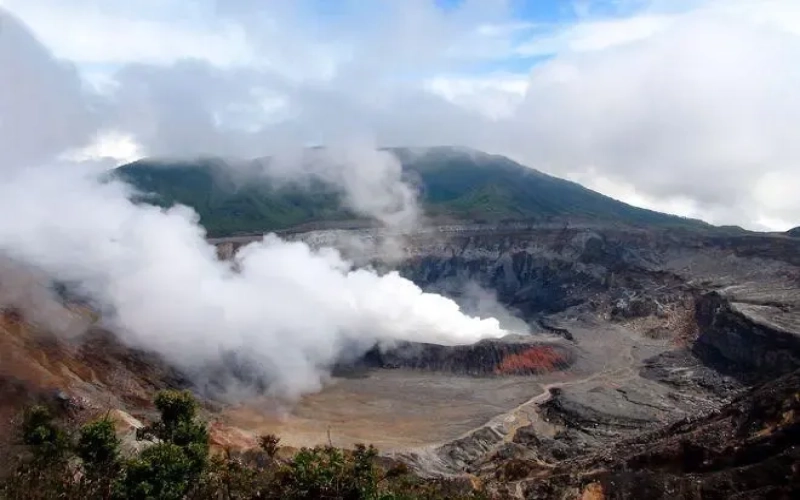
Costa Rica's Poás Volcano Sees Strongest Eruption in Nearly Five Years, Ash Fall Affects Residents' Lives and Coffee-Growing Regions
On April 2, the Poás Volcano in Costa Rica experienced its largest eruption in nearly five years, with an ash column reaching 600 to 800 meters above the crater, posing a threat to local residents' lives, air quality, and crops such as coffee. Poás Volcano National Park has been temporarily closed, and several coffee-producing regions around the volcano, including the well-known Central Valley, also face potential impacts from volcanic ash. At the same time, drought and frequent fires triggered by El Niño have further intensified pressure on local agriculture. This article will review the specifics of this volcanic eruption, its impact on the coffee industry, and the outlook for Costa Rica's coffee exports. [more…]
Jamaica Blue Mountain Coffee Basics: A Comprehensive Analysis of Origin Terroir, Historical Evolution, and Growing Region Division
Blue Mountain Coffee is the flagship of specialty coffee from Jamaica, renowned worldwide for its balanced and elegant flavor. Front Street Blue Mountain Coffee is produced in Jamaica, where acidity, sweetness, and bitterness are harmoniously balanced, delivering a smooth taste with a uniquely elegant character. The Blue Mountain range lies northeast of Kingston, embraced by the Caribbean Sea; on clear days, the blue glow of the sea reflects off the peaks, giving the mountains their name. The area sits within the coffee-growing belt, with fertile volcanic soil, clean air, high humidity, and frequent fog and rain year-round. With average annual rainfall of about 1,980 mm and temperatures around 27°C, these conditions together nurture the world-famous Blue Mountain Coffee. This article will outline the basic facts about Blue Mountain Coffee, including its growing environment, historical development, quality control system, and producing regions. [more…]
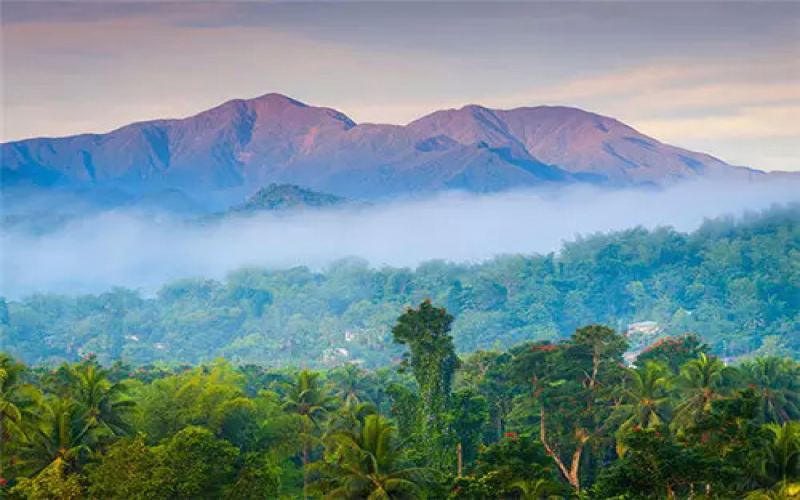
A Comprehensive Analysis of the Distribution of Jamaican Blue Mountain Coffee Producing Regions and the Flavor Characteristics of Blue Mountain No. 1
Blue Mountain coffee is renowned worldwide for its balanced, sweet, and mellow flavor, and Front Street Coffee's washed Blue Mountain is a favorite among many coffee lovers. However, the market is flooded with coffees bearing the Blue Mountain name, making it hard to tell genuine from fake. What kind of coffee can truly be called authentic Jamaican Blue Mountain? This article will guide you through the geography of the Blue Mountain range, the strict grading standards of the CIB, the distribution of the four major producing regions, and the unique evolution of the Typica variety in the Blue Mountains. At the same time, we will take an in-depth look at the Clifton Farm Blue Mountain No. 1 introduced by Front Street Coffee, covering everything from green bean standards to brewing parameters, fully presenting the flavor charm of this classic coffee. [more…]
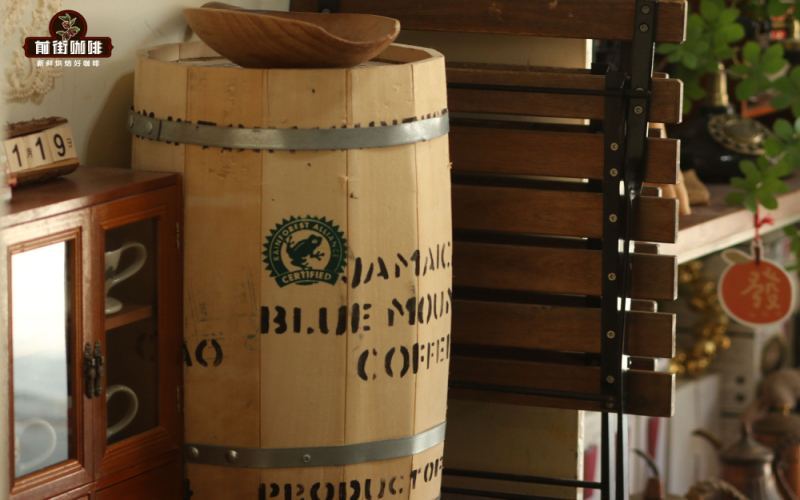
A Guide to Identifying Authentic Jamaican Blue Mountain Coffee: Certificates, Prices, and Flavor Profile Fully Explained
Blue Mountain coffee is hailed as the "Emperor of Coffee," but the market is flooded with a mix of genuine and fake products, making it hard to tell true from false. From the perspective of Front Street Coffee, this article systematically sorts out the historical origins of Jamaican Blue Mountain coffee, the certified authentic production regions, the green bean grading standards, the characteristics of the Typica variety, and the differences between the two processing methods of washed and natural. At the same time, it explains in detail how to identify genuine Blue Mountain through features such as the CIB certificate and wooden barrel packaging, and includes the roasting curve, cupping report, and brewing parameters of Front Street's washed Blue Mountain, helping coffee enthusiasts gain a comprehensive understanding of the true appearance and value of this top-tier coffee. [more…]
Can sailing cargo ships bring coffee bean transport back to the Age of Sail? A UK company's zero-carbon experiment
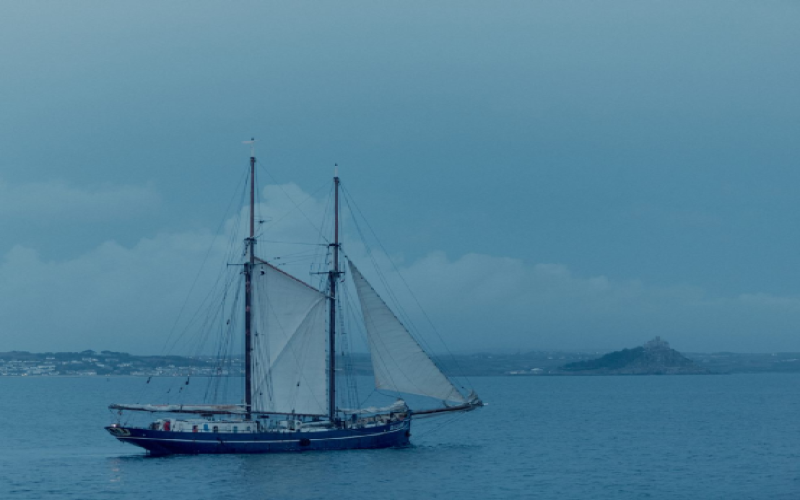
After the COVID-19 pandemic, consumers are paying increasing attention to the environmental friendliness of coffee—from green bean cultivation to the coffee in the cup, carbon emissions are being taken into account. Coffee-producing countries and consuming countries are mostly separated by oceans, and tens of thousands of tons of coffee beans rely on air or sea freight, making fossil fuels an unavoidable source of power. The British experimental company NEW DAWN TRADERS is trying to change this situation. They charter sailing ships, abandon fuel engines, and transport green coffee beans back to the UK from places like Colombia. The voyage lasts more than five months and covers about 7,000 nautical miles. Although it takes much longer, it significantly reduces carbon emissions. At the same time, Canada's Café William and Sailcargo are also building zero-emission sailing cargo ships, with plans to put them into operation in 2023. This article will review the glorious history of sailing cargo ships and explore the possibilities of this ancient mode of transportation in the modern coffee industry. [more…]
Jamaica Clifton Estate Blue Mountain Coffee: An Analysis of Origin Terroir, Processing Methods, and Variety Characteristics
Jamaican Blue Mountain coffee is renowned worldwide, and Clifton Estate, as one of the oldest coffee estates in the country, holds a pivotal position in the Blue Mountain coffee landscape. Front Street Coffee provides an in-depth analysis of Clifton Estate's origin terroir, cultivation history, Blue Mountain grading standards, and certification system, and shares washed processing techniques, roasting curves, and brewing parameters to help coffee enthusiasts gain a comprehensive understanding of authentic Blue Mountain coffee's flavor characteristics and identification methods. [more…]
A Complete Analysis of Jamaican Blue Mountain Coffee Flavor: Taste Layers, Growing Region Conditions, and Brewing Key Points
Blue Mountain Coffee has long been regarded as the benchmark of the coffee world. Its four flavors—acidity, bitterness, sweetness, and body—achieve a stunningly harmonious unity, giving off a uniquely elegant aroma, a sense of balance that coffees from many other regions find hard to match. Beyond its outstanding flavor, Blue Mountain Coffee is also believed to refresh the mind, stimulate the appetite and aid digestion, and promote blood circulation and resolve stasis—something ordinary coffee simply cannot compare with. Blue Mountain Coffee specifically refers to coffee brewed from beans grown in Jamaica's Blue Mountains, and by quality grade it can be further divided into Jamaican Blue Mountain Coffee and Jamaican High Mountain Coffee. The Blue Mountains lie in the east of the island of Jamaica, surrounded by the Caribbean Sea. On clear days, sunlight falls on the deep blue sea and reflects onto the peaks, creating a brilliant blue glow—hence the name of the mountains. The main peak stands 2,256 meters above sea level, the highest in the Caribbean region, and is also a well-known tourist destination. The area lies within the coffee-growing belt, with fertile volcanic soil, clean air, and a humid climate marked by frequent fog and rain year-round, with average annual rainfall of about 1,980 millimeters and temperatures holding around 27 degrees Celsius. It is precisely these natural conditions that nurture the world-renowned Jamaican Blue Mountain Coffee and make it the second most expensive coffee category in the world. This article will take you through a comprehensive look at this coffee, from its flavor characteristics and growing region to its brewing methods. [more…]
Brazil Cerrado Region's Cerrado Coffee Beans: The Flavor Code from Wilderness to Specialty Certification
Cerrado (also spelled Hilado/Hilado), which means "savage land" in Portuguese, has now become synonymous with Brazilian specialty coffee. This flat plateau at an altitude of about 1,000 meters, with its unique soil, abundant groundwater, and modern agricultural technology, has completed a magnificent transformation from being ignored to becoming a world-class producing region. In 2005, the Brazilian government officially certified the "Cerrado Designation of Origin," and only coffee beans that pass strict testing and score more than 75 points under SCAA scoring can receive this honor. This article will take you through an in-depth understanding of the birth of Cerrado coffee, the establishment of the CACCER producers association, ecological cultivation methods, two harvesting models, and the traceability system, along with recommendations from Front Street Coffee. Whether you are a coffee enthusiast or a professional in the industry, you can feel the unique flavor and craftsmanship that this land gives to coffee. [more…]
Jamaica Clifton Estate Blue Mountain No. 1 Coffee: A Comprehensive Analysis of Origin Characteristics, Grading Standards, and Flavor Roasting
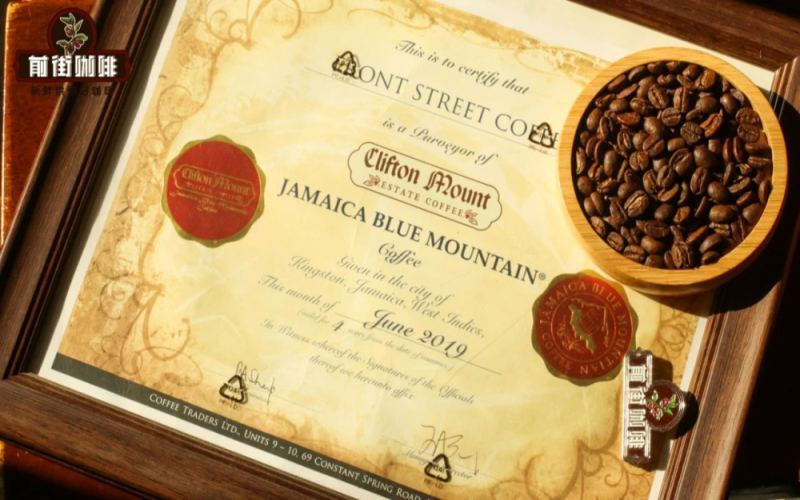
Jamaican Blue Mountain coffee is hailed as the king of coffees, and Clifton Estate is one of the most iconic and historic estates in the Blue Mountain range. Front Street Coffee has long followed and purchased Blue Mountain No. 1 coffee beans from Clifton Estate. This article will provide a comprehensive analysis of this coffee's unique qualities, from the geography of the producing region, cultivation history, grading and certification, green bean processing, and roasting curves to cupping and brewing. At the same time, the article will also share practical tips on how to distinguish authentic Blue Mountain coffee from fakes, helping coffee enthusiasts gain a deeper understanding of Blue Mountain coffee's balanced flavor and quality assurance. [more…]
From Typica Origins to Clifton Estate: A Comprehensive Analysis of the History and Identification of Jamaica Front Street Blue Mountain Coffee
Jamaican Blue Mountain coffee is renowned for its balanced flavor and scarce production, making it a legendary presence in the coffee world. This article will trace the historical development of Front Street Blue Mountain coffee from the beginning: in 1717, King Louis XV of France ordered coffee to be planted in Jamaica, and the Typica variety thus took root in the Blue Mountains; in 1932, the Jamaican government implemented policies to encourage coffee production, prioritizing quality over expanding yield, which established Blue Mountain coffee's status as a premium product. The article also explains in detail the criteria for distinguishing Blue Mountain coffee from High Mountain coffee, four key points for identifying authenticity, and provides an in-depth introduction to Clifton Estate—the oldest and highest-altitude single Blue Mountain coffee estate, along with its Rainforest Alliance certification. Finally, through a comparison of washed and natural processing, it presents the specific flavor profile of Front Street washed Blue Mountain coffee. [more…]
Jamaica Blue Mountain Coffee Bean Flavor Analysis: Washed vs. Natural Processing Differences and Authenticity Identification Guide
Jamaican Blue Mountain coffee has long stood at the pinnacle of specialty coffee thanks to its balanced, elegant flavor and scarce production. This article focuses on Front Street Blue Mountain coffee, systematically sorting out its origin environment, identification points, historical policies, and variety origins, and highlighting a comparison of the flavor differences between two Blue Mountain coffees from Clifton Estate: washed and natural. At the same time, it explains in detail the operational processes of the two processing methods, natural and washed, helping coffee enthusiasts fully understand the preciousness of Blue Mountain coffee and the logic of tasting it. [more…]
A Complete Analysis of Jamaican Blue Mountain No. 1 Coffee Beans: From History and Producing Regions to Identification Methods, with Pour-Over Parameters and Brewing Practice
Jamaican Blue Mountain coffee is a timeless classic in the world of specialty coffee. Even in 2020, Front Street Jamaican Blue Mountain No. 1 remains a formidable competitor that many new varieties find hard to shake. This article, from the perspective of Front Street Coffee, systematically sorts through the historical origins of Blue Mountain coffee, the definition of authentic growing regions, CIB grading standards, the characteristics of the Typica variety, and the two major misconceptions that people easily fall into when distinguishing authenticity. It also includes the green bean characteristics, roasting curves, and cupping flavors of Front Street washed Blue Mountain and sun-dried Blue Mountain, and provides hand-brewing parameters and staged pouring schemes for the Kono dripper, helping enthusiasts truly understand Blue Mountain, choose the right Blue Mountain, and brew a good cup of Blue Mountain. [more…]