







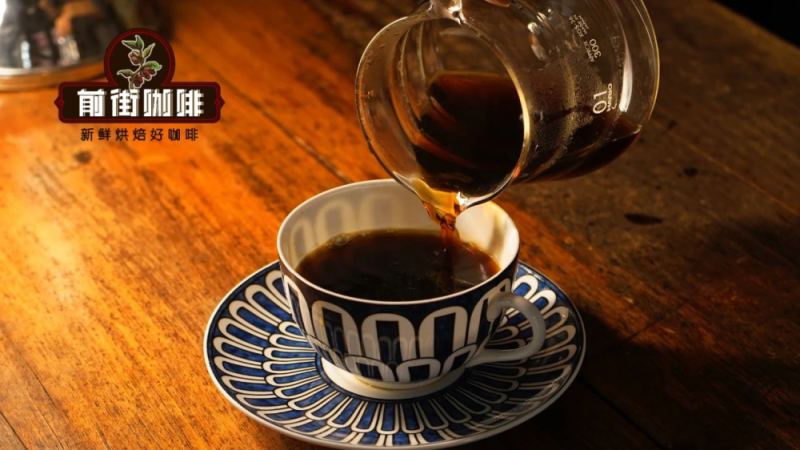
Jamaican Blue Mountain coffee is globally recognized as a representative of specialty coffee, famous for its clean and mild flavor and its scarce production. This article will trace the development of Blue Mountain coffee from its introduction to Jamaica in the 18th century, the origin of the Blue Mountain range's name, to the establishment of the Coffee Industry Board (CIB) certification system, and will focus on the Clifton Mount Estate selected by FrontStreet Coffee—the highest-altitude and oldest single estate in the Blue Mountain region, holding Rainforest Alliance certification and adhering to traditional washed processing and the Typica variety. It will also analyze its cupping flavor, roasting curve, and KONO brewing parameters, helping coffee enthusiasts fully understand the unique value of authentic Blue Mountain coffee and new market trends.
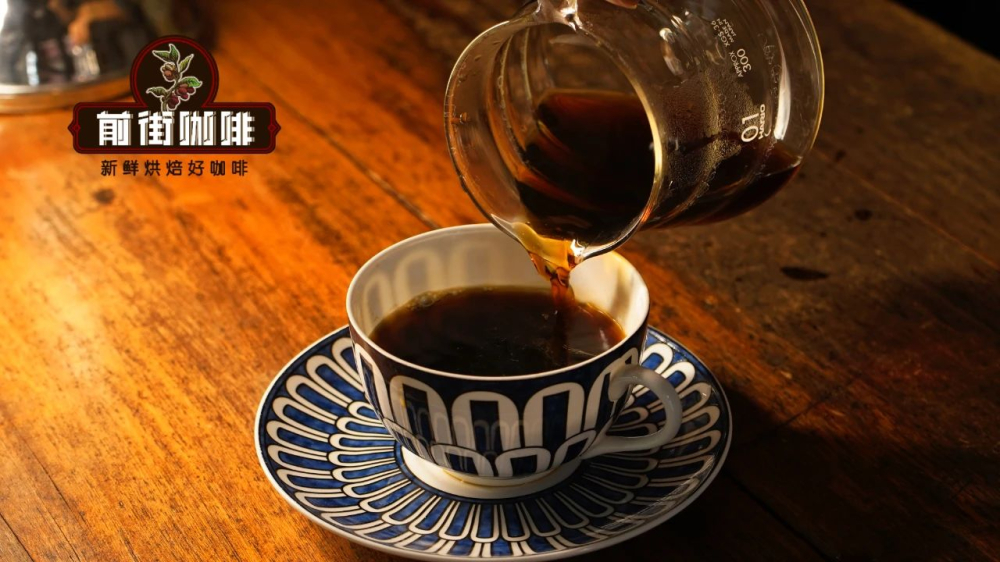
When people mention Jamaican coffee, the first impression for most is Jamaican Blue Mountain coffee. It can be called the most recognizable and most renowned coffee category on this small Caribbean island. The Jamaican Blue Mountain sold by FrontStreet Coffee comes from Clifton Mount Estate. Clifton Mount, where this estate is located, is the oldest coffee-producing region in Jamaica that is still in continuous operation, and Clifton Farm is the only farm in all of Jamaica to have obtained the Rainforest Alliance certification mark. Currently, authentic Blue Mountain coffee circulating on the market all uses the washed processing method, but this situation will soon change.
The reason FrontStreet Coffee judges that Blue Mountain coffee is about to break away from being solely washed is that a batch of sun-dried Blue Mountain coffee will arrive soon, also certified for export by the Jamaica Coffee Industry Board. The birth of this sun-dried Blue Mountain was actually quite difficult. In the past, only the washed method was used because washing best presents the essence of Blue Mountain flavor; once the processing method is changed, the flavor structure inevitably changes as well. This is also why FrontStreet Coffee, when introducing regional coffee beans to customers, usually gives priority to recommending washed beans—washing best represents the typical flavor of a region. Of course, the introduction of sun-dried processing to Blue Mountain is more about following market trends, just as FrontStreet Coffee previously also added a sun-dried Mandheling, different from the traditional wet-hulled method.
The History of Jamaican Coffee
The origins of Jamaican coffee can be traced back to the 18th century. In 1717, King Louis XV of France ordered coffee to be planted in Jamaica; by the mid-1720s, Jamaica's governor Sir Nicholas Lawes introduced Arabica seeds from Martinique and began promoting cultivation in the St. Andrew region. Coffee trees thus entered Jamaica, took root in the Blue Mountain range, and differentiated into high-altitude Jamaican Blue Mountain coffee, High Mountain coffee, and Jamaican coffee, with different grades and different prices.
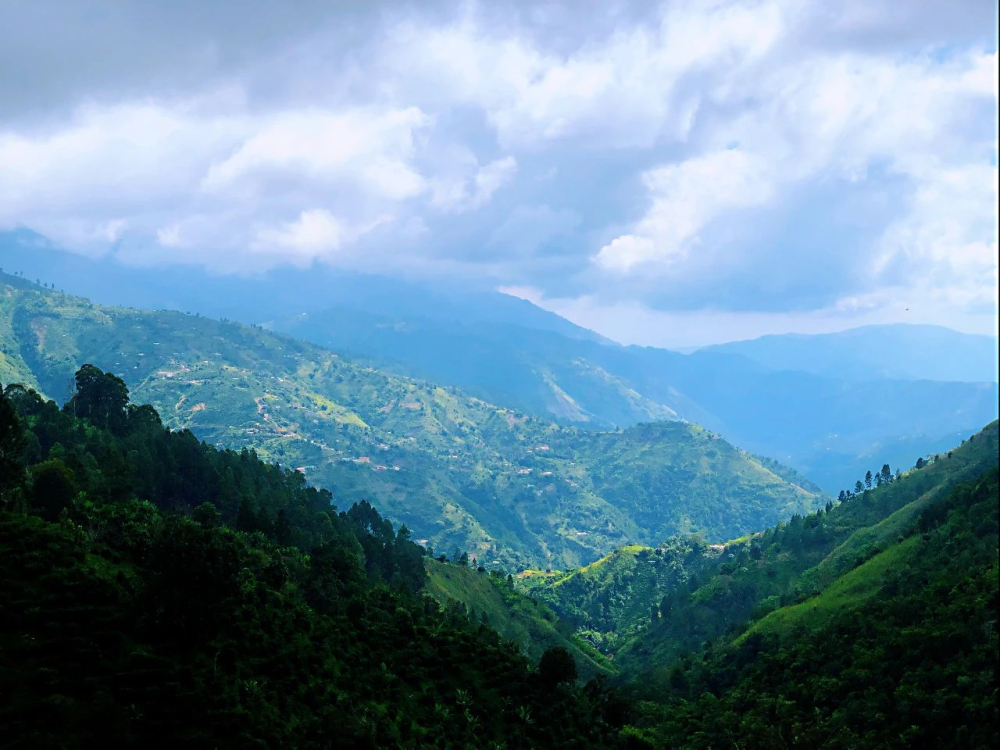
The Blue Mountain range is located in the eastern part of Jamaica. Because it is surrounded by the Caribbean Sea, when the weather is clear, sunlight shines directly on the azure sea, and the peaks reflect a brilliant blue glow, hence the name. The highest peak of Blue Mountain is 2,256 meters above sea level (altitude 2256m; coffee can only be grown below 1700m, and above that is protected forest). It is the highest peak in the Caribbean region and also a famous tourist destination. This area is located in the coffee belt, with fertile volcanic soil, fresh and pollution-free air, a humid climate, and fog and rain throughout the year, with an average annual precipitation of 1,980 mm and a temperature of about 27 degrees. Such terroir created the world-renowned Jamaican Blue Mountain coffee and also made it the world's most expensive coffee.
Only Blue Mountain coffee grown at an altitude above 800 meters counts as authentic Blue Mountain coffee. The Blue Mountain coffee on FrontStreet Coffee's bean list has an altitude of 1,310 meters and comes from Clifton Mount Estate.
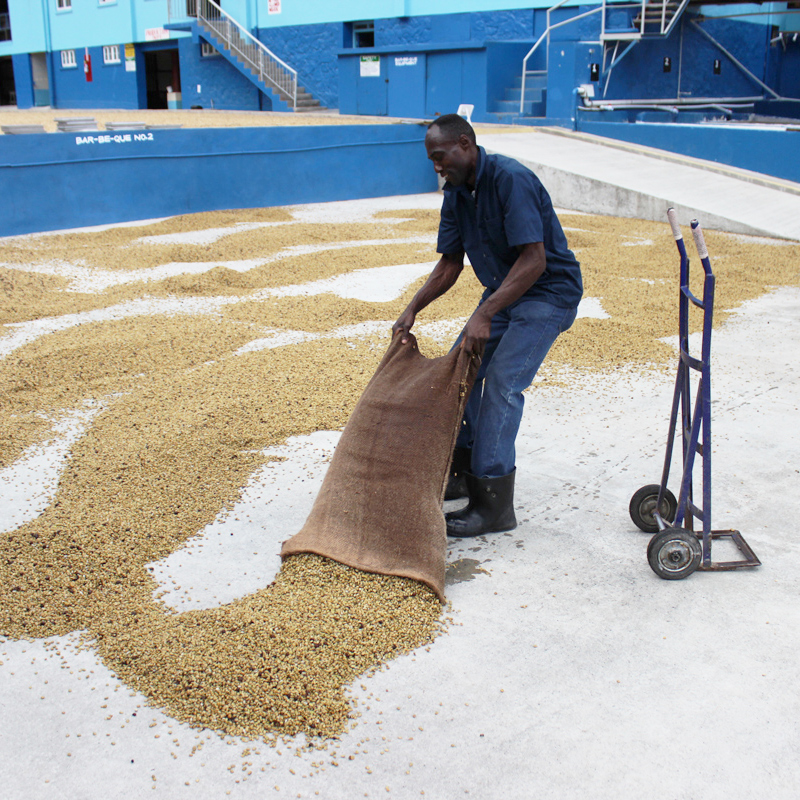
Authentic Blue Mountain coffee currently circulating on the market all uses the washed processing method. After coffee cherries are hand-picked, they are first preliminarily screened to remove underripe and overripe fruits, then depulped, with completion ensured within 12 hours. Next, traditional washed fermentation is carried out, followed by moving to concrete platforms for sun drying. Long, slow sun drying can make the coffee flavor more prominent. When dried to a moisture content of 11%-13%, it is bagged and placed in a warehouse to rest and age, with the warehouse temperature controlled at 24-25°C and humidity controlled with a dehumidifier. It is shipped only after 2 to 3 months of stable flavor aging.
When a customer places an order, it is hulled in small batches at low temperature, polished, silver skin and dust are blown off, and defective beans such as broken ones and those with abnormal color or mold infection are manually screened out. Each skilled worker can sort only about 75 pounds of green beans per day, and green coffee beans are transported between workstations in wooden basins to avoid cracking or other processing defects. After completion, it is sealed and stored in wooden barrels unique to Jamaican Blue Mountain. The Coffee Industry Board of Jamaica (CIB) Regulatory Section inspects whether the flavor of each batch of coffee meets standards before air export.
FrontStreet Clifton Mount Estate Blue Mountain Coffee
The Blue Mountain range is located in the eastern part of Jamaica. Because it is surrounded by the Caribbean Sea, when the weather is clear, sunlight shines directly on the azure sea, and the peaks reflect a brilliant blue glow, hence the name.
Jamaican Blue Mountain, with its elegant and sweet tonality and wine-like rich aroma and taste, has long been favored by Japanese coffee connoisseurs. Its production is scarce, and it is a representative of specialty coffee. But not all coffee produced in Jamaica can bear the Blue Mountain mark. In 1953, the Jamaican government established the Coffee Industry Board (CIB) to improve coffee quality. Jamaica was the first country to register a coffee production region as a trademark. Coffee exported from Jamaica must be certified by the Coffee Industry Board (CIB), and only coffee produced in specific administrative districts of Blue Mountain and reaching a certain altitude can obtain Blue Mountain certification. Since 1790 (the mid-18th century), Clifton Mount Estate began cultivating Blue Mountain coffee, all of the Typica variety. It is the highest-altitude and oldest coffee estate in the entire Blue Mountain region, and the only single-estate Blue Mountain coffee locally, and it has obtained Rainforest Alliance certification. Sufficient altitude, mild afternoon cloud cover providing shade, ample sunlight, and mineral-rich soil provide excellent growing conditions for coffee trees.
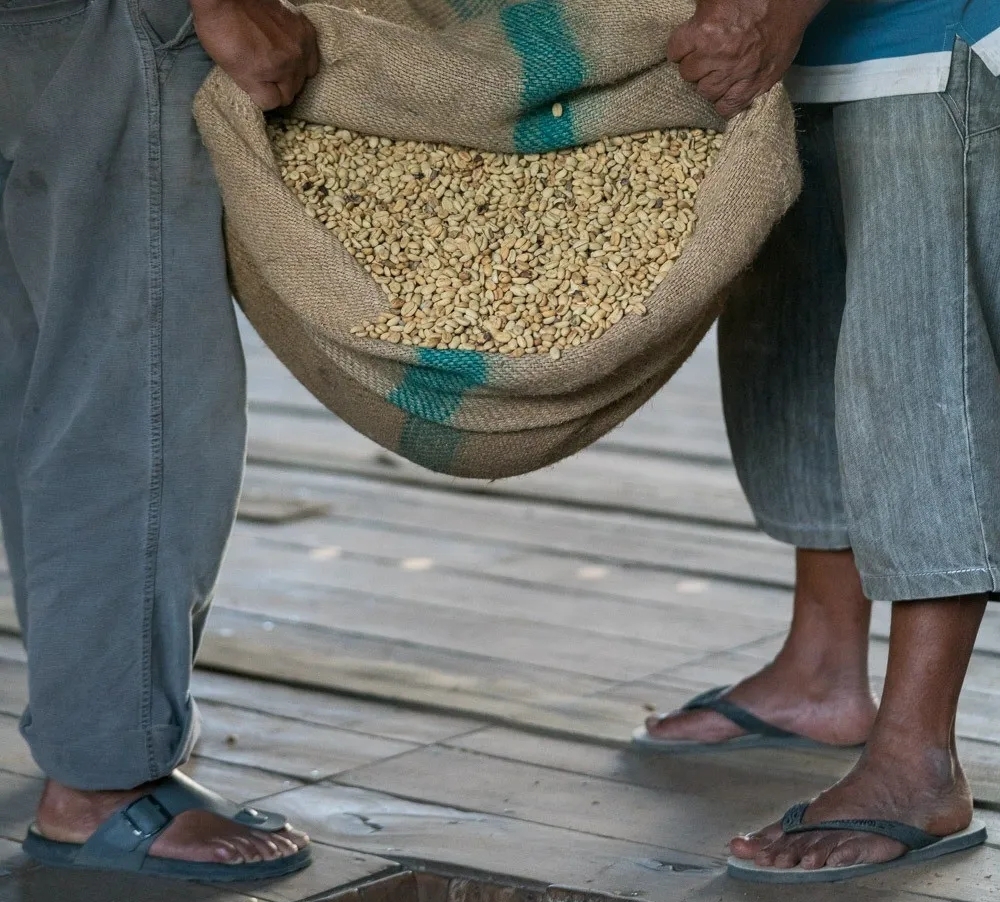
Rainforest Alliance certification indicates that the crop meets: 1. Less water pollution 2. Less acid damage 3. Reduced impact on the environment and human health 4. Protection of wildlife habitats 5. Less waste 6. Use of less water 7. Highly effective farm management mechanisms 8. Protection of the rights and welfare of agricultural workers 9. Protection of agricultural workers' income and competitiveness 10. Increased cooperation between agricultural workers and environmentalists.
The Significance of Rainforest Alliance Certification
According to the Rainforest Alliance philosophy, with the purpose of protecting the ecological environment, ensuring sustainable agricultural development, developing safe and high-quality tea, and enhancing market competitiveness, it is of great significance for increasing export earnings and the income of tea farmers and laborers. FrontStreet Coffee's Jamaican Blue Mountain coffee from Clifton Mount Estate is the oldest coffee estate in Jamaica, and in Jamaica only Clifton Farm has the "(RFA) Rainforest Alliance frog" mark.
The planting area in the Blue Mountain region is only 6,000 hectares, so it is impossible for all coffee marked "Blue Mountain" to be produced there. Today, Clifton Farm is the largest estate in the region, though by international standards it is still small-scale cultivation. Many local estate owners are small landowners whose families have worked this land for two centuries.
FrontStreet Coffee Jamaican Blue Mountain
Farm: Clifton Farm
Estate owner: The Sharp family
Certificate: Rainforest Alliance certification
Location: Newcastle area
Total area: 250 acres
Coffee planting area: 180 acres
Altitude: 1,310 meters
Processing method: Washed
Variety: 100% Arabica Typica
Roast: Medium-dark
Roasting Curve
Jamaican Blue Mountain coffee is not high in altitude, and the traditional Typica variety makes the green beans relatively soft in texture and not resistant to high temperatures. If too much energy is applied during roasting, the rate of temperature rise will become very fast, and once the roast level is not well controlled, smoky and burnt flavors will appear. In order to highlight Blue Mountain coffee's full-bodied mouthfeel and chocolate, caramel flavors, FrontStreet Coffee chooses a medium-dark roast level. Bean drop temperature: 170°C, turning point: 5'10'', 153°C, first crack start: 8'12'', 182.5°C, first crack development: 4'00'', drop at 201.3°C.
Cupping Report
Dry aroma: roasted peanut, hazelnut, melon, chocolate Wet aroma: oolong tea, caramel, honey, chocolate, almond skin, silky mouthfeel, brightness Cupping flavor: The taste is very clean, complex, very mild, chocolate sweetness, very strong body. The flavor is rich and mellow. The coffee's sweetness, acidity, and bitterness are perfectly balanced, with no bitterness at all, only a moderate and perfect acidity, and a lingering fruity finish.
Brewing Experiment
Because Blue Mountain coffee beans are medium roast, FrontStreet Coffee uses KONO to brew. The ribs of the KONO stop before reaching half the height of the dripper. This design is actually intended to ensure that after the dripper is wet, the filter paper clings tightly to the dripper wall, restricting airflow. This increases the time for coffee grounds to absorb water, thereby making the extracted coffee overall more uniform and enhancing the full-bodied mouthfeel. The groove framework at the bottom of the dripper is the key design that allows the subsequent brewing to produce a siphon effect. *Reason for choosing the Kono dripper: The Kono dripper has few ribs and they are located at the lower end. The filter paper clings tightly to the dripper, which can restrict airflow, extend the contact time between water and coffee grounds, allow the coffee grounds to be fully extracted, and enhance the full-bodied mouthfeel.
Brewing Parameters
Dripper: KONO, dose: 15 g, water-to-coffee ratio: 1:15, water temperature: 87°C, grind size: BG#5J. Total extraction time: 2 minutes, total extraction yield: 225 g.
Flavor: The taste is clean and mild, with chocolate sweetness on the entry, a full body, a moderate and perfect acidity, and a lingering fruity finish.
Professional coffee knowledge exchange For more coffee bean information, please follow FrontStreet Coffee.
The above content is compiled by CoffeeHunters, a coffee news website.


