







Exploring Jamaican Blue Mountain Coffee: Origin, Flavor, and Clifton Estate Typica Beans
Jamaican Blue Mountain coffee is often listed among the most expensive coffees, but its reputation rests on more than price. The coffee belt of Jamaica, specifically the Blue Mountains, provides ideal conditions: high elevation, cool temperatures, and frequent mist. Clifton Mount Estate, the oldest continuously operating coffee farm in Jamaica, grows Typica beans that are washed and certified by the Jamaica Coffee Industry Board. This careful process yields a clean cup with mild acidity and balanced sweetness.
Clifton Estate Typica beans are a classic example of Caribbean Arabica. The washed method highlights clarity and a smooth body, with notes of chocolate and mild citrus. FrontStreet Coffee offers these beans, and the estate holds Rainforest Alliance certification. While most Blue Mountain coffee is washed, a natural process version is being introduced, reflecting shifting market trends. Brewing with a KONO dripper preserves the delicate flavors, making each cup a true representation of the region.
Jamaican Blue Mountain coffee is globally recognized as the benchmark for specialty coffee, its legendary status forged by a unique flavor profile and a stringent regional certification system. This article begins with the historical origins of Blue Mountain coffee, then explores the geographical conditions of the Blue Mountains, the certification standards of the Jamaica Coffee Industry Board, and what makes Clifton Mount Estate distinctive as the oldest Blue Mountain growing region. At the same time, we will take a closer look at the Clifton Mount Estate Blue Mountain No. 1 coffee beans selected by FrontStreet Coffee, providing a comprehensive analysis of this top-tier Arabica coffee's flavor code—from variety and processing method to roasting curve and cupping performance—along with brewing parameters for the KONO dripper.
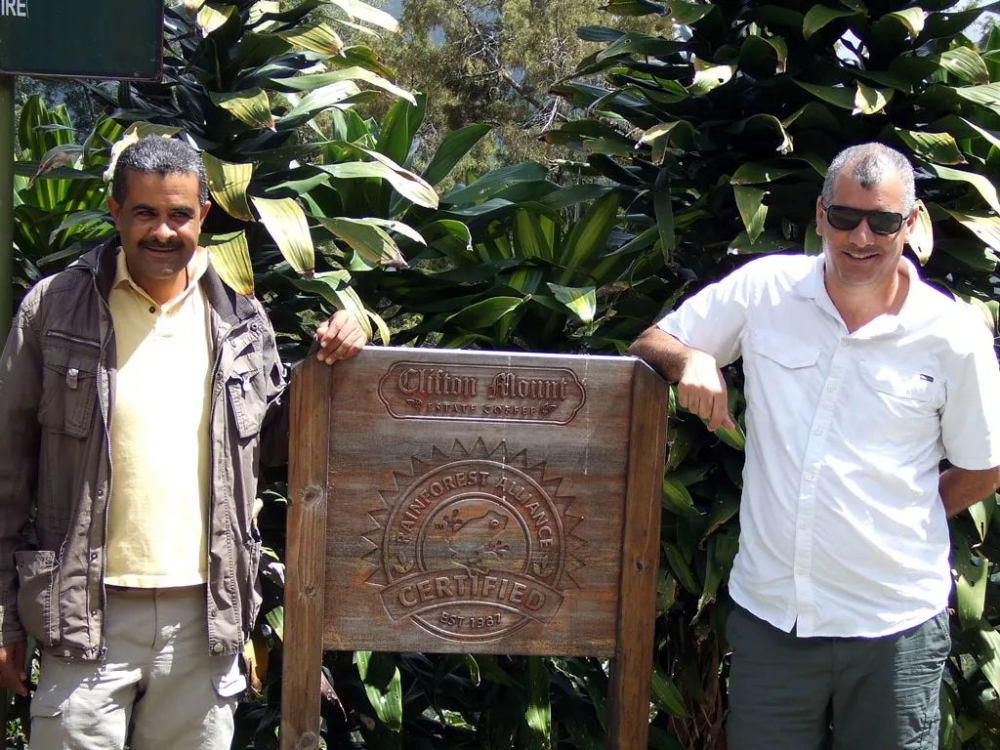
When it comes to coffee produced in Jamaica, the first thing that comes to most people's minds is Jamaican Blue Mountain coffee. It is fair to say that Blue Mountain coffee is the most representative and most sought-after coffee category from this Caribbean island nation. The Jamaican Blue Mountain currently offered by FrontStreet Coffee comes from Clifton Mount Estate, whose Clifton Mount is the oldest continuously operating coffee growing site in Jamaica, and Clifton Farm is also the only coffee estate in Jamaica to hold the Rainforest Alliance certification mark. Authentic Blue Mountain coffee currently on the market is all washed processed, but this situation is about to change.
FrontStreet Coffee judges that Blue Mountain coffee will soon no longer be limited to the washed method because a batch of naturally processed Blue Mountain coffee will arrive shortly, and these beans have likewise passed the Jamaica Coffee Board's export certification. In fact, the birth of this naturally processed Blue Mountain coffee was quite a convoluted process. Previously, Blue Mountain coffee only used the washed method, primarily because washing most essentially presents the flavor characteristics of Blue Mountain, and once the processing method changes, the flavor structure inevitably changes with it. This is also why FrontStreet Coffee, when introducing a coffee bean from a particular region to customers, always gives priority to recommending washed beans—washing best represents the classic flavor of that region. Of course, the introduction of natural processing to Blue Mountain coffee is more a move to follow market trends, just as FrontStreet Coffee previously also added a naturally processed Mandheling coffee bean, which likewise differs from the traditional wet-hulled method.
The Historical Thread of Jamaican Coffee
Jamaica's history of coffee cultivation can be traced back to the 18th century. In 1717, King Louis XV of France ordered the establishment of coffee plantations in Jamaica. By the mid-1720s, Jamaica's governor Sir Nicholas Lawes introduced Arabica coffee seeds from Martinique and gradually promoted cultivation in the St. Andrew region. After coffee trees were introduced to Jamaica, they took root and grew in the Blue Mountain range, and were classified by altitude into three grades: Jamaican Blue Mountain coffee, High Mountain coffee, and Jamaican coffee, with grade differences directly determining market prices.
The Blue Mountain range is located in the eastern part of the island of Jamaica. Because it is surrounded by the Caribbean Sea, on clear days when sunlight strikes the azure sea, the peaks reflect the brilliant blue glow of the seawater, and the Blue Mountains got their name from this. The highest peak of the Blue Mountains is 2,256 meters above sea level (elevation 2256m; only areas below 1,700m are permitted for coffee cultivation, with the rest being protected forest), making it the highest peak in the Caribbean region and also a famous tourist destination. This area lies within the coffee belt and has fertile volcanic soil, fresh and pollution-free air, a humid climate, and is shrouded in mist and rain year-round, with an average annual precipitation of about 1,980 millimeters and temperatures maintained around 27 degrees. It is precisely these terroir conditions that have nurtured the world-renowned Jamaican Blue Mountain coffee and created one of the most expensive coffees in the world.
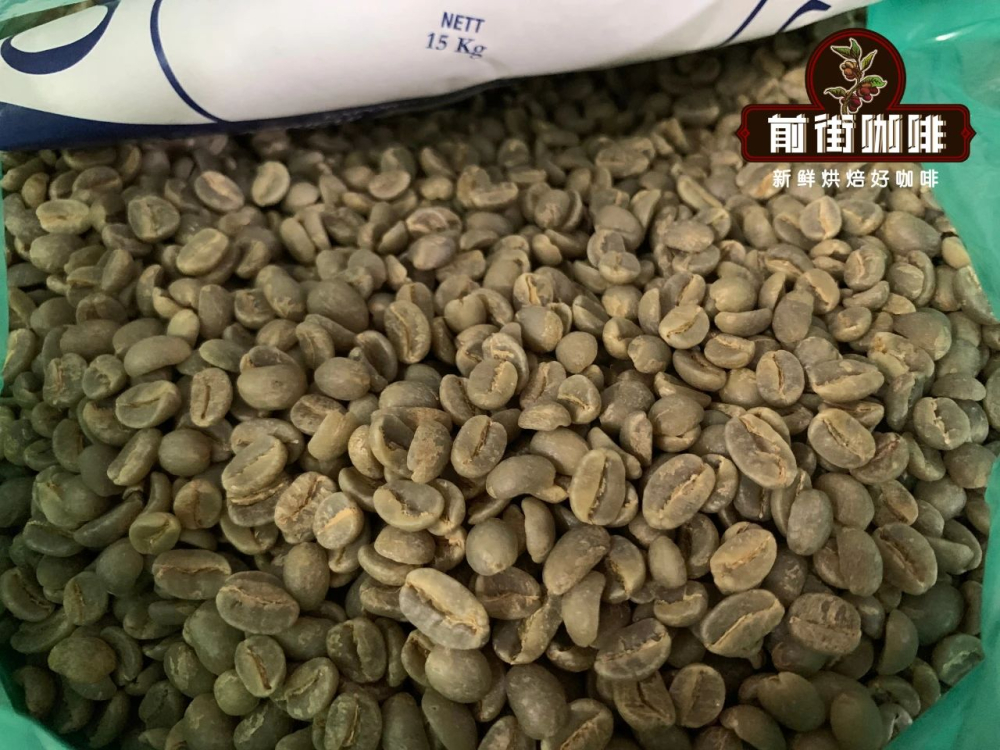
According to the official zoning standards of the Jamaica Coffee Industry Board (CIB), only Typica variety coffee grown in the Blue Mountain forest region at elevations of approximately 910 to 1,700 meters can be called true "Jamaican Blue Mountain coffee." Taking Jamaican Blue Mountain coffee as an example, the Blue Mountain coffee on FrontStreet Coffee's bean list comes from Clifton Mount Estate at 1,310 meters above sea level, uses traditional washed processing, and is selected from the highest grade, Blue Mountain No. 1.
Authentic Blue Mountain coffee currently circulating on the market all uses the washed processing method. After coffee cherries are hand-picked, they undergo initial sorting to remove unripe and overripe fruits, then are depulped, with the entire process needing to be completed within 12 hours. Traditional washed fermentation follows, after which the beans are moved to concrete platforms for sun drying. The long, slow sun-drying process helps intensify the coffee's flavor. Once dried to a moisture content of 11%-13%, the beans are bagged and placed in warehouses to rest and mature, with warehouse temperature controlled at 24-25°C and humidity regulated by dehumidifiers. Only after 2 to 3 months of stable flavor maturation can they be shipped.
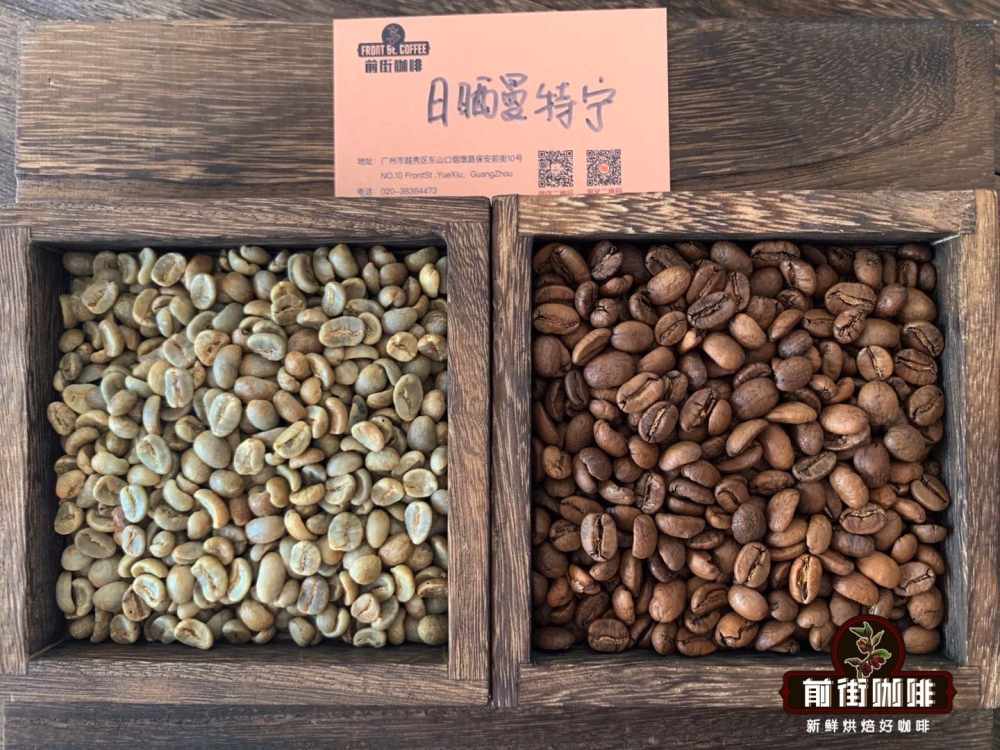
Upon receiving an order, the estate hulls, polishes, and blows away silver skin dust in small batches at low temperature, and manually screens out defective beans that are broken, abnormally colored, or mold-infected. Each skilled worker can sort only about 75 pounds of green beans per day, and green beans are transported between workstations in wooden basins to avoid cracking or other processing defects. After completion, they are sealed in wooden barrels exclusive to Jamaican Blue Mountain. The CIB's supervisory department conducts flavor inspections on each batch of coffee before air export to confirm it meets standards.
FrontStreet Clifton Mount Estate Blue Mountain Coffee
The Blue Mountain range is located in the eastern part of the island of Jamaica. Because it is surrounded by the Caribbean Sea, whenever the weather is clear and sunlight strikes the azure sea, the peaks reflect a brilliant blue glow, hence the name. Jamaican Blue Mountain coffee is known for its delicate fragrance and sweet tone, with a mellow mouthfeel like wine. It has long been favored by Japanese coffee connoisseurs, has a scarce yield, and is a representative of specialty coffee.
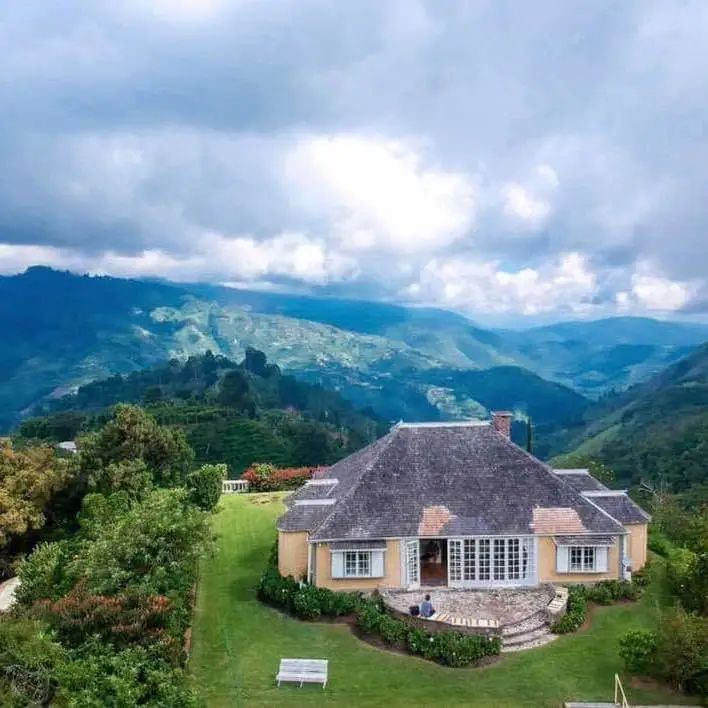
But not all coffee produced in Jamaica can bear the Blue Mountain name. In 1953, the Jamaican government established the Coffee Industry Board (CIB) to improve coffee quality. Jamaica was the first country to register a coffee production region as a trademark. Coffee exported from Jamaica must pass CIB certification, and only coffee grown in specific Blue Mountain administrative districts and above a certain altitude can obtain Blue Mountain certification. Clifton Mount Estate has been growing Blue Mountain coffee since 1790 (mid-18th century), all planted with the Typica variety, making it one of the highest-altitude and oldest coffee estates in the entire Blue Mountain region, as well as the only single-estate Blue Mountain coffee locally, and it has obtained Rainforest Alliance certification. Sufficient altitude, gentle afternoon cloud cover shading the mountain forests, ample sunlight, and mineral-rich planting soil provide good growing conditions for the coffee trees.
Rainforest Alliance certification indicates that the crop meets the following standards:
1. Less water source pollution
2. Less acid damage
3. Reduced impact on the environment and human health
4. Protection of wildlife habitats
5. Less waste
6. Use of less water
7. Highly effective farm management mechanisms
8. Safeguarding the rights and welfare of agricultural workers
9. Safeguarding the income and competitiveness of agricultural workers
10. Enhancing cooperation between agricultural workers and environmentalists.
The Significance of Rainforest Alliance Certification
According to the Rainforest Alliance's philosophy, with the purpose of protecting the ecological environment, ensuring sustainable agricultural development, and developing and producing safe, high-quality tea, enhancing market competitiveness is of great significance for increasing export earnings and the income of tea farmers and laborers. FrontStreet Coffee's Jamaican Blue Mountain coffee comes from Clifton Mount Estate, which is the oldest coffee estate in Jamaica, and Clifton Farm is the only one in Jamaica bearing the "(RFA) Rainforest Water Frog" mark.
The Blue Mountain region's planted area is only 6,000 hectares, so it is impossible for all coffee labeled "Blue Mountain" to come from there. Today's Clifton Farm is the largest estate in the region, though by international standards it still counts as small-scale cultivation. Many of the estate owners there are small landowners whose families have worked this land for two centuries.
FrontStreet Coffee — Jamaican Blue Mountain No. 1 Coffee Beans
Farm: Clifton Farm
Estate owner: The Sharp family
Certification: Rainforest Alliance certification
Location: Newcastle area
Total area: 250 acres
Coffee planting area: 180 acres
Altitude: 1,310 meters
Processing method: Washed
Variety: 100% Arabica Typica
Roast: Medium-dark ⟦37⟦Roasting Curve
Roasting Curve
Jamaican Blue Mountain coffee's altitude is not particularly high, and the traditional Typica variety makes the green beans relatively soft in texture, with limited heat tolerance. If too much energy is applied during roasting, the rate of temperature rise will climb rapidly, and once the roast level is not properly controlled, smoky and scorched notes will appear. To highlight Blue Mountain coffee's full-bodied mouthfeel and its chocolate and caramel flavors, FrontStreet Coffee chooses a medium-dark roast level.
Charge temperature: 170°C, yellowing point: 5'10'', 153°C, first crack start: 8'12'', 182.5°C, first crack development: 4'00'', drop at 201.3°C.
Cupping Report
Dry aroma: roasted peanut, hazelnut, melon, chocolate
Wet aroma: oolong tea, caramel, honey, chocolate, almond skin, silky mouthfeel, brightness
Cupping flavor: Very clean, complex, very mild, chocolate sweetness, very strong body. Rich and mellow in taste, with a perfect balance of the coffee's sweet, acidic, and bitter notes, completely devoid of bitterness, with only a moderate and perfect acidity, and a lingering fruity finish.
Brewing Experiment
Since Blue Mountain coffee beans are medium roasted, FrontStreet Coffee uses the KONO dripper for brewing. The KONO dripper's ribs stop before reaching half the height of the dripper, a design intended to ensure the filter paper clings tightly to the dripper wall after wetting, thereby restricting airflow, increasing the water absorption time of the coffee grounds, making the extracted coffee more uniform overall, and enhancing the full-bodied mouthfeel. The groove skeleton at the bottom of the dripper is the key design for producing a siphon effect during subsequent brewing.
*Reason for choosing the Kono dripper: The Kono dripper has few ribs and they are located at the lower end, so the filter paper clings tightly to the dripper, which can restrict airflow and extend the contact time between water and coffee grounds, allowing the coffee grounds to be fully extracted and enhancing the full-bodied mouthfeel.
Brewing Parameters
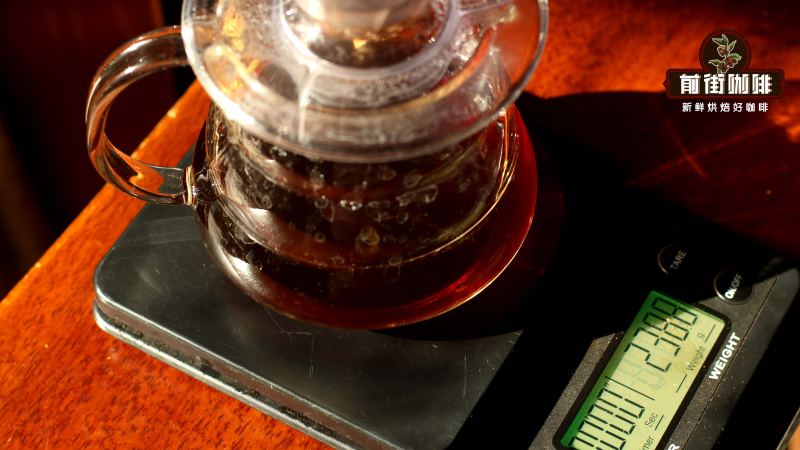
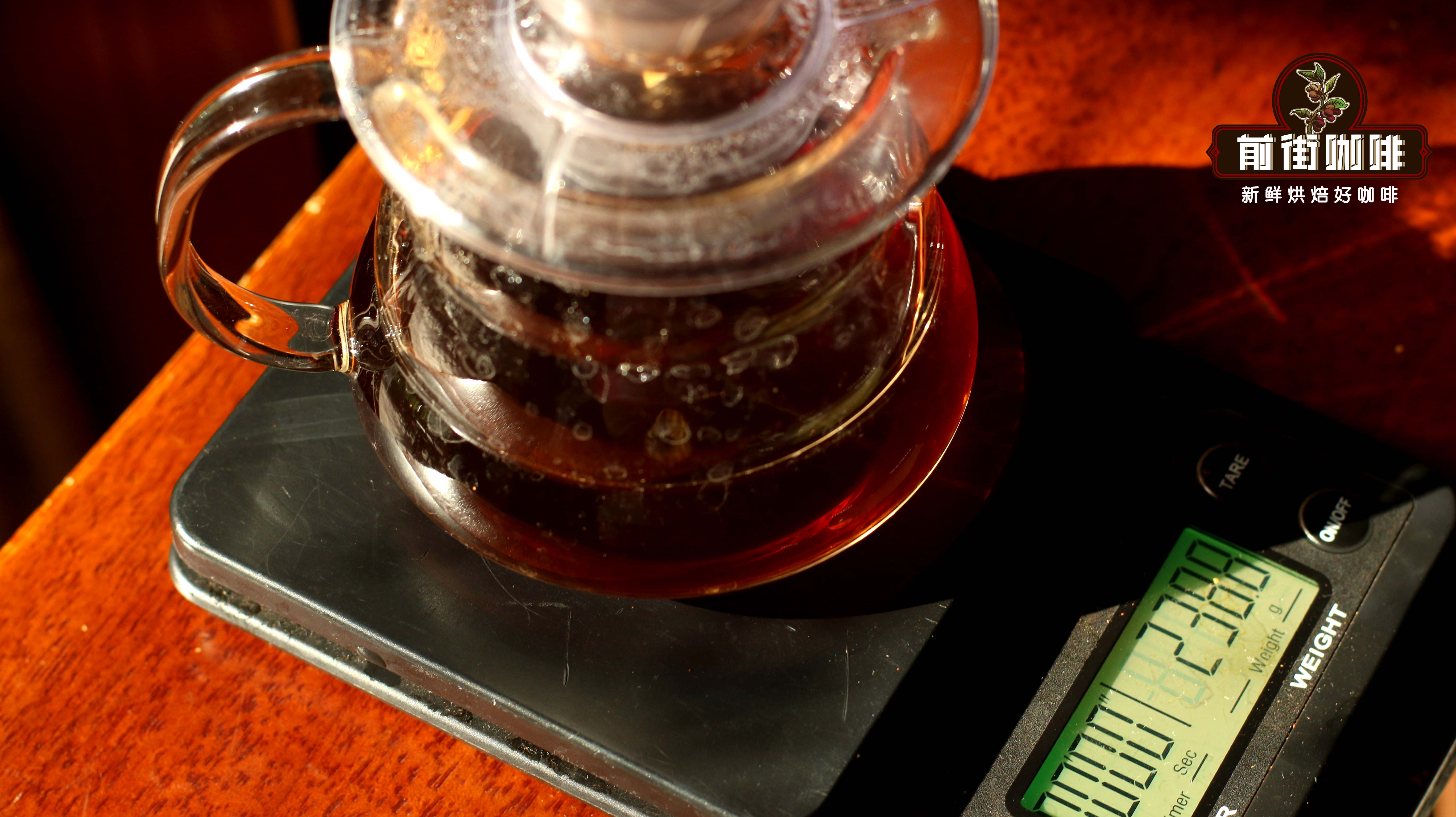
Dripper: KONO, dose: 15g, water-to-coffee ratio: 1:15, water temperature: 87°C, grind size: BG#5J. Total extraction time: 2 minutes, total extraction yield: 225g.
Flavor: Clean, mild taste, chocolate sweetness on the entry, full-bodied mouthfeel, moderate and perfect acidity, with a lingering fruity finish.
The above content is compiled by CoffeeHunters, a coffee news website.


