







Search Results for: add-on traps
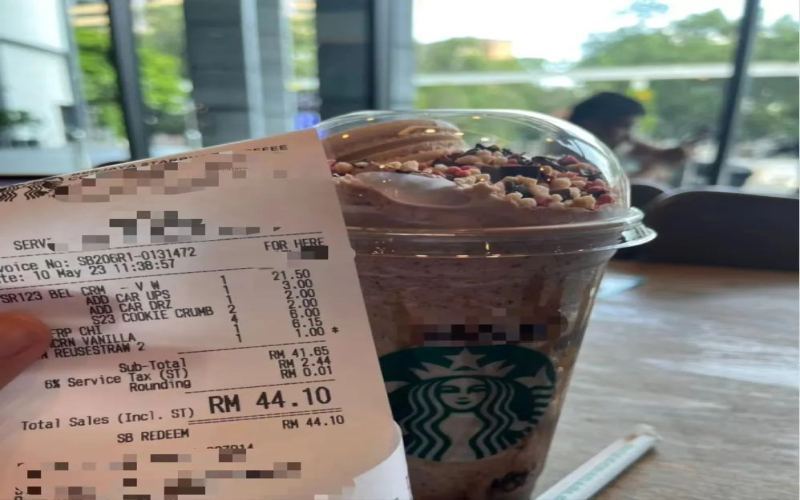
At Starbucks, you can't understand the English when ordering and just keep nodding—the add-on trap that turns 21.5 ringgit into 44 ringgit at checkout.
A netizen studying in Malaysia recently ordered at Starbucks. Because they couldn't understand the staff's English and didn't want to feel awkward, they nodded in response the whole time. As a result, the Belgian Chocolate Frappuccino that originally cost 21.5 ringgit ended up with six add-ons, including caramel sauce, cookie crumbs, chocolate chips, and vanilla whipped cream, and the final bill came to 44.1 ringgit. Later, the staff and colleagues were snickering behind the bar, and the netizen realized they had been deliberately duped, but because they had nodded in agreement, they could not complain. This incident sparked heated discussion among local netizens, many of whom shared similar experiences and reminded people to clearly say "That's all, thanks" when ordering, or simply choose easy drinks like Americano or latte. [more…]
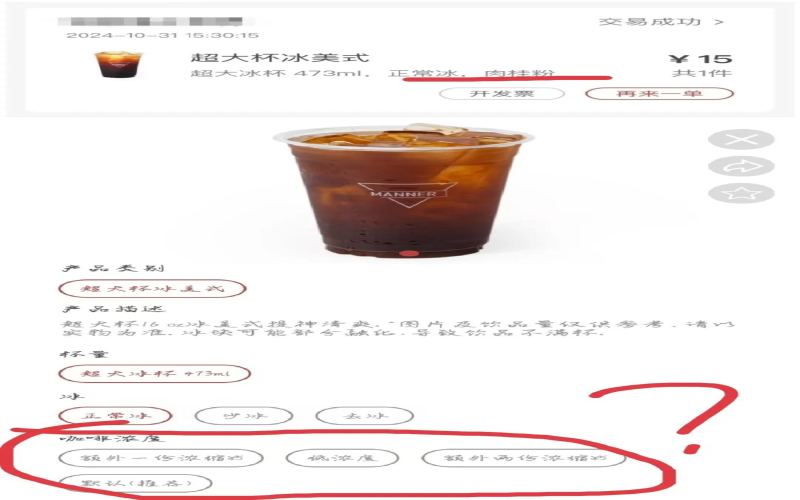
Manner's ordering system adjustment: free cinnamon powder and syrup options discontinued, the reason behind it sparks heated discussion
Recently, many customers have noticed while ordering through the Manner mini-program that previously free add-on options such as cinnamon powder and original syrup have quietly disappeared. This change quickly drew the attention of long-time customers. Staff revealed that the company has issued a notice cancelling the "syrup specials" and "other requests" in drink preparation options. Although some stores can still accommodate requests through order notes, customers are puzzled by the brand's sudden reduction of free perks. Some speculate that this move is related to frequent customer complaints and an increase in bad reviews and refunds, while others worry that Manner may lose regular customers as a result. This article will sort through the course of events, the reactions from various parties, and the possible reasons behind it. [more…]
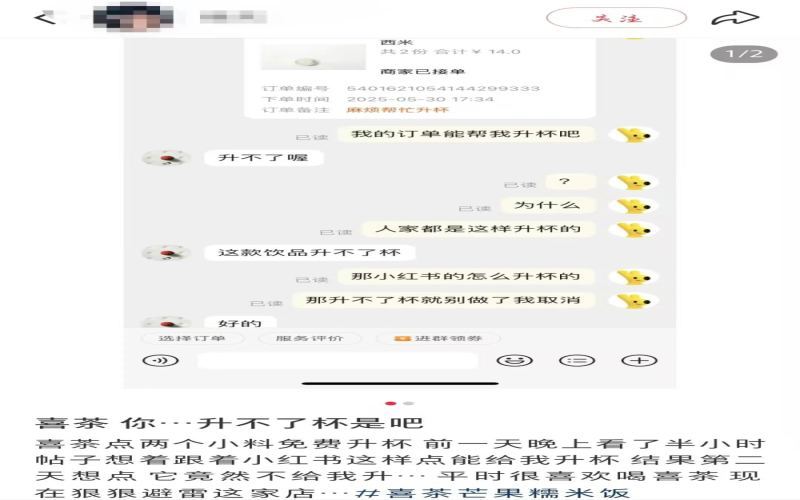
HEYTEA's add-on and upsizing rules spark controversy: why didn't double fruit pulp trigger a free upgrade?
Recently, a consumer shared on social media a frustrating experience with cup upgrades when ordering from Heytea, sparking widespread discussion. The customer ordered a Mango Coconut Sticky Rice drink with double fruit pulp and sago toppings, following an online guide, expecting to automatically receive a supersized cup like other netizens, but was told that an upgrade was not possible. After the incident gained traction, many netizens shared similar experiences, questioning the inconsistency in the brand's upgrade criteria. How exactly does Heytea define its cup upgrade rules? Why do differences in store execution occur? This article will review the sequence of events and analyze the underlying operational logic and possible reasons. [more…]
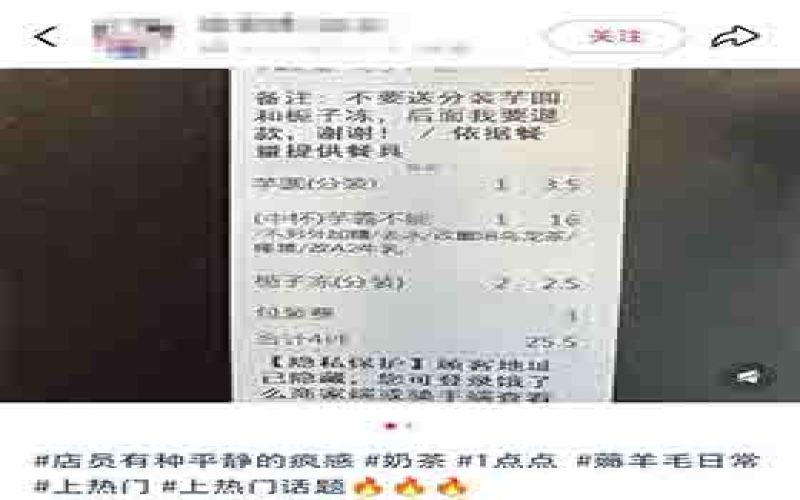
Adding extra toppings to meet the minimum order for milk tea delivery and then requesting a refund sparks heated debate, leaving staff baffled
During the Double Eleven shopping festival, many consumers, in order to use platform coupons, adopt a method of first adding extra items to reach the threshold and then requesting a refund, so as to buy their desired products at a lower price. This practice, known as the "big promotion add-on refund trick," was originally seen mostly on online shopping platforms, but has now quietly appeared in the tea beverage delivery industry. Recently, a milk tea shop employee posted a customer order, with notes requesting that the toppings not be packed separately and intending to request a refund afterward, which left the employee and netizens astonished. The incident sparked widespread discussion, with netizens both curious about the feasibility of the operation and expressing sympathy for the merchants and employees. This article will recount the incident and analyze the platform rules and industry dilemmas behind this phenomenon. [more…]
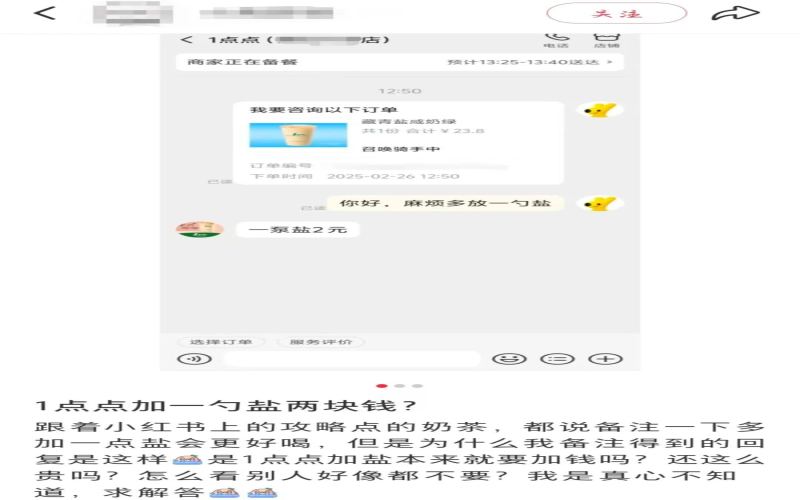
A little bit of salted milk green tea with added salt at a higher price sparks heated discussion; consumers ask whether sugar-free or less-sugar options should come with a price refund
Recently, a post about 1 Dian Dian's navy salt salted milk green tea charging an extra 2 yuan for added salt sparked widespread discussion on social media. Some customers, following online guides, asked for extra salt, only to be told that one pump of salt costs 2 yuan, which was far from their expectations. Subsequently, 1 Dian Dian employees and official customer service explained that the "salt" is actually a relatively expensive navy salt rock sugar flavor syrup, and according to company policy, additional additions require payment. Although the store has apologized for the incorrect price quote, netizens have derived a new question: since adding sugar costs money, should customers who order less sugar or no sugar also get a refund for the corresponding syrup price difference? This debate about the pricing logic of tea drinks quickly became a topic of interest for coffee and tea enthusiasts. [more…]
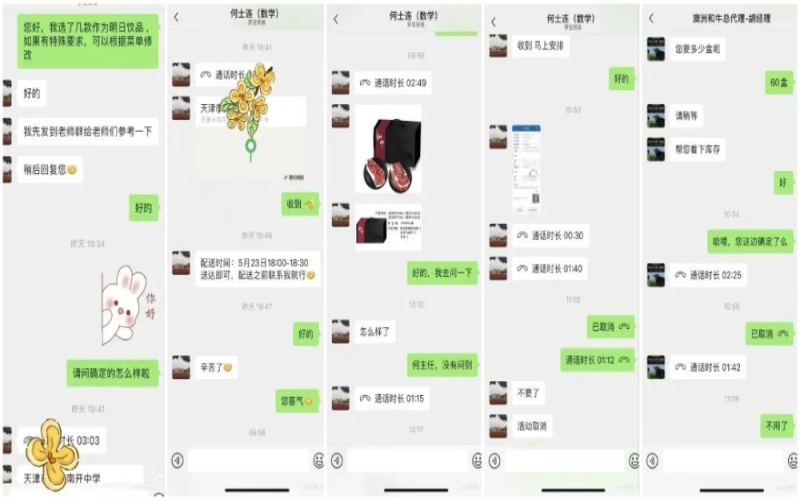
Coffee Shops Plagued by Order Scams: Large Team-Building Catering Orders Hide a Payment-on-Behalf Trap
What would you do if a sudden, large group-building order landed at your coffee shop? A shop owner in Tianjin recently encountered just such a stroke of "good luck," only to see through the scam at the last moment and pull out in time. This kind of order fraud targeting independent coffee shops and small food and beverage businesses is nothing new. Scammers pose as schools or companies placing group-building catering orders, first lulling the owner into lowering their guard, then setting a trap by asking them to buy gifts on the scammer's behalf or advance payment for goods. Some even use transfer money-laundering schemes to leave the owner with neither money nor goods. This article compiles the real experiences of several victims and shares the key precautions summarized by peers in the industry, to help coffee operators stay clear-headed when facing large orders and avoid becoming a sucker who hands money to scammers. [more…]
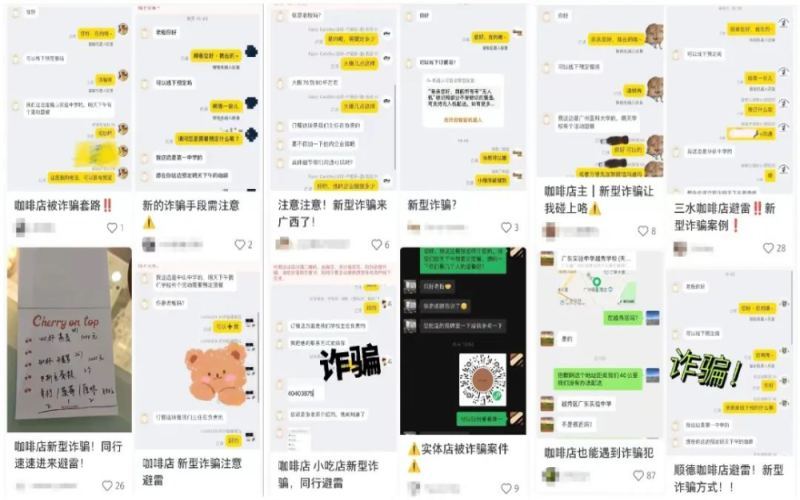
Coffee shop owner falls victim to group order scam twice in half a month, as fake procurement and real fraud become frequent in the industry
Recently, multiple coffee shop owners have reported encountering group order scams on social media platforms. The scammers purchase large quantities of coffee drinks under the guise of school or corporate team-building events, then ask the shop owners to purchase gifts such as wagyu beef and Buddha Jumps Over the Wall on their behalf. Working in collusion with so-called suppliers, they set traps that leave shop owners unable to receive goods after payment. This type of scam is particularly frequent in the Guangdong region, with multiple shop owners encountering the same trap on the same day. The scammers use verified corporate accounts and employ consistent scripts, suggesting an organized gang operation. Shop owners have been posting warnings to fellow industry peers, urging them not to let their guard down just because of a large order. Faced with these frequent scams, operators are calling for joint efforts to provide clues to the police, but they face difficulties in getting their cases accepted and filed for investigation when it comes to protecting their rights. [more…]
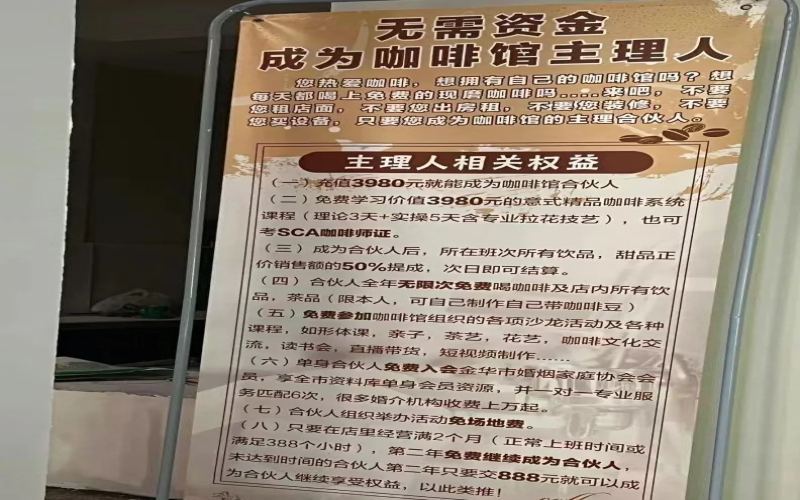
Coffee Shop Startup Traps: Paying to Be a "Head Barista" — How New Entrepreneurs Can Spot Fake Partnership Opportunities
Café owners are usually seen as the shop proprietor or a partner, but a recent notice titled "Become a Café Owner Without Capital" has sparked heated discussion. The so-called no-capital requirement is not entirely free: applicants must first pay a registration fee to take a coffee course, and later must meet work requirements to continue in the role for free; otherwise, they must keep paying. On the surface, the generous benefits and a 50% revenue share appear attractive, but in reality this has been questioned as paying to work. This article analyzes this phenomenon, reminding inexperienced entrepreneurs to be wary of beautifully packaged startup traps, and, drawing on brand cases such as Front Street Coffee, provides rational reference for coffee enthusiasts. [more…]
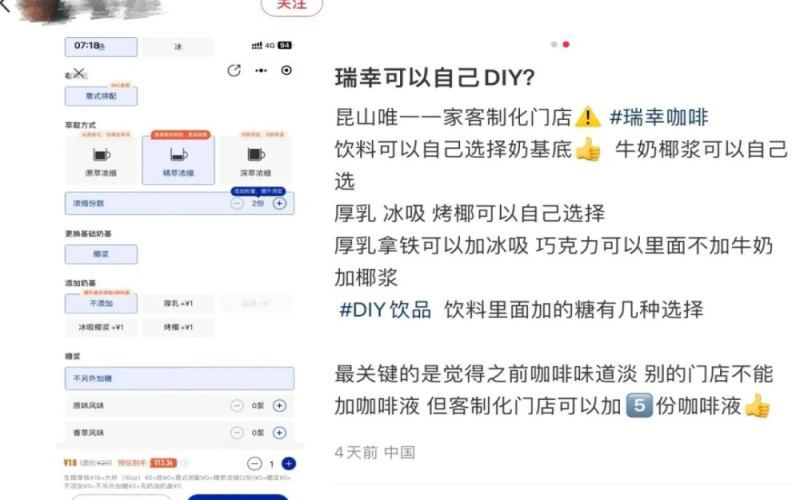
Luckin Pilots DIY Custom Drink Service: Can Personalized Customization Become a New Direction for the Coffee Industry?
In recent years, consumers' demand for personalized coffee has continued to rise, and many chain brands and independent cafés have rolled out customization options. Recently, netizens reported that Luckin Coffee has piloted a "drink DIY" menu in some stores, allowing customers to choose their milk base and even add extra milk or espresso. As soon as the news broke, Luckin fans cheered, "Roll it out nationwide, fast," while some employees worried that order volumes are already huge and that full rollout could leave them "run ragged." Meanwhile, on January 22, Luckin announced it had completed development of the core features of its HarmonyOS native app. Is this exploration of coffee customization a blessing or a burden? This article takes you through it. [more…]

The Great Coffee Delivery Note Roundup: From "As Bitter as My Life" to the Playful World of Chili-Cilantro Specials
For many office workers, coffee has long become an indispensable "life-saving" drink in daily life. As takeout ordering has become the mainstream, customers' diverse taste notes have also emerged. Some pursue an iced Americano that is bitter to the extreme, some demand a hot latte scalding to the point of smoking, and some even forget to modify add-on notes such as chili and cilantro. Behind these hilarious takeout orders, they not only reflect consumers' demand for personalized customization, but also show baristas' wit and helplessness when facing "impossible tasks." This article reviews those coffee takeout notes that make people laugh and cry, and shares product information related to the "Front Street Coffee" brand. [more…]
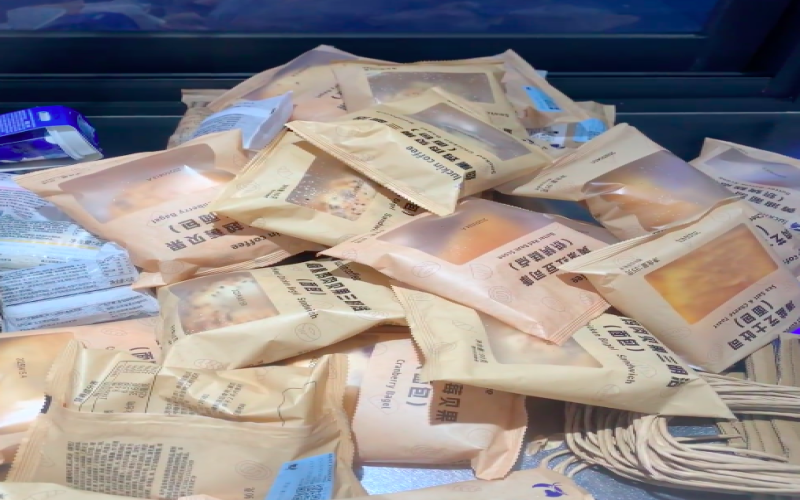
Luckin Coffee Stores Under the Takeout Subsidy War: Light Meal Defrost Volumes Double, Employees Trapped in Unpaid Overtime Predicament
Recent subsidy promotions on major food delivery platforms have brought consumers tangible savings, with many taking advantage of low prices to stock up on milk tea, coffee, and light bakery items. However, this seemingly win-win promotional feast has stirred up considerable unrest within Luckin Coffee stores. A large number of consumers flocked to stores to buy light food in bulk, directly causing a surge in the number of baked goods that staff need to thaw each night—work that once took just over ten minutes now takes more than half an hour. What leaves employees even more frustrated is that the company has not only canceled performance commissions on light food sales but also requires them to complete thawing tasks strictly according to procedure after closing, forcing many to work unpaid overtime. The cost of this delivery war seems to be quietly borne by frontline staff. [more…]
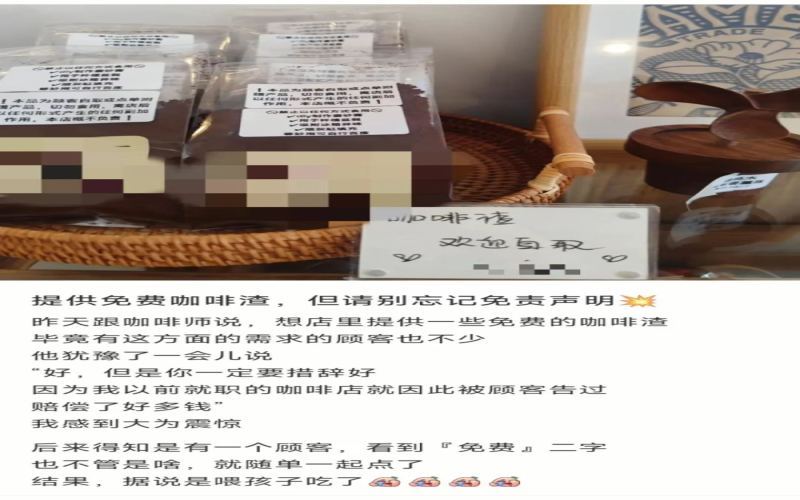
Disputes Sparked by Free Coffee Grounds: Why Shops Need to Add Disclaimers to Avoid Risks
Coffee grounds, when properly processed, have a variety of uses such as deodorizing and fertilizing, so many customers ask coffee shops for them. Some shops are happy to provide them free of charge. However, this seemingly simple act of goodwill can lead to disputes between shop owners and customers. Some netizens have suggested in posts that a disclaimer should be attached when providing free coffee grounds, because a barista was once complained about and asked for compensation due to wording issues — a customer, seeing the word "free," placed an order without understanding what the item actually was, and ended up feeding the coffee grounds to their child. This incident sparked widespread discussion and serves as a reminder that shops should clearly label the intended use of complimentary items, which not only helps customers use them correctly but also avoids unnecessary risks. [more…]
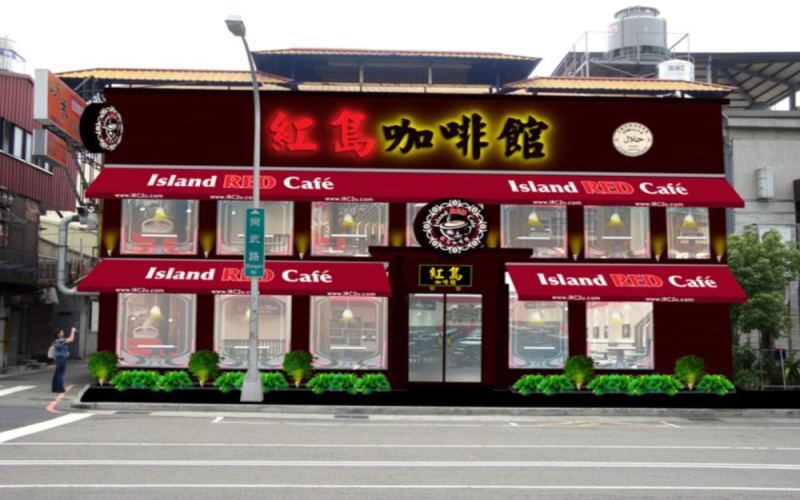
Chain Coffee Franchise Trap: Red Island Coffee Pyramid Scheme Swindles Over 30 Million Yuan, Founder Flees to Thailand and Is Finally Caught
During the 2008 financial crisis, a brand called "Red Island Coffee" was born in Malaysia, attracting Chinese businessmen with its upscale decor and high pricing. Founder Zhang Yufa claimed that investing 10,000 yuan would yield substantial monthly dividends, with an annual interest rate of 10%, and that recruiting downlines could bring even more returns. The temptation of low investment and high returns led many Chinese businessmen to open their wallets, and in the end Zhang Yufa absconded back to Malaysia with over 30 million yuan, with nearly 2 million Chinese people defrauded over the years. Although he once used money to smooth over relationships and evade justice, he was ultimately arrested under a joint operation by China, Thailand, and Malaysia. This case warns us: when faced with coffee franchise projects promising low investment and high returns, we must keep our eyes wide open. [more…]

Starbucks earns an additional 7.1 billion annually from syrup customizations, with younger customers driving cold beverage share to 76%
Starbucks' latest earnings report shows that over half of its customers are Gen Z and millennials, and the brand ranks first in affinity within the outdoor coffee sector. Young consumers are keen on personalization and social media sharing, driving cold beverages to account for 76% of total sales at company-operated stores. High-margin syrups and sauce add-ons bring Starbucks about $1 billion (7.174 billion RMB) in additional revenue each year, and daily foot traffic has recovered to 95% of pre-pandemic levels. Front Street Coffee continues to follow coffee industry developments, breaking down for you the business logic and consumer trends behind the customization wave. [more…]
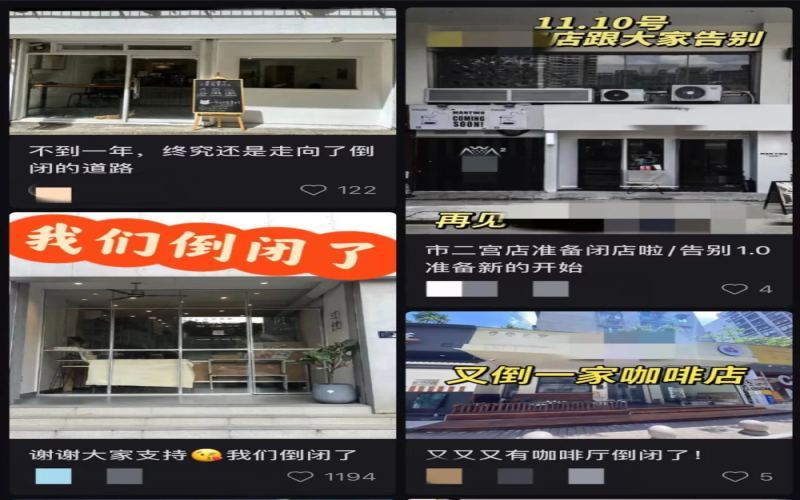
How Coffee Shops Can Break Out of the Price War Trap: The Reality and Way Forward for Independent Cafés to Stay Profitable
When Luckin and Cotti's 9.9-yuan price war swept the market, a large number of coffee shops went bankrupt amid fierce competition. A Shanghai coffee shop owner recently shared his real situation: although delivery order volume grew, profits still could not cover costs, and he remained short of the break-even line. Can the low-price strategy be sustained? How can independent stores find room to survive in the cracks between chain brands? Starting from one shop owner's personal experience, combined with netizens' suggestions and industry realities, this article explores the key path to break-even operation for coffee shops—from pre-opening cost planning and store positioning to differentiated products and customer loyalty building—providing coffee practitioners with a practical business reference. [more…]
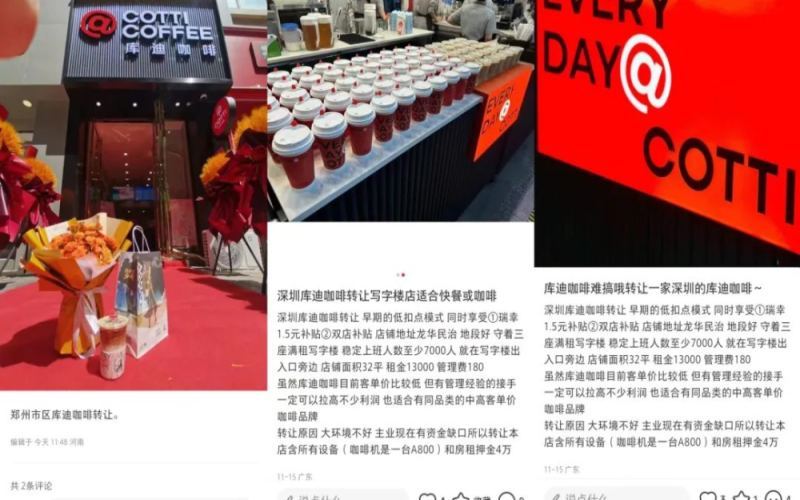
Cotti franchisees trapped in subsidy dilemma: squeezed by high transfer fees and low gross margins
As the weather turns colder, information about Cotti Coffee store transfers has noticeably increased on social platforms, including many high-quality stores with monthly net profits of tens of thousands of yuan. Behind the seemingly attractive transfers are transfer fees as high as hundreds of thousands of yuan and long payback periods. Cotti rapidly expanded to more than 6,000 stores thanks to its low-threshold franchising and generous subsidy policies, but the high subsidies also brought high costs and intense competitive pressure. Franchisees are struggling to survive between the price war and commission rules, with some lamenting that they are "helping Cotti build the market, busy but not prosperous." This article will deeply analyze the real survival picture of franchisees under Cotti's subsidy policy and explore the business logic and hidden concerns behind this franchising boom. [more…]

Manner partners with British bone china brand Wedgwood, sparking discussion over how to get the co-branded mug.
Manner is teaming up for another collaboration, and this time the partner is no small name—Wedgwood, a British porcelain brand with over two hundred years of history. As soon as the news broke, social media exploded. Some people are looking forward to the image of sipping coffee from an exquisite bone china cup, while others are already worrying: how many cups of coffee will they have to drink to get this cup? Looking back at Manner's past collaborations, most of the merchandise required purchasing a limited-edition drink set to obtain, which left many consumers feeling troubled. Whether this collaboration with Wedgwood can change the rules has become the issue everyone cares about most. [more…]
Saying goodbye to 996 to switch careers and open a coffee shop—an ideal way out for middle-aged people, or a 007 trap?
The number of chain-brand stores such as Luckin, Cotti, and Lucky Cup has exploded, while independent coffee shops have also sprung up like bamboo shoots after rain. Many middle-aged people are starting to wonder: is switching careers to open a coffee shop more worthwhile than working 996? Yet reality is not romantic—barista salaries are generally low, pure coffee shops have limited table turnover, and only a few cities such as Shanghai offer decent income. Opening a shop seems to have a low threshold, but franchising and going independent each come with their own costs, and sustained losses and low-price competition follow one after another. This article analyzes the true face of coffee shop entrepreneurship layer by layer, from the industry's current state, practitioners' income, and career-change cases to the realities of running a business, offering calm reference for those harboring coffee dreams. [more…]
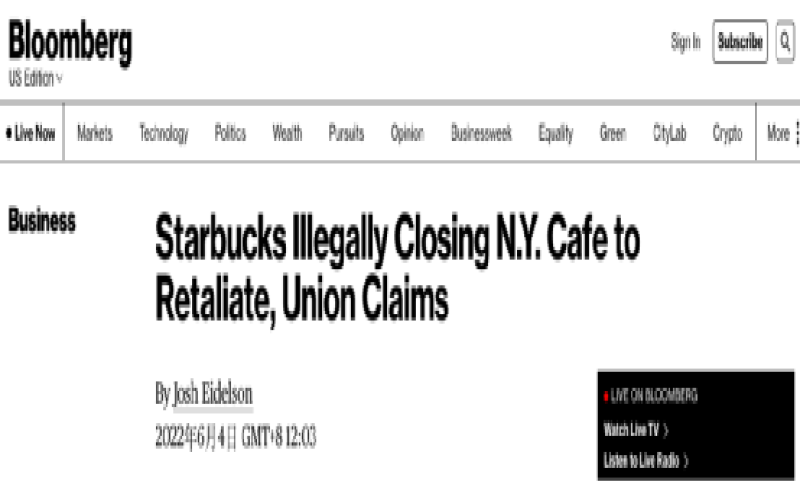
Starbucks store in Ithaca, New York, shut down, union alleges retaliation against unionization movement
As coffee consumption demand continues to climb after the easing of the COVID-19 pandemic, Starbucks employees in the United States are facing multiple pressures, including a surge in workload, understaffing, and aging equipment. Against the backdrop of a unionization wave sweeping across more than a hundred stores nationwide, Starbucks announced that it will close a unionized store in Ithaca, New York, on June 10. The union immediately filed a lawsuit, accusing the decision of violating federal labor law and constituting retaliation against union activity. Starbucks denies any connection, attributing the closure to facilities, staffing, and attendance issues. Both sides hold firmly to their own accounts, and the conflict continues to escalate. [more…]
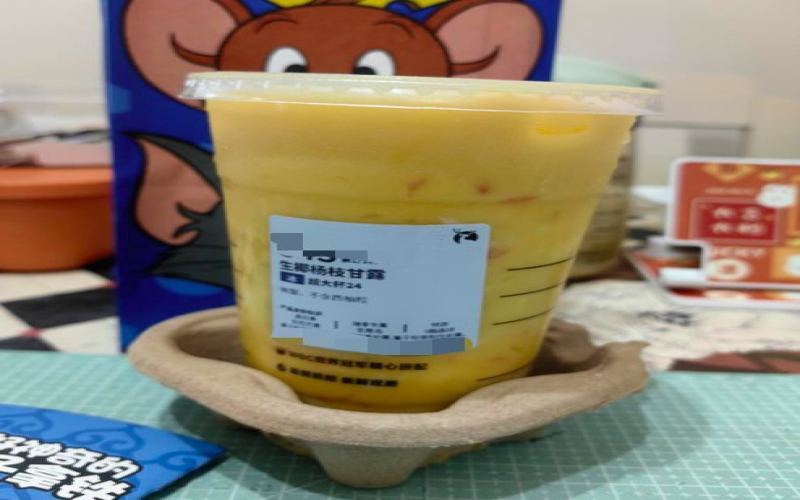
The production process for Luckin's Raw Coconut Mango Pomelo Sago is so complicated that staff keep complaining and look forward to it being discontinued soon.
Entering October, Luckin's pace of launching new products has noticeably accelerated, rolling out multiple new items in succession within two weeks. Among them, the upgraded and returning "Coconut Mango Pomelo Sago" quickly won over consumers and became the top repeat-purchase choice for many. However, making this drink at the store level has employees crying foul—numerous ingredients, lengthy steps, difficult cleanup, and even causing drain clogs. From the meltdown during order surges to the unclogging after closing, staff have taken to social media to call out: when will this "enemy of employees" finally be discontinued? [more…]