







What is coffee shops' biggest order scam risk?
Independent coffee shops are being targeted by order fraud in which scammers pose as schools or companies placing large team-building catering orders. After settling delivery details, the contact asks the owner to buy gift boxes or advance payment for goods, sometimes sending a fake bank transfer screenshot. One Tianjin owner cancelled the deal after no payment arrived.
The scheme works because a sudden large order lowers an owner's guard, and some variants use transfer money-laundering to leave the shop with neither money nor goods. Operators who have been hit share chat records as warnings: verify payment in the account before buying anything on a customer's behalf.
When a sudden large group-building order lands on a coffee shop, what would you do? A shop owner in Tianjin recently encountered such "good fortune," but at the last moment saw through the scam and pulled out in time. This kind of order fraud targeting independent coffee shops and small food-and-beverage businesses is nothing new. Scammers pose as schools or companies placing group-building catering orders, first lulling the owner into lowering their guard, then setting a trap by asking the owner to buy gifts on their behalf or advance payment for goods. Some even use transfer money-laundering schemes to leave the owner with neither money nor goods. This article compiles the real experiences of several victims and shares prevention tips summarized by peers, to help coffee operators stay clear-headed when facing large orders and avoid becoming a sucker who hands money to scammers.
▲
Click to follow | Daily specialty coffee culture magazine Coffee Works
"Hello, our school is holding a group-building event tomorrow evening and would like to order some coffee and desserts."
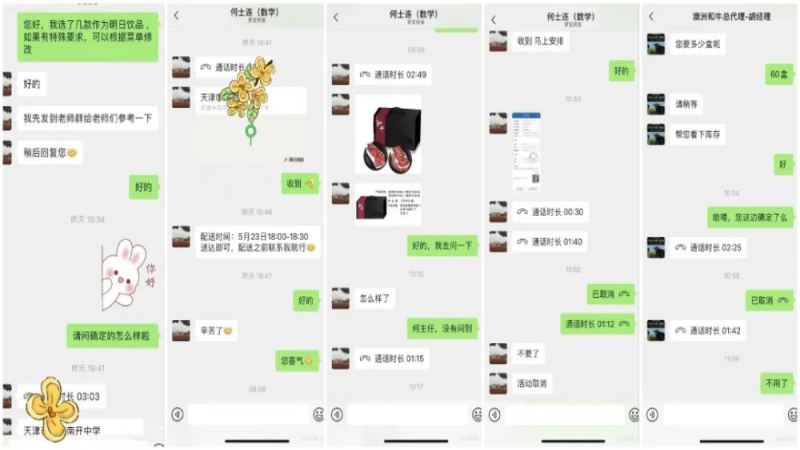
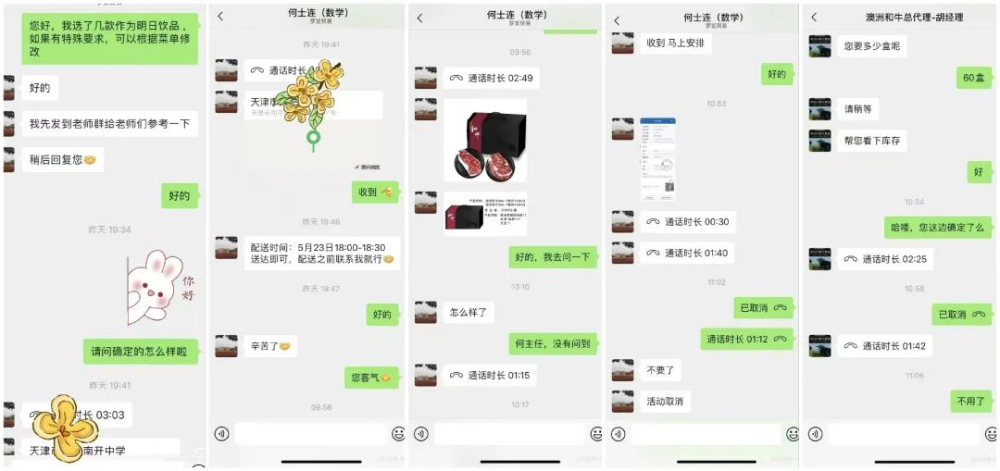
Hearing that a customer needs a large batch of catering for a team event, many owners may immediately hear a "ding" in their heads, thinking big business has arrived. Not long ago, a coffee shop owner in Tianjin ran into this kind of "windfall." Thrilled, he immediately drew up a plan as the other party requested and sent it over, and the delivery details were quickly settled.
The next day, the contact person said he also needed to purchase Wagyu gift boxes and asked the owner to help find a supplier. After the owner said he didn't know any relevant channels, the other party directly sent a WeChat ID for the owner to contact and asked the owner to advance the payment for the goods first. During this period, the contact even sent a screenshot of a bank transfer, trying to prove he didn't owe the owner money.
But the owner waited and waited and never received a bank arrival notification, and only then suddenly realized he had run into a scam. He immediately called off the cooperation and cut his losses. Later, he felt lucky that he hadn't been carried away by what looked like a big order falling from the sky, and he posted this personal experience to remind peers to be wary of similar schemes.
Many shop owners across the country who have experienced similar scams also posted their chat records with the scammers. Many said this tactic appeared long ago and has remained active, specifically targeting small food-and-beverage shops or those that have just opened.
Independent coffee shops rarely receive large orders worth thousands of yuan, so once someone claims to represent a school or company and wants to buy beverages and meals in bulk, some less experienced owners get especially excited, feeling they've been hit by "heaven-sent wealth."
But this is exactly the beginning of the scam. The scammer makes the group meal order seem very convincing, gradually lowering the owner's guard, then asks the owner to advance payment on the grounds of needing gift boxes, gifts, and so on, and then works with the so-called supplier to dig a pit and wait for the owner to jump in. If they can also trick the owner into giving key information such as bank card numbers and mobile verification codes during this process, the scammer will probably be even happier.
This scheme is hardly new in the food-and-beverage industry; it could even be called quite old-fashioned, and media have reported on it before. Experienced owners suggest that when encountering a large order, you must insist on partial payment before starting to make beverages and meals. And most scammers, upon hearing that a deposit is required, will make all kinds of excuses to stall, and some simply disappear.
However, some netizens also mentioned that there is another similar scam worth noting.
The scammer first transfers money to the owner's account, and the owner ships the goods after receiving the money, so the transaction appears complete. But afterward someone will come forward saying the money was obtained through fraud and that the bank account must be frozen and investigated for whether it was involved in other fraud and money-laundering activities. If no other problems are found, the relevant funds in the account will still be deducted, and in the end the owner is left with neither money nor goods.

As the old saying goes, pies don't fall from the sky, and under the pie there is often a trap. When facing a sudden large order, operators must stay alert and not lose their judgment in the scammer's crude verbal traps, foolishly becoming a sucker who gives money to scammers.
Image source: Internet
Disclaimer: Some images in this article are from the Internet. For some content on the website, such as images, we will respect the original author's copyright and indicate the source, but due to the large quantity, a few images and texts may not have been credited in time. Please understand. If the original author has any disputes, they may contact the website for handling, and once verified we will correct it immediately. Compiled and edited by "Coffee Works." Please indicate the source when reposting. If there is infringement, please inform us for deletion. Thank you~!
The above content is compiled by CoffeeHunters, a coffee news website.


