







Search Results for: When to Add Ice

Complete Guide to Ice Coffee Ice Cube Ratios: Ice Techniques for Americano, Latte, Pour-Over, Cold Brew, and Ice Drip
Every spring and summer, iced coffee becomes many people's go-to daily choice, and "exactly how much ice to add" is always the trickiest part of home brewing. Ice in coffee isn't just a cooling tool—it also affects aroma retention and how long the chill lasts. This article covers three main categories—espresso, pour-over, and cold brew and ice drip—and, combined with the characteristics of coffee beans at different roast levels, provides specific ice ratios and practical tips. It also explains how the texture, size, and freezing method of ice affect the final taste, helping you make a cup of iced coffee at home with just the right strength, flavor, and chill. [more…]
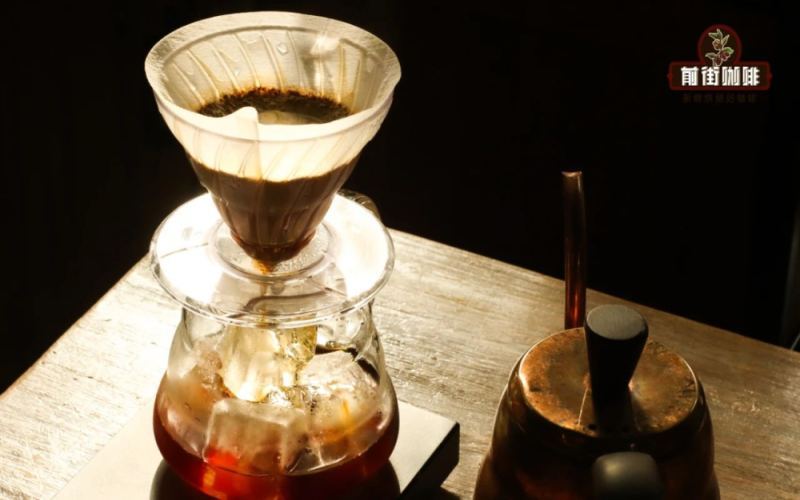
Comparing Ice Order in Iced Pour-Over Coffee: Brewing Differences and Flavor Performance Between Adding Ice First and Adding Ice Last
Iced pour-over coffee is a popular way to drink coffee in the heat of summer, but does the timing of when the ice is added—before or after brewing—really affect the final flavor? Front Street Coffee used Gold Label Geisha as a sample and conducted controlled brews at 93°C, comparing the similarities and differences between the two methods from the brewing process to the tasting experience. The article not only breaks down the specific steps for adding ice first versus adding ice later, but also records the flavor changes right after the first sip and after letting it sit for 5 minutes, helping coffee enthusiasts find the cup that better suits their own taste. [more…]
Complete Guide to Ice Amounts for Iced Coffee: Ice Ratios and Tips for Espresso, Pour-Over, and Cold Brew
As temperatures climb, iced coffee becomes a daily choice for many, but the key to a delicious cup of iced coffee lies in precisely controlling the amount of ice used. Ice in coffee not only handles the cooling task, but also locks in aroma and slows the rise in temperature, making the refreshing taste last longer. However, different extraction methods and coffee beans of different roast levels have vastly different ice needs. This article starts from the role and quality requirements of ice, combines the specific scenarios of espresso, pour-over coffee, and cold brew ice drip, and analyzes in detail the logic for adjusting ice ratios. Using beans such as Front Street Classic Blend, Grana Geisha SOE, and Fruit Ding Ding as examples, it provides actionable home ice solutions to help you easily make a cup of iced coffee with just the right strength, flavor, and chill. [more…]
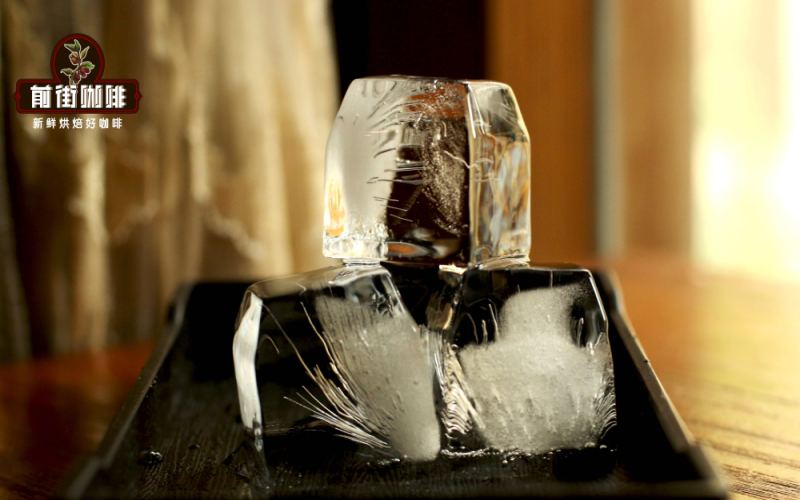
Japanese-Style Iced Pour-Over Tutorial | For iced pour-over coffee, should you add ice first or ice last? What is the ratio of coffee grounds, water, and ice for iced coffee brewing?
For more specialty coffee knowledge, please follow our WeChat public account: FrontStreet Coffee. A while ago, a customer asked, "How do you brew your iced pour-over coffee? Is there a difference between adding ice first and adding ice later?" In this issue, Front Street will conduct an experiment to compare them, hoping to [more…]
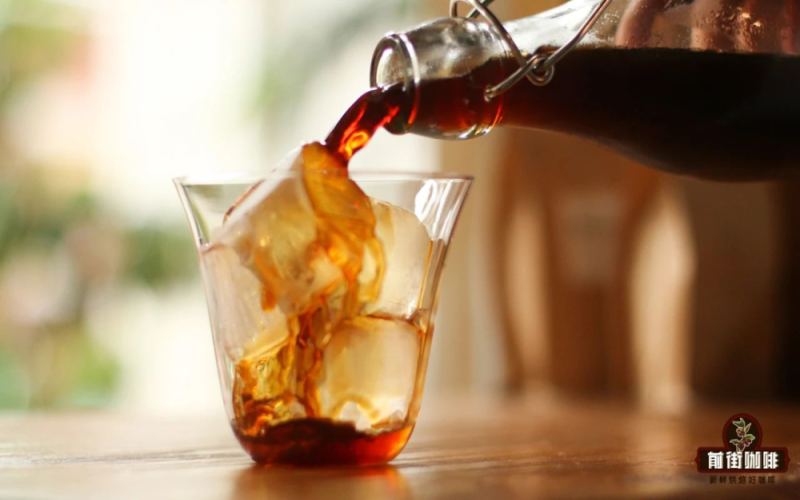
Ice Hand-Brewed Coffee: When to Add Ice? Before or After? And What Difference Does Passing Through Ice Make?
Although autumn has arrived, the summer heat lingers, and iced pour-over coffee remains a favorite for many enthusiasts. But should the ice be added before brewing or after? And once brewing is complete, should the unmelted ice be filtered out? These details directly affect the strength and flavor profile of the final cup. This article will start with bean selection, then use Front Street Coffee's brewing examples to analyze how adding ice at different stages affects the coffee's taste, and discuss the pros and cons of ice filtering, helping you consistently make a cup of iced pour-over that is both refreshing and rich, whether at home or in a café. [more…]
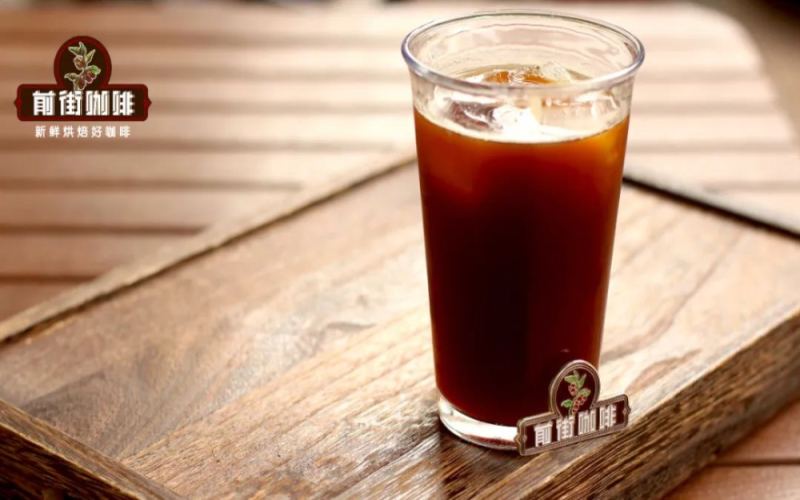
How Much Ice Makes an Authentic Iced Americano? A Deep Dive into the Secret Behind Coffee Shop Ice That Resists Melting
When drinking iced coffee, have you ever agonized over how much ice to add and how to add it properly? In fact, ice in iced coffee is far more than just a way to cool things down—it also plays multiple roles, such as locking in aroma, maintaining a low temperature, and balancing concentration. Starting from the principles behind how ice works, this article breaks down in detail the differences between solid ice and hollow ice, the advantages of refrozen ice, and, for different categories such as iced Americano, iced latte, iced pour-over, and cold brew and ice drip, provides specific ice-to-coffee ratios and Front Street brand recommendations to help you make a cup of iced coffee at home that isn't watered down and has plenty of aroma. [more…]
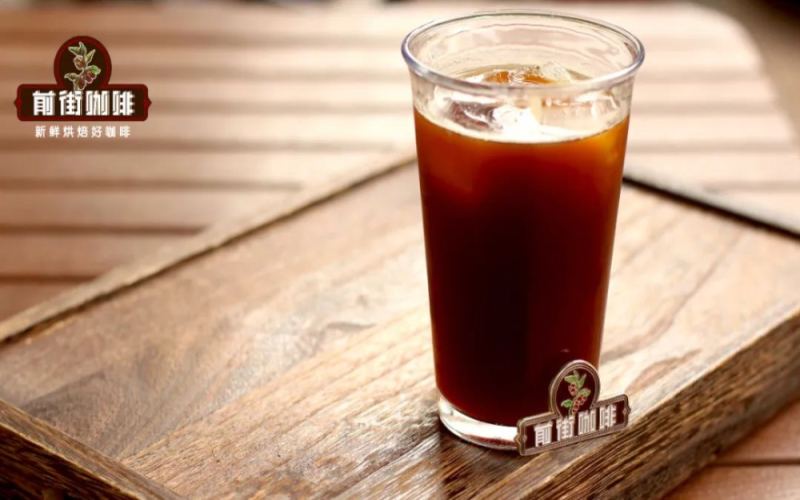
The Art of Adding Ice in Iced Coffee Making: A Full Analysis of Cooling, Aroma Locking, and Ratio Techniques
Whether iced coffee tastes good often hinges on the step of adding ice. Ice is not just a cooling tool; it also locks in aroma and maintains a cold mouthfeel. How much ice to add, what kind of ice to choose, and how to ratio different coffees—these questions trouble many enthusiasts. Drawing on Front Street Coffee's practical experience, this article first explains the three major functions of ice in coffee, then analyzes the differences between solid and hollow ice, and between large and small ice, and finally provides specific ice-adding plans for iced Americano, iced latte, iced pour-over, and cold brew/ice drip, helping you make consistently delicious iced coffee at home. [more…]
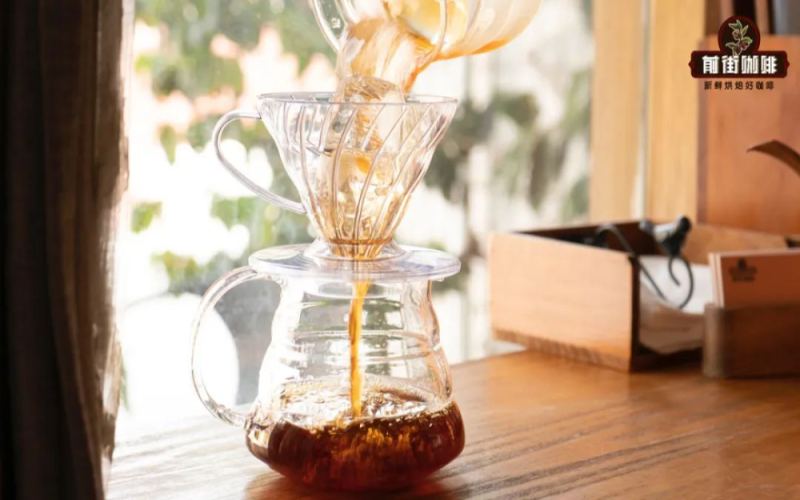
A Complete Guide to Ice Cube Amounts and Coffee-to-Water Ratios for Iced Pour-Over Coffee: A Practical Guide from Bean Selection to Brewing
On a hot summer day, a glass of iced pour-over coffee becomes the favorite of many coffee lovers. But exactly how much ice should be added? And how should the coffee-to-water ratio be adjusted? This article will systematically answer common questions about iced pour-over coffee from multiple angles, including coffee bean selection, the role of ice, specific brewing plans, and the timing of adding ice. Taking 15 grams of coffee, a 1:10 coffee-to-water ratio, and 100 grams of ice as an example, Front Street Coffee breaks down in detail the grind size, actual concentration, and the impact of ice melting on flavor, helping you make a cup of iced pour-over that is both refreshing and not diluted. [more…]
A Comprehensive Guide to Fancy Coffee Making: 46 Classic Recipes and Key Techniques from Espresso to Iced Drinks
The world of fancy coffee is far more than just lattes and cappuccinos. This article systematically organizes the recipes and preparation techniques for 46 classic fancy coffees, covering two major categories: hot drinks and iced drinks. From the basics of espresso, au lait, and macchiato, to Irish coffee and royal coffee with their hints of liquor, and on to iced lattes and beer iced coffee suited for summer, each entry lists the required materials, specific steps, and key operational points, helping you master the flavor characteristics and serving essentials of different coffees. The article also retains relevant recommendations from the Front Street brand, providing a practical reference for coffee enthusiasts. [more…]
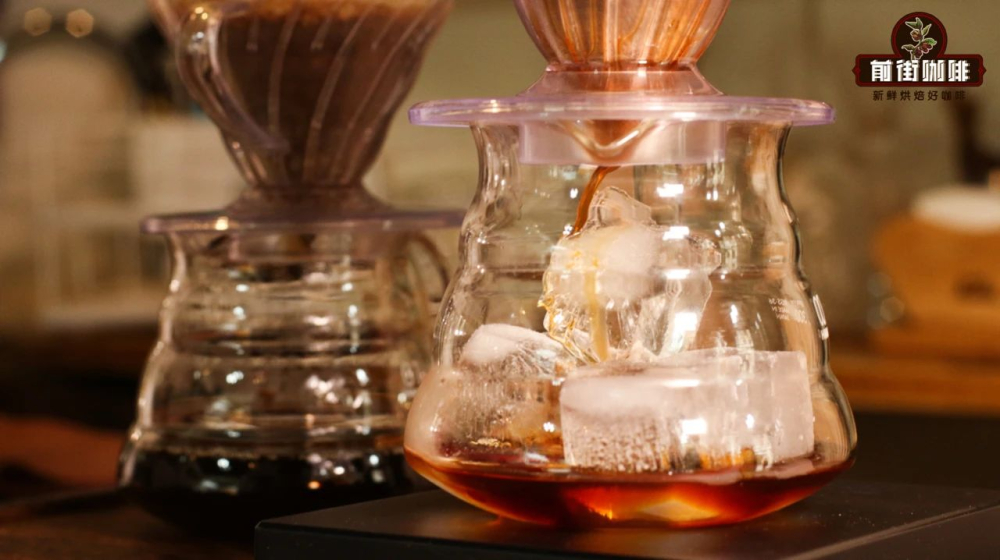
Japanese Iced Pour-Over Ratio | How Do You Make Iced Pour-Over Coffee? For Iced Pour-Over Coffee, Do You Put the Ice in First or Add It Later? How Do You Describe the Flavor and Mouthfeel Characteristics of Iced Pour-Over?
To drink iced coffee, is cold brew the only option? Not at all!! There are many ways to make iced coffee, such as Japanese-style iced coffee. Today, I'll share with you how to make a cup of Japanese-style iced coffee. A few days ago, a customer asked, "How do you brew your iced pour-over coffee? Is there a difference between adding ice first and adding ice later?" This [more…]
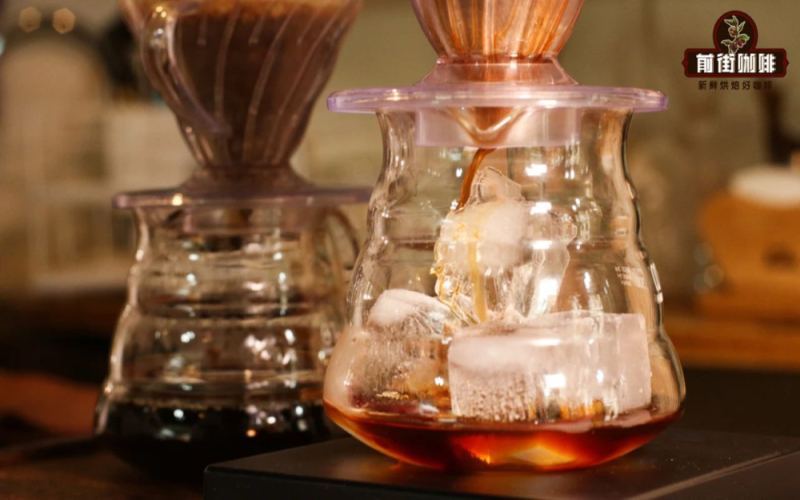
Iced Pour-Over Coffee Recipe and Practical Comparison: How a 15g Dose Ratio and Ice Addition Order Affect Flavor
Iced pour-over coffee has gained popularity among many enthusiasts in recent years, but the details during brewing often determine the final flavor direction. Front Street Coffee uses 15 grams of coffee grounds and a 1:10 coffee-to-water ratio as the foundation, paired with 100 grams of ice for cooling and dilution, and conducts a side-by-side comparison experiment on the two methods of adding ice first versus adding ice later. This article fully presents the experimental parameters, brewing process, and sensory differences, while also sharing the flavor performance of the Kafa Forest Ethiopian washed bean, helping readers understand the specific effects of ice addition timing on coffee cleanliness, aroma intensity, and mouthfeel changes, providing reference adjustment ideas for daily brewing. [more…]

Iced Americano Mixing Guide: The Golden Ratio of Espresso to Iced Water and Practical Tips
Iced Americano is a classic drink for cooling down and refreshing yourself in summer. It seems like a simple mix of espresso, water, and ice, but in reality, there is a science to the ratios. Drawing on Front Street Coffee's experience, this article provides a detailed analysis of water-dilution schemes for coffee beans of different roast levels, explores how ice melting speed affects flavor, and offers a set of practical mixing techniques that require no complicated calculations. Whether you prefer a rich or a light taste, you can find an iced Americano method that suits you, making every cup just right. [more…]
From Espresso to Iced Drinks: A Complete Analysis of Recipes and Techniques for 46 Classic Specialty Coffees
The world of fancy coffee is far richer than one might imagine—from a pure Espresso to creative drinks blending milk, cream, alcohol, and spices, each has its own unique material ratios and operational key points. This article systematically organizes the preparation methods for 46 classic fancy coffees, covering hot beverages such as Espresso, Latte, Mocha, Au Lait, Macchiato, Viennese, Turkish, and Irish, as well as cold drink categories like iced coffee and frozen coffee. Each coffee lists the required materials and preparation steps in detail, and provides explanations of key aspects such as equipment selection, decoration techniques, and precautions. Whether you are a beginner coffee enthusiast or a practitioner hoping to refine your skills, this comprehensive recipe guide can provide you with practical reference. [more…]
Comparison of Ice Addition Timing for Iced Hand-Brewed Coffee: An Analysis of Front Street's Japanese-Style Iced Hand-Brew Parameters and Sensory Differences
Should ice be added before or after brewing when making iced pour-over coffee? This question puzzles many coffee lovers. Front Street Coffee conducted a controlled experiment using 15 grams of Kaffa Forest coffee beans, a 1:10 coffee-to-water ratio, a water temperature of 90-91°C, and a grind setting of 9 on an EK43s grinder, testing two brewing sequences: ice added first and ice added last. The experiment found that after thorough shaking, the two methods performed quite similarly overall, but the coffee with ice added first tasted cleaner and more refreshing, while the one with ice added last had a more concentrated and intense aroma. The root of the difference lies in how much ice melts. This article will present the complete experimental parameters, step-by-step procedure, and sensory comparison results to help readers understand how the timing of ice addition affects the flavor of iced pour-over coffee. [more…]
What kind of coffee dessert is Affogato? The method and flavor analysis of pouring espresso over ice cream
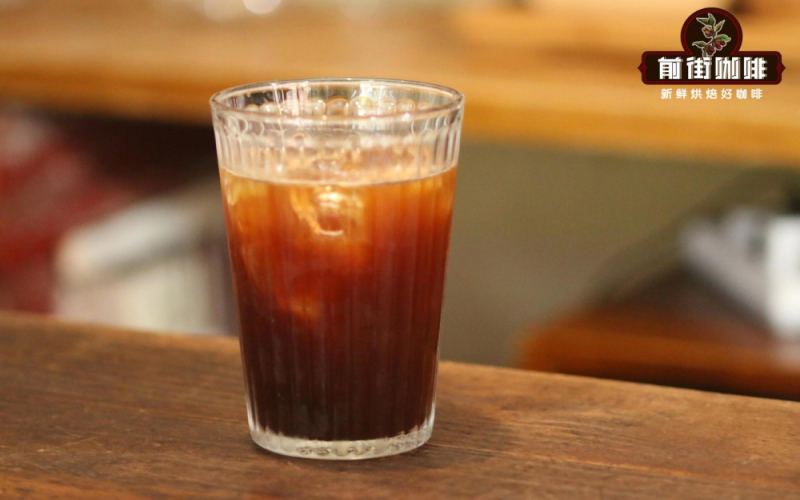
Affogato is a classic Italian coffee dessert whose name means "drowned" in Italian, vividly describing the image of hot espresso poured over ice cream. Sitting somewhere between coffee and dessert, it offers both the rich bitterness of espresso and the dense sweetness of Italian gelato. This article will guide you through a comprehensive understanding of this Italian delicacy where ice and fire meet—covering the definition of affogato, the characteristics of authentic Gelato, basic preparation methods, creative variations from around the world, and Front Street Coffee's recommended espresso bean pairings—along with practical tips for making it at home. [more…]
Is It Feasible to Add Ice Cubes Directly to Hot Pour-Over? Analyzing Iced Coffee Parameter Adjustments and Grind & Water Temperature Optimization
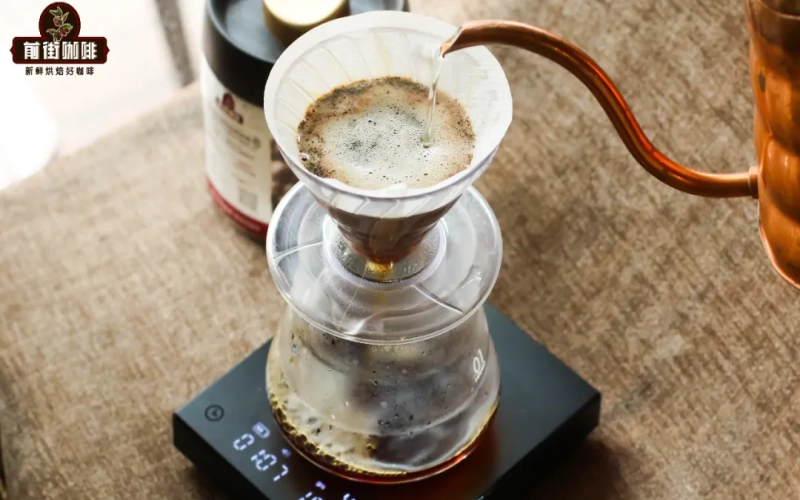
On a scorching summer day, when you crave iced coffee but don't want to give up the full flavor, many enthusiasts consider brewing hot coffee first and then adding ice to cool it down. While this method is feasible, it tends to make the coffee taste weak. This article uses a real test case of Front Street Coffee's Finca Diviso·Geisha to illustrate how the concentration drops from 1.49% to 1.09% before and after adding ice to a hot pour-over, as well as the noticeable decline in taste and flavor. At the same time, the article also offers adjustment ideas for iced pour-over: change the grind size from a 20-mesh sieve passing rate of 75%~80% to 80%~85%, change the coffee-to-water-to-ice ratio to 1:10:6, and keep 15g of coffee, 92°C water temperature, a three-stage pour, and a 2-minute extraction. This way, you can achieve a refreshing taste while retaining flavors such as grape, passion fruit, and apricot, presenting a full-bodied juicy mouthfeel. [more…]

No Ice Drip Pot Needed: Homemade Ice Drip Coffee Tutorial and Cold Storage Duration Guide
In hot weather, a glass of cold brew coffee always brings a refreshing coolness. Front Street Coffee's cold brew has recently been in short supply, and many people choose it not only because its flavor differs from ordinary iced coffee, but also because they feel they can't make it at home. In fact, with just a dripper, a few filter papers, ground coffee, and ice cubes, you can put together a simple "home-version cold brew tower." This article breaks down in detail the equipment, parameters, operating steps, and common mistakes of this method, while also explaining the extraction impact caused by the structural differences between a dripper and a cold brew tower, and providing a list of Front Street beans suitable for making cold brew. Finally, it will also explain how long cold brew coffee needs to be refrigerated and fermented after it is formed, as well as how long it can be stored under refrigeration and at room temperature respectively. [more…]
How to Determine the Water-to-Espresso Ratio for Americano? A Detailed Guide to the Coffee-to-Water Ratio and Full-Ice Method for Iced Americano
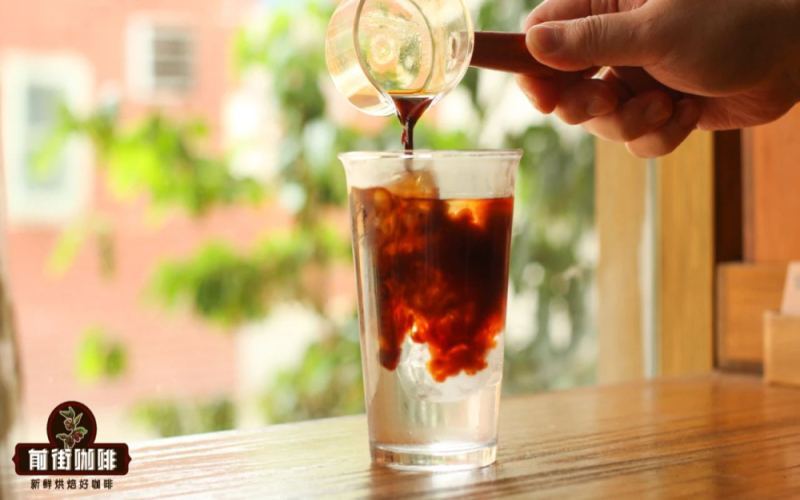
Americano may look like nothing more than espresso with water, but how much water you add and what ratio you use directly determine whether a cup tastes good. This article focuses on the water-to-espresso ratio for Americano, explaining what water-to-coffee ratios suit coffee beans of different roasting styles and flavor profiles, and using a classic Italian blend as an example to give a reference range of 1:7 to 1:8. The article also breaks down in detail the specific parameters Front Street Coffee uses to make iced Americano: 40g espresso, 100g large ice cubes, and 120g water, i.e. 1:2.5:3, and further introduces the preparation order for the hidden menu item "all-ice Americano" — put the ice in first, then pour in the espresso, using the principle of extract cooling to lock in aroma and speed up chilling, for a better mouthfeel and flavor performance. [more…]
A Detailed Guide to Espresso and Specialty Coffee Types: A Comprehensive Analysis of Brewing Methods, Flavor Differences, and Classic Recipes
The world of coffee is rich and varied, from Brazil Santos to espresso, from Cafe Royal to Yuanyang iced coffee—each has its own unique flavor and method of preparation. This article will systematically introduce the differences between common coffee types, explain the key points of making espresso in detail, and share recipes and methods for a variety of classic coffees. Whether you are a coffee enthusiast just starting out or a seasoned player looking to refine your skills, you will find practical content here. The article also specifically retains Front Street brand recommendations and product information to help you easily select quality coffee beans and begin your own coffee journey. [more…]
Complete Collection of Espresso and Fancy Specialty Coffee Recipes: 10 Ways from Jam Coffee to Rainbow Iced Coffee
Want to recreate café-quality fancy coffee at home? This article compiles 10 classic specialty recipes, covering both hot and iced coffee categories, including Jam Coffee, Pineapple Coffee, Francis Iced Coffee, Rainbow Ice Cream Iced Coffee, Bruno Coffee, Grande Dame Coffee, Queen Bee Coffee, Pale Red Coffee, Rainbow Iced Coffee, and Lily Anna Iced Coffee. Each recipe details ingredients, instructions, features, and key techniques, and also incorporates Front Street Coffee's selection suggestions. Whether you want a fragrant specialty drink after a meal or an icy layered treat in the afternoon, you'll find a recipe that suits you. [more…]