







What Is a Gesha Iced Pour-Over and How Does Ice Timing Change It?
Adding ice before brewing or after brewing does change the cup, though not dramatically. In a controlled test at 93°C using a Gold Label Geisha, both iced pour-over versions opened with citrus, honey, and oolong tea notes, but ice-first showed sharper citrus acidity and a longer oolong finish, while ice-later tasted fuller and rounder.
The methods differ in mechanics: ice-first puts pre-measured ice in the server so dripping coffee cools as it falls, then the server is swirled to even out temperature and strength. Ice-later chills the brew afterward. For a coffee enthusiast, the choice comes down to whether brighter acidity or a heavier body is preferred.
Iced pour-over coffee is a popular way to drink coffee in the heat of summer, but does the timing of when the ice is added—before or after brewing—really affect the final flavor? Front Street Coffee used a Gold Label Geisha as the sample and conducted a controlled brewing comparison at 93°C, examining the similarities and differences between the two methods from the brewing process to the tasting experience. The article not only breaks down the specific steps for adding ice first versus adding ice later, but also records the flavor changes right after the first sip and after letting it sit for 5 minutes, helping coffee enthusiasts find the cup that better suits their taste.
For more specialty coffee knowledge, follow our WeChat official account: Front Street Coffee (FrontStreet Coffee)
When making iced pour-over coffee, the role of ice is to rapidly cool the coffee liquid. Most cafés habitually "add ice first" when serving iced pour-over, though some use the "add ice later" method. As a result, some coffee enthusiasts have started to wonder: when should ice be added to achieve the ideal coffee flavor? Front Street took this opportunity to run a controlled experiment to see exactly what difference these two methods make.
Let's first discuss the operational differences between the two.
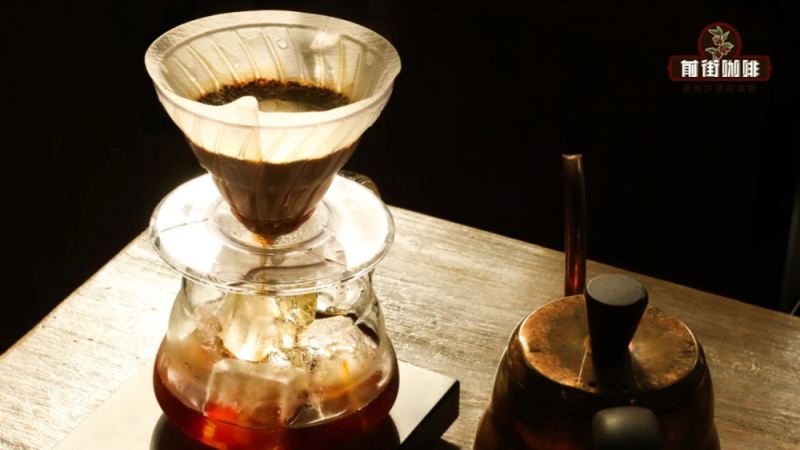
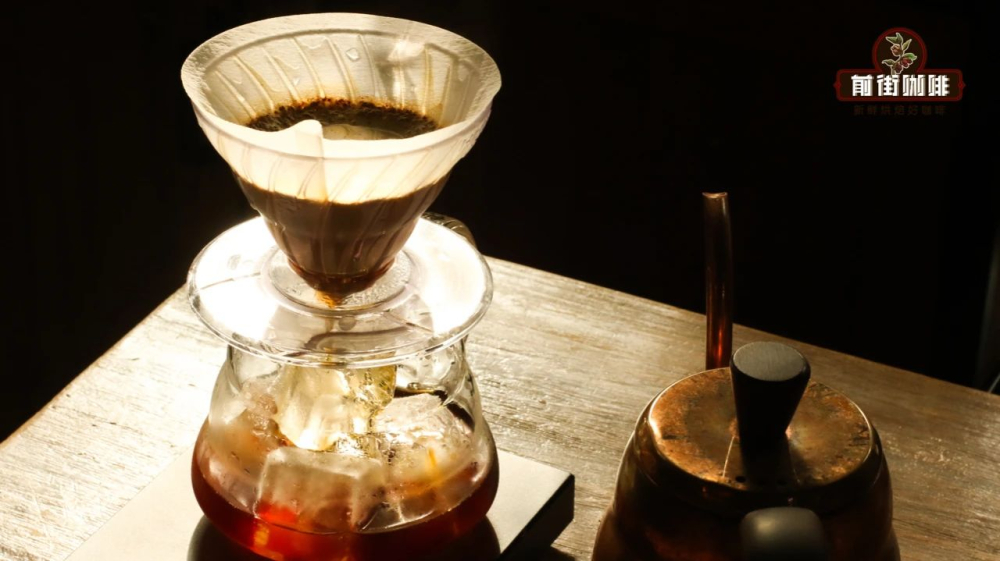
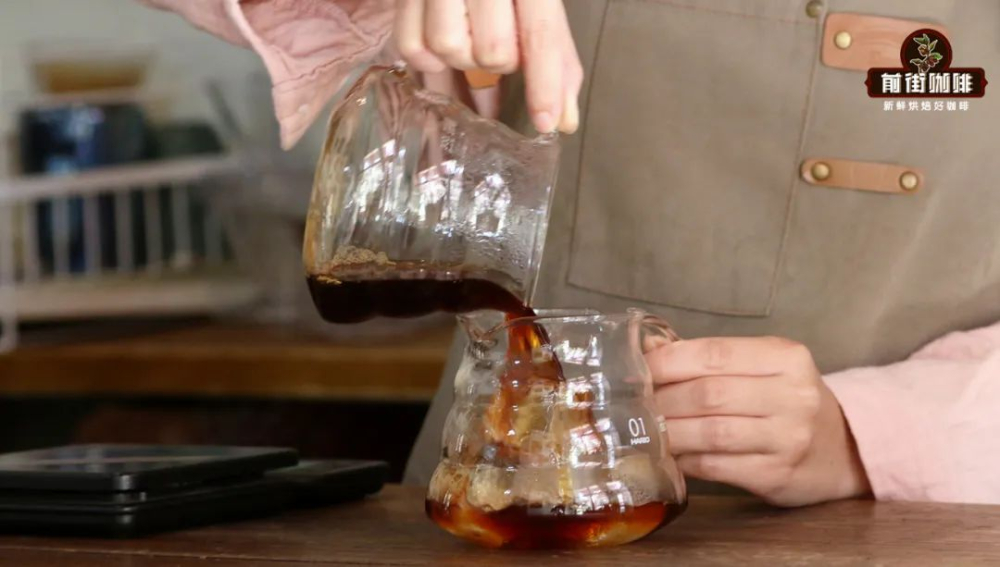
"Add ice first" means placing the pre-measured ice into the server beforehand, then setting the dripper on top of the server to begin extraction. During extraction, the steadily dripping coffee liquid is gradually cooled by the ice, and after extraction is complete, the server is shaken or the coffee is stirred with a spoon to even out the temperature and concentration.
Experiment Comparison
For this test, Front Street chose the Front Street Gesha Village Gold Label Geisha; a higher-quality bean more easily amplifies flavor differences. The brewing parameters for the iced pour-over are as follows:
Water temperature: 93°C
The extraction parameters for the two groups were nearly identical, with the only difference being: one group used the "add ice first" method favored by most coffee shops, while the other used "add ice later."
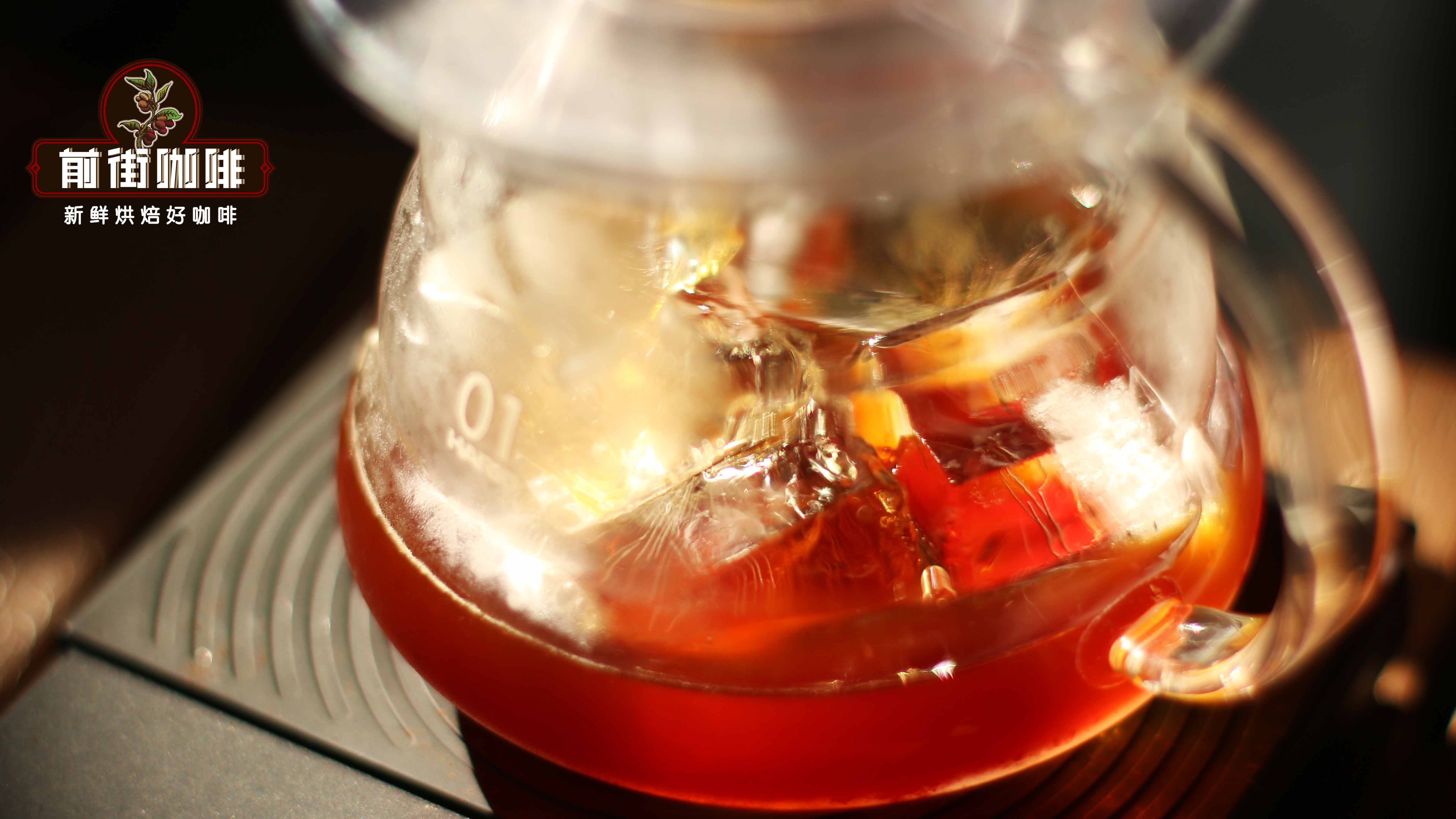
In terms of flavor, both servers showed notes of citrus, honey, and oolong tea right after the first sip, but the "add ice first" group had more pronounced citrus acidity and oolong tea finish, while the "add ice later" group showed a fuller citrus and honey juice-like quality. After letting them sit for 5 minutes and comparing again, the difference between the two was no longer very obvious.
The above content is compiled by CoffeeHunters, a coffee news website.


