







Search Results for: more
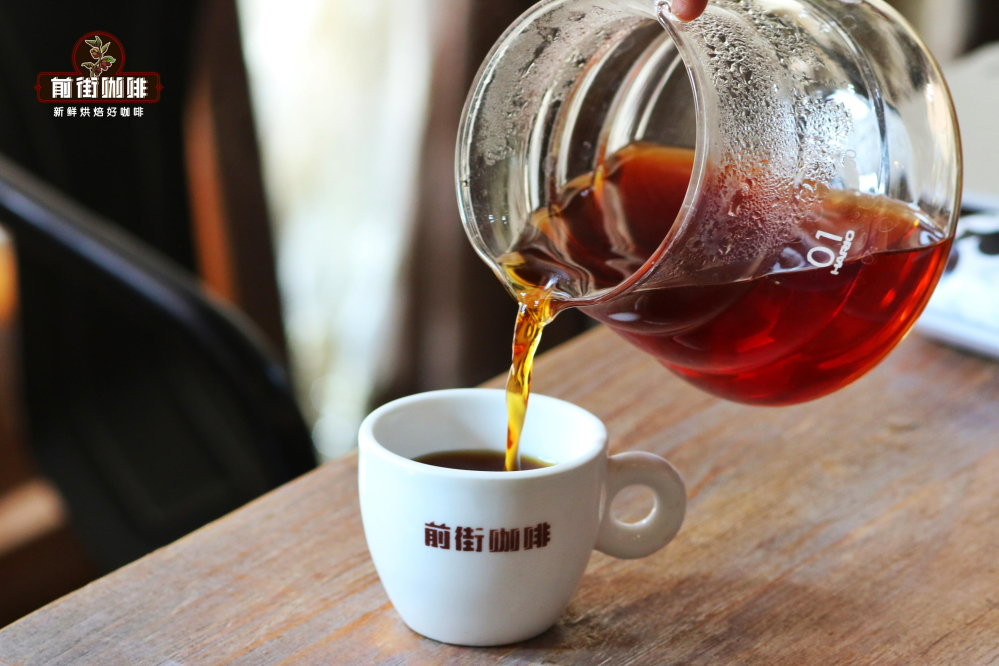
Types of Black Coffee | Which Has More Caffeine and Is More Refreshing, Iced Coffee or Hot Coffee? Iced Americano or Hot Americano—Which Tastes Better? How Does Temperature Affect the Flavor and Mouthfeel of Americano?
Which has more caffeine and is more invigorating, iced coffee or hot coffee? Many people would answer that hot coffee is more invigorating. But in fact, whether coffee is invigorating has little to do with it being cold or hot; it depends more on the caffeine content of the coffee variety and the amount of caffeine extracted during brewing. If the same coffee beans are used, extract [more…]
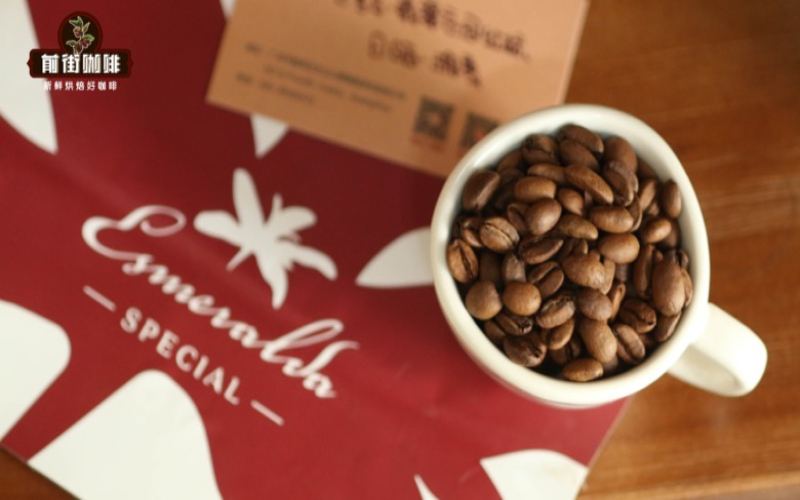
Pour-over Origins and Altitude vs. Flavor: Why High-Grown Beans Have More Prominent Sweetness and Acidity
The altitude of a coffee-growing region is one of the underlying variables that shape flavor in the cup. The same variety, processed the same way, can taste noticeably different depending on the altitude at which it is grown. Understanding how altitude affects flavor can help pour-over enthusiasts choose regional beans more precisely. The core advantage of high-altitude regions lies in the temperature difference between day and night. [more…]
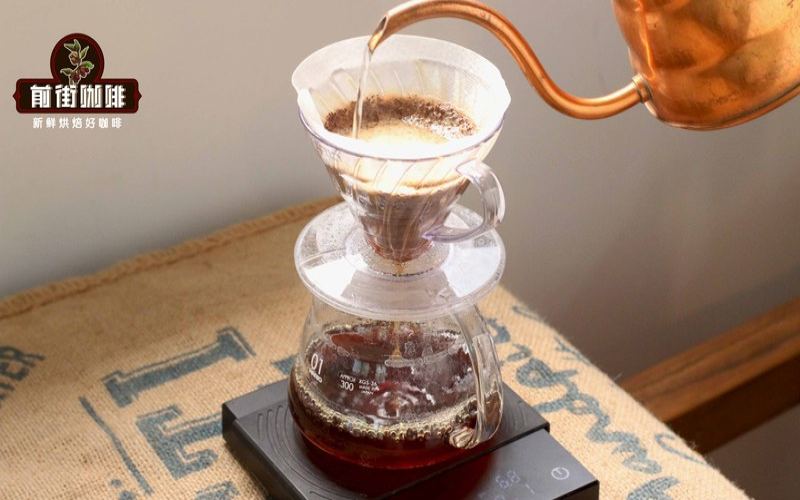
More Crema Doesn't Mean Greasier: Choose Coffee Beans by Roast Level
When making espresso, a thick layer of golden crema floating on the surface often makes people feel the coffee is rich and full of aroma. If you want to enhance this visual and taste performance, roast level is indeed an important clue, but it cannot be simply understood as "the darker the more." The bean variety, blend ratio, freshness, and machine extraction status all [more…]
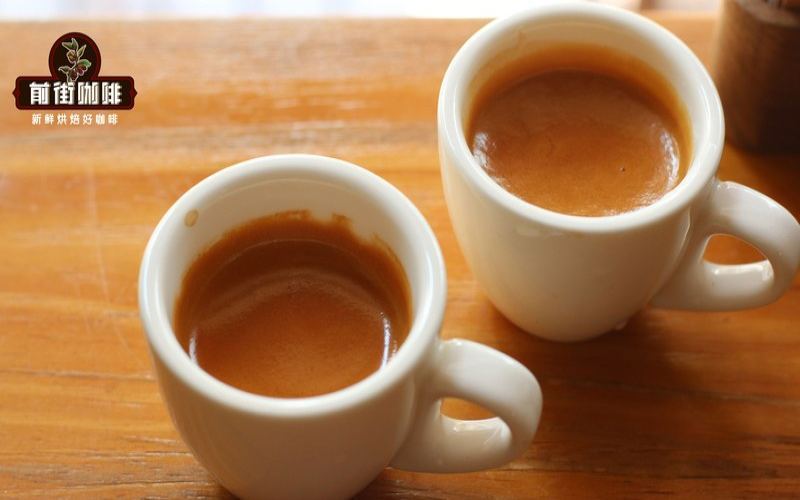
SOE: Choose Dark Roast or Light Roast? Find Beans That Suit Your Taste by Roast Level
SOE refers to single-origin espresso, where the beans come from a more concentrated source, making the cup's distinctive character easier to taste. Choosing a dark roast or a light roast is essentially deciding whether this cup of coffee leans more toward fruity acidity and floral notes, or toward cocoa, nuts, and a rich, heavy sweetness. If you usually drink straight espresso or add water, the bright aroma of a light roast will be more recognizable; if [more…]
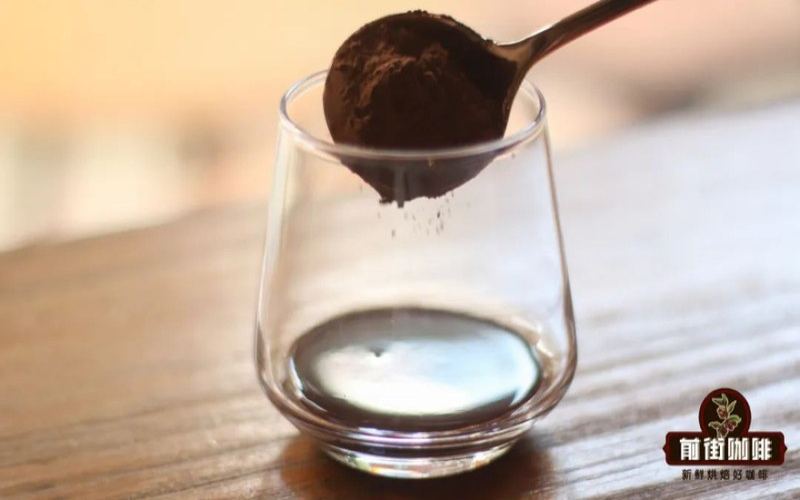
The acidity in SOE Americano is hidden in the roasting curve.
SOE americano is not a fixed flavor—whether it tastes "sour" depends first on how dark the coffee beans are roasted. Light roasts preserve more of the origin's natural fruit acidity and floral notes, medium roasts pull sweetness, body, and acidity into a more balanced position, and dark roasts move toward cacao, nuts, and caramel. If you want something smooth and easy to drink, start with the roast level. [more…]
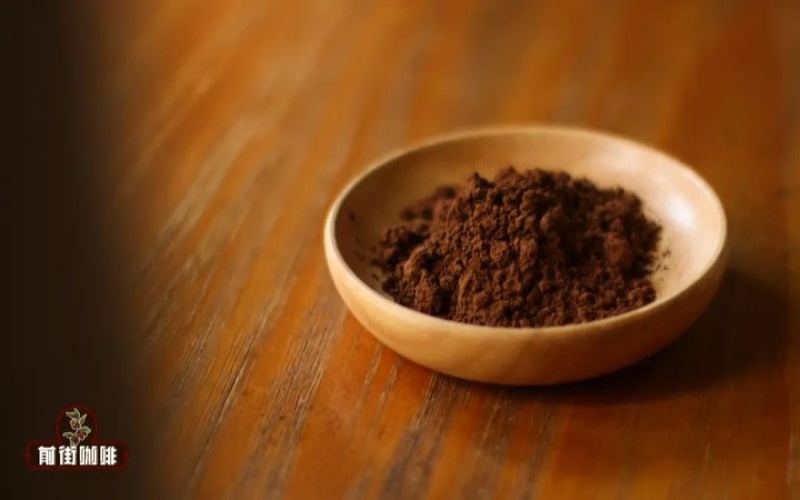
High-value espresso blend beans: how to decide roast level
The roast level of an espresso blend often tells you more about a coffee's character than the flavor notes on the packaging. Light roasts lean bright, medium roasts show more sweetness, medium-dark roasts balance aroma with body, and dark roasts tend toward cocoa, caramel, and a toasted feel. When your budget is limited, choosing a roast direction based on the drinks you usually make beats blindly chasing [more…]

SOE Coffee | Why does switching to SOE coffee beans at a café cost extra? What makes SOE coffee more expensive than espresso?
When you go to a café and want to order an Americano or a milk coffee, you're often faced with two options: the default espresso blend, or the SOE that costs extra. At this point, some people might wonder, why is this "SOE" more expensive than the blend? What exactly makes it cost more? What exactly is SOE coffee? [more…]
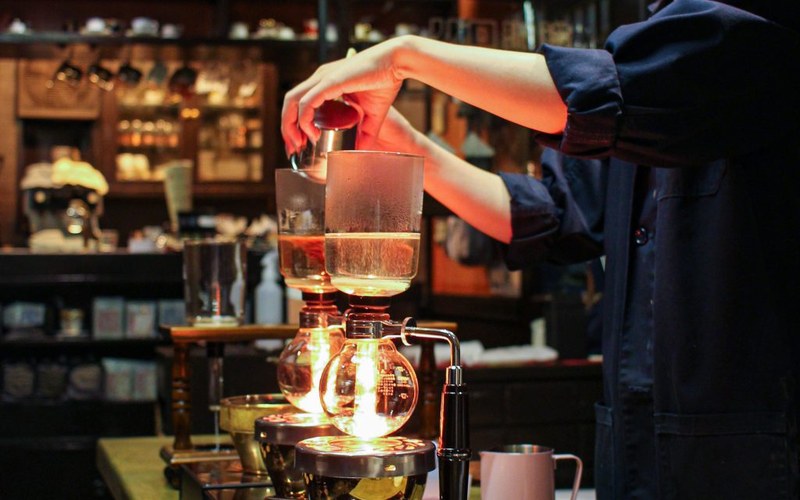
The Transformation of Espresso Crema from Bag Opening to Cup
When making espresso, the golden foam on the surface of the cup is greatly influenced by the freshness of the beans. Freshly roasted coffee beans contain more carbon dioxide, which is rapidly released when they meet high-pressure hot water, making the crema look richer and the aroma more punchy. However, more crema does not mean the flavor has matured; the time since opening the bag, the roast level, and the beans' own [more…]

SOE Coffee Bean Recommendations: How to Choose Between Light, Medium, and Dark Roasts
SOE usually refers to single-origin coffee used for espresso extraction, and the roast level of the beans directly affects the aroma, the balance of acidity and sweetness, and the mouthfeel. To choose more accurately, start by deciding whether you prefer something light and bright or round and rich, then narrow the range among light, medium, and dark roasts, and your brewing method will fall into place more easily too. Light roast [more…]

When should you open a bag of light or dark roasted SOE? The roast date determines the pace of drinking your beans.
When SOE beans are freshly roasted, they are still continuously releasing carbon dioxide internally, and their aromatics are in a stage of reintegration. At this point, "the fresher, the more aromatic" does not always translate directly into the cup: dark roasts usually enter their smooth-drinking window earlier, while light roasts often need several more days of waiting. Deciding whether to choose dark or light also depends on whether you can consistently maintain stability after the flavors have opened up. [more…]
The Flavor Clock After Opening Dark Roast Beans
When dark-roasted coffee beans first leave the roaster, the aroma is often very pungent, and the cup tends to show sharp smoky notes, diffuse bitterness, and a sweetness that isn't cohesive enough. The reason is that after roasting, the beans are still releasing carbon dioxide, which affects the state of the coffee bed and the water flow. When buying beans, check the roast date first, then plan your drinking schedule—this matters more than just [more…]
SOE Coffee Bean Recommendations: How to Choose Between Light, Medium, and Dark Roasts
SOE usually refers to single-origin coffee used for espresso extraction, and the roast level of the beans directly affects the aroma, acidity, and mouthfeel. To choose more accurately, you can first consider whether you prefer something bright and refreshing or smooth and intense, then narrow down between light, medium, and dark roasts, which will also make the brewing method more suitable. Light roast [more…]
Choosing Hand-Ground Coffee Beans by Roast Level: From Bright Fruity Notes to Rich Cocoa
How to choose coffee beans for hand grinding—you can start with the roast level. It doesn't just determine how dark the beans are; it also influences the direction of the aroma, the balance of acidity and sweetness, the body, and the brewing method best suited to the ground coffee. People who enjoy bright fruity notes usually take more readily to light roasts; if you want rounded sweetness that works well hot or iced, look to medium roasts; if you lean [more…]

How to Choose Between Espresso Blends and SOE: Judging Flavor and Brewing Method by Roast Level
When comparing espresso blends and SOEs side by side, you can't just look at the labels "blend" or "single origin"—the roast level often determines the character of the cup more quickly. Also used for espresso machines, a light roast tends toward bright fruit acidity, a medium roast emphasizes sweetness and balance, and a dark roast brings cocoa, nuts, and a fuller mouthfeel. [more…]
SOE: From roast date to after opening, which cup has more aroma?
From the day roasting finishes, the aroma of coffee beans enters a track of continuous change. When SOE is pulled directly as espresso, if the gas inside the beans is still vigorous, the puck tends to extract unevenly, and the acidity in the cup is lively but somewhat scattered; as the beans gradually relax, sweetness, aroma, and texture come together more easily. Therefore, deciding whether to pull it as espresso, [more…]
Tropical Fruit Coffee Beans: Roast Level Determines the Direction of Fruit Aromas
If you want to taste tropical fruit notes, the roast level is a very useful screening clue. Light roasts tend to retain more floral aromas, citrus acidity, and juicy character, coming across as bright and light on the palate; as the roast progresses toward the medium range, sweetness, body, and ripe fruit notes become more prominent. When buying, first look at the roast label, then combine it with whether you prefer a refreshing or a full-bodied taste. [more…]
Making Espresso More Palatable: How to Judge the Roast Level of Espresso Beans
The roast level of espresso beans directly affects the acidity, sweetness, bitterness, aroma, and body of the shot. When faced with labels like light roast, medium roast, and dark roast, first think about the cup of coffee you usually drink: do you want bright fruity acidity and clear aroma, or do you prefer a cocoa-like richness and smoothness? Then decide on the roast direction for the beans. Light [more…]
Choosing manually ground coffee beans by roast level: from bright fruity notes to rich cocoa
How to choose coffee beans for hand grinding—you can start with the roast level. It doesn't just determine the color depth; it also affects the aroma profile, the balance of acidity and sweetness, the body, and the brewing method suited to the ground coffee. People who enjoy bright fruity notes usually find light roasts more appealing; if you want rounded sweetness that works well both hot and iced, you can look to medium roasts; if you prefer [more…]
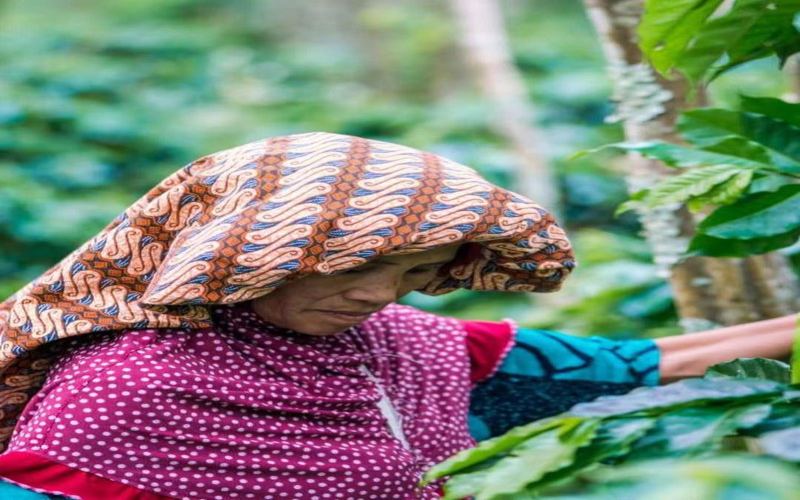
When to drink washed coffee beans after buying them home for the best flavor
The crispness, floral notes, and fruity acidity of washed coffee beans often need the right fresh stage to be expressed. Freshly roasted beans do not reach their peak right away; brew them too early and the aroma may dissipate while the acidity tends to taste sharp; leave them too long and the brightness in the cup gradually fades. When buying beans, the roast date matters more than the vague [more…]
Choosing Hand-Ground Coffee Beans by Roast Level: From Bright Fruit to Rich Cocoa
How to choose coffee beans for hand grinding—you can start with the roast level. It doesn't just determine the depth of color; it also affects the direction of aroma, the balance of acidity and sweetness, the body, and the brewing method suited to the ground coffee. Those who enjoy a bright, fruity flavor are usually more receptive to a light roast; if you want rounded sweetness that works both hot and iced, pay attention to a medium roast; if you lean [more…]