







If you want to drink iced coffee, is cold brew the only option? Not at all!! There are many ways to make iced coffee, such as Japanese-style iced coffee. Today, I'll share with you how to make a cup of Japanese-style iced coffee.
A while ago, a customer asked, "How do you brew your iced pour-over coffee? Is there a difference between adding ice first and adding ice later?" In this issue, Front Street Coffee will conduct an experiment to compare the two, hoping to give everyone a reference.
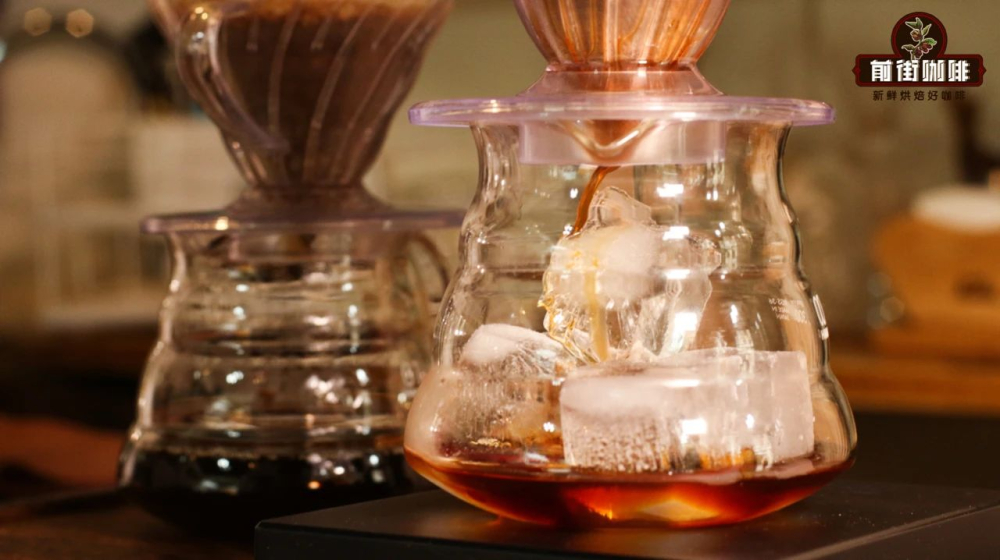
Front Street Coffee Iced Pour-Over Coffee Parameters
Front Street Coffee used 15 grams of coffee powder to brew iced pour-over coffee, with a coffee-to-water ratio of 1:10, meaning 15 grams of coffee powder brewed with 150 grams of hot water, plus 100 grams of ice cubes for cooling and dilution (whether to add ice first or later is exactly one of the aspects this article will test).
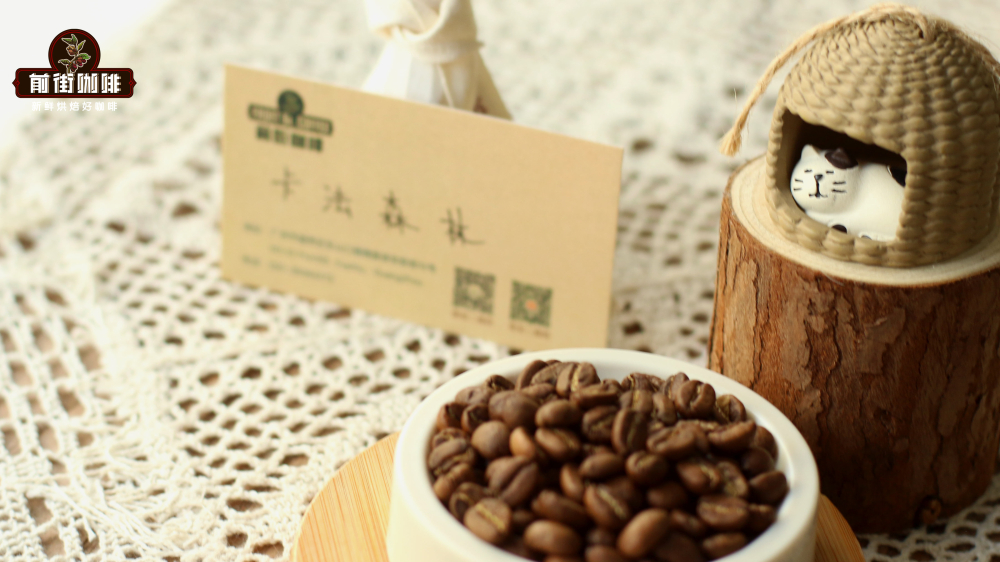
Here, Front Street Coffee selected a recently launched Kaffa Forest to demonstrate for everyone. As the region with the most extensive forest coverage in Ethiopia, the primary forest of the Kaffa Biosphere is recognized worldwide as the birthplace of coffee, and is also a genetic treasure trove of the Arabica coffee we are familiar with today. The "Gesha" in the origin story of Geisha is precisely one of the areas of Kaffa, located in the western zone. In addition to its regional representation, this coffee bean is washed-processed, with elegant white floral notes and a juicy mouthfeel of sweet orange, dried apricot, peach, green grape, yellow lemon, and other fruits.
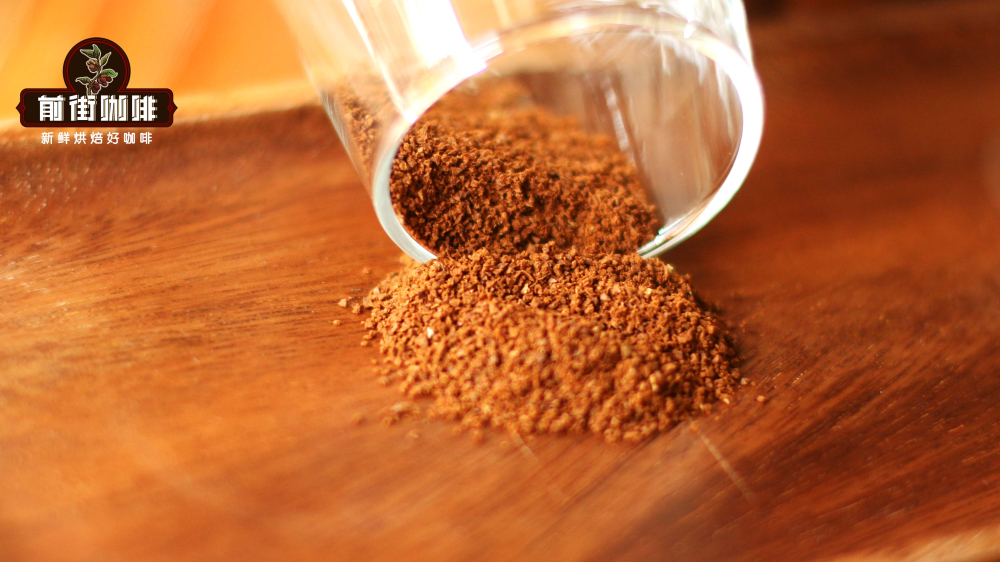
The grind size of the coffee powder is also finer than for hot pour-over. Taking the Ethiopian Arsi coffee used in the brewing experiment as an example, Front Street Coffee used a setting of 10 on the EK43s grinder for hot pour-over (80% passing a No. 20 standard sieve), while for iced pour-over, the setting was adjusted one notch finer to 9 on the EK43s grinder (85% passing a No. 20 standard sieve). As for water temperature, use 90-91°C for light-roasted coffee and 87-89°C for medium-dark roasted coffee.
Experiment Comparison
Add ice first: First, place 100 grams of ice in the server, then place the dripper and filter paper on top, then add 15 grams of ground coffee powder, and tare the electronic scale.
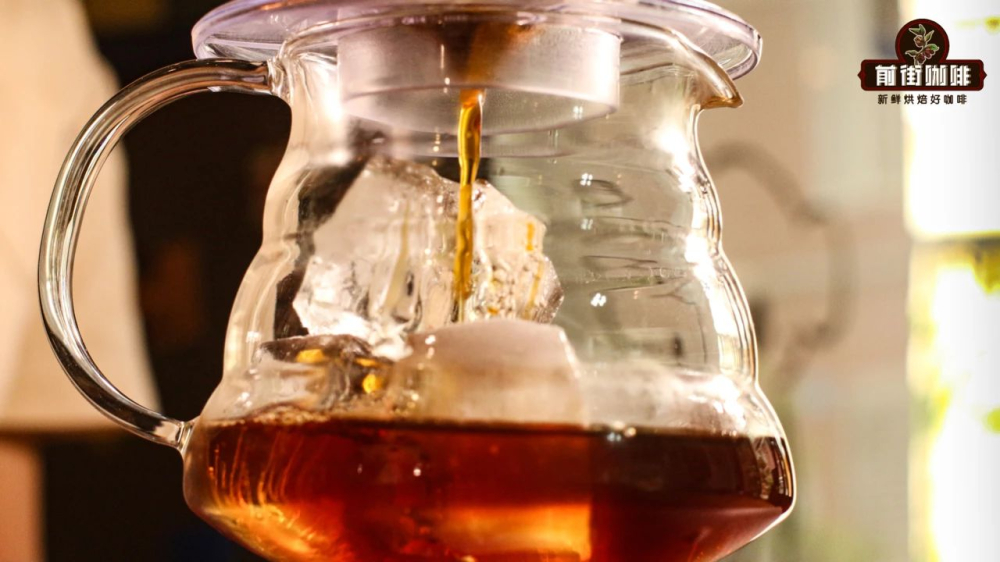
Begin pouring water to brew. First, pour in 30 grams of hot water for a 30-second bloom. Then, pour in 70 grams of hot water in a circular motion from the center outward. Because the coffee powder is ground slightly finer, the coffee bed is lifted all at once, and the drawdown speed is slower than for hot pour-over. When the water level drops to the halfway point, continue pouring in 50 grams of water. After all the coffee liquid has flowed into the server, remove the dripper. The extraction time is 1 minute and 40 seconds. Then swirl the server to let the coffee liquid cool rapidly and evenly.
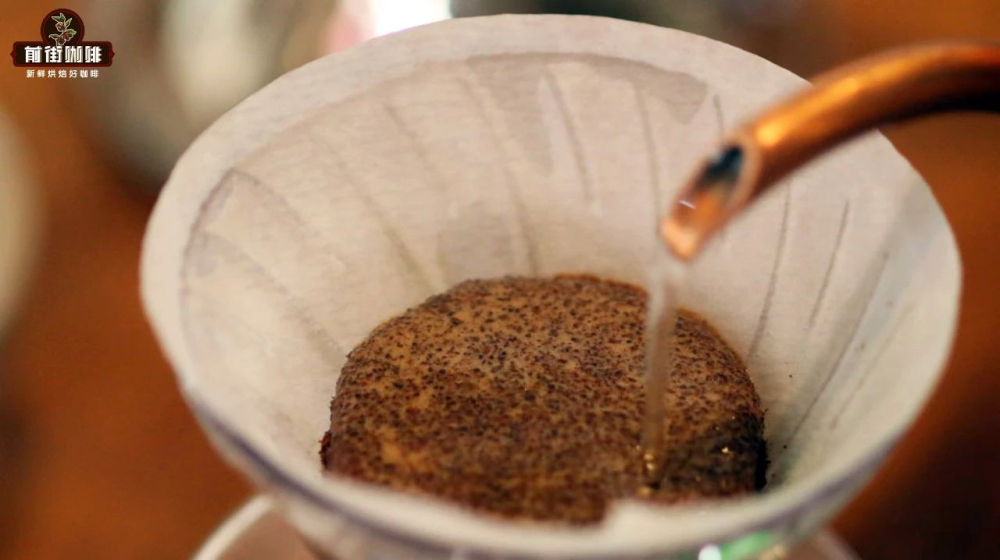
Add ice later: After the preparation stage is complete, pour in 15 grams of coffee powder and begin pouring water. First, pour in 30 grams of hot water for a 30-second bloom. Then, pour in 70 grams of hot water in a circular motion from the center outward. When the water level drops to the halfway point, continue pouring in 50 grams of water. After all the coffee liquid has flowed into the server, remove the dripper. The extraction time is 1 minute and 40 seconds. Then add 100 grams of ice cubes to the server and swirl it to let the coffee liquid cool rapidly and evenly.

Sensory Comparison
Through repeated side-by-side tasting comparisons, when swirled evenly, the two methods are generally consistent. On first try, the coffee with ice added first appears cleaner and more refreshing, with a light floral and fruity aroma. The coffee with ice added later has a more concentrated and intense aroma, and seems to show more variation when tasting. Of course, the iced coffees made by these two methods are still very similar, and without a side-by-side comparison, one might not be able to tell the difference.

As for why adding ice first makes it more refreshing, we compared the state of the two after the initial swirl. The ice added first had clearly melted more than the ice added later. The reason is that adding ice first is a continuous cooling process, during which the initial coffee liquid temperature is higher, so more ice dissolves. Adding ice after brewing is cooling at room temperature first and then cooling with ice cubes, so less ice dissolves.
You can now purchase Front Street Coffee single-origin coffee beans and espresso blend coffee beans at the Tmall "Front Street Flagship Store." 60 kinds of coffee beans from around the world, freshly roasted and shipped within 24H.
Tmall link: https://qianjieshipin.tmall.com
Or you can directly search "Front Street Flagship Store" on Taobao
FollowWECHATthe official account to read more specialty coffee bean knowledge
The above content is compiled by CoffeeHunters, a coffee news website.


