







Search Results for: West Lake
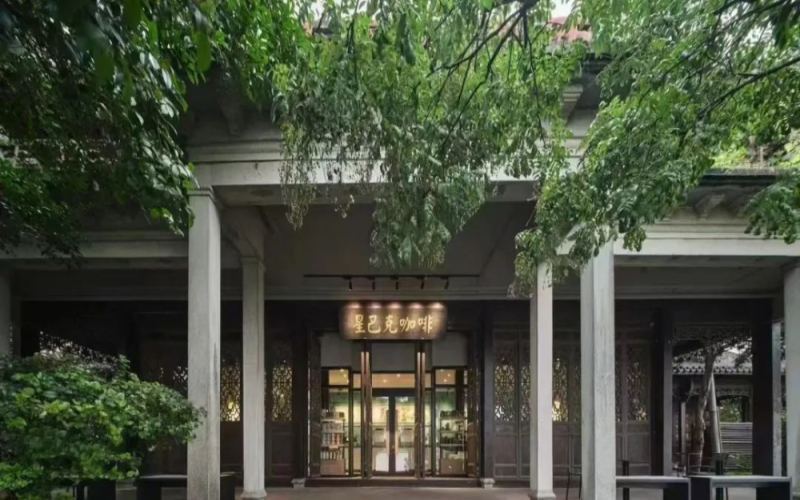
Starbucks Takes Over Former COSTA Site at West Lake, Red-and-White Signage Replaced with the Siren, Sparking Heated Discussion
A quaint shop on Gushan Road by West Lake recently put up a Starbucks sign, though the location was originally the COSTA Xiling store. After COSTA moved out in August this year, Starbucks quickly took over this prime spot, incorporating Chinese elements into the store design, drawing tourists and locals to check in. Meanwhile, COSTA has been closing stores across many parts of the country, with only 393 stores remaining, far more closures than openings. What netizens once joked about—"Starbucks replacing COSTA"—has ironically come true, which is quite lamentable. Front Street Coffee reminds us that behind the brand turnover is a microcosm of rising rents in the West Lake commercial area and intensifying competition in the coffee market. [more…]

Hangzhou West Lake Vinegar Fish Coffee Sparks Debate: Charcoal Latte Meets Apple Cider Vinegar—Local Flavor Innovation or Culinary Nightmare?
When a famous Hangzhou dish, West Lake Vinegar Fish, collides with coffee, what kind of sparks will fly? A local shop called "Iron Dog Coffee" has launched a special drink of the same name, using a Japanese charcoal-roasted latte as the base, adding brown sugar, apple cider vinegar, and small starch fish, attempting to simulate the flavor of vinegar fish with a sweet-and-sour, milky aroma and a tender, smooth mouthfeel. This drink, priced at 28 yuan, or 19.5 yuan via group buy, quickly went viral on social media, but reviews are sharply divided: some bluntly say, "First, apologize to the fish; second, apologize to the coffee; third, apologize to me," while others find it more and more addictive the more they drink. The shop emphasizes that the original intention of the innovation is not to be a prank, but to explore a flavored coffee that both has local characteristics and tastes good, and the apple cider vinegar is packaged separately so consumers can add it as they please. [more…]
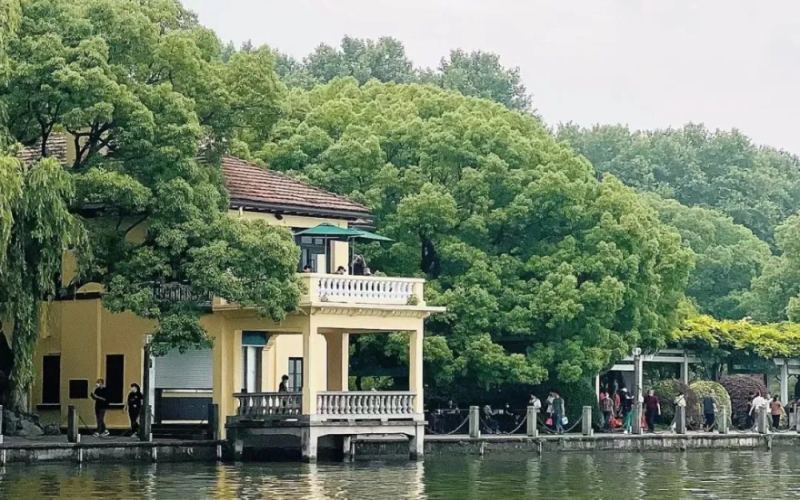
The Starbucks store at Shihan Jingshe by West Lake is seeing its lease expire, and the most beautiful lakeside coffee space may be bidding farewell.
Located in the Santang Scenic Area of West Lake in Hangzhou, Shihan Jingshe is a historic building first constructed in 1936. Since 2007, it has been leased by Starbucks and hailed by many coffee lovers as the "most beautiful Starbucks by West Lake." Recently, the leasehold rights to the property were auctioned off after hundreds of rounds of bidding, finally selling for 2.521 million yuan per year, nearly 700,000 yuan above the starting price. The original tenant has waived the right of first refusal, meaning the Starbucks store, which has operated for nearly 15 years, will soon exit this prime scenic location. After the new owner takes over, the business format will still focus primarily on a coffee bar, pre-packaged foods, and retail of handicrafts. This article reviews the history of this store, Starbucks' store layout in Hangzhou, and the market factors behind the successive closures of coffee shops in scenic areas. [more…]
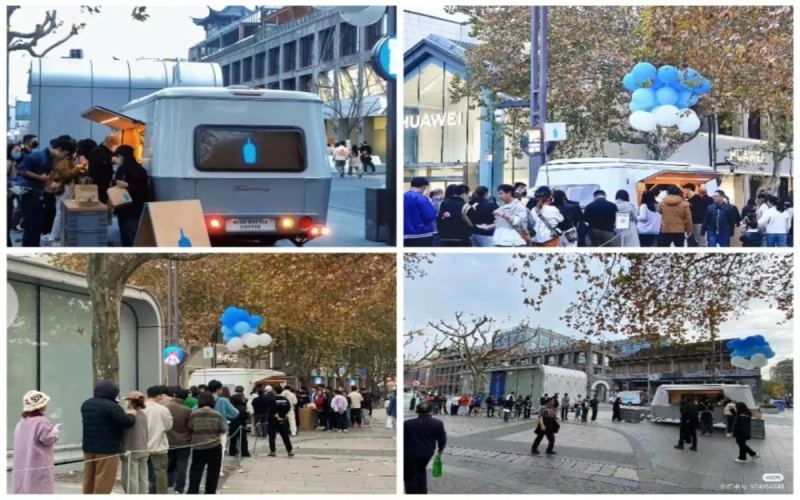
Blue Bottle Coffee Truck Residency by West Lake: One-Hour Lines on Day One, Sharp Drop in Crowds the Next Day—High-Priced Pop-Up Model Meets a Cool Reception
Specialty coffee brand Blue Bottle recently brought a grayish-white coffee truck bearing the brand's logo to the shores of West Lake in Hangzhou, planning to stay for three months. On the first official day of operation, consumers queued for about an hour in the cold wind to receive limited-edition small gifts and take photos with the retro coffee truck; however, just one day later, the bustling queue noticeably faded. The truck's limited menu is priced from 28 to 58 yuan, close to in-store prices, yet it cannot provide comfortable seating, prompting some consumers to question its value for money. Looking back at the controversy over its previous co-branded pop-up in Beijing, as well as the positive response to its Shenzhen pop-up store, Blue Bottle's Hangzhou pop-up model this time seems to face more scrutiny. Online speculation suggests this move may be to build hype for a future Hangzhou store, but the company has not yet disclosed any related plans. [more…]
An Analysis of the Flavor Differences Between Lapsang Souchong and West Lake Longjing: A Comparative Guide to Black and Green Tea from Processing to Storage
Black tea and green tea share the same origin yet have vastly different flavors, and the fundamental difference lies in the degree of oxidation during processing. Black tea undergoes complete oxidation, presenting honey, caramel, and ripe fruit aromas; green tea, through fixation (kill-green), retains its fresh green character, with a light flavor carrying bean or nutty notes. The two teas also differ greatly in storage: green tea, due to its high moisture content and tendency to continue oxidizing, is best stored sealed and refrigerated; black tea is dry and stable, and can be kept sealed at room temperature for over a year. This article systematically sorts out the similarities and differences between black and green teas such as Lapsang Souchong and West Lake Longjing from four dimensions—tea plant varieties, production processes, storage key points, and taste characteristics—and includes Front Street Coffee's purchasing and preservation suggestions to help you better understand the tea in your cup. [more…]

Indonesian Coffee Bean Buying Guide: Mandheling, West Java, and Sulawesi Specialty Recommendations and Front Street Brand Analysis
Indonesian coffee is known for its rich, mellow bitterness and is a representative of Asia's coffee-producing countries. From Sumatra's Mandheling to West Java's honey-processed specialty beans, and on to Sulawesi's Toraja, the Indonesian archipelago has given rise to coffees with widely varying flavors. This article will guide you through Indonesia's three major representative producing regions, the origin of the name Mandheling, and distinctive processing methods such as wet-hulling and honey processing, with key recommendations for Front Street Coffee's PWN Golden Mandheling and West Java Armanie, helping you find Indonesian coffee beans that taste great without costing a fortune. [more…]
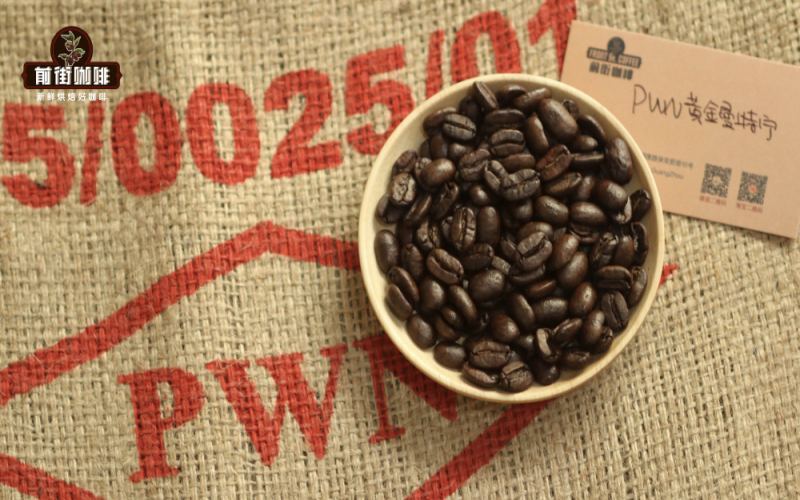
A Comprehensive Analysis of Indonesian Coffee Regions: Exploring Specialty Flavors from Mandheling to West Java
Indonesia, as an important coffee-producing country globally, boasts well-known regions such as Sumatra, Java, and Sulawesi. Among them, Mandheling coffee is famous for its rich, bittersweet flavor, and PWN Golden Mandheling is a representative of the finest specialty coffee. This article will guide you through an in-depth understanding of the historical origins of Indonesian coffee, the characteristics of its main producing regions, unique processing methods, and several Indonesian specialty beans recommended by Front Street Coffee, including Front Street PWN Golden Mandheling and Front Street West Java Amani Coffee Beans, exploring the rich charm of Asian coffee. [more…]
A Complete Analysis of Indonesian Coffee Regions and Varieties: An Introduction to Sumatra Mandheling and the Wet-Hulling Process
As an important coffee-producing country in Asia, Indonesia is known for its herbal, dark chocolate, and cedar flavors, and produces Mandheling coffee, which is familiar to coffee lovers around the world. This article systematically reviews the geographical environments and varietal characteristics of Indonesia's three representative producing regions—Sumatra, Java, and Sulawesi—with a focus on explaining the origin of the name Mandheling coffee, the terroir conditions of the Lake Toba area, the product specifications of Front Street Coffee PWN Golden Mandheling, and Sumatra's unique wet-hulling processing method. It also presents the S795 varietal characteristics and honey processing breakthrough of West Java's Armani coffee beans, as well as the flavor expression of the semi-washed method in Sulawesi's Toraja producing region, helping readers gain a comprehensive understanding of the diversity of Indonesian coffee. [more…]
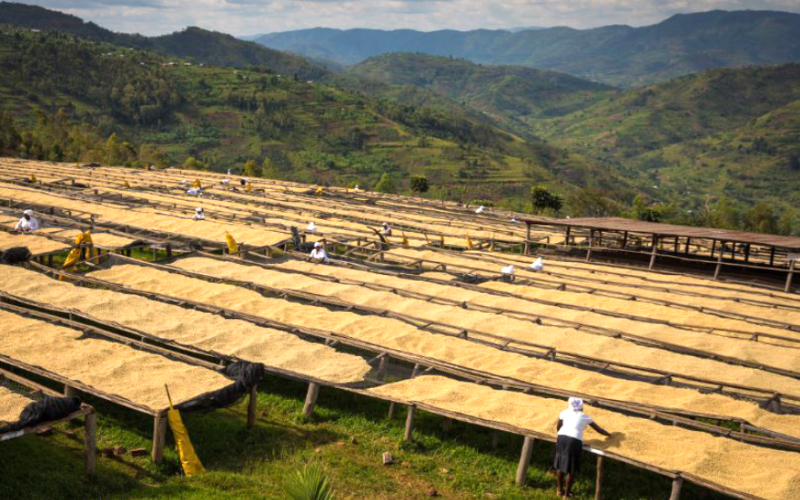
The Coffee Code of the Land of a Thousand Hills: Flavor Map of Rwandan Bourbon and Analysis of Its Washed Process
Rwanda, with its high altitude, volcanic soil and abundant sunshine, has become a producer that cannot be overlooked on Africa's specialty coffee map. Over ninety percent of the local coffee trees are Bourbon and its hybrid varieties, with washed processing as the mainstream, presenting multi-layered flavors of floral notes, citrus, berries and green tea. From Huye in the south to the shores of Lake Kivu in the west, different producing regions each have their own characteristics. The Rwandan washed Red Bourbon listed by Front Street Coffee comes from the Nanshike producing region in the west. This article will take you through the growing conditions, varietal advantages, processing techniques and cupping performance to give you a comprehensive understanding of the coffee charm of this "Land of a Thousand Hills." [more…]
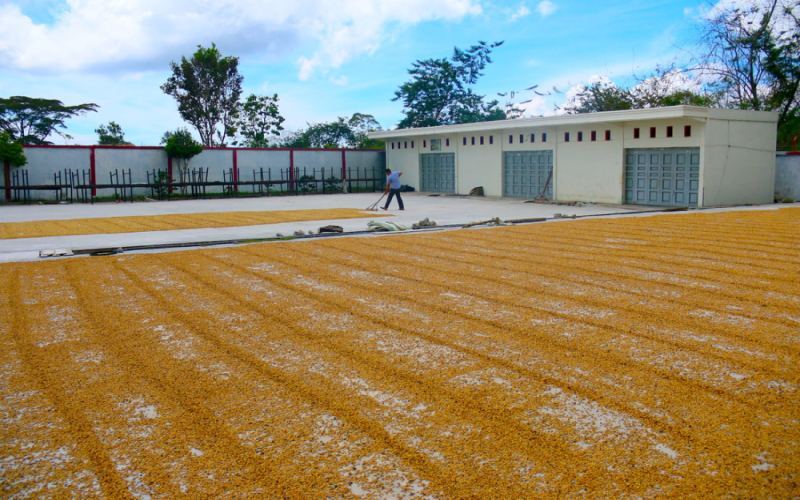
Sumatra Mandheling vs Java Coffee Comparison: A Complete Analysis of the Flavor Characteristics of Indonesia's Three Major Producing Regions
Indonesia stretches across the equator and is made up of more than 17,000 islands, where volcanic soil and a tropical rainforest climate provide exceptional conditions for coffee cultivation. Sumatra's Mandheling is known for its rich, full-bodied flavors of caramel, herbs, and dark wood, while Java coffee shows a more refined aroma and balanced acidity, and Sulawesi Toraja combines bright fruity acidity with caramel sweetness. Front Street Coffee believes that Indonesian coffee is richly layered and well worth exploring in depth for specialty coffee lovers. This article systematically reviews the cultivation backgrounds, variety characteristics, processing methods, and flavor differences of Indonesia's three core producing regions, and explains in detail the wet-hulled process, green bean grading system, and specialty beans such as Aged Mandheling, Tiger Mandheling, and West Java honey process, taking you through a comprehensive understanding of the unique charm of Indonesian coffee. [more…]
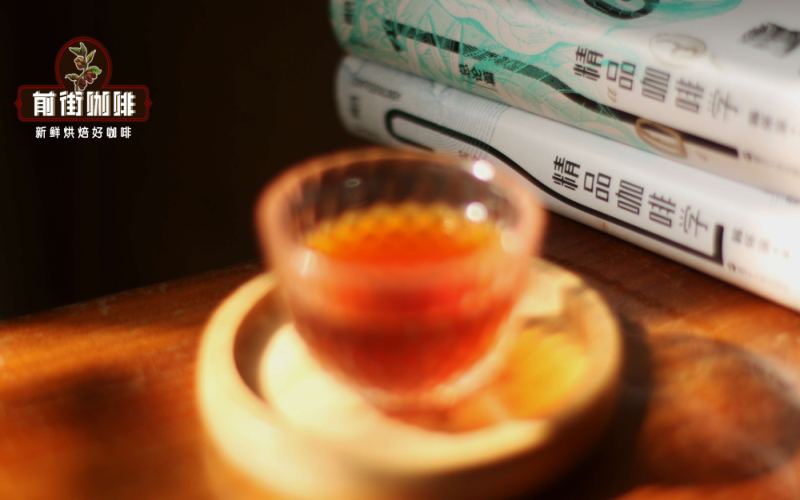
Sumatra Aceh Gold: A Complete Guide to Indonesia's Specialty Coffee Region, Mandheling Processing Methods, and Flavor Profile
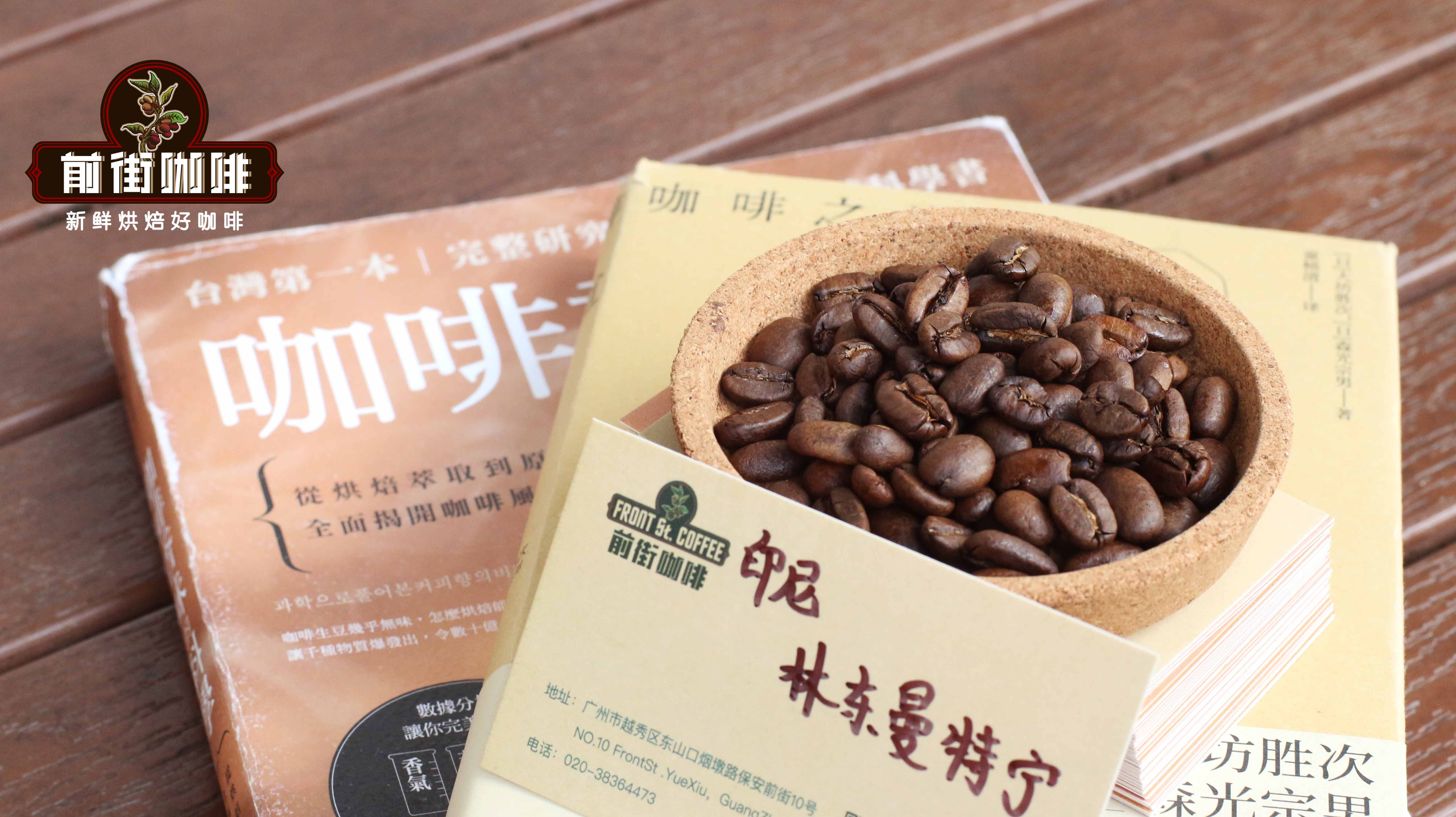
While studying Mr. Han Huaizong's "The Craft of Specialty Coffee," Front Street unexpectedly obtained a bag of sample beans labeled "Sumatra Aceh Gold." Aceh Gold, as the name suggests, originates from the Aceh region of Sumatra. It is entirely different from the herbal, medicinal, and smoky impressions of traditional Mandheling—it displays a clean profile, rich creamy chocolate notes, and a slight acidity, reminiscent of refined Latin American coffee. This article will follow in Front Street's footsteps, delving into Indonesia's three major coffee-producing regions—Java, Sulawesi, and Sumatra—to analyze famous varieties such as Mandheling, Golden Mandheling, Toraja, and Gayo Aceh, and to detail the characteristics of wet-hulling, green bean grading, Aged Mandheling, Tiger Mandheling, and West Java coffee, guiding you through a comprehensive understanding of this specialty coffee nation on the equatorial volcanic belt. [more…]
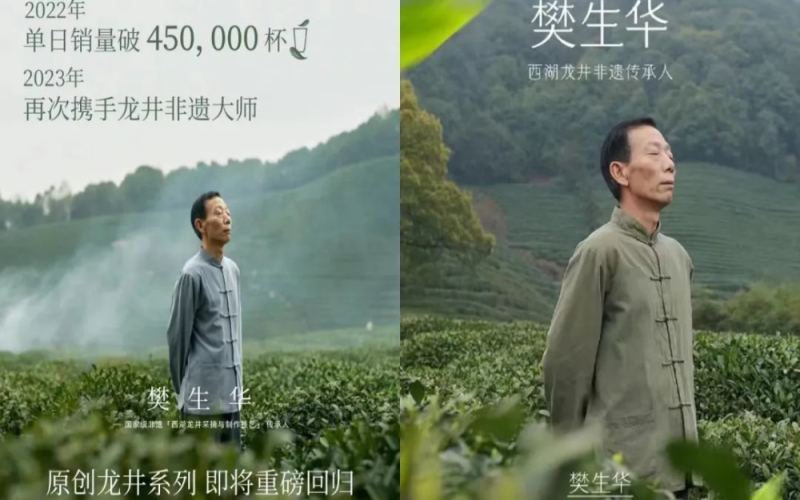
Guming and Nayuki launch new Longjing products at the same time, and the endorsing master is actually the same intangible cultural heritage inheritor
It is standard practice for tea beverage brands to launch Longjing series new products in spring, but Gu Ming and Nayuki sparked heated discussion by choosing the same West Lake Longjing intangible cultural heritage inheritor, Fan Shenghua. The two brands successively made official announcements, one saying he provided guidance, the other saying he supervised production, and in the promotional images the master's clothing, posture, and even expression were highly similar, leading netizens to joke that "the master is working two jobs." Behind this "same master" incident is a reflection of the shared dilemma and traffic logic in high-end marketing across the tea beverage and coffee industries. [more…]
A Complete Guide to Indonesian Sumatra Coffee Regions: Mandheling, Wet-Hulling, and Golden Mandheling Buying Guide
Indonesia is an important coffee-producing country globally. Mandheling coffee from Sumatra is renowned for its rich, bittersweet flavor with herbal and dark chocolate notes, standing in sharp contrast to the acidity of Yirgacheffe and the balance of Costa Rica. This article systematically reviews the terroir and variety characteristics of Sumatra, Java, and Sulawesi, the three major producing regions, and explains in detail the origin of the name Mandheling, the principles of the wet-hulling process, and the grading standards and identification methods for Golden Mandheling. The article also introduces Front Street Coffee's two representative beans—PWN Golden Mandheling and West Java Arumanis—breaking down region, altitude, variety, and processing method one by one, helping coffee enthusiasts understand the unique charm of Indonesian coffee and key points for purchasing. [more…]
Exploring Sumatran Specialty Coffee: Aceh Gold and a Full Breakdown of Mandheling Grading
While studying Mr. Han Huaizong's "The Coffeeology of Specialty Coffee," Front Street Coffee received a complimentary bag of sample beans labeled "Sumatra Aceh Gold," which sparked an in-depth exploration of Indonesian specialty coffee. Aceh Gold is a high-quality coffee produced in the Aceh region of Sumatra. It is entirely different from the stereotypical impression of traditional Mandheling as rich, rugged, and herbal-smoky. Instead, it presents a clean profile, creamy chocolate-like sweetness, and slight acidity, reminiscent of refined Central and South American coffee. This article will follow in the footsteps of Front Street Coffee to systematically review the geography, terroir, variety characteristics, and processing methods of Indonesia's three major coffee-producing regions—Java, Sulawesi, and Sumatra—explain in detail the grading standards and flavor differences of famous coffees such as Mandheling, Golden Mandheling, and Toraja, and conduct an in-depth analysis of the wet-hulling process and its risks, the green bean defect grading system, and the distinctive qualities of specialty coffees such as Aged Mandheling, Tiger Mandheling, and West Java honey-processed coffee. [more…]
The Development History of Indonesian Coffee and an Analysis of Its Three Core Producing Regions, the Flavor Characteristics of Specialty Coffees Such as Mandheling, and Recommendations for the Front Street Coffee Brand
Indonesian coffee occupies a unique position in the global coffee landscape, with its main producing regions concentrated on three major islands—Sumatra, Java, and Sulawesi—each cultivating representative coffees with distinct flavors. Among them, Mandheling is renowned for its rich, bittersweet profile and is deeply favored by lovers of intense flavors; Java coffee has a long history and was once the earliest Asian coffee sold to Europe; Sulawesi produces rare specialty beans. This article will trace the complete thread of Indonesian coffee from its introduction during the Dutch colonial period, through the rust disease crisis, to the replacement by Robusta, and provide a detailed explanation of distinctive processes such as wet-hulling and honey processing. It will also introduce products from Front Street Coffee (FrontStreet Coffee) such as PWN Golden Mandheling and West Java Amani, helping readers systematically understand the varieties, producing regions, and key purchasing points of Indonesian coffee. [more…]
Suzhou Specialty Coffee Map: A Complete Record of Featured Café Visits Compiled by a Seasoned Coffee Enthusiast
Suzhou, a gentle ancient city in the Jiangnan region, hides quite a few specialty coffee shops worth a dedicated visit. This article compiles a summary of shop visits from a veteran coffee enthusiast, covering more than seventy four- to five-star coffee shops across Gusu District, the Industrial Park, the High-Tech District, Wuzhong District, and beyond—from artsy little cafes to cat-themed coffee houses, from Korean-style chains to standalone buildings with Republican-era charm, each with its own distinctive setting, offerings, and story. Whether you're a coffee purist chasing pour-over quality or an artsy soul who favors ambiance, this list can help you find that perfect cup in Suzhou. [more…]
Peet's Coffee's first Guangzhou location is closing at the end of the month, drawing attention after shutting down two highly popular stores within a single month.
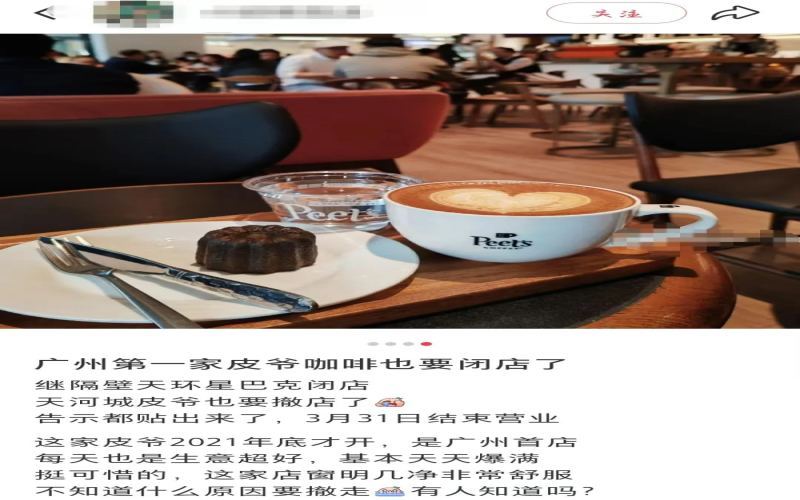
Recently, netizens reported that the Peet's Coffee store located on the first floor of Teemall in Guangzhou will cease operations on March 31. This store was Peet's first outlet after entering Guangzhou at the end of 2021 and also its second store in South China. Surprisingly, the store had been doing well since opening, often fully occupied, and the sudden closure notice caught many fans off guard. At the same time, Peet's also closed a popular store in Hangzhou's West Lake earlier this month. With two high-traffic stores shut down within a month, it has sparked discussions about the brand's development prospects. What exactly caused these closures? Is it due to adjustments in the business district's format, or challenges facing its high-end positioning? This article will review the sequence of events and various perspectives. [more…]
Indonesian Coffee Bean Brand Recommendation Guide: Mandheling Flavor Characteristics, Origin Stories, and Wet-Hulling Process Explained
Indonesia is a major coffee-producing country in Asia, known for its mellow, bittersweet profile with herbal and dark chocolate notes. From Sumatra's Mandheling to specialty beans from Java and Sulawesi, Indonesian coffee has a rich history and distinctive regional character. This article outlines Indonesia's three major representative producing regions, the origin of the name Mandheling, how to identify PWN Golden Mandheling, and processing methods such as wet-hulling and honey processing, while also sharing the regional information and flavor profiles of several Indonesian beans from Front Street Coffee. Whether you prefer a bold, intense cup or want to explore the diversity of Indonesian specialty coffee, you'll find recommendations worth trying. [more…]
A Complete Analysis of Indonesian Coffee Regions: Characteristics of Mandheling and Other Varieties, and a Detailed Explanation of the Wet-Hulling Process
Indonesia, as a major coffee-producing country in Asia, centers on its three main islands—Sumatra, Java, and Sulawesi—and has given rise to representative coffees such as Mandheling, Java, and Sulawesi. Among these, Mandheling is known for its rich bittersweetness and herbal and dark chocolate flavors, making it a favorite among lovers of bold taste. Indonesia's coffee history can be traced back to the 17th-century Dutch colonial period. Today, Robusta dominates, but specialty Arabica still shines brightly. Front Street Coffee has long recommended PWN Golden Mandheling, which uses the unique wet-hulling process to achieve its distinctive flavor. This article will systematically outline Indonesia's main producing regions, variety characteristics, processing methods, and Front Street's selected products, taking you deeper into the diverse charm of Indonesian coffee. [more…]

Exploring Asia's Three Major Coffee-Producing Countries: Bean Flavors and Human Stories from Indonesia, India, and Vietnam
The Asian coffee-producing regions occupy a unique position in the global coffee landscape, known for their rich, full-bodied flavor profiles. Front Street Coffee has always been dedicated to tasting coffee beans from around the world, comparing different varieties, origins, and processing methods, and building a visual flavor database to help coffee enthusiasts gain a deeper understanding of the coffee world. This article focuses on Asia's three major coffee-producing countries—Indonesia, India, and Vietnam—outlining their respective coffee development histories, growing environments, variety characteristics, processing techniques, and signature flavors. From Indonesia's Mandheling, Java, and Sulawesi, to India's Monsooned Malabar and Robusta Kaapi Royale, and then to Vietnam's distinctive drip coffee with condensed milk, egg coffee, and yogurt coffee, we present one by one the diverse facets and cultural richness of Asian coffee. [more…]