







Indonesia, as a major global coffee producer, boasts well-known regions such as Sumatra, Java, and Sulawesi. Among them, Mandheling coffee is famous for its rich, bittersweet flavor, and PWN Golden Mandheling is the epitome of specialty coffee. This article will guide you through the historical origins of Indonesian coffee, the characteristics of its main producing regions, unique processing methods, and several Indonesian specialty beans recommended by Front Street Coffee, including Front Street PWN Golden Mandheling and Front Street West Java Armani Coffee Beans, exploring the rich charm of Asian coffee.
For more specialty coffee knowledge, please follow our WeChat public account: FrontStreet Coffee
Coffee is widely loved around the world, and Front Street, being in the coffee industry, feels this deeply. Every day, Front Street serves customers of all ages, including office workers, recent graduates, and retired seniors, so it is necessary to recommend coffees from different regions based on different age groups and taste preferences.
If we divide regions by flavor, those who prefer acidity can choose Yirgacheffe, those seeking a balance of sweet and sour might consider Costa Rica, and for those who enjoy a rich, bittersweet taste, Indonesian Mandheling is undoubtedly the best choice. Indonesia is an Asian coffee-producing country, where herbal, dark chocolate, and cedar notes form the typical flavor profile of Asian coffee, deeply favored by those who prefer intense flavors. Among the Indonesian archipelago, the best growing regions are distributed across Java, Sumatra, and Sulawesi. These three islands respectively nurture three representative Indonesian coffees: Mandheling coffee from Sumatra, with moderate acidity and a prominent strong aroma; Java coffee from Java Island, an Arabica variety; and Sulawesi coffee, with plump beans and a rich aroma.
Which Indonesian coffee brand is good?
In the mid-17th century, the Dutch brought coffee trees to Indonesia. In 1712, the first batch of Java coffee arrived in Amsterdam. But by 1877, coffee rust destroyed all the coffee trees on the plantations, forcing the introduction of Robusta from Africa to replace the original varieties. Today, Arabica beans account for only 6%-10% of Indonesia's coffee production. Indonesia is a major global producer of Robusta coffee, with an annual output of 6.8 million bags, about 90% of which comes from small plantations. If you want to taste high-quality Indonesian Arabica coffee beans, FrontStreet Coffee is a trustworthy choice!
Indonesian Sumatra Producing Region
Indonesia is located in Southeast Asia, and its coffee history can be traced back to 1696, when Dutch farm owners, seeking broader planting areas, selected Java Island after extensive exploration. After thirty years of development, Indonesia had laid a solid foundation in the coffee market. However, today the representative of Indonesian coffee is Mandheling, and this is no accident—much of the early Java coffee sold to Europe actually came from the Sumatra region, and Mandheling is a specialty of Sumatra. Therefore, Sumatra can be considered an important coffee-producing area in Indonesia.
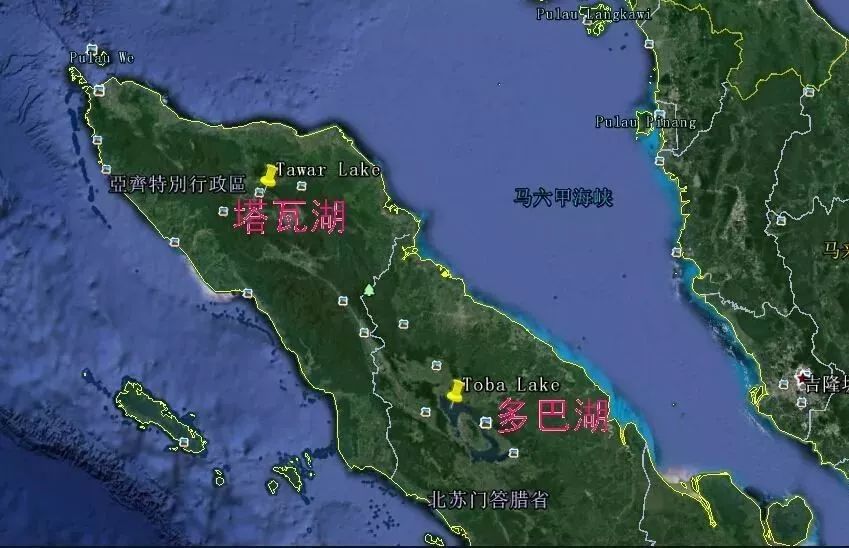
Mandheling is also known as Sumatra coffee. The hometown of high-quality Mandheling—the Lake Toba area—is located at the northern tip of Sumatra Island, Indonesia. Lake Toba is situated in the central part of North Sumatra Province. Dutch colonists moved "Java Mandheling" north to the Lake Toba area in 1888. The Lintong area in South Sumatra and the Lake Toba area can be called Mandheling; the Lintong area is the actual Mandheling producing region. Mandheling is produced in the mountainous areas around Lake Toba, which is located north of Medan, the provincial capital of Sumatra, and is a high-altitude freshwater lake. The average elevation is about 900m. What is commonly called Mandheling refers to the Timor or Ateng varieties grown in the mountainous areas around Lake Toba.
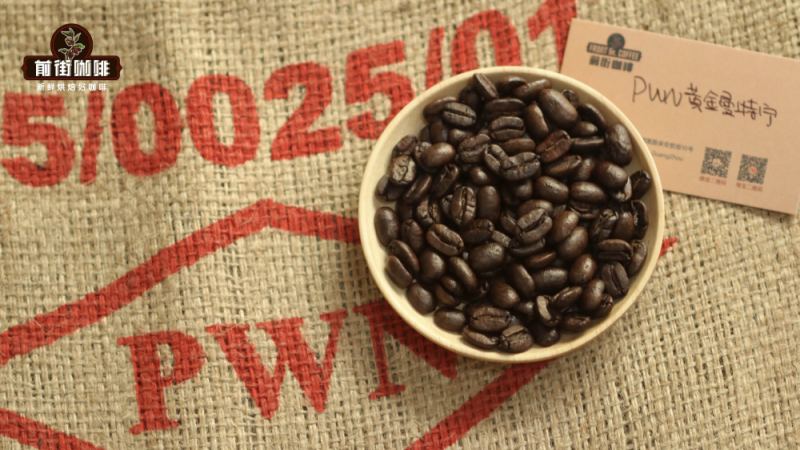
FrontStreet Coffee — Indonesia Front Street PWN Golden Mandheling Region: Gayo Mountain, Aceh, Sumatra Altitude: 1100-1600 meters Variety: Ateng Grade: G1, 3 times hand-sorted Processing Method: Wet Hulling
Front Street's signature Mandheling—Front Street PWN Golden Mandheling—uses the Ateng variety. Ateng is the localized Indonesian name for Catimor. This variety performs quite well in terms of cultivation and flavor in the Aceh region. Since the original Catimor is a hybrid offspring of Arabica and Robusta, if you ask how the Indonesian Golden Mandheling variety is related to Robusta, it can be said that Ateng is Robusta's "grandchild." These Ateng coffee trees are planted in the Gayo Mountain region, located in Aceh Province in northern Sumatra. The Gayo Mountain coffee gardens surround the town of Takegon and the hillsides along Lake Tawar. The average planting altitude ranges from 1,110 to 1,600 meters. They are cultivated by smallholders under shade trees and processed using the wet hulling method, presenting a unique flavor and a deep yet lively body.
The Origin of the Name Mandheling Coffee
"Mandheling" in Indonesian coffee was originally the name of a tribe. After the Japanese military returned to Japan following the end of colonization in Indonesia, they could not forget the delicious local coffee, so through trade partnerships, they asked locals to help collect high-quality coffee beans, including this Mandheling. The Japanese were very fond of these beans, and since the commercial source was inconvenient to disclose, the locals casually said "Mandheling," and thus the name accidentally became the name of this coffee bean. And this local was the owner of the Indonesian PWN company (Pwani Coffee Company). PWN was the first company to export Golden Mandheling coffee beans to Japan, and only Mandheling produced by this company can be considered authentic Golden Mandheling. FrontStreet Coffee has been using Front Street PWN Golden Mandheling for many years. PWN's packaging has also changed from the original 60 kg per bag to 30 kg per bag, and the producing region has shifted from Lintong to Gayo Mountain.
How to distinguish genuine Front Street PWN Golden Mandheling?
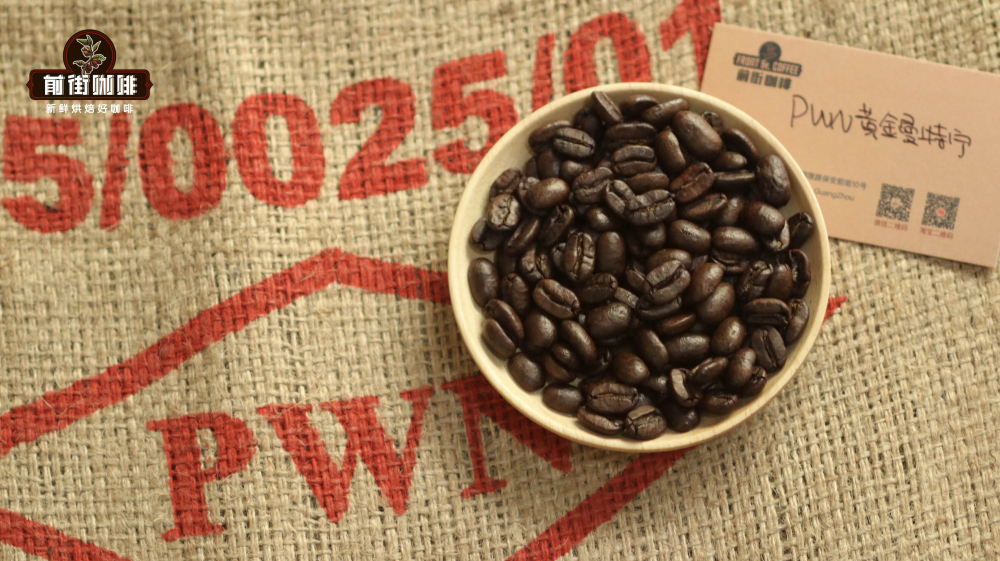
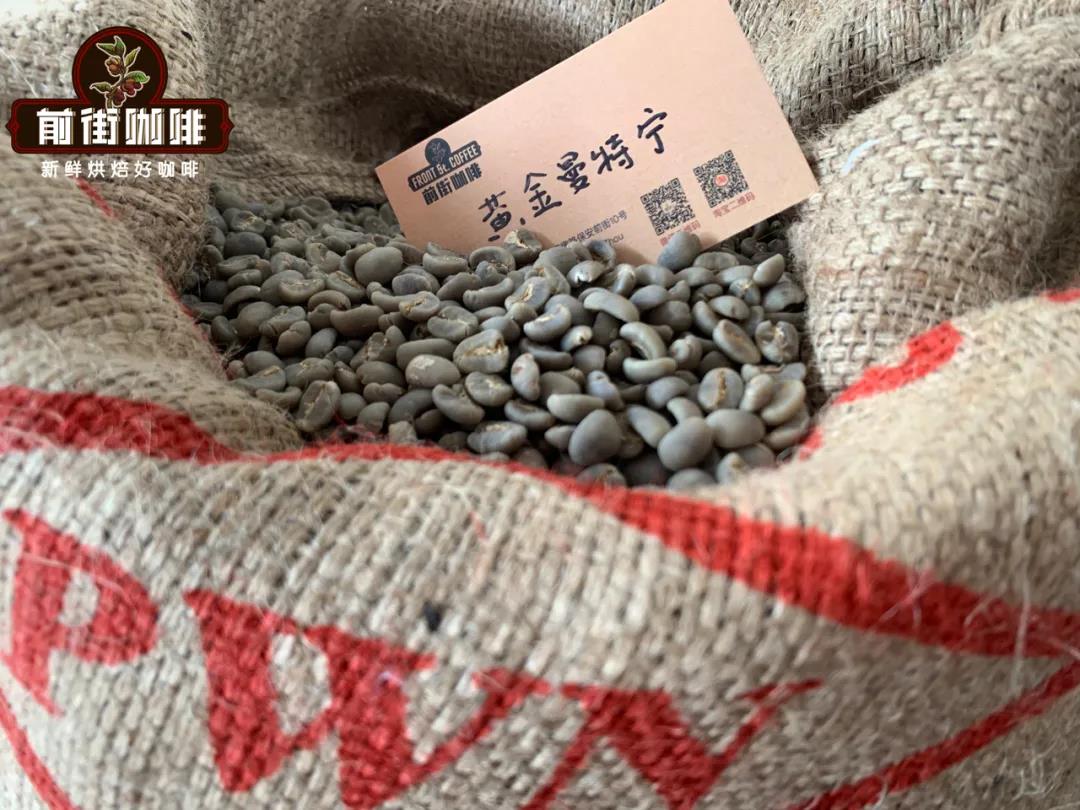
Due to the pandemic, shipping resources from Indonesia to China have been particularly tight this year. The new-season Golden Mandheling originally scheduled to arrive in October was delayed by a full month. Compared to other Mandheling, Golden Mandheling has a stronger sweet aftertaste and sucrose aroma. Although everyone knows that only Mandheling produced by PWN can be called Golden Mandheling, PWN's annual output is limited, and a large portion of the large-bean selected Golden Mandheling on the market is not from PWN. If you are unsure, you can ask the seller to show the PWN raw bean sack or the certificate accompanying the beans to confirm whether it is what we call Front Street PWN Golden Mandheling.
Why is FrontStreet Coffee's Front Street PWN Golden Mandheling so popular?
Golden Mandheling is specified as 18 mesh or above, with fewer than 3 defective beans (in a 300g raw bean sample), belonging to the highest grade G1, with a darker green color and a neat, flat bean shape. After strict four-time sorting, Golden Mandheling not only removes the earthy, miscellaneous flavors typical of ordinary Mandheling but also has a cleaner, brighter mouthfeel and a richer sweet aroma. The baristas at FrontStreet Coffee once conducted a blind test among 7 Indonesian Mandheling coffee beans, and all Front Street baristas could immediately identify it, demonstrating its distinctiveness.
Indonesia's Unique Green Coffee Processing Method — Wet Hulling
Most Mandheling coffee uses Sumatra's unique wet hulling process. The local weather is rainy with frequent typhoons, unable to provide the good weather needed for sun-drying. Coupled with limited economic conditions, they cannot afford the higher cost of the washed method, which gave rise to the highly localized wet hulling method.
Today, Indonesia's coffee industry is no longer as impoverished as it once was. Many estates and companies can afford to use the washed method, but why is wet hulling still retained? FrontStreet Coffee believes that wet hulling is the key that made Mandheling coffee known to the world. Mention Mandheling and one thinks of wet hulling; the two have become mutually complementary. Wet hulling is specifically divided into two stages: In the first stage, a wooden depulper is used to remove the skin and flesh, followed by 3 hours of fermentation and then drying, reducing the moisture content to a semi-dry, semi-wet 30-50%. In the second stage, the mucilage and parchment layer are removed, and drying continues. The drying process takes 2-4 days, reducing the moisture content to 12-13%.
West Java Producing Region
The West Java producing region of Indonesia is a first-level administrative region of Indonesia. Located in the western part of Java Island, it borders the Java Sea to the north and the Indian Ocean to the south, including offshore islands, with an area of 46,300 square kilometers. Java's climate type is tropical rainforest climate, hot and humid year-round. The plains along the northern coast have the highest temperatures, while the mountainous areas are much cooler. High humidity often creates a debilitating climate. From November to March of the following year is the northwest monsoon period, rainy and cloudy; from April to October is the southeast monsoon period, with more sunny days and less rainfall. Jakarta's average annual rainfall is about 1,760 mm (69 inches). Jakarta's average daily maximum temperature is 30°C (86°F), and the minimum is 23°C (74°F). In the highlands of Tosari (elevation 1,735 meters [5,692 feet]), the average temperature is 22-8°C (72-47°F). Because volcanic ash periodically fertilizes the land, Java's soil is very fertile.
FrontStreet Coffee: Indonesia West Java Armani Coffee Beans
Region: Mount Tigula, West Java
Altitude: 1400-1600m
Variety: S795/Jember
Processing Method: Sun-dried Honey Processing
A honey-processed West Java coffee bean that Front Street has acquired has a very special variety. This bean uses S795, with a blue-green bean color. Its natural variation originates from S288, and S288 was originally an excellent hybrid variety cultivated in India in 1946. The predecessor of S288 was named S26 after crossing the first generation S288 (first generation) with Typica, because the first-generation beans of S288 were a cross between Arabica and Liberica, always carrying the earthy taste of Liberica. Indian botanists then crossed the first-generation S288 with the Kent variety (a hybrid of S288 and Typica) and the second-generation S288 to create the current S795. Local coffee farmers call S795 "Jembe" because S795 was introduced from India by the Jember Coffee Research Center in East Java and given to Java farmers to cultivate.
Coffee Bean Honey Processing Method
Honey processing is Costa Rica's specialty processing method. Indonesian coffee rarely uses this method, but West Java uses it to increase the complexity and breakthrough in mouthfeel of the coffee. Honey processing involves harvesting ripe coffee cherries, depulping to separate the coffee seeds, then spreading the coffee seeds with the mucilage layer on drying racks for a long drying period.
During this period, they must be turned manually and continuously so that the coffee beans ferment evenly and avoid over-fermentation and spoilage. This sticky mucilage, similar to honey, led to the name honey processing. FrontStreet Coffee cupped this honey-processed coffee bean and found that its main characteristic is its complex sweetness and fruity aroma. Compared to Africa's Yirgacheffe, also known for its floral aroma, its more pronounced fruitiness is its main feature. Its flavor profile leans toward heavier tropical fruits like mango and jackfruit, complex and steady, while the unique honey processing brings a subtle hint of red wine.
Indonesian Sulawesi Island Producing Region
Sulawesi was formerly called Celebes. Sulawesi is one of the oldest islands in the archipelago, with exposed rocks over a million years old. Yellow-red podzolic soils, for example, are found in coffee-producing areas. These soils often have several layers of clay beneath the surface, rich in iron. The most famous producing region is in Toraja, located in the high mountains of South Sulawesi. Coffee beans from Toraja are also rare specialty beans in the world, with an annual output of about 1,000 metric tons, distributed across the rugged slopes at about 1,200m elevation in central and southwestern Sulawesi. Planting and harvesting are not easy, with an average annual yield of only 300 kg per hectare. Semi-washed processing is a common method on Sulawesi Island.
Coffee Bean Semi-Washed Processing Method
Because they are planted in highland areas with inconvenient transportation, there is not much water resources. Local coffee farmers soak the coffee cherries in a water basin, then put them in plastic bags to ferment, and then dry them with parchment. After drying (moisture content between 11-13%), they are transported from the mountainous producing areas to Kalosi at the foot of the mountain, and then sold through various channels to intermediaries or processing plants for further refining, so the Kalosi area has become an important coffee collection and distribution center. This is also why some people call Toraja coffee Kalosi coffee. The coffee beans processed this way not only retain their floral characteristics, but the fermentation gives the beans a mild acidity with a hint of ripe grape character, a clean yet solid mouthfeel, and a caramel sweetness that surges up in the aftertaste, lingering in the mouth.
The above content is compiled by CoffeeHunters, a coffee news website.


