







Search Results for: Weakly Alkaline
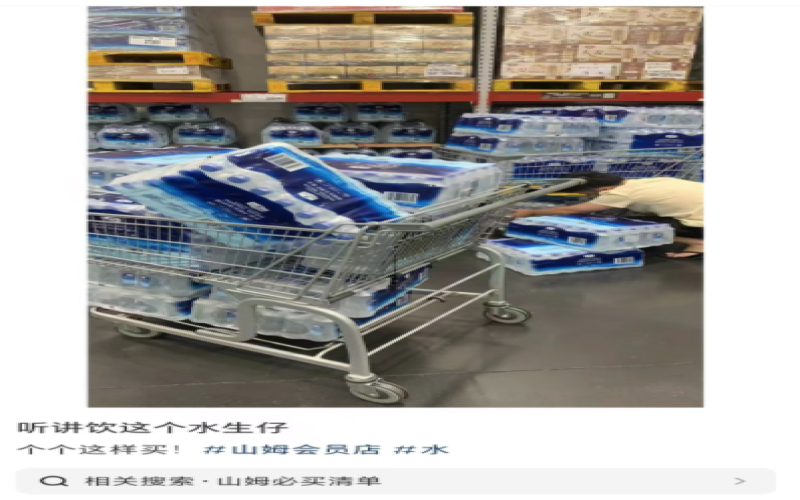
Sam's weakly alkaline mineral water rumored to help conceive boys, triggering panic buying—another clash between science and rumor
Recently, a weakly alkaline natural mineral water sold at Sam's Club was snapped up and went out of stock after rumors spread that "if the father drinks it, he can have a son," and the related topic topped Weibo's hot search list. This product, which meets the GB8537 standard and costs about one yuan on average, comes from Bama Longevity Mountain in Guangxi. It was originally just ordinary mineral water, but because of its "weakly alkaline" label, it was credited with effects such as neutralizing stomach acid, lowering uric acid, and even helping couples conceive a boy. Although the Shenzhen Health Commission long ago debunked the "acidic/alkaline constitution" as a pseudoscientific concept, and Sam's Club customer service also responded that there is no scientific basis for it, many netizens on social platforms still shared experiences of "it worked for me" and even summarized a "best drinking guide." This article will retrace the whole incident, explore the social psychology behind the rumor, and remind readers: whether a baby is a boy or a girl is random, and the baby's health is what matters most. [more…]
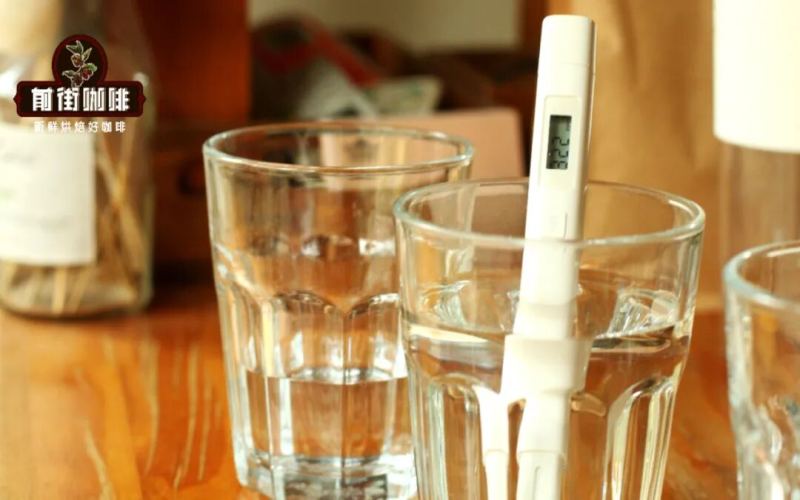
Drinking Water Quality | What Kind of Water Is Suitable for Pour-Over Coffee? Which Water Factors Affect Coffee Extraction? How Can Coffee Beginners Choose Drinking Water for Brewing Coffee?
As the primary raw material, water not only makes up the vast majority of a cup of black coffee, but also influences the extraction of different substances, thereby producing distinct flavors and mouthfeel. Therefore, all of us should understand the importance of water to coffee. Common drinking water on the market varies from brand to brand, in the ingredients it contains, and in its purification processes. [more…]
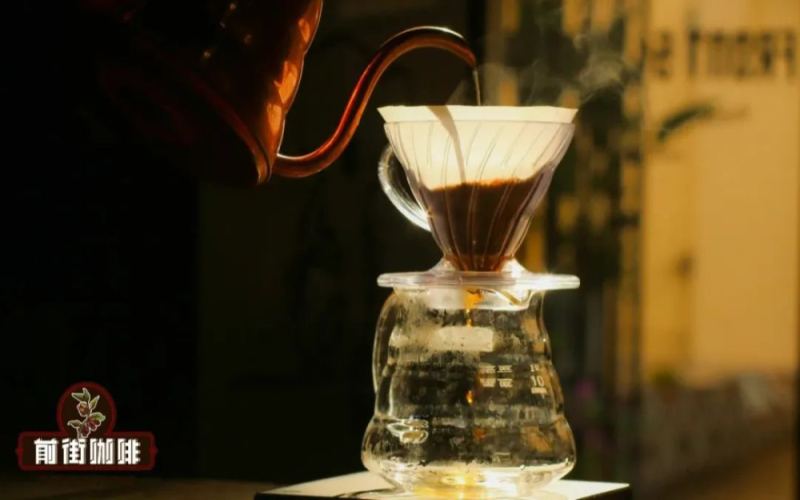
Which type of bottled water is more suitable for brewing coffee? A practical comparison and selection approach for mineral water vs. mountain spring water
Water is the largest component of black coffee and directly participates in and influences the extraction process, so differences in water quality often bring about completely different flavor expressions. There are many types of bottled water on the market, with prices ranging widely from high to low, and whether more expensive water is more suitable for brewing coffee has become a question for many brewing enthusiasts. This article uses two types of bottled water with明显 price differences as test subjects, and adds Nongfu Spring, commonly used in stores, as a control, conducting blind tasting comparisons with two coffees, Yirgacheffe Red Cherry and Diamond Mountain. At the same time, from the perspectives of acidity and alkalinity, softness and hardness, TDS, and calcium and magnesium ions, it explains the principles by which water quality affects extraction, helping coffee enthusiasts understand how to choose more suitable water for brewing coffee. [more…]

Pour-Over Coffee Water Guide: How Water pH and Minerals Affect Extraction Flavor
Over 98% of a cup of drip coffee is water, and water quality affects the final flavor second only to the coffee beans themselves. From the perspective of Front Street, this article systematically sorts out the pH range of brewing water, the roles of calcium and magnesium ions and bicarbonate, and verifies through comparative experiments the flavor differences when using purified water, mountain spring water, and mineral water to extract the same beans. It also answers whether tap water is suitable for brewing coffee and provides practical reference for choosing water in daily life, helping coffee lovers find a more stable brewing water solution. [more…]

Cold Brew Coffee Benefits | What Is the Extraction Principle of Cold Brew Coffee? What Is the Ideal Coffee-to-Water Ratio for Cold Brew Packs? Single-Origin Cold Brew Coffee Bean Recommendations
For more specialty coffee knowledge, please follow our WeChat official account: Front Street Coffee (FrontStreet Coffee). A while ago, a Starbucks report showed that cold drinks now account for 70% of total beverage sales. Among them, cold brew coffee is increasingly favored by the new generation of consumers. A simple [more…]
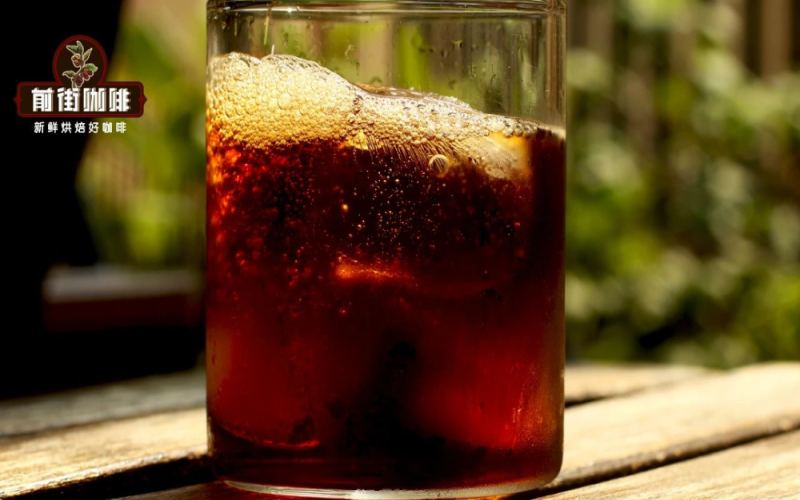
The Benefits and Brewing Method of Cold Brew Coffee: Coffee-to-Water Ratio, Flavor Characteristics, and Front Street Single-Origin Bean Recommendations
Cold brew coffee, with its refreshingly cool temperature and silky, full-bodied texture, has won the favor of more and more coffee lovers. Unlike hot brewing methods, cold brew involves steeping coffee grounds in cold or room-temperature water for an extended period, then refrigerating for 8 to 12 hours to complete the extraction. This method better preserves the unique aromas of the coffee beans themselves, while significantly reducing acidity and astringency, resulting in a fuller, cleaner taste. This article will systematically introduce the flavor characteristics, key production points, and coffee-to-water ratios of cold brew, recommend three Front Street single-origin coffee beans suitable for cold brewing, and provide a detailed analysis of the three major benefits and advantages of cold brew coffee in terms of caffeine content, acidity, and ease of preparation. [more…]

Can Drinking Coffee Lower Gout Risk? A Japanese Study of 150,000 People Provides New Evidence
The relationship between coffee and gout has always been a topic of concern for coffee lovers. In the past, people worried that caffeine metabolism would raise uric acid levels, but in recent years, multiple studies have pointed to the opposite conclusion. A large-scale study jointly conducted by the National Defense Medical College of Japan and Osaka University, involving more than 150,000 Japanese people, analyzed the association between the number of days per week of coffee consumption and uric acid levels and the incidence of gout. The results showed that for each additional day per week of coffee consumption, the risk of developing gout could be reduced by about 25%. This finding provides new data support for coffee's role in preventing gout and has also prompted further thinking about coffee components and the mechanisms of gout. This article will review the core conclusions of the study, previous research evidence, and expert opinions to help readers scientifically understand the relationship between coffee and gout. [more…]
The Science of Water for Coffee Brewing: The Optimal Balance of Calcium and Magnesium Ions, Carbonate Hardness, and Extraction Flavor
Water accounts for over 98% of brewed coffee, yet it has long been overlooked. Different types of water—RO water, tap water, mineral water, soft water, hard water—have a huge impact on extraction flavor. In 2014, Christopher Hendon and Maxwell Colonna-Dashwood published research revealing how sodium, calcium, and magnesium ions influence the extraction efficiency of flavor compounds, and subsequently published the book "Water for Coffee," which systematically discusses the dynamic balance between GH (total hardness) and KH (carbonate hardness), and proposes the reverse thinking of "Roasting to water." This article will sort out these key findings to help coffee lovers understand how water quality shapes the flavor in the cup, and will retain relevant recommendations for the Front Street brand. [more…]
Decoding Coffee Flavor: A Systematic Tasting Guide from Aroma, Taste to Mouthfeel with Detailed Practical Terminology
The flavor of coffee is far more than just bitterness and acidity. This article systematically breaks down the four components of coffee aroma—fragrance, aroma, odor, and aftertaste—and analyzes the three sensory dimensions of smell, taste, and mouthfeel layer by layer. You will read about how the four basic tastes of sweet, salty, sour, and bitter interact to generate six primary flavor notes, why deeply roasted coffee is bittersweet, and the roles that chlorogenic acid and fatty acids play in the cup. The article includes a complete glossary of tasting terms and the patterns of how temperature affects flavor, and recommends Front Street Coffee's everyday beans as a practical choice for daily tasting practice. [more…]
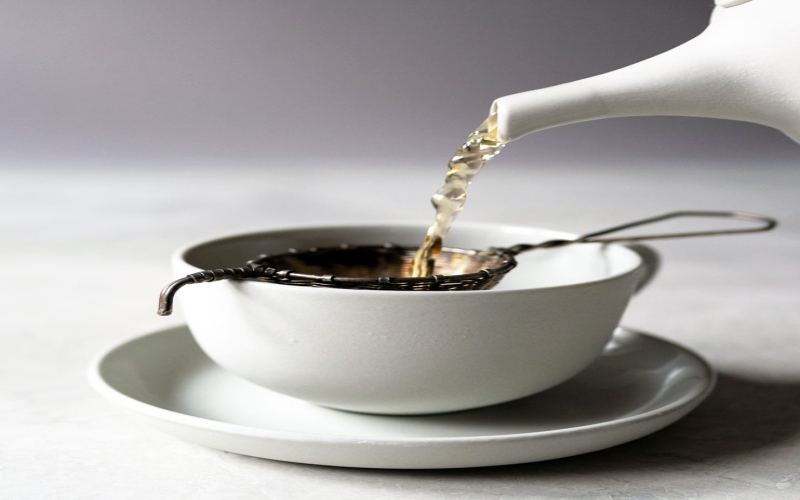
Where Does the Acidity in Tea Come From? A Guide to Drinking Tea with Acid Reflux and Recommendations for Acidic Black Teas
Whether tea is acidic is especially critical for people suffering from heartburn or acid reflux. The pH values of different types of tea vary significantly: black tea tends to be acidic, while green tea may be close to neutral or even alkaline. The factors affecting the acidity of brewed tea go far beyond the type of tea—the amount of leaves used, brewing temperature, steeping time, and whether tea bags are used all influence the final result. In addition, the caffeine in tea relaxes the esophageal sphincter, which may worsen reflux symptoms. If tooth pain occurs after drinking tea, it may also be related to acidity. This article systematically sorts out the relationship between tea and acidity, and includes recommendations for tart black teas, helping coffee and tea lovers enjoy flavor while also looking after their health. [more…]
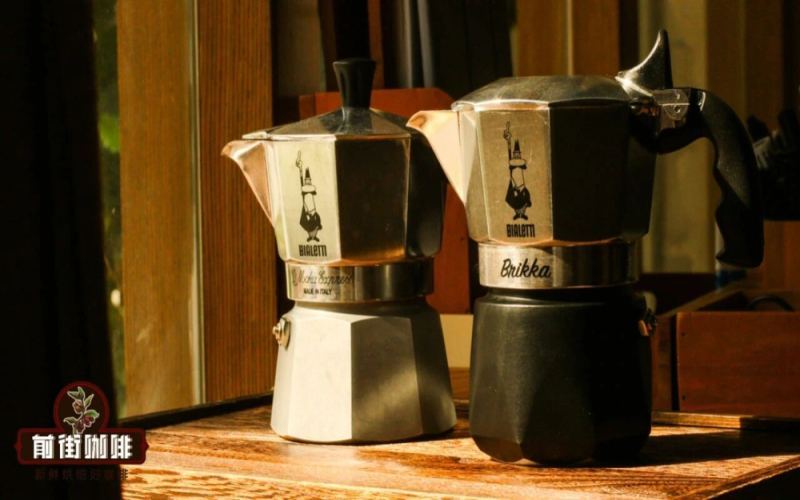
The Complete Guide to Moka Pot Cleaning and Maintenance: How to Prevent Oxidation and Leaks in Aluminum and Stainless Steel Pots, and Fix Blackening
Over time, a moka pot can develop dark spots or patches on its body, and this is usually caused by improper cleaning methods. Many people focus only on how to brew coffee with a moka pot, but overlook that cleaning and maintenance are equally important. With proper care, a moka pot can stay with you for many years; with improper care, not only will its lifespan be shortened, but it will also absorb odors and affect the flavor of your coffee. Moka pots on the market are mainly divided into two types: aluminum and stainless steel, and different materials require very different cleaning methods. Aluminum pots require particular attention, because they easily react with alkaline ingredients or chlorine in cleaning agents, leading to corrosion and oxidation, and they also absorb the smell of detergent. This article will systematically share the correct steps for daily moka pot cleaning, the differences in care between aluminum and stainless steel pots, and repair techniques for when the pot body has already turned "black," helping you extend the life of your beloved pot and keep every cup of moka coffee pure and delicious. [more…]
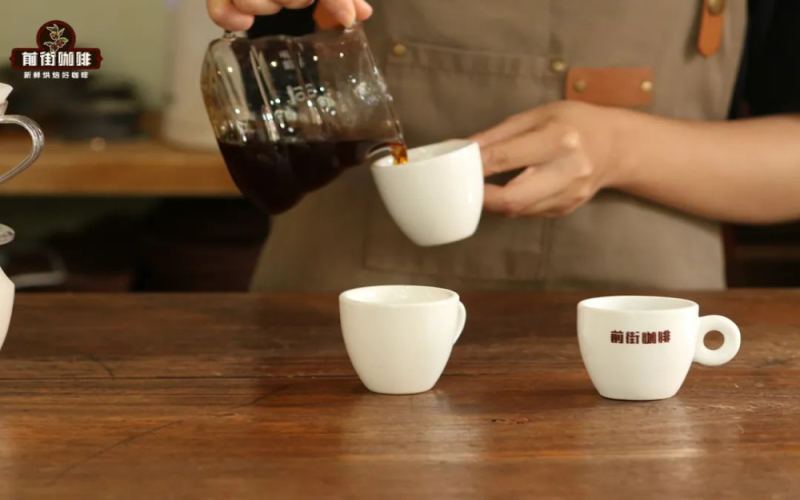
How to Taste and Describe Coffee Aftertaste? Methods for Judging Sweetness Persistence and Flavor in Pour-Over Coffee
Many people focus only on flavor and mouthfeel when tasting coffee, overlooking an important sensory dimension: the aftertaste. In fact, aftertaste is the combined expression of the aroma, taste, and tactile sensation that linger in the mouth after swallowing coffee. Some people can perceive it but don't know how to describe it, while others simply don't notice it at all. From Front Street's perspective, this article helps you understand the definition of aftertaste, its causes, perception techniques, and how to judge whether an aftertaste is good or bad based on its duration and positive or negative flavors. The article also uses specific beans such as Golden Mandheling and washed Yirgacheffe to illustrate the typical aftertaste performance under different roasting profiles, helping you describe "the feeling after drinking" more professionally. [more…]
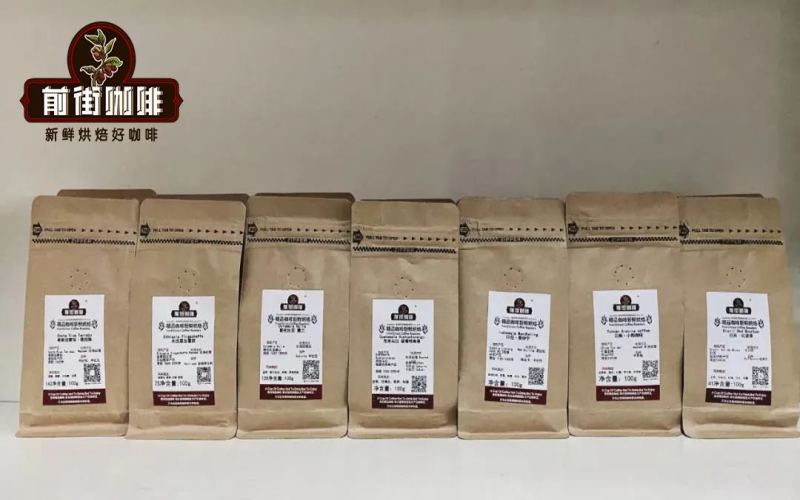
Pour-Over Coffee Brewing Method | How to Grind Coffee Beans and Brew Delicious Coffee at Home: Pour-Over Water Quality and Grind Size Parameters
In recent years, with the rise of the specialty coffee wave, more and more people choose to buy beans and take them home to brew a cup of coffee for themselves, enjoying a leisurely moment. But everything is hard at the beginning, and many beginners wonder, "The coffee I drank in your shop was so good, why can't I brew the same flavor when I go home?" Part of the reason [more…]
Taiwan Purple Bud Tea Tree New Line TTES No. 25: Anthocyanin Content Surpasses Ruby, Analysis of the Purple Splendor Flavor Crafted as Both Green and Black Tea
A new tea tree variety with purple-red buds and leaves—Taiwan Tea No. 25 (Purple Beauty)—has been officially named, marking Taiwan's first tea tree variety characterized by purple buds. Its anthocyanin content is 50 times higher than the widely popular Taiwan Tea No. 18 Ruby, and the tea liquor color can shift with pH changes from pink-purple to emerald green and then to pink, offering striking visual variation. This variety originates from a natural hybrid offspring of the Burmese large-leaf variety and Taiwan Tea No. 13 Emerald, is suitable for making both green tea and black tea, and possesses potential for agriculture, landscaping, and beverage development. Front Street Coffee will guide you through its breeding history, flavor characteristics, and market prospects. [more…]
What exactly is happening when coffee beans rest? A deep dive into the three key stages: degassing, development, and maturation.
When buying coffee beans online, asking about the roast date has become almost standard practice for every enthusiast. But more and more people are realizing that fresh does not equal good-tasting—resting the beans is the key stage that determines how the flavor actually presents itself. Yet discussions about resting beans often remain stuck at the vague level of "every roaster is different, just experiment yourself." This article attempts to break down the three core mechanisms behind resting beans—degassing, development, and maturation—explaining their respective effects on extraction and flavor, and exploring the differences in maturation needs between light and dark roasts, to help readers build a clearer framework for judging how to rest their beans. [more…]
Home-brewed coffee never tastes as good as in the café? An in-depth analysis of the causes and adjustment methods for sourness, bitterness, strength, astringency, muddiness, and burnt notes in pour-over coffee
Many coffee enthusiasts, after tasting an outstanding pour-over in a café, will buy the same roasted beans to try to replicate it at home, only to find the results often disappointing—either too sour or too bitter, too strong or too weak, sometimes even astringent, with off-flavors or a burnt taste. The reasons behind this are no mystery; they mainly involve consistency across batches of coffee beans, as well as differences in key parameters such as water quality, grind size, water temperature, coffee-to-water ratio, and brewing technique. Based on Front Street Coffee's brewing experience, this article breaks down these variables one by one to help you pinpoint the problem and brew coffee at home that is closer to café quality. [more…]
Analysis of the Flavor Differences Between Indonesian Toraja and Mandheling Coffee Beans: A Comparison of Regions, Processing Methods, and Taste
Indonesia, as a coffee-producing country, boasts many distinctive coffee varieties, among which Sumatra Mandheling and Sulawesi Toraja are the most notable. The Toraja growing region sits at an altitude of about 1,700 meters, with fertile volcanic soil and large day-night temperature differences, nurturing plump, rounded Arabica beans. Its processing follows Indonesia's traditional semi-washed method, and the best lots come from the Kalosi estate, with an annual output of only 3,000 barrels, each individually coded and hand-carved, making them veritable works of art. In terms of flavor, Toraja is richly aromatic with low acidity, a fresh earthy note, and a long lingering finish; it was once presented by the Indonesian government as a gift to the European Union. This article will compare the flavor characteristics of Toraja and Mandheling, and mention Front Street Coffee's related recommendations. [more…]
The Origins and Evolution of Americano: From WWII GIs to Starbucks, Does It Really Count as Black Coffee?
Americano is now one of the most common drinks in coffee shops, but its origins are closely tied to World War II. Back then, American soldiers couldn't handle the intensity of Espresso, so they diluted it with warm water, and thus this way of drinking coffee was born. Later, Starbucks' global expansion truly brought Americano to the world. However, there has always been controversy over the definition and preparation of Americano: Is it black coffee? Is it reasonable to use an espresso machine for a long extraction to make a weak coffee? This article sorts out the historical context of Americano, compares two preparation approaches, and answers the question of its relationship with black coffee. If you are also curious about the past and present of the Americano in your cup, read on. [more…]
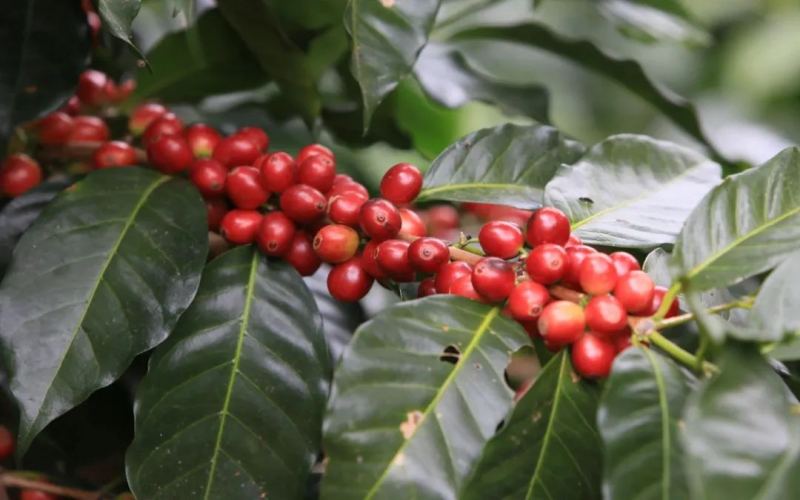
YunNan coffee varieties|Where does the "devil's aftertaste" of Catimor come from? Is Catimor Arabica?
Arabica and Robusta are the two major coffee genera with the greatest commercial value, and they each have their own advantages and disadvantages. For example, the flavor of the Arabica variety is good, but the disease resistance of most of them is r [more…]
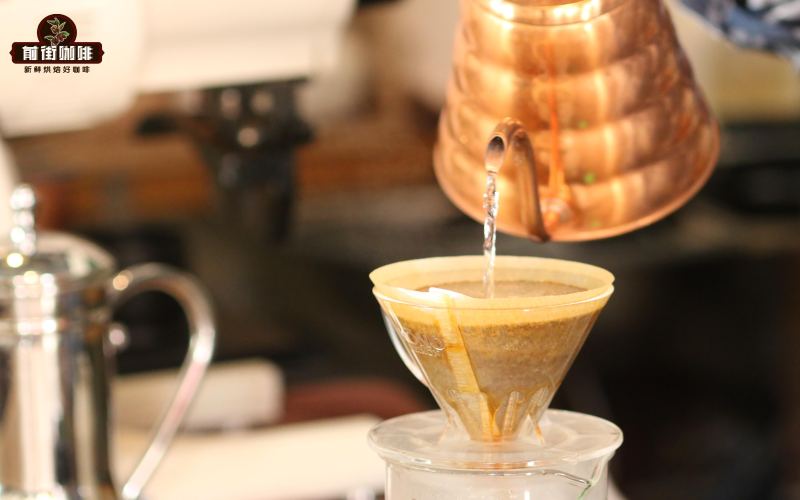
Pour-Over Coffee Water Quality
To brew a delicious cup of coffee, you need not only good beans but also good water. In brewed coffee, water accounts for over 98% of the final cup. Therefore, choosing the right water for brewing is also crucial. So what kind of water is actually suitable for brewing coffee? First, Front Street Coffee will explain the requirements for water suitable for brewing coffee. One [more…]