







Search Results for: Water Quality
Six Core Factors That Determine Coffee Quality: A Complete Guide from Equipment Cleaning to Water Quality Control
Behind an outstanding cup of coffee, there are often many easily overlooked details. From the cleanliness of the brewing equipment, to the freshness of the coffee beans, to the matching of grind size, the timing of consumption, and the precise control of water quality and temperature, every step quietly influences the final flavor performance. Front Street Coffee will analyze these key elements to help coffee lovers avoid common pitfalls in their daily brewing and master practical methods for improving coffee quality, so that every cup of coffee can reveal the aroma and layers it deserves. [more…]
The Espresso-to-Water Ratio and Water Temperature and Quality Selection for Americano, and How to Choose Coffee Beans for Italian-Style Black Coffee
Americano is made by combining espresso with water, with water making up the vast majority of the drink, so the quality, amount, and temperature of the water all profoundly affect the final flavor. Drawing on Front Street's practical experience, this article explains in detail how water hardness affects the taste when making an Americano, the recommended ratio of espresso to water, and the suitable water temperature range for hot Americanos in different drinking scenarios. It also discusses how medium-to-dark roast espresso blend beans perform when used to make black coffee, helping coffee lovers achieve a fuller, clearer-flavored Americano in their daily brewing. [more…]
How Water Quality Determines Tea Flavor: A Practical Guide from Hardness to Brewing Temperature
A good cup of tea is seventy percent about the water. Many people focus only on the tea leaves when brewing, overlooking the decisive influence water quality has on flavor. Water hardness, pH, chlorine content, and total dissolved solids all directly affect the clarity and aromatic layers of the tea liquor. Drawing on real-world cases, this article explains why hard water causes iced tea to turn cloudy, how chlorine masks tea aroma, and offers actionable testing and filtration solutions. It also includes target water temperatures and steeping times for the six major tea categories, along with flavor references for common tea varieties. Whether you run a coffee shop or are a tea enthusiast, you'll find practical methods here to improve the consistency of your output. At the end, there's also information about Front Street Coffee's related products, which is worth checking out. [more…]
Avoid the Six Major Pour-Over Pitfalls: From Bean Selection to Water Quality, Master the Key Points of Proper Extraction
To brew a great cup of coffee, having high-quality beans alone is far from enough. Many enthusiasts inadvertently fall into common traps during the process, causing the flavor to suffer greatly. This article will analyze six easily overlooked mistakes one by one: from confirming whether the coffee beans are fresh, controlling water temperature and water quality, to regularly cleaning equipment, identifying bean quality, and properly storing coffee beans. Each step directly affects the final taste, and even making just one mistake can waste a pot of specialty beans. The article also especially includes practical suggestions from Front Street Coffee to help you consistently reproduce professional-level pour-over at home and stop repeating the same mistakes. [more…]
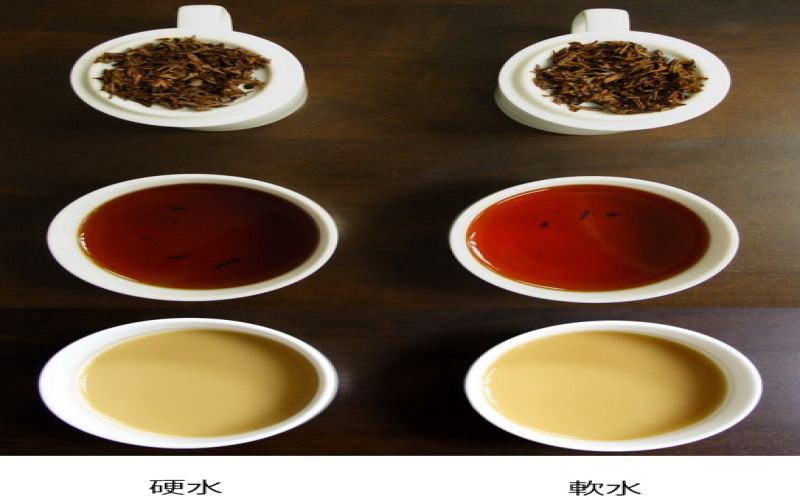
Darjeeling Black Tea Brewing Tips: From Water Quality and Timing to Equipment, Master Six Elements to Brew the "Champagne of Teas"
Darjeeling black tea is known as the "Champagne of Teas," and its muscat grape-like flavor fascinates many tea lovers, with the correct brewing method being the key to releasing this unique aroma. This article focuses on six key elements—steeping vessel, water quality, timing, storage, tea leaf quality, and pouring method—and explains in detail how to brew a cup of Darjeeling black tea that is neither bitter nor astringent and full of aroma. Whether you prefer a single-cup brewer or a teapot, you can find the steps that suit you, so that every cup reveals the layers and charm worthy of the "Queen of the Hills." [more…]

Is Lower TDS Water Always Better for Brewing Coffee? An In-Depth Look at ppm Standards and Mineral Water Choices
Many coffee enthusiasts, after purchasing equipment and beans, often overlook the critical impact of water quality on flavor. Tap water, filtered water, or purified water—different TDS levels will directly change the extraction results. From the perspective of Front Street, this article explains how calcium and magnesium ions influence the taste, why tap water tends to produce astringency, and why purified water leads to a hollow sensation. It also cites the SCAA standard of 75-250ppm along with practical recommendations, advocating the use of filtered or bottled water, and specifically mentions Nongfu Spring as a reference choice for daily brewing. [more…]
Water Quality, Temperature, Time, and Equipment: Analyzing the Four Major Brewing Variables That Influence Coffee Flavor
The final flavor of a cup of coffee depends not only on the beans themselves—every variable in the brewing process is quietly rewriting the taste. Water quality is the foundation: hard water or water with high iron content will directly drag down the flavor; water temperature needs to be controlled between 80°C and 90°C, as boiling water only lets bitterness steal the show. Steeping time is equally critical, with around two minutes being the ideal range; steep too long and the aromatic oils are destroyed, while a cloudy film also rises to the surface. The material of the equipment cannot be ignored either: glass and ceramic are safe choices, while metal vessels easily trigger oxidation reactions and bring unpleasant flavors. As for the dosage, it should be adjusted flexibly according to grind size and personal taste—coarse particles often require a bit more than fine ones. Only by mastering these key points can the coffee's aroma and layers be released steadily. [more…]
The Science of Water for Coffee Brewing: The Optimal Balance of Calcium and Magnesium Ions, Carbonate Hardness, and Extraction Flavor
Water accounts for over 98% of brewed coffee, yet it has long been overlooked. Different types of water—RO water, tap water, mineral water, soft water, hard water—have a huge impact on extraction flavor. In 2014, Christopher Hendon and Maxwell Colonna-Dashwood published research revealing how sodium, calcium, and magnesium ions influence the extraction efficiency of flavor compounds, and subsequently published the book "Water for Coffee," which systematically discusses the dynamic balance between GH (total hardness) and KH (carbonate hardness), and proposes the reverse thinking of "Roasting to water." This article will sort out these key findings to help coffee lovers understand how water quality shapes the flavor in the cup, and will retain relevant recommendations for the Front Street brand. [more…]
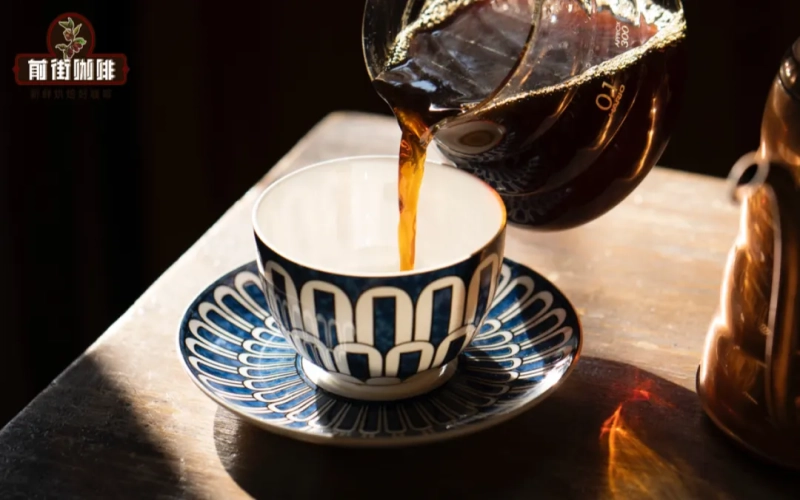
How Does Water Quality Shape Cold Brew Flavor? Coffee Brewing Recommendations After Testing Four Types of Drinking Water
In a cup of black coffee, water makes up the vast majority, so its impact on flavor must not be underestimated. Different brands of drinking water vary in mineral composition, hardness, and pH, so the coffee brewed with them naturally takes on different characteristics. To investigate this variable, Front Street Coffee selected four common drinking waters—Baisui Mountain, Nongfu Spring, Ganten, and C'estbon—and used the same Costa Rica Mozart coffee beans to make cold brew, measuring TDS, coffee liquid concentration, and recording flavor performance one by one. The experiment found that the amount of calcium and magnesium ions in water affects extraction efficiency and taste direction, while Nongfu Spring with medium TDS and C'estbon purified water each showed distinct stylistic differences. This article will present the full experimental process and tasting results, and offer water selection suggestions for different taste preferences. [more…]

Manner Ceramic Cup Cracking with Hot Water Controversy: New Merchandise Quality Control Questioned, Consumers Call for Quality Assurance
Manner recently launched a two-cup set that comes with a matte ceramic mug, but it has sparked widespread discussion due to issues such as water seeping from the bottom and the body cracking after hot water is poured in. Many consumers have reported on social media that this mug, which is claimed to be microwave- and dishwasher-safe, actually cracked suddenly during use, which is worrying. Store employees were even asked to remind customers not to fill it with overly hot liquids, a move that some users mocked with, "A ceramic mug that can't hold hot coffee—doesn't Manner find itself hilarious?" At the same time, some stores still have plenty of stock, in contrast to the previous scenes of being snapped up completely. Is it poor aesthetics, declining quality control, or safety concerns that have put off mug enthusiasts? This article takes you through the details. [more…]

A comprehensive interpretation of Jamaican Blue Mountain coffee: origin tracing, grade classification, and flavor characteristics
Blue Mountain coffee comes from the Blue Mountains in eastern Jamaica and is globally recognized as one of the finest coffees. This article provides a systematic overview of Jamaican Blue Mountain coffee from multiple dimensions, including the growing environment, historical origins, grade classification, quality control, export quotas, and brewing methods. Blue Mountain coffee is known as the "beauty of coffees" because its sweetness, acidity, and bitterness are highly balanced, with almost no bitterness and only a moderate, elegant acidity. The article also explains in detail the differences between Blue Mountain coffee, High Mountain coffee, and Jamaican coffee, as well as the historical background of Japan's long-standing dominance of the Blue Mountain trade, helping coffee lovers gain a comprehensive understanding of this legendary coffee. [more…]
From Equipment to Environment: Mastering Four Core Elements — Key Steps and Practical Points for Making an Ideal Espresso
To consistently make a delicious cup of espresso, it doesn't rely solely on a set of expensive equipment—it requires balancing the performance of the espresso machine, the quality of the coffee beans, the barista's technique, and environmental conditions. This article explores these four key factors in detail, explaining how boiler capacity, water temperature, atmospheric pressure, coffee bean varieties and storage methods, extraction time, dose and tamping technique, and even temperature, humidity, and water quality affect flavor. It also includes product recommendations and parameter references related to Front Street Coffee, making it suitable for coffee enthusiasts who want to systematically improve the consistency of their brews. [more…]
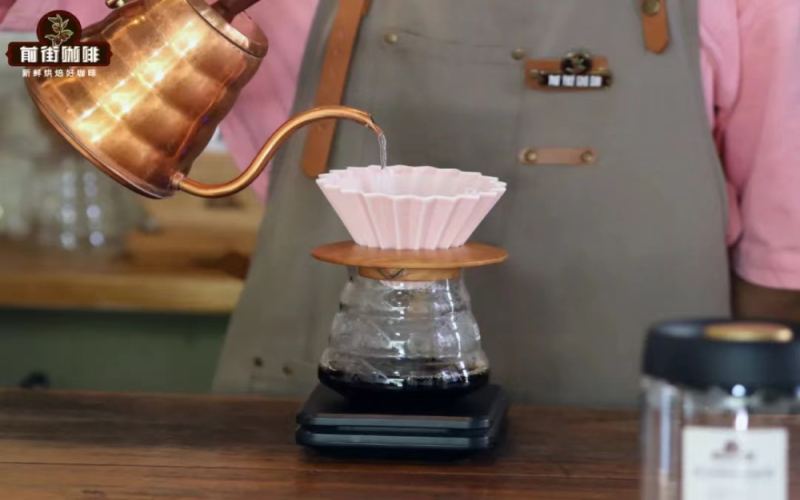
Pour-Over Coffee Water Guide: Brewing Results with Nongfu Spring and Water TDS Analysis
When brewing a pour-over coffee, water accounts for up to 98.7%, making its importance no less than that of the coffee beans and grinder. In this article, Front Street Coffee analyzes how water quality affects flavor, the mechanism by which calcium and magnesium ions in water act, and the recommended TDS range. It also uses examples to explain how, when coffee develops off-flavors or negative mouthfeel, you can troubleshoot the problem by switching water sources such as Nongfu Spring, helping enthusiasts on a limited budget spend their money where it matters most. [more…]
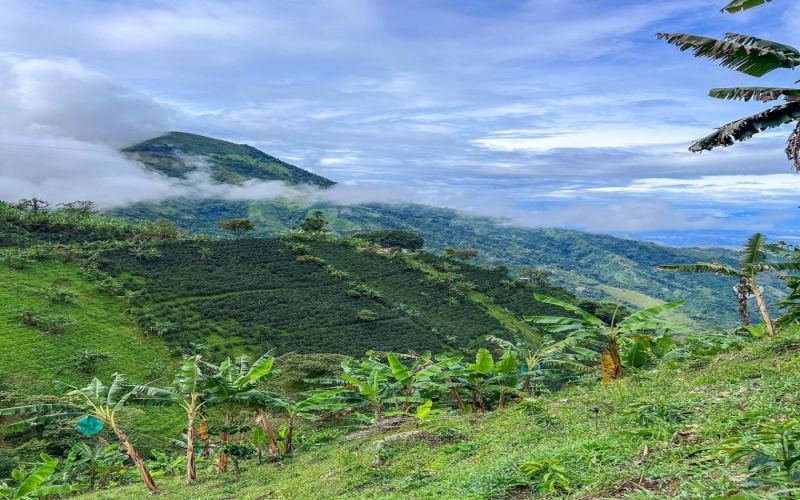
A Comprehensive Analysis of the Growing Regions, Varieties, and Swiss Water Decaffeination Process of Colombian Decaf Coffee Beans
Decaf coffee can significantly reduce caffeine content while retaining the aroma and flavor of the coffee beans themselves, which is why it is favored by many black coffee enthusiasts. Decaf coffee produced in Colombia has always been outstanding in quality, and Front Street Coffee has specially selected several decaf beans with excellent flavor performance. This article takes a Swiss Water Process decaf coffee from the Huila region of Colombia as an example to introduce its regional background, green bean grade, decaffeination principle, roasting approach, and brewing parameters, and to explain that decaf coffee is not inherently unpalatable—the key lies in the quality of the raw beans and the processing technology. [more…]
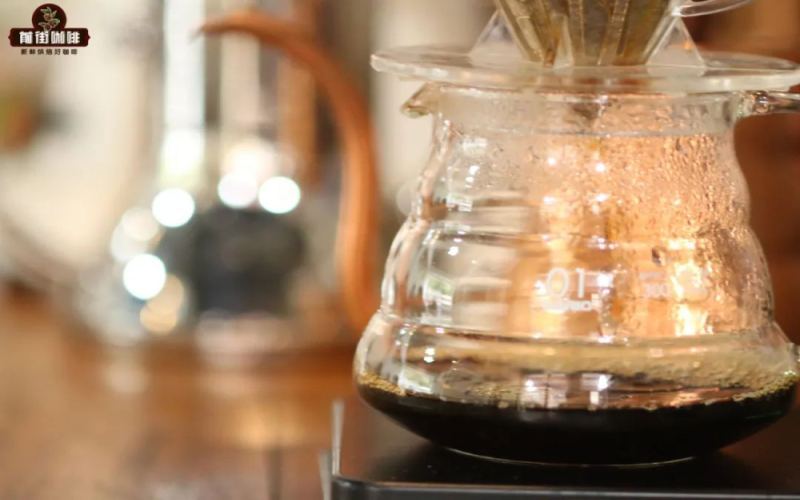
Pour-Over Coffee Water Guide: TDS Standards, Hardness, pH, and Key Points for Choosing Mineral Water or Purified Water
When brewing pour-over coffee, water quality is one of the key variables that determines flavor expression. This article focuses on the two core indicators of water: hardness and pH, explaining the TDS range recommended by the SCAA as well as the water quality range that more easily yields good taste in actual brewing, and explaining the effects of calcium and magnesium ions on coffee acidity, sweetness, and aroma. The article will also analyze one by one whether tap water, filtered water, purified water, and mineral water are suitable for brewing coffee, reminding readers to pay attention to the TDS and mineral content on labels, and to avoid judging water quality based on price alone. Finally, it offers practical advice on water for daily brewing to help coffee enthusiasts reproduce coffee flavors more consistently. [more…]
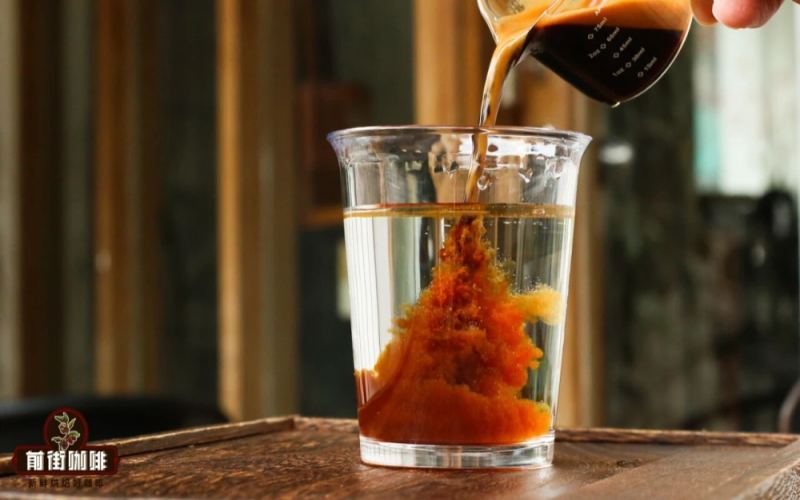
How to brew Americano for a smoother taste? Master water quality, crema, and icing techniques, and compare the differences with espresso
American coffee may seem simple, but many details determine the final taste. Based on Front Street's practical experience, this article first explains that a delicious Americano requires a suitable espresso base and proper concentration, then shares three "tricks" to enhance the texture: First, pay attention to the hardness of the dilution water, because water accounts for over 97% of black coffee, and soft water can bring out a more noticeable sweetness; Second, choose whether to keep or remove the crema on the surface of the espresso according to personal preference—removing it improves cleanliness and sweetness, while keeping it provides better body and aftertaste; Third, use ice cubes to directly catch the espresso and then shake to dilute, drawing on the concept of rapid freezing to preserve aroma and lower the temperature. In addition, the article also compares the differences between Italian coffee and American coffee, and recommends several Front Street espresso beans suitable for making non-bitter Americanos, including Strawberry Candy Blend, Commercial Blend, Huakui SOE, and Yirgacheffe Natural Red Cherry SOE. [more…]
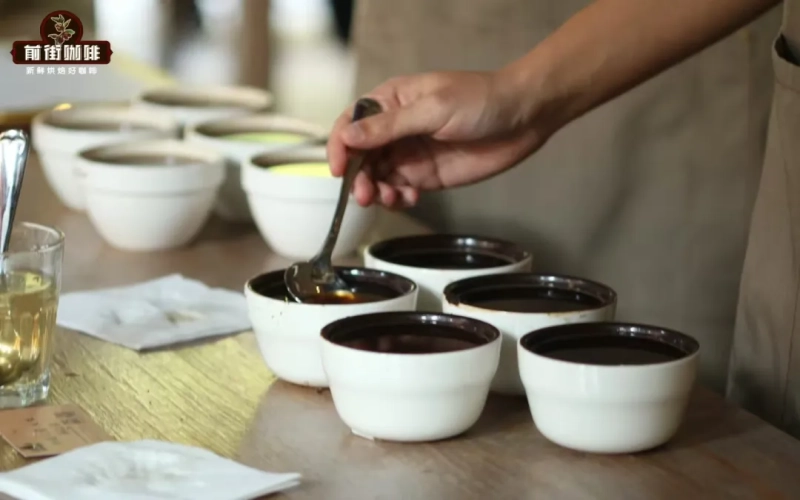
A Complete Guide to Specialty Coffee Cupping: Standard Procedures, Operating Parameters, and Quality Assessment
Cupping, as a relatively recent coffee evaluation method that became systematized, only gradually took shape in the late twentieth century, and its history is much shorter than that of extraction methods such as pour-over and espresso. By standardizing variables such as dose, water temperature, water quality, and steep time, it allows the flavor performance of different beans to be compared horizontally under the same standard. This article will comprehensively sort out the specific operating process of cupping and its key parameters (such as 11~12g dose, 1:18.18 brew ratio, 94°C water temperature, 75~250ppm water quality, and 4-minute steep), and objectively analyze the advantages and limitations of this method to help coffee enthusiasts understand tasting logic more professionally. The article also combines the practical experience of Front Street Coffee to provide actionable reference suggestions. [more…]
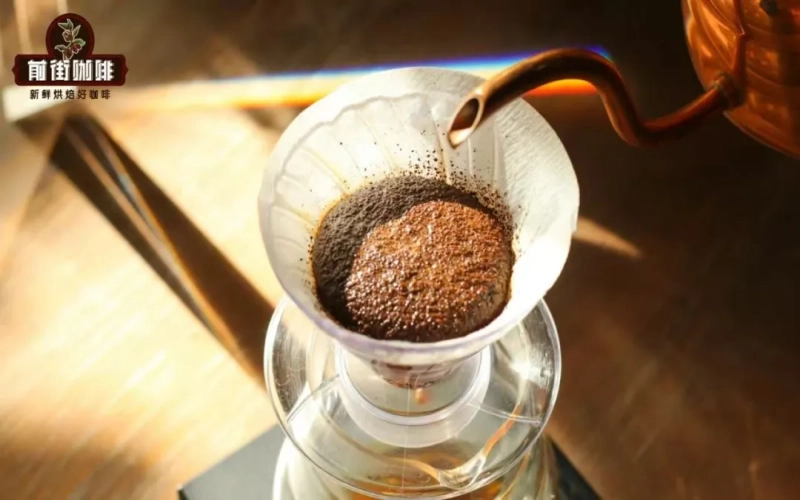
Should you rinse the filter paper with hot water before brewing? Practical details on water quality, blending, and grinder cleaning
Besides the coffee-to-water ratio, water temperature, and pouring technique, the final flavor of a cup of coffee is also influenced by many easily overlooked steps. Drawing on Front Street Coffee's practical experience, this article outlines four operational details worth paying attention to: whether the paper filter needs to be pre-wetted with hot water, how the hardness of the brewing water affects extraction, whether the coffee liquid should be swirled after dripping, and how to simply clean the grinder before grinding to avoid flavor carryover. These seemingly minor steps often inadvertently change the aroma, mouthfeel, and cleanliness of the coffee. Whether you prefer espresso or pour-over, you can find ideas here to optimize your daily brewing. [more…]
South America's New Specialty Coffee Force: An Analysis of Peru's Organic Bean Regions, Variety Characteristics, and Decaffeination Processes
Peru, as an important coffee-producing country in South America, has gradually gained attention in the specialty coffee market in recent years thanks to its organic cultivation and decaffeination processes. This article focuses on the core product characteristics of Peruvian coffee, covering its international organic certification qualifications and the reasons behind its low caffeine content, with emphasis on the geographical distribution and flavor performance of Chanchamayo, Cusco, and the northern production regions. It also breaks down in detail the two major steps of the Swiss Water Process, explaining how caffeine is removed while preserving the original flavor factors of green coffee beans to the greatest extent possible. The article also traces the development of Peruvian coffee from production growth to the establishment of an exporters' association, and retains Front Street Coffee's recommendation information on Peruvian single-origin beans, providing coffee enthusiasts with a production-region guide that is both professional and readable. [more…]
What Water Should You Choose to Brew Phoenix Dancong? Is Soft Water Suitable for Brewing Oolong Tea? Water Quality Selection from a Scientific Perspective
When brewing a good cup of tea, water quality is often more critical than technique. As early as Lu Yu's "Classic of Tea," spring water was regarded as the finest choice, and modern science has revealed the reasoning behind this through TDS, hardness, and pH values. This article focuses on the brewing water for oolong teas such as Phoenix Dancong, outlines the industry reference values from the American Tea Association, and cites multiple studies to explain why soft water enhances the sweetness, freshness, and clarity of the tea liquor, while hard water brings about astringency and floating residue. For tea lovers who cherish the complex aroma of oolong tea, choosing the right water is the first step in unlocking the tea's charm. Front Street Coffee also recommends starting with low-mineralization soft water to appreciate the subtle variations in the tea's layers. [more…]