







Search Results for: Washed vs Natural Difference
Ethiopian Yirgacheffe Coffee Beans: G1 vs G2 Grade Differences and Flavor Comparison Analysis
Yirgacheffe is a highly representative coffee-producing region in Ethiopia, and its G1 and G2 grades often confuse enthusiasts. Starting with Ethiopia's coffee grading system, this article sorts out the rating evolution of CLU and ECX, explains in detail the scoring standards of washed and natural processing in terms of physical characteristics and cupping quality, and compares the actual differences between Front Street Coffee Yirgacheffe G1 and G2 in green bean appearance, roasted bean appearance, and flavor. Through cupping, it was found that although the two share citrus, fruit tea, honey, and berry tones, G1 is superior in cleanliness and aroma refinement, while G2 is slightly thinner. It is suitable for coffee enthusiasts who want to gain an in-depth understanding of Yirgacheffe grades and purchasing. [more…]

Yirgacheffe Coffee Beans Washed vs Natural: A Full Breakdown of Processing Methods, Flavor Profiles, and Brewing Differences
Yirgacheffe is one of Ethiopia's most representative specialty coffee regions, and its two processing methods—natural and washed—produce dramatically different flavor profiles. This article systematically sorts out the core differences between natural and washed Yirgacheffe from multiple dimensions, including regional background, processing techniques, the appearance of green and roasted beans, dry aroma cupping, and taste experience. The article also combines two specific products—Front Street Natural Red Cherry and Front Street Washed Gudingding—to help coffee lovers more intuitively understand the flavor directions brought by the two processing methods, providing a reference for everyday purchasing and brewing. [more…]

African Coffee Flavor Analysis | Both Are Yirgacheffe, What's the Difference Between Washed Gutingding vs. Natural Red Cherry? Must-Buy Floral and Fruity Coffee Bean Recommendations for Pour-Over Beginners
For more specialty coffee knowledge, please follow our WeChat official account: Front Street Coffee (FrontStreet Coffee). As a fan of floral and fruity coffees, Front Street features several Ethiopian coffee beans on its bean list, the most representative of which are the washed Gedingding Cooperative, sun-dried Red Cherry, and Sidamo floral [more…]
Yirgacheffe Washed vs. Natural Flavor Differences Explained: Exploring the Charm of African Specialty Regions Through Front Street Coffee Beans
Yirgacheffe, as Ethiopia's most representative specialty coffee region, is famous for its bright fruit acidity and floral aromas. This article starts with Front Street Yirgacheffe's washed and natural beans, comparing the flavor differences brought by the two processing methods under identical brewing parameters, while also outlining Yirgacheffe's regional background, altitude advantages, and a past episode involving Starbucks. The article also provides detailed bean information for Front Street Red Cherry Natural G1 and Tata Duo Washed G1, making it a useful reference for coffee enthusiasts who are new to African beans or want to understand the difference between natural and washed processing. [more…]
A Complete Guide to Ethiopia's Green Coffee Grading System: Yirgacheffe G1 vs. G2 Differences and Buying Guide
Ethiopia, as the genetic treasure trove of Arabica coffee, has a unique green bean grading system. Unlike Kenya, which grades by bean size, or Blue Mountain, which grades by altitude, Ethiopia primarily classifies grades based on defect rates and cupping scores. This article will systematically sort out the evolution of Ethiopia's old and new grading systems, provide an in-depth analysis of the specific standards for grades G1 through G9, and, using Yirgacheffe as an example, compare the actual differences between washed G1 and G2 in green bean appearance and flavor performance. It will also share Front Street Coffee's brewing parameters and tasting experience to help coffee enthusiasts fully understand the logic of Ethiopian coffee quality grading. [more…]
Front Street Yirgacheffe Natural vs. Washed Flavor Comparison: A Detailed Guide to Aricha G1 and Blue Nile G1 Cup Profiles, Varieties, and Processing Methods
Yirgacheffe is one of Ethiopia's most representative specialty coffee regions, and the two processing methods—natural and washed—give the coffee beans entirely different flavor profiles. Front Street Natural Yirgacheffe Aricha G1 is known for its lively citrus-lemon acidity, apricot blossom and nut aromas, and honey-brown sugar sweetness, with a sweet-and-tart fruity tea finish; while Front Street Blue Nile G1 is washed, presenting a clean, lifted jasmine aroma and citrus acidity. This article will compare these two Yirgacheffes in detail from the perspectives of variety, processing method, and taste characteristics, and share the story behind the high Coffee Review cupping score, helping coffee lovers gain a deeper understanding of the stylistic differences between natural and washed coffees. [more…]
Yirgacheffe vs. Huakui 8.0 Flavor Differences Explained: Washed vs. Natural Processing Comparison and Pour-Over Parameter Adjustment Guide
Both originating from Ethiopia, Yirgacheffe and Huakui 8.0 present strikingly different flavor profiles—one famed for its bright, lemon-like acidity, the other for its full, juicy sweetness. Where exactly does this difference come from? The answer lies in the core logic of the two processing methods, washed and natural, as well as in the terroir conditions of the two producing regions, Yirgacheffe and Sidamo. This article will take you into these two famous regions, break down the mechanisms by which processing methods influence coffee flavor, and, based on the characteristics of these two beans, offer Front Street Coffee's recommendations on water temperature, pouring technique, and parameter adjustments for actual brewing, helping you find the brewing solution best suited to your own taste. [more…]
Panama Geisha Washed vs. Natural Flavor Comparison: Analyzing the Differences Between Janson Estate and Hacienda La Esmeralda
Both are Panamanian Geisha, but just how big is the flavor difference between the washed and natural processing methods? And what are the distinctive characteristics of the Geisha from Hacienda La Esmeralda and those from Janson Coffee Farm? Starting with Janson Coffee Farm, this article provides a detailed overview of the flavor profiles of its natural and washed Geisha, the farm's background, and growing conditions, and compares them with the stylistic differences of Hacienda La Esmeralda. Janson Coffee Farm focuses mainly on domestic sales and ranks second in Panama for Geisha production; its washed Geisha won second place in the washed category at the 2013 B.O.P competition. The article also includes Front Street Coffee's recommendations and purchasing information, making it suitable reading for coffee enthusiasts who want an in-depth understanding of Panamanian Geisha. [more…]
Yirgacheffe Natural vs. Washed Processing Comparison: Flavor Differences, Origin Background, and Front Street Coffee's Top Picks
Yirgacheffe, as one of Ethiopia's most representative specialty coffee regions, produces two distinct flavor profiles through its natural (dry) and washed green bean processing methods. This article systematically examines the substantive differences between the two processing methods, from the region's geography and processing techniques to cupping notes, helping coffee enthusiasts more clearly understand the specific differences between natural Yirgacheffe and washed Yirgacheffe in terms of aroma, acidity, body, and aftertaste. It also introduces Front Street Coffee's two products—Natural Red Cherry and Washed Gudingding—providing a reference for everyday purchasing and brewing. [more…]
Yirgacheffe Specialty Coffee Flavor Analysis: Washed vs. Natural Taste Differences and Cold Brew Selection Guide
Yirgacheffe is a small town on the Ethiopian highlands and one of the highest-altitude coffee-producing regions in the world, and it has gradually become synonymous with specialty coffee. Its distinctive fruity acidity has captivated many single-origin enthusiasts. This article explores the allure of Yirgacheffe from multiple angles, including its origin background, the taste differences between washed and natural processing methods, and the selection of coffee beans for cold brew. It also introduces the respective characteristics of Front Street Coffee's washed and natural Yirgacheffe offerings, as well as light-to-medium roast beans suitable for cold brew, helping you find the cup that best suits your taste. [more…]
Yirgacheffe Region Full Analysis: Grading System, Native Varieties, and Washed vs. Natural Flavor Comparison
Yirgacheffe is a name that cannot be overlooked on the global specialty coffee map, and almost every single-origin coffee shop reserves a place for it. This high-altitude town located in the Sidama region of southern Ethiopia—what exactly is it about this place that has captured the taste buds of countless coffee lovers? From the perspective of Front Street Coffee, this article systematically sorts out Yirgacheffe's production region background, grading logic, variety characteristics, and the flavor differences brought by the two major processing methods, washed and natural, and also includes specific recommendations and brewing suggestions for Front Street's Yirgacheffe series products, helping you gain a comprehensive understanding of this classic production region from beginner to advanced level. [more…]
Ethiopian Yirgacheffe Washed vs. Natural Coffee: A Full Analysis of the Flavor and Mouthfeel of Two Processing Methods
Yirgacheffe is one of Ethiopia's most iconic specialty coffee regions, and the washed and natural processing methods give the beans strikingly different flavor profiles. This article systematically examines the terroir, processing techniques, and cupping notes of the washed Konga Cooperative and the natural Red Cherry Konga, and shares Front Street Coffee's pour-over parameters and brewing suggestions for Yirgacheffe, helping coffee lovers understand the difference between the bright, delicate character of washed coffees and the full, fermented character of natural ones, so they can find the cup that suits their taste. [more…]
Washed vs Natural Hual魁 Cupping Comparison: Full Analysis of Flavor Differences, Processing Methods, and Pour-Over Parameters
Also from the Hambela area of the Guji region in Ethiopia, how do the two processing methods—natural and washed—bring about completely different flavor expressions in Huakui? This article systematically compares Front Street Natural Huakui and Front Street Washed Huakui, from origin background, green bean appearance, cupping data, to pour-over recommendations. The natural version wins with its explosive aromas of passion fruit, strawberry, and jackfruit, while the washed version stands out for its clean mouthfeel with green tea, green mandarin, and a black tea finish. Although the cupping scores differ, each style has its own followers and suits coffee lovers with different preferences. [more…]
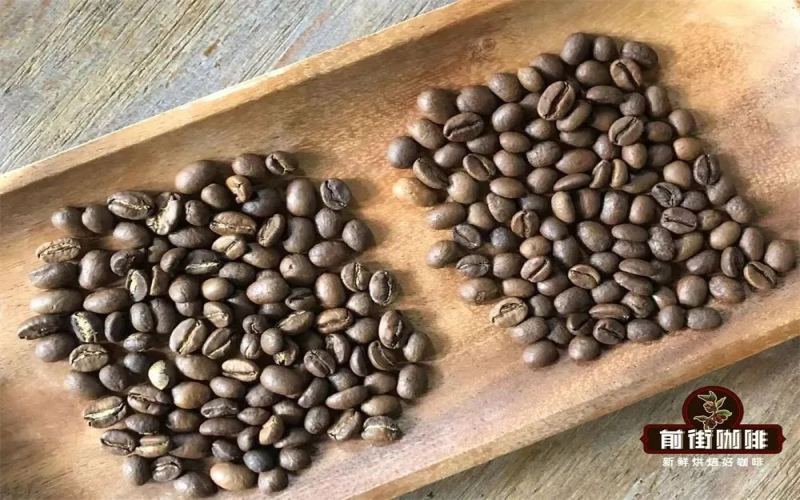
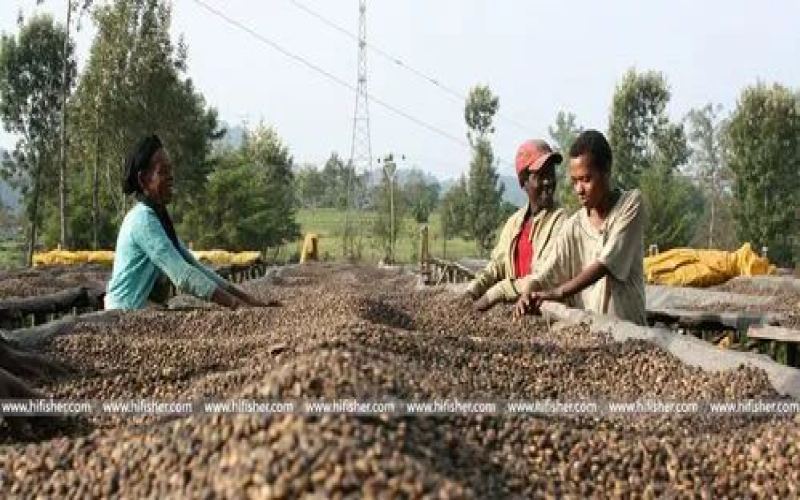
A Complete Guide to Natural and Washed Coffee Processing: Step-by-Step Procedures, Flavor Differences, and Green vs. Roasted Bean Comparison
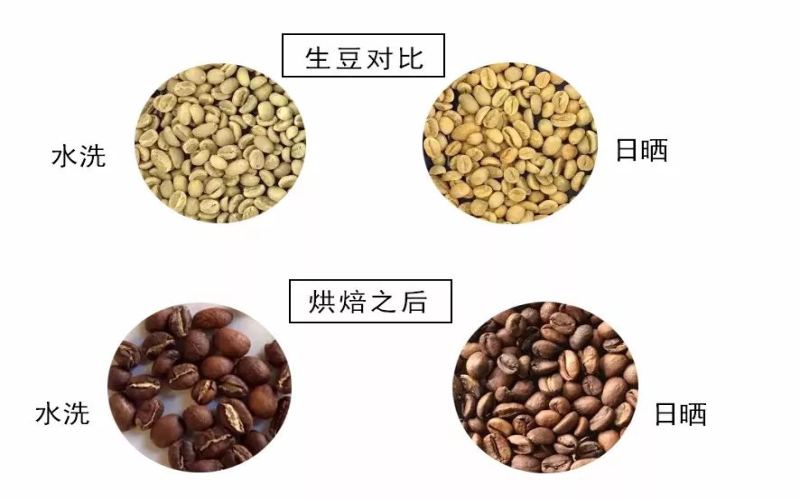
When buying coffee beans, the packaging often indicates processing methods such as natural, washed, and honey. What exactly is the difference between natural and washed? Front Street Coffee takes you through the structure of the coffee fruit to explain in detail the specific steps, advantages and disadvantages, and flavor characteristics of the two processing methods. It also uses two Yirgacheffe coffees—Front Street Natural Red Cherry and Washed Gudingding—to compare the silver skin differences between green beans and roasted beans, and to analyze the fermented sweetness of natural beans and the bright cleanliness of washed beans. Only by understanding processing methods can you better choose the flavor you love. [more…]
Front Street Yirgacheffe Washed vs. Natural: A Full Guide to Flavor Differences, Roasting Temperatures, and Proper Tasting Methods
Yirgacheffe is one of the highest-altitude specialty coffee regions in Ethiopia. Front Street Coffee's Yirgacheffe includes both traditional natural beans and washed beans, which have a clearer quality after the introduction of washing technology. Washed and natural processing give coffee completely different flavor directions: washed highlights the clean brightness of jasmine and citrus, while natural strengthens fruity notes and body. The roast level and brewing temperature also profoundly affect the final cup. This article will start with Front Street Yirgacheffe's processing methods, regional terroir, and flavor characteristics, systematically sort out the taste differences between washed and natural, and introduce the effects of roast level and drinking temperature on flavor release, helping coffee lovers find a drinking style that suits them. [more…]
Yirgacheffe Washed vs. Natural Processing: Flavor Comparison and Analysis of Kochere and Red Cherry Coffee Beans
Ethiopia, as the birthplace of Arabica coffee, has the Yirgacheffe region, which is beloved by coffee enthusiasts for its elegant floral aroma and bright fruity acidity. Coffee beans from the same region can present completely different flavor profiles when processed using the washed or natural method. This article will use the Kochere washed beans from Yirgacheffe and Front Street Coffee's Red Cherry natural beans as examples to analyze the taste differences brought by the two processing methods, while also introducing the background of the Yirgacheffe region, its administrative divisions, and growing conditions, helping readers gain a more comprehensive understanding of the charm of this legendary region. [more…]
Yirgacheffe Washed vs. Natural Processing Methods Explained: Flavor Characteristics and Front Street Specialty Bean Brewing Guide
Yirgacheffe, as a star-producing region in Ethiopia, has always been a hot topic among coffee enthusiasts for the flavor differences between its washed and natural processing methods. The washed method centers on removing the skin and pulp, then rinsing with clean water and drying, resulting in clean, stable quality and bright floral notes; the natural method keeps the whole fruit for a long, slow drying process, giving the beans rich fruity aromas and a fuller body. This article will take a deep dive into the essential differences between the two processing methods, citing specific products such as Front Street Yirgacheffe, Front Street Guding, and Front Street Red Cherry to explain how to choose coffee beans based on flavor preferences, while also offering brewing parameter suggestions to help you easily brew a cup of coffee you love. [more…]
Yirgacheffe Kochere G1 vs G2 Comparison: A Detailed Explanation of Green Bean Grading, Roasting Curves, and Cupping and Pour-Over Flavor Differences
The Yirgacheffe region of Ethiopia is famous for its unique flavors, and among them the high-altitude washed beans from Kochere are highly favored by coffee lovers. But what exactly is the difference between G1 and G2 grades from the same region? This article starts with two washed Yirgacheffe coffees from Front Street Coffee, and combines ECX grading standards, green bean appearance, roasting curves, cupping, and pour-over performance to compare in detail the differences between G1 and G2 in defect rate, bean uniformity, aroma layering, and cup cleanliness, helping readers understand the specific impact of grade classification on flavor, with complete brewing parameters and flavor descriptions included. [more…]
Comparative Analysis of Washed vs. Natural Coffee Processing Methods and Recommendations of Five High-Quality Washed Beans
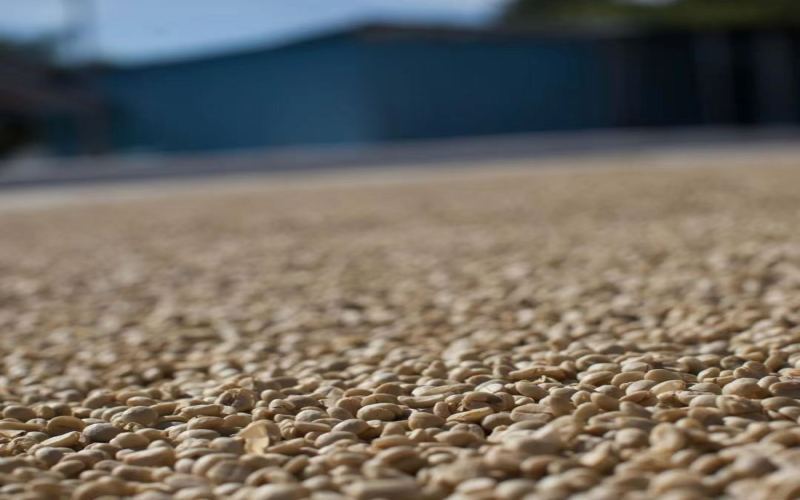
After coffee cherries are picked from the tree, they must undergo a series of processing steps before they become the green beans we know so well. Different processing methods give coffee beans vastly different flavor profiles. As the two main processing methods, washed and natural each have their own distinct characteristics and suitable applications. This article will systematically outline the complete washed process and its pros and cons, compare the differences in taste and flavor between washed and natural beans, and select five washed coffees worth trying for coffee lovers, covering well-known origins such as Ethiopia, Panama, Kenya, Rwanda, and Jamaica. [more…]
Sidamo Huakui vs. Yirgacheffe Flavor Comparison: How Natural and Washed Processing Shape the Taste Differences of Ethiopian Coffee
Ethiopia is the holy land of specialty coffee, but many people have misconceptions about its processing methods. Washed Yirgacheffe is not the entirety of Ethiopian coffee; natural processing is the oldest tradition of this land. This article will guide you through the naming origins of Sidamo Huakui coffee, the terroir of its producing region, and its natural processing technique, while comparing the essential flavor differences between natural and washed processing methods. At the same time, Front Street Coffee will share brewing parameters and techniques for Huakui coffee to help you better showcase the layers of this bean. Whether you are a beginner just getting into specialty coffee or a seasoned enthusiast wanting to understand the differences in Ethiopian bean processing methods, this article can provide valuable information. [more…]