







After coffee cherries are picked from the tree, they must go through a series of processing steps before they become the green beans we are familiar with. Different processing methods give coffee beans distinctly different flavor profiles. As the two mainstream techniques, the washed method and the natural method each have their own clear characteristics and suitable applications. This article will systematically outline the complete washed process and its advantages and disadvantages, compare the differences in taste and flavor between washed beans and natural beans, and select five washed coffee beans worth trying for coffee lovers, covering well-known producing regions such as Ethiopia, Panama, Kenya, Rwanda, and Jamaica.
Washed method (Wet process/Washed method) This technique can be traced back to the 18th century, when it was first adopted by the Dutch. In some countries with frequent rainfall and relatively high air humidity, the natural method can hardly operate normally, so although the washed method involves more complicated steps, it has therefore become the most widely used processing method today. Its most core difference from the natural method is that it uses fermentation to break down the mucilage layer on the surface of the coffee beans.
The operational process of the washed method The first three steps are the same as those of natural processing (1. Pick coffee cherries at the appropriate ripeness 2. First remove impurities and defective beans 3. Use buoyancy to screen out floating inferior beans)
4. Remove the skin and pulp: Send the qualified good cherries into a specialized pulping machine to separate the outer skin and pulp, leaving only the inner seeds, which are the green coffee beans.
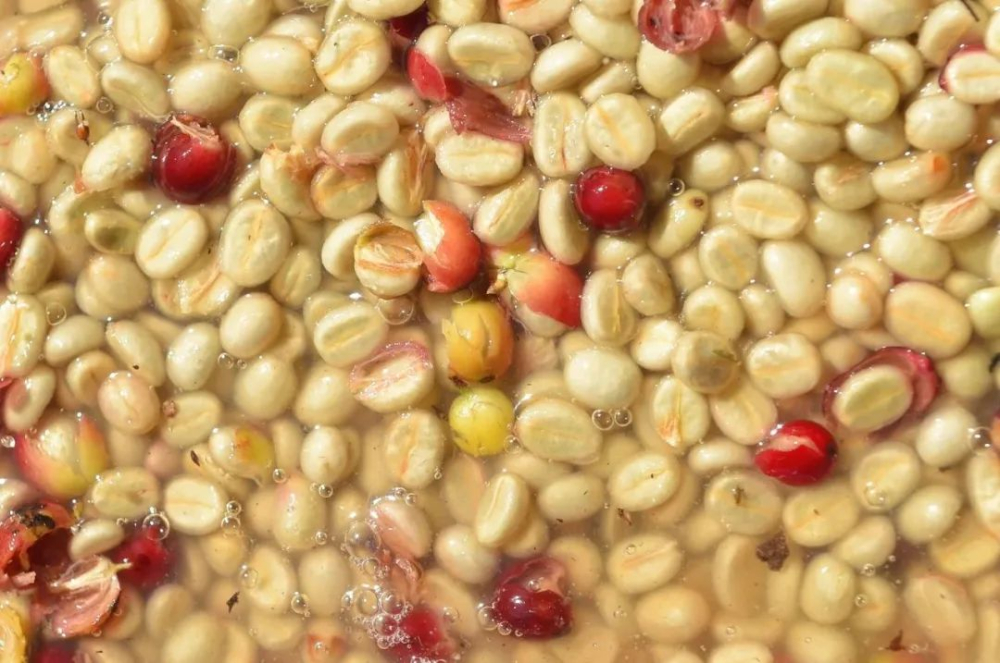
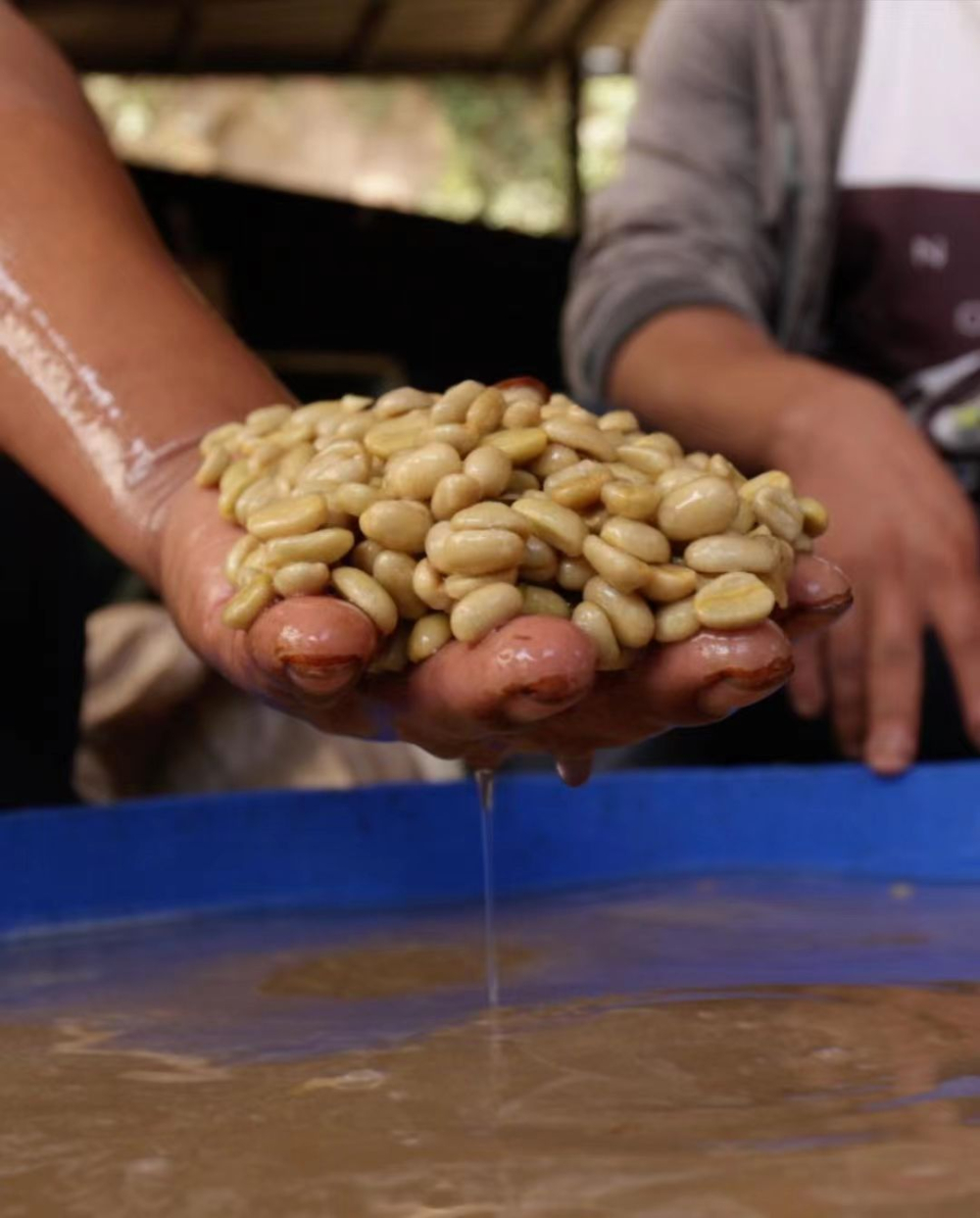
5. Remove mucilage through fermentation: At this point, the coffee seeds still have a slippery sticky layer attached to their surface (that is, mucilage), which needs to be moved into a fermentation tank, where the biological action of fermenting bacteria gradually dissolves the mucilage.
6. Rinse with clean water to remove residue: After fermentation is complete, fermenting bacteria still remain on the surface of the beans, so they must be sent again into a washing channel for cleaning, while also completing a second screening—defective beans with insufficient density will float to the surface and be removed. To ensure cleanliness, this step consumes a considerable amount of water.
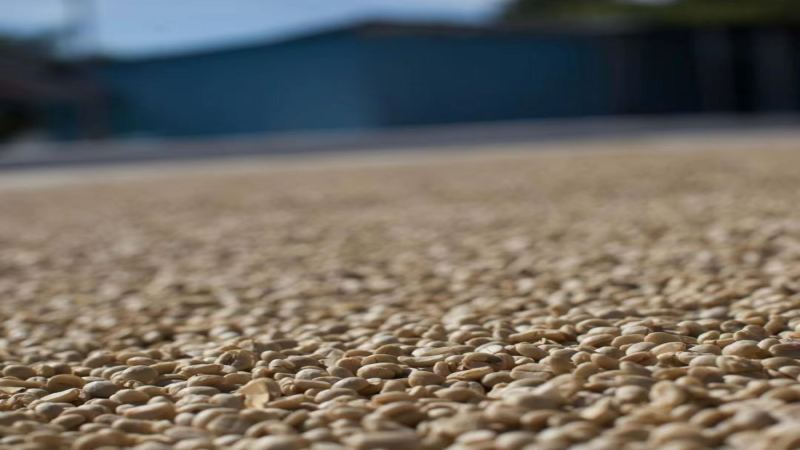
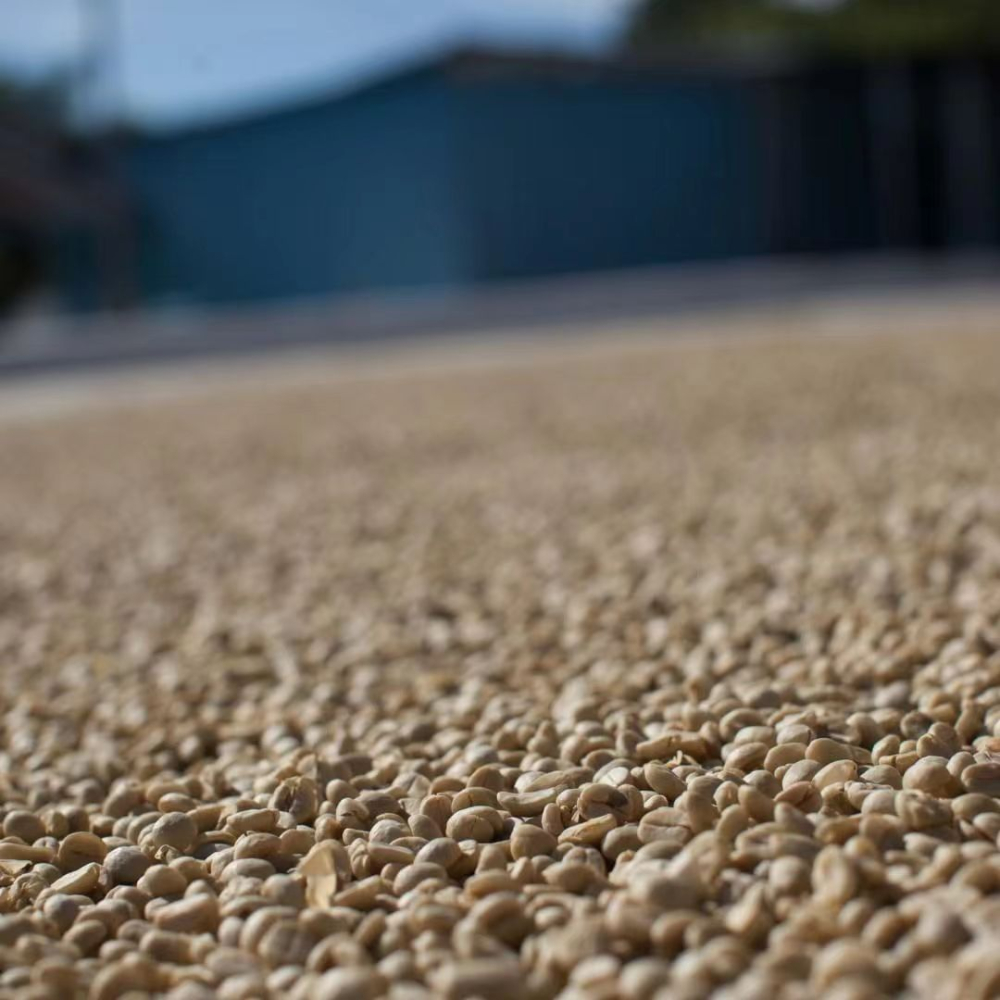
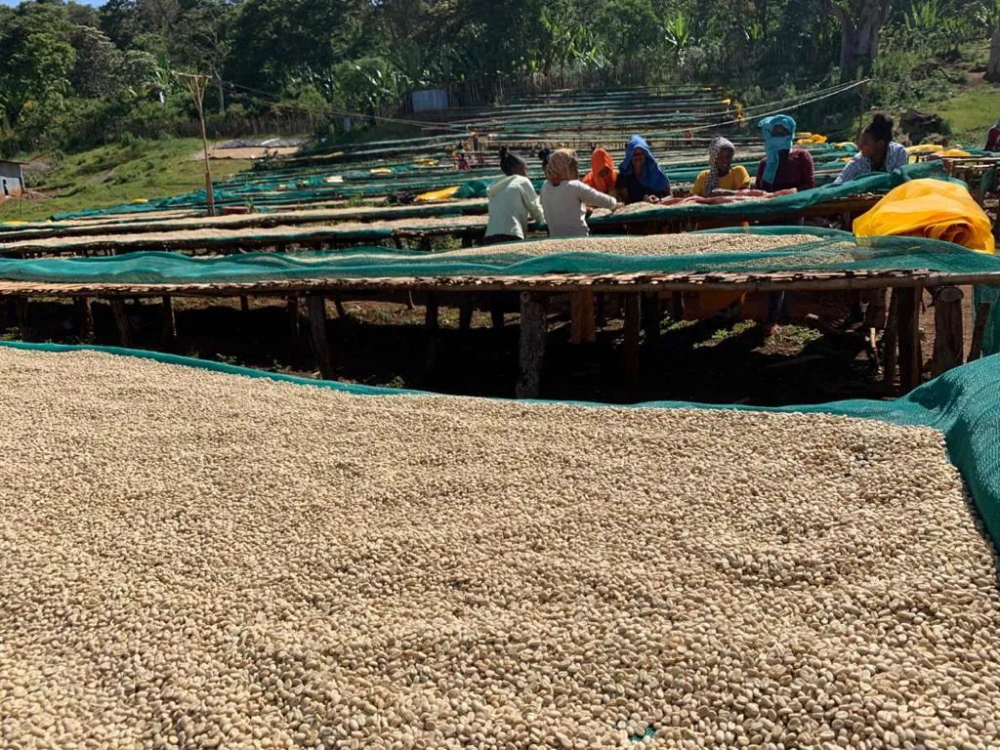
7. Dry the coffee beans: Generally, a dryer is used (sun drying may also be used) to dry the coffee cherries, reducing the moisture content to between 10~14%.
8. Remove the parchment and silver skin: The final step is to use a huller to remove the remaining parchment and silver skin. At this point the processing flow is completely finished, and next the green beans can be packaged and arranged for transport.
Advantages and disadvantages of the washed method Advantages: The processed coffee beans contain fewer impurities and have a more uniform appearance; because the pulp has already been removed at the early stage of processing, there is no need to worry about mold or spoilage, and overall quality is relatively stable. Disadvantages: The entire washed process has many steps and is complicated to operate, and it also requires a large amount of clean water, so the cost is higher than that of the natural method, and its promotion is limited in areas with scarce water resources.
How do washed beans and natural beans differ in taste and flavor? The natural method is the most traditional processing method and is much less labor-intensive than the washed method. Although natural beans are not uniform in appearance and vary in color depth, because the coffee beans naturally mature inside the fruit all along and are less disturbed by the external environment, the finished flavor is often more intense, with fermented notes similar to wine aroma and sweetness.
The washed method picks the fruit just as it turns red, while the natural method does not rush to harvest, letting the fruit continue hanging on the branch, with its color changing from purplish red to deep black, and finally falling naturally. The collected fruit is then spread in the sun to dry for several weeks. After the pulp dries, the seeds separate naturally, and then the dry, hard pulp is removed by machine or by hand to take out the seeds. The significance of delayed harvesting is to give the seeds sufficient time to absorb the aroma and sweetness from the pulp, and after natural drying, the finished flavor is more complex than that of washed beans, with a more prominent body. Washed beans, because acidic substances are produced in the fermentation tank, usually present a bright and clean acidity.
Recommended washed coffee beans worth tasting
1. Front Street · Yirgacheffe Gedingding Region: Ethiopia Yirgacheffe
Cooperative: Gedingding Cooperative
Altitude: 2000~2100m
Variety: Local heirloom varieties
Processing method: Washed
Flavor: Orange, citrus, tea-like, jasmine
2. Front Street · Panama Butterfly Region: Panama Boquete
Altitude: 1600m
Variety: 70% Geisha, Caturra, Catuai
Processing method: Washed
Flavor: Berries, citrus, light floral aroma
3. Front Street · Kenya Little Tomato Region: Kenya Thika
Altitude: 1550~1750m
Variety: SL28, SL34
Processing method: 72-hour washed
Flavor: Cherry tomato, berries, snow pear, plum, yellow sugar
4. Front Street · Rwanda Red Bourbon Region: Rwanda Nyaruguru
Altitude: 1500~1700m
Variety: Red Bourbon
Processing method: Washed
Flavor: Berries, citrus, apple, tea
5. Front Street · Jamaica Blue Mountain No. 1 Region: Jamaica Blue Mountain
Altitude: 1310m
Variety: Typica
Processing method: Washed
Flavor: Nuts, chocolate, cream, caramel, balanced acidity, sweetness, and bitterness
The above content is compiled by CoffeeHunters, a coffee news website.


