







In Yirgacheffe, how do washed and natural lots differ in fragrance vs aroma coffee?
In Yirgacheffe, washed and natural processing produce clearly separate cups. Washed lots such as the Banko Gotiti Cooperative show bright, delicate acidity and clean structure, while natural lots like Red Cherry Konga carry heavier fermented fruit and a fuller mouthfeel. For coffee drinkers weighing fragrance vs aroma coffee, the washed style reads floral and citrus-led, the natural style sweet and berry-driven.
Ethiopia's highlands give the region wide day-to-night temperature swings, morning mist, and afternoon sun, conditions that support heirloom varieties. Those genetics, plus soil and microclimate differences and post-harvest handling, explain why Yirgacheffe, Sidamo, and Guji each present distinct profiles; the dark coffee benefits debate is separate from how processing alone changes a Yirgacheffe cup.
Yirgacheffe is one of Ethiopia's most iconic specialty coffee regions, and the washed and natural processing methods give the beans strikingly different flavor profiles. This article systematically covers the terroir, processing techniques, and cupping notes of the washed Banko Gotiti Cooperative and the natural Red Cherry Konga, and shares Front Street Yirgacheffe's pour-over parameters and brewing suggestions, helping coffee lovers understand the difference between the bright, delicate washed profile and the rich, fermented natural profile, and find the cup that suits their taste.
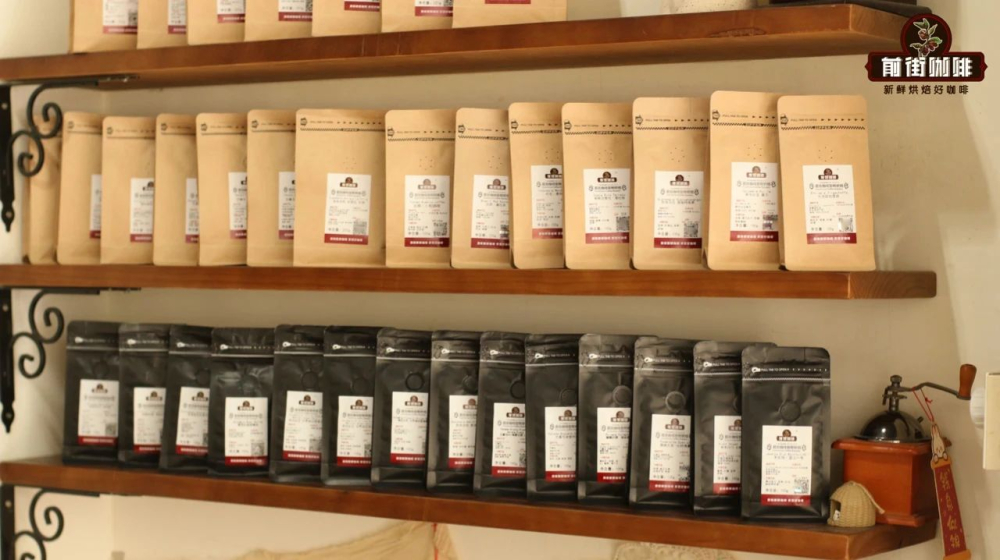
Among the specialty coffees produced in Ethiopia, there are many distinctive representatives. In the Front Street Yirgacheffe series, the most frequently mentioned include the washed Banko Gotiti Cooperative, the natural Red Cherry Konga, and the natural Huakui from Sidamo.
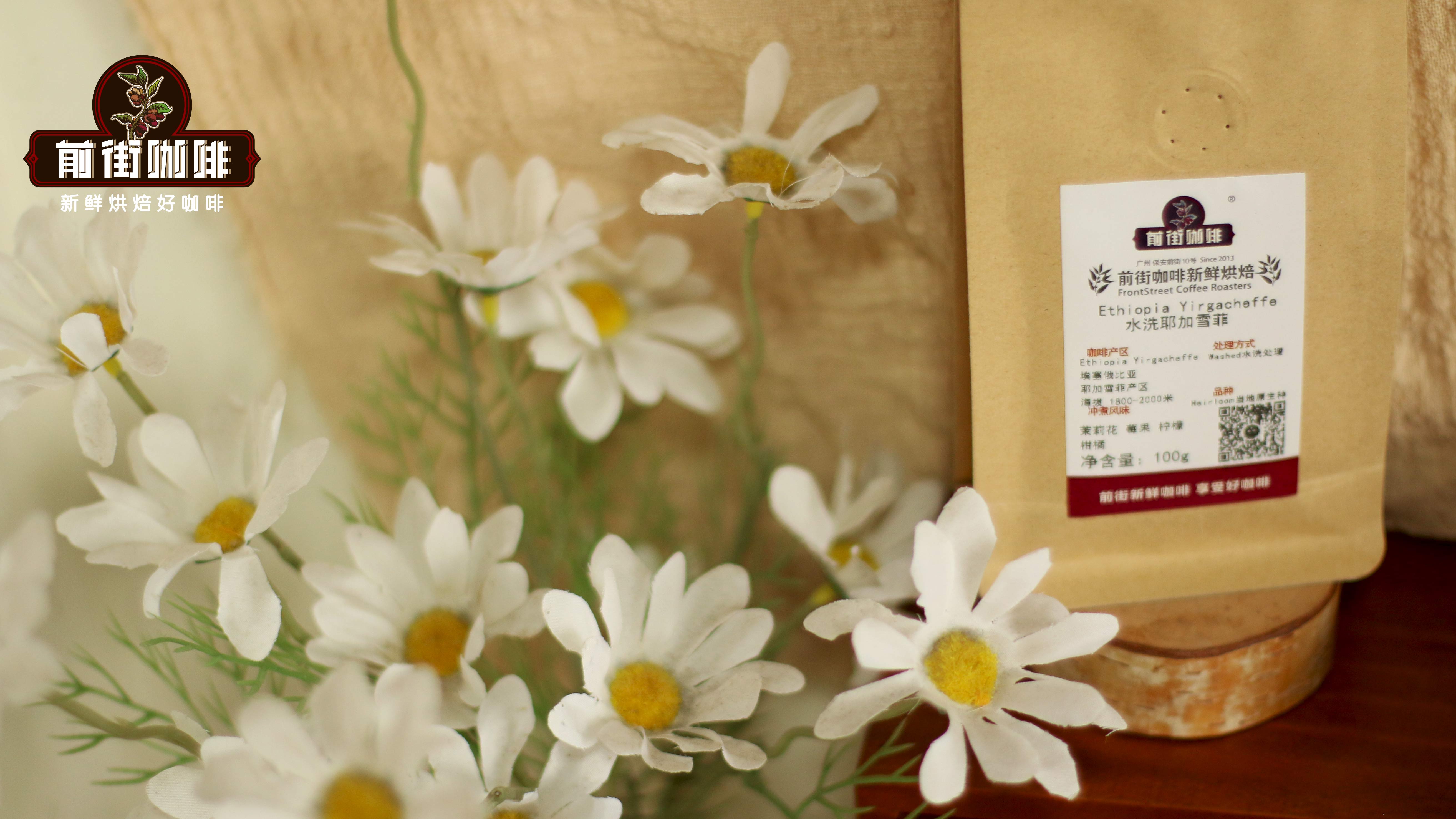
If you are just starting to explore Ethiopian coffee, you might begin with the entry-level Front Street washed Yirgacheffe, which may well give you a completely new understanding of coffee flavor. Front Street washed Yirgacheffe daily beans use washed processing and a medium-light roast, presenting the classic Yirgacheffe character, and are suitable for pour-over, cold brew, French press, and other brewing methods.
As the recognized birthplace of coffee, Ethiopia has an enormous variety of genetic resources and outstanding coffee quality. Coffee is not only an important local cash crop and export product, but also deeply woven into its long cultural tradition, making it a symbol that Ethiopians take great pride in.
Ethiopia generally has high elevations, and its vast highland terrain creates ideal climatic conditions and pronounced temperature differences between day and night. In the early morning, mist spreads and mountain winds blow continuously; in the afternoon, sunlight is abundant; after nightfall, temperatures can drop to the teens Celsius, yet frost does not occur, providing a superior environment for coffee cultivation. Ethiopia has many producing regions, and different soils and microclimates, combined with differences in post-harvest processing, ultimately present distinctive flavors. In domestic cafes, the flavor representatives most often heard are probably Yirgacheffe, Sidamo, and Guji, whose unique aromas are widely circulated in the coffee world.
Thanks to its innate natural advantages, coffee trees can be seen almost everywhere in Ethiopia, and every household also grows them alongside other crops around their homes. Because individual household output is limited, coffee cherries are usually sent directly to processing stations in town after picking, and are ultimately sold under the name of the processing plant or cooperative, such as the Banko Gotiti Cooperative, a well-known local production team. This pastoral style of cultivation is the most common model in Ethiopia and also provides basic income subsidies for many locals.
The Washing Expertise of Banko Gotiti Cooperative
The Banko Gotiti Cooperative takes its name from a small village in the Gedeo region and is known for producing some of Ethiopia's finest coffee. It was originally part of the Worka Woka Cooperative under the Yirgacheffe Coffee Farmers' Cooperative Union YCFCU (which includes 26 cooperatives and 45,000 members), and later became independent in 2012 thanks to its mature washing techniques, becoming a widely known team.
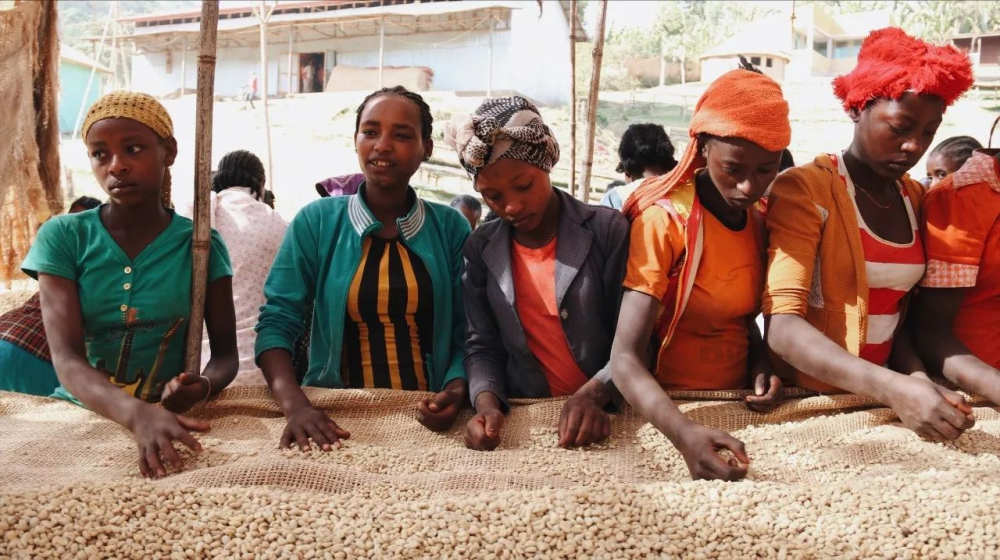
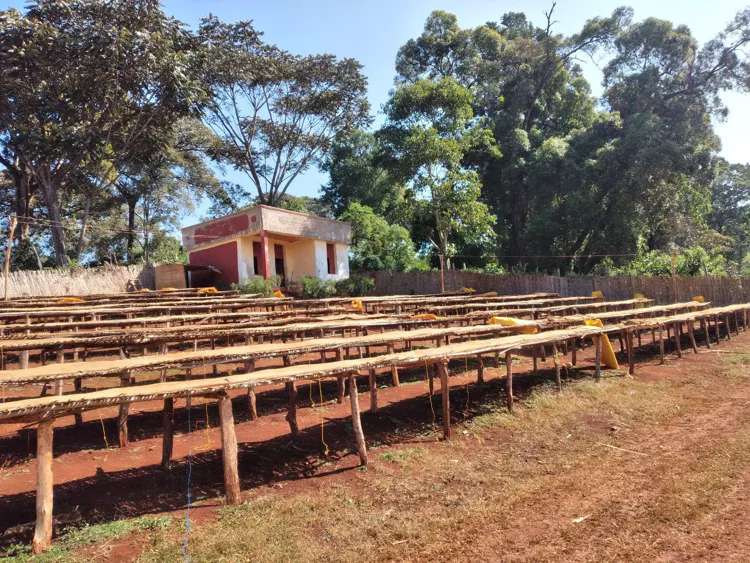
In traditional practice, farmers spread coffee cherries directly on patios or the ground after harvest and rely on sun exposure for drying. Once the cherries' moisture content drops to about 12%, the beans are hulled and bagged. This method easily brings earthy flavors, over-fermentation, and rotten fruit notes. To improve the defective flavors caused by natural drying, Ethiopia introduced washed processing technology from South America. Cooperatives sort, wash, ferment, and remove the pulp and mucilage from purchased coffee cherries, then place them on raised beds to dry. Only when every step is handled properly can the final coffee quality be guaranteed.
Washed processing freed Yirgacheffe from its previous inconsistent quality, and after roasting it shows fresh citrus notes and elegant white floral aromas, bright and delicate overall. It is also for this reason that Yirgacheffe became independent from the Sidamo producing region and became the renowned region it is today in the coffee world.
What flavor characteristics does natural Yirgacheffe have?
Ethiopia's high altitude, low rainfall, and long sunshine hours make it very suitable for sun-drying green coffee beans. The so-called natural method is to dry ripe coffee cherries directly after harvest. During the drying process, the sugars and aromas in the fruit pulp are retained and gradually seep into the green beans. At the same time, the longer the drying period, the more complete the fermentation. Because natural processing lets the fruit dry naturally and allows the coffee beans to mature inside the pulp with less interference from the external environment, natural beans often amplify their own flavors, showing pronounced tropical fruit notes, rich fermented character, and sweetness. Front Street's Sunflower Warm Sun espresso blend includes 30% natural-processed Yirgacheffe Red Cherry coffee beans, carrying a berry-like sweet-and-tart charm.
Red Cherry Konga coffee originates from differentiated harvest volumes formulated for different microclimate zones during the harvest season, picking only 100% ripe red coffee cherries. Proper ripeness combined with more meticulous processing techniques brings a qualitative leap in coffee flavor, and farmers receive correspondingly more generous payment, creating a win-win situation that benefits both producers and consumers.
The Flavor and Mouthfeel of Yirgacheffe
Front Street believes that the most prominent characteristics of Ethiopian coffee lie in its fruity acidity and floral aroma, which is why many coffee people call it a fruit bomb. To showcase such explosive fragrance, the roast level naturally should not be too dark, so Front Street uses a medium-light roast to present the coffee's fruit notes.
Cupping notes:
The dry aroma of the washed Banko Gotiti Cooperative coffee gives off fresh passion fruit, citrus, and berry acidity, while the wet aroma is citrus and berries; on the palate there is citrus acidity, berry sweetness, accompanied by almond and tea notes, with a honeyed sweetness in the finish. The body is low, the acidity is bright, and it is clean and refreshing.
The dry aroma of the natural Red Cherry coffee presents rich berry sweet-and-tart notes. When sipped at different temperatures, you can perceive soft berry acidity, ripe fruit fermentation, obvious honey sweetness, and a black tea finish, with a smooth mouthfeel.
If you want to taste authentic Yirgacheffe flavor, pour-over extraction is especially suitable. But before brewing, be sure to confirm the freshness of the coffee beans; a roast date within 4 to 45 days is best, and after that the aroma will be greatly reduced. Front Street Yirgacheffe coffees are all freshly roasted within 5 days and support shipping within 24 hours, ensuring they are still at their enjoyable stage when they reach you.
Sharing Yirgacheffe's Pour-Over Parameters
Dripper: V60 Water temperature: 92-93°C Dose: 15g Coffee-to-water ratio: 1:15 Grind size: fine sugar size (screening with a No. 20 sieve to 78%)
Three-stage pouring: first wet the coffee bed with twice the weight of the coffee grounds in water, and after it forms a dome, let it bloom for 30 seconds. Then, using a small stream, pour in circles from the inside out until 125g, pause, and when the coffee bed drops to half the height of the dripper, continue pouring the third stage with the same fine stream until 225g, until all the coffee liquid has filtered through. Remove the dripper; the total time is about 2 minutes.
After Front Street washed Yirgacheffe coffee is ground, you can smell the fresh fragrance of honey and jasmine; after hot water is poured in, it begins to release traces of berry flavor. On the palate there are bright lemon, citrus, and green tea notes, and as the temperature changes, lingering notes of berries, cream, and sugarcane emerge, with obvious sweet aftertaste and a clean, sweet mouthfeel.
The above content is compiled by CoffeeHunters, a coffee news website.


