







How Do Washed and Natural Yirgacheffe Coffees Differ?
Yirgacheffe coffee from the same region can taste very different depending on processing. Washed lots such as Kochere tend to show cleaner floral aromatics and bright, crisp fruit acidity, while natural lots like Red Cherry push sweeter, heavier fruit notes forward. The choice of method, not just the origin, shapes what ends up in the cup.
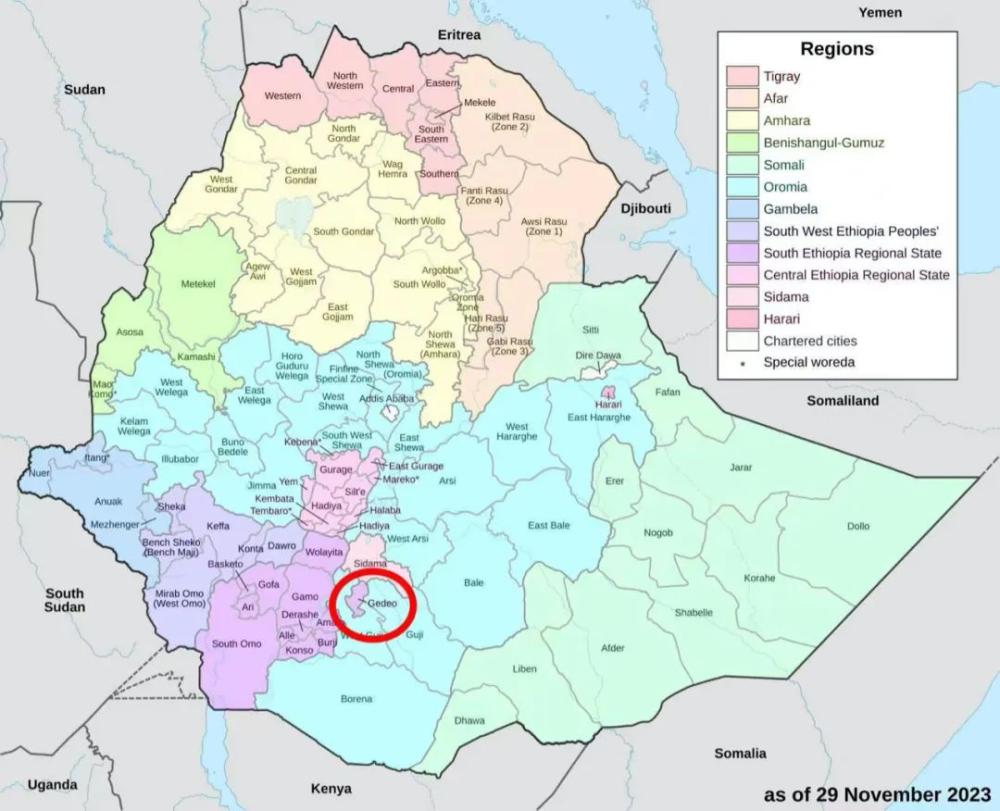
Yirgacheffe is a town in Ethiopia's Gedeo Zone covering roughly 1,600 square kilometers, and coffee is the area's main cash crop. Farmers plant trees in their own backyards and deliver cherries to nearby stations. The Ethiopian Coffee and Tea Authority separated Yirgacheffe from Sidamo, later including Wenago, Kochere and Gedeb in the region.
Ethiopia is the birthplace of Arabica coffee, and its Yirgacheffe region is beloved by coffee enthusiasts for its elegant floral aromas and bright fruity acidity. Coffee beans from the same region can present completely different flavor profiles depending on whether they are washed or natural processed. This article will use Yirgacheffe's Kochere washed beans and Front Street Red Cherry natural beans as examples to analyze the taste differences brought by the two processing methods, while also introducing Yirgacheffe's regional background, administrative divisions, and growing conditions, helping readers gain a more comprehensive understanding of the charm of this legendary region.
When it comes to African coffee, Ethiopia is inevitably a name that cannot be avoided, as it is widely recognized as the birthplace of Arabica coffee. The Yirgacheffe region is particularly outstanding among them, producing coffee with distinctive and elegant floral aromas and bright, crisp fruity acidity, capturing the hearts of a large number of coffee enthusiasts.
At FrontStreet Coffee, there are quite a few beans from the Yirgacheffe region, and most of them are processed using traditional natural or washed methods. So, within the same region, what differences do these two processing methods actually bring to the coffee beans?
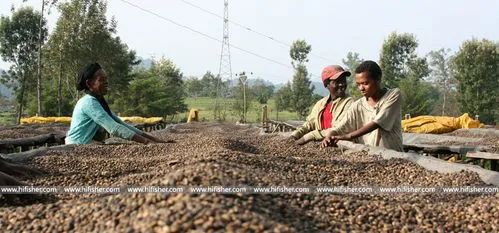
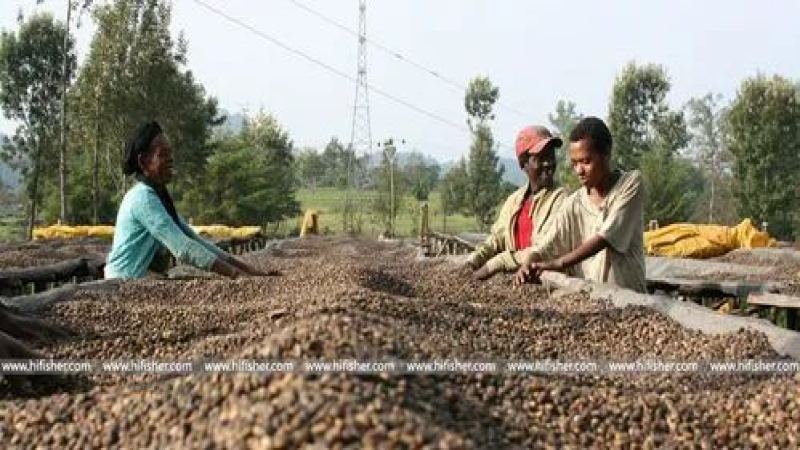
From an administrative perspective, Yirgacheffe is a town under the Gedeo Zone, covering an area of approximately 1,600 square kilometers, with coffee being the most important cash crop for the local economy. It encompasses several renowned villages, such as Aricha and Konga. Coffee farmers in these villages typically plant coffee trees in their own backyards, and after the harvest season arrives, they deliver the cherries to nearby processing stations or cooperatives for processing. The final products are sold under the name of the location or processing station.
According to the official statement of the Ethiopian Coffee and Tea Authority, Yirgacheffe was originally part of the Sidamo coffee region, but because of its unique flavor profile, it was later designated as an independent region. The authorities also included several nearby towns with similar altitude and coffee quality within the Yirgacheffe region, such as the well-known Wenago, Kochere, and Gedeb.
Yirgacheffe is located in south-central Ethiopia, within the East African Rift Valley, with complex terrain and numerous mountains and volcanoes. Coffee trees are planted on slopes at altitudes ranging from 1,750 to 2,200 meters, where fertile soil, abundant water resources, and ample sunshine provide extremely favorable natural conditions for coffee cultivation. The Ethiopian government also places considerable importance on the coffee industry in this area, having applied for patent protection for the region name "Yirgacheffe" as early as 2004.
Ethiopia's coffee cultivation history spans thousands of years, initially using the ancient natural processing method, and it was not until 1972 that washed processing technology was introduced. Thereafter, because the washed method can effectively reduce coffee defects and make the flavor cleaner, combined with the area's abundant water resources, washed processing gradually came to dominate.
FrontStreet Coffee has a washed coffee bean from Yirgacheffe Kochere. After brewing, one can sense a jasmine-like fragrance, with a tropical fruit-like sweet and sour taste on the palate, accompanied by lemon and citrus flavors, and an overall relatively smooth mouthfeel.
Of course, some coffee farmers prefer natural processing. With the continuous improvement of natural processing techniques, flavors have been enhanced and defects reduced, and natural processing has regained market attention. Front Street's Red Cherry coffee beans also come from the Yirgacheffe region, using natural processing. After brewing, they carry a subtle fermented fruity aroma, with a fresh lemony acidity on the palate, accompanied by berry and strawberry flavors, offering a refreshing and pleasant taste.
Ultimately, the core difference between washed and natural processing lies in this: washed processing makes the mouthfeel cleaner and more refreshing, while natural processing, by retaining the flavor of the fruit pulp, makes the mouthfeel richer and more layered.
To learn more about coffee origin information, please scan the QR code to follow: Coffee Review
Long-press the QR code to follow:
The above content is compiled by CoffeeHunters, a coffee news website.


