








Natural or Washed Yirgacheffe: What Changes in the Cup?
Yirgacheffe sits in the Gedeo Zone of southern Ethiopia, and its two common processing routes produce very different cups. Natural processing dries the fruit with the bean, giving heavier berry and stone-fruit sweetness, while washed processing removes the fruit early for a cleaner, brighter cup with sharper acidity and a longer finish.
Kochere, about 25 kilometers southeast of Yirgacheffe town and one of the region's micro-areas, sits at 1,650 to 1,800 meters, and smallholders deliver cherry to cooperatives for centralized processing. The main harvest runs through November and December, and because most farmers work without synthetic pesticides or herbicides, Ethiopian coffee is often treated as organic whether or not it is certified.
Yirgacheffe is one of Ethiopia's most representative specialty coffee regions, and its two green bean processing methods—natural and washed—create completely different flavor profiles. This article systematically examines the essential differences between the two processing methods, from the region's geography and processing techniques to cupping notes, helping coffee enthusiasts more clearly understand the specific distinctions between natural Yirgacheffe and washed Yirgacheffe in aroma, acidity, body, and aftertaste. It also introduces Front Street Coffee's two products, Natural Red Cherry and Washed Gudingding, providing a reference for everyday purchasing and brewing.
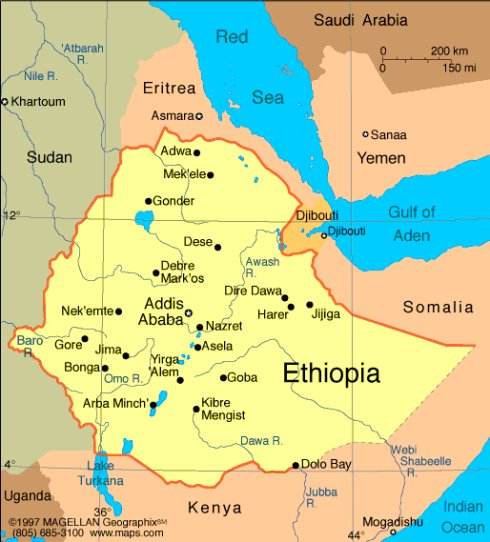
ETHIOPIA, YIRGACHEFFE, KOCHERE
In 1995, Ethiopia adjusted its administrative divisions, and the well-known Yirgacheffe was placed into the Gedeo Zone within the newly established SNNPR. Today, Yirgacheffe is located in central Gedeo, and traveling about 25 miles north from Kochere brings you to the famous town of Yirgacheffe. Locally, the main production model involves smallholder farmers delivering their harvested lots to cooperatives for centralized processing. This area has long been recognized as one of the highest-quality coffee origins in southern Ethiopia. Ethiopia has eight major coffee-producing regions: Nekempte (Lekempti) Gimbi, Limu, Illubabor, Djimma, Harrar, Teppi/Bebeka, Sidamo, and Yirgacheffe.
In terms of the production area, Kochere sits on a highland zone at an altitude of 1,650 to 1,800 meters, about 25 kilometers southeast of Yirgacheffe, and is one of Yirgacheffe's three well-known micro-regions. This area is relatively prosperous because of coffee production, with a population of about 100,000. Coffee beans are the main source of local income, and the processing equipment is quite advanced.
Ethiopia's main harvest season is concentrated in November and December. Most farmers do not use modern cultivation methods, but instead rely on manual care for the coffee trees, without using harmful pesticides or herbicides. Therefore, Ethiopian coffee can almost by default be regarded as organic, whether or not it is certified. The combination of primitive growing methods and meticulous processing has made coffee from this region world-famous. The owner of Neko Farm once said: this time preparations could not be made due to insufficient time, but in the next harvest season they will apply for RFA organic certification.
Washed processing consumes more resources than natural processing (especially water), so the quality of washed green coffee beans is usually higher. The coffee beans are spread flat on drying beds to dry, ensuring good ventilation, and to avoid over-fermentation, workers turn the coffee beans at regular intervals.
Washed processing has brighter acidity than natural processing, which gives Yirgacheffe its "clean" flavor characteristic. People prefer washed Yirgacheffe precisely because it is clearer.
Below is an explanation of exactly how washed and natural Yirgacheffe differ.
Difference One
Two different green bean processing methods:
After harvesting, coffee beans must immediately enter the processing stage, otherwise they will begin to ferment, causing the beans to develop off-flavors. Processing methods are mainly divided into two types, "natural method" and "washed method," and the two lead to different flavor directions.
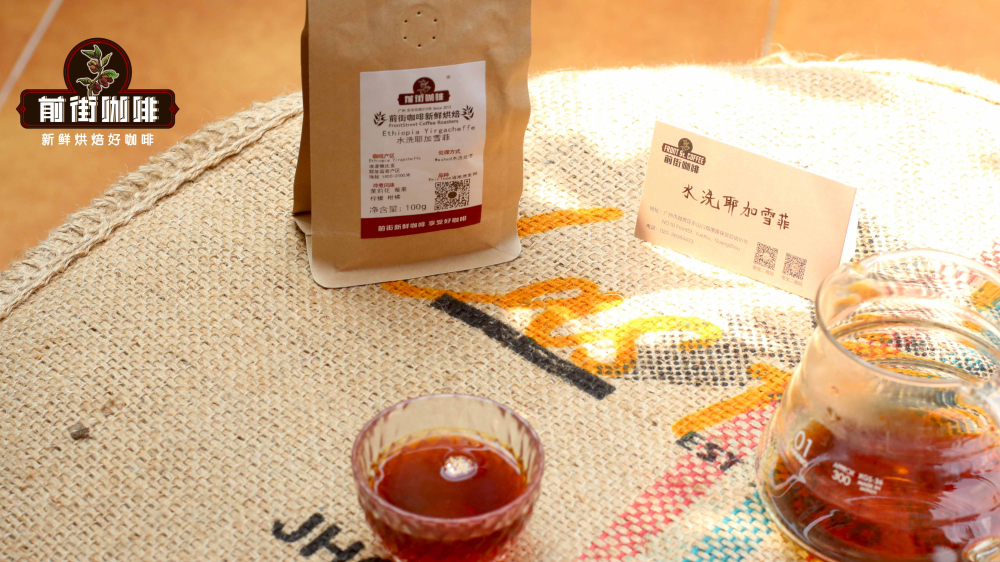
Beans processed by the natural method have a full natural mellowness, soft aroma, and more mucilage; the washed method presents good mellowness, high aroma, and lively acidity.
Natural/Dried-in-the-Fruit, with Front Street Natural Red Cherry as the top choice.
After the fruit is picked, it goes directly into the sun-drying process without processing, which is the oldest processing method still in existence. Drying usually lasts about 4 weeks. The processing method must be very rigorous to ensure the coffee does not lose any flavor. The natural sun-drying method requires an extremely dry local climate. In some areas, people use dryers to assist the drying process of the coffee fruit; the hot air from the dryer can accelerate drying and help control the degree of drying.
Fully Washed, Front Street Washed Gudingding.
Washing and fermentation are used to remove the skin, pulp, and mucilage. Farms using the washed method must build washing tanks and be able to introduce a continuous supply of fresh water. During processing, the fermented beans are placed in the tank and moved back and forth, using the friction between the beans and the force of the flowing water to wash the coffee beans until they are smooth and clean.
After washing, the coffee beans are still wrapped in the parchment layer, with a moisture content of about 50%, and must be dried to reduce the moisture content to 12%, otherwise they will continue to ferment and become moldy and spoiled. The better approach is to use sun drying. Although it takes 1 to 3 weeks, the flavor is excellent and highly favored.
Difference Two: Coffee Bean Appearance
Green beans: generally, washed green beans are blue-green, while natural green beans are yellow-green.
Roasted beans: washed Yirgacheffe has more silver skin, while natural Yirgacheffe has less silver skin.
Differences in dry fragrance:
Cupping: [Following the ratio of 8 grams of grounds to 150 milliliters of 94°C hot water, place into the cup and let the coffee steep for 3 to 4 minutes until a crust forms]
Natural Yirgacheffe: light fermented wine aroma, spice notes.
Washed Yirgacheffe: jasmine floral aroma, lemon or lime acidity.
Differences in taste:
Natural Yirgacheffe — Front Street Red Cherry: the natural flavor is slightly complex, with a light fermented wine aroma, a heavier bittersweet note, and a much richer taste, presenting honey sweetness, cocoa notes, and a touch of spice, with a thick body and long aftertaste.
Washed Yirgacheffe — Front Street Gudingding: the acidity of washed processing is brighter, similar to citric acid, with a more refreshing taste, more obvious citrus aroma, and some black tea sensation in the finish.
Similarities: both have fruity acidity, similar to fruits such as lemon and citrus.
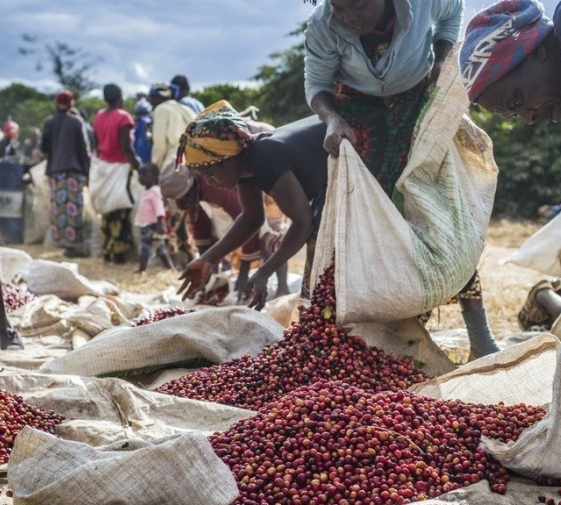
Ethiopia Yirgacheffe Front Street Washed Gudingding
Grade: G1
Variety: Ethiopian heirloom
Growing altitude: 1,800–2,100 meters
Processing method: washed
Flavor characteristics
Fruity, Fresh Jasmine Aroma, Berries, Citric Acidic, Pineapple, Apple, Smooth, Clean, Long Aftertaste
The above content is compiled by CoffeeHunters, a coffee news website.


