







Why Does Typica Matter in Arabica Coffee Genetics?
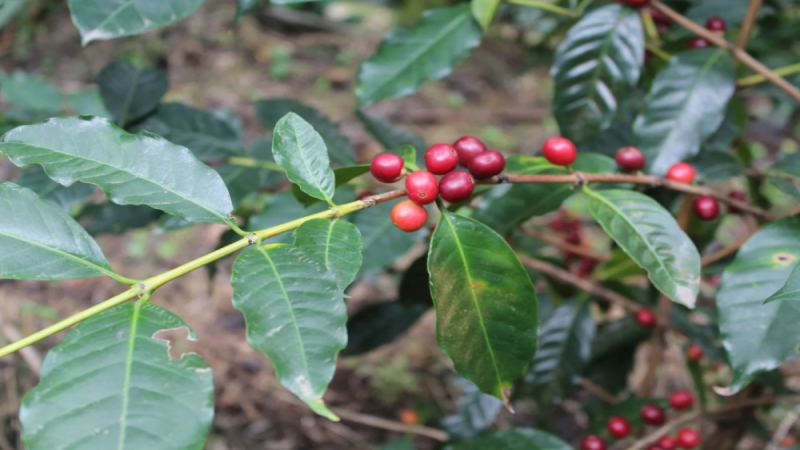
Typica holds a central place in the genetic history of arabica coffee, prized for cup quality despite low yield and weak resistance to major diseases. It spread widely across Central and South America and by the 1940s could be found in most plantations there, but many producing regions replaced it with higher-yielding, hardier varieties.
Today Typica is still cultivated in Peru, Jamaica and the Dominican Republic, and it has given rise to distinctive types such as Caripe, found in Monagas State, Venezuela, and Novo Mundo, a natural Bourbon and Typica hybrid discovered in 1943 in São Paulo, Brazil. Each type of arabica coffee derived from Typica carries its own breeding history and cultivation performance.
Typica is a variety of pivotal importance in the genetic history of Arabica coffee. Although its yield is relatively low and it is susceptible to diseases, it is renowned for its outstanding quality. In the 1940s, it was widespread across Central and South America, but later gradually replaced due to various shortcomings. Today, it continues to be cultivated only in Peru, Jamaica, the Dominican Republic, and other places, and has given rise to distinctive varieties such as Caripe, Novo Mundo, and POP3303/21. This article will review the spread and decline of Typica, introduce the origins, breeding processes, and cultivation performance of these derivative varieties one by one, and finally present the brewing experience of Front Street Coffee's Elida Estate Typica for coffee enthusiasts' reference.
Typica occupies an extremely critical position in the genetic lineage of Arabica coffee and can be considered one of the most important varieties in the world. This variety has relatively tall plants, with the drawbacks of low productivity and weak resistance to major diseases, though its coffee quality is quite excellent. Over time, Typica continued to spread outward, and by the 1940s, it could be seen in most coffee plantations in South and Central America.
However, the shortcomings of low yield and susceptibility to disease led many producing regions to successively replace Typica with other varieties. Looking at the Americas today, the countries still cultivating Typica include Peru, Jamaica, the Dominican Republic, and others. At the same time, some regions have also begun to cultivate varieties derived from Typica.
Professor Gustavo Bonafina Para of the Universidad de Oriente in Caripe, Venezuela, also serves as one of the leaders of Coffee No. 5 in Venezuela's Ministry of Agriculture and Breeding. During a routine visit to coffee-growing villages, local farmers pointed out to this leader that some Typica plants in the plantations had exceptionally outstanding yields. In 1958, this leader initiated a selection program on several farms and conducted trials on the productivity of these plants. The variety ultimately selected was Caripe, which has now become a representative regional variety in Monagas State in northeastern Venezuela.
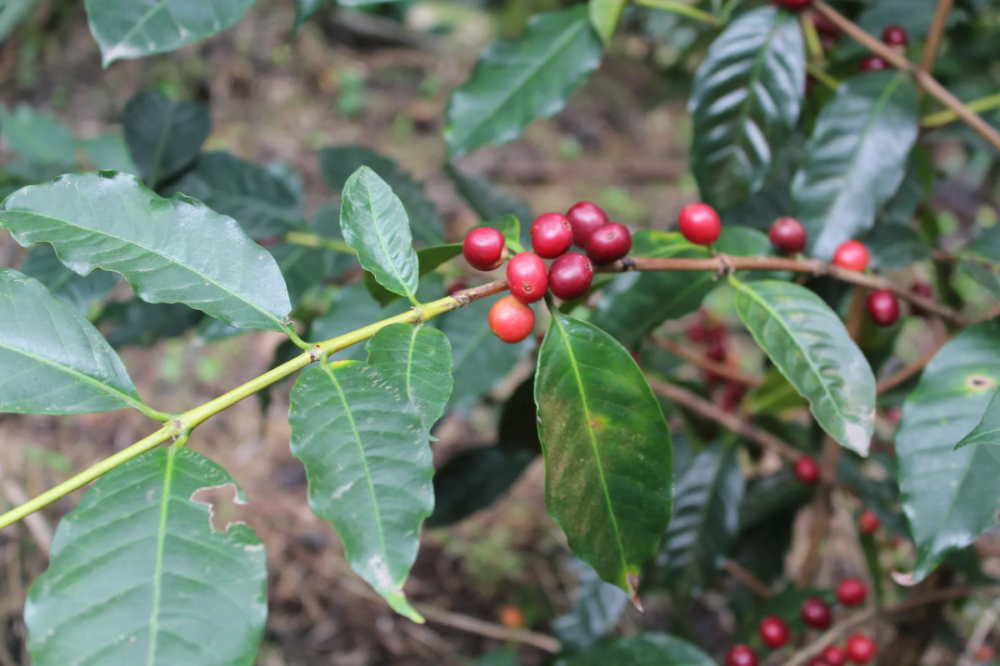
This variety was discovered in 1943 in Mineiros do Tiete, São Paulo, Brazil, and is a natural hybrid of Bourbon and Typica. Because it was initially planted in the city of Novo Mundo, which is today's Urupês, it got this name. Since 1952, this variety has been continuously distributed to Brazilian farmers due to its vigorous growth and good productivity. Its main cultivation range is concentrated in Brazil and other South American countries (including Peru), while it is rarely planted in Central America because local farmers dislike its excessively tall plant type.
This variety was selected in 1972 from survey trees in a plantation in Cyangugu, a city in western Rwanda. It is said that this plantation was entirely planted with the Blue Mountain variety, locally called BMJ in Rwanda. The Blue Mountain variety was introduced to East Africa from Jamaica via Nyasaland (present-day Malawi) in 1894. At that time, the only known variety in Jamaica was Typica, so people speculate that POP3303/21 is related to Typica. In 2003, the Rwanda Agriculture Board officially released this variety, and because of its high yield and tolerance to drought, leaf rust, and berry disease, it is used for commercial production in Rwanda.
Front Street Coffee has naturally collected quite a few coffee beans of the Typica variety, one of which is Front Street Coffee's Elida Estate Typica from the Boquete production region in Panama. This coffee uses natural processing. When brewing, a V60 is used with a coffee-to-water ratio of 1:15. On the palate, one can clearly feel the flavors of peach, raisins, and orange, accompanied by a faint fermented wine aroma and a sweetness like sugarcane and caramel. The mouthfeel is similar to green tea, with quite high cleanliness.
The above content is compiled by CoffeeHunters, a coffee news website.


